Every year, people are injured because a normal wildlife sighting turns dangerous in just a few seconds. Understanding dangerous wildlife encounters can help you stay safe and avoid actions that may scare or threaten an animal. Most wild animals do not want to attack people, but they may react quickly if they feel trapped, surprised, or protective.
This article explains the split-second triggers that can lead to dangerous wildlife encounters. You will learn why animals change from calm to defensive, what common human actions increase risk, and how simple choices can help prevent serious incidents. Knowing these facts can make every outdoor adventure safer for both you and wildlife.
Why wild animals react so quickly
Wild animals rely on fast decisions to survive. Their brains are built to react within moments when they think they are in danger. Instead of stopping to figure out a person’s intentions, many animals respond with defensive behavior that protects themselves, their young, or their food.
Most attacks are not acts of hunting people. Experts explain that animals usually attack because they feel threatened or cornered. A bear, elk, moose, bison, or other large animal may charge if it believes there is no safe escape or if it thinks a person is getting too close.
The biggest triggers behind attacks
One of the most common triggers is surprising an animal at close range. This often happens on hiking trails, in thick brush, or around bends where people and wildlife suddenly meet. Loud movements, fast approaches, or getting between a mother and her young can quickly turn a peaceful encounter into a dangerous one.
Animals also become defensive when protecting food or territory. Bears may guard animal carcasses or food sources, while many large mammals become more territorial during breeding season. Even animals that seem calm can react immediately if they believe their space has been invaded.
How human behavior increases the risk

People sometimes make dangerous situations worse without realizing it. Running toward wildlife for a better photo, feeding wild animals, or trying to get close for social media pictures teaches animals to lose their natural fear of humans. This increases the chance of future conflicts.
Fast movement can also trigger a response. Running, biking, or jogging may surprise wildlife before the animal has time to move away. Pets can add another risk because some animals see dogs as predators, while others may mistake them for prey.
Reading warning signs before it is too late
Wild animals often give warning signals before attacking. These signs may include stomping the ground, lowering the head, flattening the ears, growling, hissing, bluff charging, or making loud warning sounds. Recognizing these signals gives people a chance to back away before the situation becomes worse.
Body language matters because every second counts. If an animal appears tense, blocks your path, or focuses closely on you, it is safest to create more distance slowly. Staying calm and avoiding sudden movements can reduce the animal’s stress.
Why distance is your best protection
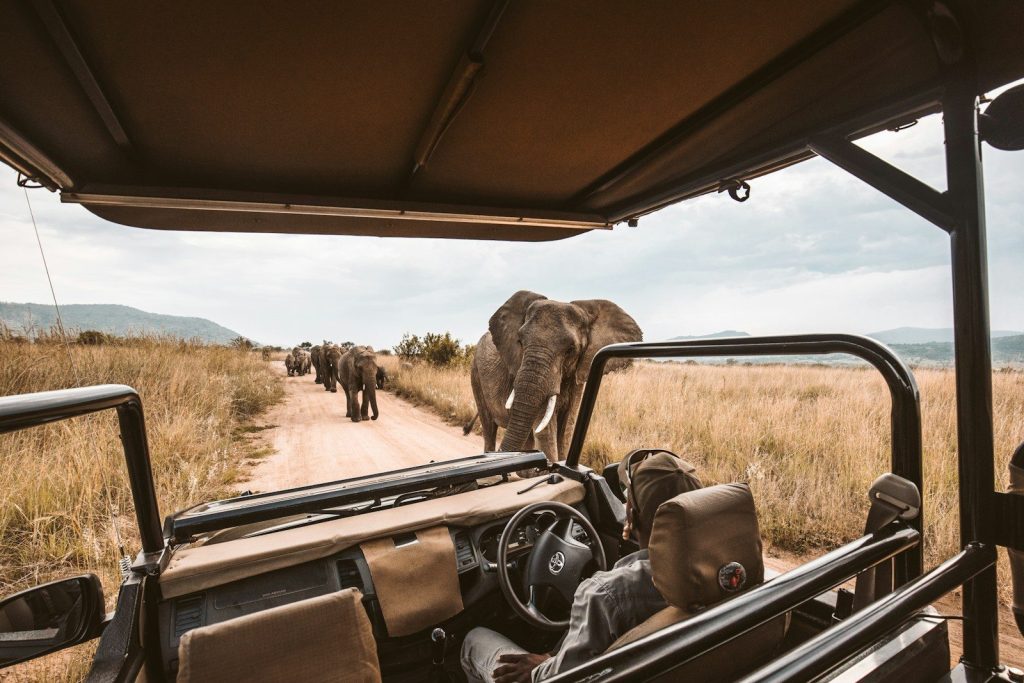
Keeping a safe distance gives wildlife room to escape instead of feeling trapped. National parks recommend staying far enough away that the animal continues its normal behavior. If an animal changes what it is doing because of your presence, you are already too close.
Distance also protects young animals. Baby wildlife may look alone, but a parent is often nearby. Trying to touch, rescue, or photograph young animals at close range can trigger a fast defensive response from the adult.
Smart habits that prevent dangerous encounters
Preparation makes a big difference before you even see wildlife. Staying alert, making noise while hiking in areas with limited visibility, following park rules, and properly storing food all reduce the chances of a close encounter. Learning about local wildlife before visiting an area is another important safety step.
If you do meet a wild animal, remain calm and avoid blocking its escape route. Slowly move away while watching the animal without making sudden actions. Respecting wildlife’s space is the simplest and most effective way to prevent dangerous encounters.
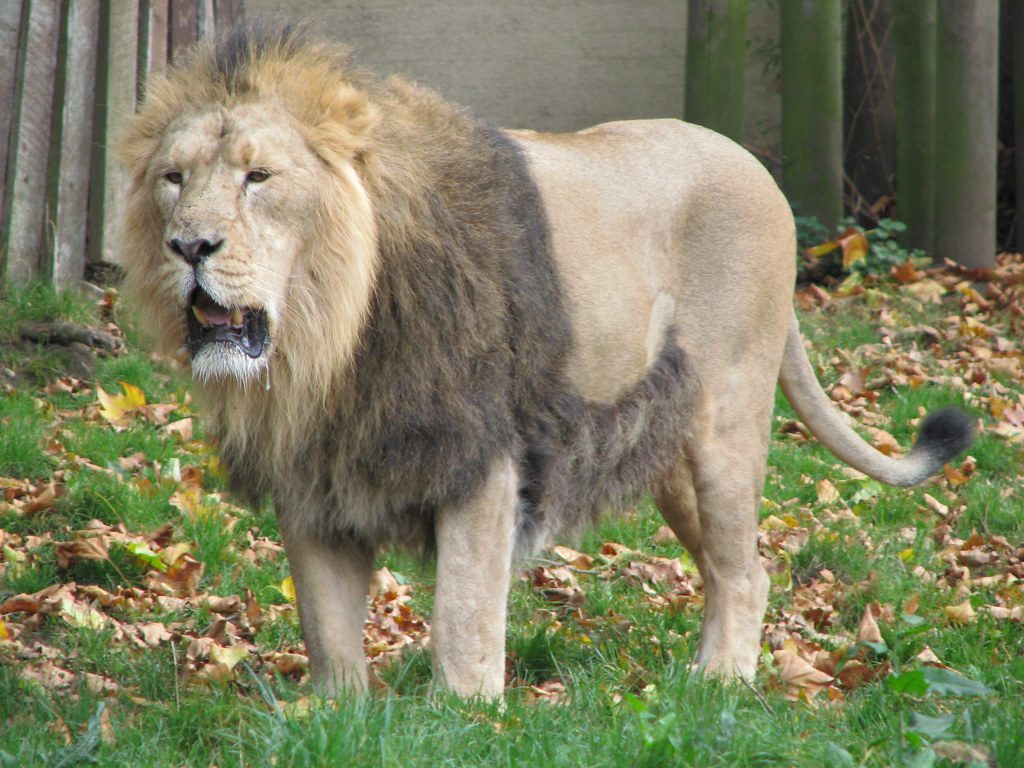
Featured image by: “Lion at London Zoo” by jimbowen0306 is licensed under CC BY 2.0
Leave a Reply