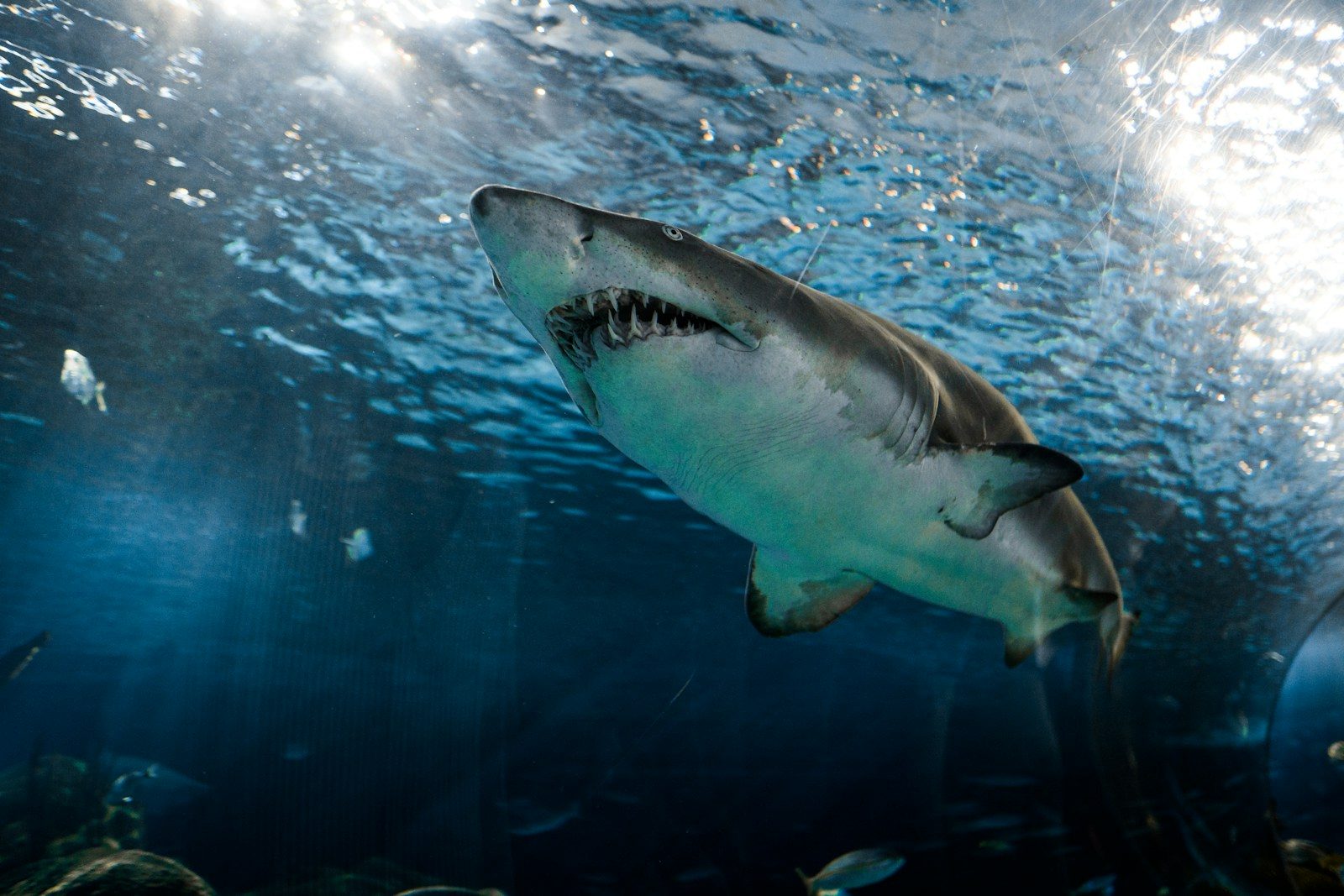
The idea of sharks swimming in freshwater sounds like something from a movie, but it is based on real biology. While nearly every shark species depends on saltwater to survive, one remarkable predator has evolved the ability to move between oceans, rivers, and some freshwater lakes.
That shark is the bull shark, a species famous for its adaptability and its ability to travel surprisingly far inland. Despite this, many stories about “shark-infested lakes” exaggerate what scientists have actually documented.
The shark that can live in freshwater
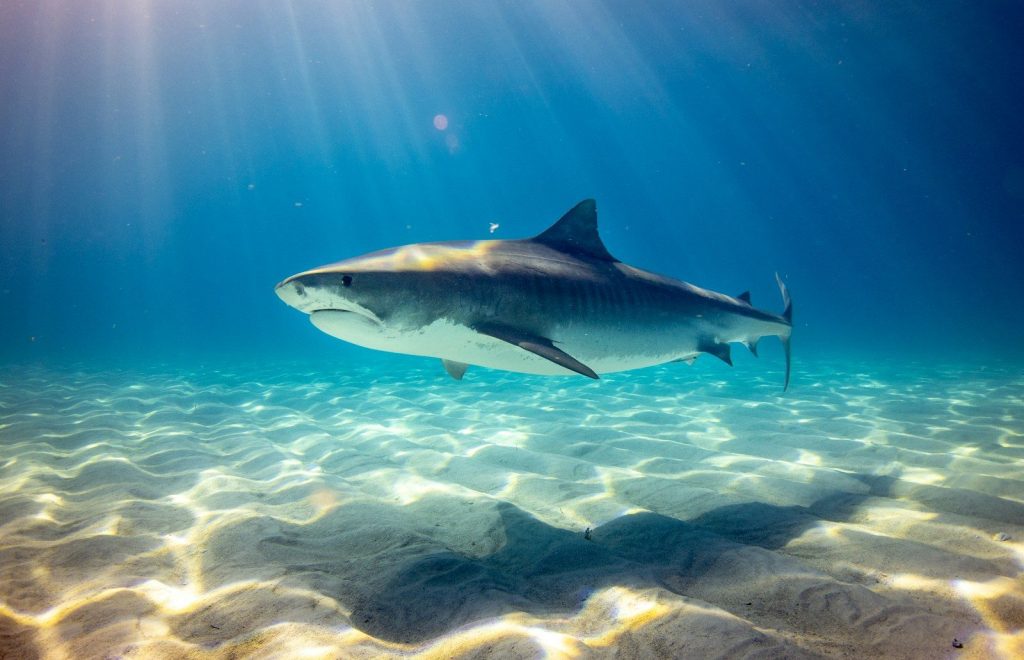
Bull sharks possess unique kidneys and specialized glands that allow them to regulate salt inside their bodies. This adaptation enables them to survive in freshwater environments where most other sharks would quickly die.
Young bull sharks often use rivers and estuaries as nursery habitats because they contain fewer large marine predators.
How sharks reach inland lakes
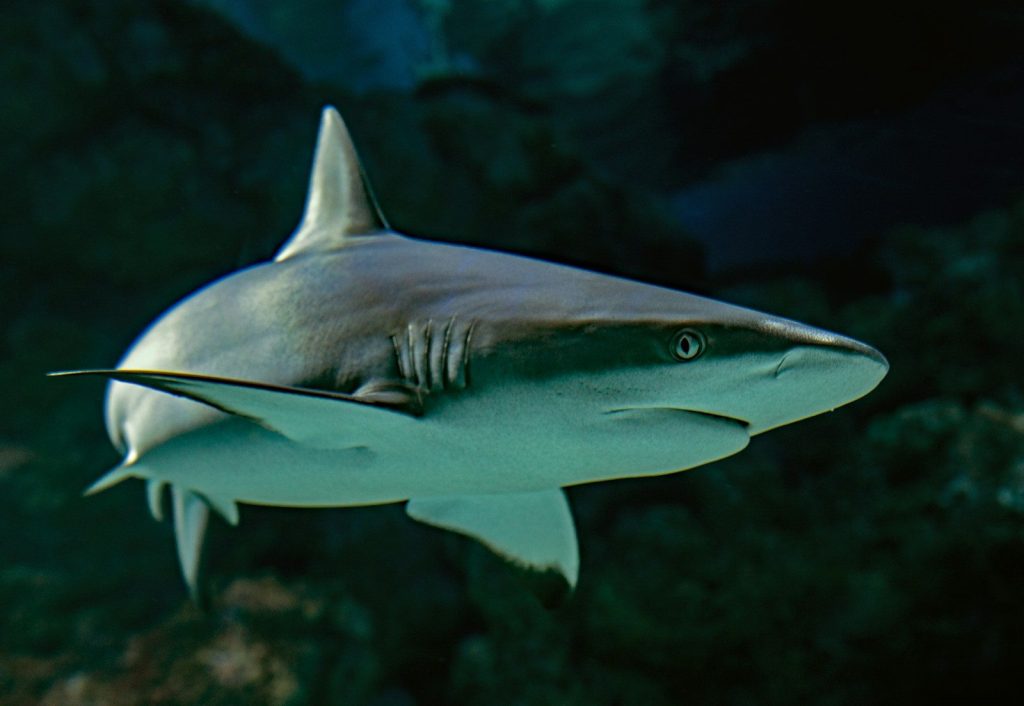
Bull sharks do not simply appear in isolated lakes. They reach freshwater by swimming upstream through connected rivers and estuaries that remain accessible from the ocean.
Only lakes connected to these waterways can occasionally receive visiting bull sharks. Completely landlocked lakes cannot naturally support shark populations.
Which U.S. waters have recorded sharks?
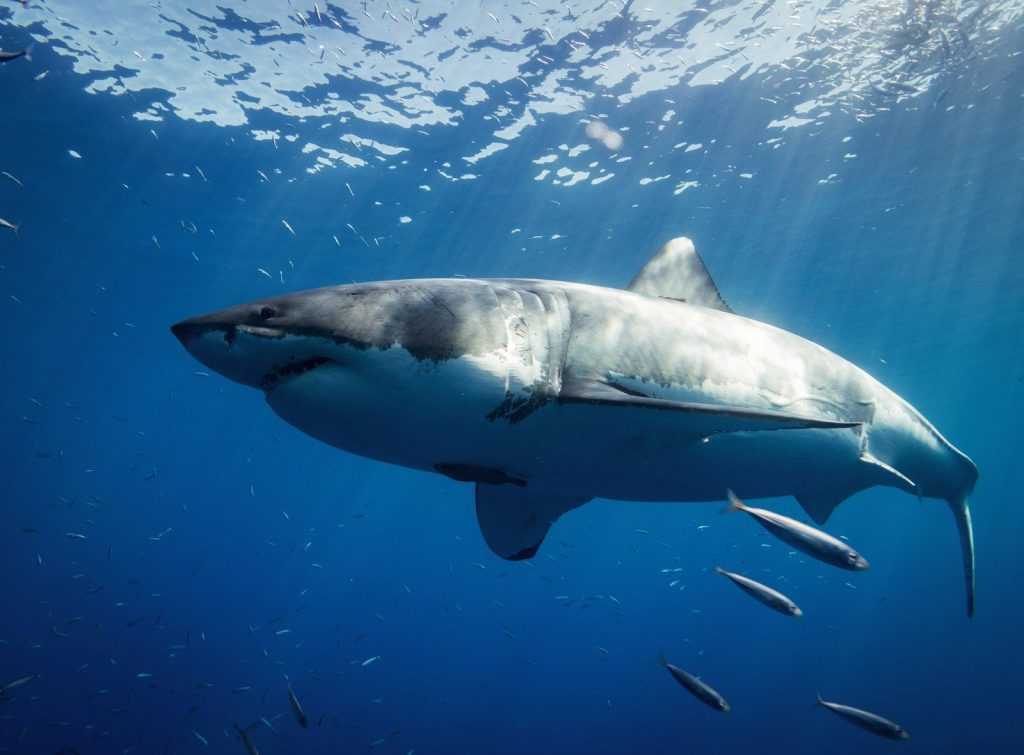
Bull sharks have been documented traveling far up rivers such as the Mississippi and are occasionally found in connected freshwater systems. These events are uncommon and usually involve individual animals rather than permanent populations.
Many headlines describing “shark-infested lakes” actually refer to isolated sightings instead of lakes with resident sharks.
The Great Lakes are a different story
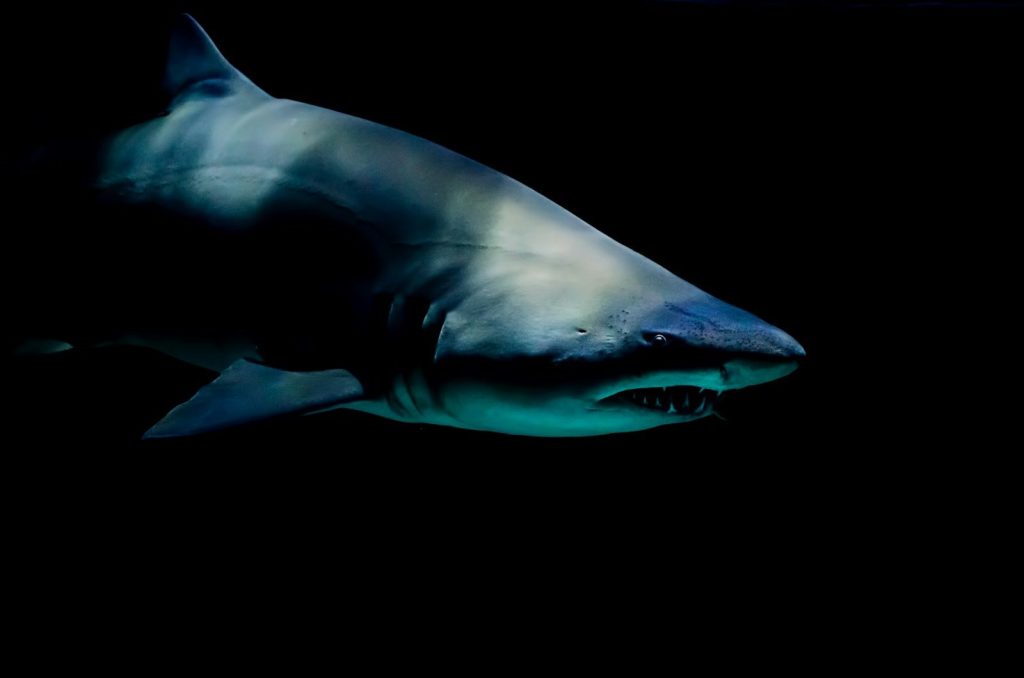
Despite decades of rumors, scientists have found no confirmed evidence that bull sharks live in the Great Lakes. Cold water temperatures, navigation barriers, and unsuitable habitat make permanent populations extremely unlikely.
Several viral photos and stories claiming otherwise have been investigated and debunked by experts.
Why bull sharks are so unique
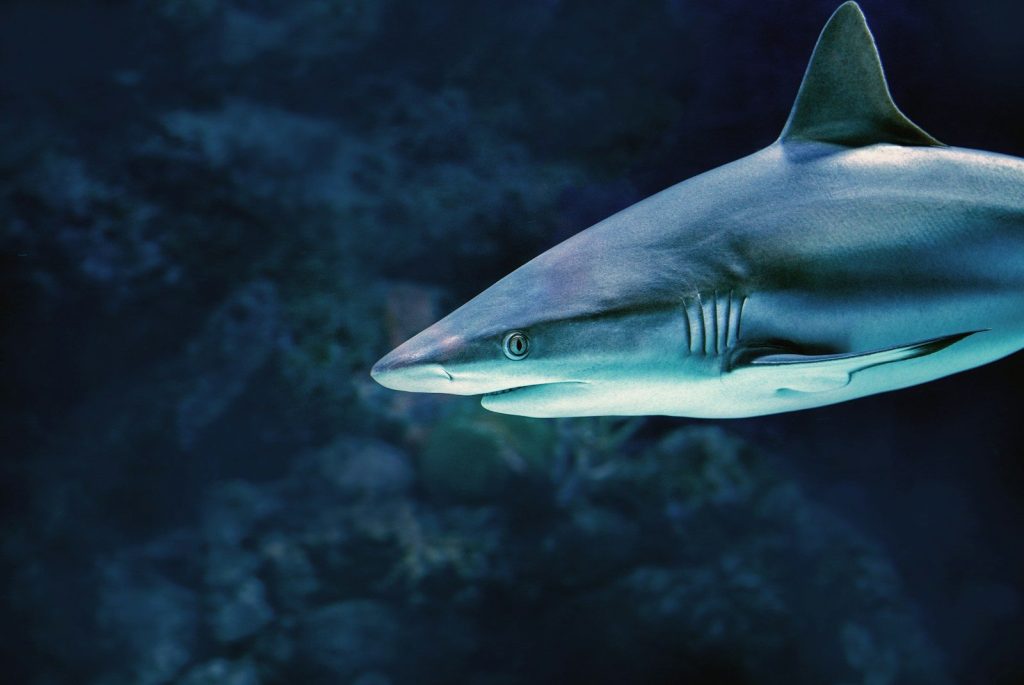
Bull sharks are among the few shark species capable of tolerating freshwater for extended periods. Their flexibility allows them to exploit habitats unavailable to most other sharks while reducing competition from marine predators.
This unusual adaptation has made them one of the most widely distributed large shark species in tropical and subtropical regions.
What this means for swimmers

Although freshwater shark stories attract attention, encounters remain extremely rare. Most U.S. lakes have no sharks at all, and the chance of meeting one in freshwater is far lower than meeting one in the ocean.
Scientists emphasize that bull sharks are fascinating because of their biology, not because freshwater lakes are filled with them.
Featured Image: Photo by Marcelo Cidrack on Unsplash
Leave a Reply