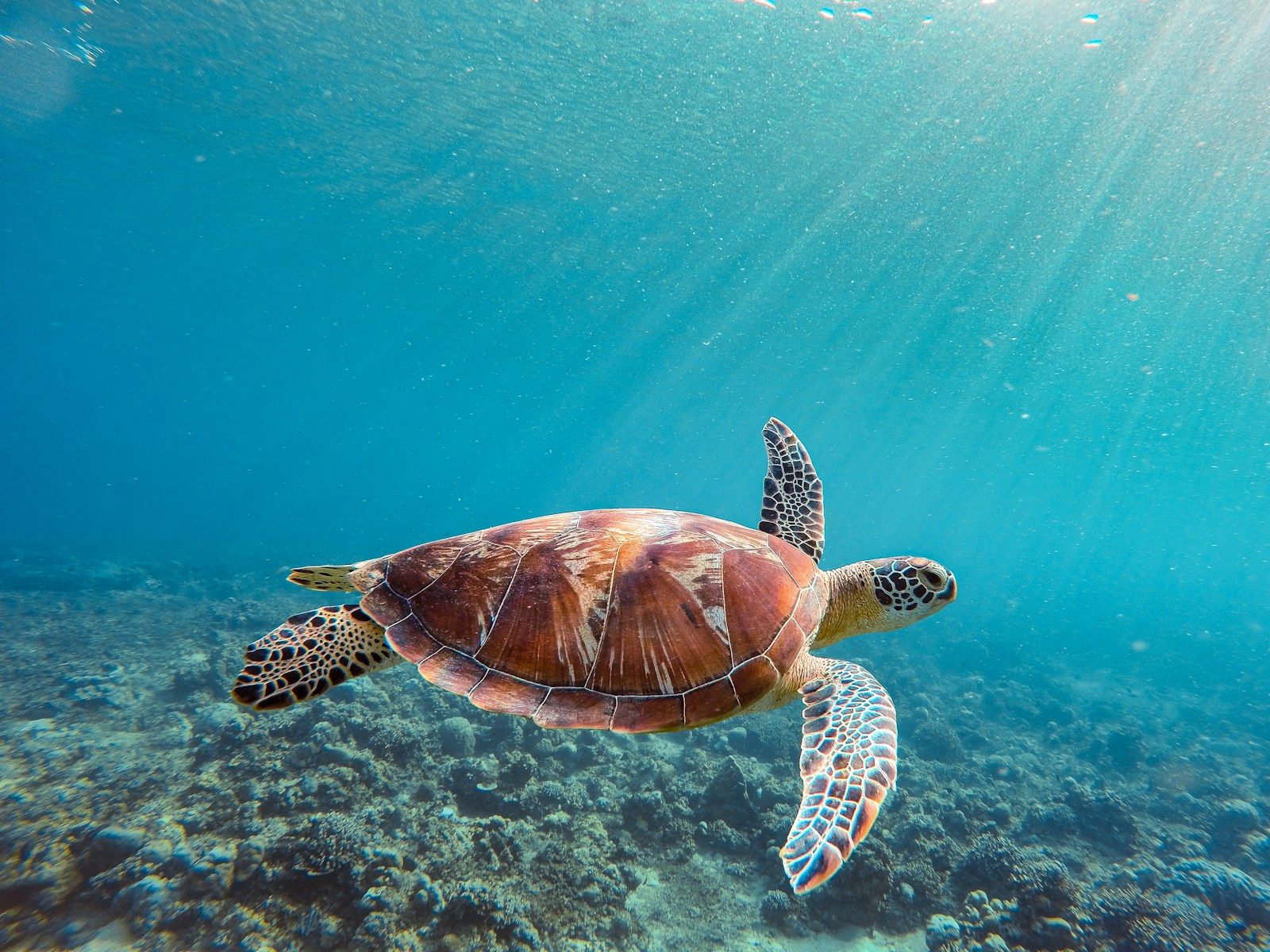
Seeing turtles trapped in shrinking or unsafe water can be heartbreaking. A rescue team helps stranded turtles reach a safer water habitat is a reminder that quick action can save wildlife when natural conditions become dangerous. Rescue teams often move stranded turtles to healthier waters where they have a better chance to survive and recover.
This article explains how turtle rescues work, why turtles become stranded, and what happens after they are moved to safer habitats. You’ll also learn why these efforts are important for protecting turtle populations and keeping freshwater and marine ecosystems healthy.
Why turtles become stranded
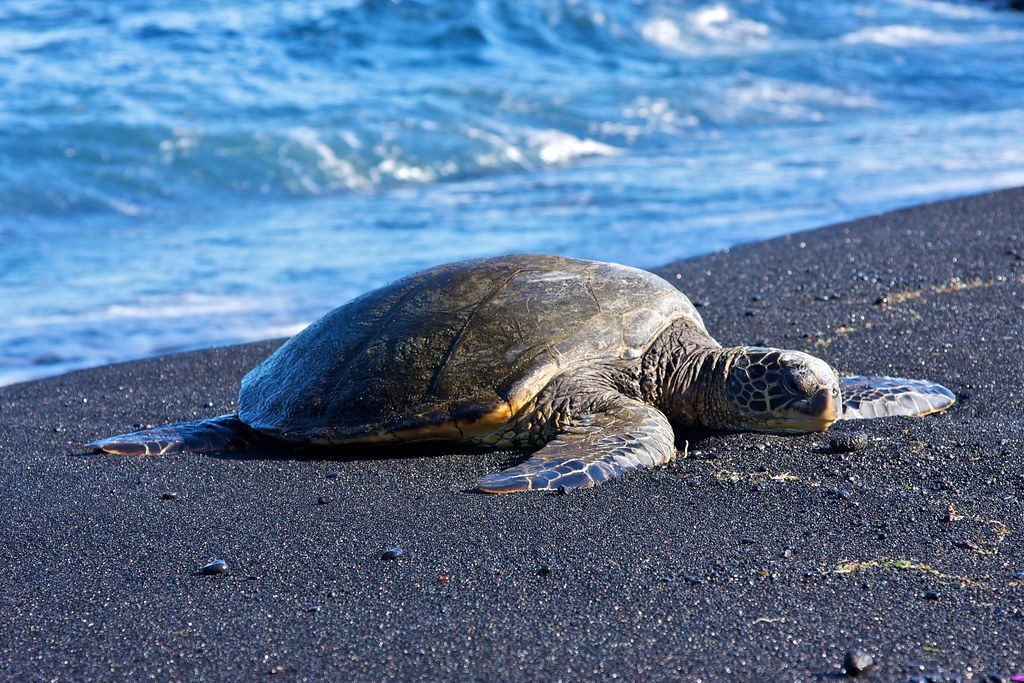
Turtles can become stranded when ponds, wetlands, or shallow waterways dry up or when sudden weather changes leave them trapped. Sea turtles may also become stranded after strong cold fronts, storms, or changing tides make it difficult for them to swim.
When turtles cannot reach deeper or safer water, they face dehydration, starvation, injury, and attacks from predators. Without help, many stranded turtles do not survive these harsh conditions.
Rescue teams acted quickly

Wildlife rescue teams carefully collected the stranded turtles and checked them for signs of injury or illness before moving them. The goal was to reduce stress while making sure each turtle was healthy enough for transport.
Rescuers used proper handling methods because turtles can become weaker if they are moved the wrong way or kept out of the water for too long. Their fast response greatly improved the turtles’ chances of survival.
The turtles were moved to safer water
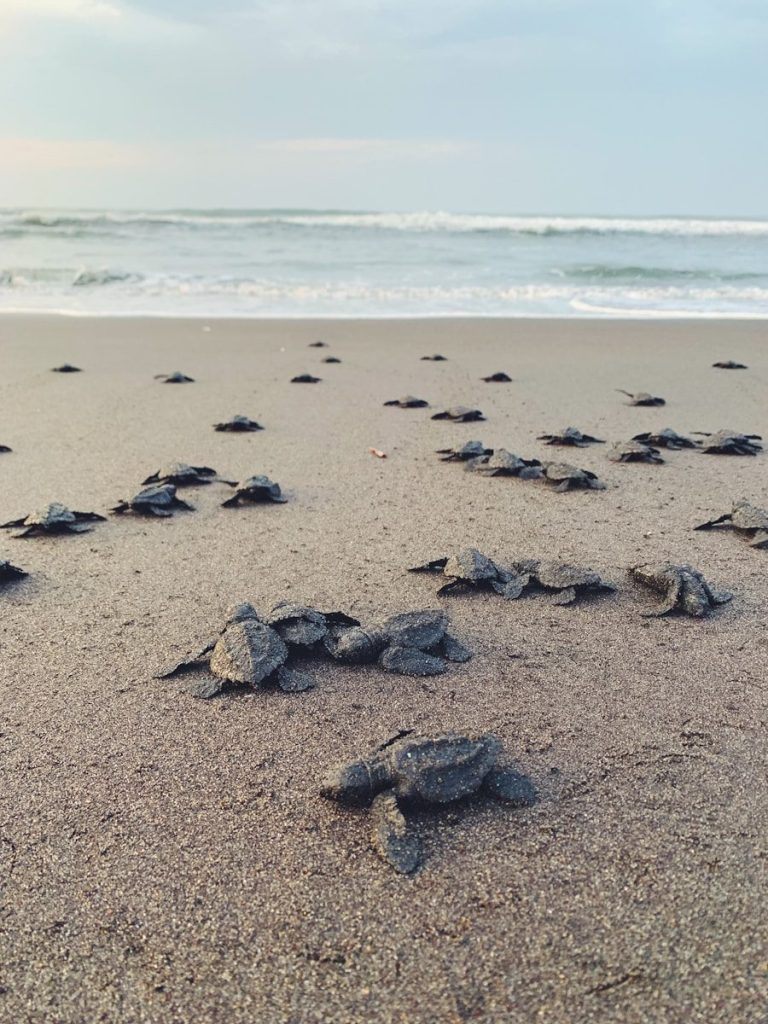
After the health checks, the turtles were released into a safer habitat with enough clean water and suitable conditions for feeding and resting. Choosing the right location is an important part of every wildlife rescue.
Rescue teams make sure the new habitat matches the turtles’ needs. The water must provide enough food, shelter, and space so the animals can continue living naturally after their release.
Why healthy habitats matter
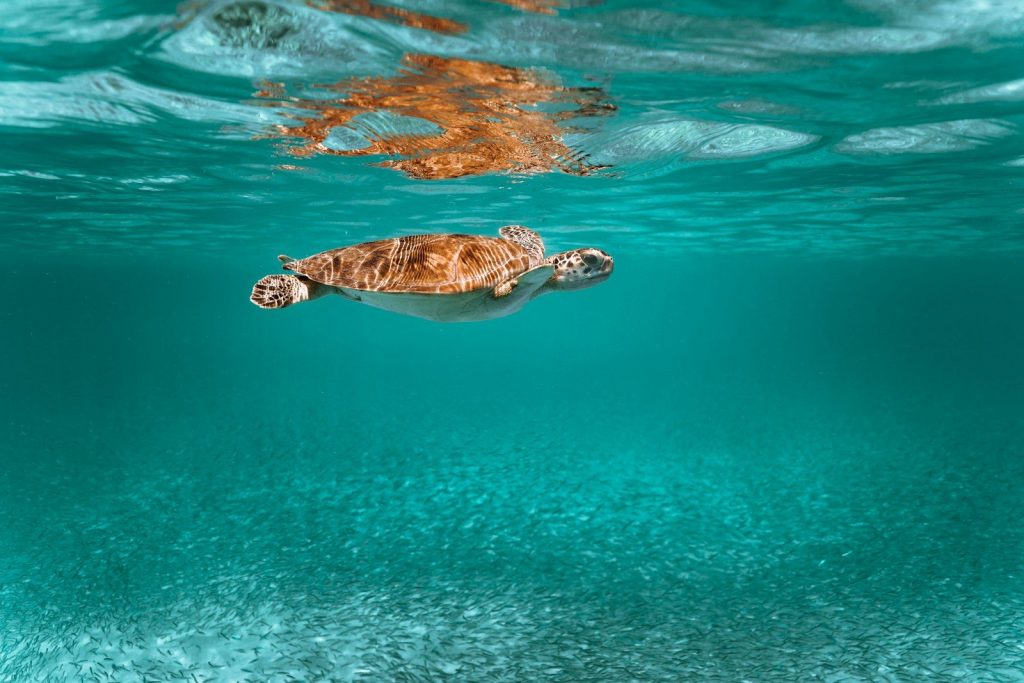
Turtles play an important role in nature by helping keep aquatic ecosystems balanced. Some species control plants, while others help clean the environment by feeding on dead animals or other organic material.
Healthy wetlands, rivers, lakes, and coastal waters give turtles the resources they need to grow, reproduce, and avoid danger. Protecting these habitats also benefits many other plants and animals.
Wildlife rescues support conservation
Rescuing stranded turtles does more than save individual animals. It also supports conservation by helping threatened and endangered turtle populations recover whenever possible.
Many rescue operations involve wildlife agencies, veterinarians, volunteers, and conservation groups working together. Their teamwork allows injured or stranded turtles to receive expert care before returning to the wild.
Small actions can make a big difference
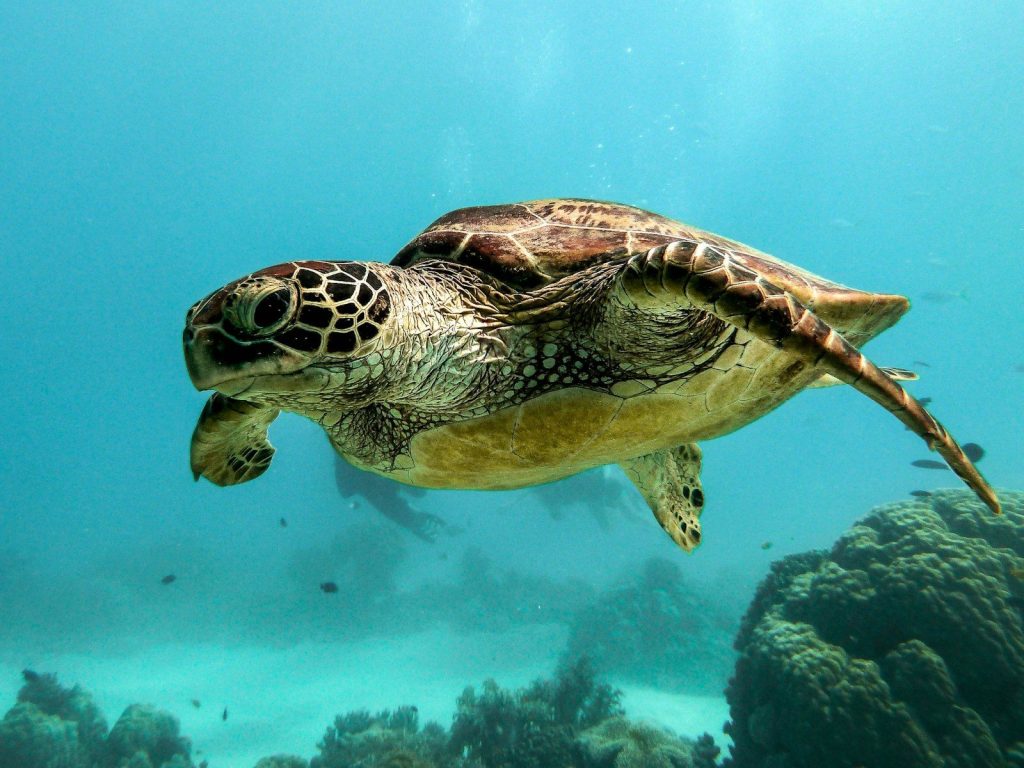
People can help turtles by protecting wetlands, keeping waterways free of trash, and reporting stranded wildlife to local authorities instead of trying to handle the animals themselves. These simple actions can improve survival for many turtle species.
The successful rescue shows that timely action and proper care can give stranded turtles another chance. With continued conservation efforts, more turtles can safely return to healthy water habitats where they belong.
Featured Image: Photo by Sébastien Goldberg on Unsplash
Leave a Reply