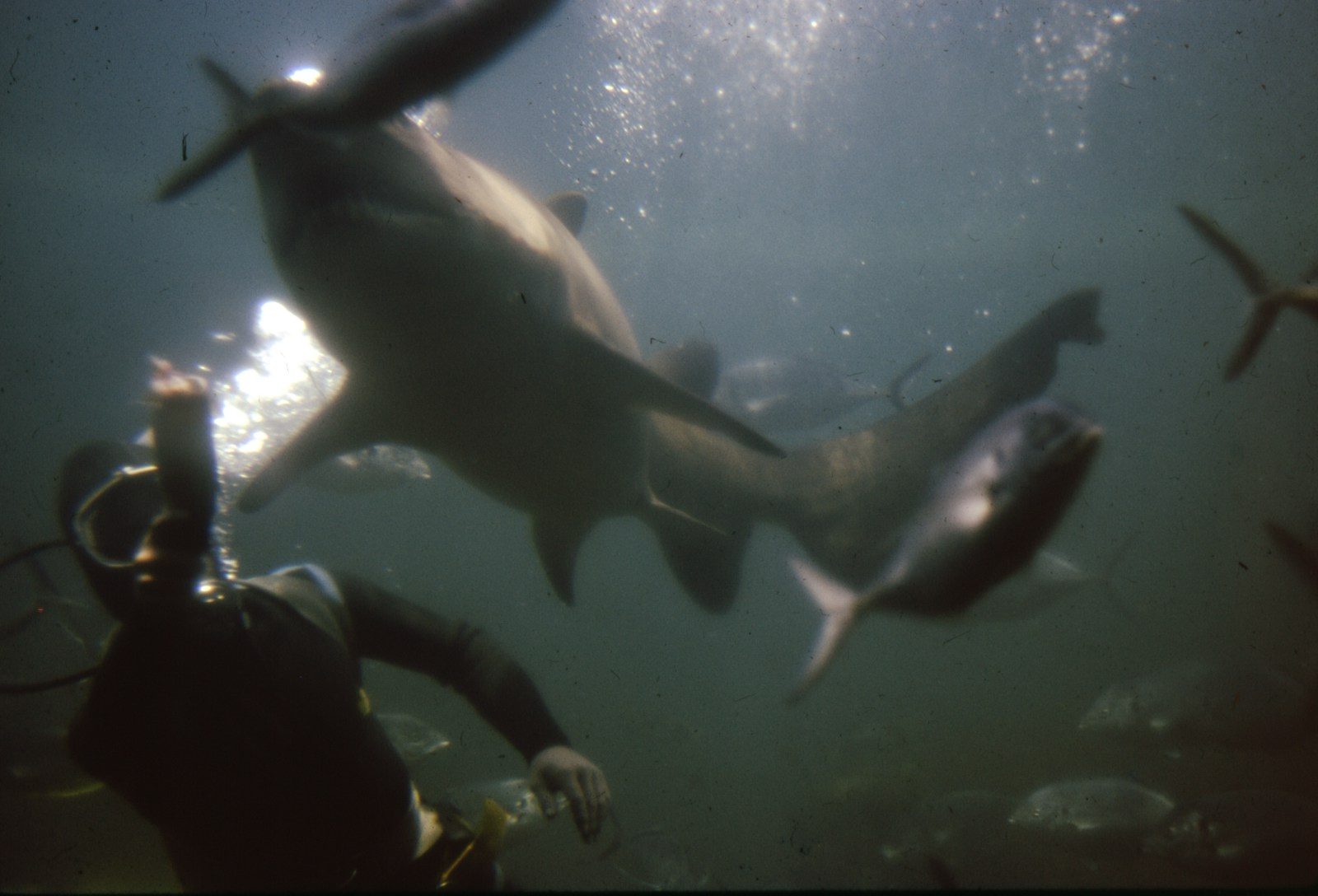
A diver survives a great white shark attack 25 feet below the surface is the kind of story that reminds us how unpredictable the ocean can be. While shark attacks are rare, they can happen in waters where large predators live. In this remarkable case, an experienced diver survived after a great white shark attacked him while he was working underwater off Australia’s southeast coast.
This article explains what happened during the attack, how the diver escaped, the injuries he suffered, and what experts say about great white shark behavior. You’ll also learn why these encounters remain uncommon despite the presence of sharks in many coastal waters.
The attack happened below the surface
The attack took place in January 2007 near Cape Howe, close to Eden in New South Wales, Australia. Diver Eric Nerhus was collecting abalone about 25 feet below the surface when a great white shark suddenly attacked him.
The shark grabbed Nerhus by the head, crushing his diving mask and breaking his nose. Witnesses said the shark then bit around his torso, putting much of his upper body inside its powerful jaws before he fought back.
The diver fought to escape
As the shark held him, Nerhus reached toward its eye and pushed his fingers into the eye socket. The shark reacted by opening its mouth, giving him a chance to pull himself free.
After escaping the shark’s grip, Nerhus made it back toward the surface. His son and fellow divers quickly pulled him into their boat and rushed him to shore for emergency medical care.
His injuries were serious but survivable
The attack left Nerhus with injuries to his head, chest, and left arm. His face mask was destroyed, and he suffered heavy cuts and blood loss during the terrifying encounter.
He was flown to a hospital, where doctors treated his injuries. Despite the severity of the attack, he survived and later recovered, making his story one of Australia’s most remarkable shark attack survival cases.
Great white sharks are powerful predators
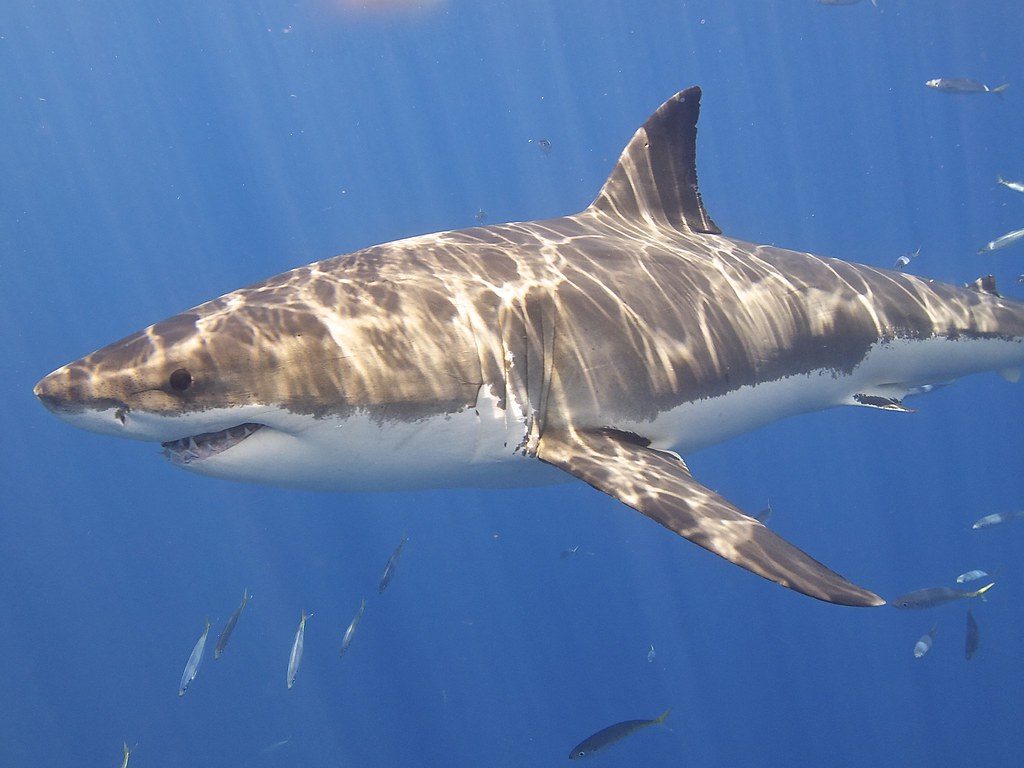
Great white sharks are among the ocean’s largest predatory fish. They use powerful jaws and sharp teeth to hunt seals, fish, and other marine animals.
Although they are capable of attacking humans, such incidents are uncommon. Scientists say great white sharks do not normally hunt people as prey, and confirmed attacks remain rare compared with the number of people who enter the ocean each year.
Divers accept the risks of the ocean
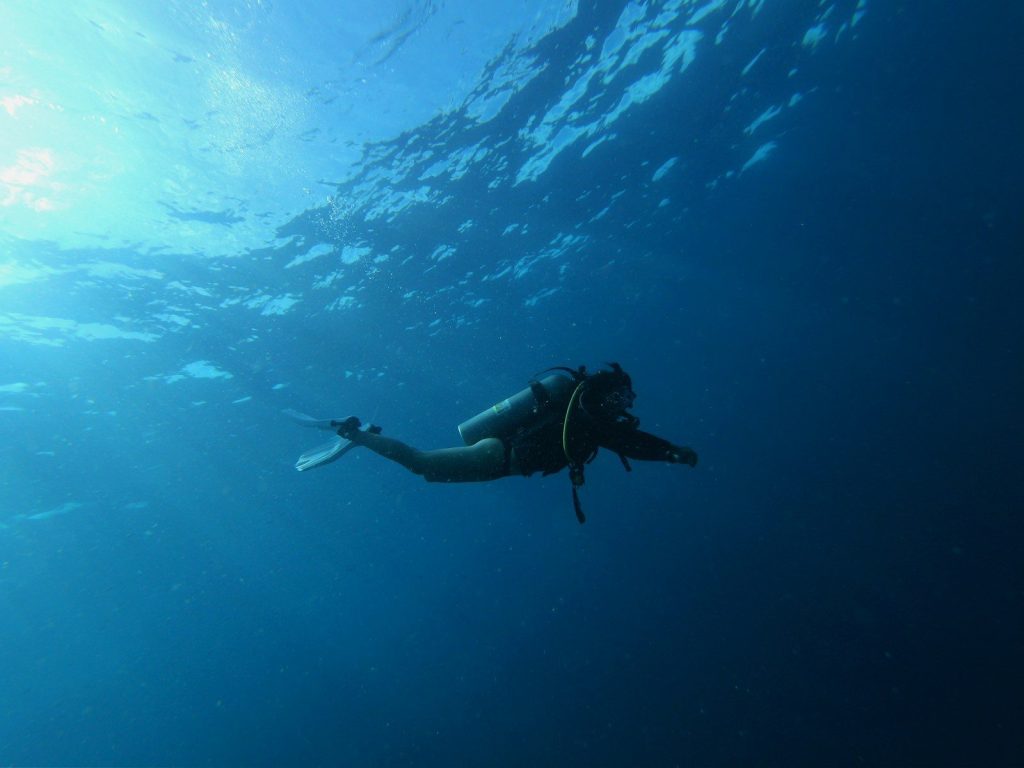
Abalone diving often takes place in rocky coastal waters where sharks may also hunt. Divers understand that entering these waters always carries some level of risk, even though attacks are unusual.
Experienced divers reduce danger by diving with partners, staying alert, and following local safety advice. Even with precautions, wildlife encounters can never be completely prevented in the open ocean.
The story remains an incredible survival

Eric Nerhus’ survival amazed both medical workers and marine experts. Escaping after being held by a great white shark required quick thinking, determination, and fast help from those around him.
His experience continues to be remembered as an example of how dangerous shark encounters can be while also showing that survival is possible, even in one of the ocean’s most frightening situations.
Featured Image: Photo by Brett Jordan on Unsplash
Leave a Reply