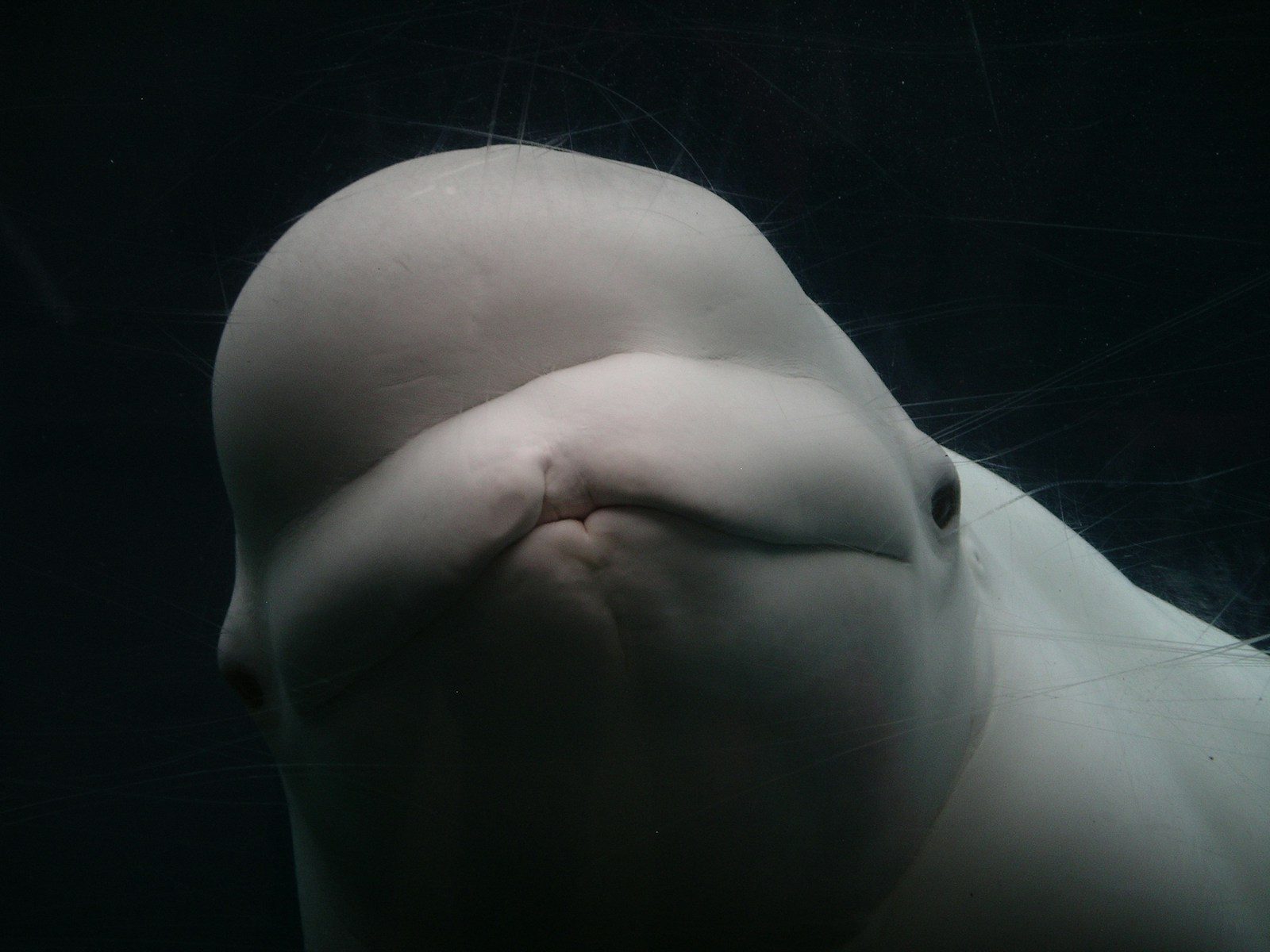
The rescue of six beluga whales from a deserted theme park marks a major milestone in one of the largest marine mammal relocation efforts in recent years. After a Canadian theme park closed and faced financial problems, dozens of beluga whales were left without a long-term solution. A team of veterinarians, animal care experts, and accredited aquariums worked together to safely move the first six whales to new homes.
This article explains why the rescue was needed, how the whales were transported, where they are now living, and what the relocation means for the remaining belugas. It also highlights the importance of international cooperation in protecting animals that depend on human care.
The whales needed a new home
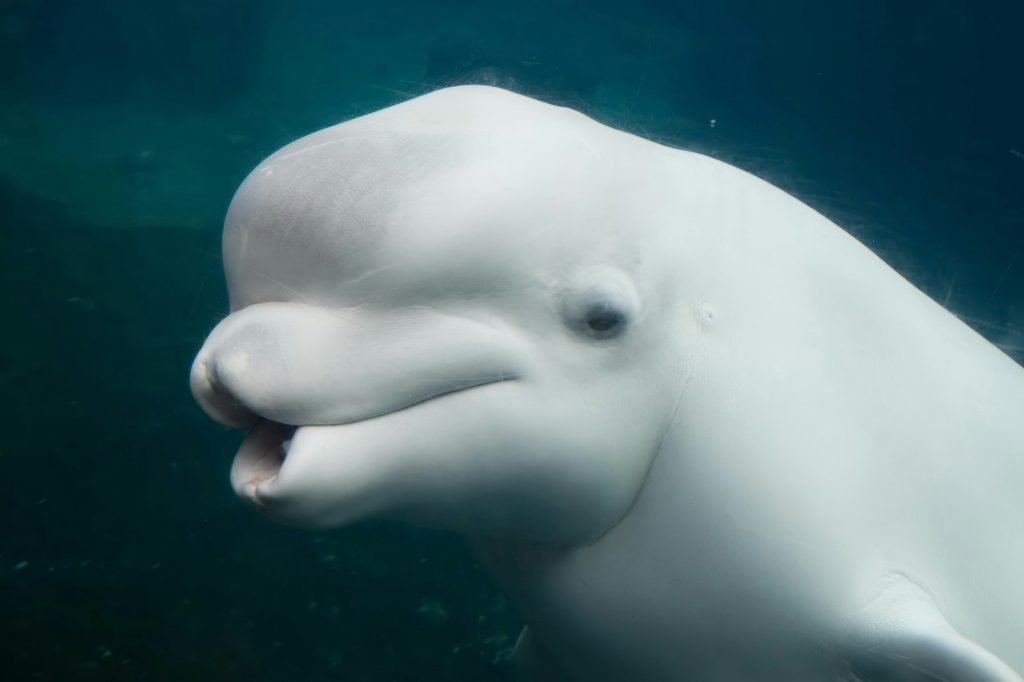
The six beluga whales lived at Marineland in Niagara Falls, Ontario, which closed to the public in 2024. As the park struggled financially, it said it could no longer provide long-term care for its whales, creating an urgent need to relocate the animals.
Marineland once housed one of the world’s largest captive beluga populations. After plans to move the whales to China were blocked, Canadian officials approved a new international plan to relocate them to accredited aquariums in North America and Europe.
A carefully planned rescue operation
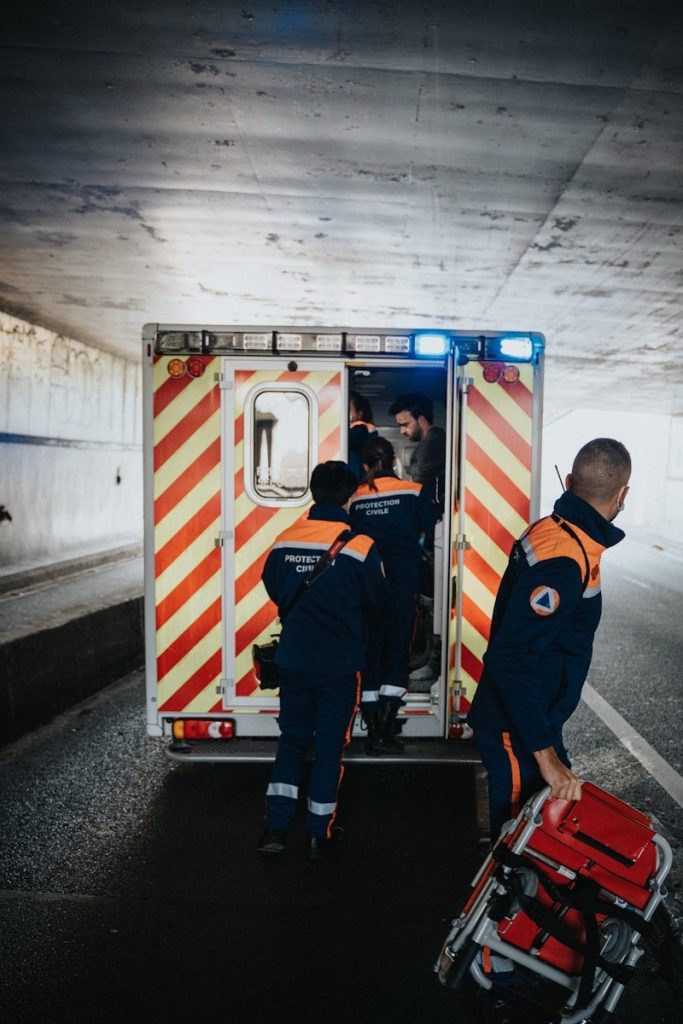
Moving beluga whales is a complex process that requires months of planning. Veterinarians first examined each whale to make sure it was healthy enough to travel before specially trained teams prepared the animals for transport.
The whales were lifted from their pools using custom slings, placed into specially designed transport containers with water and cushioning, and driven under police escort to Toronto Pearson International Airport. From there, they traveled by cargo aircraft to their new homes.
The whales arrived safely
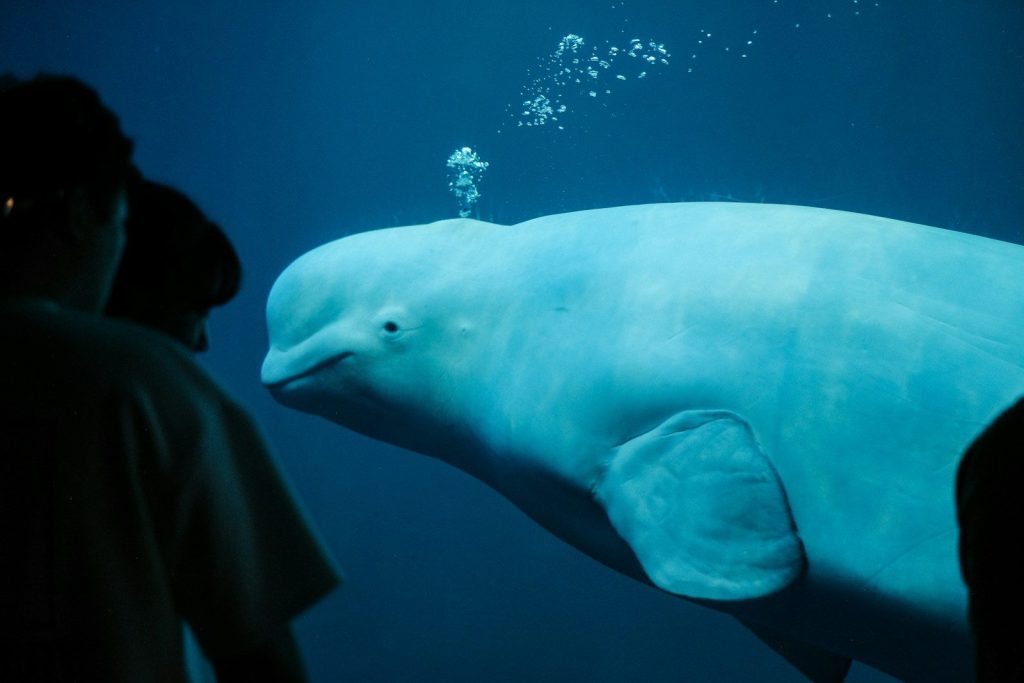
Four female belugas named Sierra, Acadia, Osiris, and Lillooet arrived safely at Shedd Aquarium in Chicago. Two male belugas, Bertie Botts and Frankie, continued their journey to SeaWorld San Antonio in Texas.
Animal care teams reported that the whales handled the trip well and immediately began receiving around-the-clock monitoring. Staff members are helping them adjust to their new surroundings with specialized veterinary care and nutrition.
More whales will follow
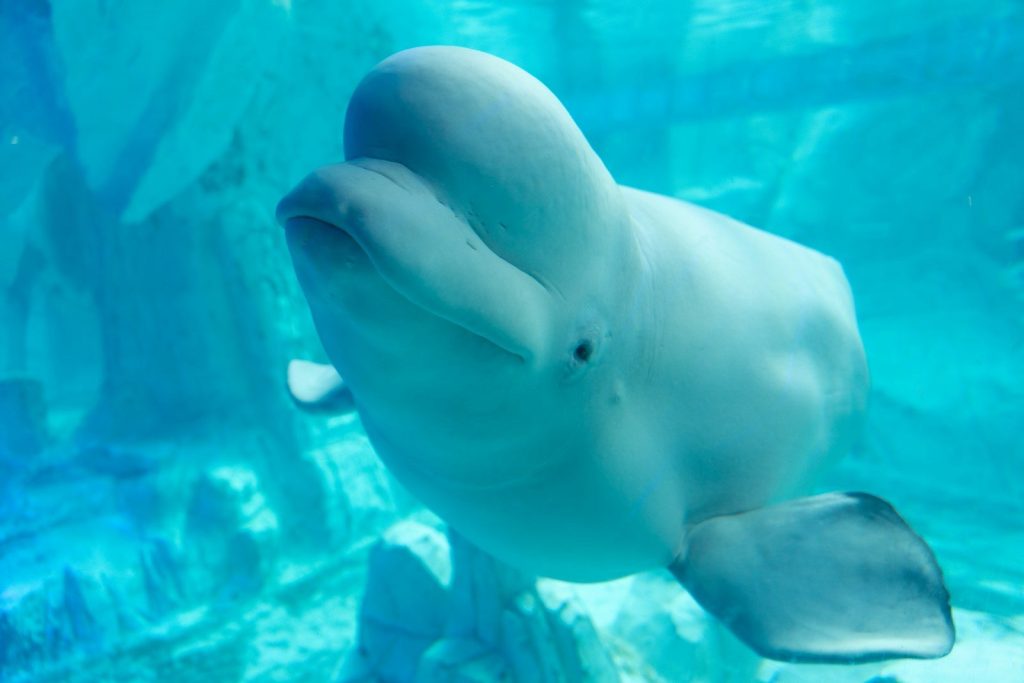
The relocation of six belugas is only the first phase of a much larger rescue effort. Additional whales from Marineland are expected to move in future transfers after health checks and transportation plans are completed.
Future destinations include the Georgia Aquarium, SeaWorld San Diego, and Oceanogràfic València in Spain. Each move will be carefully scheduled to reduce stress and protect the animals’ health.
Why the rescue matters

Beluga whales are highly social marine mammals that require expert care in managed environments. The rescue allows the whales to live in facilities with dedicated veterinary teams, clean habitats, and specialized resources.
The operation also demonstrates how accredited aquariums can work together during emergencies. Experts from several organizations combined their experience to safely complete one of the most challenging marine mammal relocations in recent history.
A hopeful future for the belugas
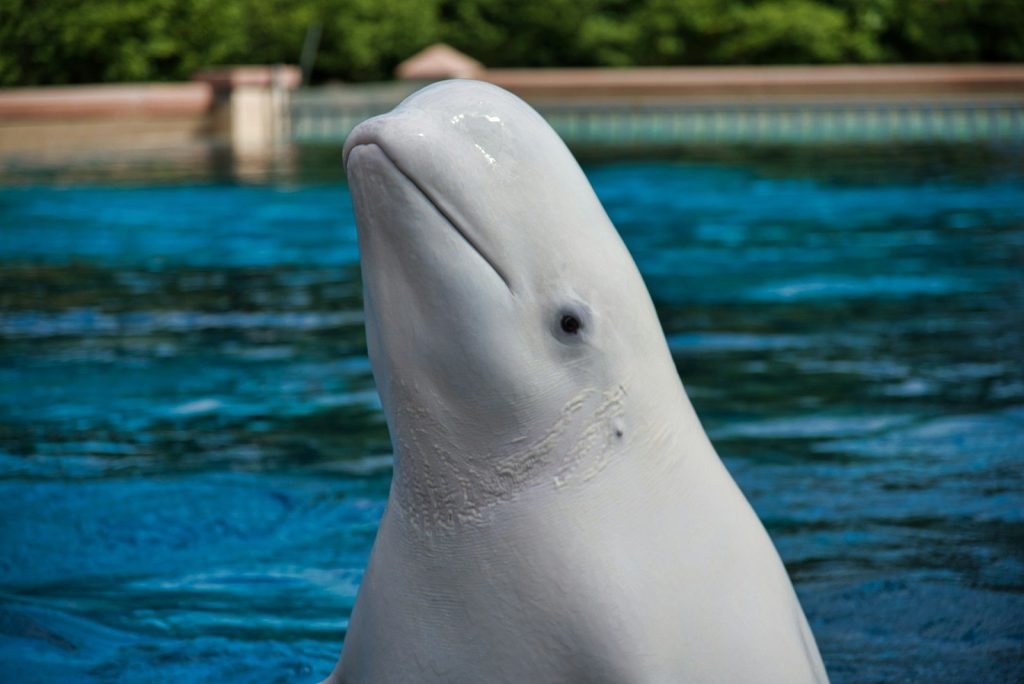
The successful relocation gives these six belugas a fresh start after months of uncertainty. Their safe arrival is an encouraging sign that the larger rescue mission can continue successfully.
Although many whales still need to be relocated, the first phase shows what careful planning and international teamwork can accomplish. Conservation groups and aquariums will continue working to provide safe homes for the remaining animals.
Featured Image: Photo by Saanvi Vavilala on Unsplash
Leave a Reply