The ocean is full of amazing animals, but some deserve extra respect. These underwater creatures demand caution because they can defend themselves with sharp teeth, venom, powerful tails, or painful stings. Most of these animals do not hunt people, but they may react if they feel threatened or surprised. Learning about them can help you stay safe while enjoying the water.
This article explains which underwater creatures require the most caution, why they can be dangerous, and how to avoid risky encounters. Understanding their behavior is the best way to safely enjoy oceans, rivers, and lakes while respecting the wildlife that lives there.
Sharks are powerful predators
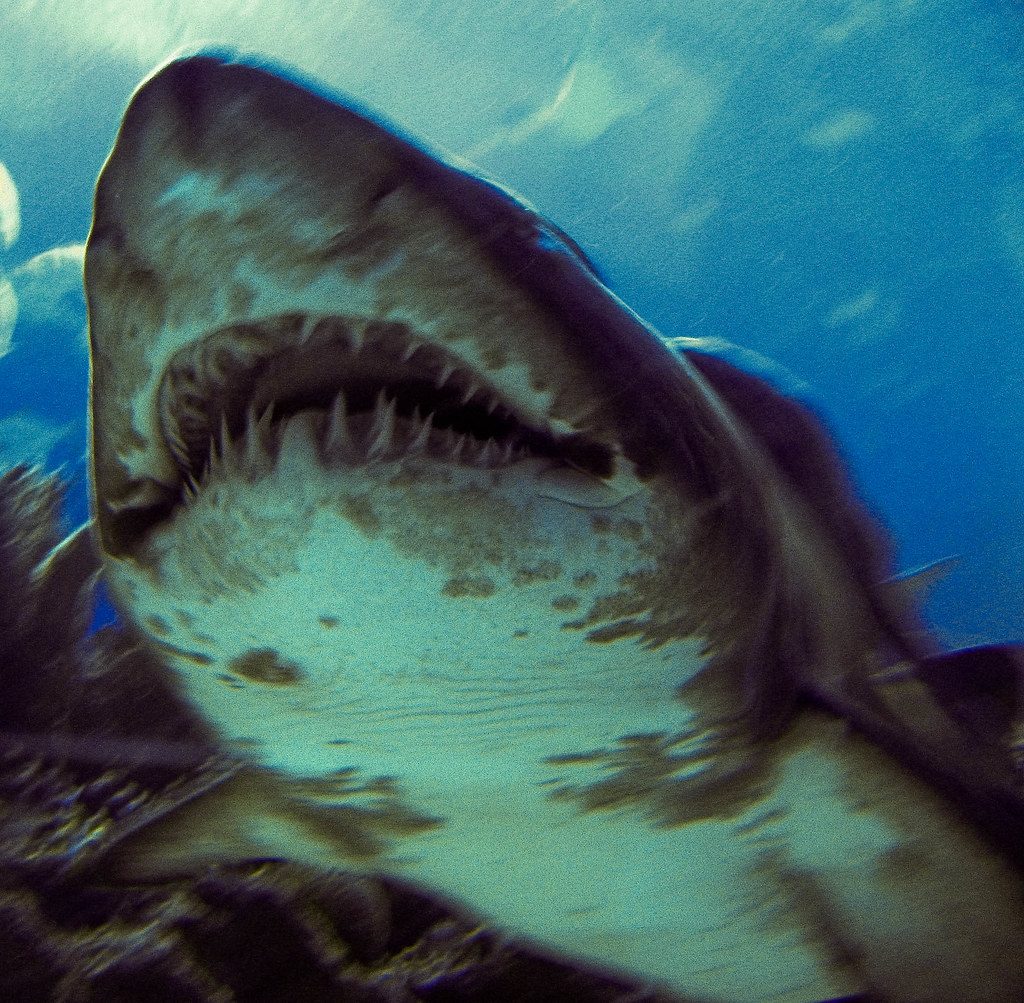
Sharks have lived in Earth’s oceans for more than 400 million years. Most species are harmless to people, but a few, including the great white, tiger, and bull shark, have been involved in most serious shark attacks.
Experts say shark attacks are rare. Sharks usually mistake people for natural prey or investigate something unusual before swimming away. Staying near lifeguards and avoiding swimming at dawn or dusk can help reduce the risk of an encounter.
Jellyfish can deliver painful stings
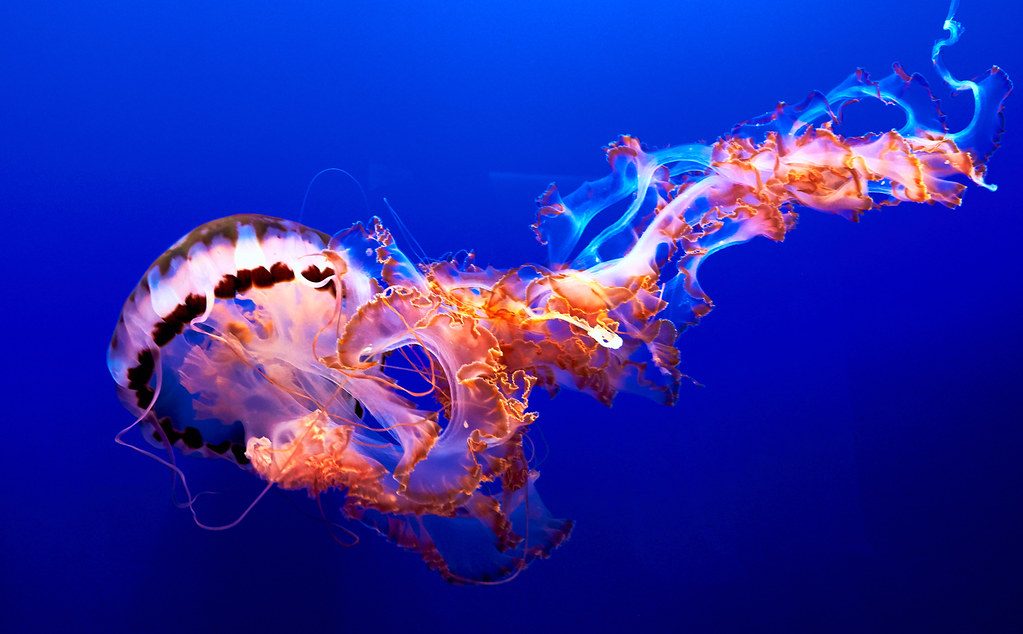
Many jellyfish use tiny stinging cells called nematocysts to catch food and defend themselves. Some species cause only mild pain, while others, such as the Australian box jellyfish, have venom that can be life-threatening.
Jellyfish can sometimes sting even after washing onto the beach. Wearing protective clothing in areas where dangerous jellyfish are common can help prevent injuries.
Stingrays protect themselves with their tails
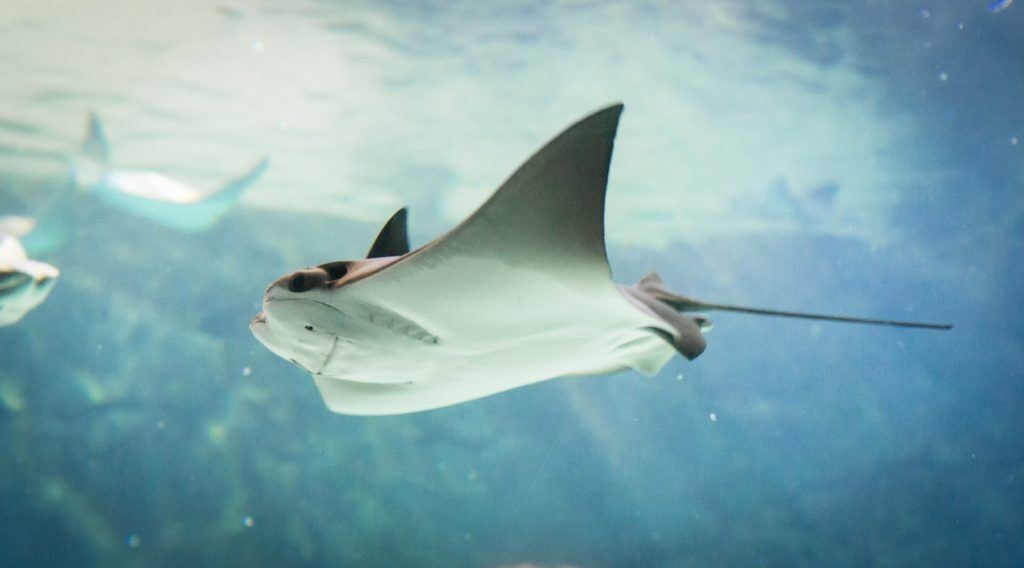
Stingrays usually spend much of their time resting on sandy bottoms. They are calm animals and normally swim away when they notice people approaching.
Problems happen when someone accidentally steps on a stingray. Shuffling your feet while walking in shallow water can alert stingrays and give them time to move away.
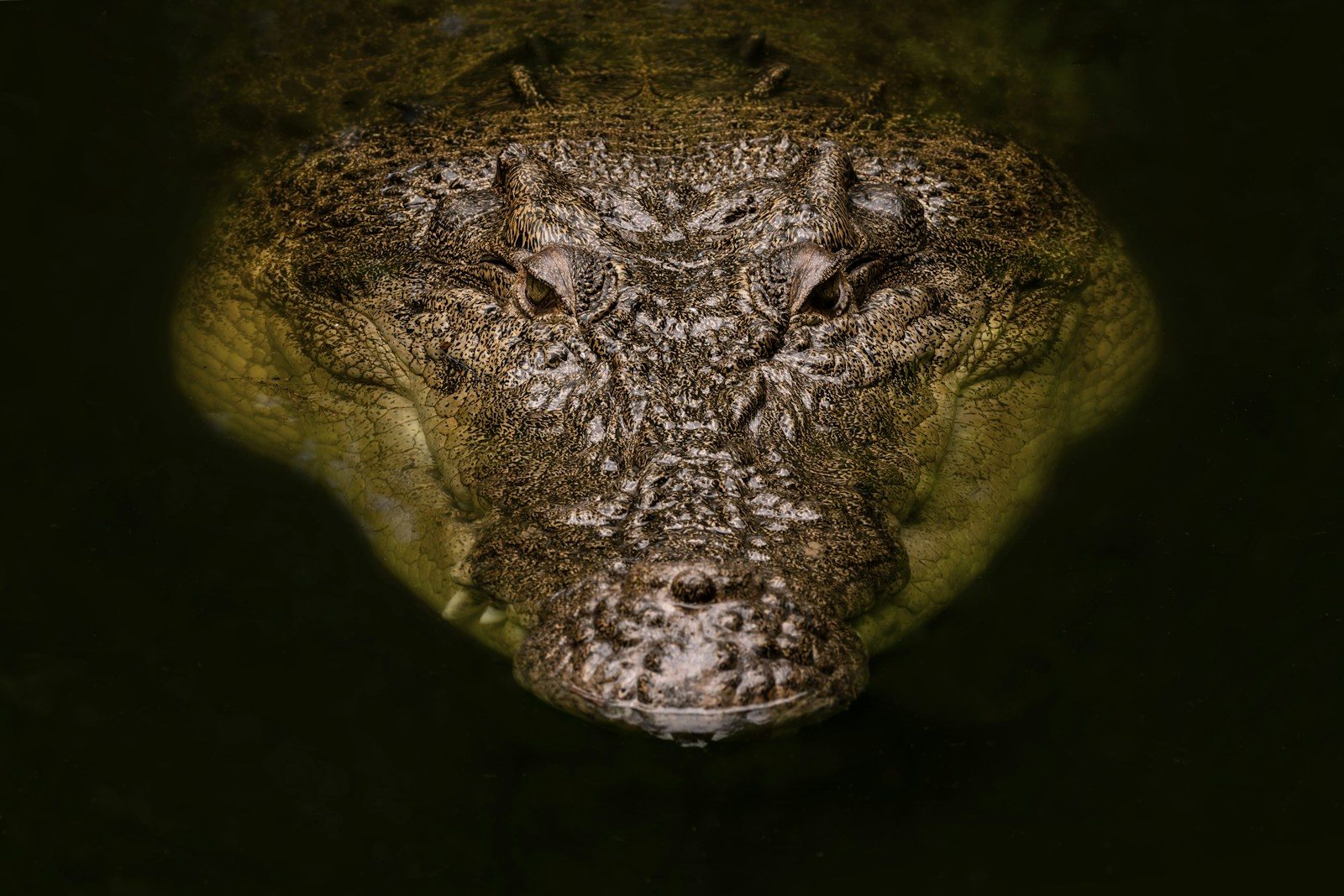
Crocodiles are top freshwater predators
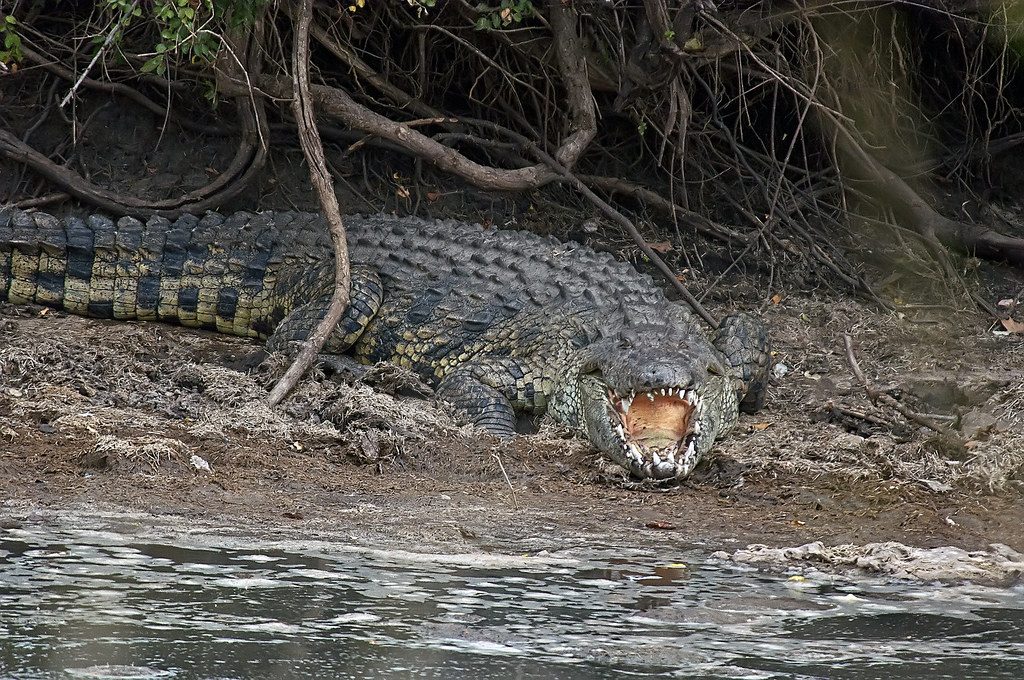
Saltwater and Nile crocodiles are among the largest reptiles in the world. They are powerful hunters that can move quickly both in the water and along the shoreline.
People should never swim in waters where crocodiles are known to live. Following local warning signs and staying away from the water’s edge greatly reduces the risk of an encounter.
Venomous fish can cause injuries
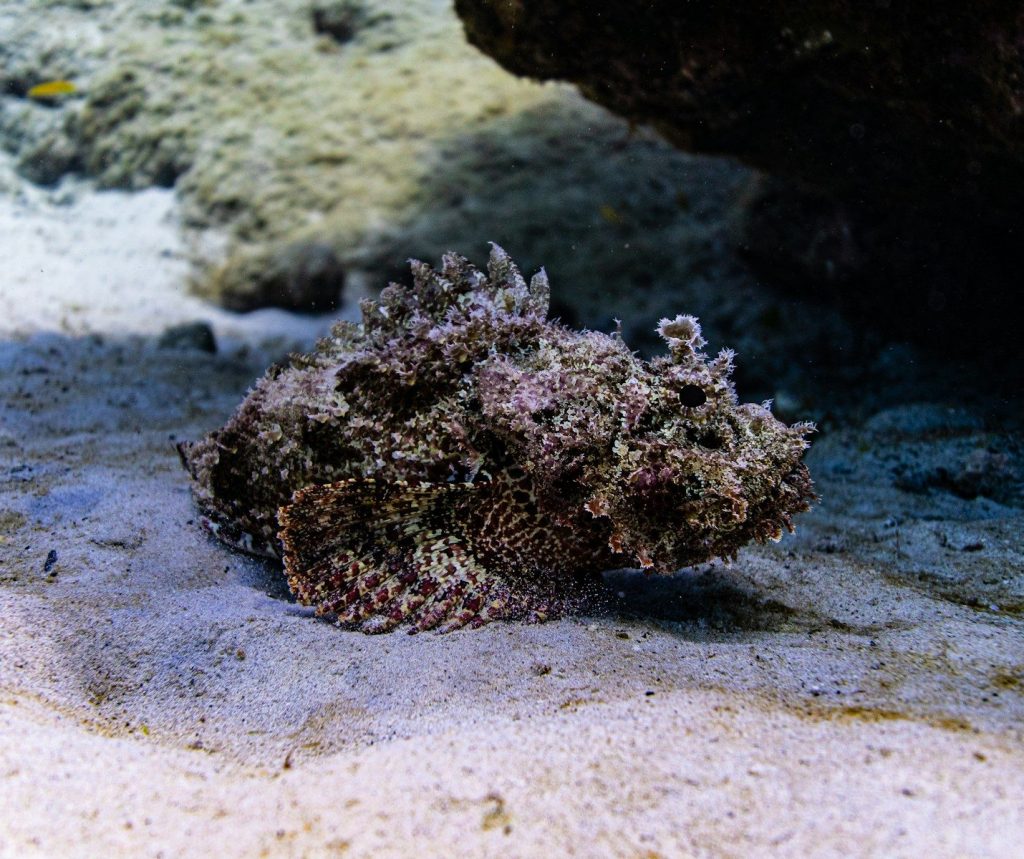
Some fish protect themselves with venomous spines instead of sharp teeth. Stonefish are considered the world’s most venomous fish, while lionfish have venomous spines that can cause severe pain.
Most injuries happen when people accidentally touch or step on these fish. Wearing water shoes and watching where you place your hands and feet can help prevent accidents.
Respect is the best safety tool

Most underwater animals do not want to interact with people. Giving wildlife plenty of space and never trying to touch or feed wild animals helps protect both humans and marine life.
Learning about local wildlife before swimming, diving, or snorkeling is also important. Understanding which species live in the area allows you to enjoy the water while staying safe and respecting nature.
Featured Image: Photo by David Clode on Unsplash
Leave a Reply