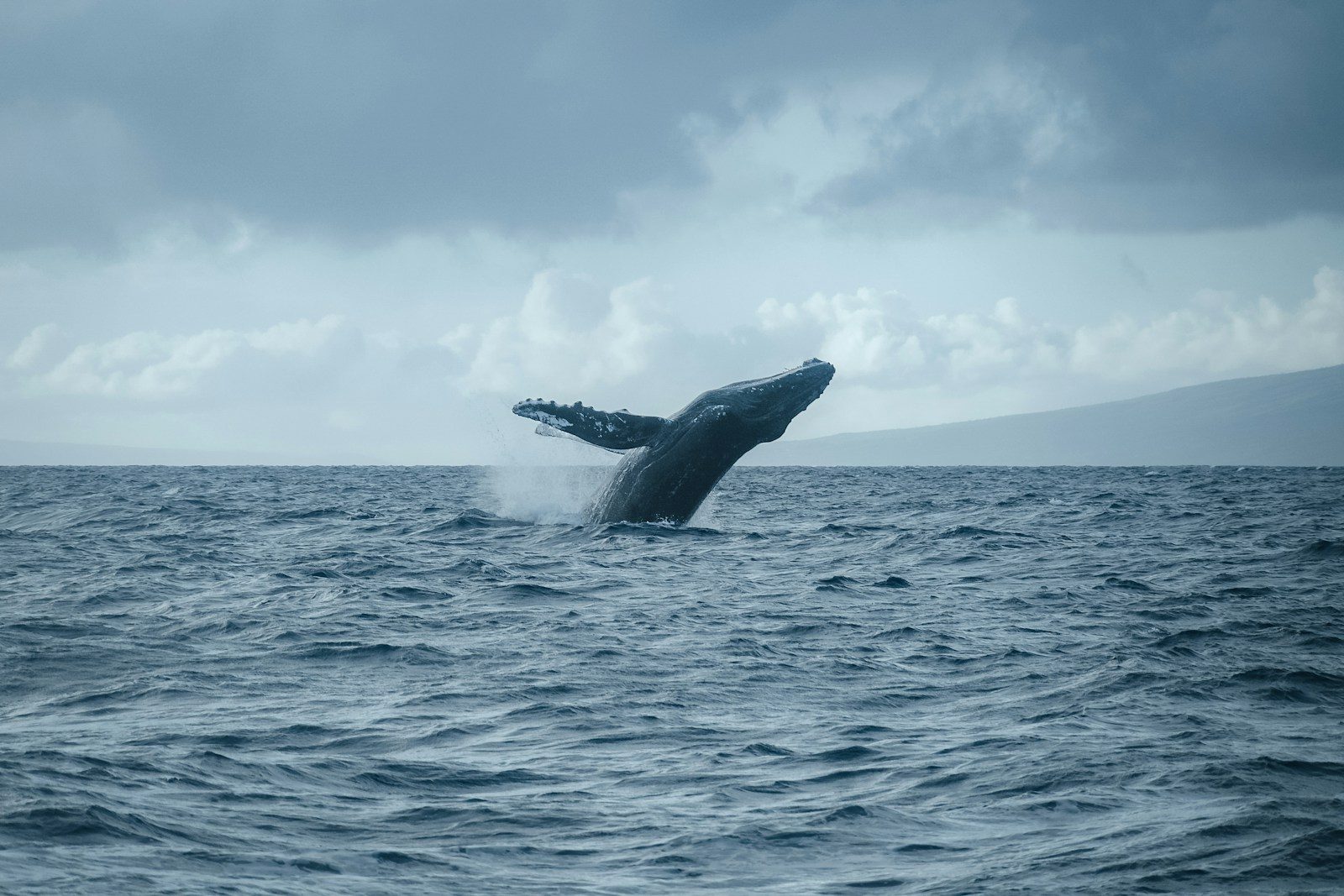
Have you ever tried talking while a loud truck drove by? It becomes much harder to hear. Scientists have found that sperm whales change their calls when ships are nearby, raising new questions about how human noise affects life under the sea. This discovery helps researchers better understand whale communication and why quieter oceans matter.
In this article, you’ll learn how sperm whales communicate, what changes when ships pass, why these changes matter, and how reducing ocean noise could help protect these amazing animals.
How sperm whales communicate
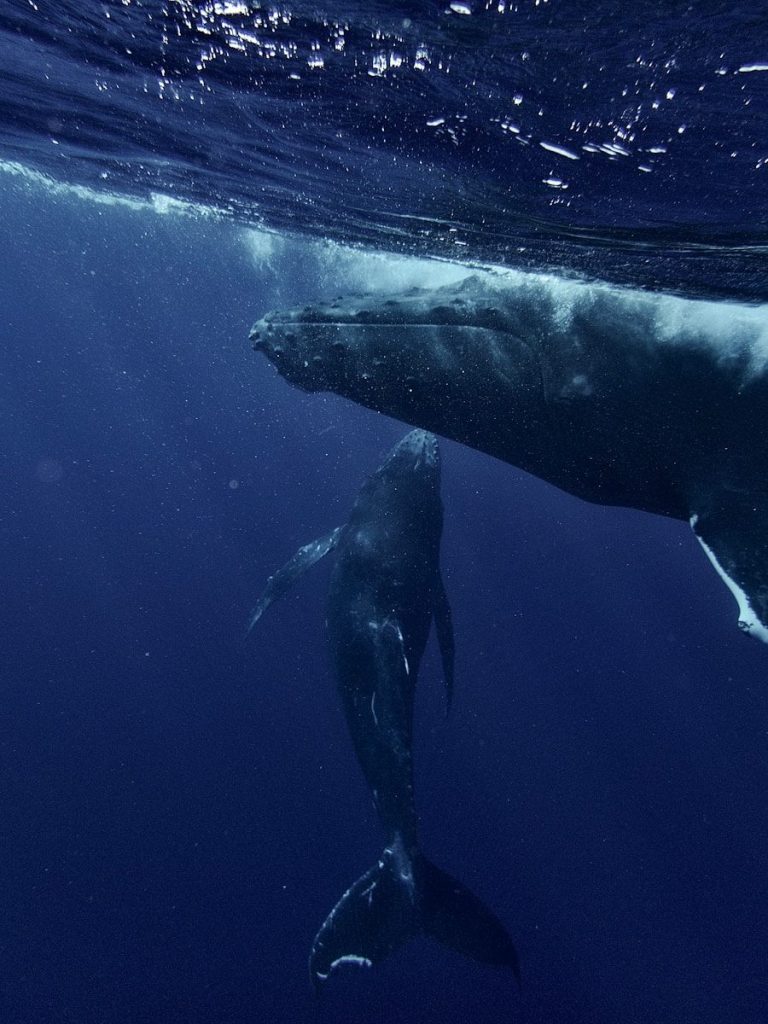
Sperm whales are highly social animals that live in close family groups. They communicate using patterns of clicks called codas, which help them stay connected, recognize one another, and coordinate activities while resting or traveling. They also use powerful clicks for echolocation when hunting deep underwater.
Scientists with Project CETI have spent years studying these click patterns near Dominica in the Caribbean. Their research shows that sperm whale communication is much more complex than once believed, with different click patterns acting like parts of a language that whales learn and share within their family groups.
What researchers discovered

Researchers analyzed more than 1,000 sperm whale codas collected from 15 whales over four years. They compared the recordings with verified ship location data to see how whale calls changed when vessels were nearby.
The study found that whales shortened parts of their click patterns and changed which types of codas they used when ships were present. Scientists could even predict whether ships were nearby by analyzing the whales’ calls, showing that vessel noise has a clear effect on their communication.
Why ship noise affects whales
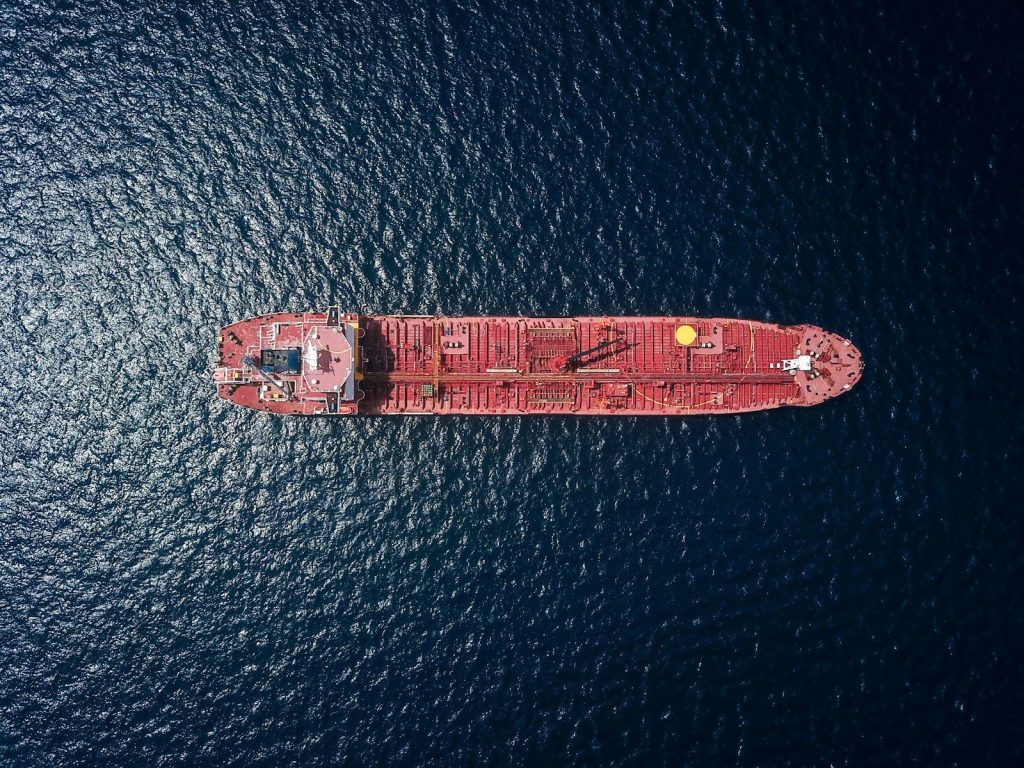
Sound travels much farther in water than light, so whales depend on hearing more than sight. Loud ship engines create underwater noise that can cover up whale calls, making it harder for family members to hear one another.
Scientists believe the whales may be adjusting their calls to cope with this extra noise. However, researchers do not yet know whether the whales are intentionally changing their message or simply struggling to communicate clearly because of the sounds made by nearby ships.
Why communication matters
Strong communication is essential for sperm whales because they live in close-knit family groups. Adults work together to care for calves, protect one another, and share information while spending long periods underwater. Losing clear communication could make these important behaviors more difficult.
Young whales also learn communication from older family members. Scientists think noisy oceans could make it harder for calves to hear and learn these click patterns, just as children may struggle to understand speech in very noisy places.
What this means for ocean conservation
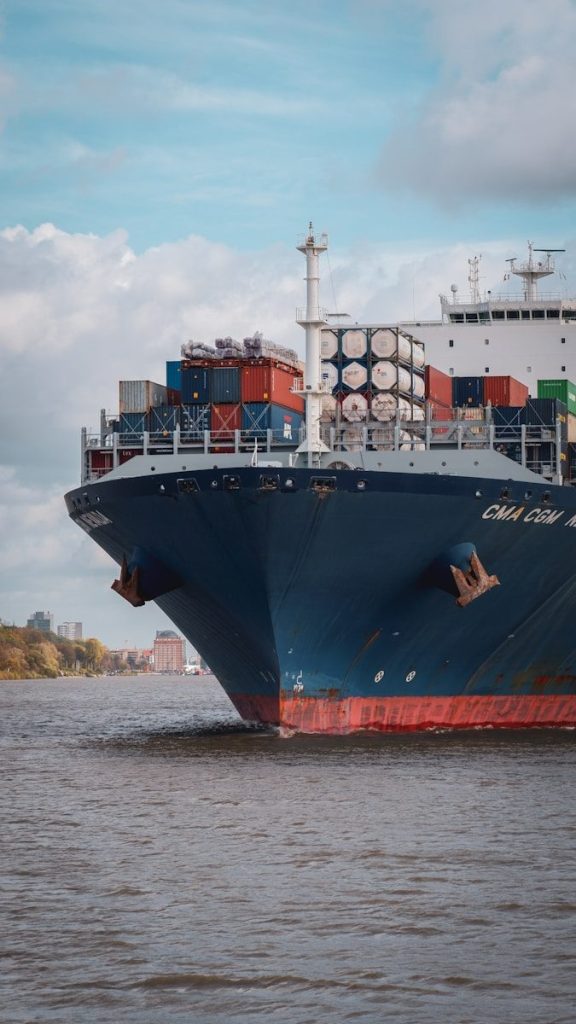
The new findings add to growing evidence that human-made underwater noise affects marine mammals. Previous research has shown that noise pollution can interfere with feeding, social behavior, and communication in several whale species.
Researchers hope these discoveries will encourage efforts to reduce unnecessary ship noise in important whale habitats. Quieter oceans could help whales communicate more naturally while allowing scientists to better understand their remarkable social lives.
What will scientists study next?

Although researchers now know that sperm whales change their calls around ships, many questions remain. Scientists still do not know exactly what the changes mean or whether they help whales overcome noisy conditions.
Future studies will continue recording whale communication and using advanced computer tools to learn more about these click patterns. Better understanding whale communication may lead to stronger conservation efforts and smarter ways to reduce the effects of shipping noise.
Featured Image: Photo by Saroj Bhandari on Unsplash
Leave a Reply