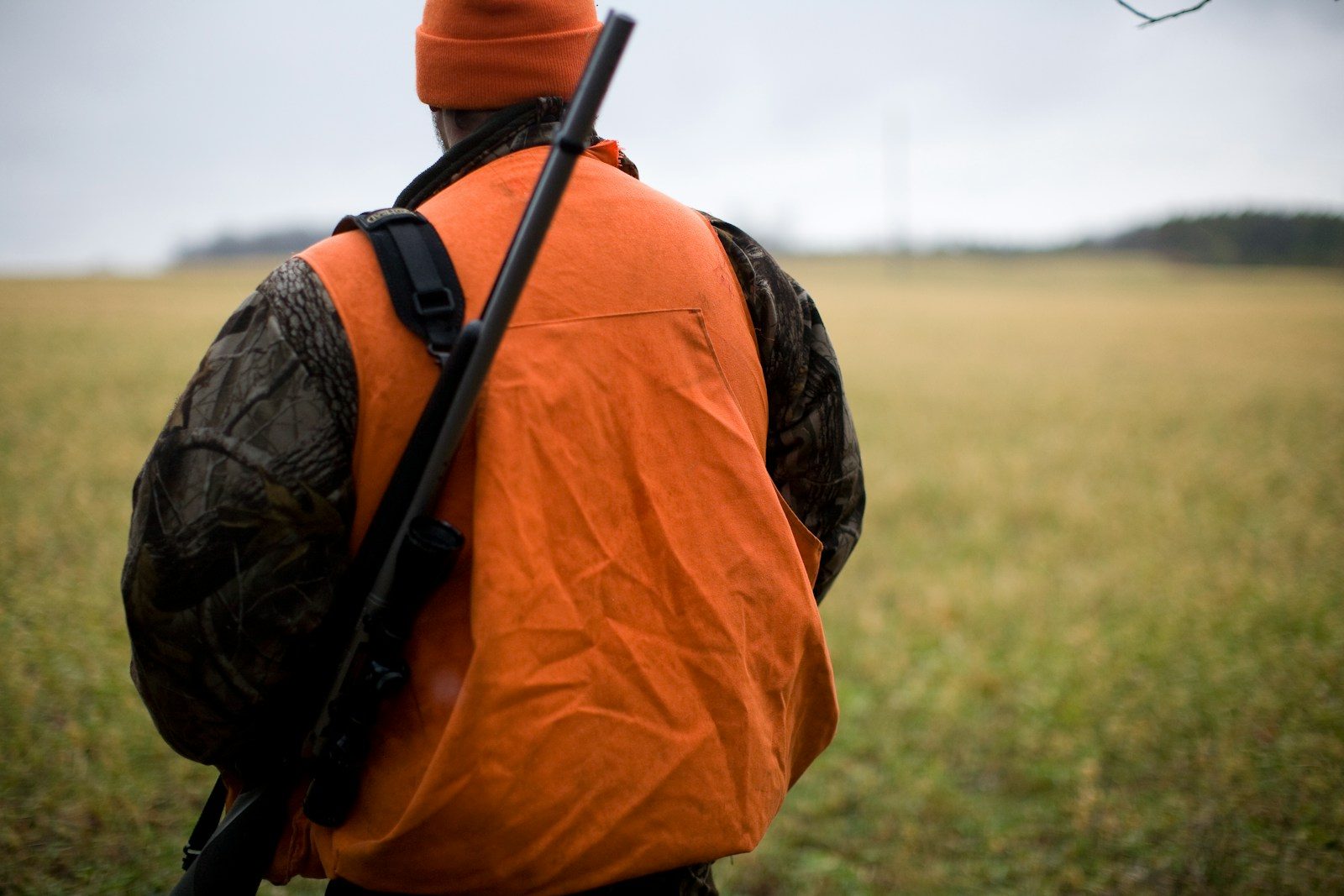
Across the United States, more people are speaking out against cyanide bombs used in wildlife control. These devices, called M-44s, are meant to kill predators like coyotes that attack livestock. But many Americans now believe the risks are too high. Families, animal experts, hunters, hikers, and even some ranchers are questioning whether the devices are safe or humane.
The debate has grown stronger after reports of pets, protected wildlife, and even children being harmed by the traps. Critics also argue that older wildlife control methods no longer match modern views about conservation and animal welfare. This article explains what cyanide bombs are, why they are controversial, how public opinion has shifted, and what alternatives many Americans now support.
What cyanide bombs are and how they work
Cyanide bombs are spring-loaded devices known as M-44s. They are placed in the ground with bait on top to attract animals. When an animal pulls on the bait, the device shoots sodium cyanide powder into its mouth and face. The poison quickly reacts with moisture and creates deadly gas inside the body. These devices are mainly used to kill coyotes and other predators that ranchers believe threaten livestock.
The traps have been used in the United States for decades through a federal program called Wildlife Services, which is part of the United States Department of Agriculture. Supporters say the devices help ranchers protect sheep, goats, and cattle. However, critics say the traps are dangerous because they cannot tell the difference between a coyote, a pet dog, or another wild animal. Once triggered, the poison spreads instantly, which is why many people call them cyanide bombs instead of predator control devices.
Public anger grew after pets and people were harmed

Public concern exploded after several well-known accidents involving pets and children. One of the most famous cases happened in Idaho in 2017. A teenage boy accidentally triggered an M-44 device while walking near his home. The blast killed his dog and exposed him to toxic chemicals. Reports said the wind likely prevented him from suffering even worse injuries. The story spread across the country and changed how many Americans viewed the devices.
Stories like this continue to shape public opinion. Dog owners who hike on public lands worry their pets could stumble onto one of the traps. Parents also fear that children could unknowingly touch them. Critics argue that warning signs are often too small or difficult to notice in remote areas. Online discussions and local news stories have added to the growing anger. Many Americans now believe public lands should not contain hidden poison traps that could hurt people or family pets.
Wildlife advocates say the traps are cruel and outdated

Animal welfare groups strongly oppose cyanide bombs because they believe the deaths caused by the poison are extremely painful. Experts say animals exposed to sodium cyanide can suffer seizures, breathing failure, panic, and severe distress before dying. Critics argue that modern wildlife management should focus on safer and more humane methods instead of poison traps that cause suffering.
Many conservation groups also say the devices are outdated. They point to newer tools that can reduce predator attacks without killing animals. Some ranchers now use guard dogs, fencing, flashing lights, and range riders who patrol livestock areas. Wildlife advocates argue these methods can lower conflicts while protecting ecosystems. Coyotes and other predators play an important role in nature by controlling rodent populations and helping keep ecosystems balanced. Because of this, many Americans now see widespread predator killing as unnecessary and harmful.
Concerns over unintended wildlife deaths keep growing

One major criticism of M-44 devices is that they often kill animals that were never meant to be targeted. Government data has shown that pets and non-target wildlife are regularly harmed. Animals such as foxes, raccoons, skunks, opossums, and even bears have died after triggering the traps. Environmental groups argue the real numbers may be even higher because not every death is discovered or reported.
Protected species are also part of the concern. Conservation groups worry endangered animals could accidentally encounter the baited traps. Since M-44s attract carnivores using scent, almost any curious animal may approach them. Critics say this creates major risks on public lands where wildlife moves freely. Many Americans now believe the possibility of harming endangered species and beloved pets outweighs the benefits of the devices. These concerns have pushed several states and federal agencies to reconsider how and where the traps can be used.
Government agencies have faced mounting pressure

Pressure on federal agencies has increased over the past several years. Environmental organizations have filed lawsuits and petitions asking for nationwide bans on M-44 devices. Public campaigns have also gained traction online, especially after emotional stories involving dogs and children spread across social media. Thousands of comments have been submitted to government agencies demanding tighter restrictions or complete bans.
Some government actions have reflected this pressure. In 2023, the Bureau of Land Management announced a ban on M-44 devices across millions of acres of public land. Animal welfare groups celebrated the move as a major victory. However, debate returned after reports in 2026 that the policy could be reversed in some areas. These changes have kept the issue in the national spotlight. Americans on both sides of the debate continue to argue over whether predator control should prioritize ranching needs or public safety and wildlife protection.
Americans are demanding new wildlife control solutions

A growing number of Americans now want wildlife control methods that avoid poison and focus on prevention instead. Some ranchers have started using nonlethal methods with success. Guard animals, stronger fencing, motion lights, and better herd management can reduce attacks from predators without wiping them out completely. Wildlife experts say these approaches may also help reduce long-term conflict because predators do not simply move back into empty territories as quickly.
Public opinion has also shifted because more Americans value coexistence with wildlife than in the past. Many people enjoy seeing coyotes, wolves, foxes, and other predators in nature. Hunters, hikers, photographers, and outdoor families often share public lands with these animals. As a result, there is growing support for balanced conservation policies that protect livestock while avoiding unnecessary suffering. The debate over cyanide bombs has become part of a larger national conversation about how humans should manage wildlife in a modern world.
Leave a Reply