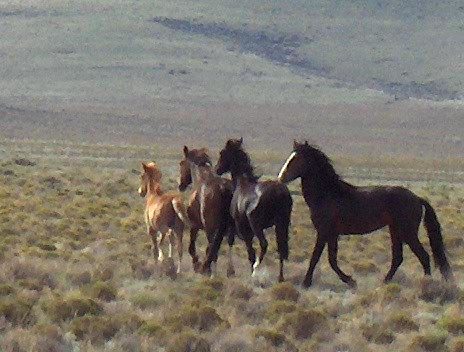
Wild horse families can form very strong bonds, and when they are separated, the stress can affect both the adults and young horses. Stories about separated wild horse families have touched many people in recent years, especially when caring rescuers step in to help. One touching case involved a woman who worked hard to reunite wild horses that had been split apart after a roundup. Her efforts showed how deeply horses remember and care for one another. In this article, you will learn how wild horse families become separated, why reunions matter so much, and how rescue groups and caring people are helping protect these animals and keep their family bonds alive.
Wild horses form close family bonds
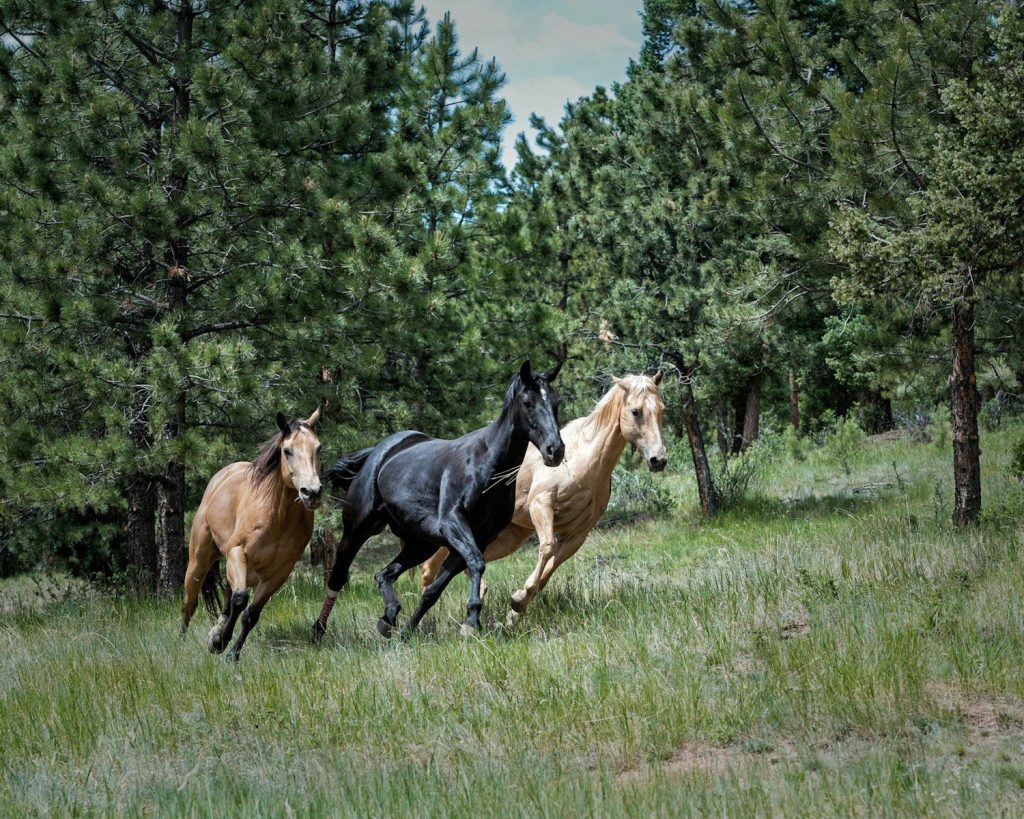
Wild horses do not live alone in nature. They usually stay in family groups called bands. These groups often include a stallion, several mares, and young foals. The horses spend nearly all their time together while traveling, eating, resting, and staying safe from danger. Experts and rescuers who study mustangs have said these horses build deep emotional connections over many years.
Many wild horse advocates say family separation can be very upsetting for the animals. Horses use sounds, body language, and smell to recognize one another. Some rescued horses have shown clear signs of remembering former companions even after years apart. Videos and rescue stories have shown horses running toward former family members as soon as they hear or see them again.
A woman stepped in to help reunite them
One well-known reunion story involved wild horses that had been separated during government roundups in the western United States. A woman named Clare Staples, who runs Skydog Ranch and Sanctuary, became determined to reunite horses that once lived together in the wild. She worked with photographers and horse advocates who carefully tracked horse families before they were separated.
Staples often searched auctions and holding facilities for horses connected to the same family band. In one famous case, a horse named Phoenix was reunited with a mare named Ghost after the pair had been apart for about two years. Witnesses said Phoenix immediately recognized her and ran toward her when the gate opened. The emotional reunion became widely shared online because many people were surprised by how strongly the horses remembered each other.
Why wild horse separations happen
Wild horse separations often happen during roundups managed by the Bureau of Land Management in the United States. Officials say roundups are used to manage horse populations on public lands and protect grazing areas and water supplies. During these operations, horses are gathered and moved into holding facilities or adoption programs.
Critics argue that these roundups can break apart horse families that have lived together for years. Advocates say horses may experience stress and confusion when separated from their herd. Some rescue groups believe more effort should be made to keep family groups together whenever possible. Stories shared by sanctuaries and horse photographers have helped bring more public attention to this issue over the past few years.
Horses can remember loved ones for years
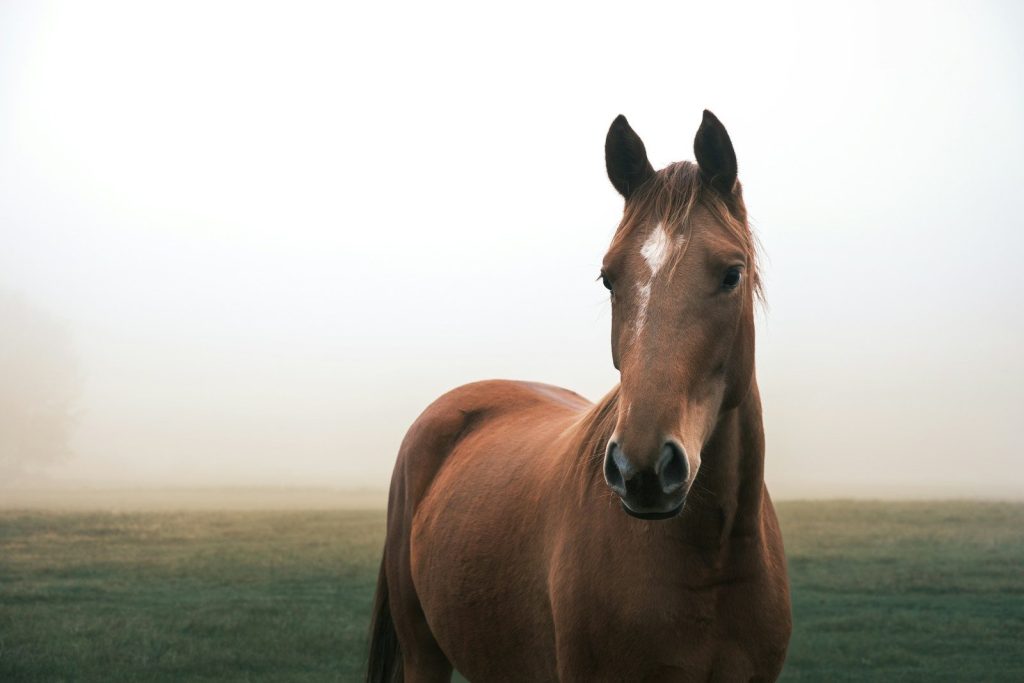
Scientists and horse experts have long known that horses are intelligent animals with strong social memories. Rescue workers have reported many cases where separated horses recognized one another after long periods apart. Some horses reacted to familiar sounds before they could even see the other animal nearby.
One reunion story showed a stallion changing his behavior almost immediately after seeing his former companion again. Witnesses said the horse became calmer and happier after the reunion. Sanctuary workers believe these reactions show how important social relationships are for wild horses. Many rescue groups now try to reunite horse families whenever they can safely do so.
Rescue groups continue helping horse families
Groups like Skydog Ranch and Sanctuary have become well-known for helping wild horses find safety and reconnect with family members. The sanctuary gives rescued horses large open spaces where they can live more naturally. Workers there often spend months researching horses before trying to reunite them.
Photographers and local horse advocates also play an important role. Many people carefully document wild horse herds by taking photos and recording markings, colors, and family connections. This information can later help rescuers identify horses that once lived together in the wild. Without those records, many reunions would never happen because horses from roundups are often separated into different facilities.
Communities also help separate foals
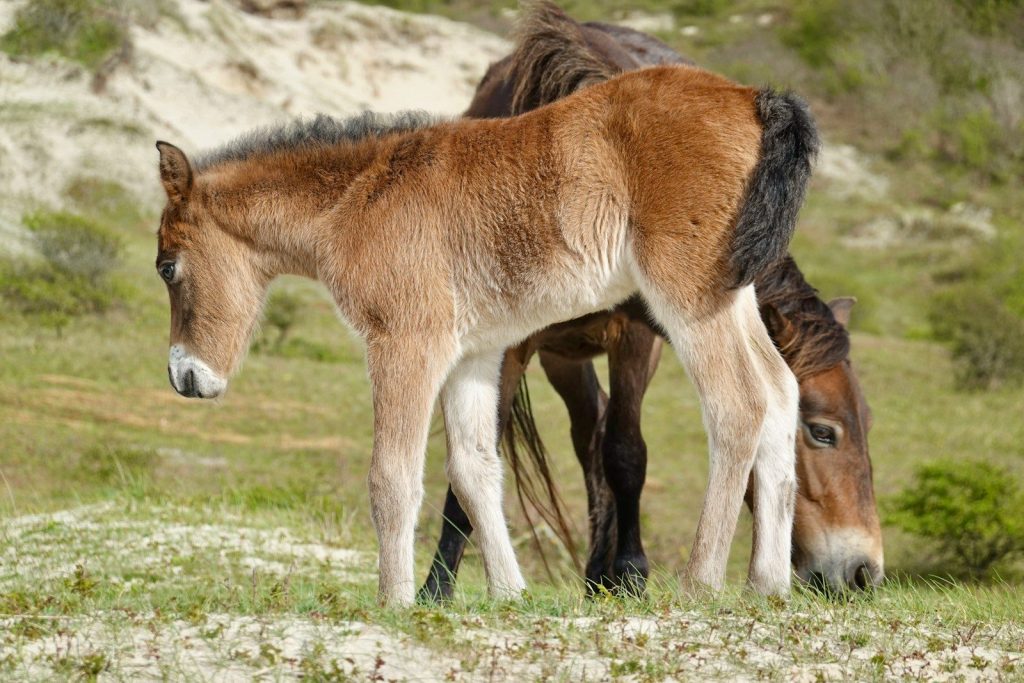
Adult horses are not the only ones helped by rescuers. Young foals sometimes become separated from their mothers by accident. In one recent case from North Carolina, a young wild foal named Esther was found alone without her parents nearby. Community members quickly joined rescue workers to watch over the foal while others searched for the missing family.
After a careful search, rescuers safely reunited Esther with her mother. Reports said the foal immediately began nursing again, showing that the mother had not rejected her. Rescue workers explained that young foals can sometimes get left behind accidentally while resting or sleeping. The successful reunion showed how teamwork between experts and local residents can save wild animals from danger.
Leave a Reply