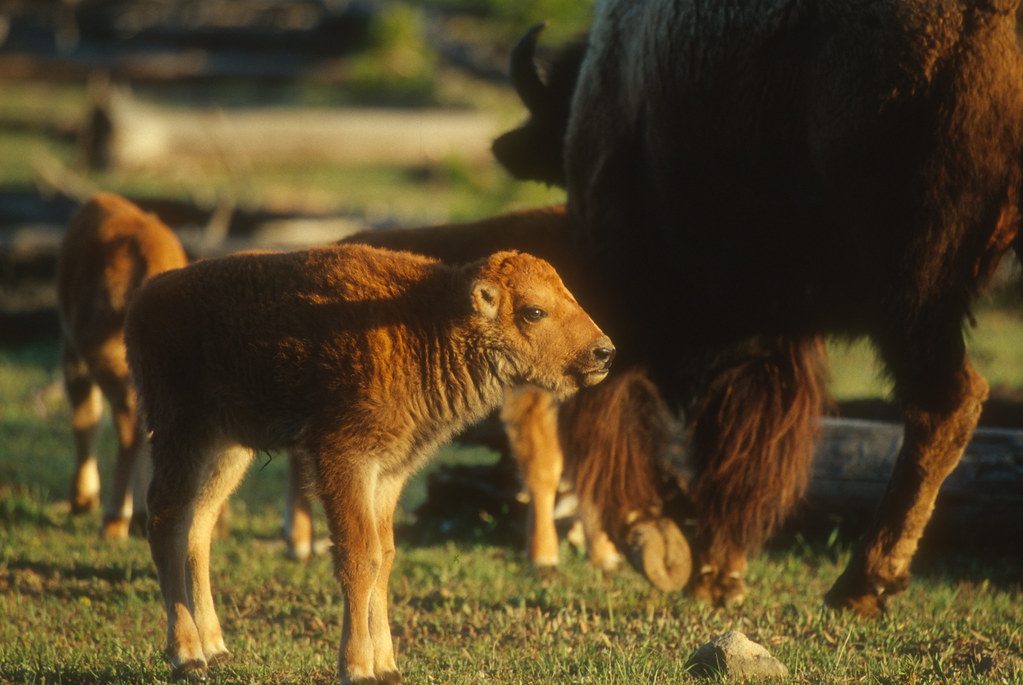
A Yellowstone baby bison recently became an online favorite after a video showed the young calf running wild with adorable zoomies across the grasslands. The playful moment quickly caught attention because it showed a softer and more joyful side of one of North America’s biggest animals. Many visitors know Yellowstone for its powerful wildlife, but moments like this remind people that even giant bison calves love to play.
The video also sparked curiosity about how baby bison behave, why they run in sudden bursts, and what life is like for calves growing up in Yellowstone National Park. In this article, you will learn what made the footage special, how bison calves survive in the wild, why Yellowstone’s herd matters so much, and how visitors can safely enjoy these amazing animals in their natural home.
The baby bison video quickly spread online

The video showed a small bison calf sprinting in circles around a herd while adult bison calmly grazed nearby. The calf suddenly burst into fast movement, running loops through the field before slowing down and returning to its mother. Wildlife fans online described the moment as adorable because the calf looked full of energy and excitement. Similar videos from Yellowstone have become popular over the years because people enjoy seeing wild animals act playful and carefree.
Many people compared the calf’s behavior to dogs getting the “zoomies.” Animal experts often call these quick bursts of energy “frenetic random activity periods,” which happen in many young animals. Baby bison often race around while learning balance, speed, and coordination. Videos shared from Yellowstone’s Lamar Valley and nearby areas regularly show calves hopping, chasing each other, and darting between adults while the herd watches nearby.
Yellowstone is home to America’s most famous bison herd
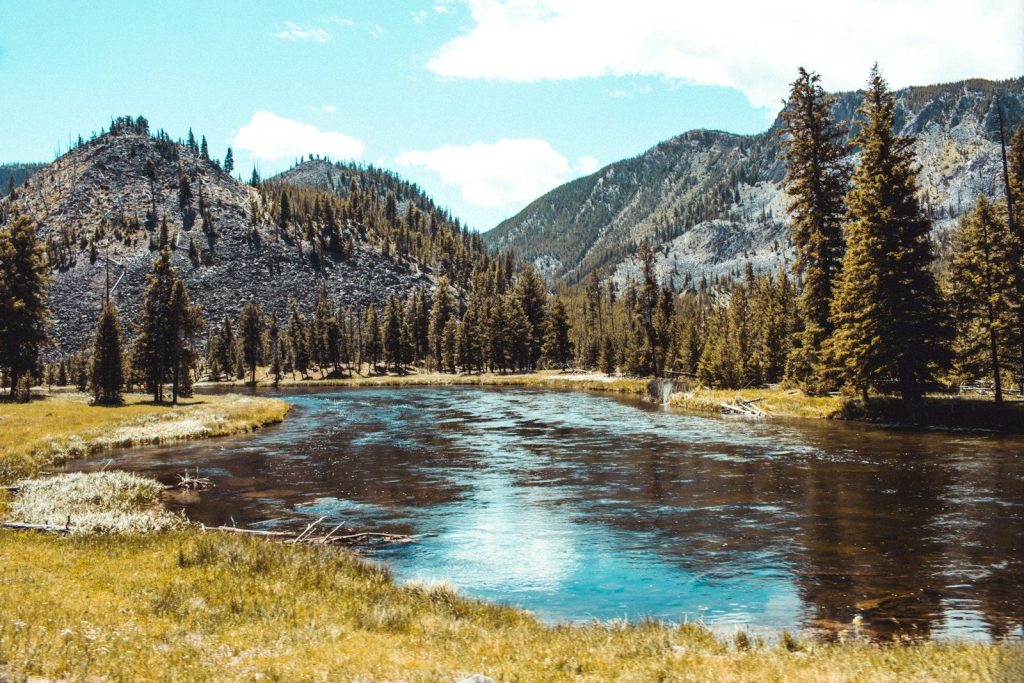
Yellowstone National Park holds one of the most important wild bison populations in the United States. Experts say the park is the only place in the country where bison have lived continuously since prehistoric times. Today, thousands of bison roam the park’s valleys, rivers, forests, and open grasslands. These animals are the largest land mammals in North America and can weigh more than 2,000 pounds as adults.
Even though adult bison look huge and powerful, every member of the herd begins life as a small reddish-orange calf. Many visitors call the babies “red dogs” because of their bright color and playful energy. Most calves are born during spring, usually between April and May. During that season, visitors across Yellowstone often spot newborns standing beside their mothers or running through fields with other calves. The arrival of baby bison is considered one of the biggest wildlife events of the year inside the park.
Baby bison use play to grow stronger
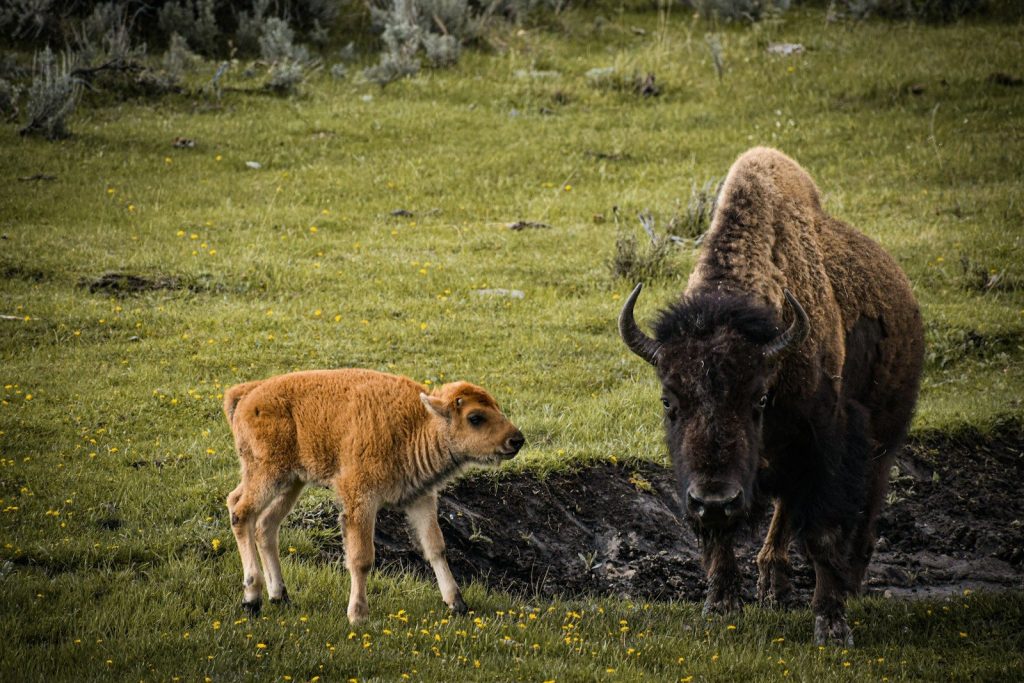
Scientists and wildlife experts believe playful behavior helps young animals learn important survival skills. When a baby bison runs, jumps, and spins around, it is not simply having fun. The calf is also building muscle strength, improving balance, and learning how to move quickly through rough terrain. These skills become very important later because bison calves must keep up with fast-moving herds and escape danger from predators.
The playful behavior also helps calves learn social habits within the herd. Young bison often chase each other or practice small mock fights while adults stay nearby. These interactions help calves understand herd movement and group behavior. Videos from Yellowstone frequently show calves racing side by side before suddenly stopping near their mothers. Wildlife watchers say these moments show how energetic and curious young bison can be during their first months of life.
Life is not easy for a young bison calf
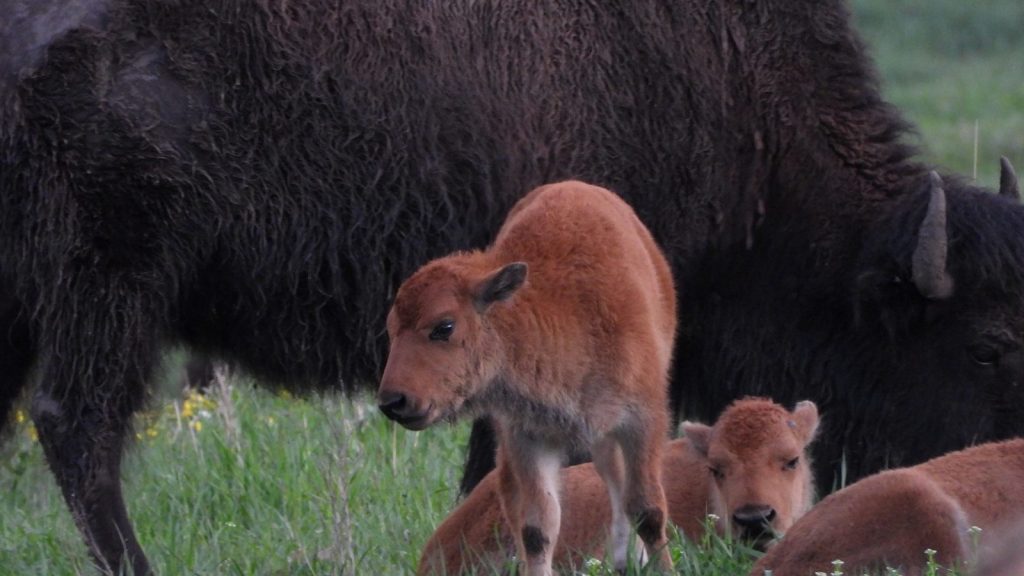
Even though videos of zooming baby bison look cute and peaceful, life in Yellowstone can be very dangerous for calves. Wolves, harsh weather, rivers, and long travel distances all create major challenges. Predators often target young calves because they are smaller and slower than adults. Wolves sometimes attempt to separate calves from the herd, especially during spring when newborns are most vulnerable.
Bison mothers protect their calves fiercely. Adult females stay close to newborns and quickly react if danger appears nearby. Herd members also work together to defend young calves from predators. In some Yellowstone encounters, adult bison have formed protective circles around calves when wolves approached. Experts say this teamwork is one reason bison continue to survive so successfully in the wild. Even playful calves with endless energy depend heavily on the protection of their mothers and the herd around them.
Visitors love seeing baby bison in Yellowstone

Tourists from around the world travel to Yellowstone hoping to see wildlife up close, and baby bison often become the stars of the trip. During spring and early summer, traffic jams called “bison jams” happen regularly when herds cross roads or graze near vehicles. Many visitors stop to watch calves run, hop, and play in open valleys. The playful behavior creates memorable moments because it feels surprising to see such large animals acting like energetic pets.
Social media has made these moments even more popular. Videos of baby bison zoomies often spread quickly because people enjoy watching wild animals show excitement and joy. Online comments frequently describe the calves as funny, sweet, and impossible not to love. Some visitors even plan trips during calving season because they hope to witness the playful behavior themselves. Wildlife photographers also spend hours waiting near valleys and grasslands for the perfect calf moment to capture on camera.
Safety matters when watching Yellowstone wildlife
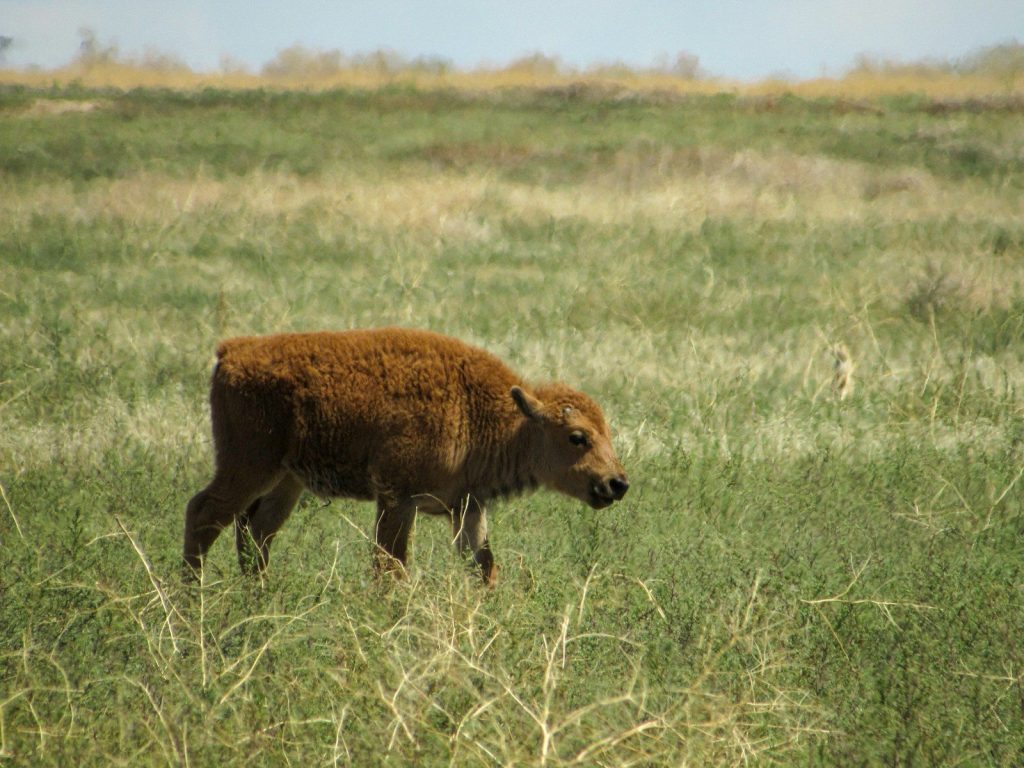
While baby bison may look harmless, park officials constantly remind visitors that bison are wild and unpredictable animals. Adult bison can run much faster than humans and may charge if they feel threatened. Yellowstone reports injuries almost every year when tourists move too close to wildlife for photos. The danger becomes even greater near calves because mothers become highly protective during the spring season.
Experts strongly advise visitors to stay at least 25 yards away from bison at all times. Even if a calf appears calm or separated from the herd, people should never approach or attempt to touch it. Past incidents in Yellowstone have shown that human interference can seriously harm wildlife. Park staff wants visitors to enjoy magical moments like baby bison zoomies while still respecting the animals’ space and natural behavior.
Leave a Reply