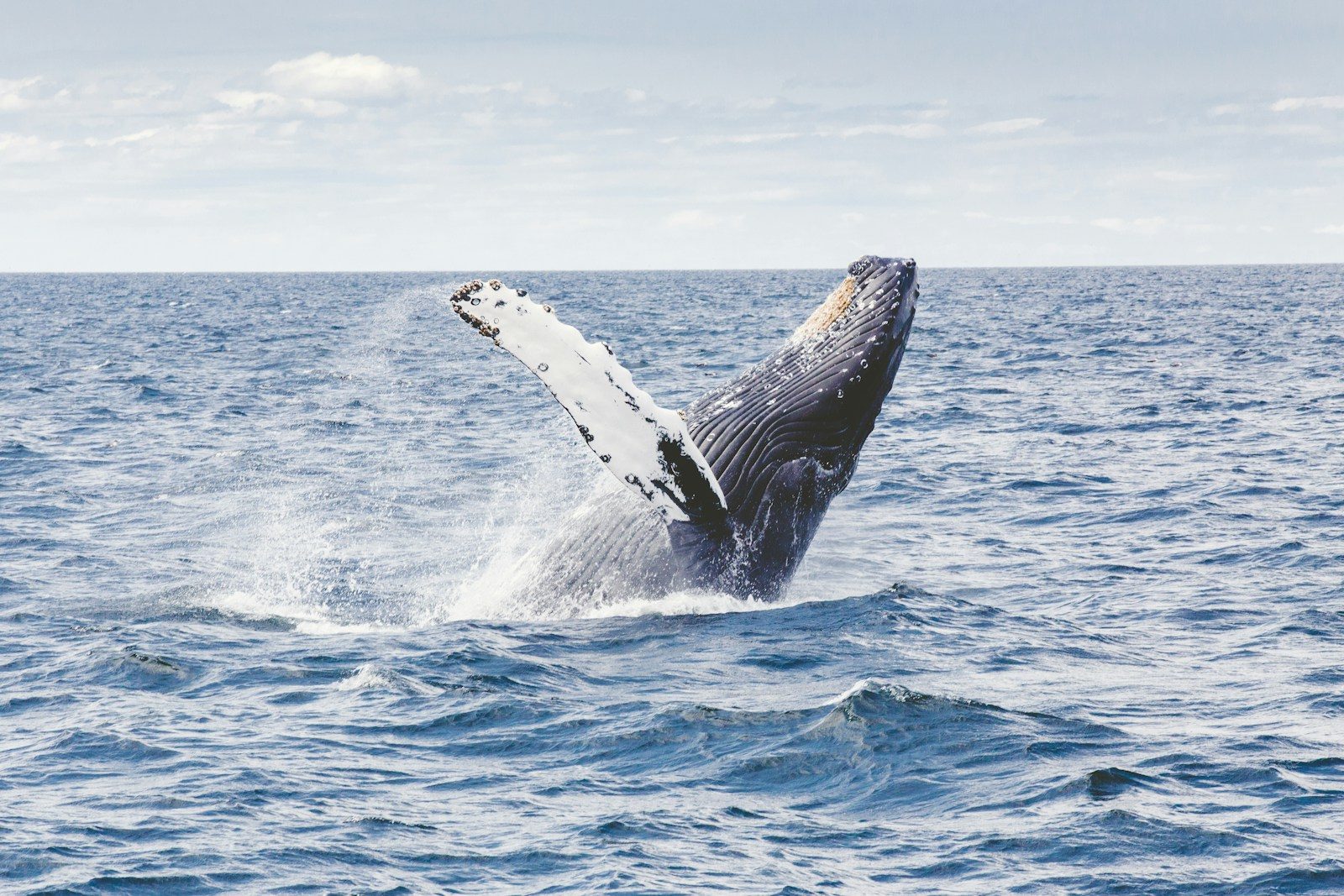
Timmy the whale became one of the most talked-about animals in Europe during 2026. The young humpback whale got stuck many times in shallow water near Germany’s Baltic Sea coast. People around the world followed the story online and hoped rescuers could save him. Videos and photos of Timmy lying in shallow water made many people emotional. Some rescue teams worked day and night to help him return to deeper water.
But while many people wanted to save Timmy, several scientists and whale experts warned that the rescue attempts could do more harm than good. They believed the whale was already very sick, weak, and stressed. Some experts even said that moving him could increase his suffering instead of helping him survive. In the end, Timmy was later found dead near Denmark after a large rescue mission moved him back toward open water. His story started a huge debate about animal rescue, science, emotions, and nature.
How Timmy became stranded
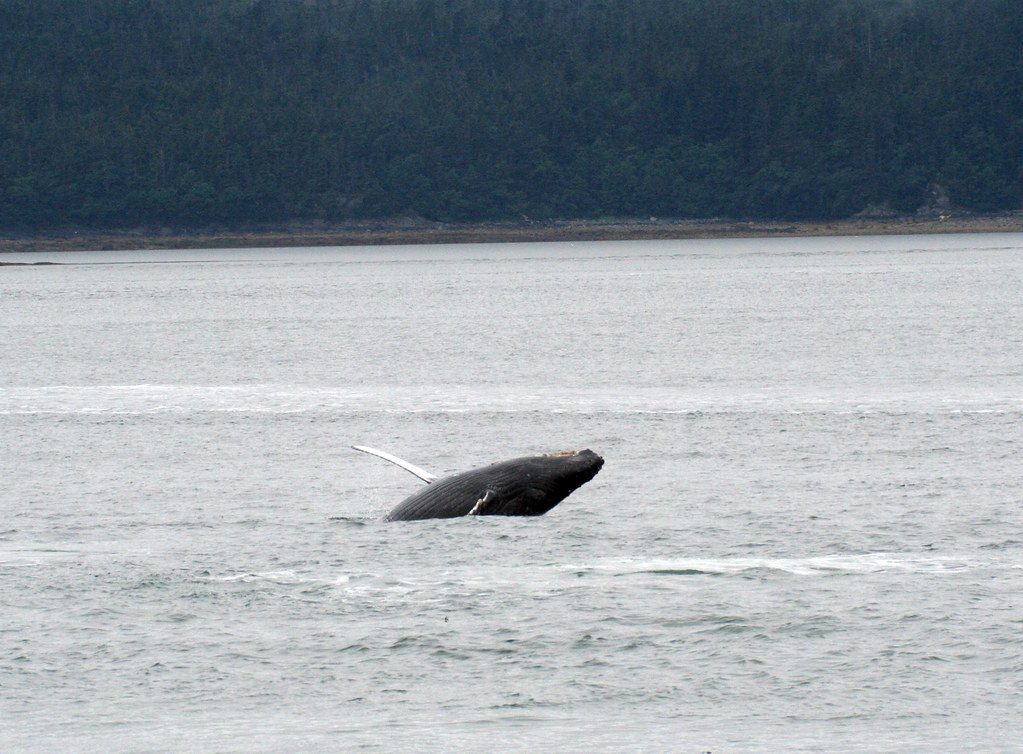
Timmy was a young humpback whale that somehow entered the Baltic Sea, an area where humpback whales are not usually found. Humpback whales normally live in deep ocean waters, but the Baltic Sea is shallow and has low salt levels. Scientists believed Timmy may have become lost, sick, injured, or confused before swimming into the area. Once there, he repeatedly became trapped on sandbanks near the German coast.
At first, local teams tried simple rescue methods to guide him back to deeper water. Workers dug channels in the sand, while boats created waves to help move him. Sometimes Timmy managed to free himself for a short time, but he kept getting stuck again. As the weeks passed, experts noticed that the whale looked weaker and more exhausted. His condition became worse after spending so much time in shallow water.
Why scientists thought the rescue was risky
Many marine scientists warned that Timmy’s body was already under heavy stress. Whales are large animals built to float in deep water. When a whale becomes stranded in shallow areas, its own weight can press down on its organs. This can damage the lungs, muscles, and blood flow. Experts feared Timmy’s body had already suffered serious harm after being trapped again and again.
Scientists also worried about the emotional and physical stress caused by rescue operations. Heavy machines, loud boats, crowds, and repeated handling can be very hard on marine animals. Some experts from the International Whaling Commission said moving Timmy by barge was “inadvisable” because it could increase his suffering. They believed the whale might not survive such a difficult journey. For them, the main concern was animal welfare, not public emotion.
The dangers of the Baltic Sea for whales
One major problem was the Baltic Sea itself. Humpback whales are ocean animals that need salt-rich water and deep swimming areas. The Baltic Sea has much lower salt levels than the Atlantic Ocean. Scientists explained that staying there for too long can damage a whale’s skin and overall health. Reports later showed that Timmy developed serious skin problems during his time in the shallow water.
Food was another problem. Humpback whales need huge amounts of food to survive. Experts believed Timmy was not eating enough while trapped near the coast. Over time, he became thinner and weaker. Even if rescuers managed to move him back into deeper water, scientists feared he might already be too weak to hunt and survive on his own. Some experts believed the whale’s chances of recovery were extremely low.
The rescue mission that divided experts
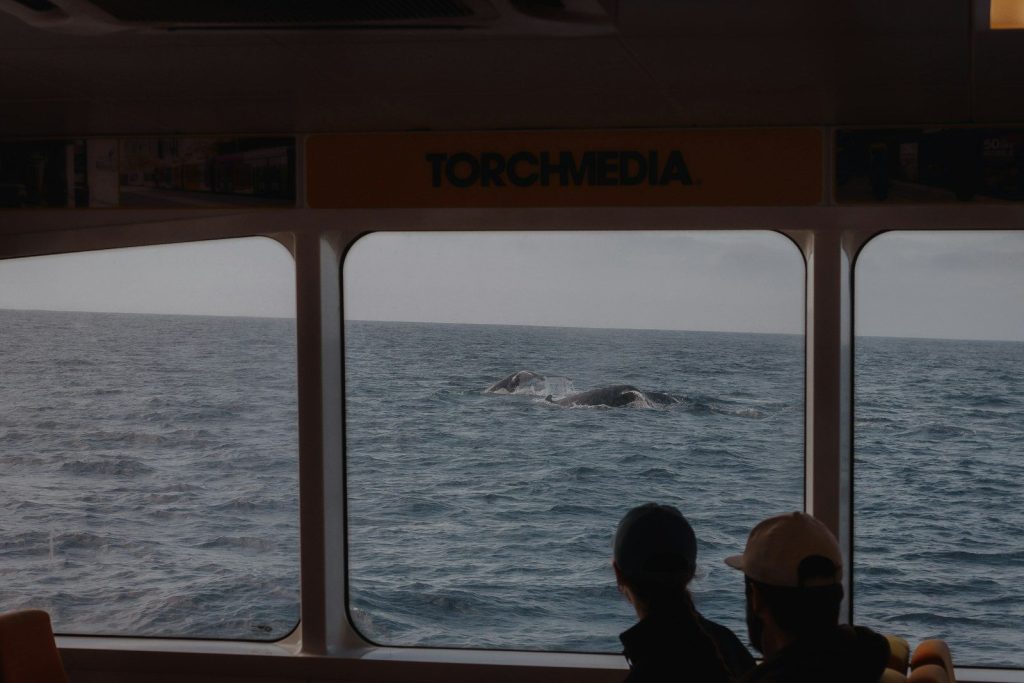
Even after several warnings from scientists, a large rescue effort moved forward. Private donors helped pay for an expensive mission to transport Timmy on a special water-filled barge. Rescue workers carefully lifted the whale and slowly moved him toward deeper water near the North Sea. Many people celebrated the effort and hoped Timmy would finally survive.
Still, not everyone agreed with the plan. Some scientists argued that the mission focused more on hope and public pressure than medical reality. They worried that people were making decisions based on emotion because Timmy had become famous online. Several experts believed that the stressful trip could leave the whale even weaker. Others also worried about safety problems during the journey, including rough water and the risk of injury while Timmy was inside the barge.
What happened after Timmy was released
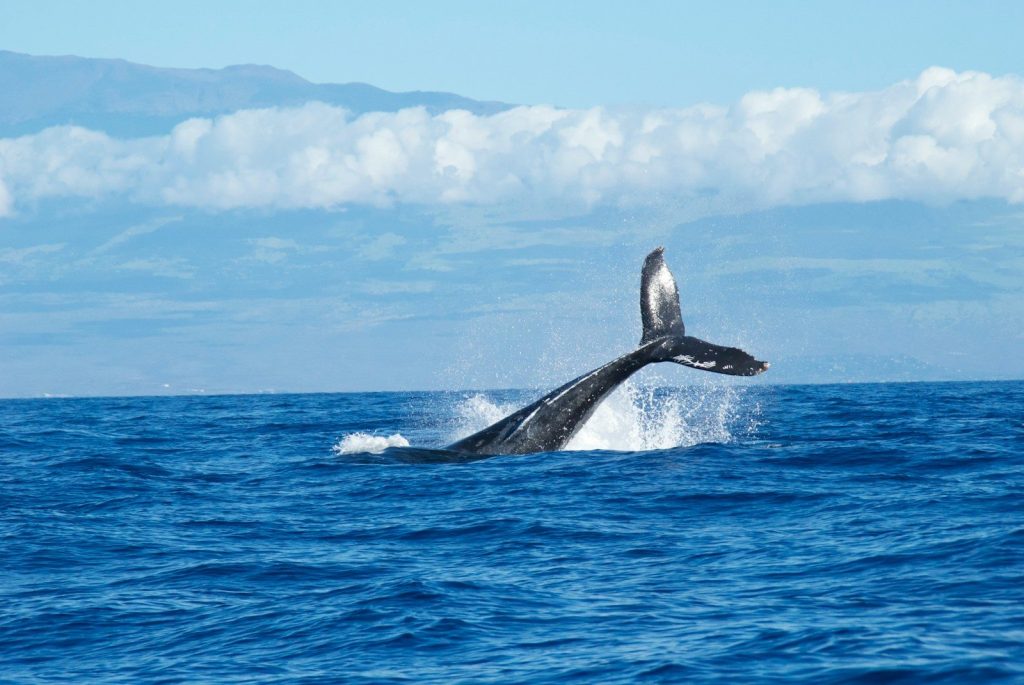
After rescuers released Timmy into deeper water, many people thought the story had a happy ending. Early reports said the whale appeared to swim away in the right direction. But questions quickly started to appear. The tracking device attached to Timmy reportedly failed to provide clear information. This made it difficult for experts to know whether the whale was healthy or even still alive.
Weeks later, Danish authorities confirmed that Timmy had died in Denmark. Reports suggested he was still very weak after the rescue. Some scientists believed the whale may not have been strong enough to survive in the open sea after spending so much time trapped and stressed. Others said the outcome showed why many experts had warned against the rescue in the first place. The sad ending shocked many people who had followed the story for weeks.
The debate between emotion and science

Timmy’s story created a larger debate about wildlife rescue and conservation. Many people felt rescuers had a moral duty to save the whale, no matter how difficult the situation became. They saw Timmy as a living creature that deserved every possible chance to survive. Emotional videos and social media posts made millions of people feel connected to the animal.
Scientists, however, argued that difficult decisions are sometimes necessary in wildlife care. In some cases, experts believe allowing nature to take its course may cause less suffering than repeated rescue attempts. Some conservation experts also pointed out that huge amounts of money and attention were spent on one whale while many larger environmental problems continue to harm marine life every day. Timmy’s case showed how public emotion and scientific advice can sometimes clash.
Leave a Reply