
A baby elephant losing its trunk is one of the most serious injuries an elephant can face. The trunk is not just a nose. It helps the animal breathe, drink, eat, smell danger, and stay close to its family, so losing it creates major survival problems from the start.
This article explains what happens when a young elephant loses its trunk, why wildlife experts are deeply worried, and how some calves have survived with human care or herd support. It also looks at the real causes behind these injuries, including poacher snares and predator attacks, and why the outcome is often uncertain for a calf in the wild.
Why the trunk matters so much

An elephant’s trunk is one of the most important body parts in the animal kingdom. It works like a hand, a straw, and a communication tool all at once, and it contains around 40,000 muscles that help with many daily tasks.
Young elephants depend on their trunks to learn how to pick up grass, pull leaves, spray water, and touch their mothers. Without it, a calf loses the main tool it needs to feed itself and interact with the herd, especially as it grows older.
How baby elephants lose their trunks

In many cases, calves lose all or part of the trunk after getting caught in wire snares. These traps are often set for smaller animals, but elephants can accidentally step into them or wrap the wire around the trunk while exploring.
Predator attacks can also cause this injury. Crocodiles may grab a young elephant when it drinks near rivers, and hyenas have been reported attacking calves that become trapped or separated from the herd.
Why survival is so uncertain

Experts say a calf with no trunk faces a very hard future in the wild. It may still nurse from its mother for a time, but older calves need to collect solid food and water on their own, and that becomes much harder without the organ.
The trunk also helps with cooling the body and detecting danger. A calf that cannot use it may struggle during drought, fail to keep up with the herd, or become weak from poor nutrition, even if the wound heals.
Some elephants do adapt

There are documented cases of elephants surviving with severe trunk injuries. Some learn to kneel at water sources and drink directly with the mouth, while others rely on eating plants at head level because they cannot pull grass from the ground.
A few orphaned calves have survived in sanctuaries after being rescued. One recent case involved a young elephant named Long’uro, who lost most of his trunk as a calf and adapted with constant human care at a sanctuary in Kenya.
Why herd support can make a difference
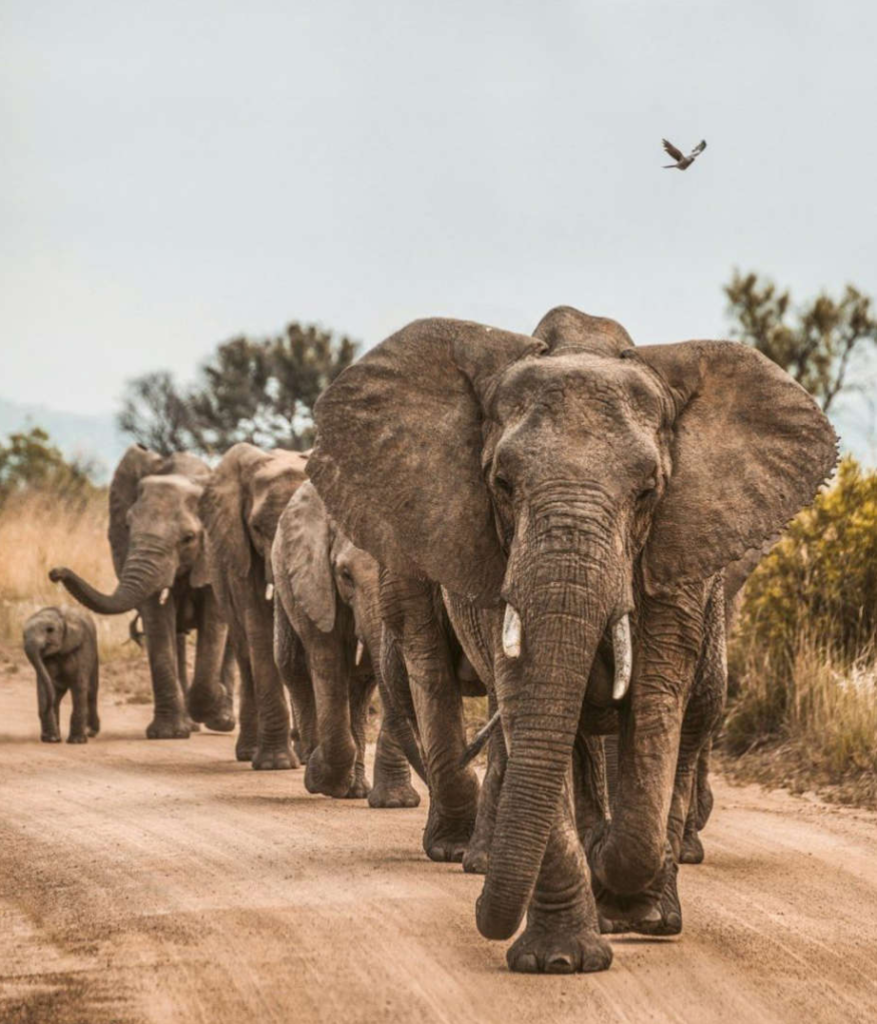
Elephants are highly social and live in close family groups. Adult females often help raise calves, and researchers have observed herd members staying close to injured young elephants to protect them and guide them.
Some experts believe family support may help a calf survive longer than expected. Adults may help by slowing the group’s pace, standing guard, or making it easier for the injured calf to access food and water.
What this means for conservation

When a baby elephant loses its trunk, the injury often points to a larger problem in the habitat. Snares, shrinking forests, and more contact with farms are increasing the number of severe injuries seen in elephants across parts of Africa and Asia.
Conservation workers say each injured calf is a warning sign. It shows how human activity can harm wildlife even when elephants are not the intended target, and it highlights why stronger habitat protection matters.
The future depends on where the calf is found
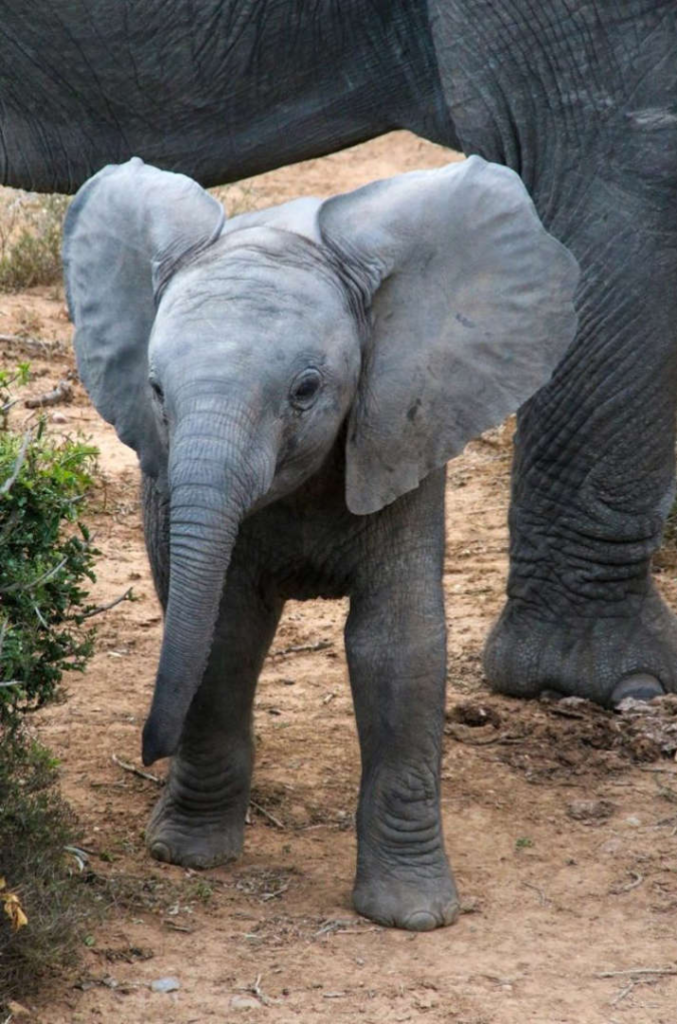
A calf that remains in the wild without rescue faces the hardest odds. Wildlife specialists have said that reaching adulthood without a trunk is unlikely, especially without extra help from the herd or nearby people who can monitor it.
If the calf is found by trained rescuers, the outcome may improve. Sanctuaries can provide food, medical care, and close support, but even then, many calves with severe trunk injuries still face long recoveries and uncertain futures.
Leave a Reply