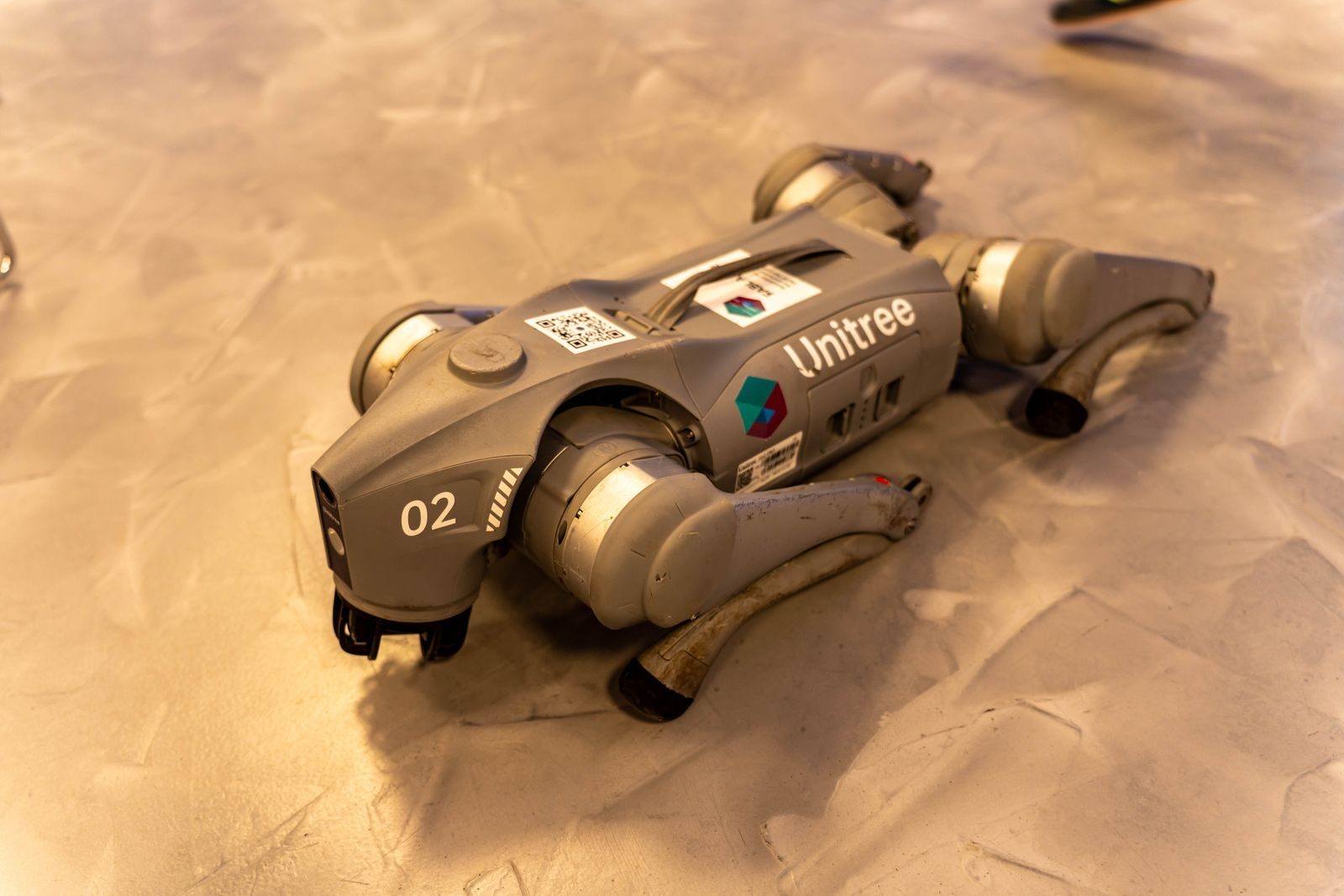
Artificial intelligence is changing the world in exciting ways, but not every new invention is being welcomed without question. AI robot dogs are one example. These four-legged machines can walk, run, climb stairs, carry equipment, and even work in dangerous places. While many researchers and engineers see them as useful tools, others are becoming concerned about how they are being used and what they could mean for the future.
The growing use of AI robot dogs has started a bigger conversation about privacy, safety, jobs, and ethics. Some people believe these machines could save lives and make difficult work easier. Others worry that they could increase surveillance, replace workers, or even become part of military systems. Understanding both the benefits and the risks helps explain why AI robot dogs are raising eyebrows among experts around the world.
What AI robot dogs are and how they work
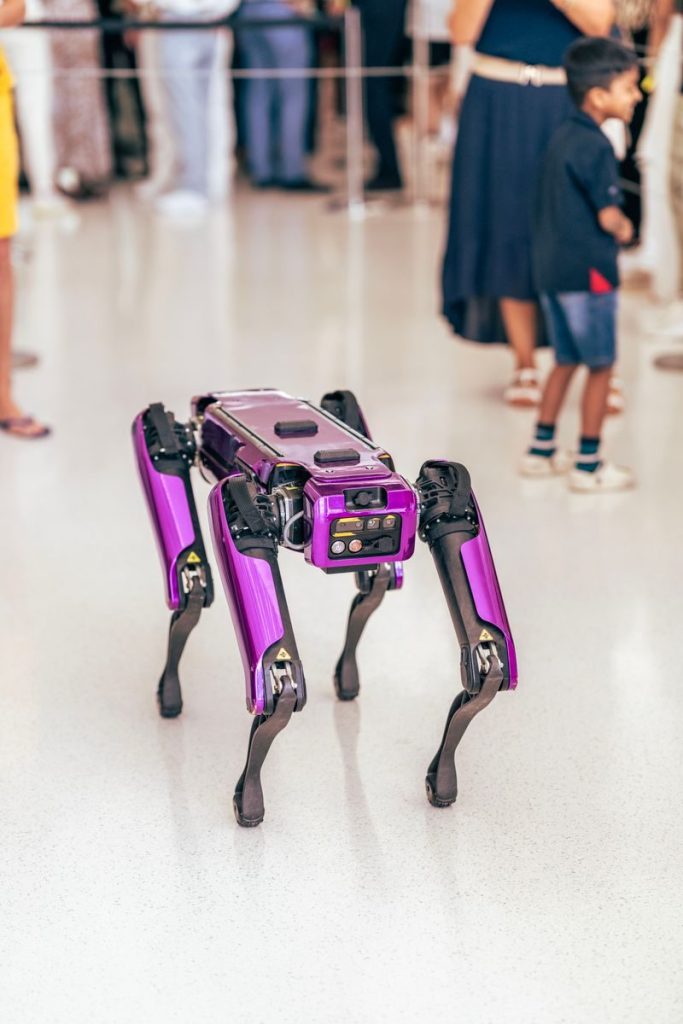
AI robot dogs are machines designed to move like real dogs. They usually have four legs, cameras, sensors, and computer systems that help them understand their surroundings. Many can navigate rough ground, avoid obstacles, and perform tasks without needing constant human control. Some are operated remotely, while others use artificial intelligence to make simple decisions on their own.
These robots are being developed by technology and robotics companies for many different jobs. They can inspect factories, explore disaster areas, monitor construction sites, and carry supplies. Because they can enter places that may be dangerous for people, engineers often view them as valuable tools that can improve safety and efficiency.
Why researchers see value in robot dogs
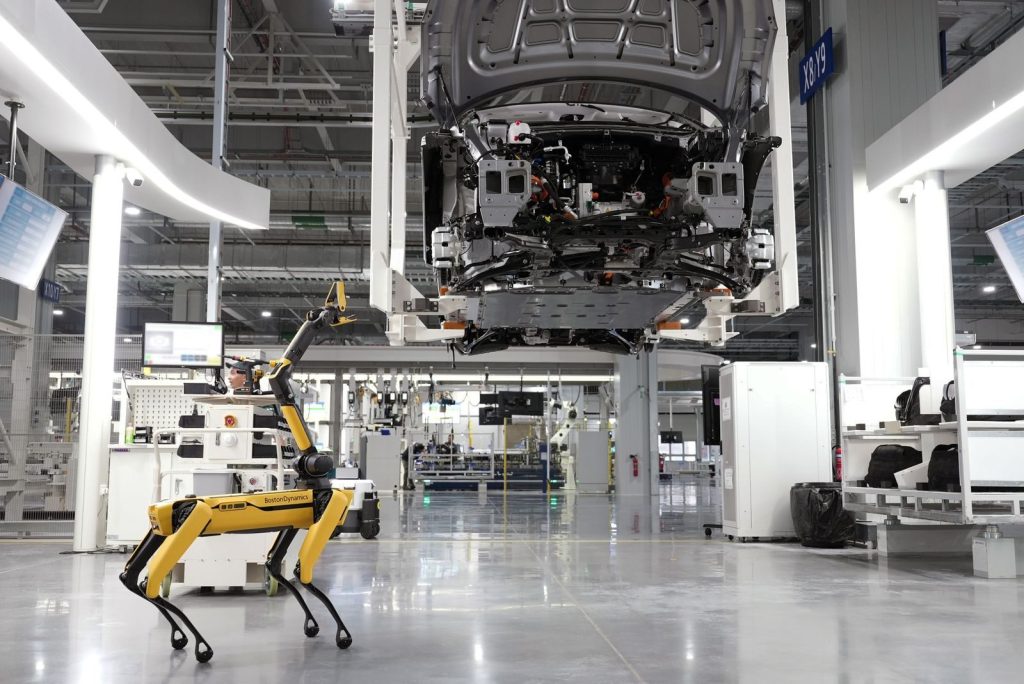
Many researchers believe robot dogs can help solve real-world problems. In search-and-rescue operations, they can enter collapsed buildings after earthquakes or explosions. They can also inspect areas affected by chemical spills, fires, or radiation where human workers may be at risk. Their ability to move through difficult terrain gives them advantages over traditional wheeled robots.
Industries are also finding practical uses for these machines. Construction companies are testing them for site inspections, while energy and technology companies use them to monitor equipment and infrastructure. Since robot dogs can collect data continuously and work for long periods, they may help organizations improve safety while reducing the need for workers to enter hazardous locations.
Growing concerns about surveillance

One of the biggest concerns surrounding AI robot dogs is surveillance. Many models carry cameras, microphones, thermal sensors, and other monitoring equipment. When used by security teams or law enforcement agencies, these machines can gather large amounts of information about people and places. Critics worry that this technology could make public monitoring more common and less noticeable.
Researchers who study technology ethics argue that mobile surveillance tools may create new privacy challenges. Unlike fixed cameras, robot dogs can move through neighborhoods, buildings, and public spaces. Some experts fear that without clear rules and oversight, these systems could collect information in ways that citizens do not fully understand or expect. These concerns have led to debates about how robot dogs should be used and regulated.
Questions about military and police use

Another reason AI robot dogs are attracting attention is their use in defense and security operations. Several military organizations around the world have tested quadruped robots for reconnaissance, patrol missions, and other support roles. In some cases, developers have demonstrated robots carrying equipment that could be adapted for weapons systems.
This possibility has raised ethical concerns among engineers and researchers. Many experts believe humans should remain responsible for important decisions involving the use of force. They worry that increasing autonomy in robotic systems could make military operations more complex and reduce accountability. Even when robot dogs are used only for support tasks, discussions continue about how far their role should expand in the future.
The impact on jobs and human workers

Like many forms of automation, AI robot dogs have sparked concerns about employment. Businesses often invest in new technology to improve efficiency, reduce costs, and increase productivity. While this can create new opportunities in robotics and engineering, it may also reduce the need for some traditional jobs.
Workers in areas such as security, inspection, monitoring, and maintenance may wonder how these technologies could affect their careers. Most experts do not believe robot dogs will completely replace human workers anytime soon. However, many researchers agree that automation will continue changing workplaces, making it important for workers to learn new skills and adapt to evolving technologies.
Ethical concerns beyond technology

The debate over AI robot dogs is not only about what they can do. It is also about what society wants them to do. Some researchers believe the appearance of robot dogs may influence how people interact with technology. Because these machines resemble animals, people may develop emotional connections with them or place more trust in them than they would in other types of machines.
Ethicists also question whether widespread use of animal-like robots could change human attitudes toward real animals. Others worry about transparency and accountability. If a robot dog makes a mistake, causes damage, or collects sensitive information, determining responsibility may become complicated. These questions show that the discussion is about more than engineering—it is also about values, trust, and social impact.
What the future may hold

AI robot dogs are likely to become more advanced in the coming years. Improvements in artificial intelligence, sensors, batteries, and computing power will make them faster, smarter, and more capable. As costs decrease, more industries may adopt them for inspections, security, logistics, and emergency response. Their presence could become much more common in everyday life.
At the same time, researchers, policymakers, and engineers will continue discussing how these machines should be used. Many experts support stronger guidelines covering privacy, data collection, safety testing, and human oversight. The goal is not to stop innovation but to ensure that new technology serves society in a responsible way. Finding the right balance between progress and protection will likely shape the future of AI robot dogs.
Leave a Reply