Author: Ethan

  • Surprising things most people don’t know about puppies

    Surprising things most people don’t know about puppies

    Newborn puppies may look tiny and helpless, but their first weeks of life are full of amazing changes. Many new pet owners do not realize how fast puppies grow and how much care they need in such a short time. These newborn puppy facts can help people better understand what happens during a puppy’s early days.

    This article explains six fascinating facts about newborn puppies. Readers will learn how puppies grow, sleep, eat, stay warm, and depend on their mothers during the first weeks after birth. These simple facts can help pet owners ensure puppies stay healthy, safe, and happy as they grow.

    Puppies grow very quickly after birth
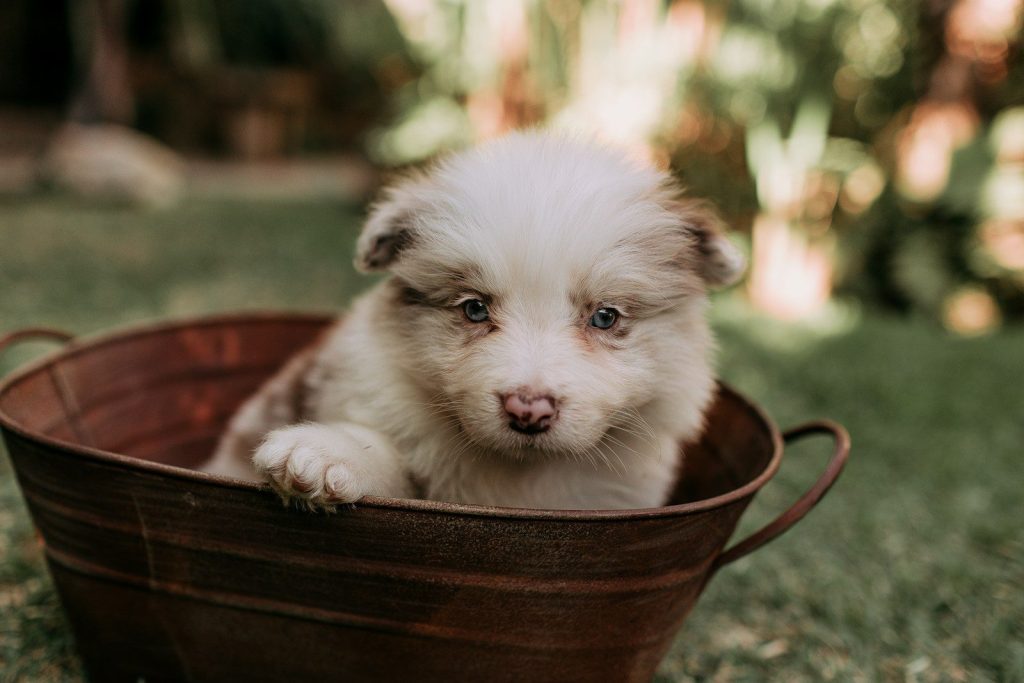
    Fluffy puppy sitting in a rustic metal tub outdoors.
    Photo by Helena Lopes on Unsplash

    Newborn puppies develop inside their mother’s womb for about two months before they are born. Experts explain that puppies are not fully developed at birth, which is why they need constant care during the first weeks of life. In many ways, they are similar to premature babies because their bodies are still growing after birth.

    One of the most surprising newborn puppy facts is how fast they gain weight. Healthy puppies should double their birth weight by the end of the first week. Their size depends on the breed, but steady growth is very important because it shows the puppies are eating enough and developing properly.

    Puppies cannot see or hear at first
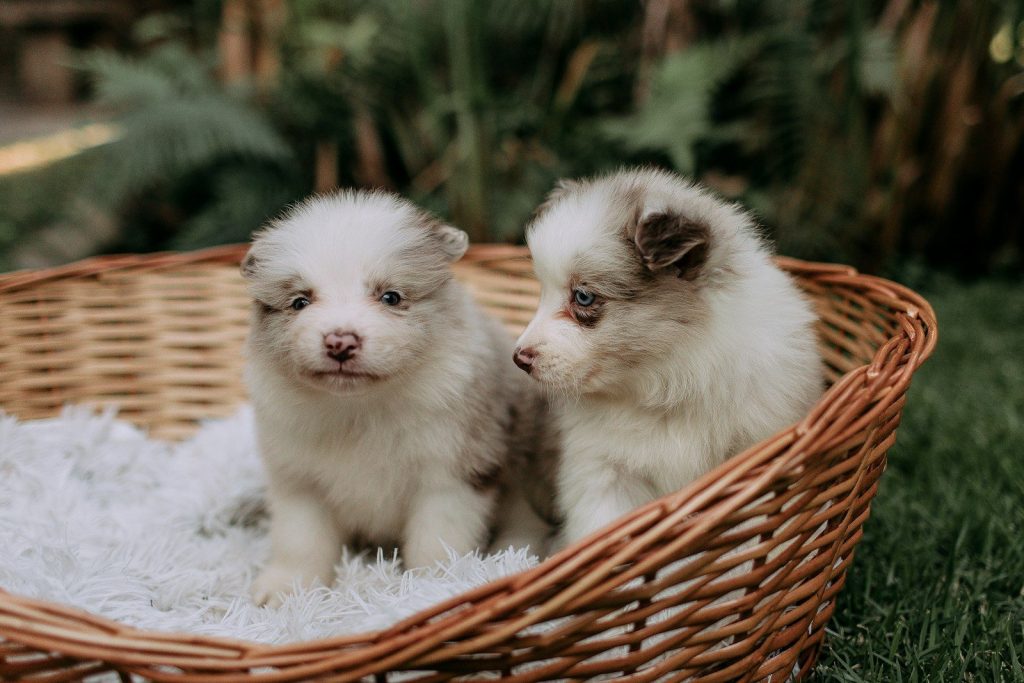
    Two fluffy puppies sit in a woven basket.
    Photo by Helena Lopes on Unsplash

    Many people are surprised to learn that newborn puppies are born with their eyes and ears closed. For about the first two weeks, they cannot fully see or hear the world around them. Even though their eyes stay closed, puppies can still move around and respond to touch and warmth.

    Puppies can make small noises from the moment they are born. Their mother usually licks them right away to help stimulate them after birth. Around 10 days later, puppies slowly begin opening their eyes, although their eyesight is still developing. Their ears also begin opening around two weeks after birth.

    Puppies spend most of the day sleeping
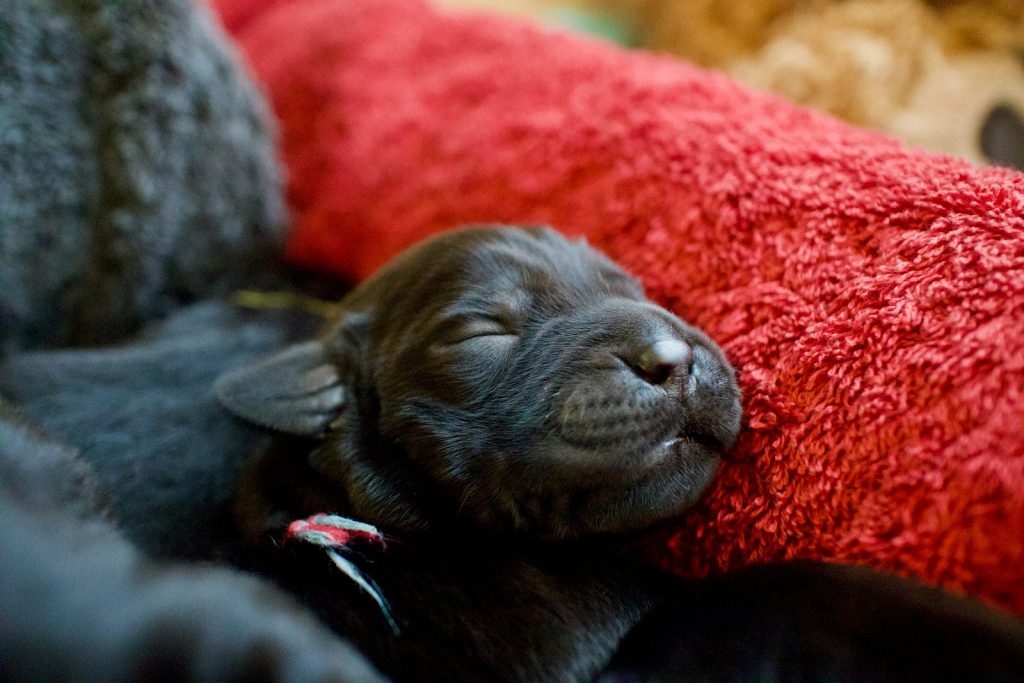
    black labrador retriever puppy lying on orange textile
    Photo by Matt Noble on Unsplash

    Newborn puppies spend almost all their time either eating or sleeping. During the first weeks, they are nursed every two hours to get the nutrition they need from their mother. Even though they cannot see well, they use instincts and reflexes to find their mother and feed.

    Between feedings, puppies sleep about 90 percent of the day. That means they may sleep for close to 22 hours a day. This heavy sleep schedule is important because their bodies and brains are growing rapidly during this stage of life.

    Puppies cannot go to the bathroom alone
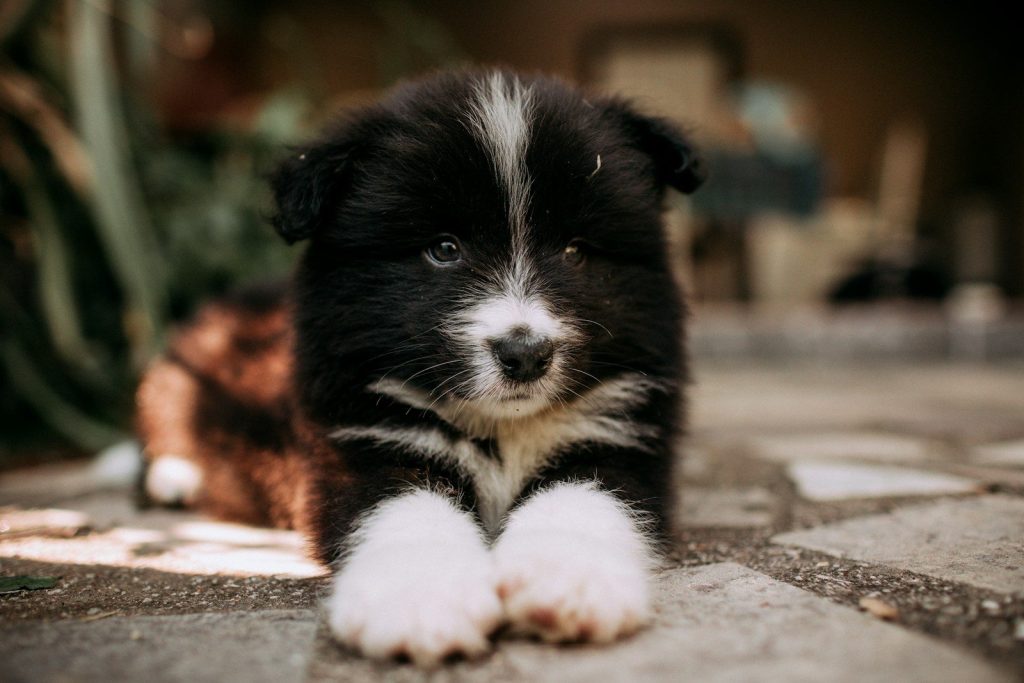
    A fluffy black and white puppy lies on stone patio.
    Photo by Helena Lopes on Unsplash

    One of the lesser-known newborn puppy facts is that puppies cannot eliminate waste on their own during the early weeks. They depend on their mother to help stimulate them to urinate and defecate. Without this help, puppies may struggle to stay healthy.

    If the mother dog is not present, humans may need to help with this process. Experts say gently rubbing the puppy’s rear end with a wet paper towel can help stimulate bowel movements. This step is very important for orphaned puppies that are being cared for by humans.

    Puppies need warmth to stay healthy

    A fluffy dog relaxing in the sunlight.
    Photo by One91creative on Unsplash

    Temperature plays a major role in a newborn puppy’s health. Young puppies cannot control their body temperature very well because their bodies are still developing. If they become too cold, important body systems may not work properly.

    Experts recommend keeping newborn puppies in a warm environment around 75 degrees with high humidity. Proper warmth helps support digestion, the immune system, and normal body functions. Keeping puppies comfortable and warm during the first weeks is one of the most important parts of early care.

    Puppies are born with fur and nails
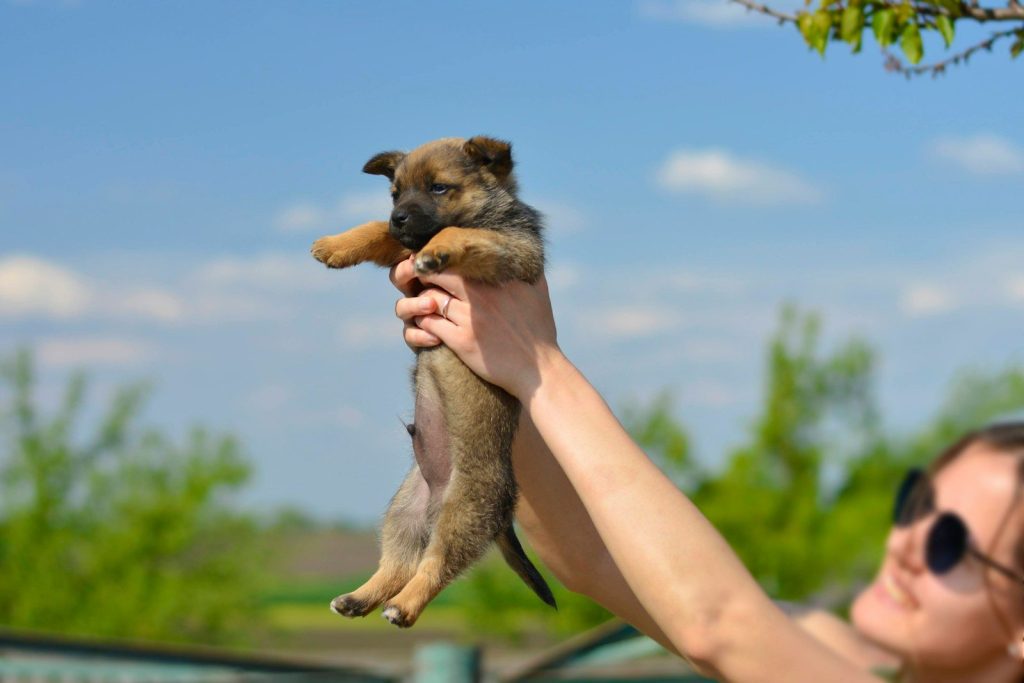
    brown and black short coated dog
    Photo by Aleksey Oryshchenko on Unsplash

    Newborn puppies may not have teeth yet, but they are born with fur and tiny, sharp nails. The amount of fur depends on the breed, and puppies start life with what experts call a puppy coat. As they grow older, many dogs shed their soft coat and develop their adult fur.

    Their nails can sometimes scratch the mother while nursing. Experts say nail trimming is usually done between 4 and 6 weeks of age, though it may be done earlier if needed. Puppies do not start growing teeth until around 4 weeks old, and later they lose their baby teeth as adult teeth come in.
  • How to see wild animals responsibly without contributing to cruelty

    How to see wild animals responsibly without contributing to cruelty

    What if the wildlife experiences people enjoy are actually harming the animals they came to see? Many travelers looking for ethical adventures do not realize how often tourism can cause suffering. The idea of a responsible wildlife tourism guide to animals helps explain the difference between true conservation and activities that hurt animals.

    This article breaks down real examples of harmful wildlife tourism and shows better, more responsible ways to see animals. It focuses on elephants, dolphins, lions, exotic cafes, monkeys, and tigers. Readers will learn what to avoid, which choices are safer, and how tourism can either protect or put wildlife at risk.

    Why wildlife tourism can harm animals

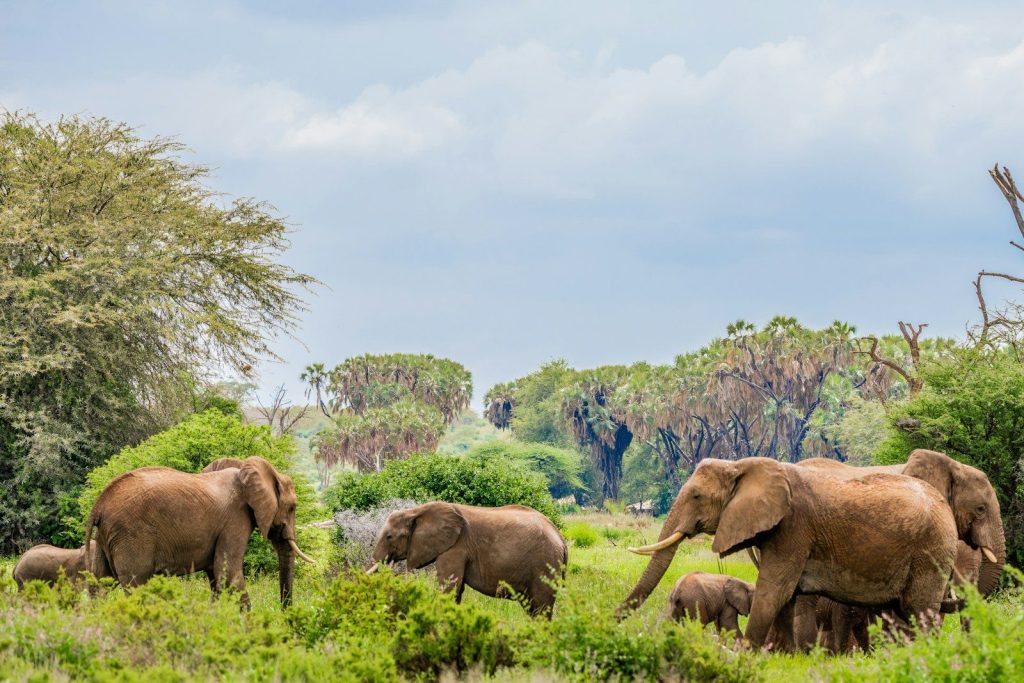
    herd of elephants near trees
    Photo by Photos By Beks on Unsplash

    Wildlife tourism becomes harmful when animals are treated as entertainment rather than living beings. In some places, animals are kept in poor conditions or forced into unnatural behavior just to attract visitors. This leads to stress, injury, and long-term suffering for the animals involved.

    A serious example is the death of 72 tigers at a tourist park in Chiang Mai, linked to disease and poor conditions. Animal welfare groups say tourism demand plays a major role in keeping such facilities open. When people seek close-up photos or experiences, animals often end up paying the price.

    Elephant rides and ethical alternatives

    people riding on black elephant during daytime
    Photo by Mateus Bragança de Carvalho on Unsplash

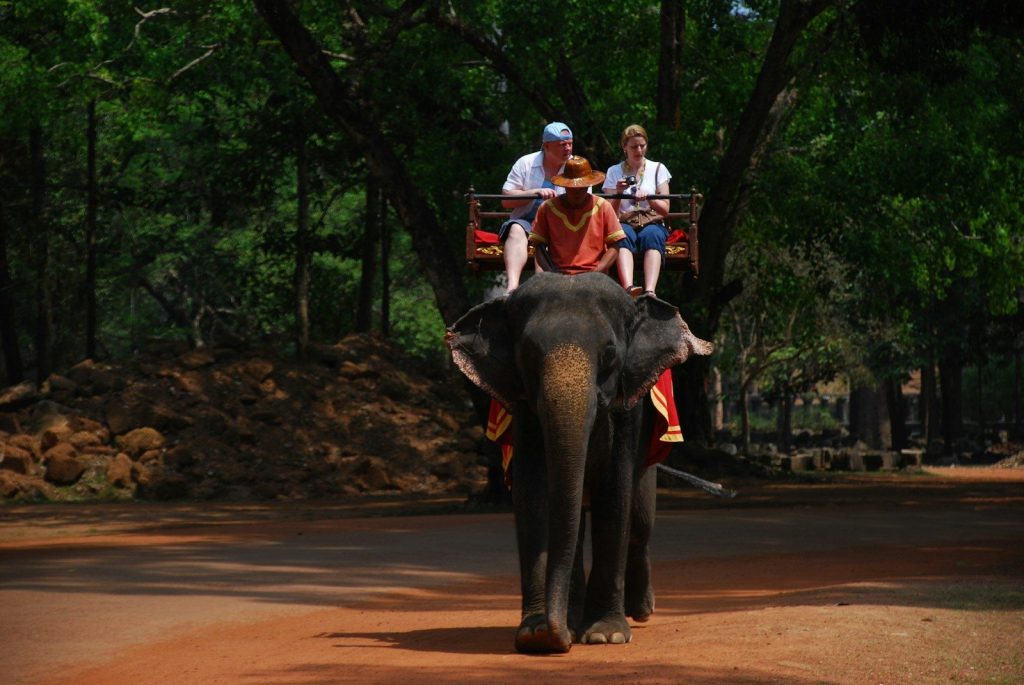
    Elephant rides may look fun for tourists, but they can cause real harm. Heavy saddles and constant human weight can damage their spines. In many cases, training methods used on captive elephants are also reported to be harsh and stressful.

    A better choice is to visit ethical sanctuaries rather than ride elephants. Places like the Sheldrick Wildlife Trust Nursery in Nairobi and the Reteti Elephant Sanctuary focus on care and rehabilitation. These locations allow visitors to observe elephants from a distance while supporting conservation work.

    Dolphins in captivity and safer viewing options

    a couple of dolphins are swimming in the water
    Photo by Ranae Smith on Unsplash

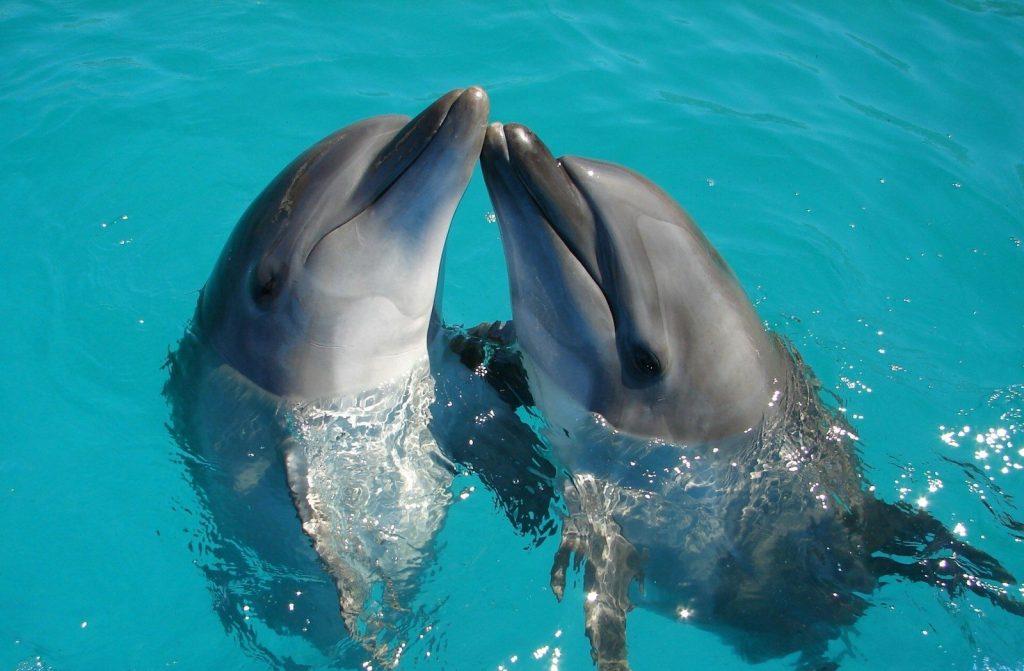
    Swimming with dolphins in small pools might look exciting, but it is often harmful for the animals. Dolphins are intelligent creatures that need large spaces to swim freely. In captivity, limited space can lead to stress, repetitive behavior, and even physical damage.

    A more responsible option is to observe dolphins in the wild. In places like Cardigan Bay in Wales or around the Isle of Mull and Skye, visitors can watch dolphins from boats or shore. These experiences respect natural behavior while still allowing people to enjoy wildlife safely.

    Lion interactions and responsible safaris

    brown lion on green grass field
    Photo by Zdeněk Macháček on Unsplash

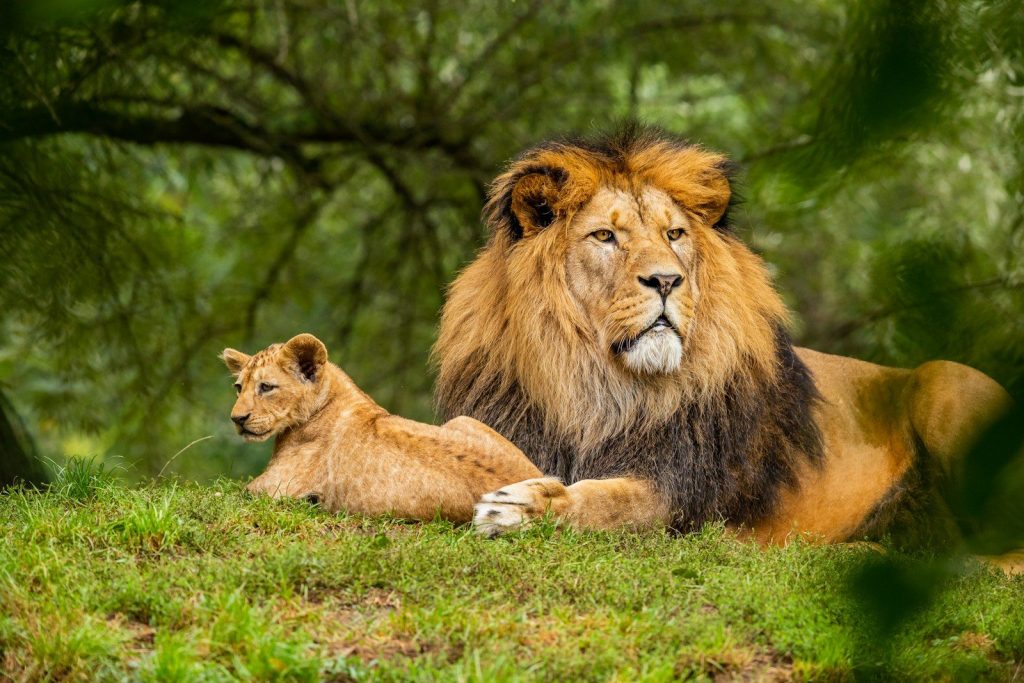
    Walking with lions or touching them may seem exciting, but it is unnatural and dangerous. In South Africa, thousands of lions live in captivity, often in poor conditions. Cubs are sometimes separated from their mothers, and adults may be used in harmful tourism or hunting activities.

    A safer option is joining guided safaris with conservation experts. In places like the Brazilian Pantanal or Uganda’s Queen Elizabeth National Park, tourists can track wild cats like lions, leopards, and jaguars. These safaris support conservation work while allowing animals to live naturally.

    Exotic pet cafes and animal exploitation

    blue yellow and green parrot on brown wooden stick
    Photo by Emily Peck on Unsplash

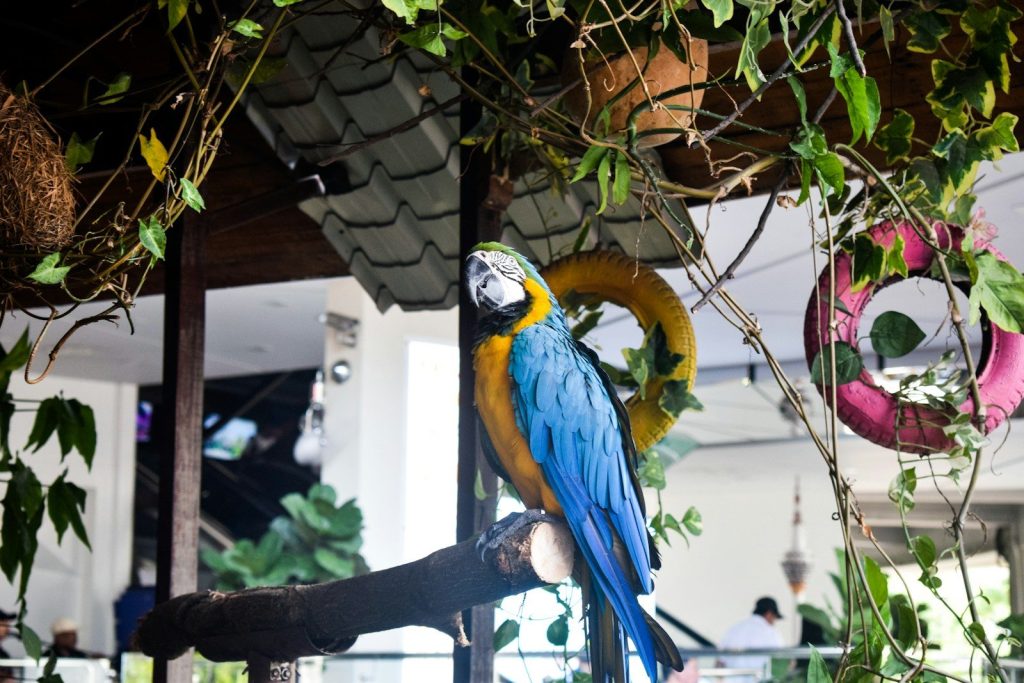
    Exotic pet cafes may look cute on social media, but they often hide serious problems. Visitors can interact with animals such as hedgehogs, sloths, and civets, but many of these animals are taken from their natural habitats. This removes them from the wild where they belong.

    This trend has also been linked to poaching and illegal wildlife trade. Animals may be transported long distances and kept in stressful conditions just for entertainment. A responsible choice is to avoid these cafes and support wildlife experiences that protect animals instead of exploiting them.

    Monkey selfies and tiger safaris

    person holding black iphone 5
    Photo by Camillus Dewitte on Unsplash

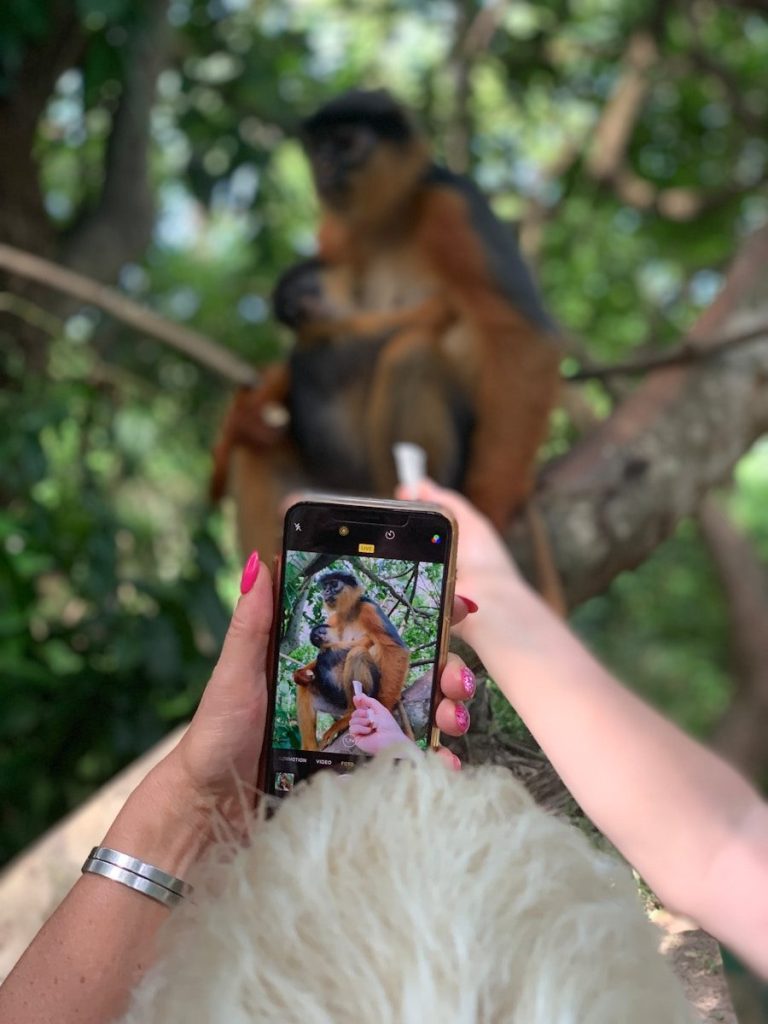
    Taking selfies with monkeys or seeing them dressed in costumes may seem harmless, but it often involves abuse. Many monkeys used in tourism are chained or forced to perform. Even endangered species like Barbary macaques are affected by this kind of exploitation.

    In contrast, tiger safaris in places like India show a better way forward. Bengal tiger populations have increased due to conservation efforts, and protected safaris allow safe viewing in the wild. Some parks even restrict mobile phone use to prevent risky behavior and protect both animals and visitors.

  • 6 incredibly affectionate dog breeds

    6 incredibly affectionate dog breeds

    Why do some dogs act like they can’t live without one specific person? Many pet owners notice this strong attachment and wonder what causes it. These are often called Velcro dog breeds because they bond deeply with humans, sticking so closely to their chosen human like glue.

    This article explores dog breeds known for forming intense emotional bonds with one person or family. From highly intelligent working dogs to small companion pets, each breed shows a different side of loyalty. You will learn how these dogs behave, why they form such strong attachments, and what life with them is really like for owners.

    Akita and its one-person loyalty bond

    shallow focus photography of brown dog
    Photo by Jae Lee on Unsplash

    The Akita is one of the strongest examples of Velcro dog breeds that bond deeply with humans. This breed comes from Japan and is known for forming a powerful emotional connection with one specific person or immediate family. While they may seem distant or serious with strangers, their loyalty runs very deep.

    An Akita often chooses one person as its main focus and stays deeply attached for life. Their famous loyalty is shown in the story of Hachiko, a dog who waited for his owner at a train station for 9 years after the owner passed away. Once trust is built, an Akita becomes a devoted and protective companion.

    German Shepherd and protective companionship

    brown and black german shepherd on green grass field
    Photo by Jana Ohajdova on Unsplash

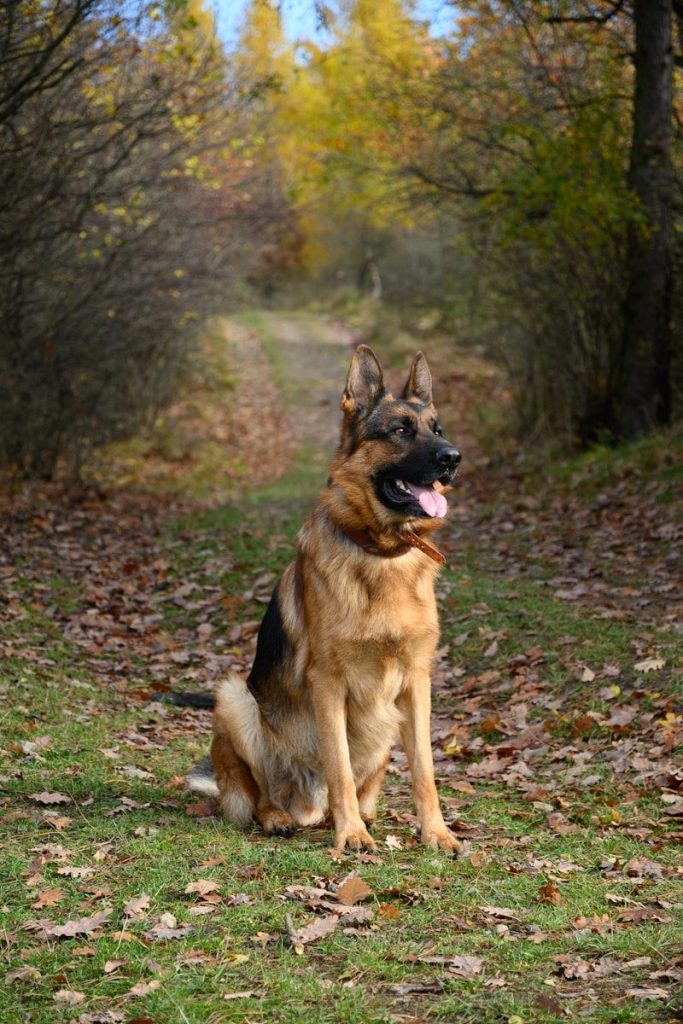
    The German Shepherd is widely known as a working and protection dog, but it is also deeply affectionate toward its chosen human. This breed is one of the most loyal Velcro dog breeds, bonding deeply with humans and often staying close to their owners throughout the day.

    German Shepherds tend to follow their favorite person from room to room and stay alert to their movements. Their protective behavior comes from their strong emotional bond, as they naturally want to keep their person safe and secure. Beneath their serious appearance is a loving and loyal companion.

    Border Collie and a strong mental connection

    brown and white dog on grass
    Photo by Anna Dudkova on Unsplash

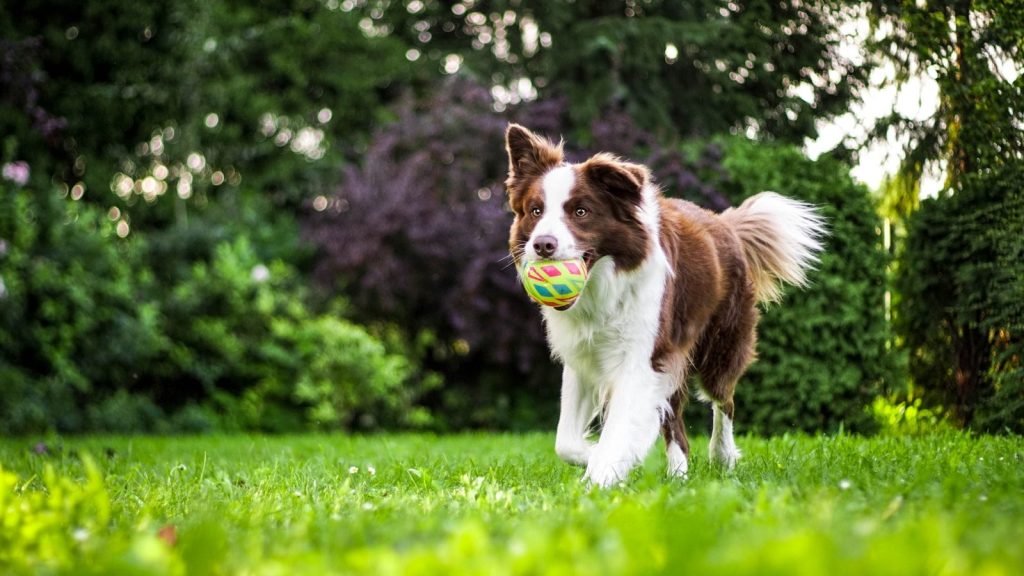
    The Border Collie is one of the most intelligent dog breeds and forms an extremely close working bond with its handler. This breed is highly focused on communication and teamwork, making it a strong example of Velcro dog breeds that bond deeply with humans.

    Originally bred for herding livestock, Border Collies are used to responding to commands, gestures, and emotions with precision. They need both mental and physical activity to stay balanced. Without enough stimulation, they can become restless and may try to create their own activities.

    Chihuahua and intense personal attachment

    brown chihuahua puppy on brown textile
    Photo by David Vives on Unsplash

    The Chihuahua may be small in size, but it has a very large personality and strong emotional needs. This breed often chooses one favorite person and becomes deeply attached, making it one of the most well-known Velcro dog breeds.

    Chihuahuas often behave like small shadows, following their person everywhere and preferring to sit on laps or be carried. While they can be cautious around strangers, they are extremely loyal and affectionate toward their chosen human. Their constant alertness also makes them surprisingly attentive companions.

    Doberman Pinscher and emotional sensitivity

    black and tan short coat medium dog lying on floor
    Photo by JOSHUA DANIEL on Unsplash

    The Doberman Pinscher is a highly intelligent and emotionally aware breed. It is known for forming strong bonds with its owner and often reflects its chosen human’s emotions. This emotional connection places it among Velcro dog breeds that bond deeply with humans.

    Dobermans are sensitive to stress, tension, and their owners’ mood changes. They respond with loyalty and protective behavior, staying close to provide comfort and security. At the same time, they are powerful guard dogs, making them both loving companions and strong protectors.

    Australian Shepherd and constant human focus

    a brown and white dog walking down a dirt road
    Photo by Céline Druguet on Unsplash

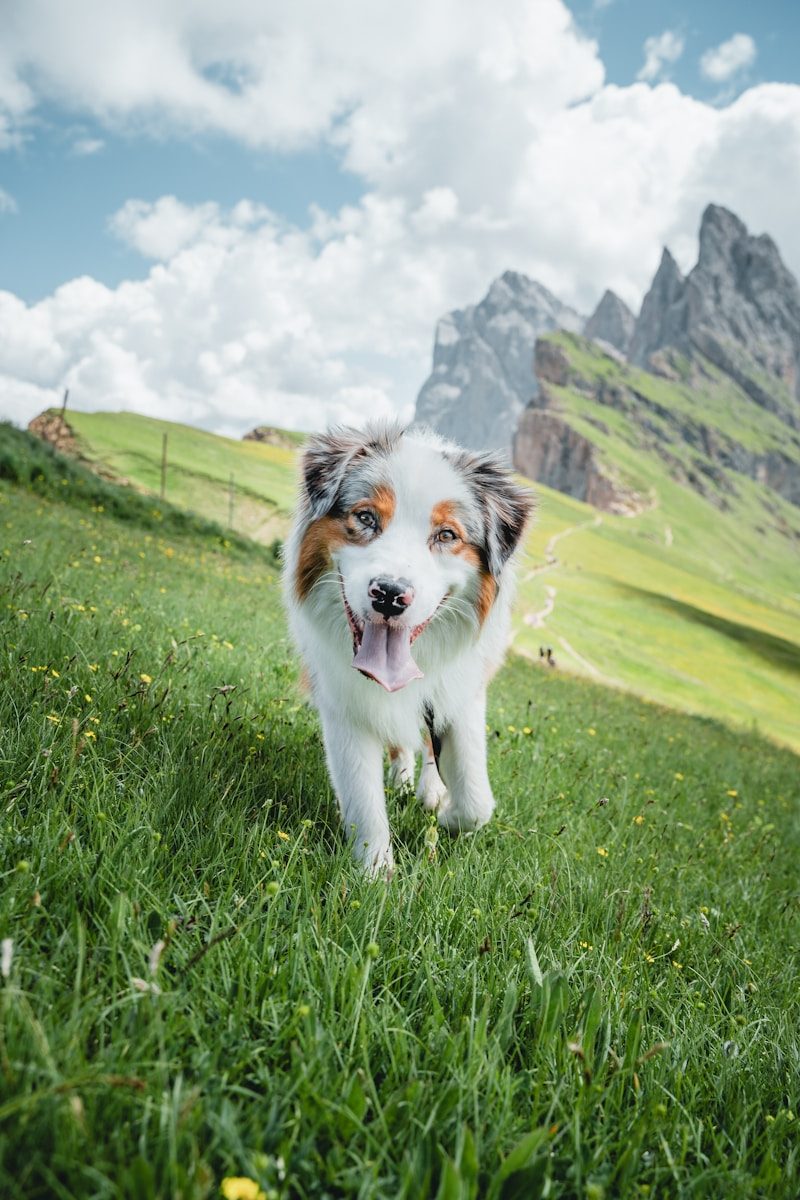
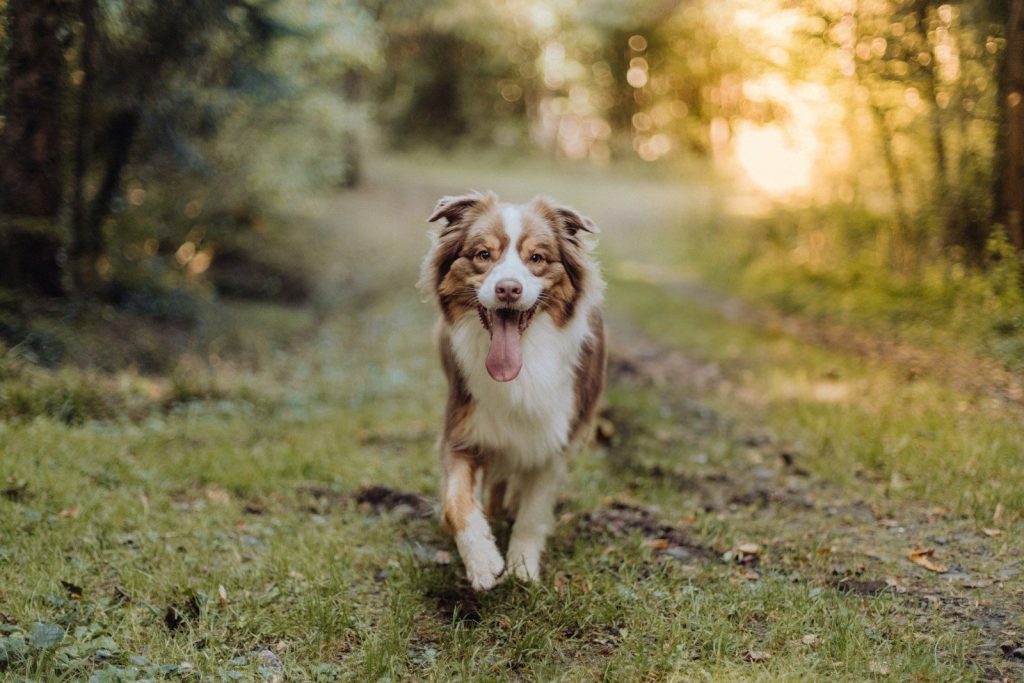
    The Australian Shepherd is a working dog that thrives on close cooperation with its handler. It was bred to work closely with a master herder, which explains its strong need to stay connected with its human partner. This makes it another clear example of Velcro dog breeds that bond deeply with humans.

    Australian Shepherds prefer to stay close to their owners and are always looking for direction or activity. They treat their person as their leader, friend, and main focus. Without interaction and purpose, they can become bored, as they are naturally built for teamwork and constant engagement.

  • Chihuahua adopted after owner’s death leaves family convinced he thinks he’s a cat

    Chihuahua adopted after owner’s death leaves family convinced he thinks he’s a cat

    Have you ever wanted an unusual pet that stands out from the crowd? Many people are attracted to exotic animals because they look unique or seem exciting to own. However, not every animal can legally be kept as a pet in the United States. Different states have laws that restrict or ban certain animals for safety, health, and environmental reasons.

    This article explores six illegal pets in the United States and explains why they are restricted in many places. By learning about these animals and the challenges they present, you can better understand the importance of checking local laws before bringing home an exotic pet.

    Hedgehogs are illegal in many states

    black and white hedgehog on green and red leaves
    Photo by Alexas_Fotos on Unsplash

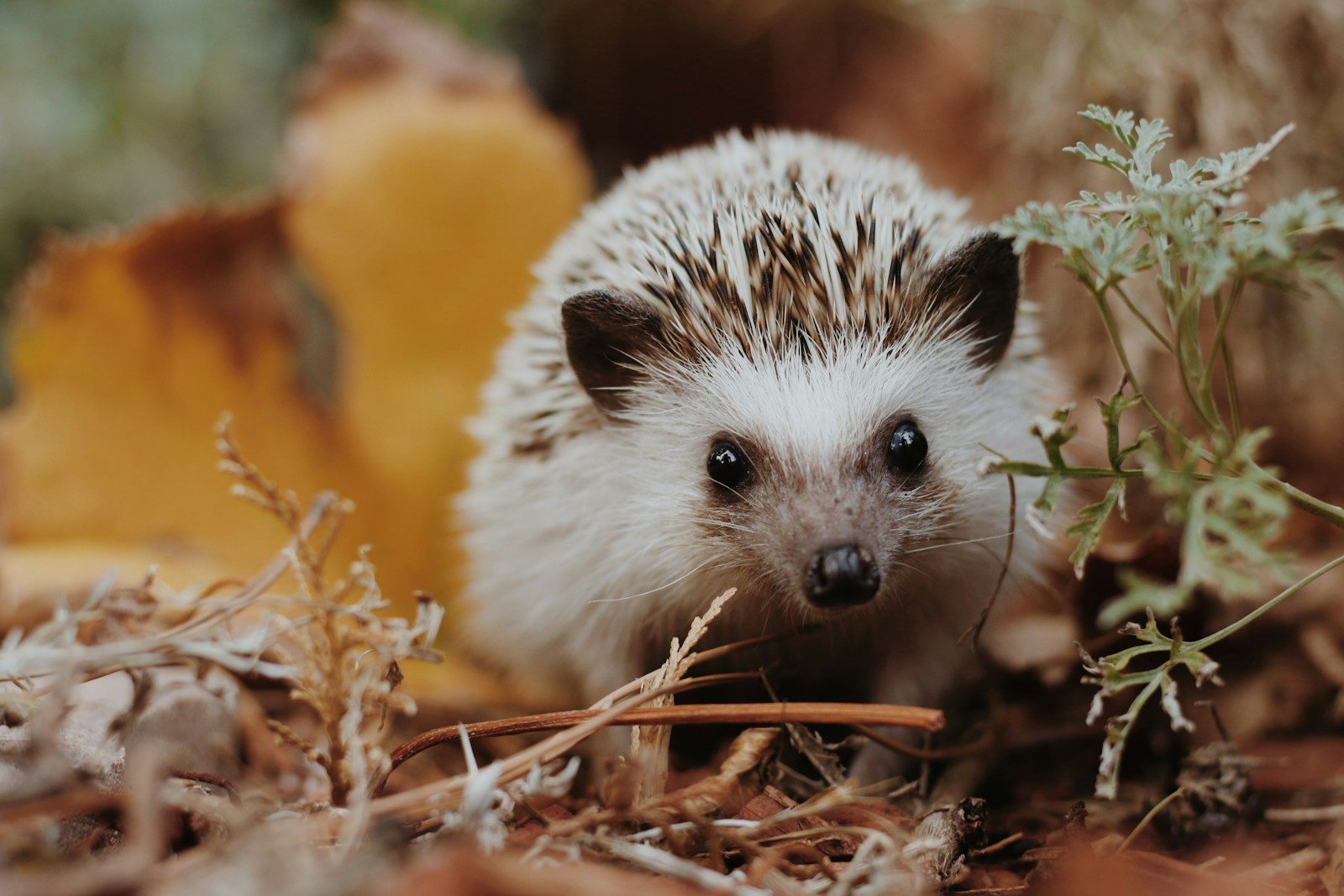
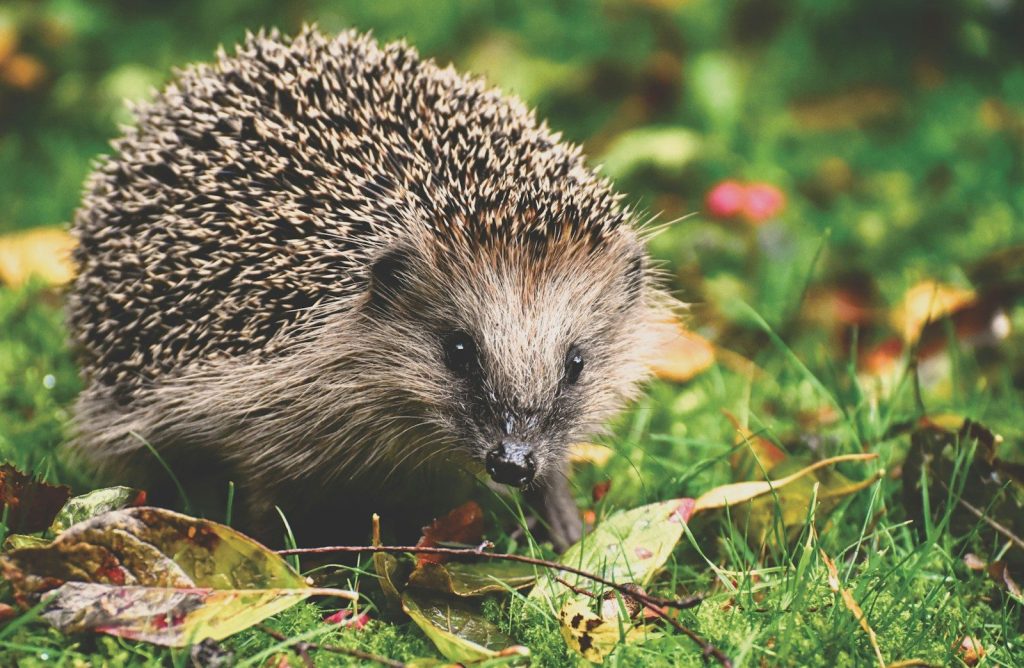
    Hedgehogs are small animals known for their sharp spines. They may look cute and easy to care for, which is why many people consider them pets. However, they are illegal to own in several states, including California, Hawaii, Georgia, and Pennsylvania. Some cities, such as Washington, D.C., and New York City, also prohibit ownership.

    One reason for these restrictions is the health concerns linked to hedgehogs. They are also nocturnal animals, which means they are most active at night. Their nighttime activity can make them noisy pets, and they may be difficult to handle when frightened because they curl into a tight ball covered in spines.

    Ferrets face restrictions across the country

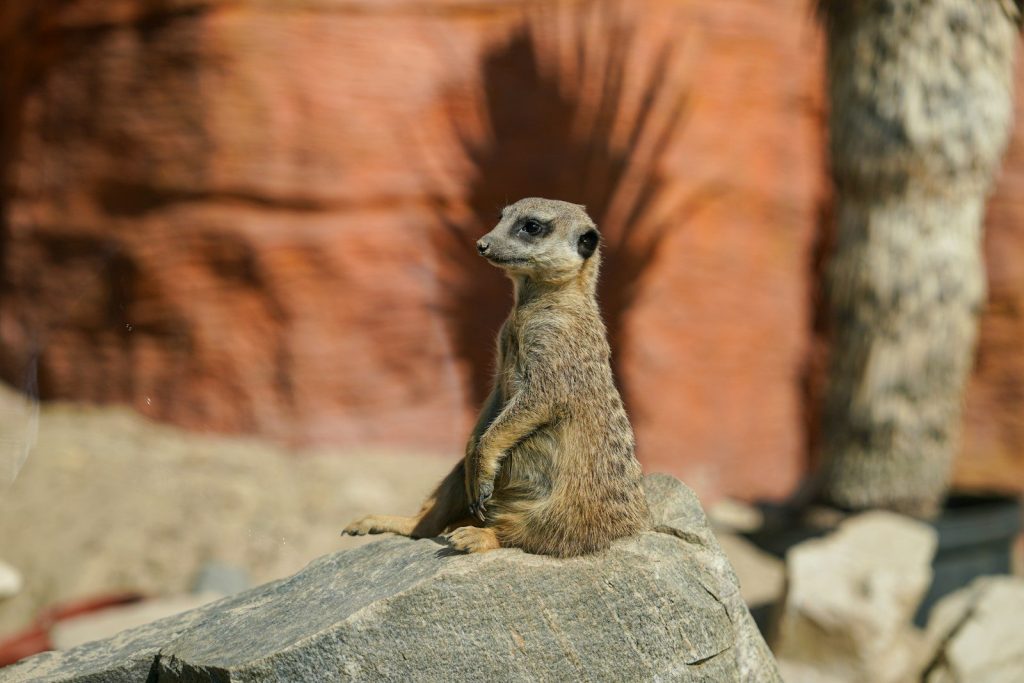
    A small meerkat sitting on top of a rock
    Photo by Zosia Szopka on Unsplash

    Ferrets have been kept as pets for many years, but they are still illegal in some states and cities. California and Hawaii are among the places where ferret ownership is banned. Cities such as Washington, D.C., and New York City also have restrictions on these animals.

    A major concern is that ferrets are skilled escape artists. If they get loose, they could affect local ecosystems. Ferrets may also bite when they feel threatened, want attention, or experience changes in their environment. In addition, they require regular care because they can develop a strong musky smell that many people find unpleasant.

    Monkeys can be difficult to control

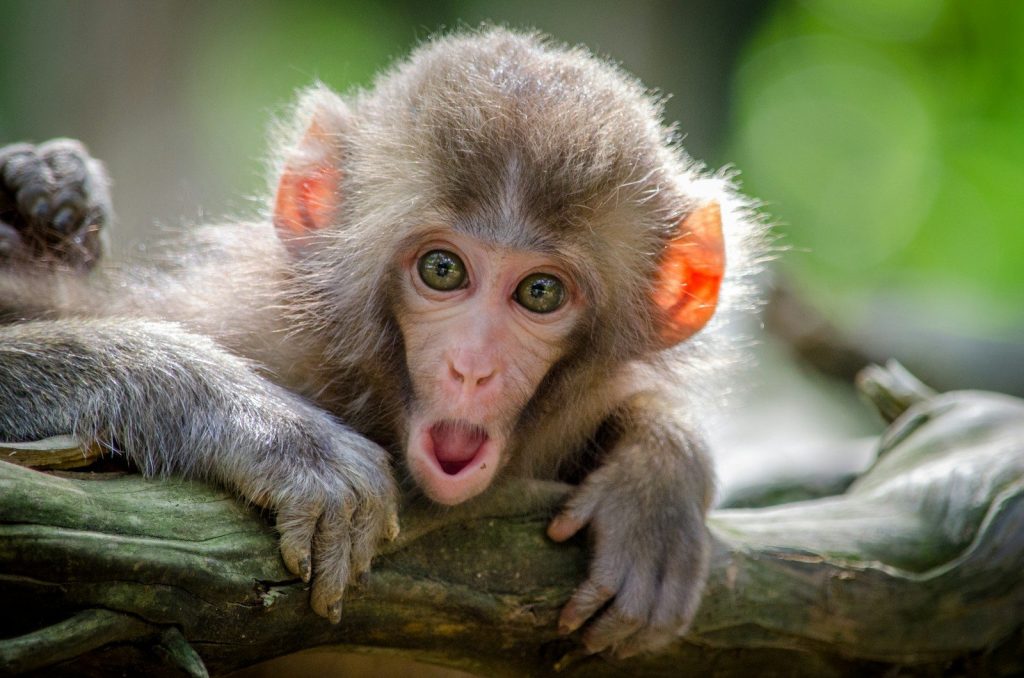
    brown coated monkey on branch
    Photo by Jamie Haughton on Unsplash

    Many people are fascinated by monkeys because of their intelligence and human-like behavior. Even so, owning a monkey is illegal in many states across the United States. Some states have complete bans, while others require strict permits and special qualifications.

    Monkeys often form strong bonds with one person and may view others as threats. They can become aggressive and may bite or scratch when they feel uncomfortable. Monkeys can also be messy and difficult to manage in a home setting. Since some monkeys can live for up to 40 years, caring for one is a very long-term commitment.

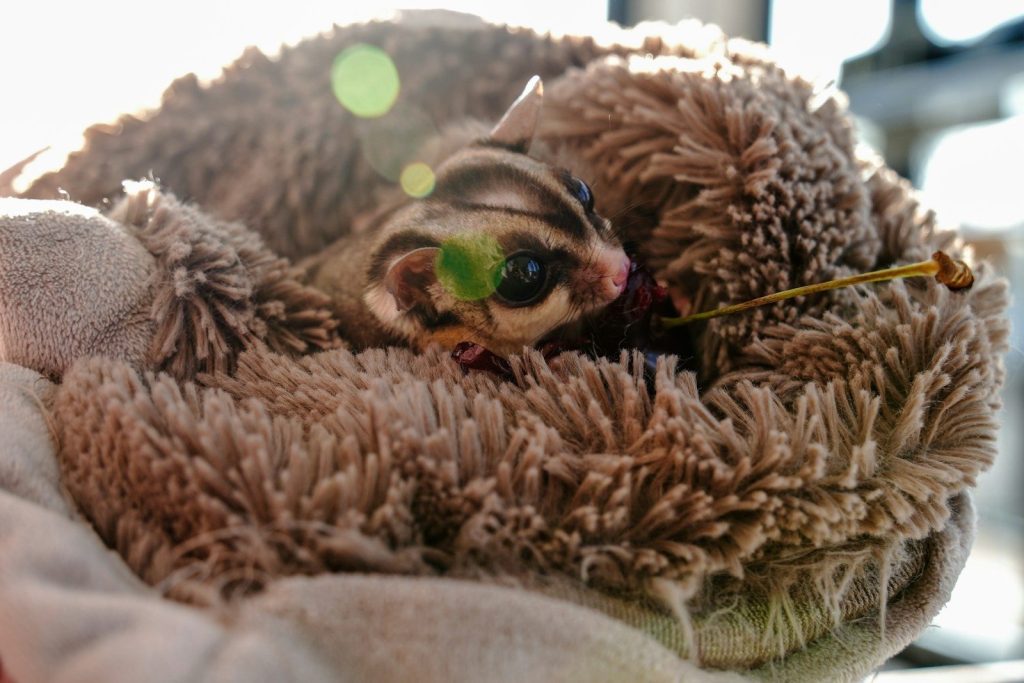
    Sugar gliders require special care

    brown and white dog on brown fur textile
    Photo by Henry Lai on Unsplash

    Sugar gliders have become increasingly popular because of their small size and playful appearance. Despite their popularity, they are illegal in states such as Alaska, California, Hawaii, and Pennsylvania. Some cities also restrict ownership.

    These animals are nocturnal and prefer a dark environment during the day. Their diet can be difficult to maintain because they need specialized food and drinks. Another challenge is finding proper veterinary care, as many veterinarians do not treat sugar gliders. These factors make them difficult pets for many owners.

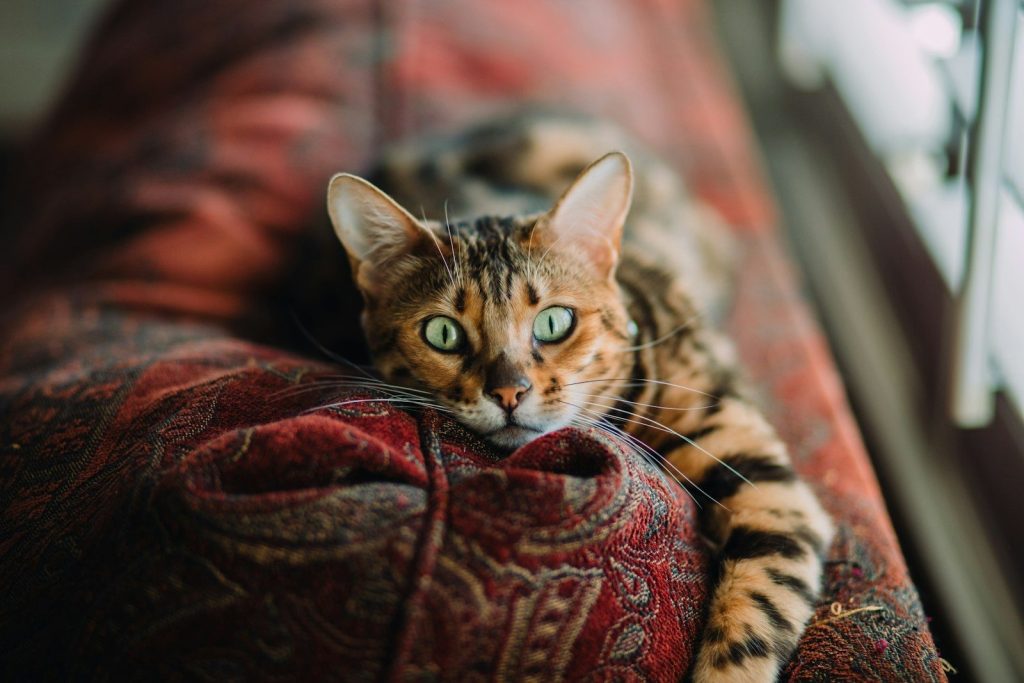
    Bengals remain restricted in many areas

    short-fur orange and black cat
    Photo by Caleb Woods on Unsplash

    Bengals are hybrid cats created by breeding wild Bengal tigers with domestic cats. Because of their connection to wild ancestors, ownership is restricted or illegal in many states. Some locations only allow Bengals that are several generations removed from their wild lineage.

    Many Bengals are energetic and require significant attention. Some are bred in facilities that provide minimal care, which can lead to health and behavior problems. While they may look similar to domestic cats, they often have needs and behaviors that are much harder to manage than those of a typical household pet.

    Zebras are not truly domesticated

    zebra in Savanna
    Photo by Ron Dauphin on Unsplash

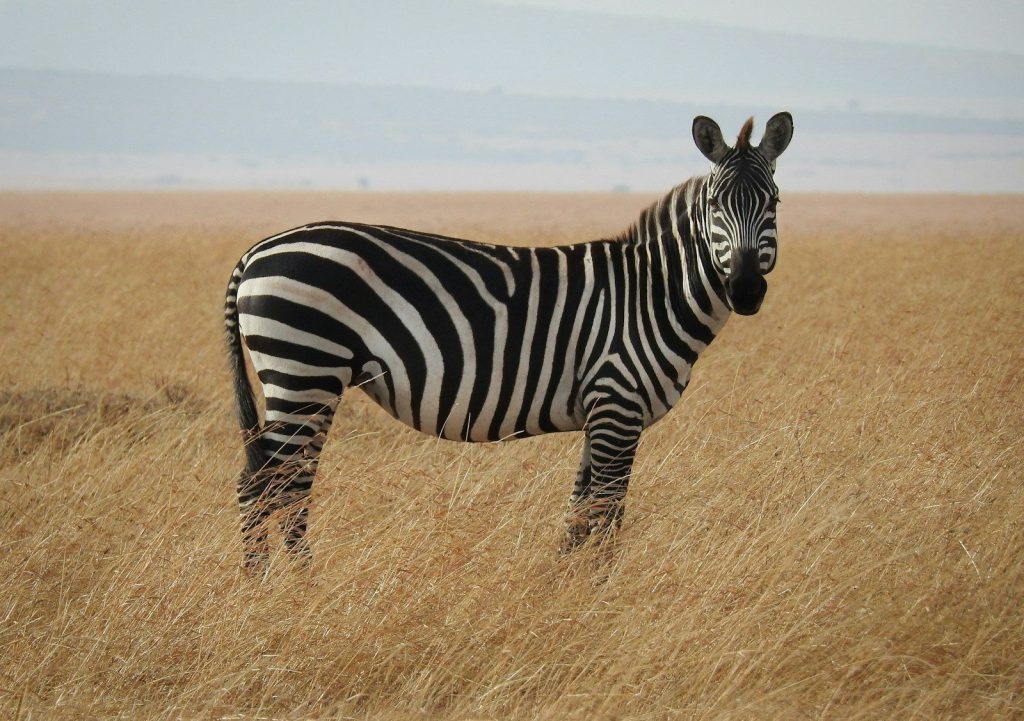
    Zebras may resemble horses, but they are very different in behavior. They are illegal pets in some states because they are considered difficult, and often impossible, to domesticate. Even zebras raised around humans can remain unpredictable.

    One of the biggest concerns is their powerful kick, which can seriously injure or even kill a person. Zebras are also known for being difficult to contain because they frequently try to escape. Many owners report spending months trying to gain a zebra’s trust, making them a poor choice for life as a household pet.

  • Unusual things cats do when they’re truly attached to their owners

    Unusual things cats do when they’re truly attached to their owners

    Cats are often seen as independent pets that like their own space. Because of this, many people miss the quiet ways cats show affection. A cat in love with its owner does these 5 things that many might think go against normal cat behavior, but each reveals trust and emotional connection.

    In this article, you will learn about five surprising cat behaviors that show strong attachment. These actions may look strange or even confusing at first, but they are often signs that your cat feels safe, relaxed, and deeply bonded with you. Understanding them can help you better read your cat’s emotions and strengthen your relationship.

    Ignoring you while staying close shows trust

    Siamese cat scratching a chair leg
    Photo by Thức Trần on Unsplash

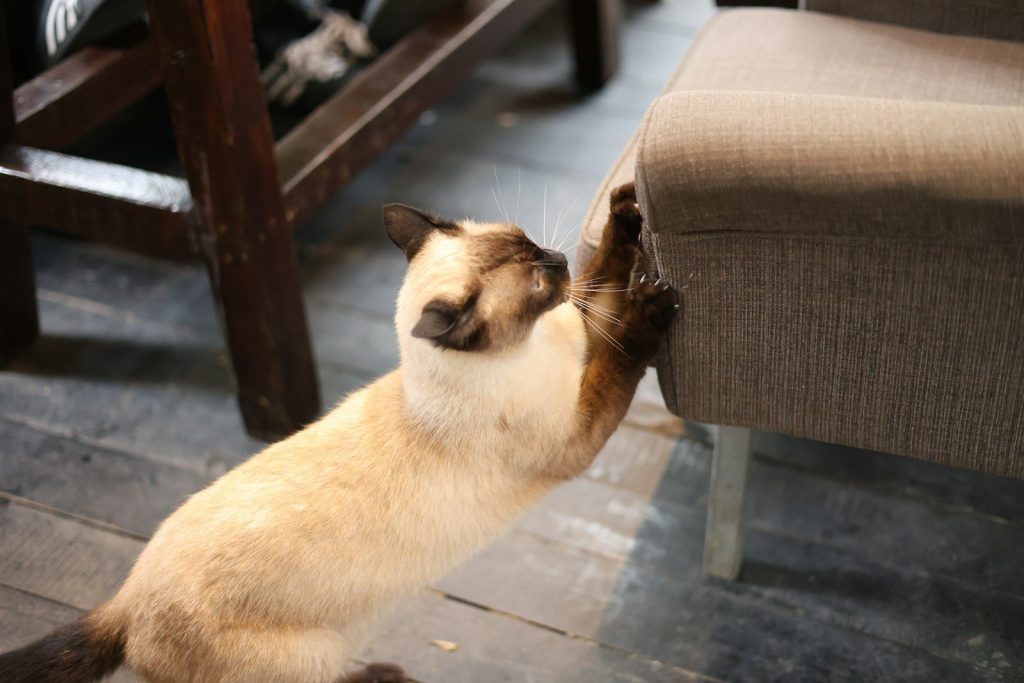
    When a cat ignores you but still stays near you, it can feel like rejection at first. However, this behavior is actually a strong sign of comfort. Cats that feel safe do not always need to demand attention. Instead, they choose to stay close without constant interaction.

    This quiet presence shows that your cat completely trusts you. Your company alone is enough, even without play or petting. It is a calm form of bonding where your cat feels secure just being in the same space.

    Light biting or love biting is a form of affection

    person holding orange tabby cat
    Photo by Piotr Musioł on Unsplash

    Gentle biting, often called “love biting,” can be confusing for cat owners. It may happen during petting or play, but it is usually soft and controlled. This behavior is not meant to hurt and is different from aggressive biting.

    Cats use these light bites as a form of social interaction. It reflects your comfort and familiarity. While it may seem strange, it often shows that your cat sees you as part of its close social circle.

    Walking in front of you is a bonding behavior

    orange tabby cat on gray asphalt road during daytime
    Photo by Josue Aguazia on Unsplash

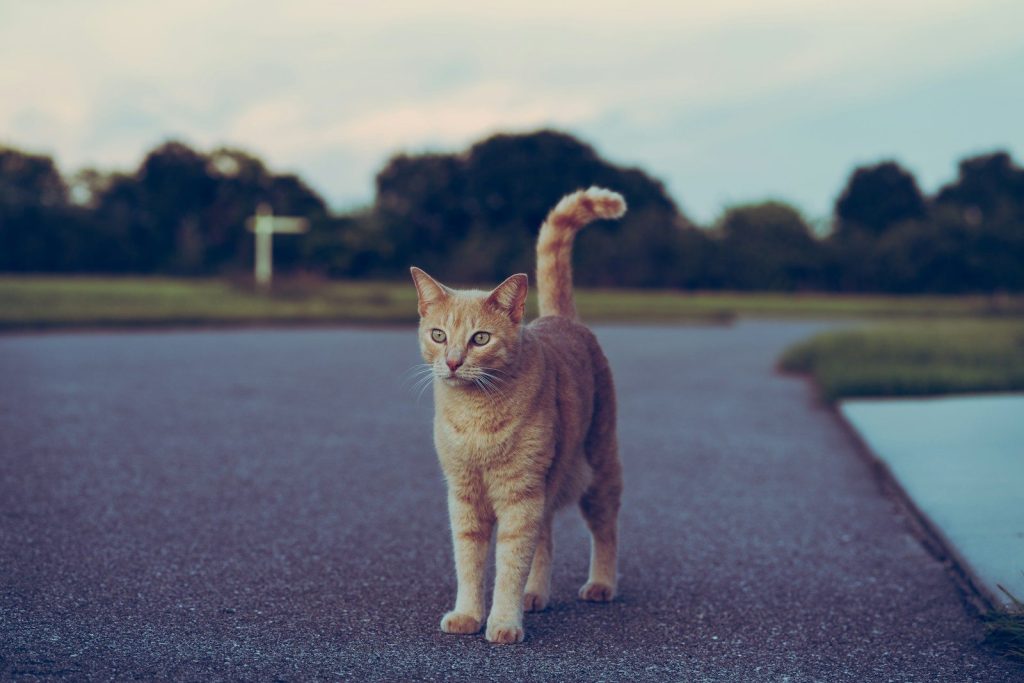
    Some cats constantly walk in front of their owners, making their owners feel blocked. While this can be annoying, it is actually a sign of attachment. Your cat may be trying to stay close and involved in your movement.

    This behavior also shows that your cat is aware of you and wants to maintain a connection. By staying on your path, your cat maintains proximity and expresses interest in your actions. It is a simple but clear sign of bonding.

    Showing their belly without wanting to be touched shows trust

    brown cat lying gray wooden plank
    Photo by Jacalyn Beales on Unsplash

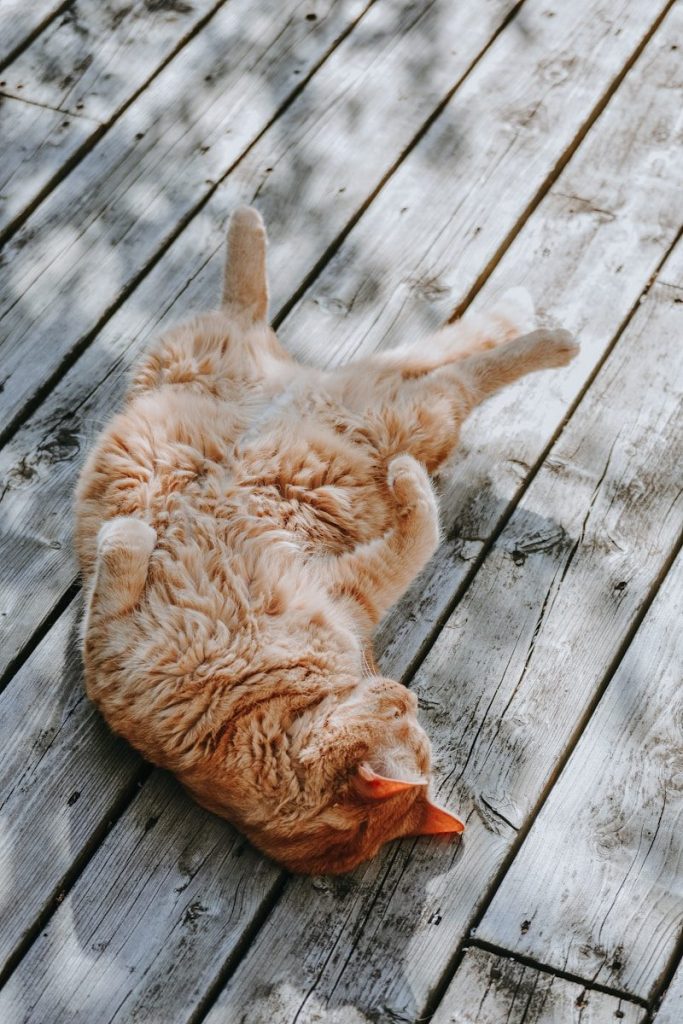
    When a cat rolls over and shows its belly, it is exposing one of its most vulnerable areas. This behavior is a strong sign of trust because it means your cat feels safe in its environment. However, many cats do not actually want their belly touched.

    This can be confusing for owners, but it has an important meaning. The action is about feeling secure, not requesting contact. Your cat is simply showing that it trusts you enough to relax completely.

    Following you but keeping a distance shows independence and love

    a cat laying on the floor next to a remote control
    Photo by Andrey Stakhovskiy on Unsplash

    A cat that follows you from room to room but does not always ask for attention is showing a special kind of attachment. It wants to be near you but still maintain its independence. This balance is very natural for cats.

    This behavior shows both trust and emotional comfort. Your cat chooses to stay close without needing constant interaction. It is a quiet but meaningful way of showing love and connection.

    What these behaviors mean for your bond with your cat

    black cat on white table
    Photo by Luku Muffin on Unsplash

    All of these behaviors may look different on the surface, but they share one important meaning: trust. Cats do not always show affection in obvious ways like other pets, so their love is often hidden in small actions and habits.

    When you understand these signals, you can build a stronger bond with your cat. Respecting their space, reading their body language, and recognizing their unique communication styles can help create a deeper, more comfortable relationship.

  • 6 of North America’s most endangered animals

    6 of North America’s most endangered animals

    Across North America, many wild animals are struggling to survive in a changing world. From oceans to deserts to small lakes, their habitats are shrinking, polluted, or disrupted by human activity. In fact, more than one-third of wildlife in the United States is now at risk of extinction, showing how serious the problem has become.

    In this article on the most endangered animals in North America, you will learn about six species that are in critical danger. These animals include land reptiles, ocean giants, and rare amphibians, each facing unique threats like habitat loss, fishing activity, pollution, and climate change. By understanding their situation, we can see why protecting wildlife is so important for the future of nature and ecosystems.

    Red wolf survival is under threat

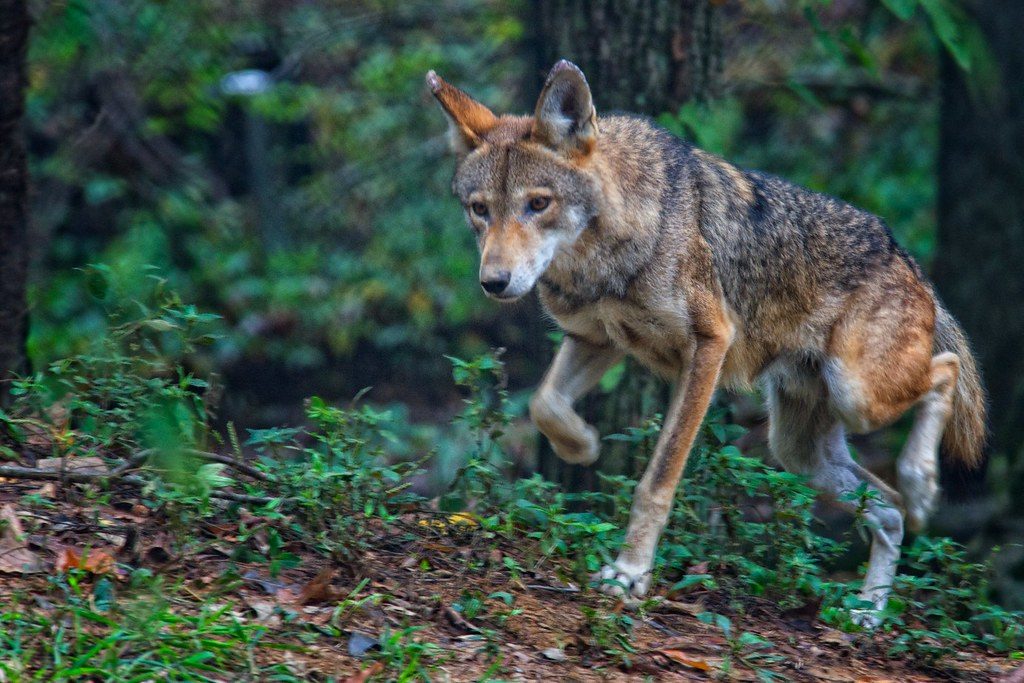
    Red Wolf” by Jim Liestman is licensed under CC BY-NC-ND 2.0

    Red wolves are part of the dog family and are smaller than gray wolves but larger than coyotes. They have tawny red-gray coats and once lived across the eastern and southern United States. Today, they are found only in North Carolina, where they live in forests, swamps, and coastal prairies, and hunt deer, raccoons, and rabbits.

    Red wolves were declared extinct in the wild in 1980, but were brought back in 1987. Even with this effort, their numbers are still falling. In 2025, only about 20 to 30 mature red wolves are left in the wild. They are listed as critically endangered.

    One major threat is hybridization with coyotes. Another serious issue is illegal killing, especially when wolves come into conflict with landowners. These pressures continue to push the species closer to extinction.

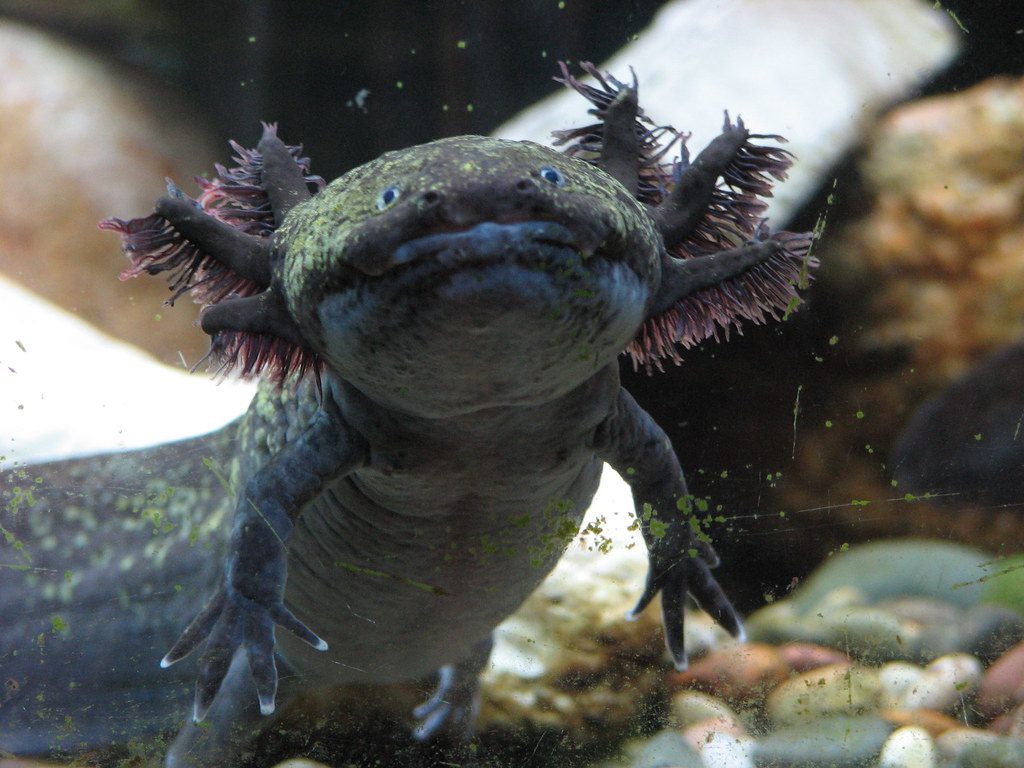
    Axolotls are disappearing from their only home

    Axolotl” by guppiecat is licensed under CC BY-NC-ND 2.0

    Axolotls are unique amphibians with feathery gills, webbed feet, and a permanent smile-like mouth shape. They are salamanders that never leave their larval stage and stay underwater for their entire lives. They grow to about 25 centimeters long and eat small aquatic animals, such as crustaceans and fish eggs.

    These animals are found only in Lake Xochimilco in Mexico City. This very small natural range makes them extremely vulnerable. In the wild, axolotls are usually gray-brown and depend entirely on this water system to survive.

    In 2025, axolotls are listed as critically endangered with a declining population. Pollution and the draining of their habitat for flood control are major threats. Even though conditions have improved slightly in recent years, their survival is still at risk.

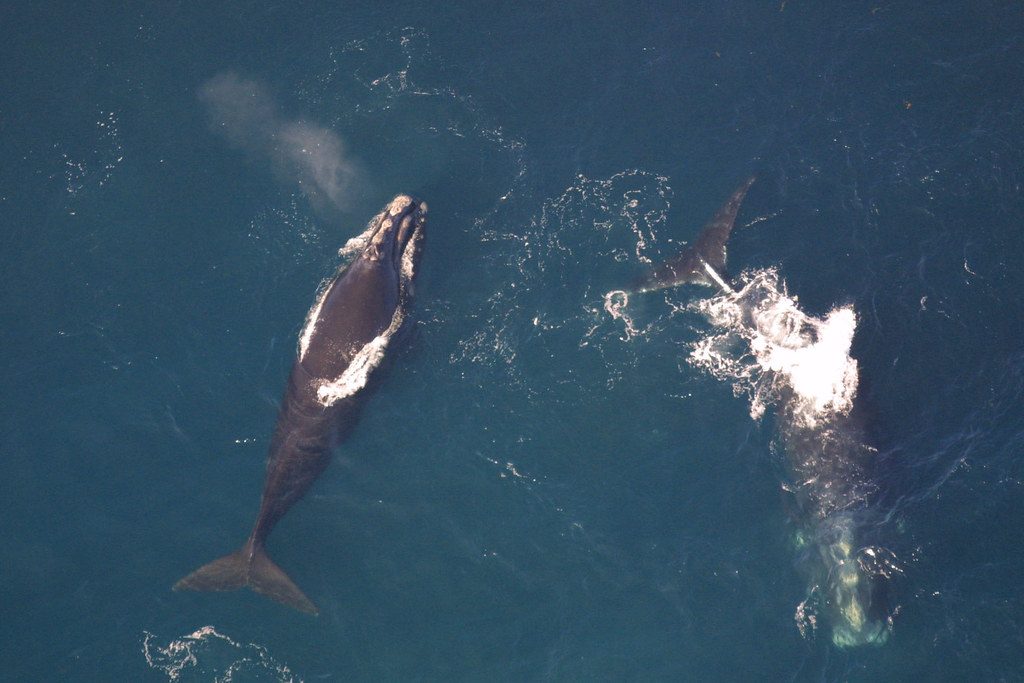
    North Atlantic right whales face ocean dangers

    North Atlantic Right Whale” by lauren.packard is licensed under CC BY 2.0

    North Atlantic right whales are enormous marine mammals that can grow up to 15 meters long and weigh up to 70,000 kilograms. They move slowly through the Atlantic Ocean, feeding on tiny sea creatures like krill and zooplankton. They travel between deep waters for feeding and shallow waters for calving.

    These whales are critically endangered, with only about 370 individuals left in 2025. Even more concerning, only around 70 are reproductive-age females. Their survival is extremely fragile.

    The biggest threats to these whales are vessel strikes and entanglement in fishing gear. Climate change has also shifted their habitats, forcing them into areas with more human activity. This increases the chances of deadly encounters.

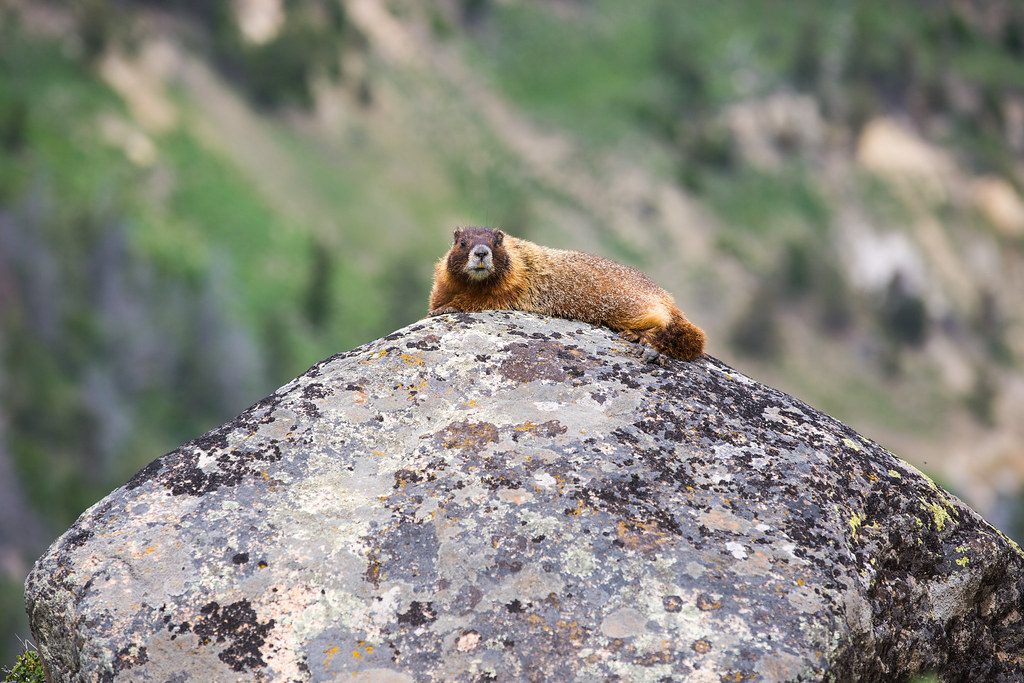
    Vancouver Island marmot is critically endangered in Canada

    Marmot, Lamar Valley” by YellowstoneNPS is licensed under CC PDM 1.0

    The Vancouver Island marmot lives only on Vancouver Island in Canada. It lives in forests, grasslands, and rocky mountain areas. These marmots are dark brown with white markings on their noses, bellies, and heads, and they also have bushy brown tails.

    They are larger than many other marmots, growing up to about 62 to 72 centimeters long and weighing between 3.5 and 5.5 kilograms. Like many mountain animals, they gain weight in warmer months and lose weight during winter hibernation when they sleep for long periods underground.

    This species is critically endangered. As of 2025, only about 90 mature individuals are left in the wild. Their biggest threats include predators like cougars and eagles. Human activities such as logging also destroy their habitat and make it easier for predators to reach them, putting the species at even greater risk.

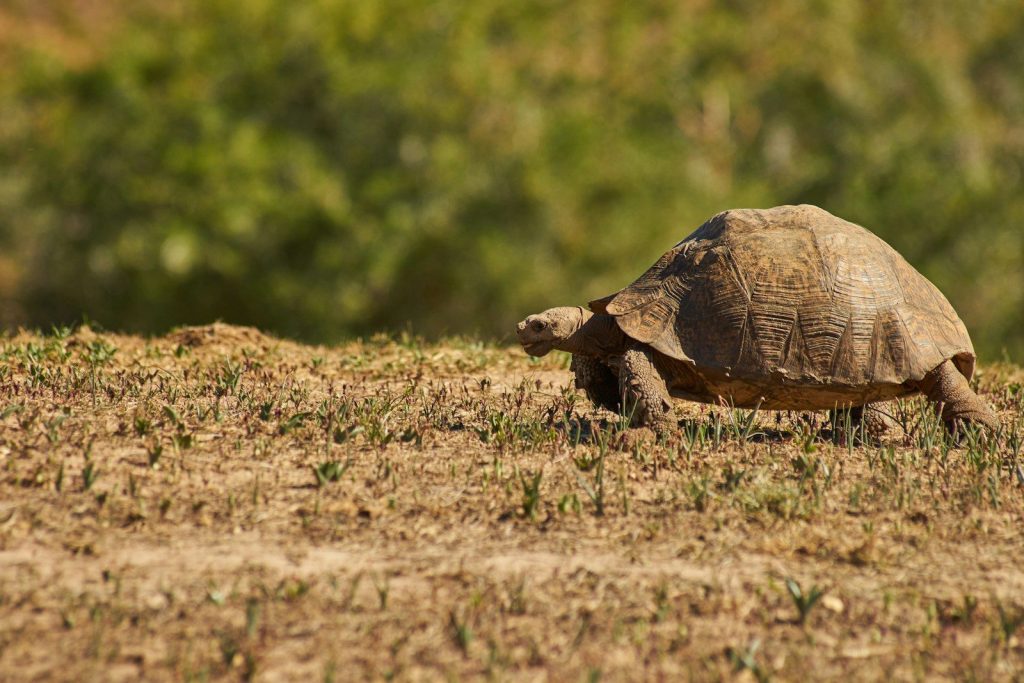
    Mojave Desert tortoises are losing their habitat

    brown turtle on brown grass during daytime
    Photo by Wolfgang Hasselmann on Unsplash

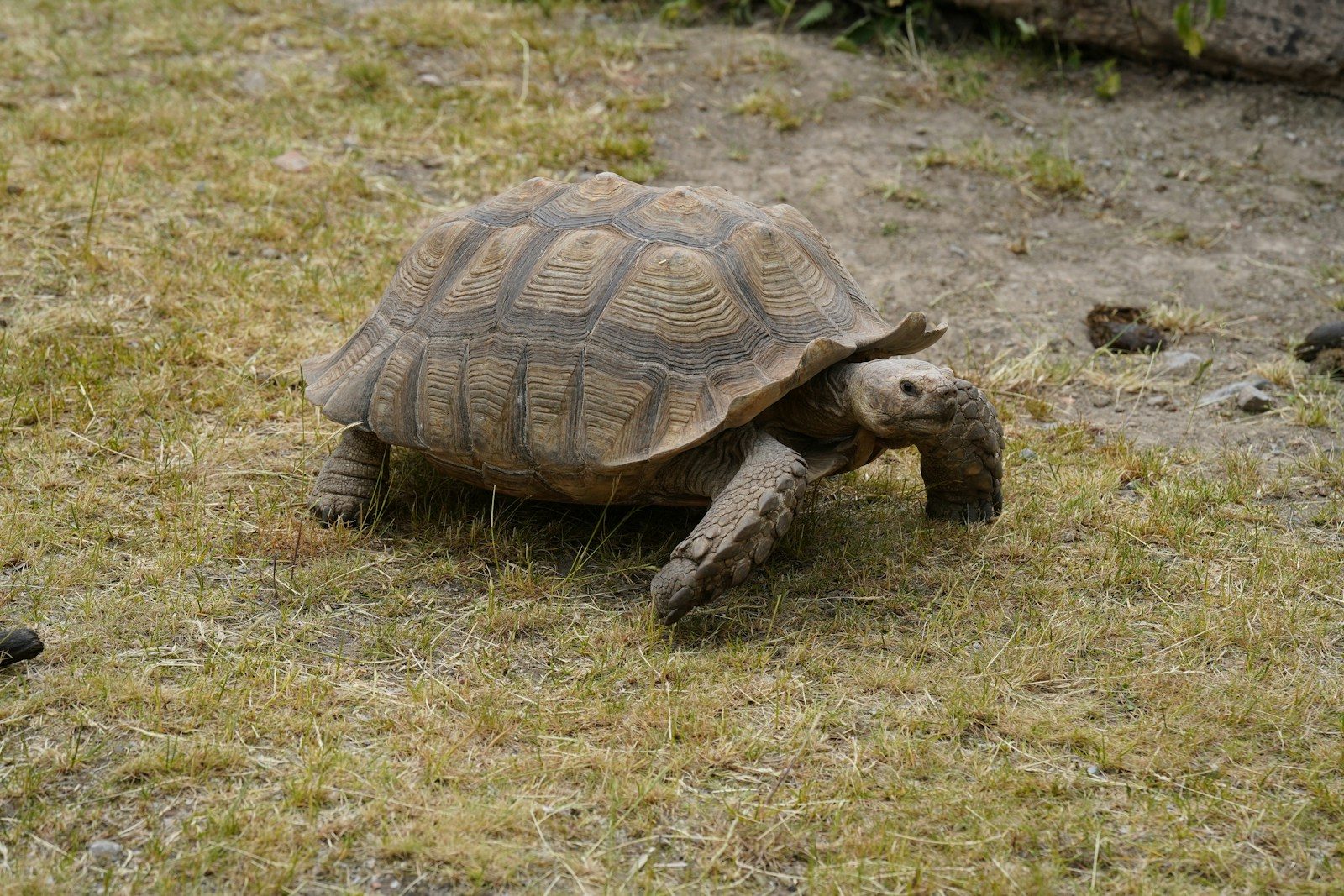
    Mojave Desert tortoises have lived in the Mojave Desert for millions of years. They are medium-sized reptiles that feed on plants such as grasses, flowers, and shrubs, as well as cacti. They spend much of the year underground in burrows to avoid extreme heat.

    These tortoises are critically endangered, and their numbers have declined significantly over time. Between 2001 and 2020, the number of adults decreased by 36 percent. Their population is also highly fragmented.

    Human development is the main cause of their decline. Roads, towns, and cities break up their habitat. Invasive plants also compete with the native vegetation they depend on for food.

    Kemp’s ridley sea turtles are caught in fishing activity

    brown turtle swimming in ocean
    Photo by Randall Ruiz on Unsplash

    Kemp’s ridley sea turtles are the smallest sea turtles in the world. They live mainly in the Gulf of Mexico but can travel as far north as the Great Lakes. Adults can live up to 50 years and migrate long distances when it is time to nest.

    These turtles are critically endangered, and their greatest threat is fishing. They often get accidentally caught in fishing nets and equipment, which can lead to drowning or injury.

    Female turtles return to the same beaches where they were born to lay eggs. They sometimes gather in large groups during nesting events called arribadas. Despite this natural cycle, their survival remains uncertain due to ongoing human impacts.

  • 6 cat breeds that form an unbreakable bond with one person

    6 cat breeds that form an unbreakable bond with one person

    Many cat owners wonder if their pets truly love them or simply tolerate them. The truth is that while cats are often independent, some breeds are known for being especially warm, social, and affectionate. The topic of most affectionate cat breeds helps explain which cats tend to show more love and closeness toward humans.

    This article explores several cat breeds known for their friendly behavior. It highlights how each breed shows affection in different ways and what makes them special companions for families and individuals.

    Abyssinian cats are playful and always close to their owners

    a cat laying on the floor next to a remote control
    Photo by Andrey Stakhovskiy on Unsplash

    Abyssinian cats are known for their high energy and strong bond with their owners. They enjoy being part of everything their humans do, from cooking in the kitchen to relaxing on the couch. Their active personality makes them feel like constant companions.

    These cats often stay close to their owners and enjoy physical closeness. They are intelligent, curious, and always ready to interact, making them among the most engaging and affectionate cat breeds.

    Ragdoll cats love being held and cuddled

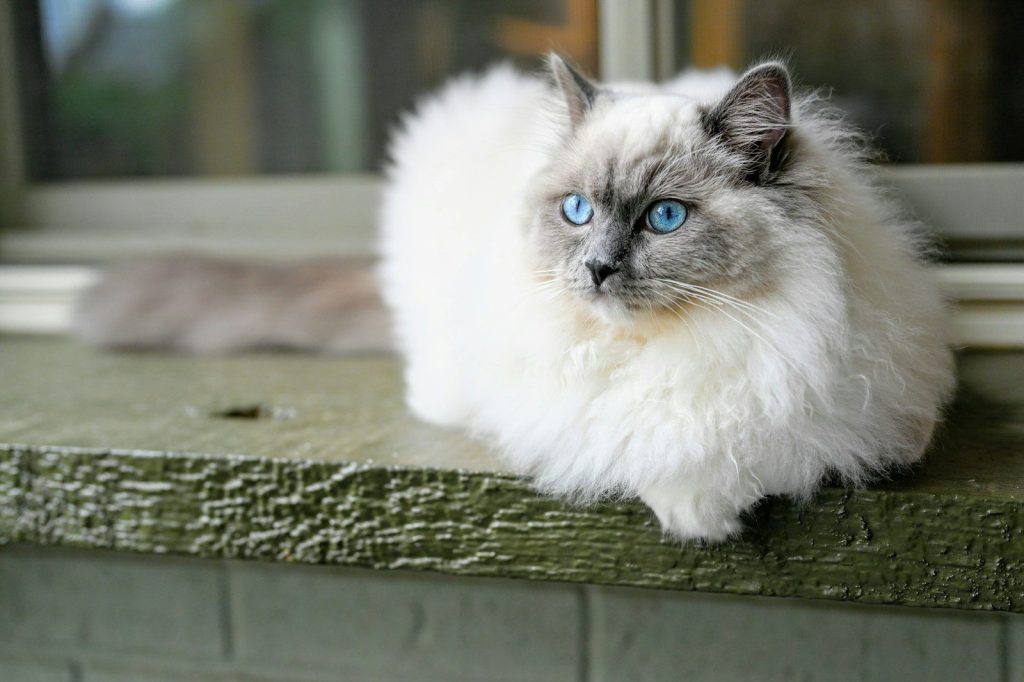
    white and gray long fur cat on green wooden surface
    Photo by David Brooke Martin on Unsplash

    Ragdoll cats are often described as one of the most relaxed and loving breeds. They enjoy spending time with people and are known for following their owners from room to room. Their calm nature makes them easy to handle and very affectionate.

    Many Ragdolls enjoy being held and will even “flop” into their owner’s arms. Their gentle behavior often reminds people of dogs, especially because they can be trained to play games like fetch or respond to their names.

    Persian cats enjoy quiet companionship

    a cat sitting on grass
    Photo by DailyHawker Lenses on Unsplash

    Persian cats are known for their fluffy coats and calm personalities. They are often content to sit quietly and enjoy gentle attention from their owners. Their relaxed nature makes them ideal lap cats.

    While they may not demand constant interaction, Persians show affection through their calm presence. They enjoy sitting nearby and being petted, often forming strong but peaceful bonds with their human families.

    Burmese cats are curious, and people are focused

    shallow focus photo of orange cat near laptop computer
    Photo by Catherine Heath on Unsplash

    Burmese cats are very social and love being involved in daily activities. They are curious animals that enjoy exploring their surroundings and often follow their owners around the house. Their behavior shows a strong interest in human interaction.

    These cats often seek attention and enjoy being physically close to people. They may sit on shoulders, watch screens, or observe household activities, making them one of the most people-oriented and affectionate breeds.

    Chartreux cats are calm and loyal companions

    black cat on white table
    Photo by Luku Muffin on Unsplash

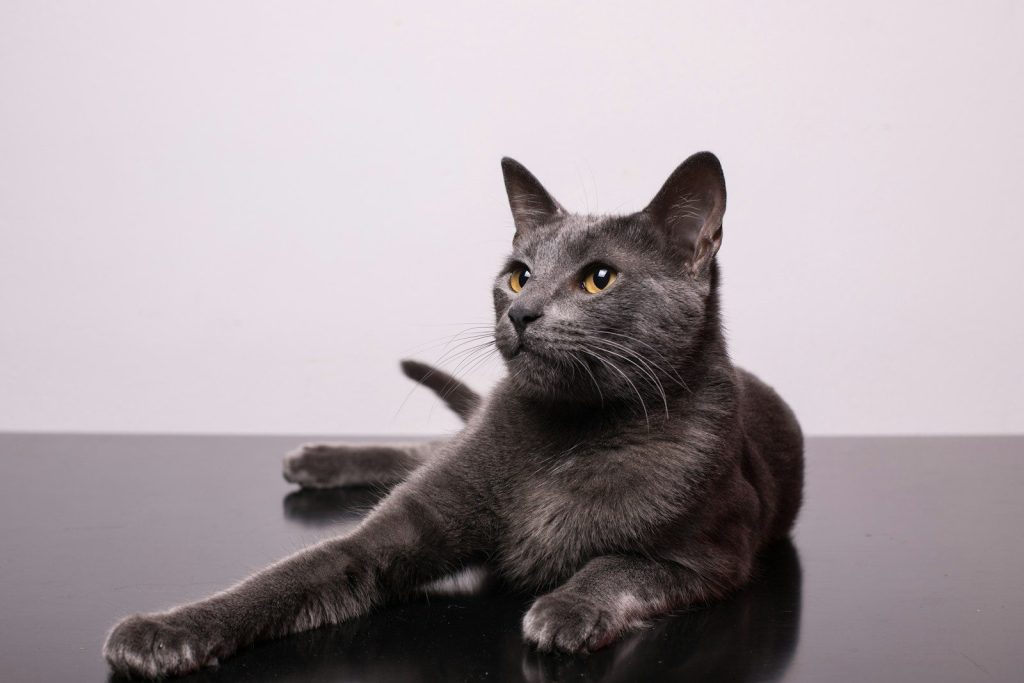
    Chartreux cats are known for their quiet and gentle personalities. They are not overly demanding but still form strong bonds with their owners. Their calm nature makes them easy to have as companions in many households.

    These cats are loyal and often show affection in subtle ways. They may greet family members or quietly stay nearby, offering companionship without being overly active or noisy.

    Exotic Shorthair cats are gentle and loving pets

    brown tabby cat
    Photo by Dan Wayman on Unsplash

    Exotic Shorthairs share many traits with Persians, including their calm, sweet nature. They are affectionate pets that enjoy spending time with their owners in a relaxed way.

    Unlike Persians, Exotic Shorthairs are often slightly more playful. They still enjoy cuddling and quiet time, making them a balanced choice for people who want both affection and light activity in a cat.

  • Man implants himself with a pet microchip and checks it 10 years later

    Man implants himself with a pet microchip and checks it 10 years later

    A man’s “first real job” involved working with animals and implanting microchips in puppies. Years later, his curiosity led him to try the same procedure on himself. The story of a man testing a pet microchip on himself shows how a routine veterinary tool works and how long it can stay in the body.

    This article explains what happened when the man implanted a microchip in himself, how pet microchips work, and why they are important for identifying lost animals. It also looks at how these tiny devices help reunite pets with their owners.

    Man decides to experience microchipping himself

    brown tabby cat on black leather chair
    Photo by Chewy on Unsplash

    The man, known on TikTok as @shrunky.dunks, once worked a job that involved microchipping puppies. Wanting to understand what animals go through, he chose to have a microchip implanted nearly 10 years ago.

    He said the decision was partly curiosity-driven, and he wanted to know what the procedure felt like. The microchip he received was the same type commonly used in veterinary care and shelters for pets.

    What pet microchips are and how they work

    Pets” by Pak Gwei is licensed under CC BY-NC-SA 2.0

    Pet microchips are very small devices, about the size of a grain of rice. They are usually placed under the skin between an animal’s shoulder blades using a special needle during a quick procedure.

    Each microchip contains a unique identification number. This number can be scanned by veterinarians or animal shelters to help identify lost pets and connect them with their owners through a database.

    A microchip is still detectable after many years

    Microchips” by fdecomite is licensed under CC BY 2.0

    In a TikTok video posted on April 16, the man showed the results of his unusual experiment. He visited a veterinary office where a worker scanned his back with a microchip reader during a routine visit.

    To everyone’s surprise, the scanner detected the chip that had been implanted nearly a decade earlier. The worker reacted with shock and laughter after confirming the signal was real and still active under his skin.
    Public reaction to the unusual experiment

    person holding black android smartphone
    Photo by Jonas Leupe on Unsplash

    The video quickly gained attention online, reaching millions of views. Many viewers commented on the man’s unusual decision to test a pet microchip on himself.

    He responded to questions by saying he had some “liquid courage” before the injection. He also said the procedure itself did not feel too painful, which surprised many people watching the video.


    How long are pet microchips designed to last

    a brown dog sitting on top of a cement floor
    Photo by Doğan Alpaslan DEMİR on Unsplash

    Pet microchips are built to last for many years without needing replacement. In many cases, they can function for at least 25 years, which is often longer than a pet’s lifetime.

    This long lifespan makes them a reliable tool for permanent identification. Even years after being implanted, they can still be scanned and read by veterinary equipment.

    Why microchips are important for lost pets

    person holding computer cell processor
    Photo by Brian Kostiuk on Unsplash

    Microchips play a key role in helping reunite lost pets with their owners. Studies show that pets with microchips are significantly more likely to be returned home compared to those without one.

    However, the chip only stores an identification number. This means owners must keep their contact information updated in the database so the chip can successfully lead to a reunion.

  • A person sets out a bed for a feral cat and wakes up to an unexpected guest

    A person sets out a bed for a feral cat and wakes up to an unexpected guest

    A simple act of kindness turned into a surprising wildlife moment when a raccoon took over a cozy bed meant for a feral cat. The story of a raccoon finding comfort in a feral cat bed setup quickly gained attention online because of how unexpectedly the animal reacted to the situation.

    This article explains how the raccoon ended up in the cat’s space, why urban wildlife often interacts with human homes, and what risks can come from feeding wild animals. It also highlights how people reacted to the unusual but heartwarming scene.

    A cozy bed meant for a feral cat

    white and black coated cat laying on beige pet bed
    Photo by Ryland Dean on Unsplash

    A person set out a soft bed and some food for a feral cat they had been feeding regularly. The goal was to provide the cat with a safe, comfortable place to rest while staying outdoors.

    However, when they checked the spot later, they were surprised to find the cat was gone. Instead, a raccoon had taken over the bed and made itself completely at home.

    The raccoon takes over the sleeping spot

    The raccoon was found curled up inside the cat bed, looking relaxed and comfortable. It appeared to fully accept the space as its own and showed no signs of wanting to leave.

    The person who found it also left some food, including a bagel and kibble, for the animal. Rather than chasing it away, they allowed the raccoon to stay in the cozy spot.

    Why raccoons enter human spaces

    raccoon walking on lawn grass
    Photo by Gary Bendig on Unsplash

    Raccoons are highly adaptable animals that often live near people. They are known for using human-made structures for food and shelter, especially in areas with limited natural habitats.

    Outdoor feeding stations and pet food left outside can attract raccoons and other wildlife. Over time, these animals learn that human environments offer easy access to resources such as food and warmth.

    Risks of feeding wild animals

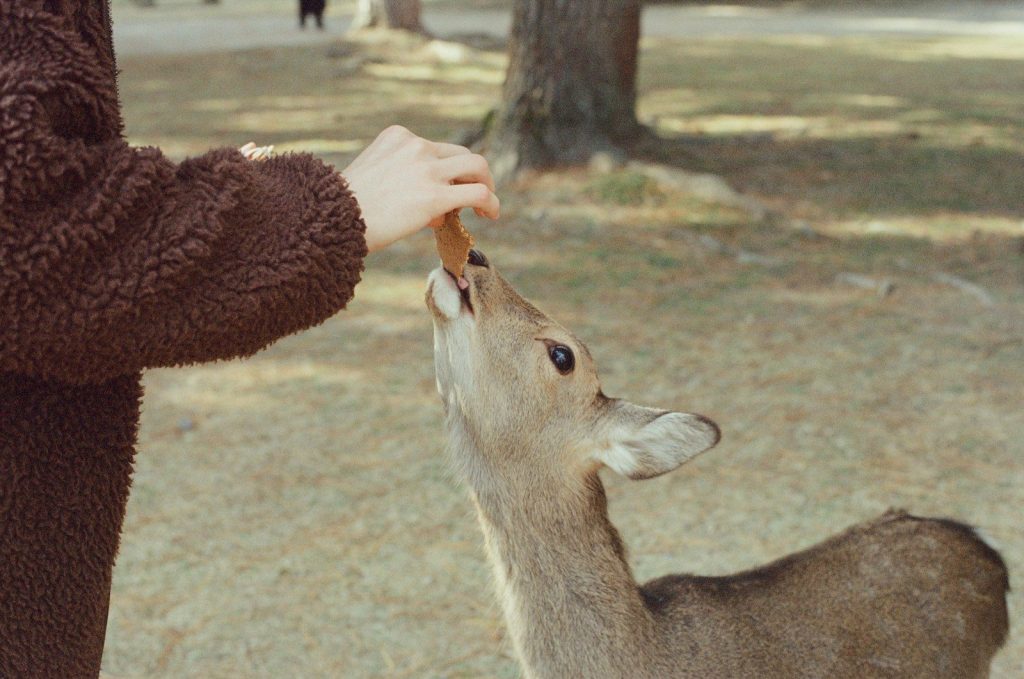
    Person feeding a deer a carrot in a park.
    Photo by Margarita B on Unsplash

    While scenes like this may look cute, feeding wildlife can create serious problems. It can encourage animals to return repeatedly and become dependent on human food sources instead of finding their own natural diet.

    It can also increase the presence of other animals, such as coyotes, in neighborhoods. This raises potential risks for pets and even children who may encounter wildlife more often than expected.

    Human-wildlife interactions can grow quickly

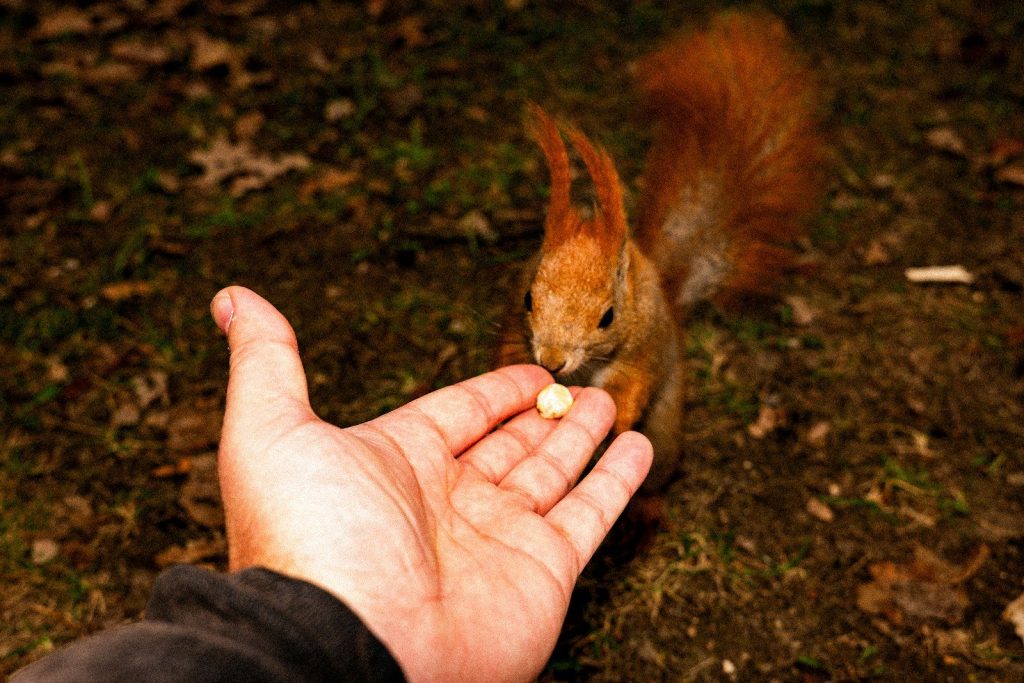
    A person's hand offers a nut to a squirrel.
    Photo by Charles Puaud on Unsplash

    In some cases, feeding wildlife can lead to large numbers of animals gathering in one place. One example mentioned a homeowner who fed raccoons for years and eventually found themselves surrounded by a large group of them.

    These situations can become difficult to manage and may create safety concerns. When animals begin relying on humans for food, their behavior can change unpredictably.

    Public reaction to the raccoon story

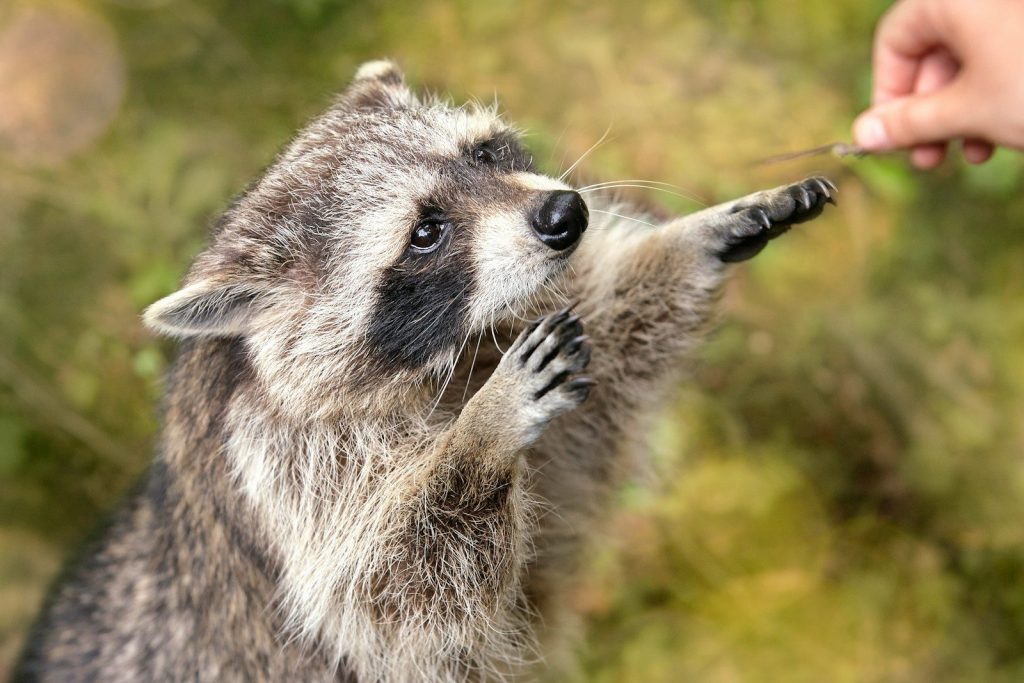
    A raccoon reaching for a treat from a hand
    Photo by Erwin Bosman on Unsplash

    Even with the concerns, many people online found the raccoon’s behavior charming. Commenters described the animal as happy, cozy, and amusing to watch in its unexpected bed.

    Some joked about how relaxed the raccoon looked, while others shared similar experiences of raccoons and feral cats interacting in their neighborhoods. Despite the humor, many also recognized the importance of keeping wildlife wild.

  • Inseparable shelter dogs get adopted together after touching hearts

    Inseparable shelter dogs get adopted together after touching hearts

    Animal shelters are often filled with emotional stories, but some stand out for showing how deep animal friendships can be. A powerful example comes from two shelter dogs who formed a close bond while waiting for a forever home. The story of shelter dogs forming lifelong friendships at the rescue shows how strong emotional connections between animals can become.

    This article explains how two very different dogs became inseparable, how their bond affected their adoption journey, and why their story highlights the emotional lives of animals in shelters. It also shows how friendships can shape life-changing decisions.

    Two shelter dogs meet at the rescue center

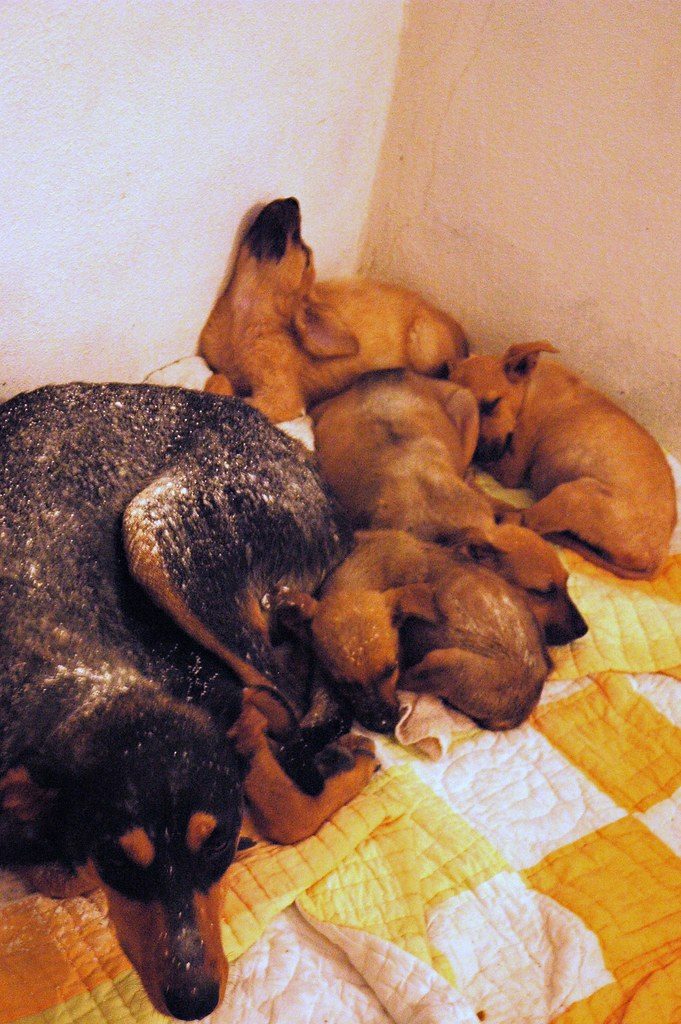
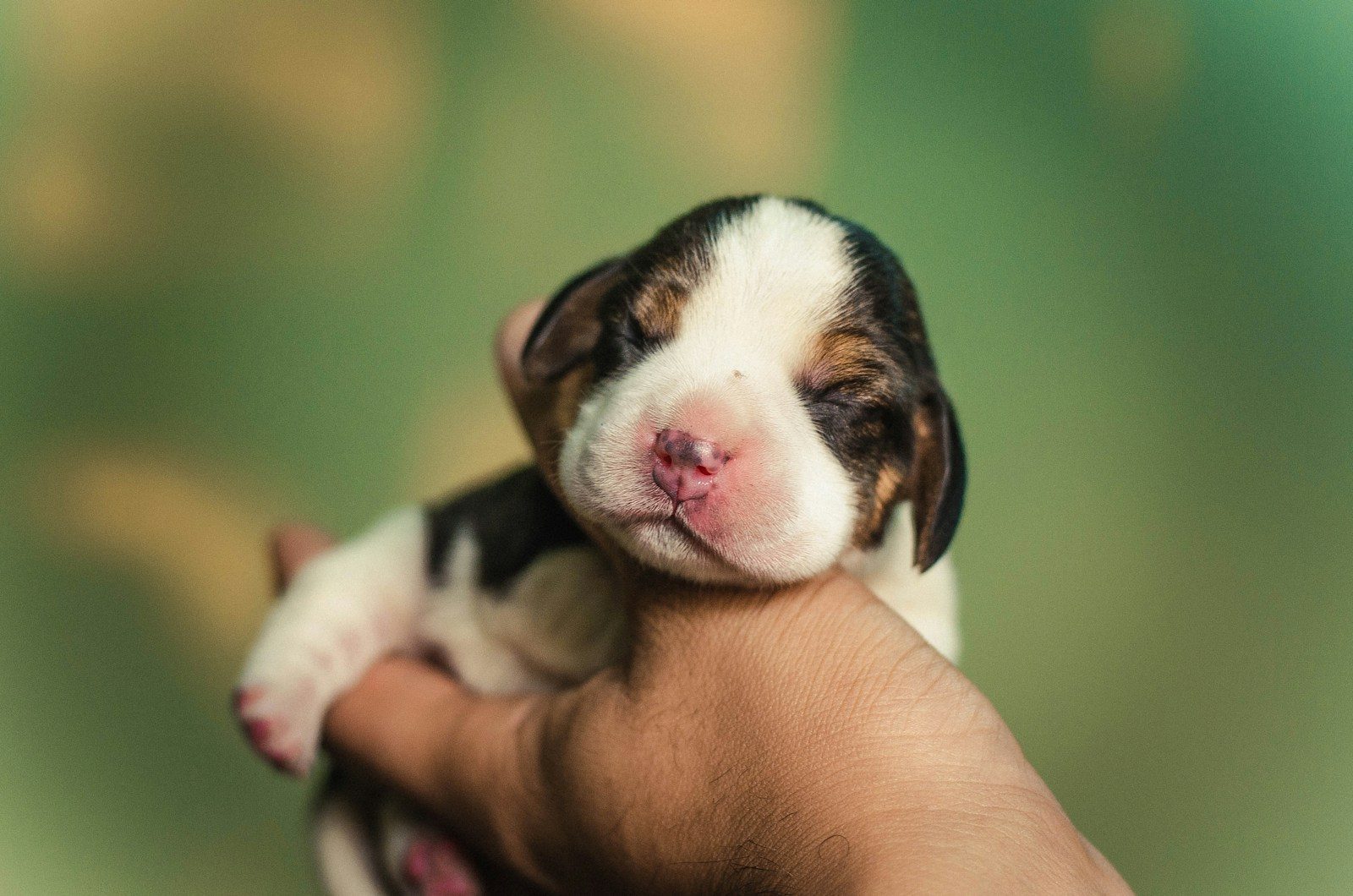
    All 5 dogs are captured and rescued!, 4 puppies and momma dog dusted with flea powder, snoozing, San Bruno, Baja California Sur, Mexico” by Wonderlane is licensed under CC BY 2.0

    Merrill, a 3-year-old Pit Bull, and Taco, an 8-year-old Chihuahua, met at Rocket Dog Rescue in California. This organization works to help dogs rescued from overcrowded shelters find permanent homes.

    Even though the two dogs were very different in size and age, they quickly became close companions. Shelter staff noticed that they started spending almost all their time together soon after meeting.

    A strong bond grows between Merrill and Taco

    short-coat tan and white dog with grey leash
    Photo by Justin Veenema on Unsplash

    As time passed, Merrill and Taco’s friendship became even stronger. They were rarely seen apart and seemed to rely on each other for comfort and security. Their bond became a special part of life inside the shelter.

    Staff members observed that the two dogs became emotionally connected. Whenever they were apart, they seemed restless and searched for each other until they were reunited.

    Emotional support during medical recovery

    adult white Chihuahua with red clothes
    Photo by Tamara Bellis on Unsplash

    Their connection became especially clear during a difficult time when Merrill needed medical care. Taco stayed close to her during her recovery and rarely left her side.

    This behavior showed how deeply the two dogs cared for each other. Their companionship seemed to offer comfort during a stressful, uncertain moment in their lives at the shelter.

    Separation caused distress for both dogs

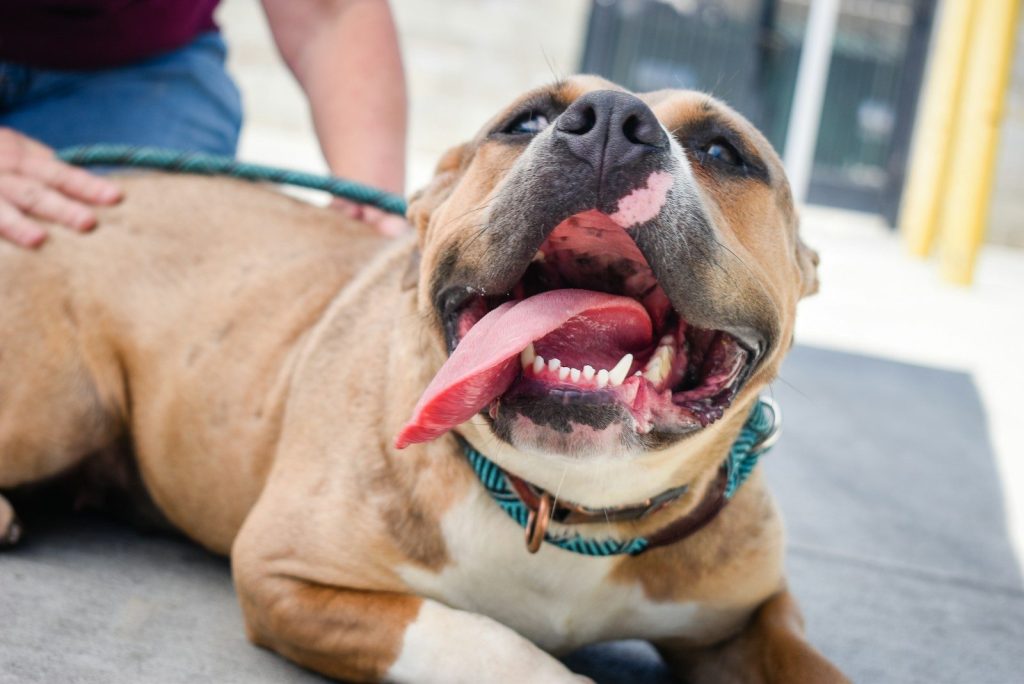
    Pancake the pit bull at Dog Day Afternoon in downtown L.A.” by LA Wad is licensed under CC BY-NC-SA 2.0

    As their bond grew, shelter workers noticed that separating the dogs caused emotional distress. Both Merrill and Taco would cry or show signs of stress when they were apart.

    They often searched for one another until they were reunited. This reaction made it clear that their friendship had become a strong emotional attachment, difficult to break.

    Adoption decision changed by their friendship

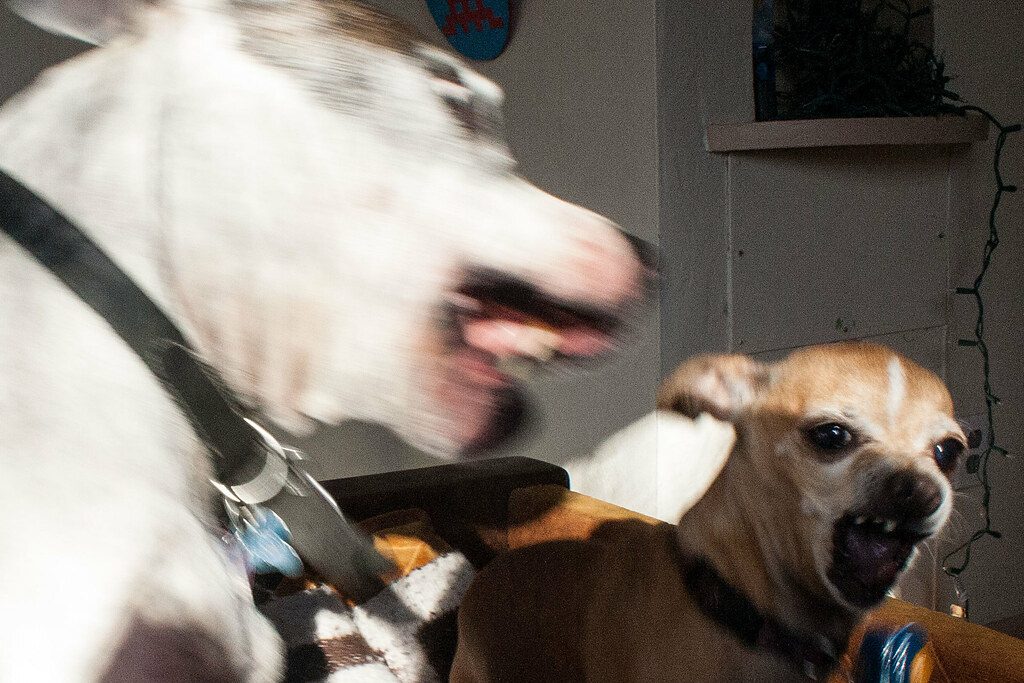
    Tussle” by feverblue is licensed under CC BY-SA 2.0

    Eventually, a person visited the shelter and wanted to adopt Merrill. At first, it seemed like a happy moment for her to find a home. However, it quickly became complicated when it was clear she did not want to leave without Taco.

    Both dogs became upset at the idea of being separated. Their reaction showed that their bond was too strong to break, even for adoption purposes.

    A shared forever home for both dogs

    brown and white short coated dog
    Photo by Cierra Voelkl on Unsplash

    Instead of separating them, the adopter made an important decision. He chose to adopt both Merrill and Taco so they could stay together in the same home.

    Today, the two dogs are living happily with their new family. Their story highlights how important companionship can be for animals and how keeping bonded pets together can lead to better outcomes for everyone involved.