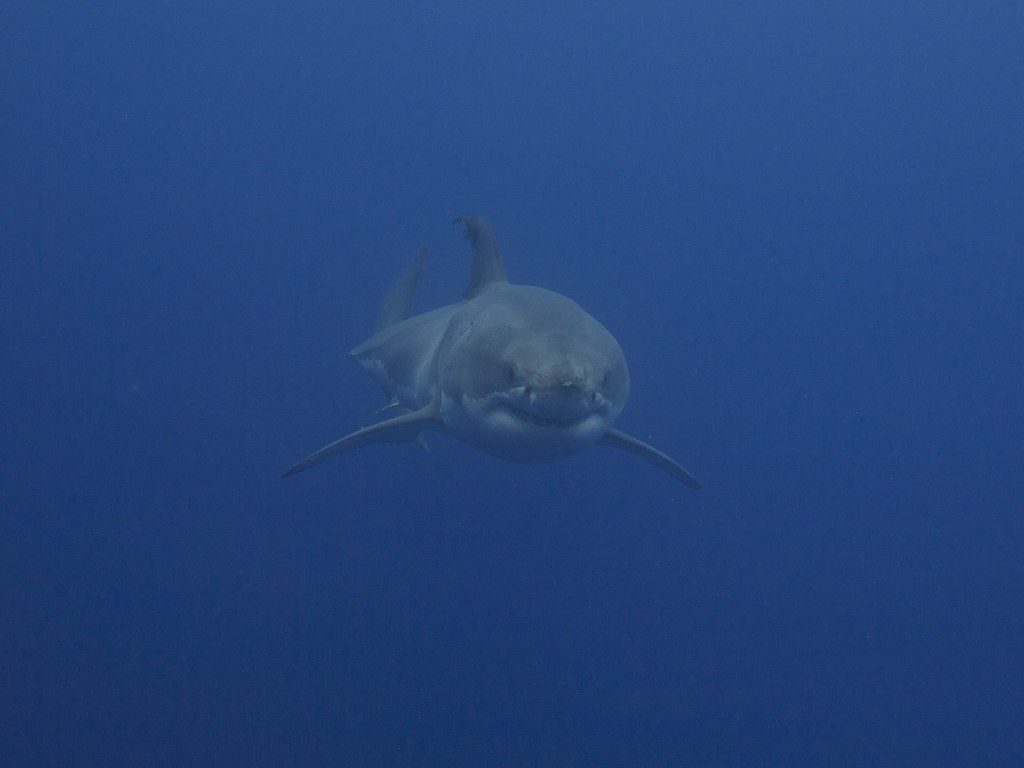
Author: Ethan

  • Why great white sharks are among the ocean’s most powerful predators

    Why great white sharks are among the ocean’s most powerful predators

    The ocean is home to many hunters, but few animals inspire as much awe as the great white shark. People often wonder what makes this shark so successful and why it has earned a reputation as one of the ocean’s most powerful predators. The answer lies in a combination of size, speed, intelligence, and specialized hunting skills that have helped the species survive for millions of years.

    Great white sharks are not just large fish. They are highly adapted hunters that play an important role in keeping marine ecosystems balanced. From their powerful jaws to their advanced senses, every part of their body is built for survival. In this article, you will learn what makes great white sharks such effective predators, how they hunt, what they eat, and why they remain one of the most important animals in the sea.

    Great white sharks are built for power
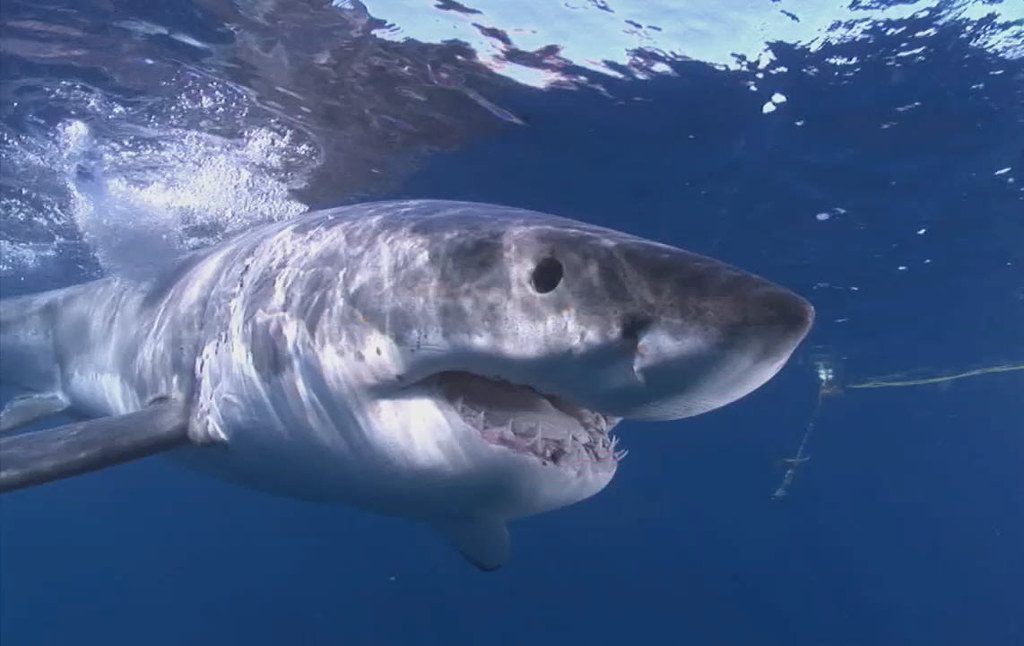
    Great White Shark” by kqedquest is licensed under CC BY-NC 2.0

    Great white sharks are among the largest predatory fish on Earth. Fully grown adults can reach lengths of about 21 feet and weigh several thousand pounds. Their bodies are shaped like torpedoes, allowing them to move efficiently through the water while using less energy than many other large marine animals. Their size alone gives them a major advantage over most prey species.

    Their bodies are packed with strong muscles that help them swim fast and strike with incredible force. Unlike many fish, great white sharks can maintain parts of their body at temperatures warmer than the surrounding water. This special adaptation allows them to stay active in cooler seas and gives them greater endurance while hunting.

    Their senses are highly advanced
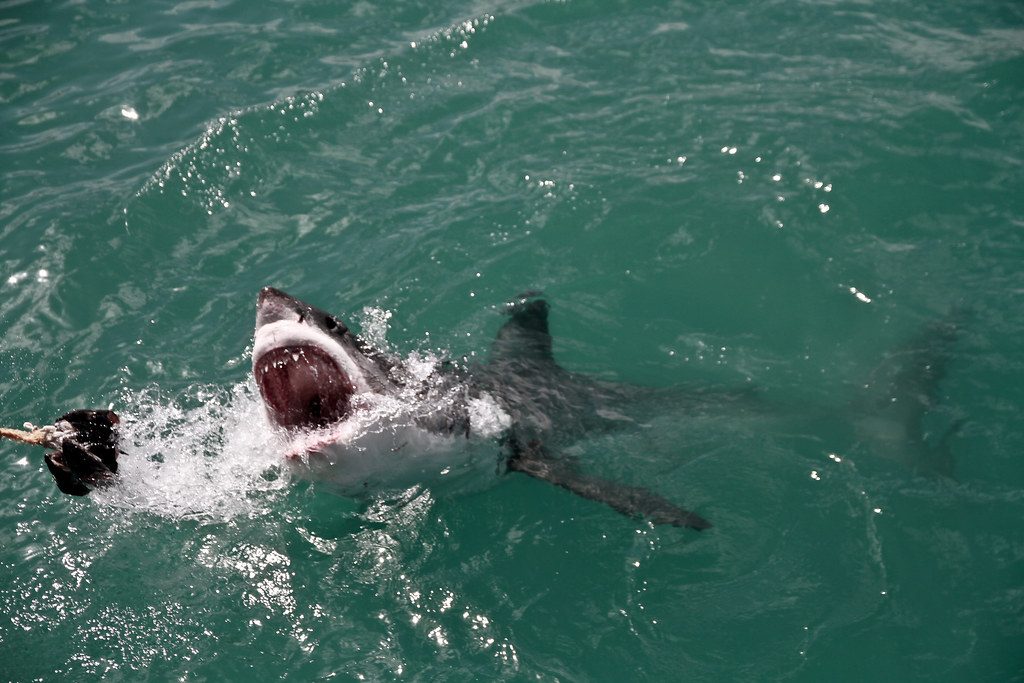
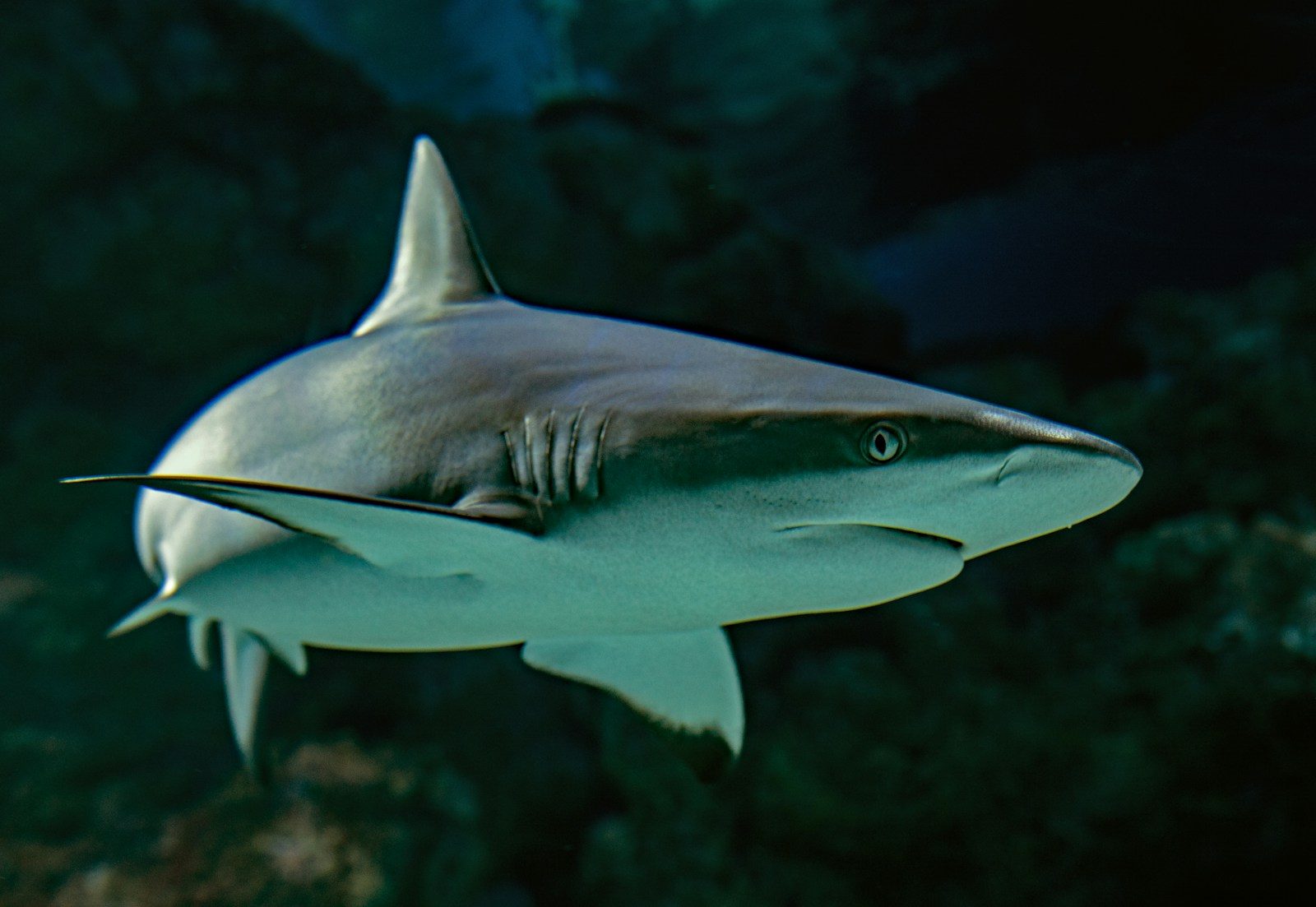
    An angry Great White Shark” by TheGrantPeters is licensed under CC BY 2.0

    A great white shark’s success begins long before it reaches its prey. These sharks have excellent eyesight and can spot movement in the water from considerable distances. Their eyes are especially useful when hunting near the surface, where seals and sea lions are often found. Strong vision helps them identify potential prey and time their attacks with precision.

    Their other senses are even more impressive. Great white sharks have an exceptional sense of smell and can detect tiny traces of substances in the water. They also possess special organs that allow them to sense electrical signals produced by living animals. Even when prey is hidden or difficult to see, these abilities help the shark locate it. Together, these senses create a hunting system that is among the most effective in the animal kingdom.

    Their bite is one of the strongest in nature
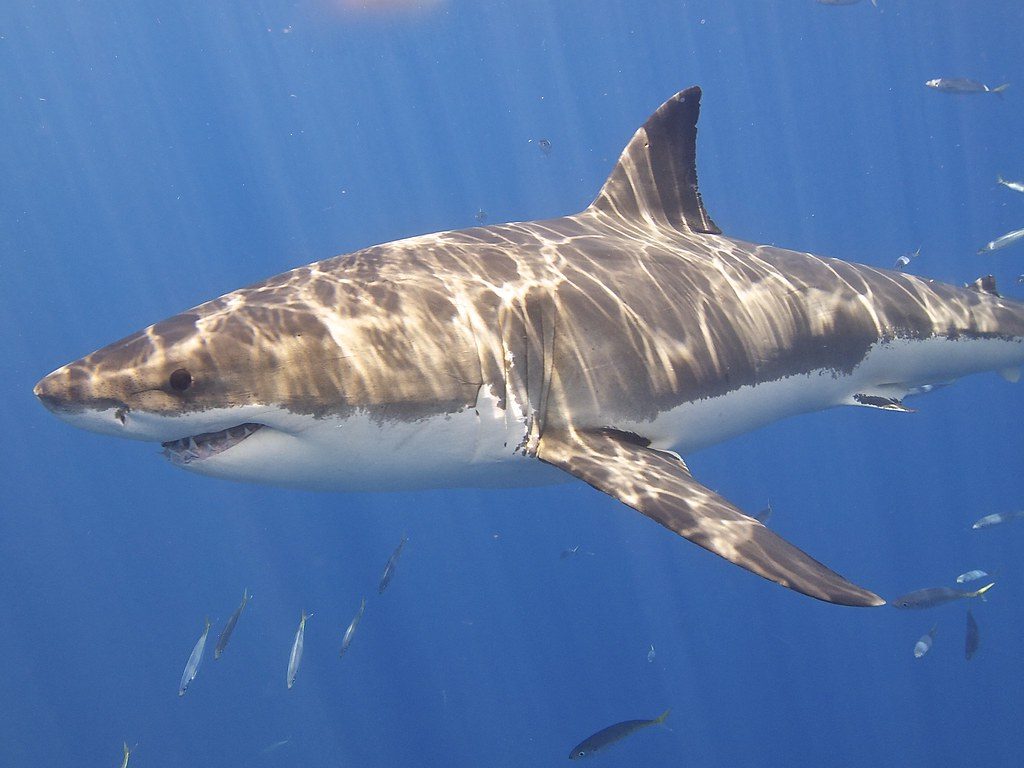
    Great White Shark” by Elias Levy is licensed under CC BY 2.0

    One of the most famous features of the great white shark is its powerful bite. Scientific studies estimate that a large great white can generate a bite force of around 18,000 newtons. This places it among the strongest bites ever recorded in the animal world. Such force allows the shark to quickly disable large prey and tear through thick skin, muscle, and bone.

    The shark’s teeth are equally important. Great white sharks have large triangular teeth with sharp serrated edges. These teeth act like rows of steak knives, making it easier to slice through flesh. When a tooth is lost, another one moves into place. This constant replacement system ensures the shark is always equipped with effective tools for hunting and feeding.

    They use smart hunting strategies
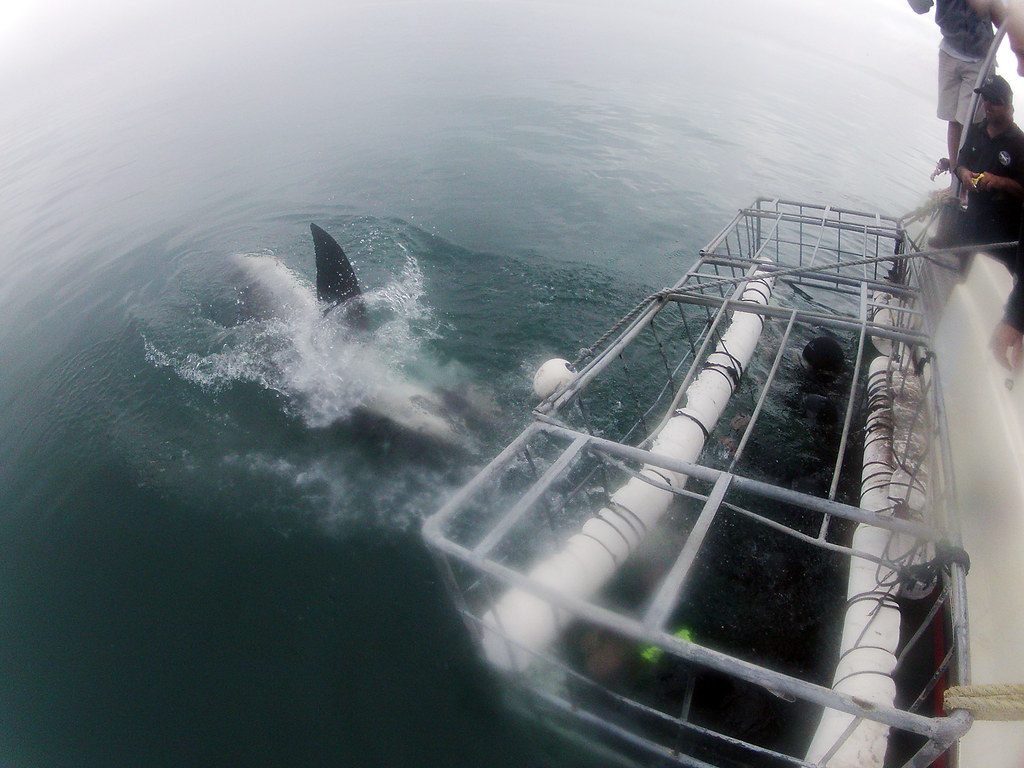
    Great white shark cage dive : 3” by Crystian Cruz is licensed under CC BY-ND 2.0

    Great white sharks do not simply chase prey until it becomes tired. Instead, they often rely on surprise attacks. A shark may swim below a seal or sea lion and then rush upward at high speed. This sudden attack gives the prey little time to react. The force of the strike can sometimes launch the prey out of the water, creating the dramatic breaches often seen in wildlife documentaries.

    Researchers have observed a hunting method often described as “bite and wait.” After delivering a powerful bite, the shark may back away and wait for the injured prey to weaken. This approach reduces the risk of injury to the shark while conserving energy. It demonstrates that great white sharks are not simply powerful animals but also strategic hunters capable of making efficient decisions.

    Their diet places them near the top of the food chain
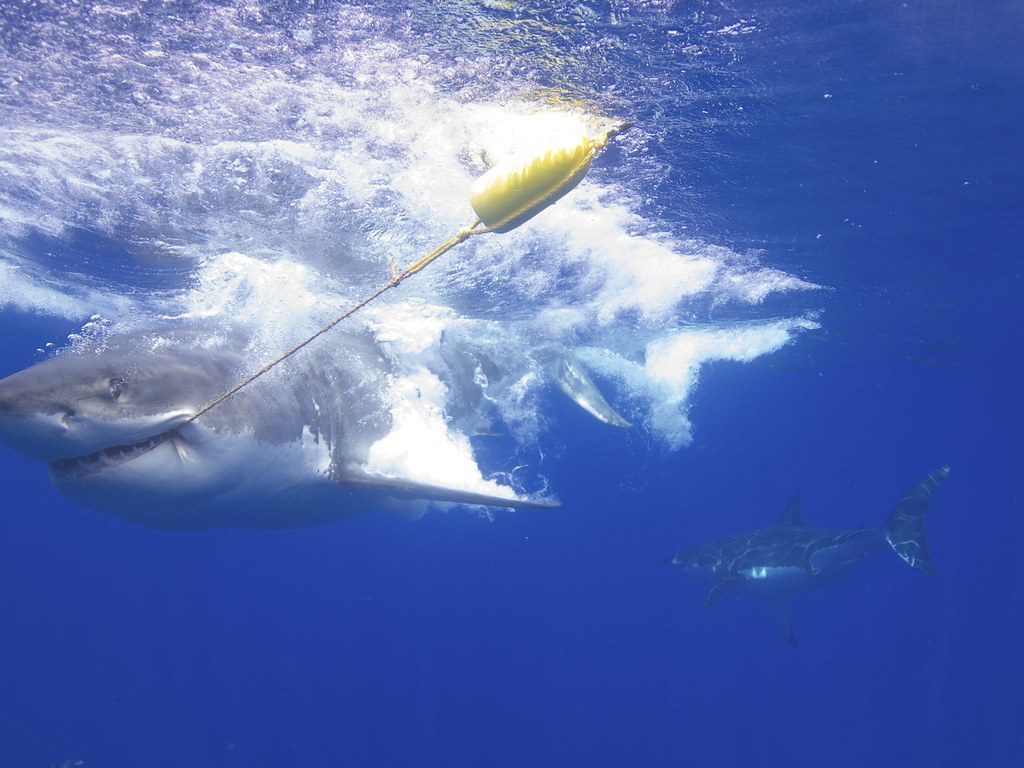
    Great White Shark” by Elias Levy is licensed under CC BY 2.0

    As young sharks, great whites feed mainly on fish and smaller sharks. As they grow larger, their diet expands significantly. Adult great white sharks hunt seals, sea lions, dolphins, porpoises, sea turtles, and occasionally small whales. They are also known to feed on whale carcasses when the opportunity arises. This wide range of prey allows them to thrive in many different marine environments.

    Because they feed on large animals and have few natural enemies, great white sharks are generally considered apex predators in many marine ecosystems. Their presence helps regulate prey populations and contributes to healthy ocean food webs. When top predators disappear, entire ecosystems can become unbalanced, which shows how important these sharks are to ocean health.

    Few animals challenge a great white shark
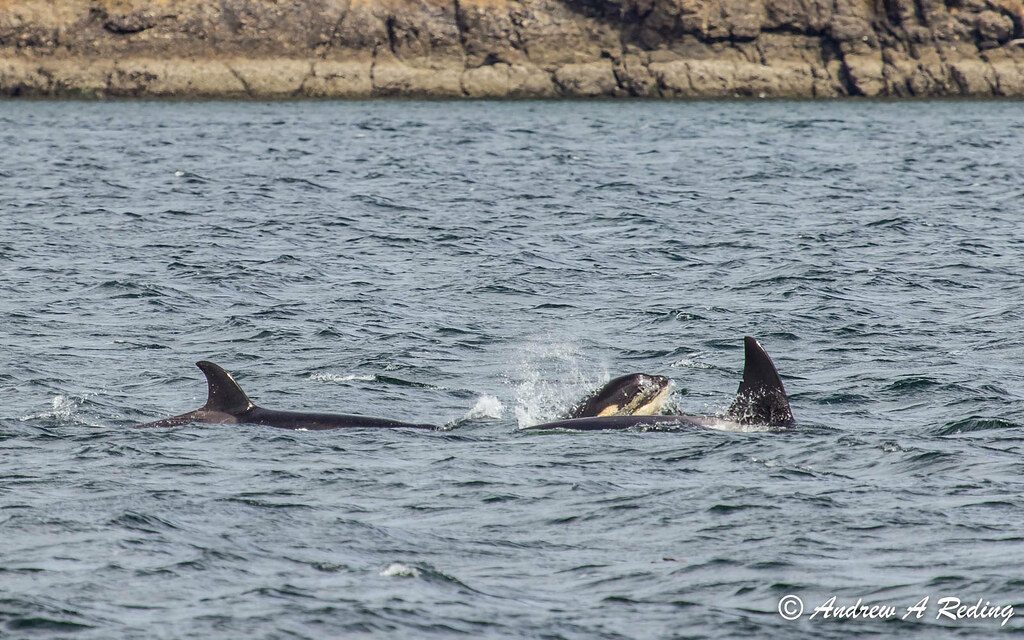
    orcas T37A2 (2009), newly discovered T37A3, with mother T37A (1994, notched dorsal fin), off Prevost Island” by Andrew Reding is licensed under CC BY-NC-ND 2.0

    For most of their lives, great white sharks face very few threats from other animals. Their size, strength, and hunting ability make them dominant predators across much of their range. This status has helped them become one of the most recognized marine species in the world. In many ocean regions, adult great whites occupy the highest levels of the food chain.

    There are exceptions. In some areas, killer whales, also known as orcas, have been observed hunting great white sharks. These encounters are rare compared with the shark’s overall range, but they show that even powerful predators can face challenges. Despite this, great white sharks remain among the most effective hunters in the ocean and continue to play a critical ecological role wherever they are found.

  • Could a human survive a megalodon attack?

    Could a human survive a megalodon attack?

    The idea of a megalodon attack has fascinated people for years. Movies, books, and online videos often show giant sharks attacking boats and swallowing people whole. That naturally leads to a big question: could a human survive a megalodon attack? While no human ever encountered a living megalodon because the species went extinct millions of years ago, scientists can use fossil evidence to estimate what would likely happen if such a meeting were possible.

    In this article, you’ll learn how big megalodon was, how it hunted, how powerful its bite may have been, and whether a human would have had any realistic chance of surviving an attack. By looking at what scientists know from fossils and modern sharks, we can separate facts from fiction and get a clearer answer.

    What scientists know about megalodon

    three people in lab coats looking at a tablet
    Photo by National Cancer Institute on Unsplash

    Megalodon was an extinct species of giant shark that lived roughly 23 million to 2.6 million years ago. Fossil discoveries show it was the largest shark ever known and likely the largest fish that ever lived. Some estimates suggest the biggest individuals may have reached lengths of around 50 to 80 feet, although scientists continue to debate the exact maximum size. Its teeth could grow to nearly 7 inches long, making them much larger than those of modern great white sharks.

    Unlike the monsters often shown in movies, megalodon was a real animal that dominated ancient oceans. Fossils have been found on nearly every continent, showing that it lived in many parts of the world. Scientists believe it was an apex predator, meaning it sat at the top of the food chain and had very few natural threats.

    How powerful was a megalodon bite

    Carcharocles megalodon” by Gunnar Ries zwo is licensed under CC BY-NC-ND 2.0

    One of the most frightening things about megalodon was its bite. Scientists studying jaw size and tooth structure estimate that it had one of the strongest bites of any animal that ever lived. Its jaws were large enough to fit several humans side by side, and its teeth were designed to cut through flesh and bone.

    Researchers believe megalodon used its bite to hunt large marine mammals such as whales. Unlike many modern sharks that often target softer areas, megalodon may have attacked vital parts of its prey. A single bite could cause devastating injuries. For an animal that regularly hunted creatures weighing many tons, a human would have been extremely small and fragile.

    What would happen if a human were attacked?

    Medical professionals stabilize a patient on a stretcher.
    Photo by Navy Medicine on Unsplash

    If a megalodon attacked a human directly, survival would be highly unlikely. The size difference alone would be overwhelming. An adult human weighs only a tiny fraction of what megalodon’s normal prey weighed. A shark large enough to hunt whales would have no difficulty biting through a human body.

    The greatest danger would not simply be being eaten. The force of the bite would likely cause massive trauma immediately. Serious damage to bones, organs, and blood vessels would occur almost instantly. Even if the initial bite did not kill the person outright, severe blood loss and shock would make survival extremely difficult without immediate advanced medical care.

    Could anyone survive a partial attack?

    a person in a hospital bed with an iv
    Photo by Olga Kononenko on Unsplash

    Although a direct full-force attack would almost certainly be fatal, survival might be possible under a very specific scenario. Modern shark attack survivors exist because some sharks deliver a single exploratory bite and then swim away. If a megalodon somehow bit a person only partially and did not continue the attack, there could be a small chance of survival. However, the injuries would likely be catastrophic.

    Even in this unlikely situation, the victim would need immediate rescue and emergency medical treatment. The larger the shark, the greater the damage from even a single bite. Since megalodon was several times larger than today’s great white sharks, a “minor” bite from such a creature would still be far more destructive than most shark attacks seen today. Based on what scientists know about its size and hunting ability, the odds of surviving any serious encounter would be extremely low.

    Why movies often get it wrong

    person holding black remote control
    Photo by Erik Mclean on Unsplash

    Many films show people escaping from megalodons through dramatic chases or close calls. While these scenes can be entertaining, they often exaggerate what a real encounter would look like. In reality, an animal of this size would have enormous speed, strength, and momentum in the water. Escaping once it is committed to an attack would be very difficult.

    Movies also tend to show megalodon as a creature that still exists in deep oceans today. Scientists do not support this idea. Fossil evidence indicates that megalodon disappeared about 2.6 million years ago. There is no reliable evidence that it survived into modern times. If a giant shark of that size were still alive, scientists would expect to find much stronger evidence than has ever been discovered.

    Why megalodon became one of history’s greatest predators

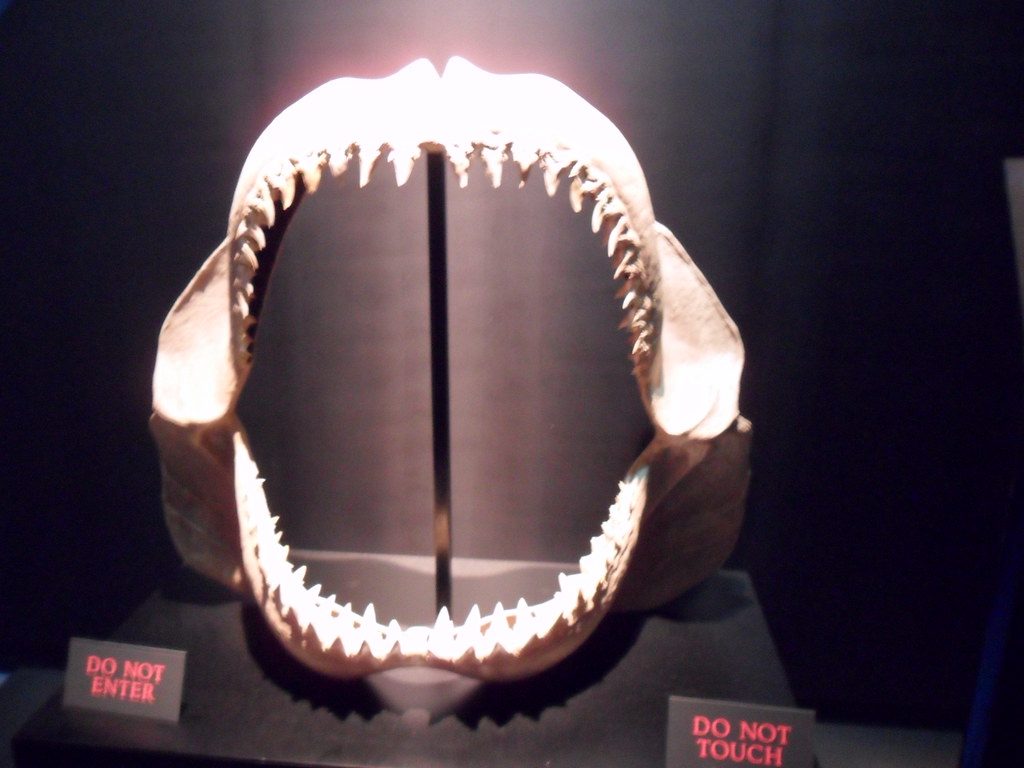
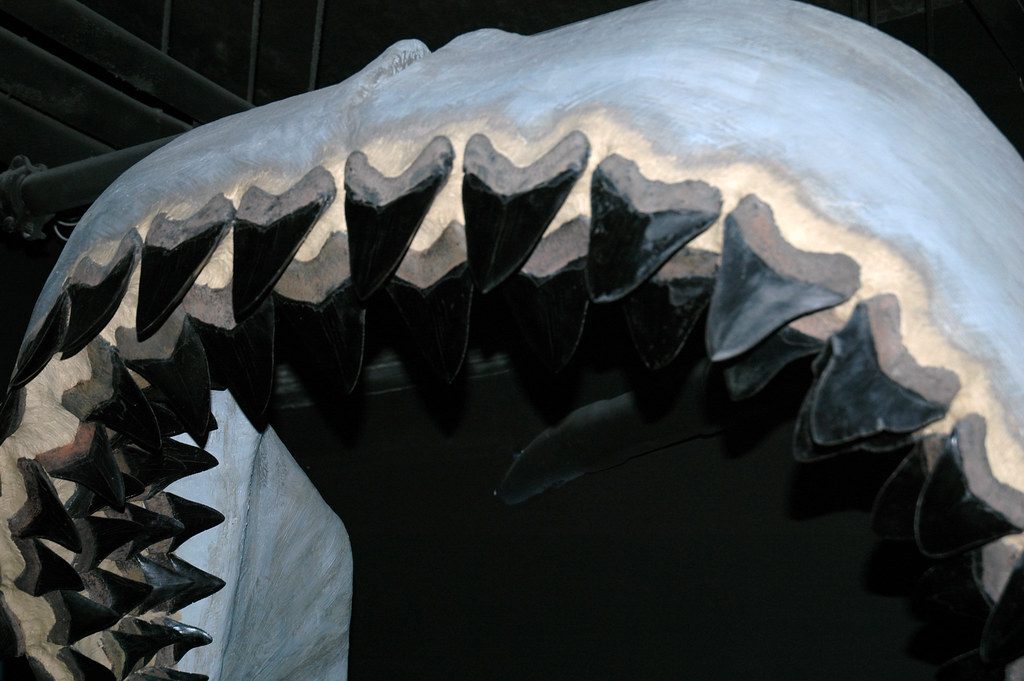
    Megalodon Jaws” by Eligius4917 is licensed under CC BY-SA 2.0

    Megalodon’s success came from a combination of size, strength, and access to abundant prey. Ancient oceans contained many large whales and marine mammals that provided enough food for such a massive predator. Its enormous teeth, powerful jaws, and wide geographic range helped it dominate marine ecosystems for millions of years.

    Eventually, changing climates, shifting ocean conditions, and increased competition from other predators likely contributed to its extinction. As food sources changed and ecosystems evolved, megalodon could no longer maintain its place at the top of the food chain. Even though it vanished millions of years ago, it remains one of the most impressive predators ever known.

  • Canada blocks Texas livestock imports amid New World screwworm concerns

    Canada blocks Texas livestock imports amid New World screwworm concerns

    Canada has moved quickly to restrict livestock imports from Texas after officials confirmed the presence of the dangerous New World screwworm in the U.S. state. This decision comes as health and agriculture authorities warn that the parasite, once eradicated in North America, could threaten cattle, horses, and other farm animals if it spreads further. The issue has raised fresh concern among farmers, ranchers, and meat supply chains that depend on safe cross-border trade.

    In this article, you will learn what led to Canada’s decision, what the New World screwworm is, how it affects livestock, and why governments are acting so fast. We will also explore the potential economic impact, the response from U.S. and Canadian officials, and what this means for food safety and future livestock trade between the two countries.

    What triggered Canada’s import restrictions

    cows at farm
    Photo by Annie Spratt on Unsplash

    Canada’s decision to block livestock imports from Texas was triggered by a confirmed case of New World screwworm in a calf in southern Texas. This marked the first known appearance of the parasite in the state in decades, raising alarms across North America’s agriculture sector. The Canadian Food Inspection Agency responded by temporarily restricting animals such as cattle, horses, and other livestock that had been in Texas recently.

    Officials said the goal is to prevent any chance of the parasite crossing the border and establishing itself in Canada. Even though Canada’s colder climate makes long-term survival of the screwworm unlikely, authorities stressed that short-term exposure risk during warmer months still exists. As a result, precautionary measures were introduced immediately to protect livestock health and prevent wider disruption.

    What the New World screwworm is

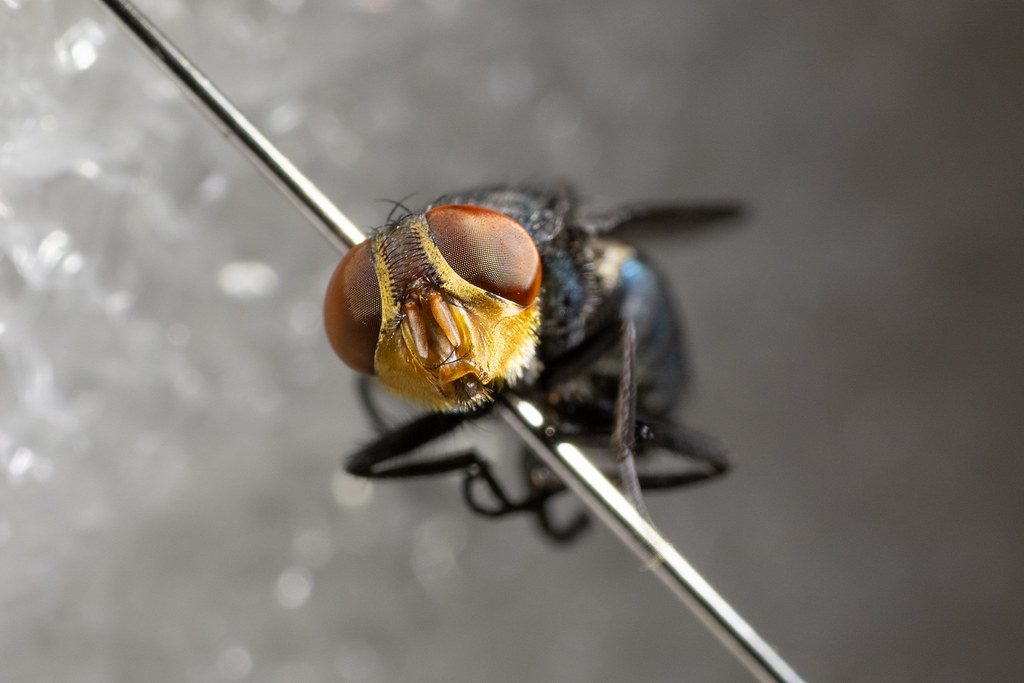
    260210-O-RD0001-5245” by USDAgov is licensed under CC PDM 1.0

    The New World screwworm is a parasitic fly whose larvae feed on the living flesh of warm-blooded animals. It typically enters through open wounds, cuts, or natural body openings, where the larvae begin to grow by consuming tissue. If not treated quickly, infestations can become severe and even deadly for livestock.

    The parasite was previously eliminated from the United States in the 1960s through large-scale eradication programs. However, recent cases in Texas suggest it has been moving northward from parts of Central America and Mexico. Experts say that while human infections are rare, animals such as cattle, goats, and horses are highly vulnerable, making it a serious threat to agriculture.

    Why livestock are at serious risk

    brown and white cow on green grass field during daytime
    Photo by Daniel Quiceno M on Unsplash

    Livestock are especially vulnerable because farm animals often have minor wounds from grazing, handling, or transportation. These small injuries can attract screwworm flies, which lay eggs directly in the open tissue. Once the larvae hatch, they begin feeding aggressively, causing deep wounds and infections.

    Without fast veterinary treatment, infected animals can weaken quickly and die. This creates major concern for ranchers who manage large herds, where spotting every infection early can be difficult. Even a small outbreak can spread rapidly through a herd, leading to high economic losses and increased pressure on veterinary systems.

    How Canada is trying to prevent the spread

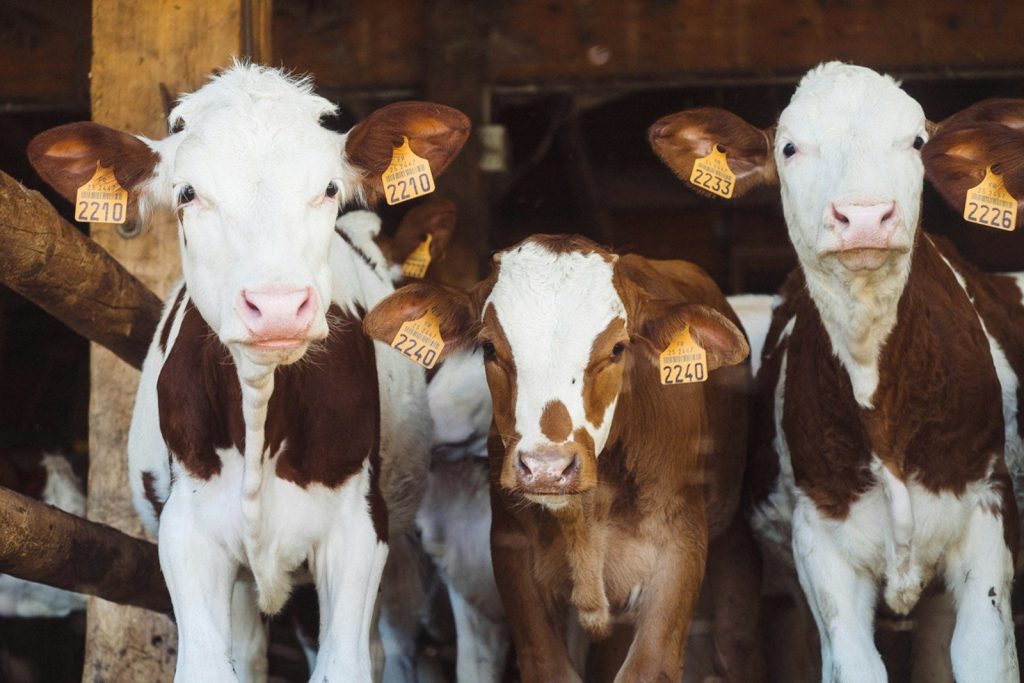
    a herd of cows standing next to each other in a barn
    Photo by Suvrajit 💭 S on Unsplash

    Canada’s restrictions focus on preventing any potentially exposed animals from entering the country. Livestock from Texas or animals that were recently in the region are now blocked from crossing the border. These rules apply mainly to cattle, horses, and other farm animals commonly traded between the two countries.

    In addition to import limits, officials are encouraging strict inspections and monitoring. Farmers and veterinarians are being asked to watch for warning signs such as unusual wounds, infections, or foul-smelling discharge. The aim is early detection, which is considered the most effective way to stop any possible spread before it becomes a larger problem.

    Economic impact on farmers and trade

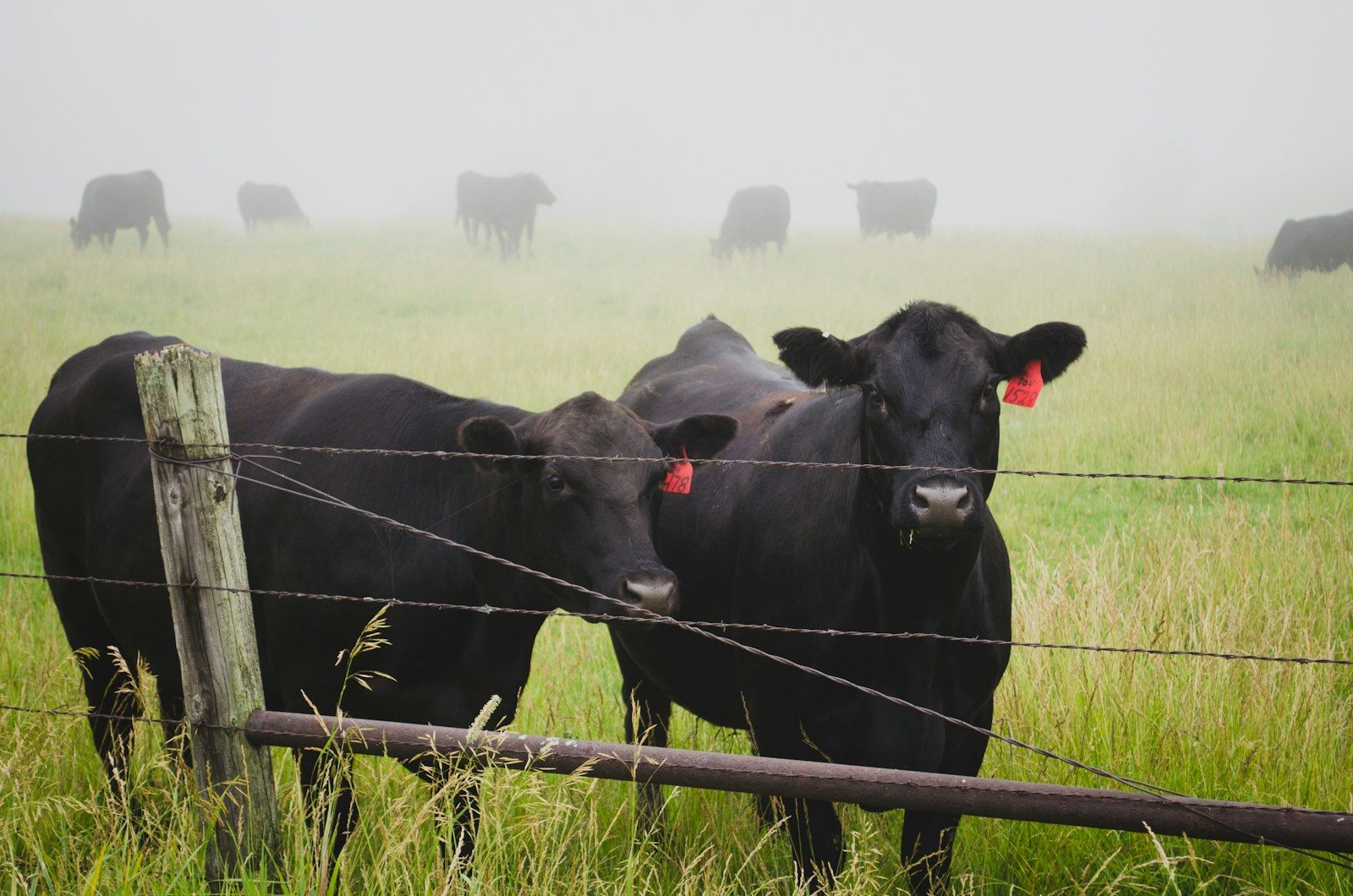
    black and brown cows on brown field during daytime
    Photo by Etienne Girardet on Unsplash

    The restrictions are expected to have short-term effects on livestock trade between the United States and Canada. Texas is a major cattle-producing region, and Canada is one of its important export partners. Even temporary limits can slow down shipments and affect market prices.

    For farmers and ranchers, uncertainty is a major concern. If the screwworm spreads further, it could lead to stricter controls, higher inspection costs, and reduced demand for livestock movement across borders. At the same time, governments are trying to balance disease prevention with keeping trade as stable as possible to avoid long-term disruption.

    Government response and future outlook

    people having meeting on rectangular brown table
    Photo by Christina @ wocintechchat.com M on Unsplash

    Both U.S. and Canadian agricultural authorities are now working on containment strategies. In the United States, officials are using quarantine zones, surveillance, and sterile fly release programs to control the parasite. These methods aim to reduce reproduction and stop the spread of the insect population.

    Canada, meanwhile, is taking a prevention-first approach by limiting imports early. Experts believe that coordinated action between both countries will be key to controlling the situation. While the risk of widespread infestation remains uncertain, authorities agree that fast response is necessary to protect livestock industries and maintain food system stability.

  • Experts warn reviving extinct beasts could cause disaster

    Experts warn reviving extinct beasts could cause disaster

    The idea of bringing extinct animals back to life sounds exciting, almost like something from a science movie. But experts are now warning that reviving extinct beasts could lead to serious problems for nature, animals, and even humans. This process, often called de-extinction, uses advanced tools like cloning and gene editing to recreate animals such as woolly mammoths or Tasmanian tigers.

    While the science is improving fast, many researchers say the risks may be bigger than the rewards. In this article, you will learn why scientists are concerned, what could go wrong, and how these experiments might affect modern ecosystems. We will also look at real scientific debates so you can understand the full picture clearly and simply.

    What de-extinction really means

    three people in lab coats looking at a tablet
    Photo by National Cancer Institute on Unsplash

    De-extinction is the process of trying to bring back species that have disappeared from Earth. Scientists use methods like cloning, DNA rebuilding, and gene editing to create animals that look or behave like extinct species. In some cases, they combine DNA from fossils with living relatives, such as using elephants to model mammoth-like traits. This field has become more advanced due to technologies like CRISPR, which can edit genes with high precision.

    However, experts explain that what is created is often not a perfect copy of the original animal. Instead, it is usually a “proxy,” meaning a close version built from available genetic information. Because extinct DNA is often damaged or incomplete, scientists must fill in gaps using related species. This makes the final animal different in important ways from the original extinct species.

    Why scientists are concerned about ecosystems

    people having meeting on rectangular brown table
    Photo by Christina @ wocintechchat.com M on Unsplash

    One major worry is how revived animals would fit into today’s ecosystems. Nature has changed a lot since many of these species went extinct. Forests, grasslands, and oceans are not the same as they were thousands of years ago. If a revived animal is released into a modern environment, it may struggle to survive or behave in unexpected ways.

    Experts also warn about ecological imbalance. Every species plays a role in its environment, such as controlling plant growth or serving as prey for other animals. If a revived species becomes too successful, it could harm existing wildlife by competing for food or space. On the other hand, if it cannot adapt, it may suffer and die, raising serious ethical concerns about its welfare.

    Risks of disease and genetic problems

    Curator talk this morning with Dr Rachel Webster, curator of botany @mcrmuseum, looking at extinction for a new exhibition in the autumn and exciting plans for temporary loans, including a giant panda! Here, thylacine, one of the many extinct animals on” by akhenatenator is licensed under CC CC0 1.0

    Another major concern is health and genetics. Cloning and gene editing are not perfect processes, and they often come with risks. In many experiments, cloned animals have been born with defects, weak immune systems, or short lifespans. This raises questions about whether revived extinct animals would live healthy lives.

    There is also the danger of new diseases. A revived species might be exposed to modern viruses and bacteria it has never encountered before. At the same time, it could also carry unknown ancient microbes that might spread to modern animals. Scientists say this kind of biological uncertainty could create problems that are difficult to predict or control.

    Human impact and moral questions

    a group of people working in a lab
    Photo by National Institute of Allergy and Infectious Diseases on Unsplash

    Beyond science, there are also ethical concerns. Many experts ask whether humans should bring extinct animals back at all. Some believe it could distract from protecting animals that are currently endangered. Instead of focusing on saving existing wildlife, funding and attention might shift toward creating new extinct species in laboratories.

    There is also a moral question about animal welfare. If a revived animal suffers due to health problems or cannot survive in the wild, then its creation may cause unnecessary harm. Scientists argue that just because we can do something does not always mean we should. These debates are becoming more important as technology improves and de-extinction moves closer to reality.

    Real-world experiments and limitations

    a man writing on a whiteboard with a marker
    Photo by Redmind Studio on Unsplash

    Even though de-extinction is often discussed, real success is still very limited. Scientists have not fully brought back any extinct species in a true, complete form. Most projects are still in experimental stages, focusing on partial genetic reconstruction or closely related animals.

    For example, efforts to recreate mammoth-like animals involve editing elephant DNA rather than restoring an exact mammoth. Similarly, attempts involving birds or other extinct species often result in hybrids rather than true originals. Experts say one major limitation is DNA degradation, since genetic material breaks down over time and becomes incomplete. Without full genetic information, a perfect revival is not possible with current science.

    What experts say about the future

    Woman presenting to audience in a modern office setting.
    Photo by Vitaly Gariev on Unsplash

    Scientists remain divided about de-extinction. Some believe it could help restore lost ecosystems or even support conservation efforts for endangered species. They argue that genetic tools developed for de-extinction could be useful in protecting animals that still exist today.

    However, many researchers caution that the risks are still too high. They point out that ecosystems are complex and unpredictable, and introducing revived species could create long-term damage that cannot be easily reversed. Most experts agree that while the science is impressive, careful limits and strong regulation are needed before any large-scale attempts are made.

  • Komodo dragon injures Sharon Stone’s husband in shocking attack that nearly severed his toe

    Komodo dragon injures Sharon Stone’s husband in shocking attack that nearly severed his toe

    Have you ever wondered how a simple zoo visit could turn into a life threatening situation in seconds? In one of the most shocking animal incidents tied to Hollywood history, a Komodo dragon attack injured actress Sharon Stone’s then husband during a private zoo experience. The event quickly drew global attention because of how fast things went wrong and how serious the injury became.

    In this article, you will learn exactly what happened during the Komodo dragon incident, how the attack unfolded, and what medical damage was caused. We will also break down the verified facts from trusted reports so you understand what is true, what led to the injury, and why this case is still talked about decades later.

    What led to the zoo visit

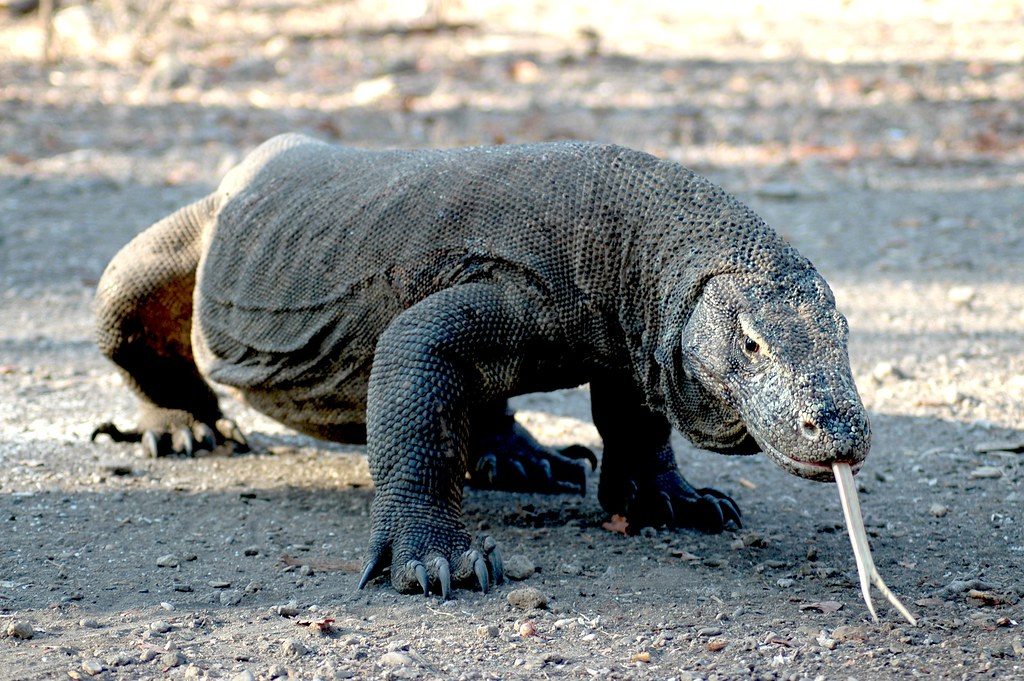
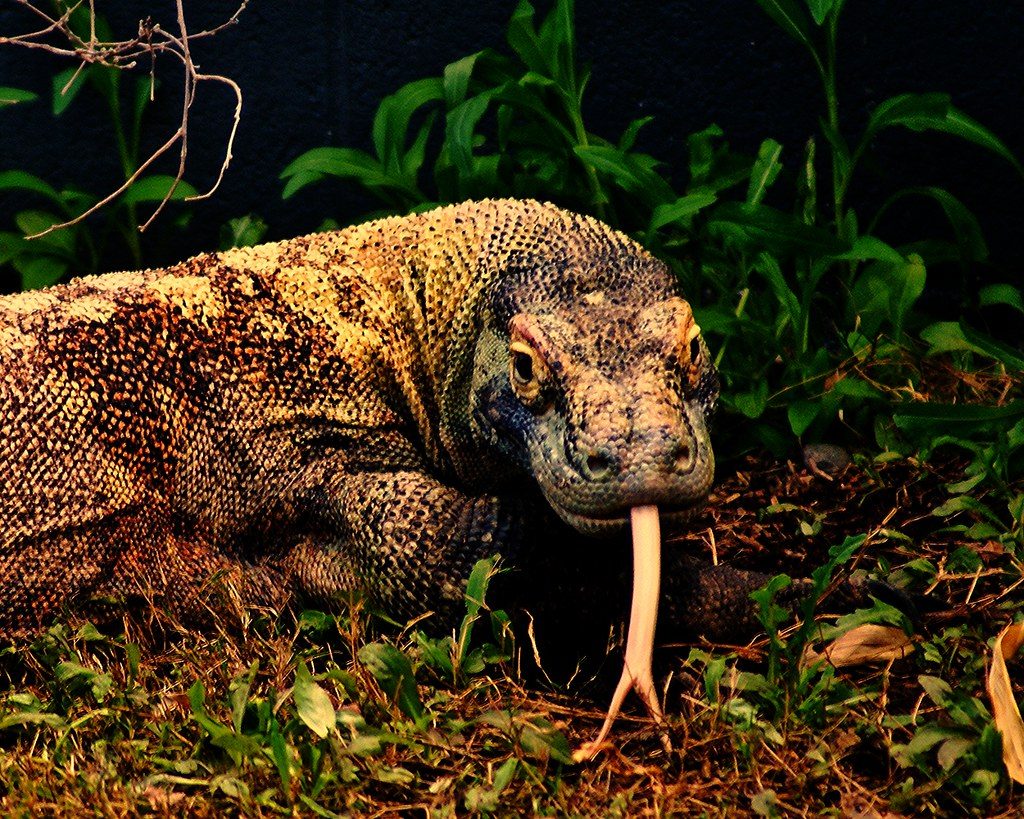
    Komodo dragon (Varanus komodoensis)” by 5of7 is licensed under CC BY-SA 2.0

    The incident took place in 2001 during a private behind-the-scenes tour at the Los Angeles Zoo. Sharon Stone arranged the visit as a surprise experience for her then husband, journalist Phil Bronstein, who had a strong interest in wildlife and had always wanted to see a Komodo dragon up close.

    During the tour, zoo staff allowed Bronstein into the enclosure under controlled conditions. He removed his shoes after being told the dragon might confuse white footwear with food. This detail later became important because it left his foot exposed inside an enclosure with a large predatory reptile.

    Inside the Komodo dragon enclosure

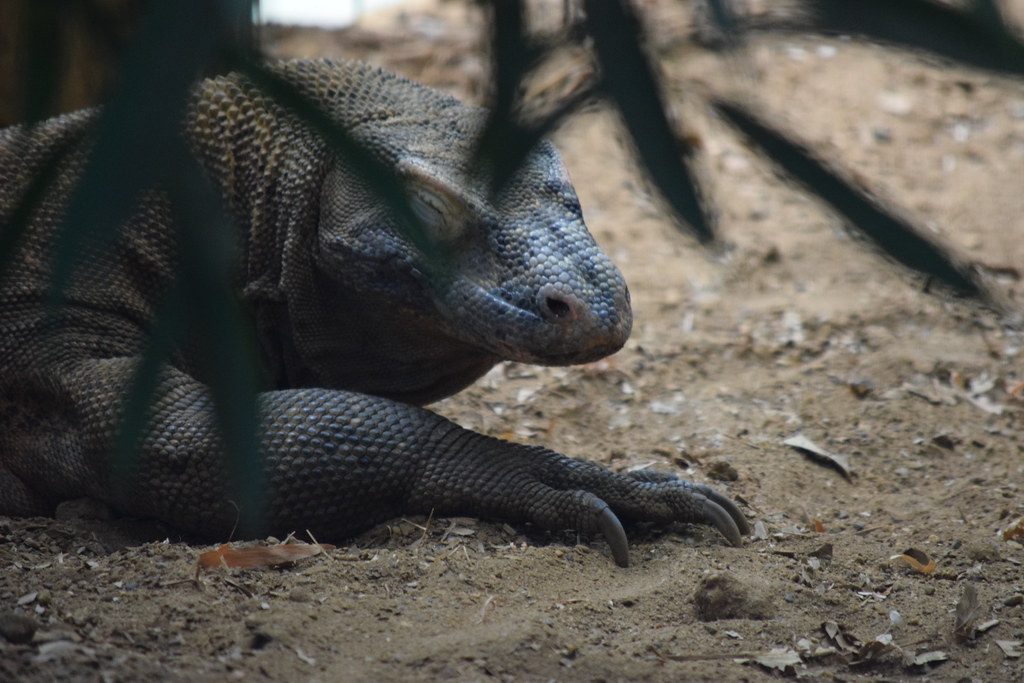
    Komodo Dragon” by Heather Smithers is licensed under CC BY-SA 2.0

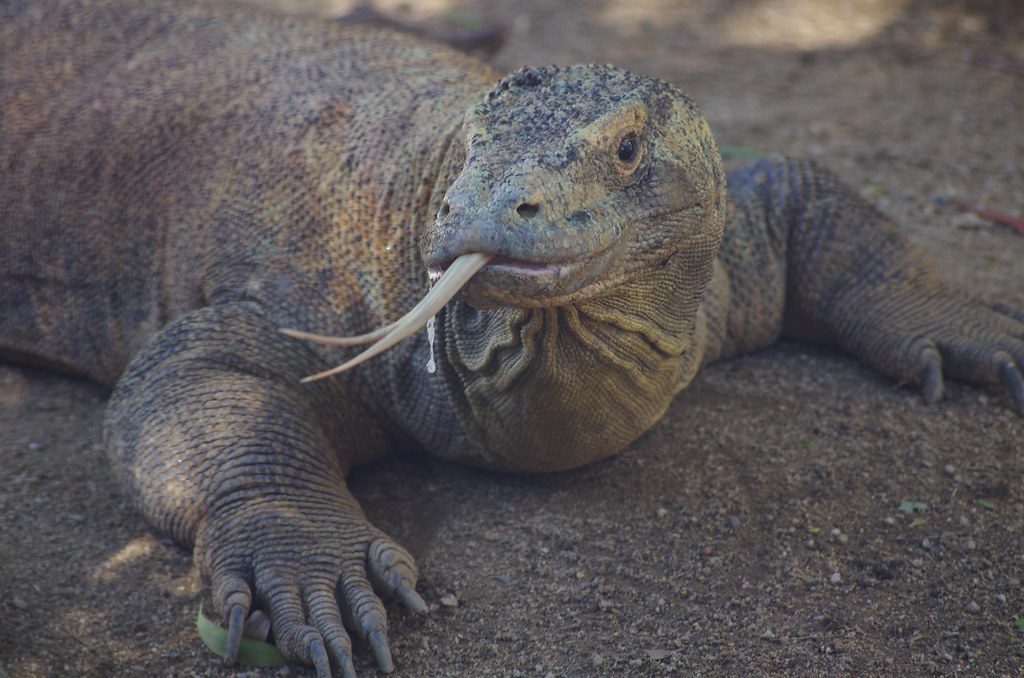
    Once inside the enclosure, Bronstein was observed interacting with the Komodo dragon while zoo staff were present. Komodo dragons are large carnivorous lizards known for strong jaws, sharp teeth, and powerful bites. Even in captivity, they are considered dangerous due to their strength and bacteria rich saliva.

    According to multiple accounts, the situation escalated quickly when the dragon lunged toward Bronstein’s foot. Sharon Stone, who was watching from outside the enclosure, later described the moment as sudden and chaotic. The animal clamped onto his foot, causing immediate panic as the bite did not release easily.

    How the attack unfolded

    KOMODO DRAGON” by NAPARAZZI is licensed under CC BY-SA 2.0

    After the bite, Bronstein attempted to free himself while the dragon shook and pulled at his foot. This movement caused severe tearing injuries. The reptile’s bite force and head motion are known to cause crushing damage, and in this case, the injury became extremely serious within seconds.

    Reports confirm that the dragon damaged tendons and crushed part of his big toe area. The injury was not only from the bite itself but also from the forceful shaking motion used by the animal. Despite the severity, Bronstein managed to remain conscious and attempted to control the situation while help was called.

    The injuries and medical response

    an ambulance driving down a street next to a building
    Photo by Walter Dziemianczyk on Unsplash

    Medical reports from the incident confirm that Bronstein suffered a partially severed toe, torn tendons, and significant soft tissue damage. Doctors had to perform surgery to repair the injured area and prevent infection. Komodo dragon bites are especially dangerous because their mouths contain harmful bacteria that can lead to serious infections.

    He was treated with antibiotics and underwent surgical repair to reattach damaged tendons and rebuild the injured toe area. Recovery required time and rehabilitation, but he ultimately survived the attack without losing the foot. The incident is often cited in medical discussions about reptile bite injuries due to its severity.

    Aftermath and public reaction

    Sound Design for Visual Media’s New Digidesign ICON Dual-Operator System” by vancouverfilmschool is licensed under CC BY 2.0

    The incident quickly became international news because of Sharon Stone’s celebrity status and the unusual nature of the attack. It raised questions about zoo safety protocols and the risks of allowing close interaction with dangerous wildlife. Many experts later emphasized that Komodo dragons, while fascinating, should never be handled casually, even in controlled environments.

    The Los Angeles Zoo reviewed its procedures following the event, and the story has since been referenced in documentaries, interviews, and retrospective reports. Sharon Stone later spoke publicly about the experience, describing it as traumatic and unexpected, especially since it happened during what was meant to be a safe educational visit.

  • Escobar’s former zoo hippos spread beyond control and turned into a growing national crisis

    Escobar’s former zoo hippos spread beyond control and turned into a growing national crisis

    What happens when a few exotic animals are left behind after a powerful figure disappears? In Colombia, that question has turned into a real environmental crisis. Hippos originally brought in by drug lord Pablo Escobar for a private zoo have now multiplied far beyond control and spread through the Magdalena River region.

    These animals, often called “Escobar’s hippos,” are no longer confined to one estate and are now moving into new areas, affecting ecosystems, local communities, and wildlife balance.

    Today, the hippo population has grown into the hundreds, and experts warn it could keep rising fast if nothing changes. Authorities are now forced to consider extreme solutions, including removing part of the population, as the animals continue expanding into rivers and farmland. This article explains how the situation began, why it escalated, and why it has become one of the most unusual wildlife crises in the world.
    How Escobar’s hippos ended up in Colombia

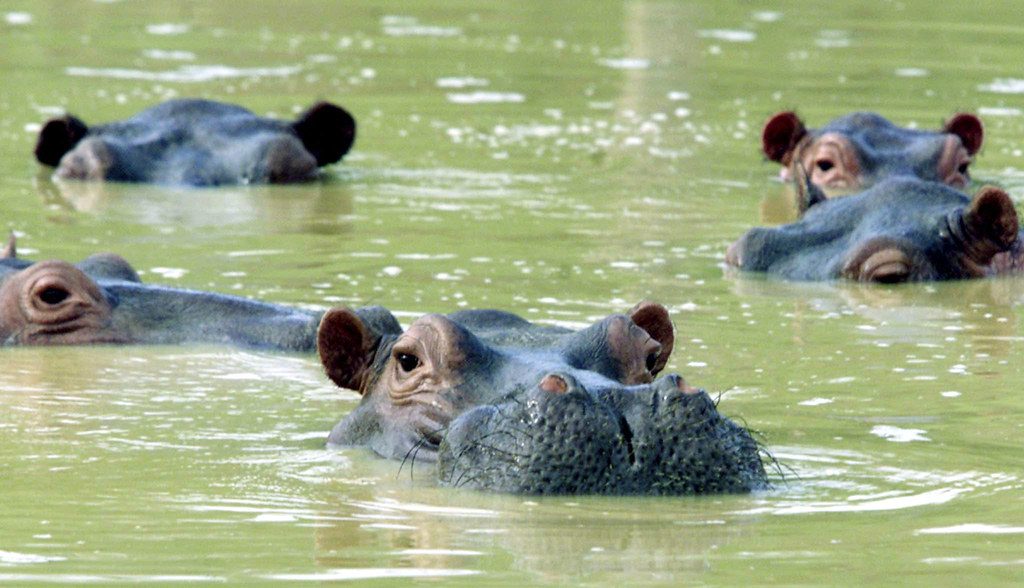
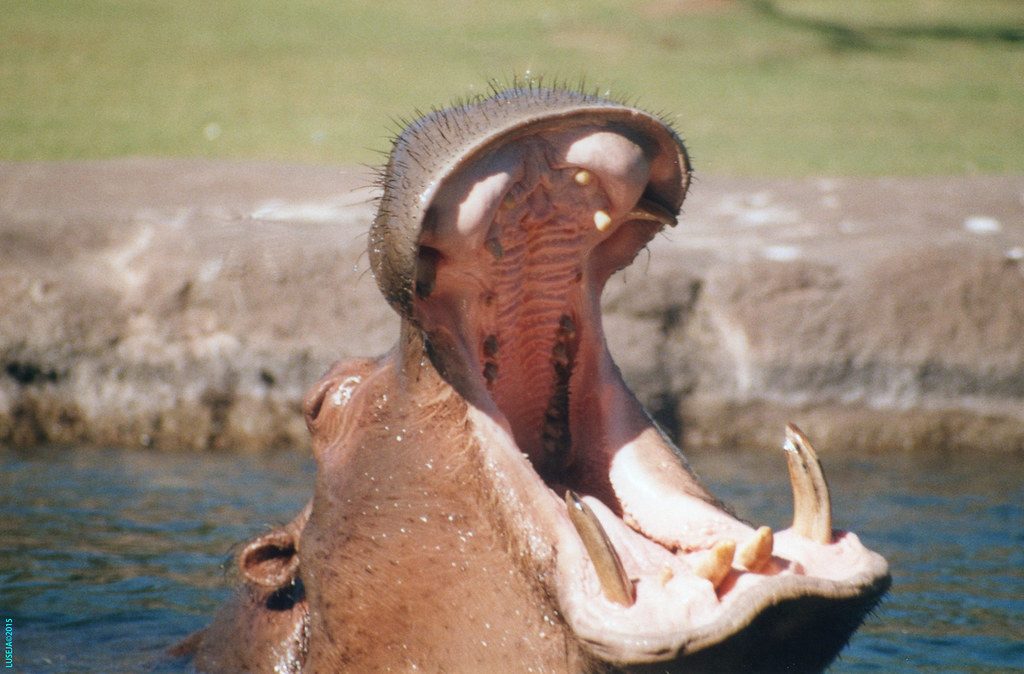
    Hippo” by LUSEJA is licensed under CC BY-NC-SA 2.0

    The story begins in the 1980s when Pablo Escobar imported four hippos from Africa to his private estate known as Hacienda Nápoles. At the time, they were part of his personal zoo, along with many other exotic animals. After Escobar’s death in 1993, the estate was abandoned, and most animals were relocated or died out, but the hippos were left behind.
    Because hippos are large, adaptable, and have no natural predators in Colombia, they survived easily in nearby lakes and rivers. Over time, they escaped the property completely and began living freely in the Magdalena River basin. What started as a small group quickly became a breeding population, setting the stage for a long-term ecological problem.

    Rapid population growth and spread

    Hungry Hungry Hippo” by Lionel Fernandez Roca is licensed under CC BY-NC-ND 2.0

    Once the hippos adapted to Colombia’s warm climate and abundant water, their population began growing at an unexpected speed. With stable food sources and no natural enemies, they reproduced faster than authorities could manage. Recent estimates suggest there are now around 160 to 200 hippos in the wild, with projections showing the number could rise dramatically in the coming years if uncontrolled.

    The animals have also spread far beyond their original area. They have been spotted miles away from Hacienda Nápoles, moving through rivers and reaching new regions. This spread increases the risk of human encounters, especially in farming and fishing communities that rely on the same waterways.

    Environmental impact on rivers and wildlife

    silver fishes underwater
    Photo by Sebastian Pena Lambarri on Unsplash

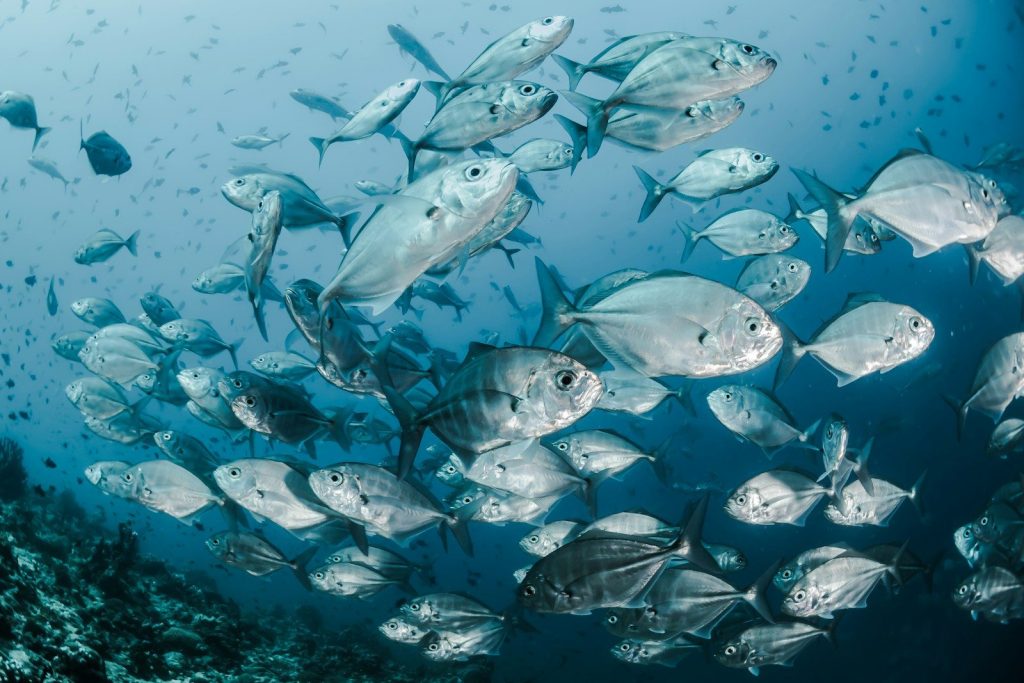
    The growing hippo population is now having a noticeable effect on Colombia’s ecosystems. Hippos are extremely large animals that spend a lot of time in water, and their waste changes the chemical balance of rivers and lakes. This can reduce oxygen levels in water and affect fish and plant life.

    Native species are also under pressure. Animals like river turtles and manatees must compete with hippos for space and food. Since hippos are not part of Colombia’s natural ecosystem, they disrupt the balance that local wildlife depends on. Scientists warn that if the population keeps growing, long-term damage to river ecosystems could become much harder to reverse.

    Risks to human communities

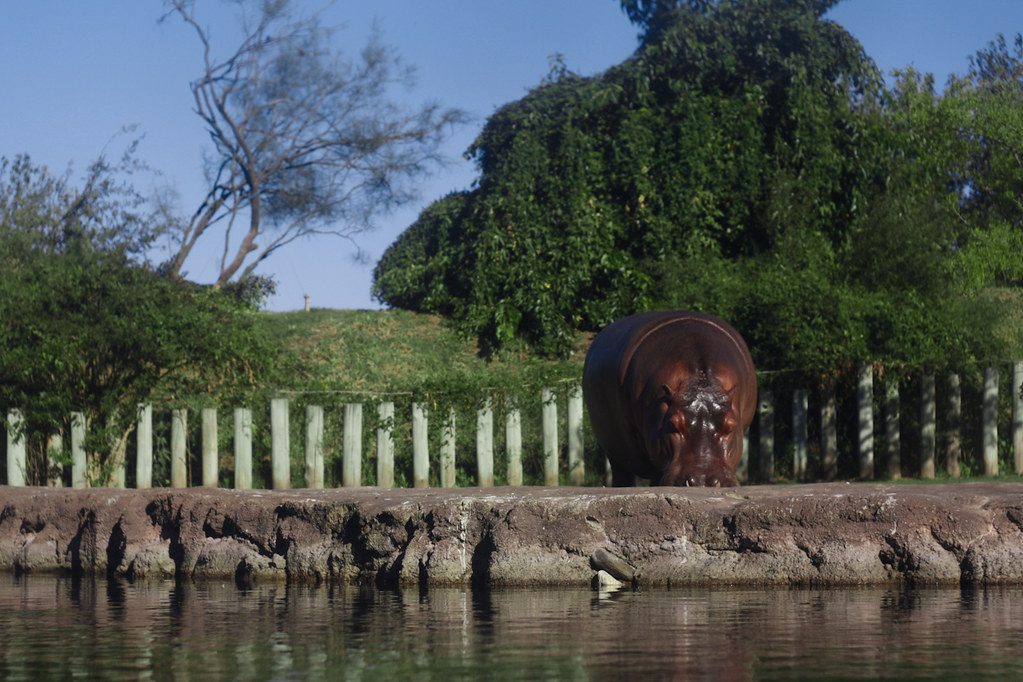
    a hippopotamus standing in a body of water
    Photo by Jonathan Göhner on Unsplash

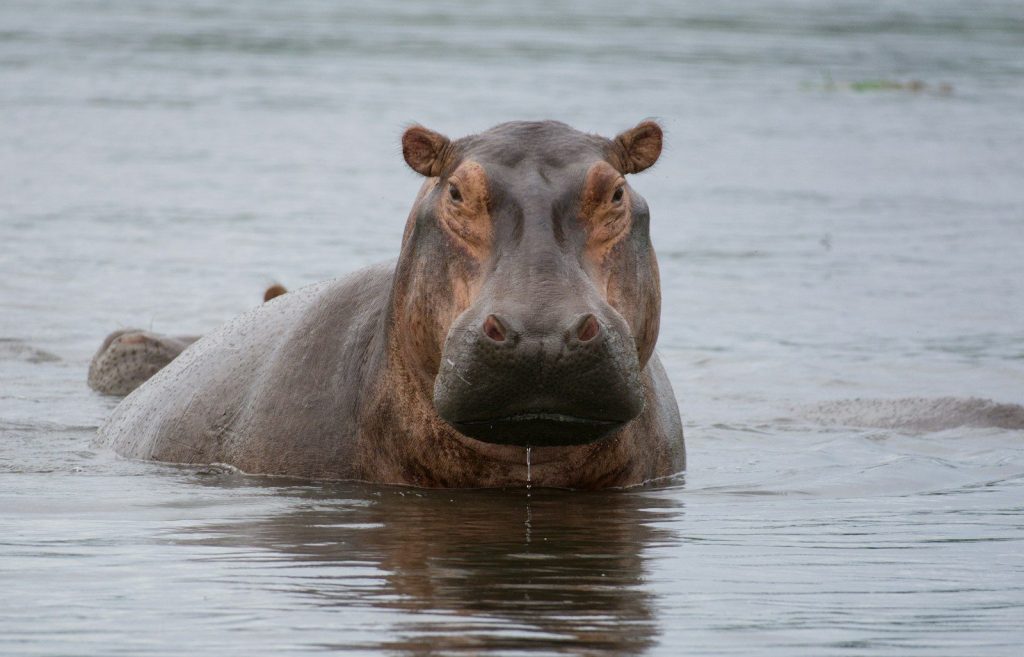
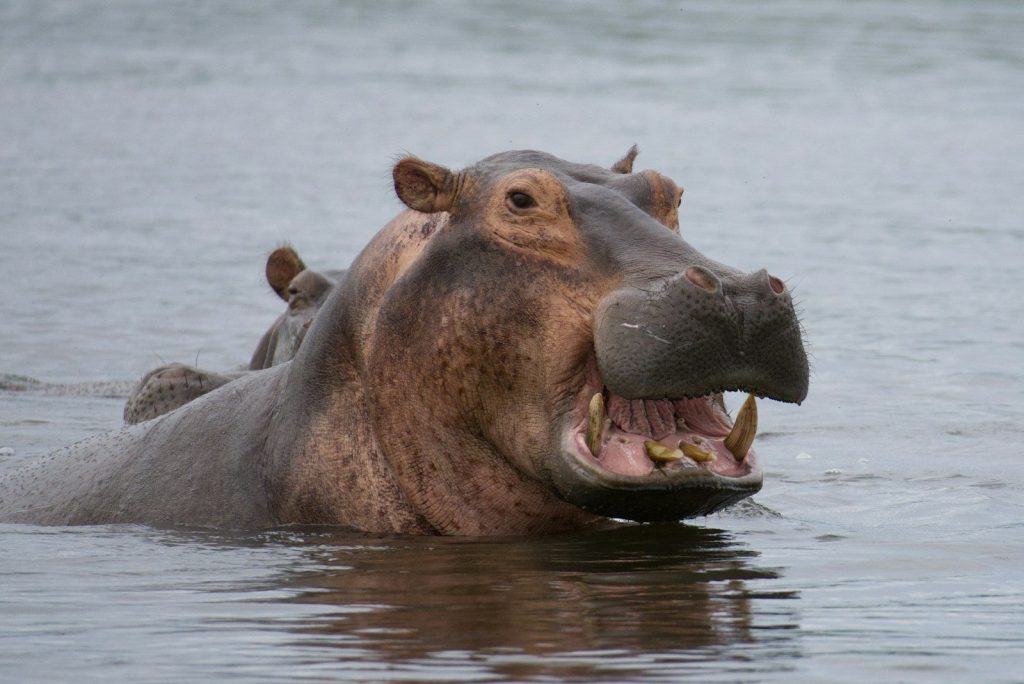
    As hippos expand their territory, they are increasingly coming into contact with people. Fishermen, farmers, and river communities have reported close encounters that sometimes turn dangerous. Hippos are highly territorial and can become aggressive if they feel threatened, especially in water.

    These encounters create fear among locals who depend on rivers for their livelihood. There have also been reports of property damage and blocked waterways when hippos move through farming areas. Because of their size and speed in water, even a single hippo can pose a serious risk, making coexistence difficult in shared environments.

    Government response and control efforts

    people having meeting on rectangular brown table
    Photo by Christina @ wocintechchat.com M on Unsplash

    Colombian authorities have spent years trying to control the hippo population using non-lethal methods. Efforts have included capturing and sterilizing some animals, relocating others, and studying long-term solutions. However, these approaches have been limited by cost, difficulty in safely capturing such large animals, and a lack of international support for relocation.

    Because the population continues to grow, the government has recently approved a stronger intervention plan. This includes removing a portion of the hippo population to slow their expansion and protect ecosystems. Officials argue that without intervention, the population could increase significantly in the coming years, making the problem even harder to manage in the future.

    Why is the crisis so difficult to solve

    a hippopotamus in the water with its mouth open
    Photo by Jonathan Göhner on Unsplash

    Solving the hippo crisis is not simple because there are no easy relocation options. Moving large numbers of hippos requires specialized facilities, international approval, and long-term funding. Many countries have shown interest in helping, but logistical and regulatory challenges have slowed progress.

    Another major issue is biology. The hippos in Colombia come from a very small original group, which has led to genetic limitations. This makes relocation to some conservation programs more complicated. At the same time, leaving them alone is not considered sustainable, because the population continues to grow and spread every year.

  • Spearfisherman dies in suspected attack by 15-foot shark in third fatal incident within a month

    Spearfisherman dies in suspected attack by 15-foot shark in third fatal incident within a month

    A tragic shark attack has shocked the diving and fishing community after a spearfisherman died in what authorities believe was a 15-foot shark encounter off the coast of Western Australia. If you are trying to understand what happened, where it took place, and why these rare but deadly incidents are gaining attention, this article breaks it down in simple terms.

    The incident is especially concerning because it is reported as the third fatal shark attack in just under a month in the country. In this article, you will learn what is confirmed so far, what experts believe may have led to the attack, and how this event fits into a worrying recent pattern of shark-related deaths in the region.

    What happened during the spearfishing trip

    man holding fishing rod
    Photo by Drew Farwell on Unsplash

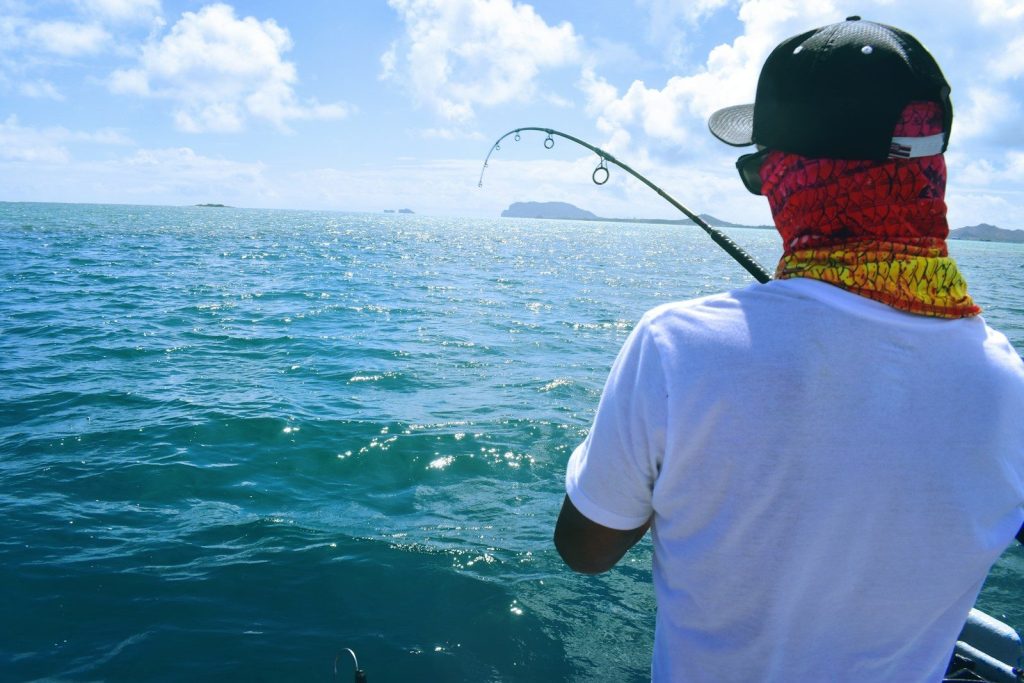
    A 35-year-old spearfisherman was in the water near Michaelmas Island, off the southern coast of Western Australia, when the attack happened. He was reportedly spearfishing with family members during the late morning when a large shark struck suddenly.

    Emergency response teams were called quickly after the attack. The man was brought back to shore by boat, but despite medical efforts, he could not be saved. Authorities believe a large white shark, estimated at around 15 feet long, may have been responsible for the fatal injuries.

    Location and why the area matters

    field and mountain near body of water
    Photo by Josh Reid on Unsplash

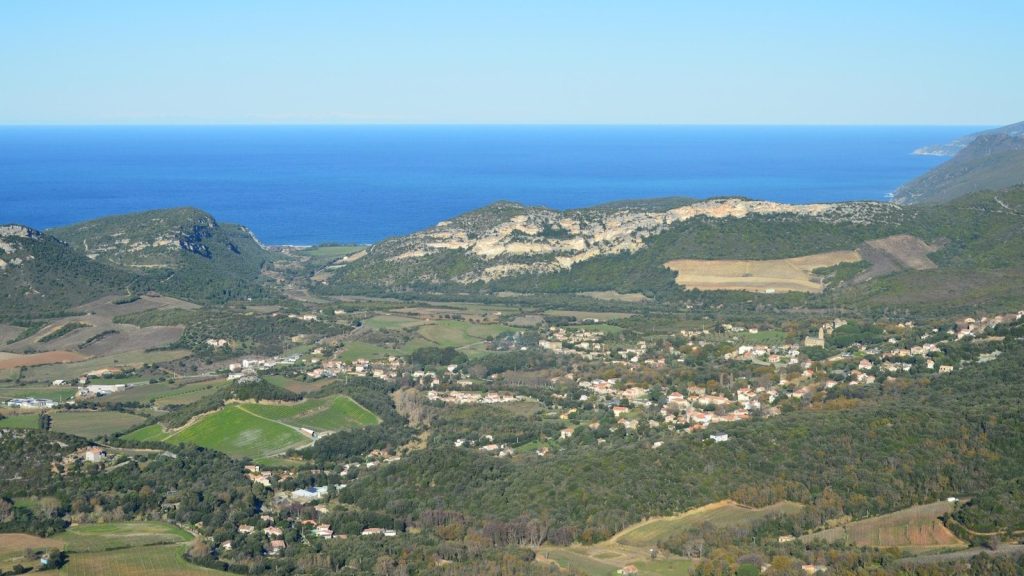
    The attack happened near Michaelmas Island, a remote coastal area close to Albany in Western Australia. This region is known for its deep waters, strong marine life activity, and seasonal fish migrations that attract both predators and fishing activity.

    Spearfishing in these waters is common because of the rich fish population, but it also increases the chance of encounters with large predators. Experts note that areas with seals, salmon, and sardine movement can naturally attract bigger sharks, especially during certain times of the year when food sources are abundant.

    Why spearfishing increases shark risk

    a shark swimming in the water
    Photo by Gerald Schömbs on Unsplash

    Spearfishing is considered one of the higher-risk water activities when it comes to shark encounters. This is because the activity involves catching fish underwater, which can release blood and movement signals that attract predators.

    Sharks rely heavily on scent and motion to find food. When injured fish are present, it can unintentionally signal feeding activity. While shark attacks on humans are still rare overall, the combination of spearfishing gear, underwater noise, and struggling fish can increase curiosity or mistaken identity in large sharks.

    The recent rise in shark attack fatalities

    an ambulance driving down a street next to a building
    Photo by Walter Dziemianczyk on Unsplash

    This incident is part of a worrying trend in Australia, where three fatal shark attacks have been reported in less than a month. Earlier cases involved other spearfishers in different coastal regions, showing that these events are not isolated to one single area.

    Officials have stated that Australia normally records only a small number of fatal shark attacks each year. Because of this, the recent cluster of deaths has raised public concern and sparked discussions about whether environmental changes, migration patterns of fish, or increased human activity in shark habitats may be influencing encounters.

    How authorities and locals are responding

    people having meeting on rectangular brown table
    Photo by Christina @ wocintechchat.com M on Unsplash

    Local authorities have launched investigations into the attack, and a report is expected to be prepared for the coroner. Marine safety teams are also reviewing recent shark sightings and environmental conditions in the area.

    At the same time, government officials have emphasized that there is currently no confirmed evidence of a long-term increase in shark populations. Instead, they are focusing on safety awareness, real-time shark alerts, and improving public education for ocean users such as surfers, swimmers, and divers.

    What this means for ocean safety going forward

    bird's eye view photo of people on beach
    Photo by Niklas Ohlrogge (niamoh.de) on Unsplash

    While shark attacks remain rare, incidents like this highlight the importance of caution in open water activities. Spearfishers and divers are encouraged to stay aware of local warnings, avoid risky conditions, and use buddy systems whenever possible.

    The event also adds to ongoing debates about how humans and marine predators share coastal environments. Experts continue to stress that sharks play an important role in the ocean ecosystem, even as communities work to reduce the risk of future tragedies.

  • Japan welcomes back rare birds once considered lost from their natural habitat

    Japan welcomes back rare birds once considered lost from their natural habitat

    Many people think that once a bird disappears from the wild, it is gone forever. That is why the recent return of rare birds to Japan has captured attention around the world. After decades of conservation work, eight crested ibises were released into the wild in Japan’s Noto region, bringing back a species that had vanished from the country’s natural landscape.

    The return of these birds is more than a wildlife story. It shows how long-term conservation, habitat protection, and international cooperation can help endangered animals recover. In this article, you will learn how the crested ibis disappeared from Japan, what was done to save it, and why its return is such an important moment for nature.

    The bird that vanished from Japan

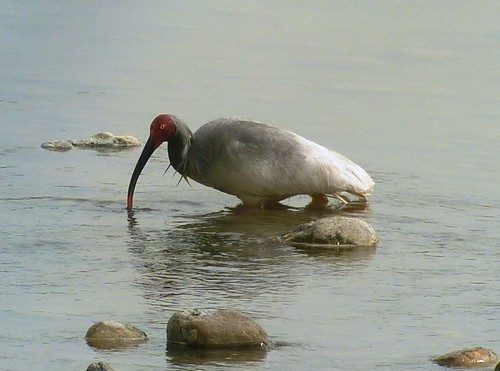
    Crested ibis (nipponia nippon)” by Sylvère Corre is licensed under CC BY-NC-SA 2.0

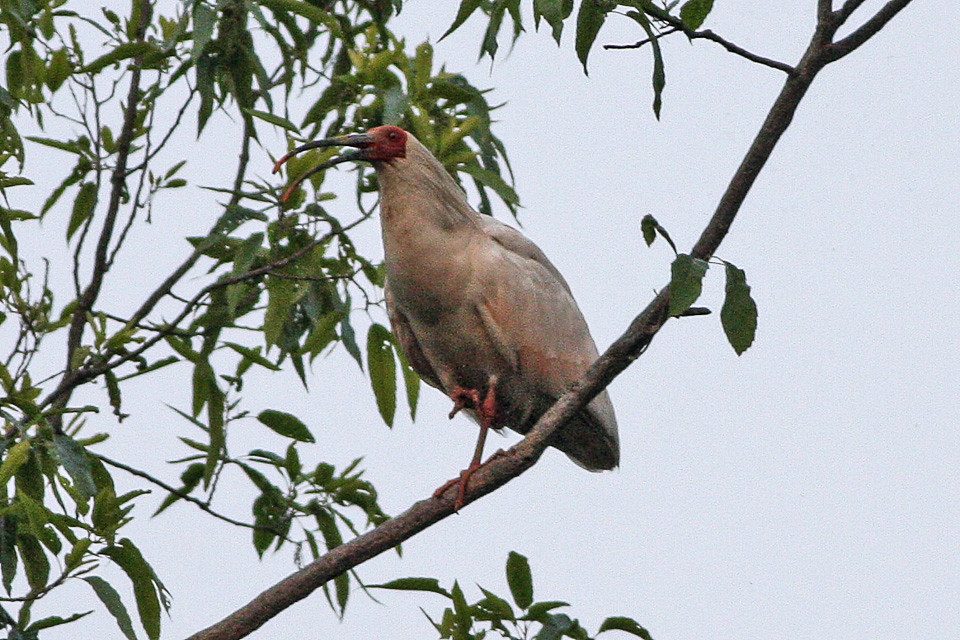
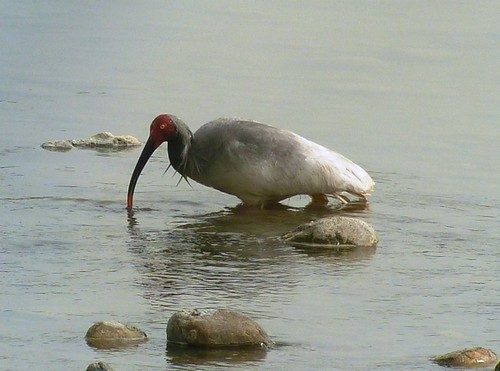
    The crested ibis, known as “Toki” in Japan, is one of East Asia’s most recognizable birds. It has white feathers, bright red skin around its eyes, and a beautiful pink-orange color under its wings. For centuries, the bird lived in wetlands, rice fields, and forested areas across Japan. It became a familiar sight in many parts of the country.

    However, the bird’s numbers began to fall during the late 1800s and early 1900s. Hunting, habitat destruction, pollution, and changes in farming practices made survival difficult. By the 1970s, the species had disappeared from Japan’s main island of Honshu. The last native Japanese crested ibis died in 2003, marking the end of a bird that had once been part of the nation’s natural heritage.

    Why the species nearly disappeared

    aerial photography of boats near body of water viewing green field during daytime
    Photo by Marcin Jozwiak on Unsplash

    One of the biggest reasons for the bird’s decline was habitat loss. Wetlands were drained, forests were cleared, and farming methods changed. The insects, frogs, and small fish that crested ibises depended on became harder to find. As their food sources disappeared, the birds struggled to survive.

    Overhunting also played a major role. During earlier decades, the birds were hunted for their feathers and meat. Even after hunting pressure eased, environmental damage continued to hurt the population. By the time conservation efforts became serious, there were very few birds left in Japan, making recovery extremely difficult.

    The long road to recovery

    people having meeting on rectangular brown table
    Photo by Christina @ wocintechchat.com M on Unsplash

    Saving the crested ibis required years of work. Conservationists established breeding programs to help increase the number of birds. A major turning point came in 1999 when China provided Japan with a breeding pair of crested ibises. This partnership gave scientists a chance to rebuild the population through carefully managed breeding efforts.

    The first successful captive-bred chick marked a huge milestone. Researchers spent years studying the birds, improving breeding methods, and creating conditions that would allow them to thrive. Every successful hatch was a step toward bringing the species back from the edge of disappearance. The work required patience because building a healthy population takes many generations.

    The historic release in the Noto region

    Coastal town nestled between green hills and blue sea
    Photo by Slim MARS on Unsplash

    In late May 2026, eight crested ibises were released into the wild in Hakui, a city in Japan’s Noto region. The event was especially meaningful because the area was one of the last places where the birds had been seen in the wild before they disappeared from Honshu decades ago. Residents gathered to watch the birds take flight, creating an emotional moment for conservationists and local communities alike.

    The birds released in Noto were raised at a conservation center on Sado Island in Niigata Prefecture. They had been carefully prepared for life in the wild through years of breeding and monitoring. Officials hope the release will help establish a new wild population outside Sado Island and expand the species’ range within Japan.

    How Sado Island helped save the species

    a field with houses and mountains in the background
    Photo by Siraj Shahjahan on Unsplash

    Sado Island has become the center of Japan’s crested ibis recovery program. Conservation centers there have spent decades breeding birds and preparing them for release. In 2008, the first group of captive-bred crested ibises was released into the wild on the island, marking the beginning of a new chapter for the species.

    The results have been encouraging. Over the years, the wild population on Sado Island has grown significantly. Conservation programs, habitat restoration projects, and support from local farmers helped create a safe environment for the birds. Today, hundreds of crested ibises live on and around the island, showing that recovery is possible when wildlife receives long-term protection.

    What the return means for conservation

    Crested ibis (nipponia nippon)” by Sylvère Corre is licensed under CC BY-NC-SA 2.0

    The return of the crested ibis is an important reminder that conservation can work. Many endangered species face challenges similar to those that nearly wiped out the crested ibis. Habitat destruction, pollution, and human activity continue to threaten wildlife around the world. The success of this project shows that these problems can be addressed when governments, scientists, and local communities work together.

    The release also provides hope for future conservation efforts in Japan and beyond. Experts believe that healthy ecosystems benefit both wildlife and people. Protecting wetlands and natural habitats helps birds, fish, insects, and other animals while also improving environmental health for nearby communities. The return of the crested ibis is therefore not just a victory for one species but a positive sign for broader conservation efforts.

  • The true cause behind the decline in shark populations

    The true cause behind the decline in shark populations

    Have you ever wondered why sharks, some of the ocean’s oldest and strongest predators, are disappearing from many seas around the world? Shark populations are dropping faster than most people realize, and this decline affects the balance of ocean life in big ways. The main reason is not one single issue but a mix of human activities that have built up over decades.

    In this article, you will learn the real causes behind the shark population decline in simple, clear language. We will explore how fishing, habitat damage, climate change, and other human impacts are pushing sharks toward dangerous levels of decline. By the end, you will understand not only what is happening, but also why it matters for the future of our oceans.

    Overfishing and uncontrolled hunting

    black fishing rod and body of water during golden hour
    Photo by James Wheeler on Unsplash

    One of the biggest reasons shark populations are falling is overfishing. This means sharks are being caught faster than they can reproduce and recover. In many parts of the world, sharks are directly targeted for their meat, fins, liver oil, and cartilage. These fishing pressures have been going on for decades and have reduced many species dramatically.

    Sharks are especially vulnerable because they grow slowly, take many years to become adults, and have very few babies compared to most fish. When large numbers are removed, populations cannot bounce back quickly. Studies show that oceanic shark numbers have dropped sharply over the last 50 years, mainly because of heavy fishing pressure across global waters.

    Shark finning and wasteful fishing practices

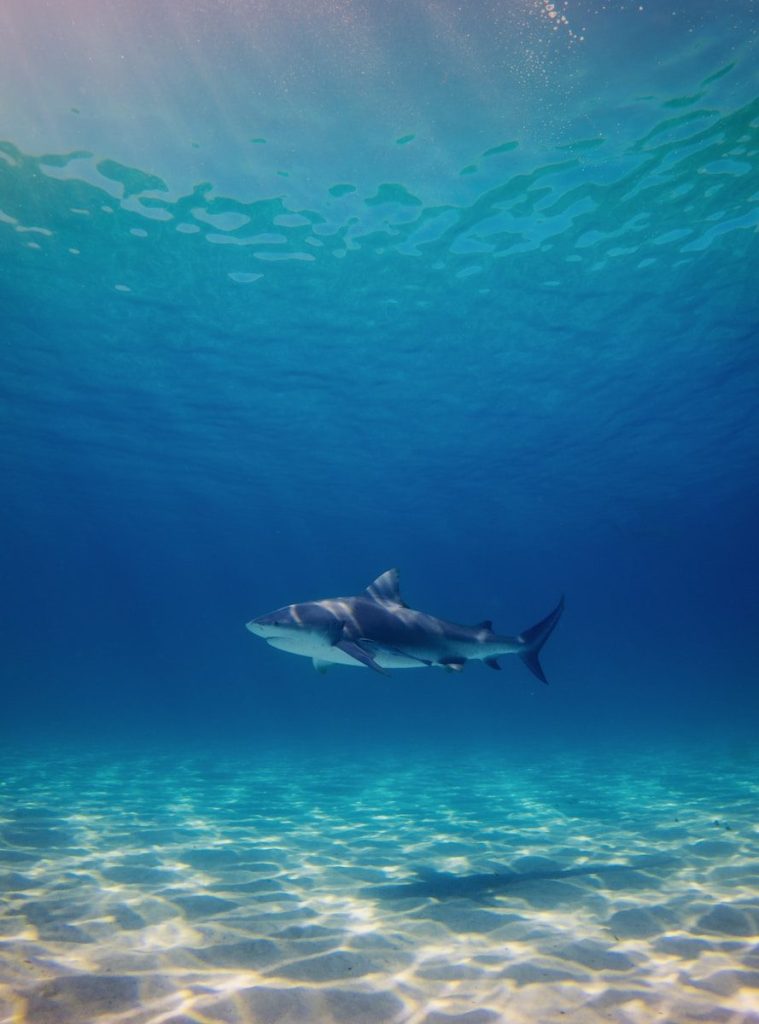
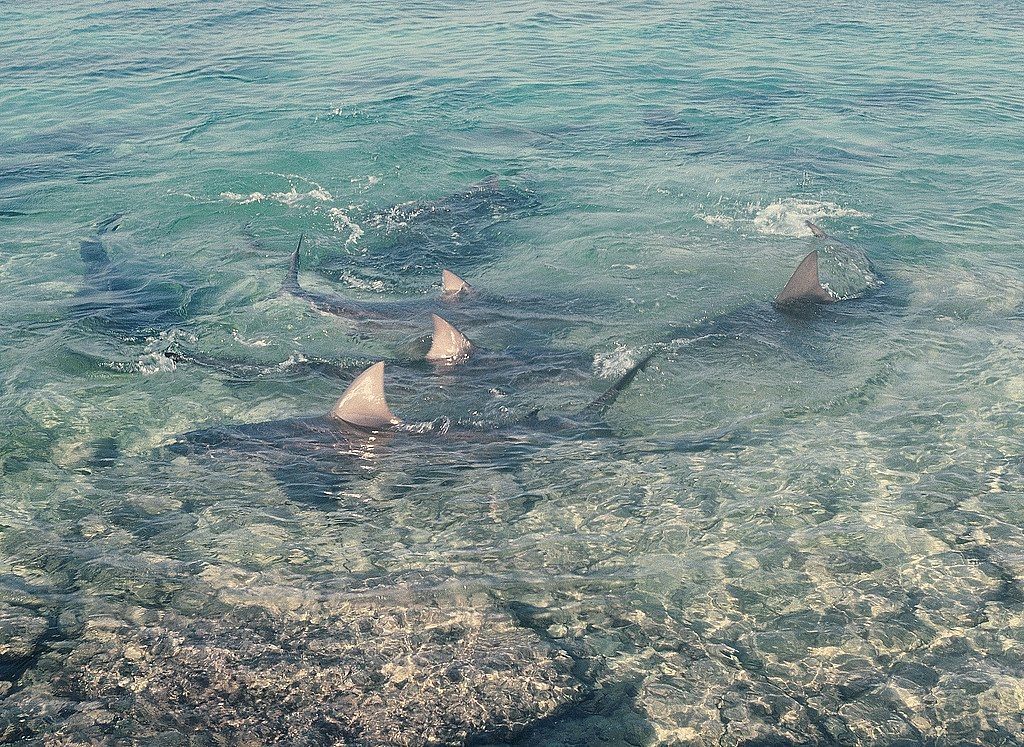
    bull shark beach” by AlKok is licensed under CC BY-NC-SA 2.0

    A major driver of shark decline is shark finning. This practice involves cutting off a shark’s fins and often throwing the rest of the body back into the ocean. The fins are sold for use in certain luxury foods, while the rest of the shark is wasted. This makes the process extremely harmful and unsustainable.

    Even when finning is banned in some countries, illegal or unreported fishing still happens in parts of the world. On top of that, sharks are often caught as bycatch. This means they are accidentally trapped in nets meant for other fish species. Many of these sharks die before they can be released, adding huge pressure to already declining populations.

    Bycatch in industrial fishing operations

    white and blue net
    Photo by Waldemar Brandt on Unsplash

    Bycatch is one of the most widespread threats to sharks today. Large fishing fleets use longlines, trawl nets, and gillnets that stretch for miles in the ocean. These tools are not selective, so they catch anything that swims into them, including sharks.

    Because these operations are massive and operate in many parts of the ocean, millions of sharks are unintentionally caught each year. Even if some are released, many are injured or too weak to survive. Over time, this constant accidental capture adds up and becomes a major cause of population decline across many species.

    Habitat loss and destruction of breeding areas

    school of fish in body of water
    Photo by Hiroko Yoshii on Unsplash

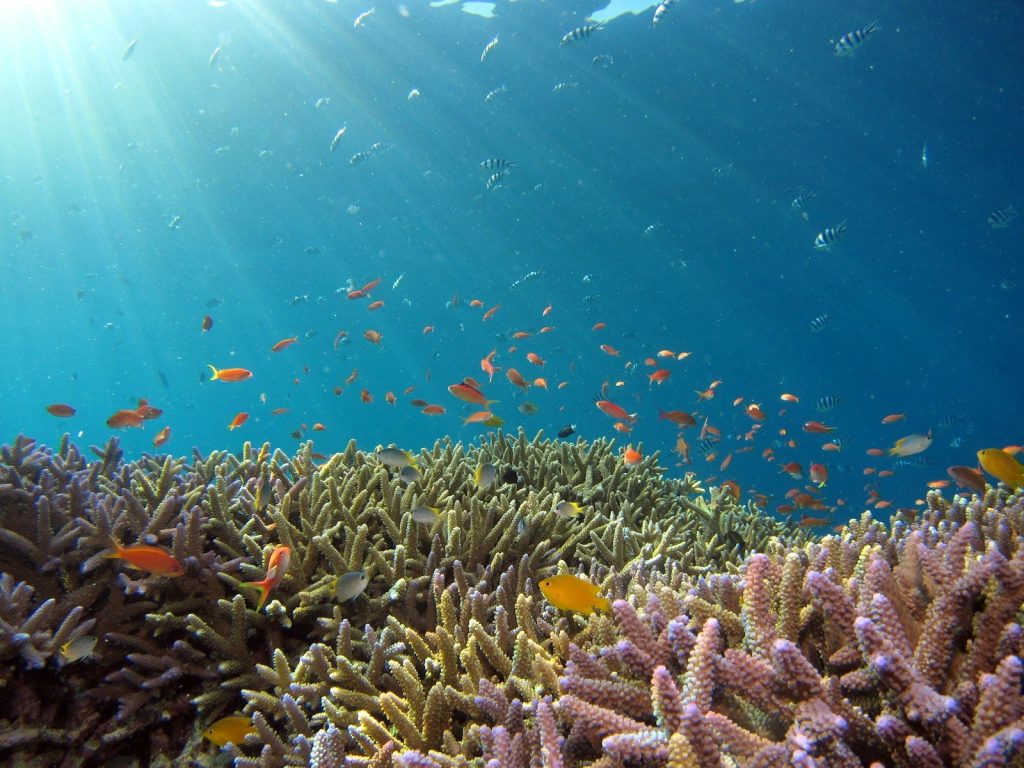
    Sharks do not only depend on open ocean waters. Many species rely on coastal areas like mangroves, coral reefs, and shallow bays to give birth and raise their young. These areas are like nurseries where baby sharks grow safely before moving into deeper waters.

    However, these habitats are being destroyed by human activity. Coastal development, pollution, and destructive fishing methods damage these ecosystems. When shark nurseries disappear, fewer young sharks survive to adulthood. This weakens populations over time and makes recovery even harder.

    Climate change and shifting ocean conditions

    A beach with a lot of umbrellas on it
    Photo by Lawrence Krowdeed on Unsplash

    Climate change is also playing a growing role in shark decline. As ocean temperatures rise, many shark species are forced to move to new areas in search of cooler water. This can separate them from the feeding grounds and breeding areas they depend on.

    Changes in ocean chemistry and rising acidity can also affect the food chain. When smaller fish and marine life decline or move, sharks lose important food sources. Over time, these changes disrupt shark behavior, migration patterns, and survival rates, adding more stress to already struggling populations.

    Weak regulations and poor global enforcement

    lady justice statue with scales and sword
    Photo by Tingey Injury Law Firm on Unsplash

    Even though many countries have rules to protect sharks, enforcement is often weak or inconsistent. Oceans are shared spaces, and sharks migrate across national borders. This makes it difficult to manage them with a single country’s laws.

    In some regions, illegal fishing continues because monitoring is limited. In others, fishing limits are too high or not based on science. Without strong global cooperation, shark protection rules are not enough to stop long-term population decline. This lack of coordination allows overfishing and bycatch to continue in many parts of the world.

  • Western Australia deep-sea survey reveals giant squid and remarkable marine diversity

    Western Australia deep-sea survey reveals giant squid and remarkable marine diversity

    The ocean is still one of the least explored places on Earth. Even with modern technology, scientists know more about some parts of space than they do about the deepest parts of the sea. That is why a recent deep-sea survey off Western Australia has captured so much attention.

    Researchers studying underwater canyons near the Ningaloo coast uncovered evidence of a giant squid and identified an astonishing 226 marine species living in the dark depths below. This discovery highlights how much remains unknown about the ocean and why these hidden ecosystems matter. In this article, you will learn how scientists made the discovery, what species they found, and why the findings could shape future ocean conservation efforts.

    Scientists explored some of Australia’s least-known waters

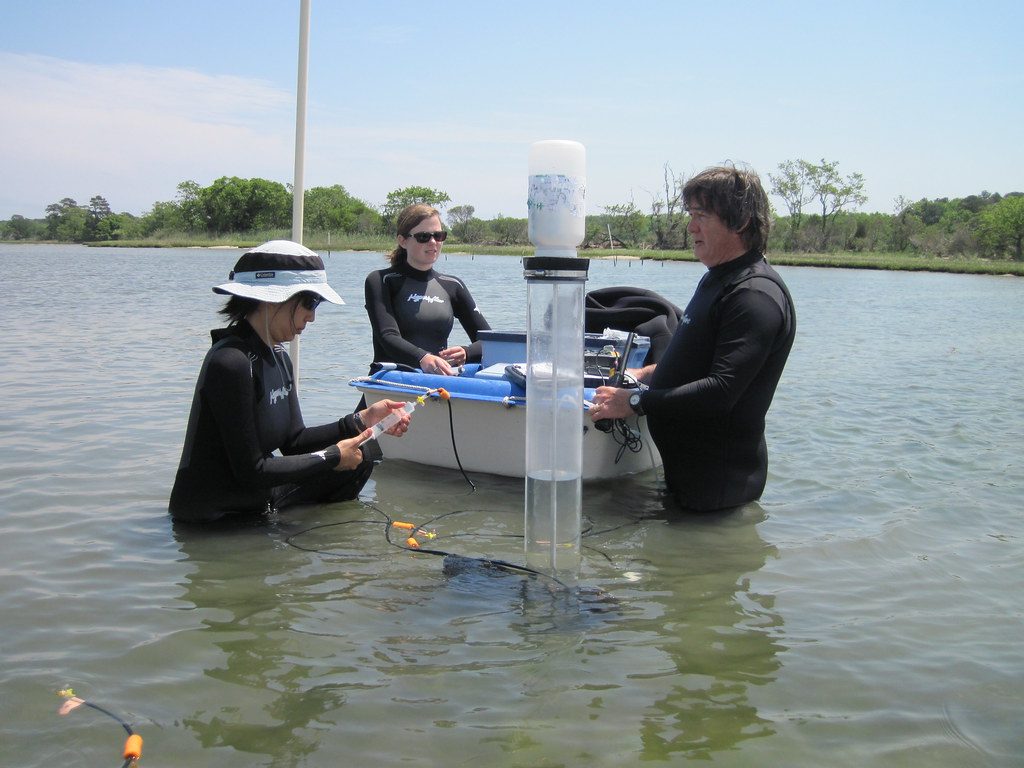
    Marine Scientist Jennifer Stanhope, VASG Graduate Research Fellow Annie Murphy, and Mark Luckenbach take water samples from the cores over the course of the day to measure the nutrient concentrations in the water. ©Margaret Pizer/VASG” by Virginia Sea Grant is licensed under CC BY-ND 2.0

    The discovery came from research conducted in the Cape Range and Cloates submarine canyons off the coast of Western Australia. These deep underwater valleys stretch thousands of feet below the ocean surface and are among the most difficult marine environments to study. Scientists collected water samples from depths reaching more than 14,700 feet, allowing them to investigate life in areas that are rarely visited by humans.

    Because of the extreme depth and pressure, traditional surveys can be expensive and challenging. Researchers instead used a method called environmental DNA, or eDNA. Animals constantly leave tiny traces of genetic material in the water through skin cells, waste, and mucus. By analyzing this DNA, scientists can detect species without needing to catch or even see them directly. This approach opened a window into a hidden world that has remained largely unexplored.

    The giant squid was one of the biggest surprises

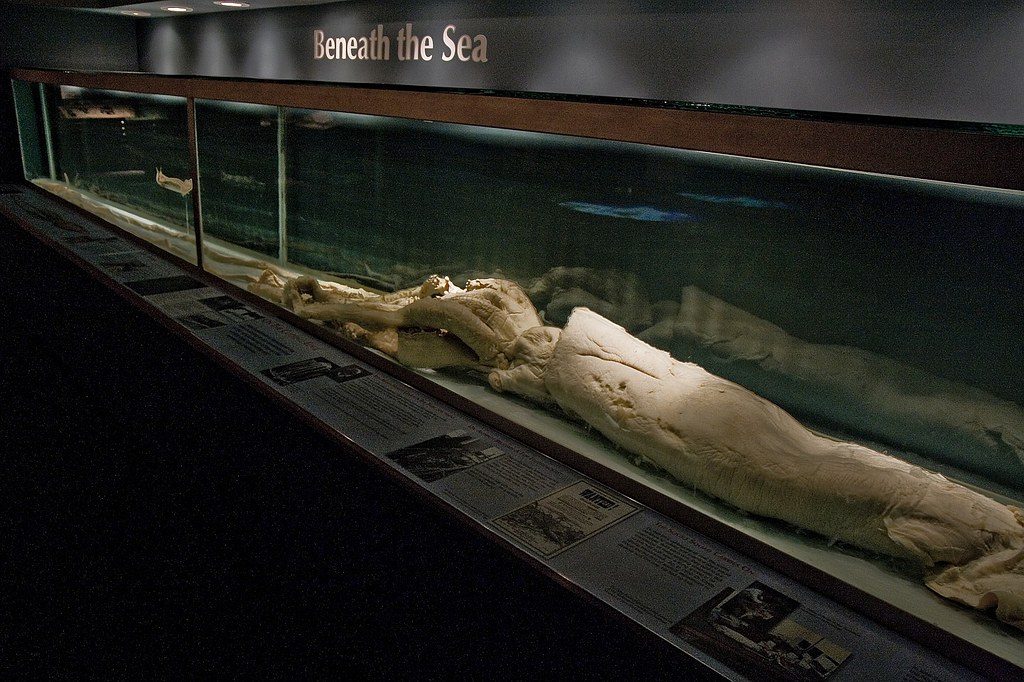
    Giant Squid and Normal Squid” by Zach Bonnell is licensed under CC BY-NC-ND 2.0

    Among the most exciting findings was evidence of the giant squid, one of the ocean’s most mysterious animals. Giant squids can grow between 33 and 43 feet long and have the largest eyes of any known animal. Despite their enormous size, they are rarely seen because they spend most of their lives deep underwater. Scientists detected traces of giant squid DNA in several separate samples collected from the canyons.

    The discovery is especially important because giant squid records in Western Australia are extremely rare. Researchers reported that this is the first time the species has been identified in the region using eDNA methods and represents the northernmost record of the species in the eastern Indian Ocean. Although no live squid was observed, the DNA evidence strongly suggests that these legendary creatures are part of the deep-sea ecosystem in the area.

    More than 200 species were identified

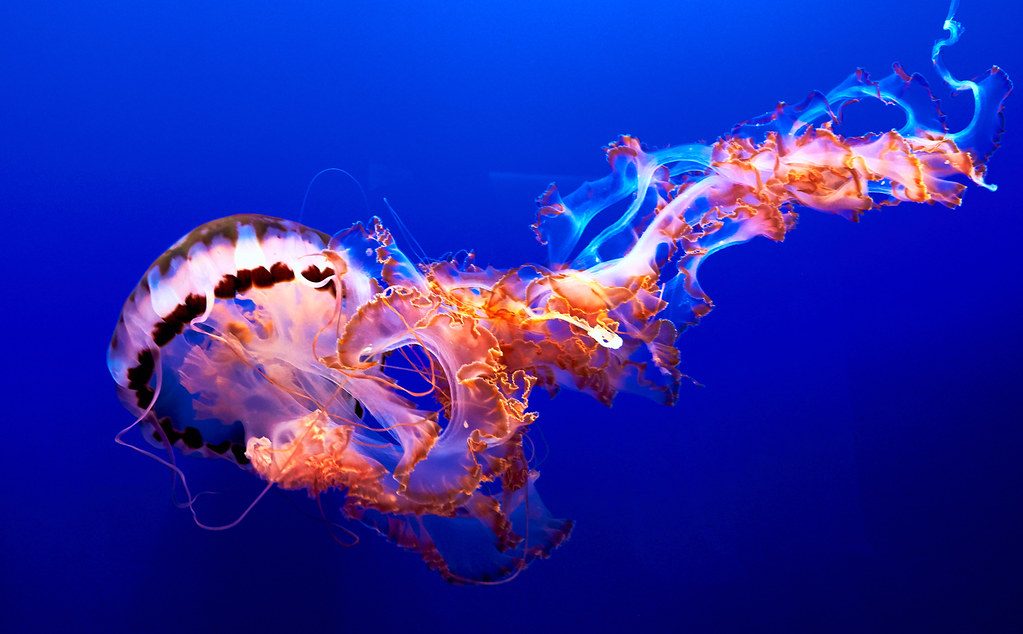
    Jellyfish” by szeke is licensed under CC BY-SA 2.0

    The giant squid was only one part of a much larger discovery. Researchers detected 226 species spanning 11 major animal groups. These included marine mammals, fish, squid, jellyfish relatives, sea cucumbers, starfish relatives, and many other deep-sea organisms. The sheer number of species found in a relatively small survey area demonstrates how rich these deep-water habitats truly are.

    Many of the animals identified are rarely observed in the wild. The survey revealed deep-diving whales, unusual fish species, and creatures adapted to life in complete darkness. The findings show that submarine canyons act as important hotspots of biodiversity, supporting a wide range of life forms that depend on these unique environments for food and shelter.

    Rare species expanded scientists’ understanding

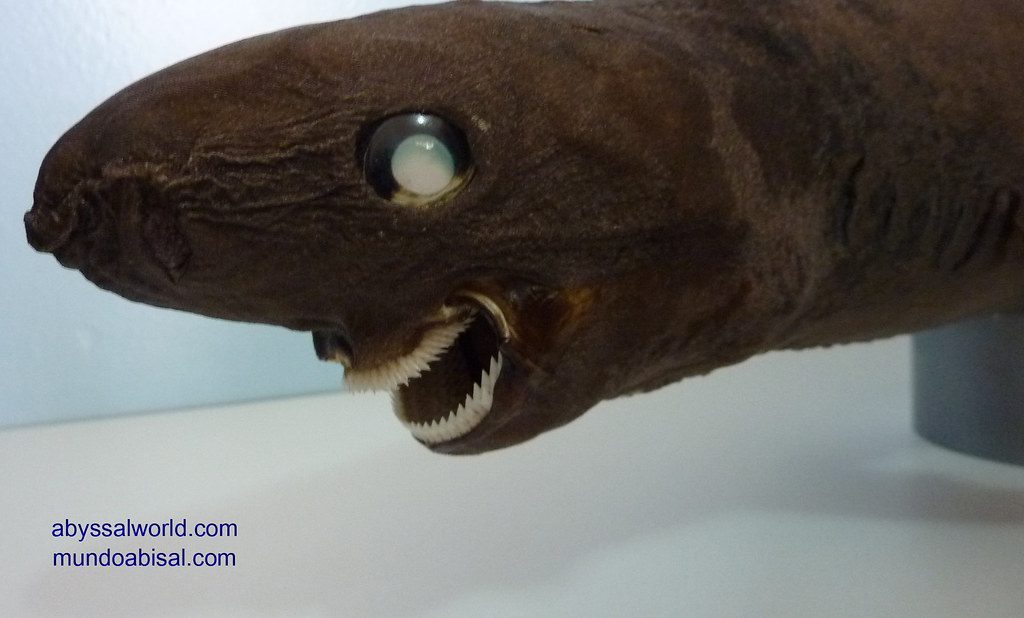
    Abyss shark taxidermy. Sleeper shark. Somniosus rostratus.” by Fran Martín de la Sierra is licensed under CC BY-NC-ND 2.0

    Several species discovered during the survey had never before been recorded in Western Australian waters. Among them were the sleeper shark, the faceless cusk eel, and the slender snaggletooth. These animals are known for living in deep, remote parts of the ocean where direct observations are uncommon. Their presence suggests that the region may support a far wider range of marine life than previously understood.

    The faceless cusk eel is particularly fascinating because it lacks the obvious facial features seen in most fish. Scientists have rarely encountered this species, making its detection an important addition to scientific knowledge. Every new record helps researchers better understand how species are distributed across the world’s oceans and how different ecosystems are connected.

    Some organisms may even be new to science

    three people in lab coats looking at a tablet
    Photo by National Cancer Institute on Unsplash

    One of the most exciting parts of the study is the possibility that some detected organisms may not yet be officially known to science. Researchers found numerous DNA signatures that did not closely match existing records in scientific databases. While this does not automatically mean entirely new species were discovered, it strongly suggests that many deep-sea organisms remain undocumented.

    The deep ocean remains one of the final frontiers on Earth. Scientists estimate that a large percentage of marine species have not yet been formally described. New technologies such as eDNA are making it easier to uncover hidden biodiversity and identify species that might otherwise remain unknown for decades. The survey highlights how much more there is to learn about life beneath the waves.

    The findings could help protect vulnerable ecosystems

    woman looking on microscope inside room
    Photo by Trust “Tru” Katsande on Unsplash

    Beyond the excitement of discovery, the survey has important conservation value. Deep-sea ecosystems face growing pressure from climate change, fishing activities, pollution, and resource extraction. Yet many of these habitats remain poorly understood. Scientists argue that it is difficult to protect species and ecosystems if researchers do not know they exist in the first place.

    The information gathered during the survey provides a valuable baseline for future research and management efforts. By identifying what lives in these canyons today, scientists can better monitor changes over time and understand how environmental pressures affect deep-sea communities. The study also demonstrates the power of modern DNA techniques to reveal biodiversity that would otherwise remain hidden from view.