The idea of a megalodon attack has fascinated people for years. Movies, books, and online videos often show giant sharks attacking boats and swallowing people whole. That naturally leads to a big question: could a human survive a megalodon attack? While no human ever encountered a living megalodon because the species went extinct millions of years ago, scientists can use fossil evidence to estimate what would likely happen if such a meeting were possible.
In this article, you’ll learn how big megalodon was, how it hunted, how powerful its bite may have been, and whether a human would have had any realistic chance of surviving an attack. By looking at what scientists know from fossils and modern sharks, we can separate facts from fiction and get a clearer answer.
What scientists know about megalodon

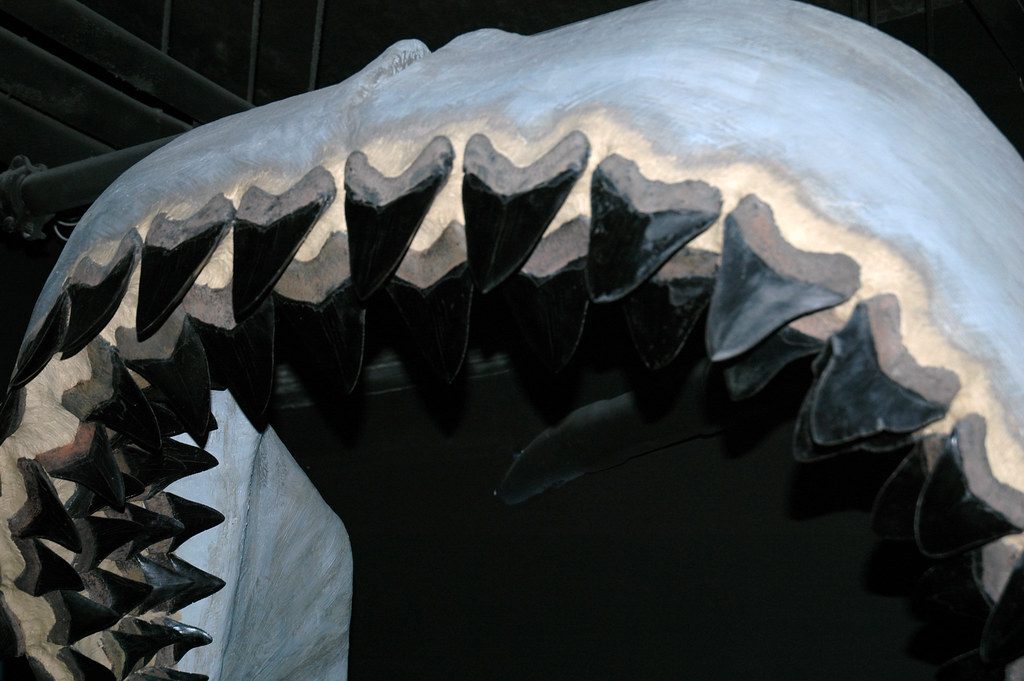
Megalodon was an extinct species of giant shark that lived roughly 23 million to 2.6 million years ago. Fossil discoveries show it was the largest shark ever known and likely the largest fish that ever lived. Some estimates suggest the biggest individuals may have reached lengths of around 50 to 80 feet, although scientists continue to debate the exact maximum size. Its teeth could grow to nearly 7 inches long, making them much larger than those of modern great white sharks.
Unlike the monsters often shown in movies, megalodon was a real animal that dominated ancient oceans. Fossils have been found on nearly every continent, showing that it lived in many parts of the world. Scientists believe it was an apex predator, meaning it sat at the top of the food chain and had very few natural threats.
How powerful was a megalodon bite
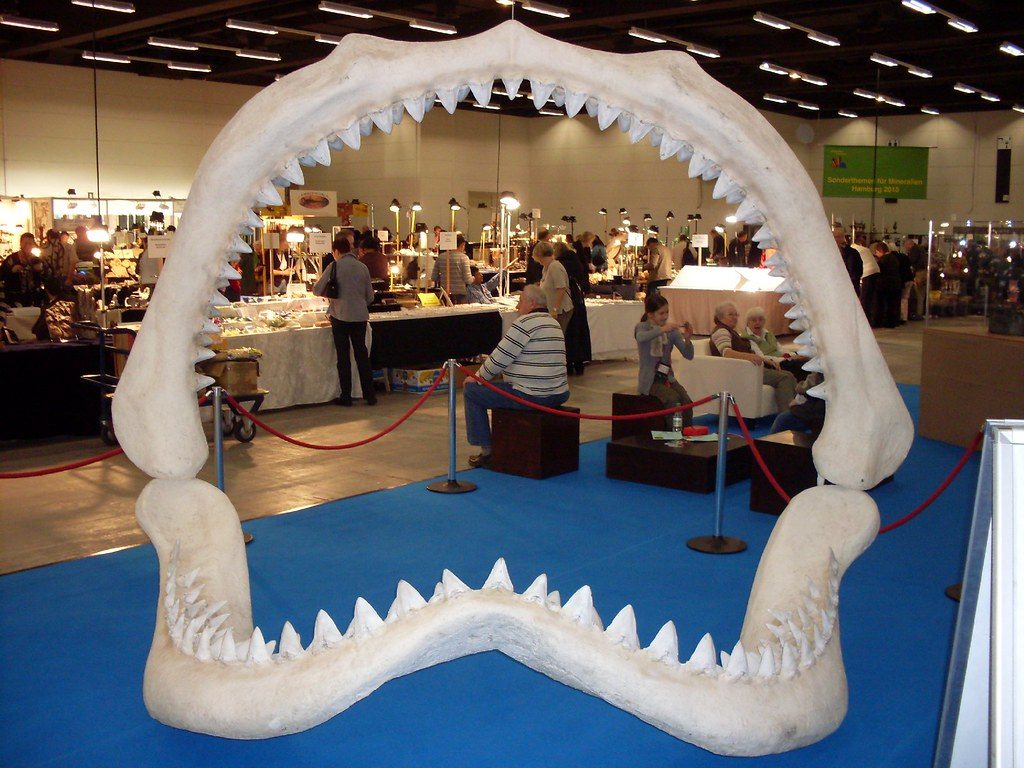
One of the most frightening things about megalodon was its bite. Scientists studying jaw size and tooth structure estimate that it had one of the strongest bites of any animal that ever lived. Its jaws were large enough to fit several humans side by side, and its teeth were designed to cut through flesh and bone.
Researchers believe megalodon used its bite to hunt large marine mammals such as whales. Unlike many modern sharks that often target softer areas, megalodon may have attacked vital parts of its prey. A single bite could cause devastating injuries. For an animal that regularly hunted creatures weighing many tons, a human would have been extremely small and fragile.
What would happen if a human were attacked?
If a megalodon attacked a human directly, survival would be highly unlikely. The size difference alone would be overwhelming. An adult human weighs only a tiny fraction of what megalodon’s normal prey weighed. A shark large enough to hunt whales would have no difficulty biting through a human body.
The greatest danger would not simply be being eaten. The force of the bite would likely cause massive trauma immediately. Serious damage to bones, organs, and blood vessels would occur almost instantly. Even if the initial bite did not kill the person outright, severe blood loss and shock would make survival extremely difficult without immediate advanced medical care.
Could anyone survive a partial attack?

Although a direct full-force attack would almost certainly be fatal, survival might be possible under a very specific scenario. Modern shark attack survivors exist because some sharks deliver a single exploratory bite and then swim away. If a megalodon somehow bit a person only partially and did not continue the attack, there could be a small chance of survival. However, the injuries would likely be catastrophic.
Even in this unlikely situation, the victim would need immediate rescue and emergency medical treatment. The larger the shark, the greater the damage from even a single bite. Since megalodon was several times larger than today’s great white sharks, a “minor” bite from such a creature would still be far more destructive than most shark attacks seen today. Based on what scientists know about its size and hunting ability, the odds of surviving any serious encounter would be extremely low.
Why movies often get it wrong

Many films show people escaping from megalodons through dramatic chases or close calls. While these scenes can be entertaining, they often exaggerate what a real encounter would look like. In reality, an animal of this size would have enormous speed, strength, and momentum in the water. Escaping once it is committed to an attack would be very difficult.
Movies also tend to show megalodon as a creature that still exists in deep oceans today. Scientists do not support this idea. Fossil evidence indicates that megalodon disappeared about 2.6 million years ago. There is no reliable evidence that it survived into modern times. If a giant shark of that size were still alive, scientists would expect to find much stronger evidence than has ever been discovered.
Why megalodon became one of history’s greatest predators
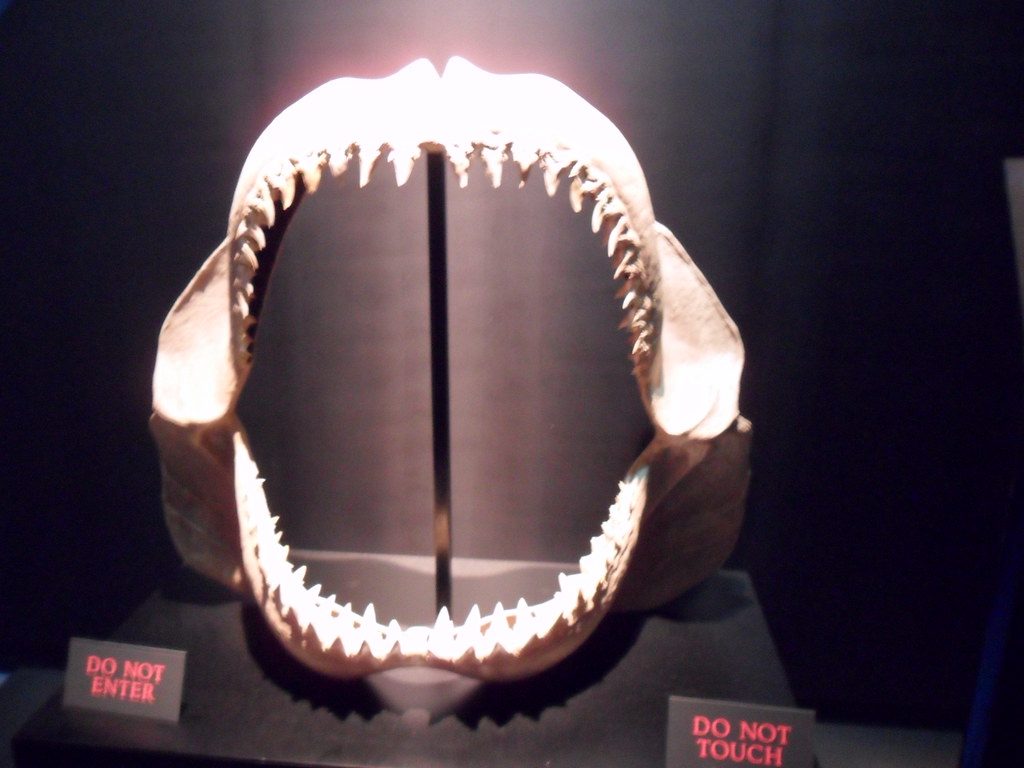
Megalodon’s success came from a combination of size, strength, and access to abundant prey. Ancient oceans contained many large whales and marine mammals that provided enough food for such a massive predator. Its enormous teeth, powerful jaws, and wide geographic range helped it dominate marine ecosystems for millions of years.
Eventually, changing climates, shifting ocean conditions, and increased competition from other predators likely contributed to its extinction. As food sources changed and ecosystems evolved, megalodon could no longer maintain its place at the top of the food chain. Even though it vanished millions of years ago, it remains one of the most impressive predators ever known.
Leave a Reply