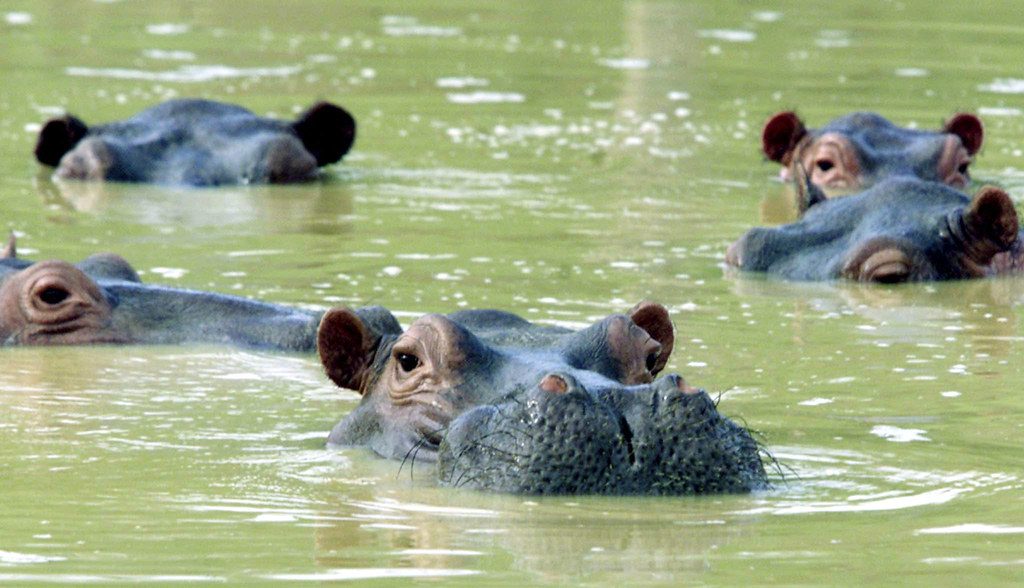
What happens when a few exotic animals are left behind after a powerful figure disappears? In Colombia, that question has turned into a real environmental crisis. Hippos originally brought in by drug lord Pablo Escobar for a private zoo have now multiplied far beyond control and spread through the Magdalena River region.
These animals, often called “Escobar’s hippos,” are no longer confined to one estate and are now moving into new areas, affecting ecosystems, local communities, and wildlife balance.
Today, the hippo population has grown into the hundreds, and experts warn it could keep rising fast if nothing changes. Authorities are now forced to consider extreme solutions, including removing part of the population, as the animals continue expanding into rivers and farmland. This article explains how the situation began, why it escalated, and why it has become one of the most unusual wildlife crises in the world.
How Escobar’s hippos ended up in Colombia
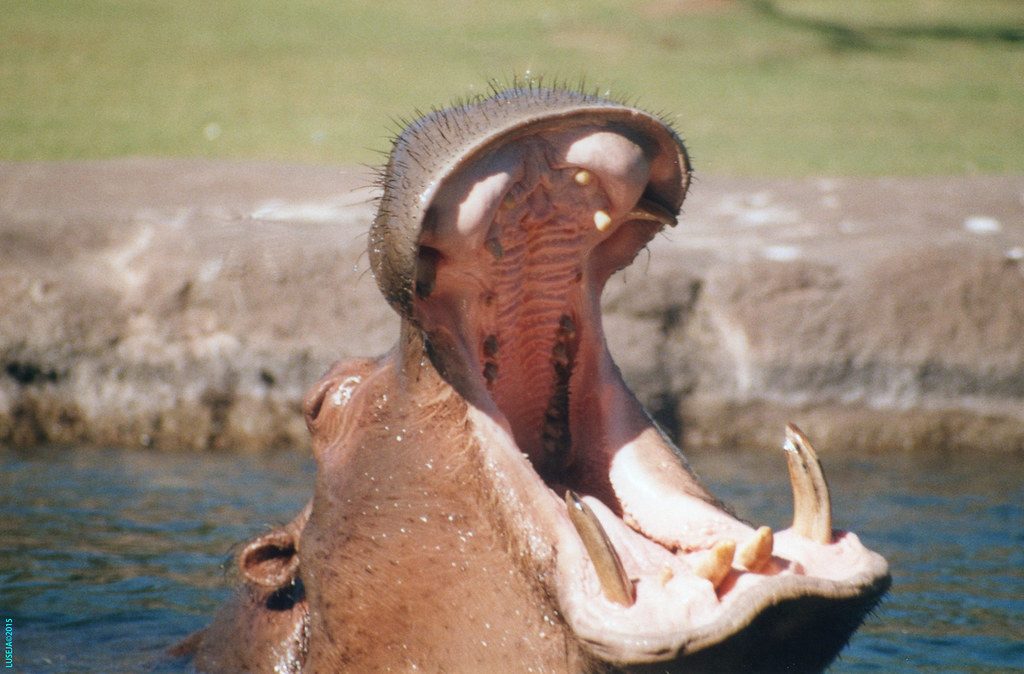
The story begins in the 1980s when Pablo Escobar imported four hippos from Africa to his private estate known as Hacienda Nápoles. At the time, they were part of his personal zoo, along with many other exotic animals. After Escobar’s death in 1993, the estate was abandoned, and most animals were relocated or died out, but the hippos were left behind.
Because hippos are large, adaptable, and have no natural predators in Colombia, they survived easily in nearby lakes and rivers. Over time, they escaped the property completely and began living freely in the Magdalena River basin. What started as a small group quickly became a breeding population, setting the stage for a long-term ecological problem.
Rapid population growth and spread
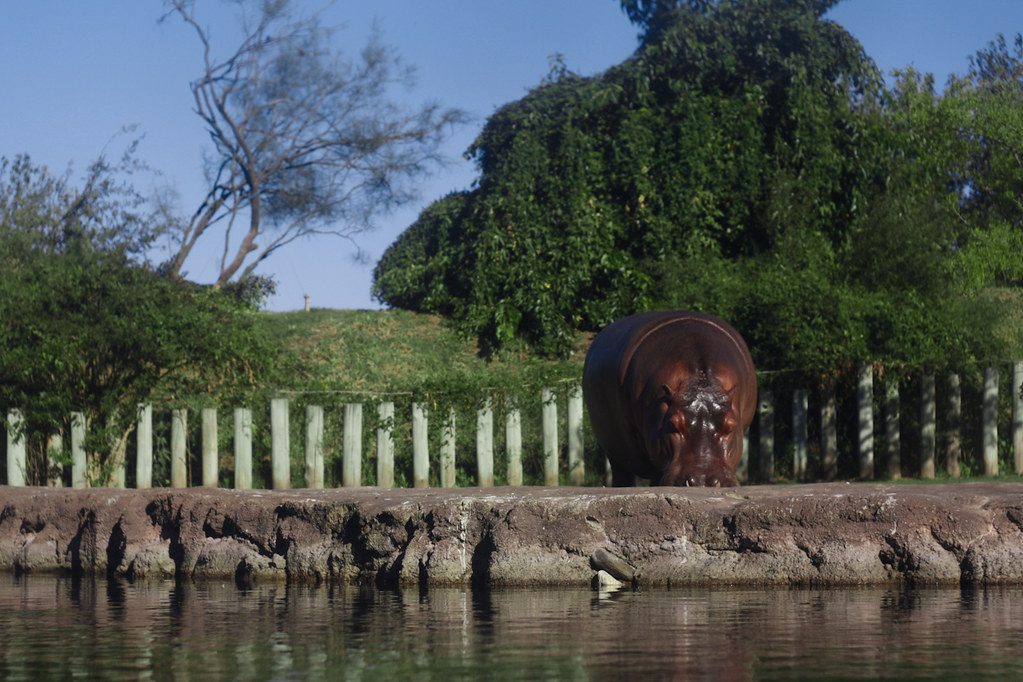
Once the hippos adapted to Colombia’s warm climate and abundant water, their population began growing at an unexpected speed. With stable food sources and no natural enemies, they reproduced faster than authorities could manage. Recent estimates suggest there are now around 160 to 200 hippos in the wild, with projections showing the number could rise dramatically in the coming years if uncontrolled.
The animals have also spread far beyond their original area. They have been spotted miles away from Hacienda Nápoles, moving through rivers and reaching new regions. This spread increases the risk of human encounters, especially in farming and fishing communities that rely on the same waterways.
Environmental impact on rivers and wildlife
The growing hippo population is now having a noticeable effect on Colombia’s ecosystems. Hippos are extremely large animals that spend a lot of time in water, and their waste changes the chemical balance of rivers and lakes. This can reduce oxygen levels in water and affect fish and plant life.
Native species are also under pressure. Animals like river turtles and manatees must compete with hippos for space and food. Since hippos are not part of Colombia’s natural ecosystem, they disrupt the balance that local wildlife depends on. Scientists warn that if the population keeps growing, long-term damage to river ecosystems could become much harder to reverse.
Risks to human communities
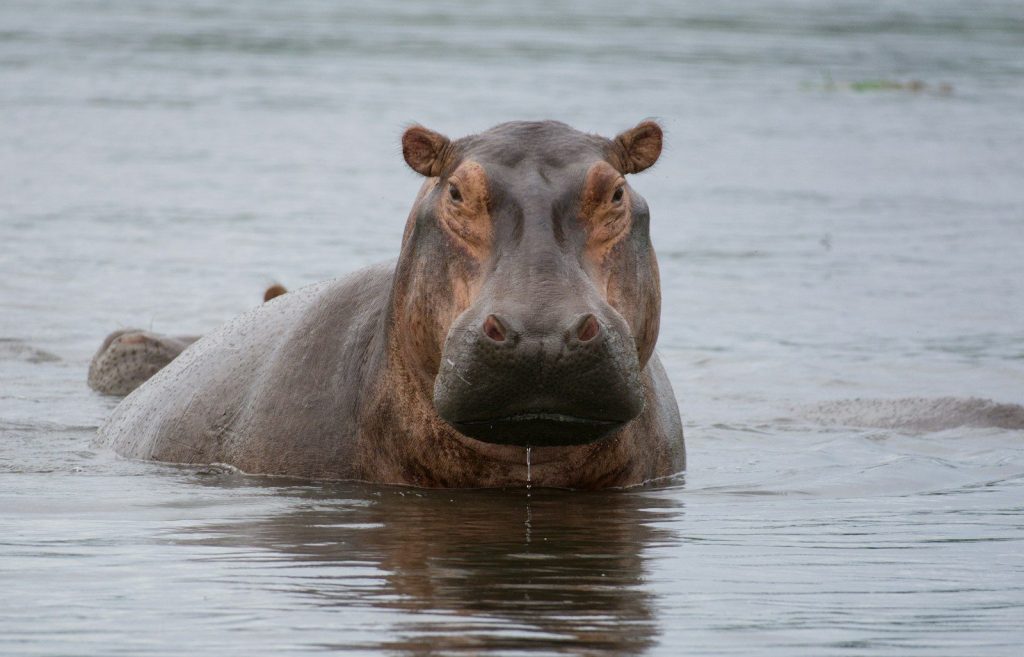
As hippos expand their territory, they are increasingly coming into contact with people. Fishermen, farmers, and river communities have reported close encounters that sometimes turn dangerous. Hippos are highly territorial and can become aggressive if they feel threatened, especially in water.
These encounters create fear among locals who depend on rivers for their livelihood. There have also been reports of property damage and blocked waterways when hippos move through farming areas. Because of their size and speed in water, even a single hippo can pose a serious risk, making coexistence difficult in shared environments.
Government response and control efforts

Colombian authorities have spent years trying to control the hippo population using non-lethal methods. Efforts have included capturing and sterilizing some animals, relocating others, and studying long-term solutions. However, these approaches have been limited by cost, difficulty in safely capturing such large animals, and a lack of international support for relocation.
Because the population continues to grow, the government has recently approved a stronger intervention plan. This includes removing a portion of the hippo population to slow their expansion and protect ecosystems. Officials argue that without intervention, the population could increase significantly in the coming years, making the problem even harder to manage in the future.
Why is the crisis so difficult to solve
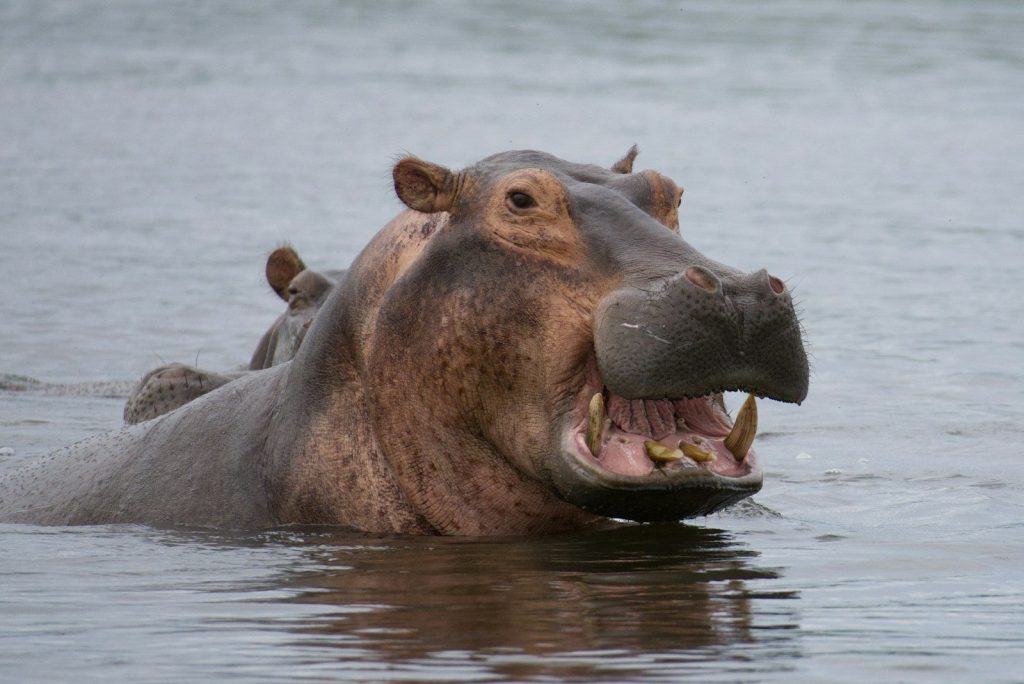
Solving the hippo crisis is not simple because there are no easy relocation options. Moving large numbers of hippos requires specialized facilities, international approval, and long-term funding. Many countries have shown interest in helping, but logistical and regulatory challenges have slowed progress.
Another major issue is biology. The hippos in Colombia come from a very small original group, which has led to genetic limitations. This makes relocation to some conservation programs more complicated. At the same time, leaving them alone is not considered sustainable, because the population continues to grow and spread every year.
Leave a Reply