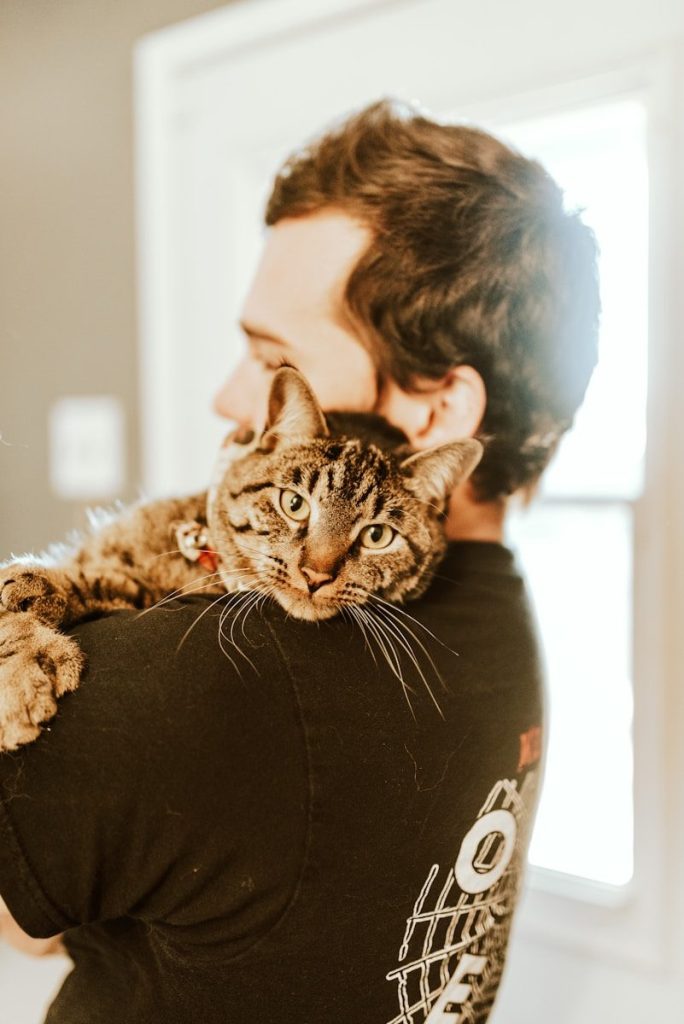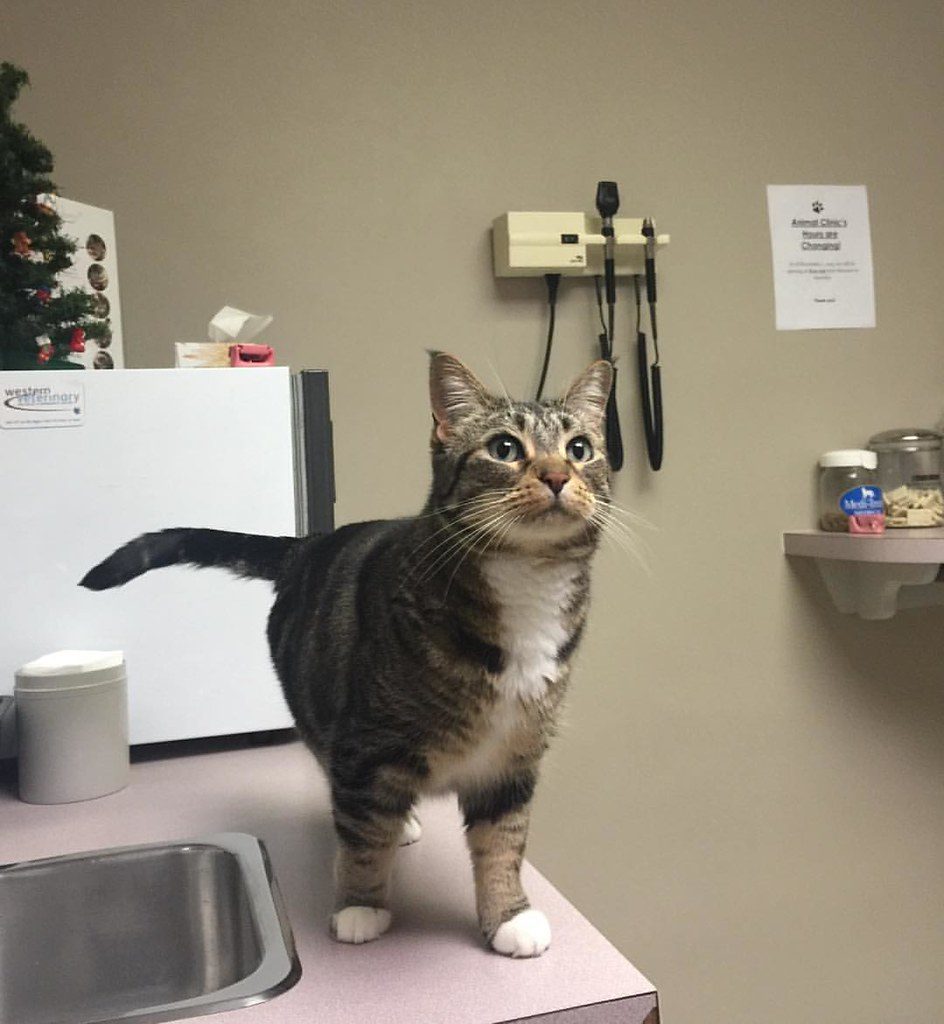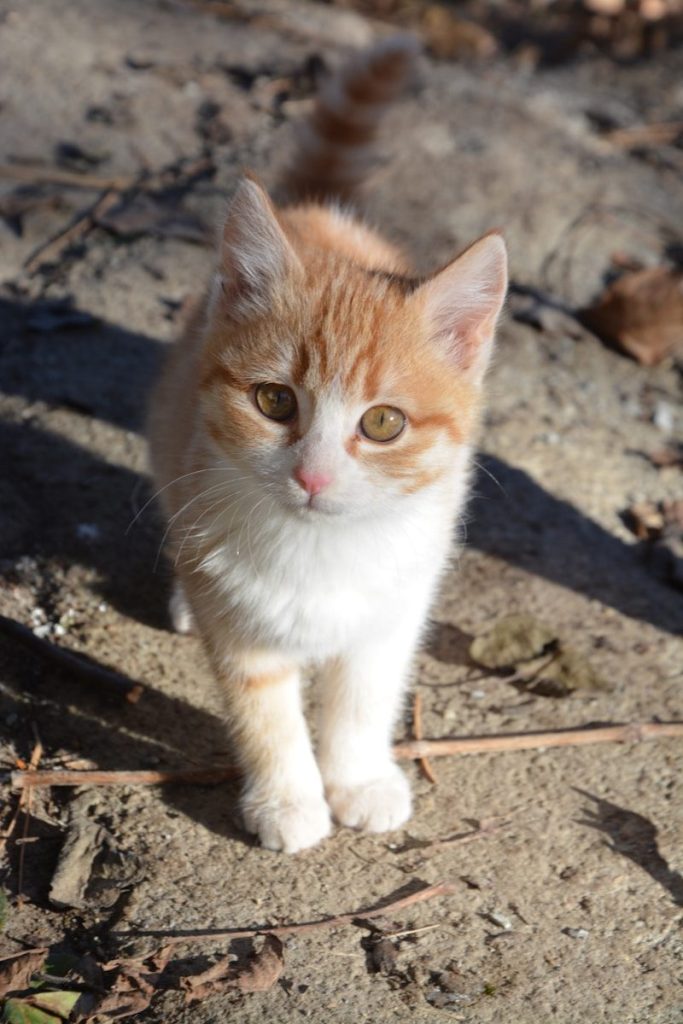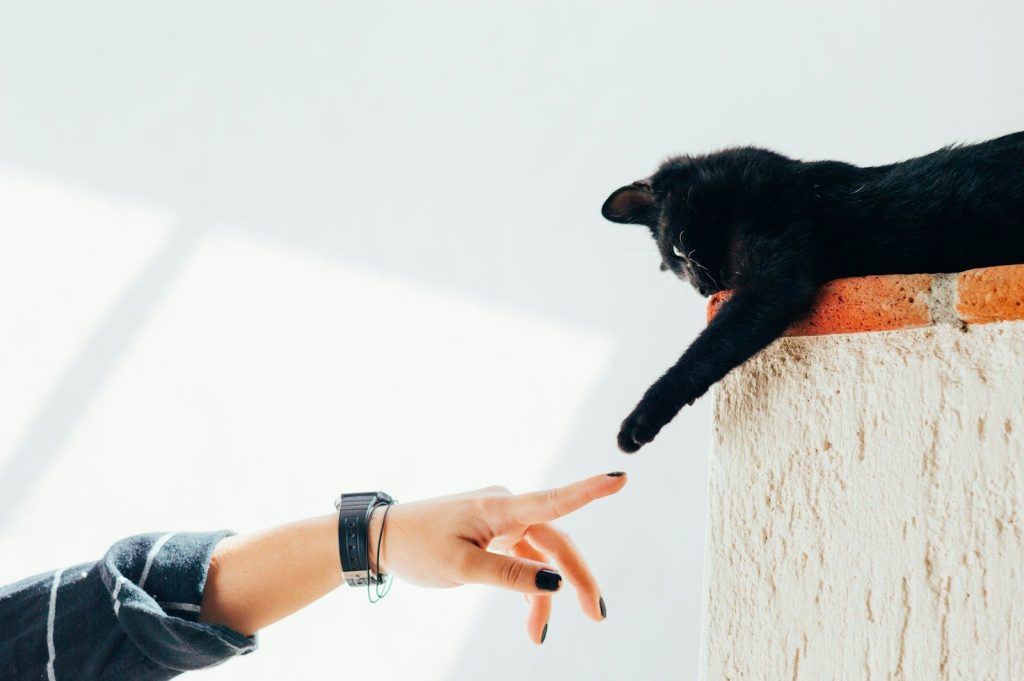
Author: Ethan

  • Police say dog grabbed truck’s steering wheel in crash that killed 82-year-old woman

    Police say dog grabbed truck’s steering wheel in crash that killed 82-year-old woman

    A heartbreaking crash in Minnesota has raised serious concerns after police said a dog may have played a role in a deadly driving incident. The case involves an 82-year-old woman who was killed in a head-on collision when a pickup truck crossed into oncoming traffic. According to investigators, the driver gave conflicting statements about what caused the crash, including a claim that her dog suddenly grabbed the steering wheel.

    This article breaks down what police say happened, who was involved, and how the investigation unfolded. It also explains the charges filed, witness accounts, and why this case is getting so much attention across the United States. By the end, you will clearly understand the key facts of the crash and what authorities believe led to the tragic death.

    What the police say happened on the highway

    a close up of a police car with its lights on
    Photo by Max Fleischmann on Unsplash

    Authorities in Minnesota say the crash happened on a rural highway in Roseau County. A 43-year-old woman was driving a red pickup truck when it suddenly crossed the center line and entered the wrong lane. The truck then collided head-on with an SUV driven by an 82-year-old woman. The older woman died at the scene from her injuries.

    Investigators say witnesses reported seeing the pickup truck swerving before the crash. Some even said it looked like the driver was struggling to stay in control. Police later stated that the pickup had been drifting into oncoming traffic before the final impact, which caused the deadly collision.

    Victim identified and scene details

    an ambulance driving down a street next to a building
    Photo by Walter Dziemianczyk on Unsplash

    The victim in the crash was an 82-year-old woman from Minnesota. She was driving her SUV normally when the collision happened. Emergency responders arrived quickly but confirmed she had died due to the force of the crash.

    Her vehicle reportedly overturned after impact, showing how violent the collision was. Officials said the road conditions at the time were normal, meaning there were no weather problems or hazards that could explain the crash. This made investigators focus more closely on driver behavior and possible distractions inside the pickup truck.

    Driver’s statements and dog claim

    a woman sitting in a car with a steering wheel
    Photo by Jan Baborák on Unsplash

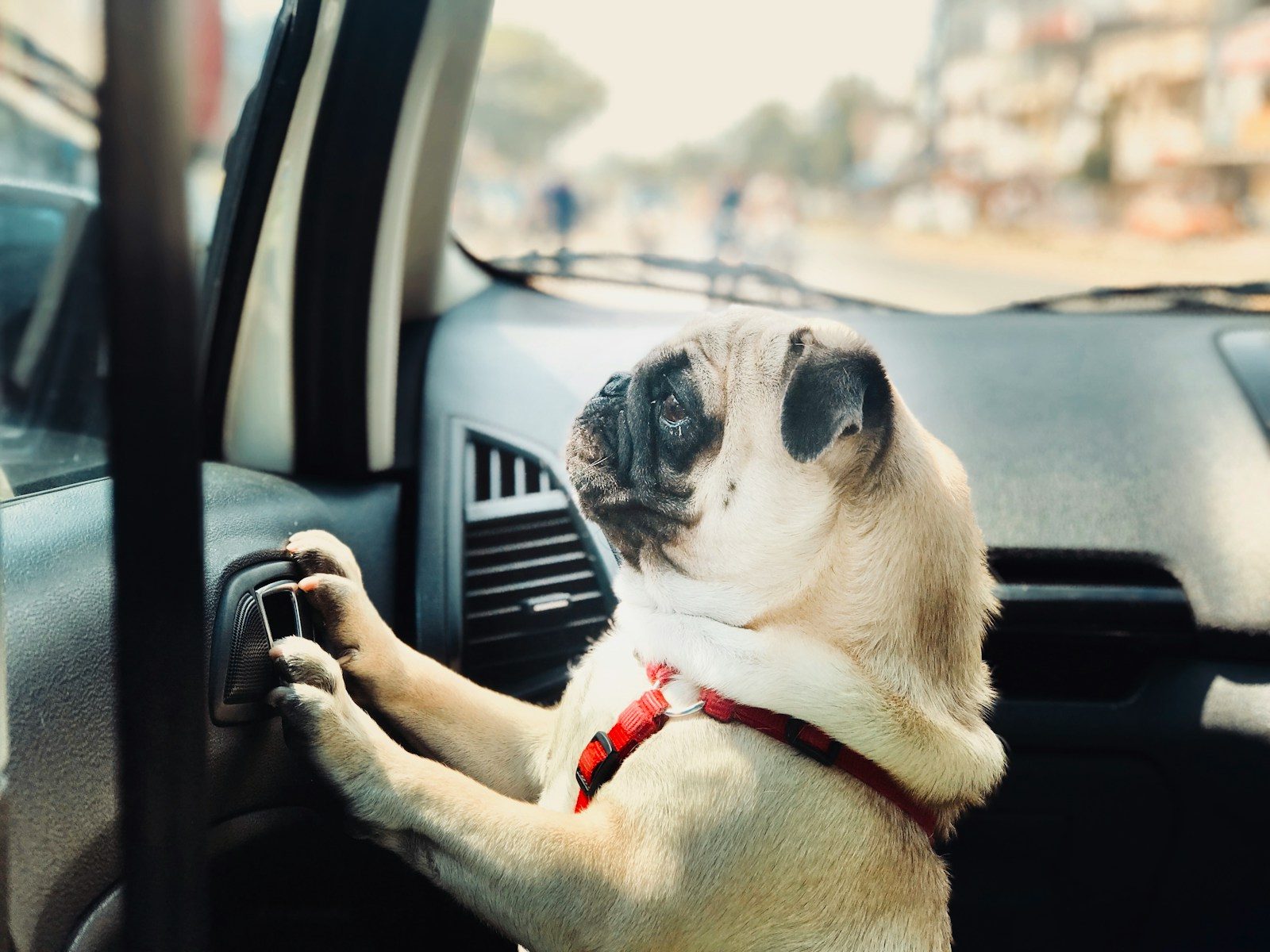
    Police say the pickup driver gave several different explanations for what happened. At first, she reportedly suggested she became distracted while driving. Later, she gave a more unusual explanation, claiming that her dog had jumped or grabbed the steering wheel while she was in motion.

    Investigators noted that her statements did not match witness reports from the scene. Officers also reported that she showed signs of confusion and had slurred speech after the crash. However, she tested negative for alcohol. Authorities later confirmed she had taken prescription medications that could have affected her alertness.

    Witness accounts and police findings

    man in white and green adidas jersey shirt and black hat
    Photo by Ethan Wilkinson on Unsplash

    Witnesses played an important role in helping investigators piece together what happened. One driver said they had to move onto the shoulder of the road to avoid being hit by the pickup truck before the final crash. Another witness described the vehicle as moving unpredictably, almost as if the driver was losing control.

    Police also reviewed the crash scene and vehicle positions. Based on their findings, they believe the pickup truck crossed into the wrong lane multiple times before the collision. This supported the conclusion that the crash was not a single moment of accident but involved a pattern of dangerous driving behavior leading up to the impact.

    Charges and legal consequences

    a long hallway with a bunch of lockers in it
    Photo by Matthew Ansley on Unsplash

    After the investigation began, authorities arrested the 43-year-old driver. She has been charged with vehicular homicide, which is used when a person is accused of causing a death through reckless or impaired driving behavior. Police also noted that she was already on probation for a previous driving-related offense at the time of the crash.

    The legal process is still ongoing, and the driver is expected to appear in court. Officials have not confirmed whether additional charges will be added, but they are continuing to review evidence, including toxicology results and witness statements. The case remains under active investigation.

    Why this case is getting attention

    Man is looking at a screen with his head down.
    Photo by Alicia Christin Gerald on Unsplash

    This crash has drawn attention because of the unusual claim that a dog may have interfered with steering a moving vehicle. While animals can sometimes distract drivers, experts say it is extremely rare for a pet to directly control a vehicle in a way that leads to a fatal crash. That is why investigators are carefully reviewing all possible factors, including distraction, medication effects, and driving behavior.

    The case is also part of a larger concern about roadway safety and distracted driving in the United States. Even brief distractions inside a vehicle can lead to serious consequences, especially at highway speeds. This incident highlights how quickly a moment of lost control can turn into a life-changing tragedy.
  • Horse owner says teen accused of stabbing three racehorses had been stalking her before the attack

    Horse owner says teen accused of stabbing three racehorses had been stalking her before the attack

    When a peaceful horse competition turned into a shocking crime scene, many people were left asking how something so disturbing could happen in a place meant for sport and care. At a recent barrel racing event in Las Vegas, a teenage competitor was arrested after three racehorses were found with stab wounds in their stalls. Now, one of the horse owners is speaking out, saying the teen had been stalking her and showing unsettling behavior before the attack.

    This article explains what happened at the event, what the horse owner has revealed about possible stalking, how the horses were injured, and what authorities have said so far. It also breaks down the investigation and the emotional impact on the riders and animals involved. Readers will gain a clear, simple, and accurate understanding of the case based on verified reporting.

    What happened at the barrel racing event

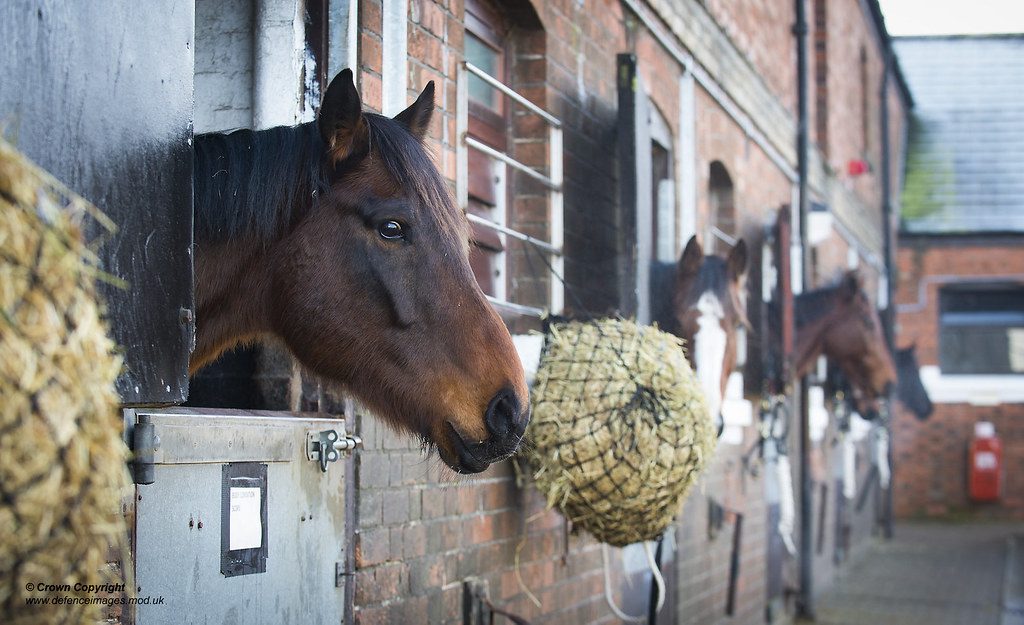
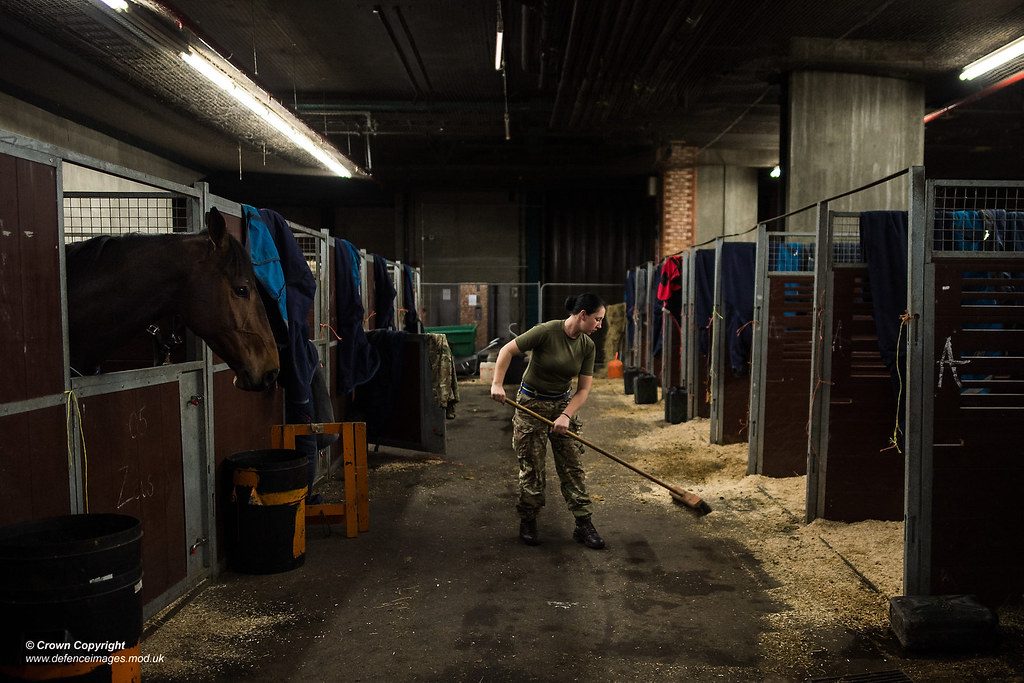
    Kings Troop Royal Horse Artillery stables” by Defence Images is licensed under CC BY-NC-ND 2.0

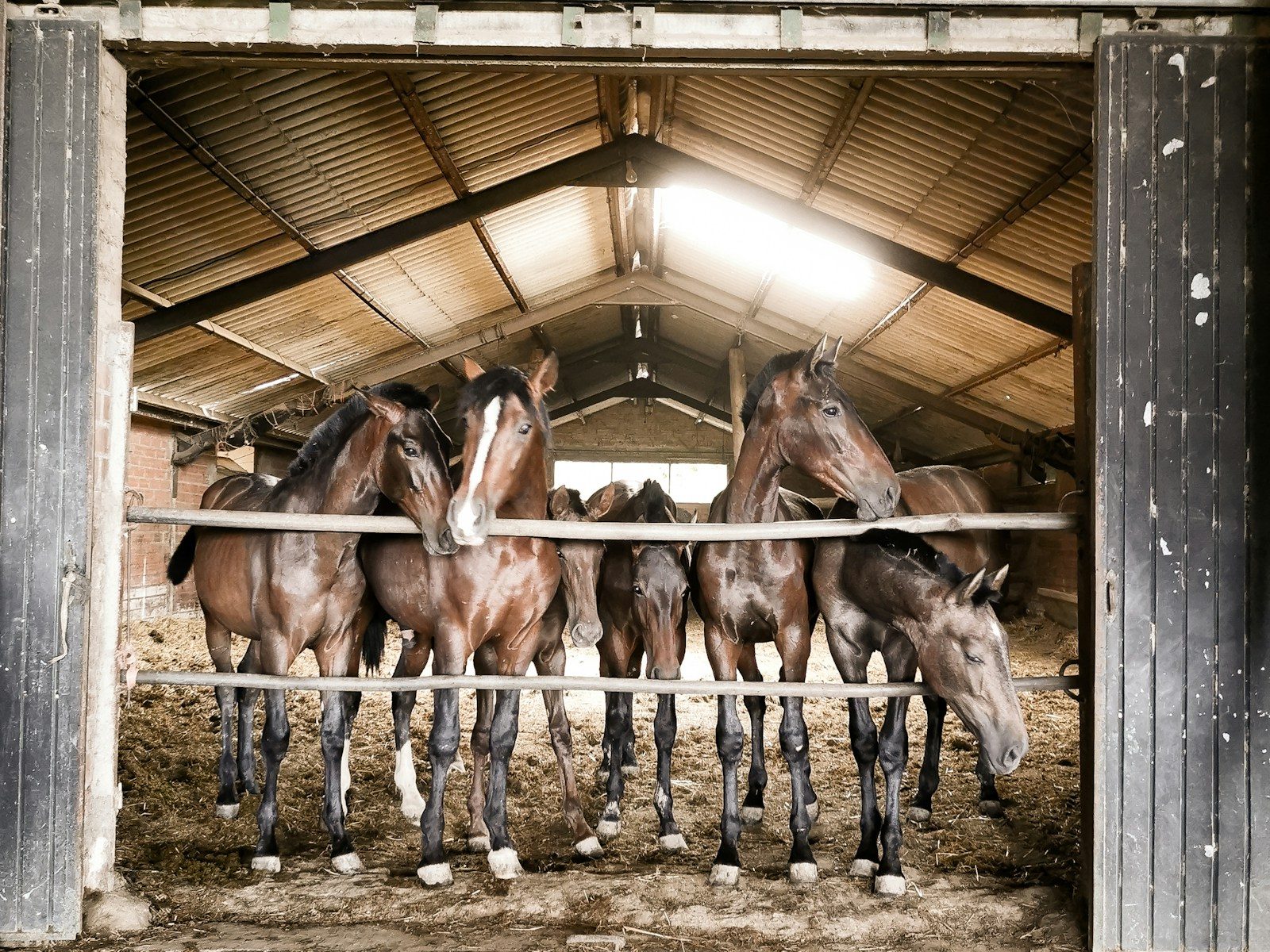
    The incident took place during a major National Barrel Horse Association competition in Las Vegas at a large equestrian venue. According to law enforcement reports, three horses were discovered injured inside barn stalls during the early morning hours while the event was still underway.

    Investigators say a teenage competitor at the event was later arrested at a nearby hotel. She is accused of using a sharp object to stab the horses, causing multiple wounds. Although the injuries were not considered life-threatening, they were serious enough that the horses could not compete and required veterinary treatment and stitches.

    How the horses were injured and treated

    Horses are returning to London” by Defence Images is licensed under CC BY-NC-SA 2.0

    The horses involved belonged to different riders competing at the event. One horse reportedly suffered multiple stab wounds, including injuries that caused significant bleeding and distress. Another horse was also injured but survived with medical care, while a third horse narrowly avoided more serious harm.

    Veterinarians at the scene treated all of the injured animals quickly. The horses were sedated, stitched, and monitored for trauma. While they are expected to recover physically, riders have said the emotional and behavioral effects on the animals have been severe, including fear responses and anxiety around people after the attack.

    Allegations of stalking before the attack

    woman talking on the phone
    Photo by Taylor Grote on Unsplash

    One of the horse owners has now shared troubling details about her interactions with the accused teen before the incident. She said the teen had followed her on social media and made repeated attempts to connect with her during horse events.

    The owner also claimed the teen had approached her at previous competitions and made comments about her horse’s markings. She described feeling uncomfortable and said there were moments that felt like unwanted attention building over time. According to her account, these interactions raised concerns even before the violent incident took place.

    What witnesses and competitors reported

    IMG_4924” by Madding Crowd is licensed under CC BY-NC-SA 2.0

    Other competitors at the event also described unusual behavior in the days leading up to the attack. Some said the teen had been seen near stalls and walking through barn areas at times that did not seem related to competition needs.

    Witnesses reported that after the horses were injured, the scene inside the barn was chaotic, with blood and distress among animals and riders. Several competitors said they were shocked because security at equestrian events is usually strong, and such an incident is extremely rare in this sport.

    Law enforcement investigation and charges

    a close up of a police car with its lights on
    Photo by Max Fleischmann on Unsplash

    Police responded to the scene after the injured horses were discovered and quickly identified a suspect. The teenager was taken into custody at a nearby hotel shortly after the incident. Authorities said she had access to the barn area as a competitor, which is how she was able to move around the facility.

    She now faces multiple felony charges related to animal cruelty and property destruction. Officials have not publicly confirmed all possible motives, but they are actively reviewing surveillance footage, witness statements, and digital evidence. Investigators are also looking into whether prior behavior or communication patterns may be relevant to the case.

    Impact on the horse community and ongoing concerns

    Mammoth Cave NP Horse Stable” by sniggie is licensed under CC BY-NC-SA 2.0

    The incident has deeply affected the barrel racing community, where horses are treated as both athletes and partners. Riders have described feeling unsafe and emotionally shaken, especially since the attack happened in a controlled competition environment where trust is essential.

    Event organizers have stated that they are working closely with law enforcement and improving security measures. Many competitors are also focusing on helping the injured horses recover while supporting one another through what they describe as a deeply traumatic event.

  • Terri Irwin shares which animal made Steve Irwin feel uneasy

    Terri Irwin shares which animal made Steve Irwin feel uneasy

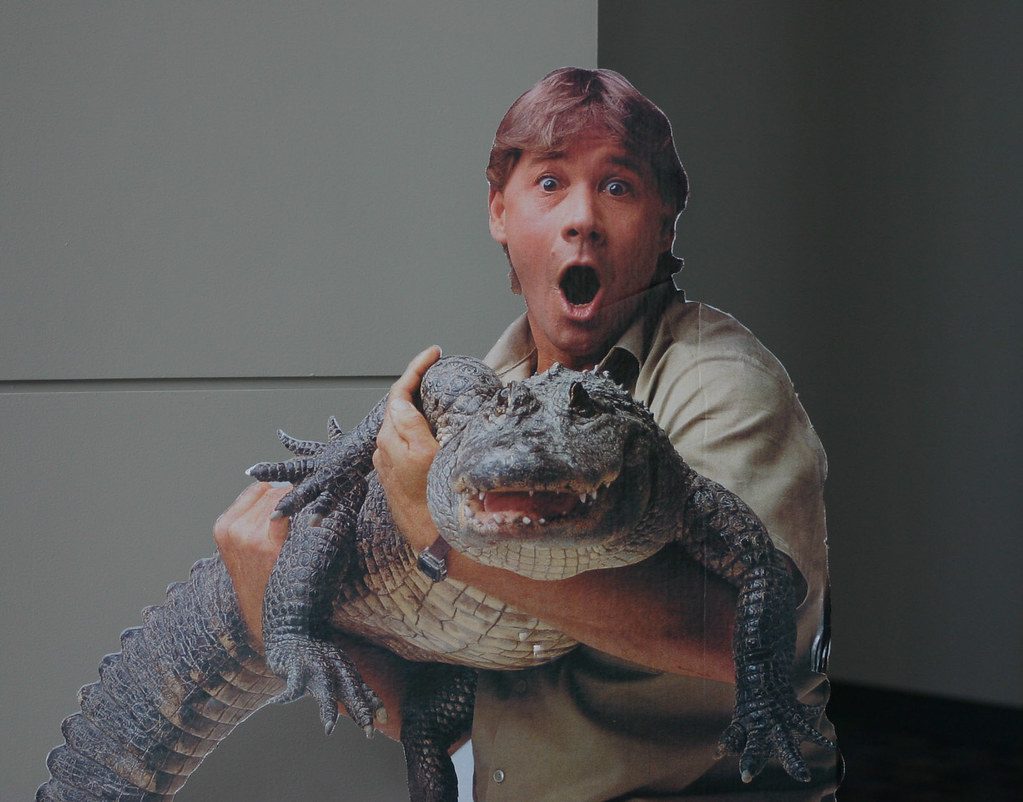
    Steve Irwin was known around the world as the fearless “Crocodile Hunter,” a man who worked closely with some of the most dangerous animals on Earth. But even someone like Steve had a surprising soft spot when it came to certain creatures. Recently, Terri Irwin shared a fun and unexpected detail about her late husband that caught fans’ attention.

    She revealed the one animal that actually made Steve feel uneasy, despite his bold reputation. In this article, you will learn what Terri said, why this animal stood out, and how it fits into Steve Irwin’s life and work. You will also get a closer look at his personality beyond the TV shows and wild animal encounters.

    Steve Irwin’s fearless reputation in wildlife

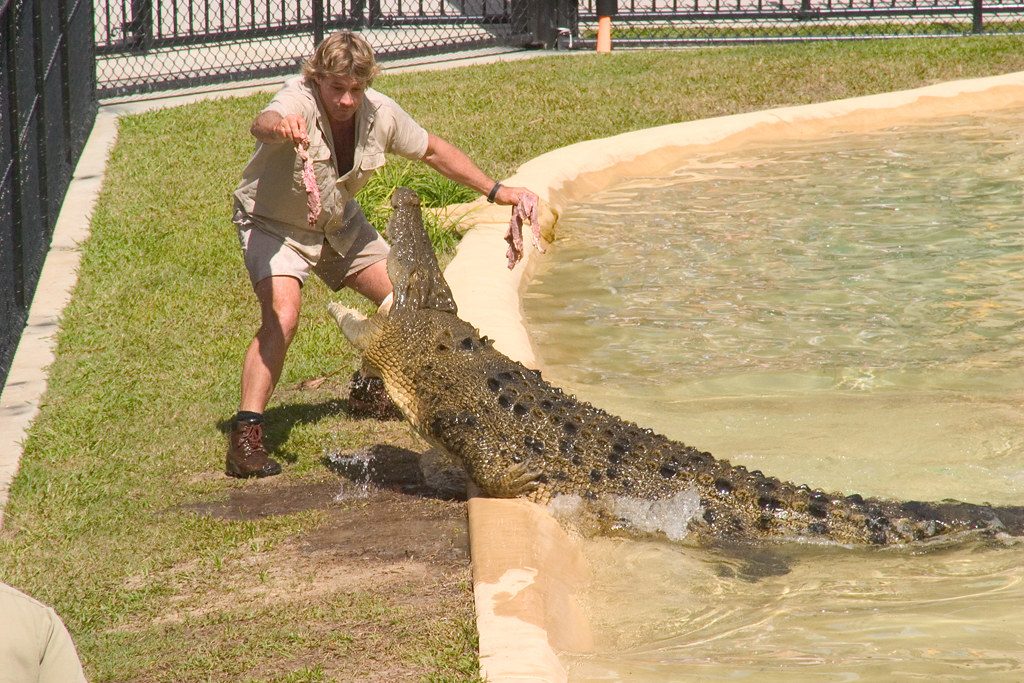
    Steve Irwin, ‘Crocodile Hunter’” by dbking is licensed under CC BY 2.0

    Steve Irwin built his entire career on fearlessness and passion for animals. He became famous for getting close to crocodiles, snakes, and other creatures that most people would never dare to approach. His confidence made him a global icon and helped millions of viewers learn more about wildlife conservation in a fun and exciting way.

    Even though he often appeared completely fearless, Steve always made it clear that he respected every animal he worked with. He understood their behavior and knew the risks involved in handling them. This respect for nature was a big part of why he was so successful and why people trusted him as a wildlife expert.

    Terri Irwin’s surprising revelation

    three blue-and-yellow parrots on tree branch
    Photo by Sid Balachandran on Unsplash

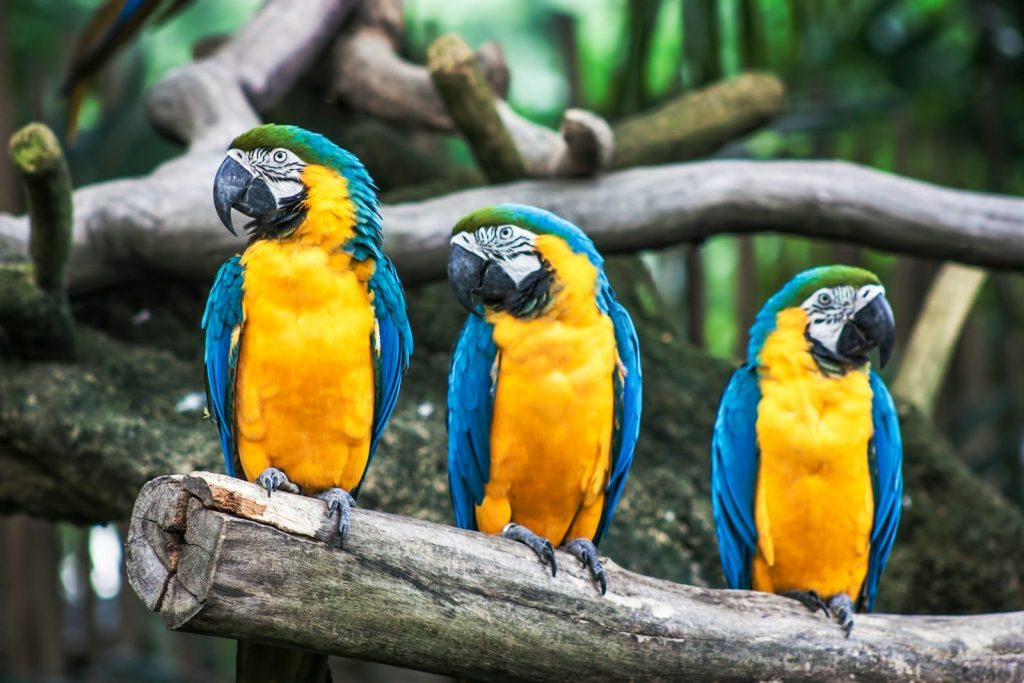
    Terri Irwin shared in a public post that there was one animal that made Steve a little nervous, and it was not a crocodile or a snake. Instead, she revealed that parrots were the creatures that tended to put him on edge. According to Terri, these birds were quick, unpredictable, and sometimes even a bit mischievous when interacting with him.

    She explained that parrots would often try to bite or surprise Steve before he could react, which made him more cautious than usual. Fans were surprised by this detail because it contrasted so strongly with his fearless image. The idea that parrots, of all animals, could unsettle Steve Irwin added a lighter and more humorous side to his legacy.

    Why parrots made Steve Irwin uneasy

    flock of yellow bird flying
    Photo by Gareth Davies on Unsplash

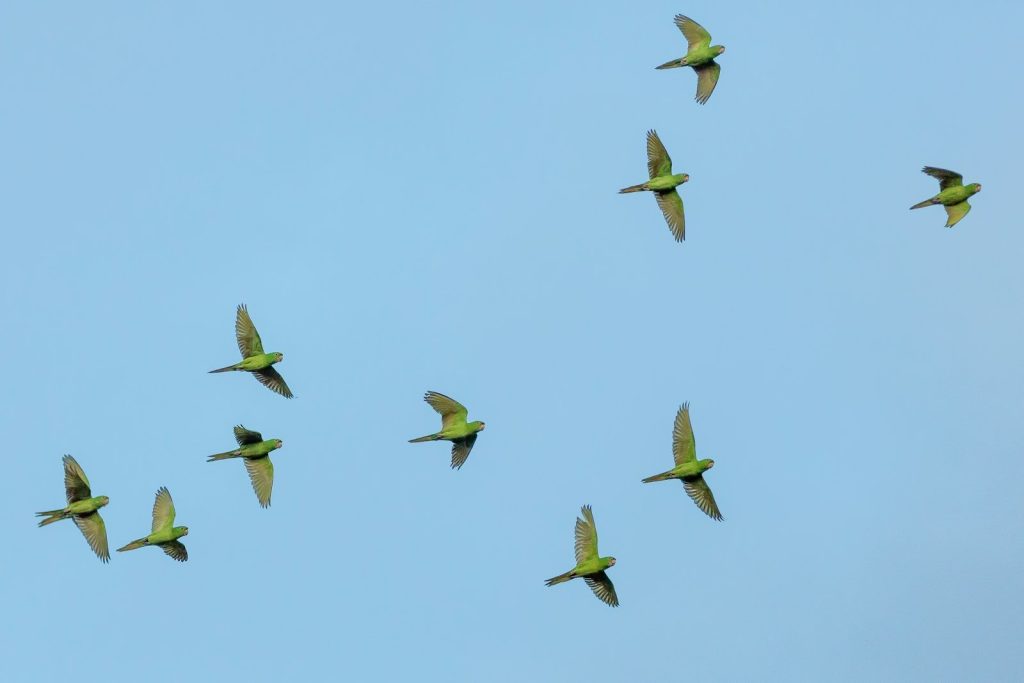
    Parrots may look colorful and friendly, but they can also be very sharp, fast, and unpredictable. Steve Irwin was used to reading animal behavior, but parrots behave in ways that can change quickly. Their beaks are strong, and they can react suddenly, which means even experienced handlers need to stay alert around them.

    Terri’s story suggests that Steve respected these birds in a different way compared to larger wildlife. While crocodiles rely on strength and territory, parrots rely on speed and surprise. That difference likely made interactions with parrots harder to predict, even for someone as skilled as Steve.

    Steve Irwin’s deep respect for all animals

    Hands gently holding a baby crocodile in an outdoor setting, showcasing wildlife interaction.
    Photo by Los Muertos Crew on Pexels

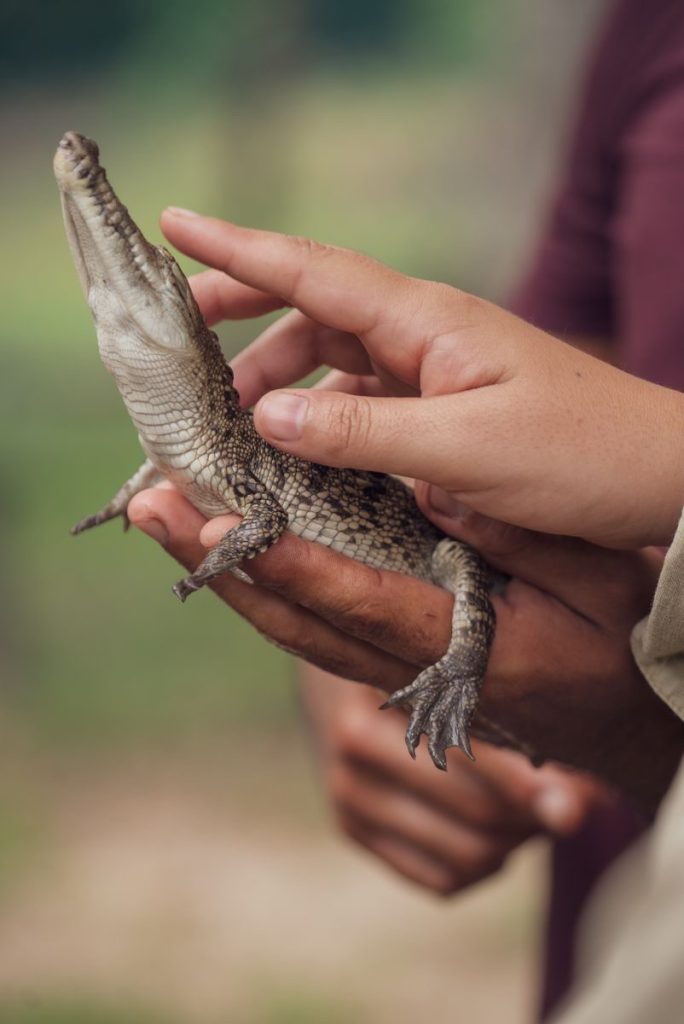
    Even though parrots made him uneasy, Steve Irwin never avoided animals because of fear. Instead, he always approached them with curiosity and caution. His goal was to understand wildlife and teach others to respect it rather than fear it. This mindset was central to his work at the Australia Zoo and in his television shows.

    Steve believed that every animal, no matter how small or large, played an important role in the environment. Whether it was a crocodile or a parrot, he treated each creature with care and attention. This respect helped him connect with audiences and inspire people around the world to care more about wildlife conservation.

    How Terri and Steve shared animal experiences

    Terri Irwin during a TV show at the Zoo” by berniedup is licensed under CC BY-SA 2.0

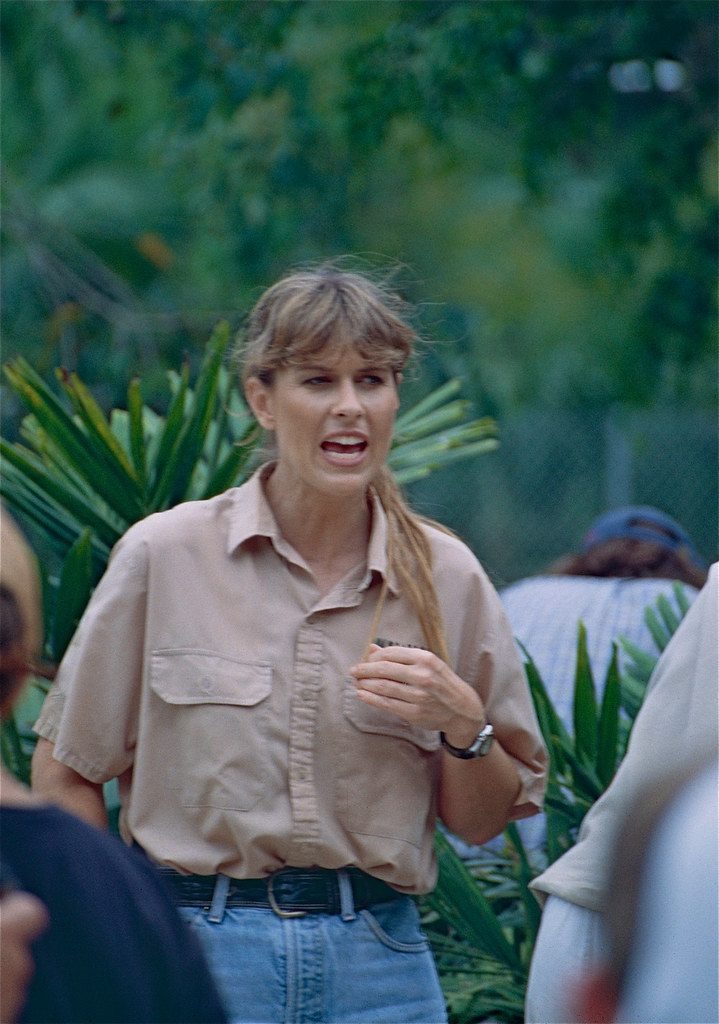
    Terri Irwin often worked alongside Steve during his wildlife adventures, giving her a close view of his interactions with animals. She witnessed both his confidence and the rare moments where he showed caution. Her stories help paint a fuller picture of Steve as both a fearless wildlife expert and a careful observer of nature.

    Their partnership was built on trust, teamwork, and a shared love for animals. Terri’s recent comment about parrots highlights the everyday moments they experienced together behind the scenes. It shows that even in a life filled with dangerous wildlife, there were still lighthearted and unexpected surprises.

    The lasting legacy of Steve Irwin’s animal encounters

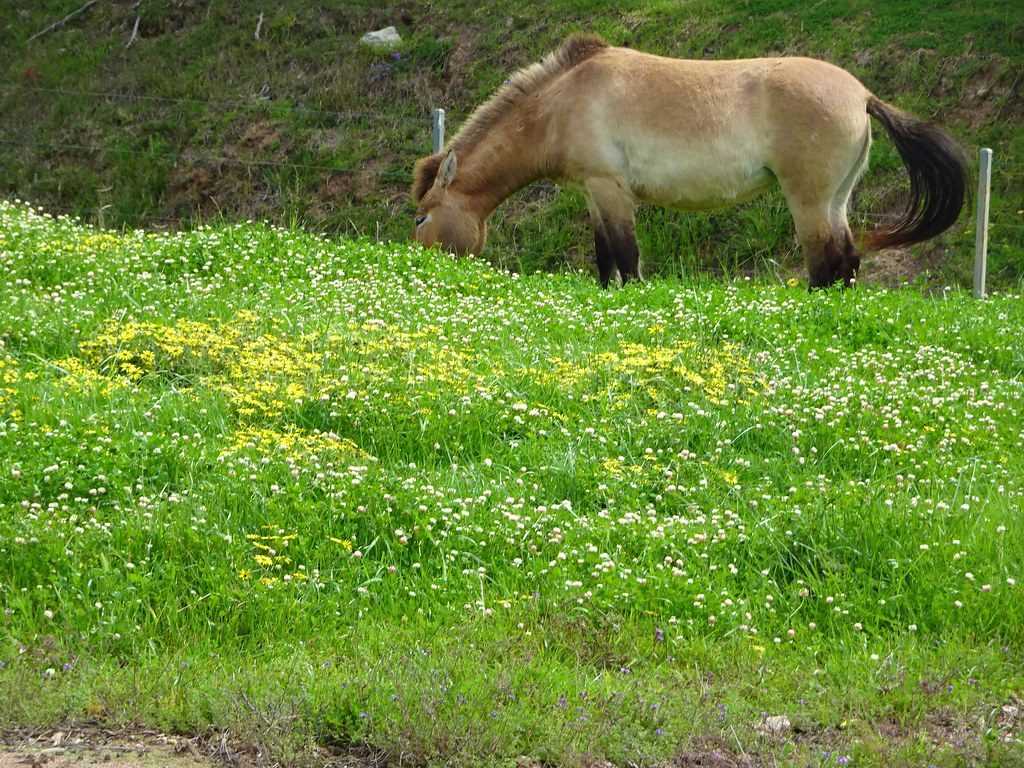
    Dubbo Zoo. Przewalski’s horse also known as Takhi. From Mongolia.” by denisbin is licensed under CC BY-ND 2.0

    Steve Irwin’s legacy continues through his family and their ongoing work in conservation. His children, Bindi and Robert Irwin, along with Terri, continue to run Australia Zoo and educate people about wildlife. Stories like the one about parrots help keep Steve’s memory alive in a relatable and human way.

    Fans still celebrate not just his bravery, but also his personality and sense of humor. The idea that even the Crocodile Hunter had a cautious side makes him more real and more inspiring. His work continues to encourage people to respect animals of all kinds and protect their natural habitats.

  • Florida woman faces manslaughter charge after dogs kill neighbor in attack

    Florida woman faces manslaughter charge after dogs kill neighbor in attack

    A tragic dog attack in Florida has raised serious questions about pet responsibility and public safety. In this case, a woman is facing a manslaughter charge after her dogs allegedly escaped from her property and fatally attacked a neighbor. The victim was reportedly out walking her own dog when the violent encounter happened, leaving the community shocked and grieving.

    If you are reading about this incident, you likely want to understand what happened, why charges were filed, and what the investigation has revealed so far. This article breaks down the verified facts in simple terms, explaining the timeline of the attack, the legal charges, and the response from authorities. It also highlights what this case means for dog ownership laws and safety rules in Florida.

    What happened during the fatal dog attack

    a couple of dogs that are standing in the street
    Photo by Cthrough on Unsplash

    The incident took place in Brevard County, Florida, where a 50-year-old woman named Jodi Cowan was walking her small dog near her home. According to investigators, two large dogs escaped from a nearby property and attacked her suddenly in the street.

    Reports confirm that the dogs chased her down, knocked her to the ground, and continued attacking her despite attempts by nearby people to intervene. Cowan suffered severe injuries during the attack and was rushed to a hospital, but she later died from her wounds. Authorities described the attack as extremely violent and difficult for witnesses to stop.

    Who the victim and owner are in the case

    man in blue t-shirt and blue denim jeans walking with white dog on road during
    Photo by Delphine Beausoleil on Unsplash

    The victim, Jodi Cowan, was a local resident described by neighbors as kind and active in her community. She was simply out on a routine walk when the attack happened, which made the incident even more shocking for those who knew her.

    The dogs were owned by 29-year-old Linda Cutler, who lived nearby. Investigators say the dogs had a history of escaping from the property and had previous issues involving aggression and control concerns. Officials also noted that complaints about loose dogs had been made to animal services before the fatal attack occurred.

    Why the owner is facing manslaughter charges

    lady justice statue with scales and sword
    Photo by Tingey Injury Law Firm on Unsplash

    After the investigation, Linda Cutler was charged with manslaughter under Florida law. Prosecutors argue that the death was not just an accident but the result of repeated negligence in controlling dangerous animals.

    Authorities pointed to prior warnings and reports about the dogs escaping the property. They also said that basic safety measures, such as properly securing fencing, were not effectively maintained. Because the dogs were already known to be problematic, officials believe the owner failed to take reasonable steps to prevent a predictable and dangerous situation.

    How the dogs escaped and what investigators found

    Two dogs walking on a dark asphalt road
    Photo by Endstarky on Unsplash

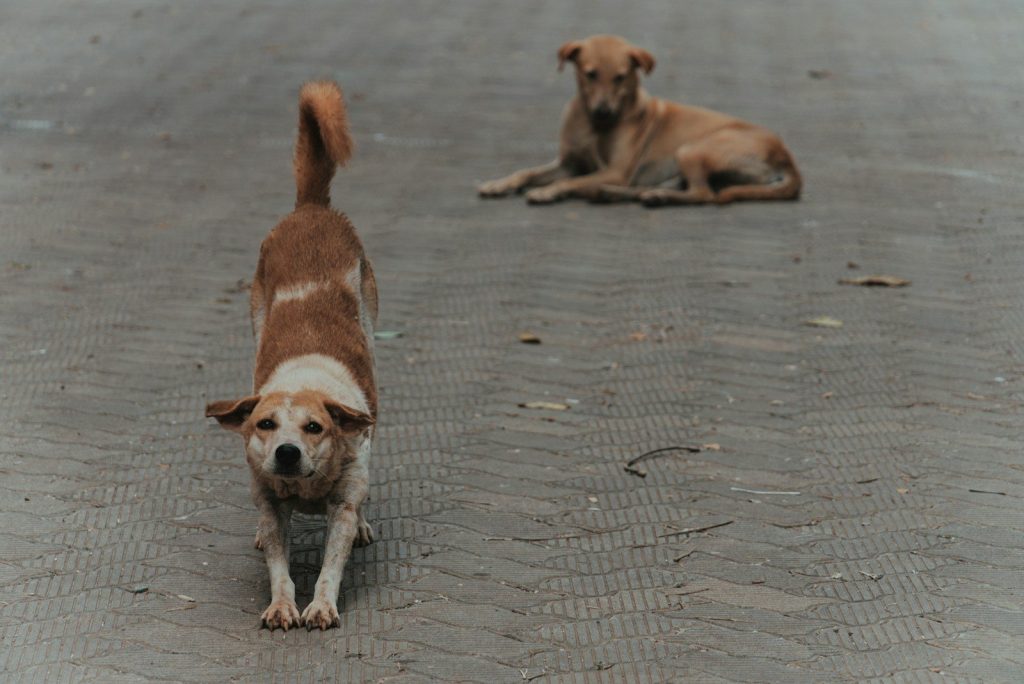
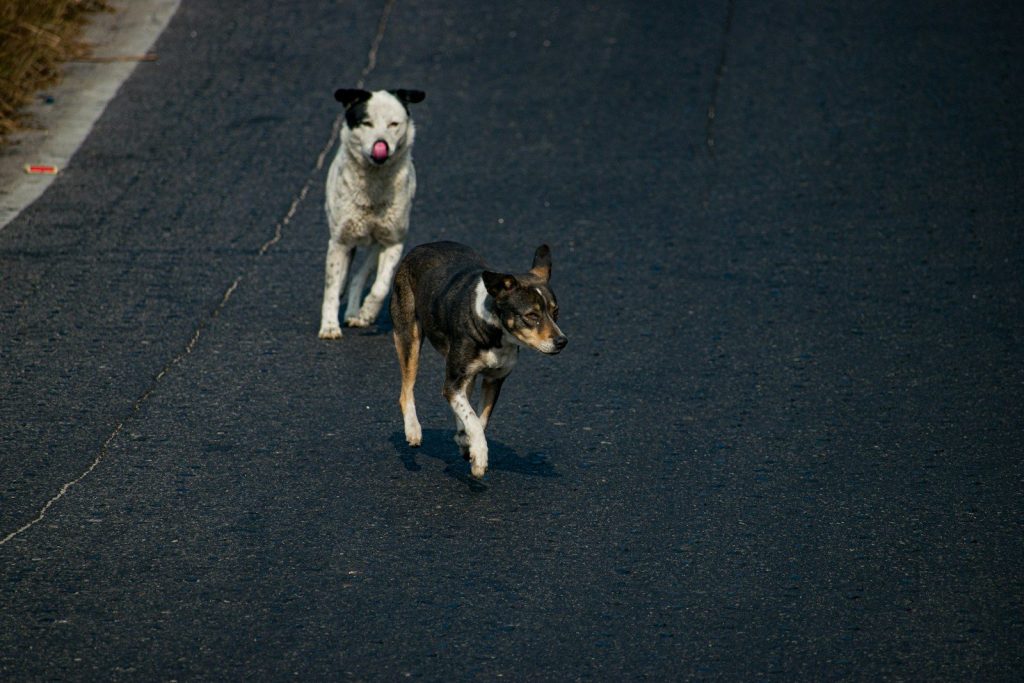
    Investigators reported that the dogs were able to get out of the yard by exploiting weak points in the fencing. Officials stated that there were gaps or structural issues that made it possible for the animals to break free. Once outside, the dogs quickly reached the victim on the street.

    Law enforcement also reviewed prior complaints from neighbors who had reported concerns about loose dogs in the area. While earlier incidents did not lead to major action, they helped build a pattern that investigators say is important in understanding how the fatal attack became possible.

    Police response and legal consequences

    a close up of a police car with its lights on
    Photo by Max Fleischmann on Unsplash

    Deputies from the Brevard County Sheriff’s Office launched a full investigation after the attack, including reviewing witness statements and surveillance evidence. Authorities confirmed that the dogs involved were eventually taken into custody. Officials also stated that the animals would likely be euthanized due to the severity of the incident.

    Linda Cutler now faces a manslaughter charge and could face significant prison time if convicted. Prosecutors argue that the case centers on accountability and whether repeated neglect led directly to a preventable death. The legal process is ongoing, and future court hearings will determine the final outcome.

    Community reaction and wider concerns about dog safety

    Man is looking at a screen with his head down.
    Photo by Alicia Christin Gerald on Unsplash

    The case has sparked strong reactions in the local community, with many residents expressing sadness and concern. Neighbors have questioned whether earlier complaints should have been handled more aggressively by authorities before the attack occurred.

    At a broader level, the incident has reignited debate about dog ownership responsibility in Florida. Many are now calling for stricter enforcement of fencing laws, stronger penalties for repeated violations, and faster intervention when animals show aggressive behavior or escape patterns.

  • Rescued deer stays close to woman who saved its life

    Rescued deer stays close to woman who saved its life

    Have you ever wondered why some wild animals seem to remember the people who help them? That question recently came up after a rescued deer stayed close to the woman who saved its life. The touching moment captured attention online and showed the strong bond that can sometimes form between humans and wildlife. While deer are wild animals and usually avoid people, rescue situations can create unusual connections.

    In this article, you’ll learn what happened when a woman rescued a trapped baby deer, why the fawn followed her afterward, how deer behavior works, and what wildlife experts say about helping young deer. You’ll also discover why stories like this continue to inspire people around the world.

    How the rescue happened

    Baby Deer” by Yvonne in Willowick Ohio is licensed under CC BY 2.0

    The story began when a woman in New Jersey spotted a young fawn trapped in a drain grate. The baby deer was unable to free itself and appeared frightened. Acting quickly, the woman carefully helped the animal out of the grate and got it back onto its feet. Once the fawn was free, many people expected it to run back into the woods right away. Instead, something surprising happened.
    Rather than leaving, the young deer began following the woman wherever she went. Videos of the rescue showed the fawn staying close to its rescuer and seeming reluctant to wander off. The woman gently encouraged the animal to return to the nearby wooded area, but the little deer continued trailing behind her for a period of time.

    Why the fawn stayed near its rescuer

    baby deer” by Patricia Lazar : Ceramic Art : Teapots : Pet Paint is licensed under CC BY-SA 2.0

    Wildlife experts explain that very young deer often look for safety when they become scared or separated from their mothers. After being trapped and then rescued, the fawn may have briefly viewed the woman as a source of comfort and protection. Young animals sometimes stay close to whoever helps them during a stressful situation.

    The behavior does not mean the deer became a pet or permanently bonded with a human. Instead, it was likely a short-term response to fear and confusion. The rescue removed the immediate danger, but the fawn still needed reassurance. Staying near the person who helped it may have felt safer than suddenly venturing off alone.

    The special bond between humans and rescued deer

    A couple of people sitting on a bench under a tree
    Photo by Ben on Unsplash

    Stories about rescued deer returning to visit their rescuers are not new. Over the years, several documented cases have shown deer revisiting people who cared for them after injuries or emergencies. In one widely reported case, a fawn that had been rehabilitated after losing its mother continued returning to see the person who bottle-fed and cared for it.

    These stories often capture public attention because they remind people that animals can remember positive experiences. However, wildlife specialists note that every animal is different. Some deer quickly return to normal wild behavior, while others may temporarily remain comfortable around humans after receiving care. Much depends on the animal’s age, circumstances, and amount of human contact.

    How the fawn was reunited with its family

    brown deer on green grass field during daytime
    Photo by Timothy Abraham on Unsplash

    The woman who rescued the deer understood that the animal belonged in the wild. Instead of keeping the fawn close, she guided it toward the area where its mother and sibling were located. Reports later confirmed that the baby deer was reunited with its family after the rescue.

    This outcome was important because young deer rely heavily on their mothers for protection and survival. A doe teaches her fawn where to feed, where to rest, and how to avoid danger. Reuniting the baby with its family gave it the best chance of continuing a healthy life in its natural habitat.

    What people should know about finding a fawn?

    Whitetail fawn” by GlacierNPS is licensed under CC PDM 1.0

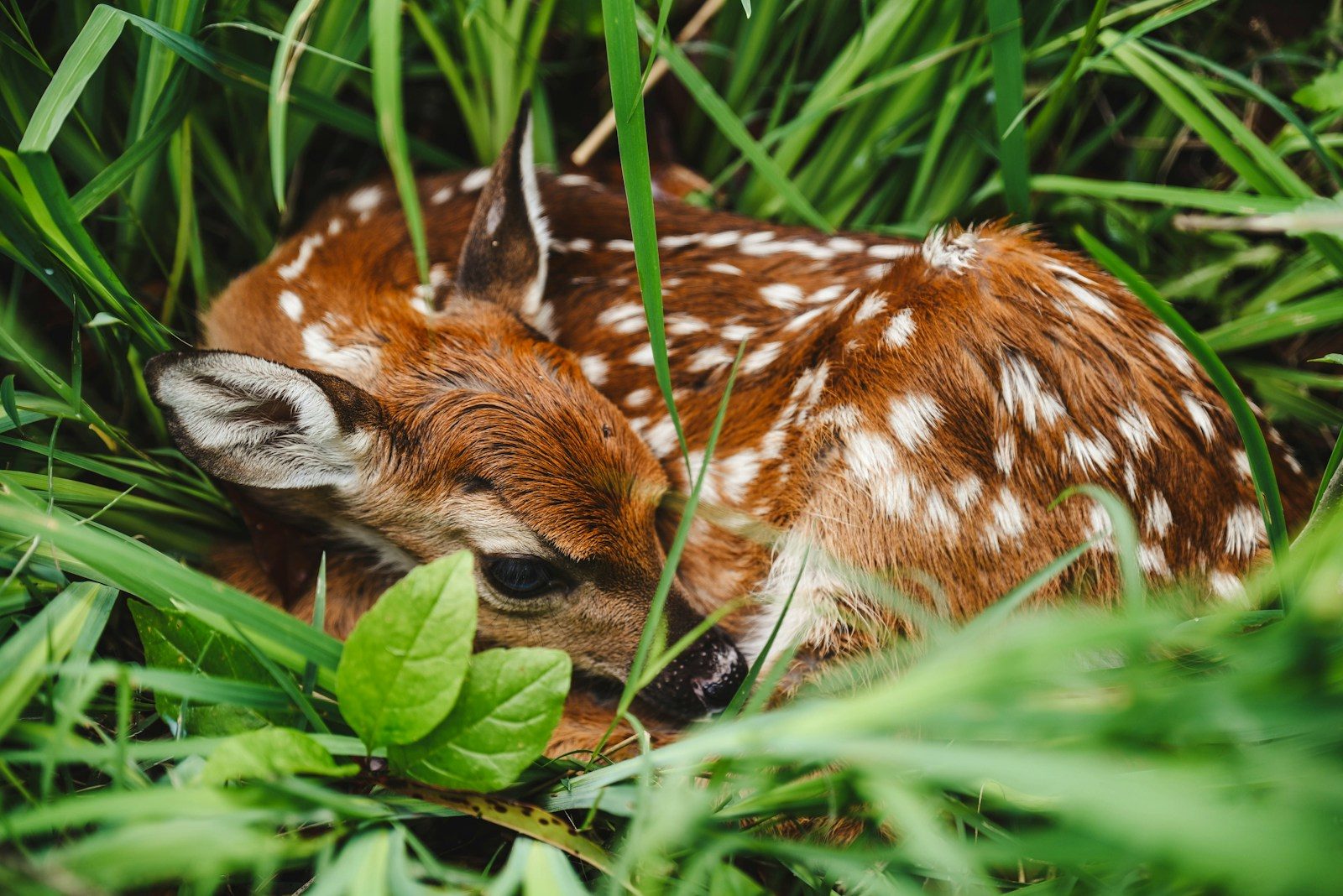
    Many people assume a fawn is abandoned when they see one alone. In reality, mother deer often leave their babies hidden for several hours while they search for food. The fawns stay quiet and still, which helps keep them safe from predators. Wildlife rehabilitators frequently remind the public that an apparently lonely fawn may not actually need rescuing.

    Experts recommend observing from a distance before intervening. If a fawn is clearly injured, trapped, or in immediate danger, help may be necessary. Otherwise, the best action is often to leave the animal alone and allow the mother to return. Every situation is different, which is why wildlife authorities are often consulted when people are unsure.

    Why stories like this matter

    a person wearing headphones and holding a phone
    Photo by Akinyemi Gbadamosi on Unsplash

    The rescued deer story touched many people because it showed kindness in action. The woman did not expect recognition or attention when she helped the trapped animal. She simply saw a living creature in trouble and decided to help. That simple act changed the outcome for the young deer.

    Stories like this also remind people about the challenges wildlife face every day. Deer can become trapped in fences, drains, and other human-made structures. When people act responsibly and safely, they can sometimes make a real difference. At the same time, these stories highlight the importance of respecting wildlife and allowing animals to remain wild whenever possible.

  • 6 animals in the US that are legally off-limits to handle or disturb

    6 animals in the US that are legally off-limits to handle or disturb

    Have you ever seen a wild animal and wanted to get closer for a photo or a better look? Many people are tempted to approach wildlife because these animals seem calm, beautiful, or fascinating. However, many wild animals in the U.S. are protected by law, and touching them can be dangerous for both people and the animals themselves.

    This guide explores six wild U.S. animals you can’t touch and explains why keeping your distance is so important. Some of these animals are protected because they are endangered, while others can seriously injure people if they feel threatened. By learning about these animals, you can better understand how to enjoy wildlife safely while helping protect the natural world.

    Bald eagles are protected national symbols

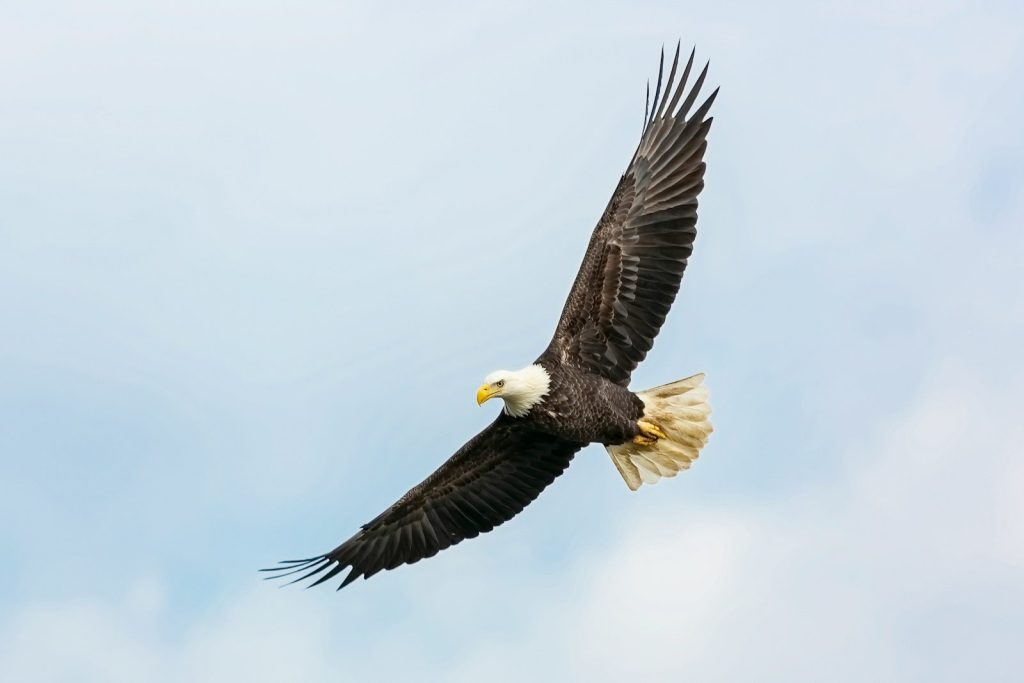
    bald eagle flying on skies
    Photo by Mathew Schwartz on Unsplash

    Bald eagles are among the most recognizable birds in the United States. They are protected under special laws that make it illegal to harm, disturb, handle, or harass them without permission. These protections also extend to their nests.

    Because bald eagles are protected wildlife, people should always admire them from a distance. Getting too close can disrupt their natural behavior and may result in legal consequences. Watching them soar freely in their natural habitat is the safest and most respectful choice.

    Sea turtles need space to survive

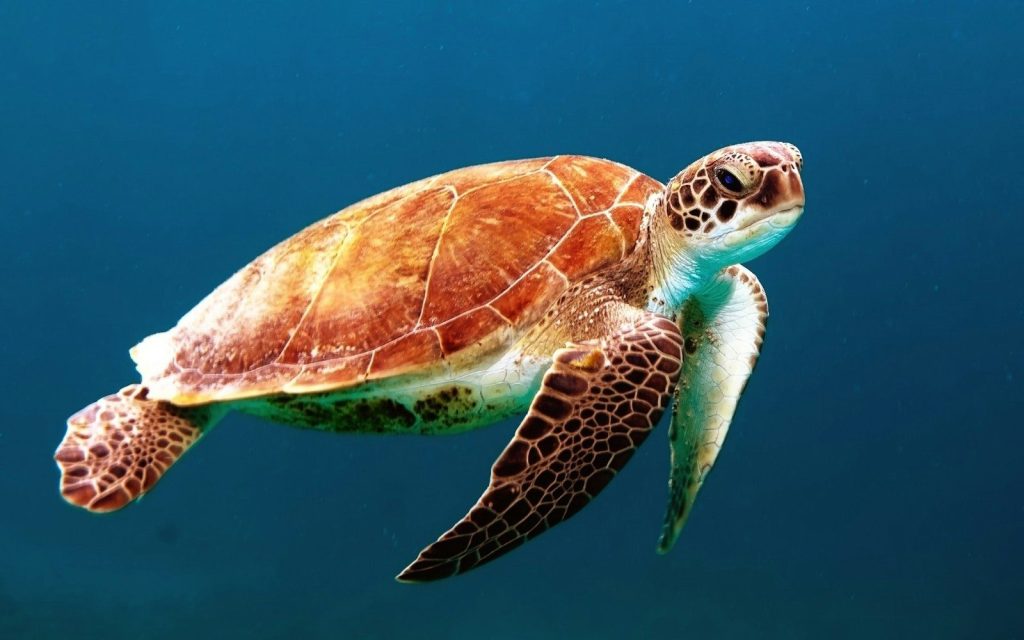
    brown turtle swimming underwater
    Photo by Wexor Tmg on Unsplash

    Sea turtles are protected because they are endangered. Animals such as the loggerhead and green sea turtle depend on safe nesting areas and healthy environments to survive. Touching them or interfering with their nests is illegal.

    When sea turtles come ashore to lay eggs, they are especially vulnerable. Disturbing them can affect their nesting process and threaten future generations. If you see a sea turtle on a beach or while swimming, it is best to observe quietly and allow it to continue its natural activities undisturbed.

    Gray wolves remain wild predators

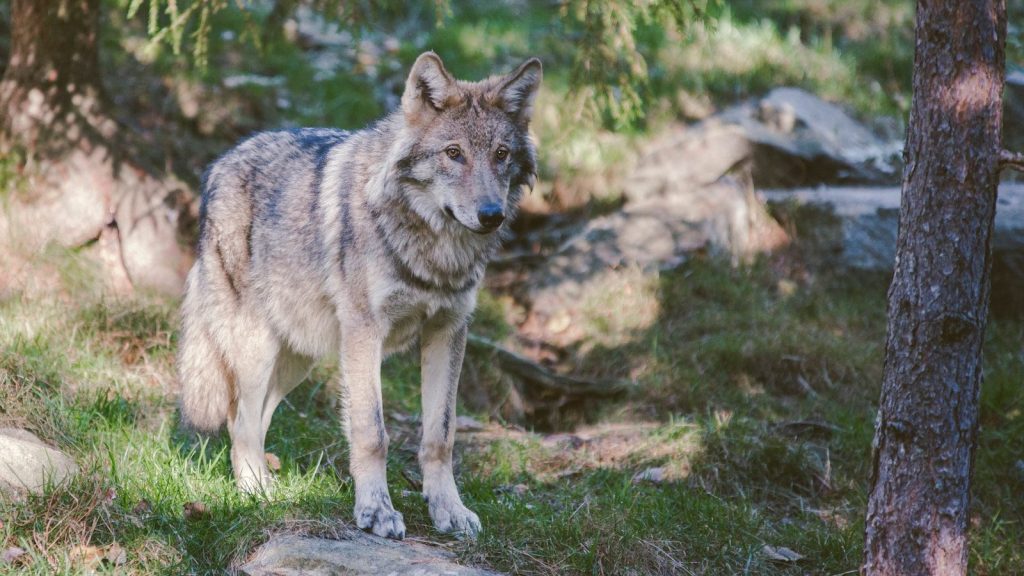
    gray and black wolf standing near tree trunk during daytime
    Photo by Robert Larsson on Unsplash

    Gray wolves have made an impressive recovery in parts of the United States after facing severe population declines in the past. Even so, they remain protected in many areas and should never be approached or touched by people.

    Wolves are territorial animals with unpredictable behavior. While they may appear calm from a distance, they are still wild predators. Respecting their space helps protect both humans and wolves while allowing these animals to continue playing their role in the ecosystem.

    Bison are stronger than they appear

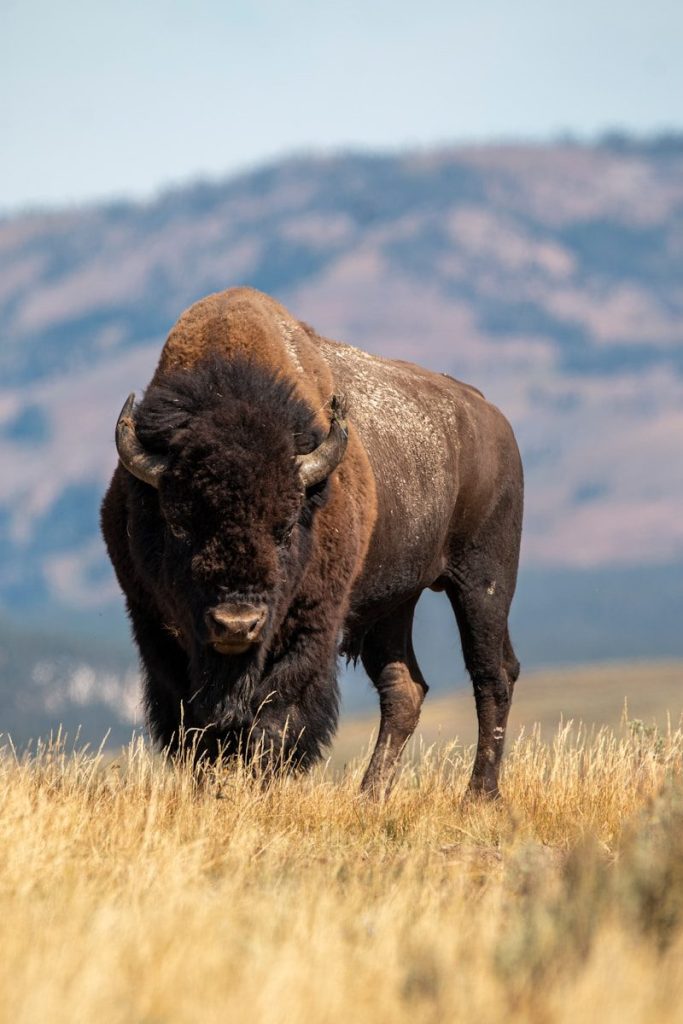
    selective focus photography of brown cattle on brown field
    Photo by Goutham Ganesh Sivanandam on Unsplash

    Bison are famous symbols of the American West and are commonly seen in protected areas. Although they often appear peaceful while grazing, they are powerful animals capable of causing serious injuries when disturbed.

    Approaching or touching bison is dangerous and often illegal in protected areas. Their populations are still recovering in some regions, underscoring the importance of conservation efforts. Observing them from a safe distance allows visitors to enjoy these impressive animals without putting anyone at risk.

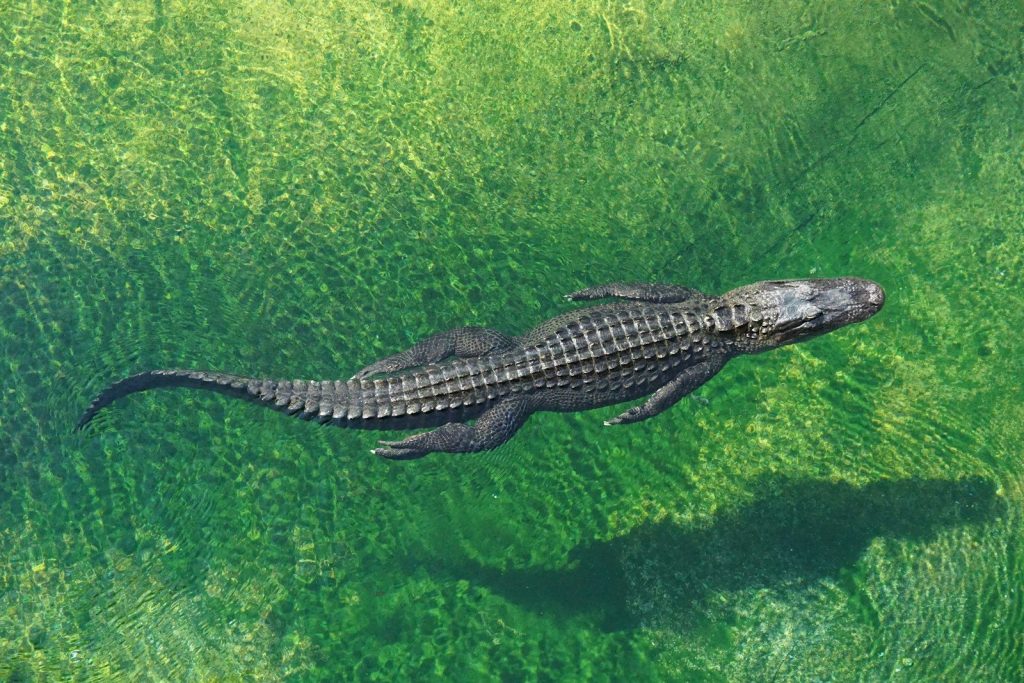
    Alligators can be dangerous when disturbed

    crocodile in body of water
    Photo by Shelly Collins on Unsplash

    Alligators live throughout parts of the southeastern United States and are known for their large size and strong jaws. Because they are wild reptiles, approaching them can pose a danger to both humans and animals.

    These animals are protected under state law, and disturbing them is prohibited. Alligators are especially active during certain times of the day, making it important for people to remain alert in areas where they live. Keeping a safe distance helps prevent accidents and protects natural behavior.

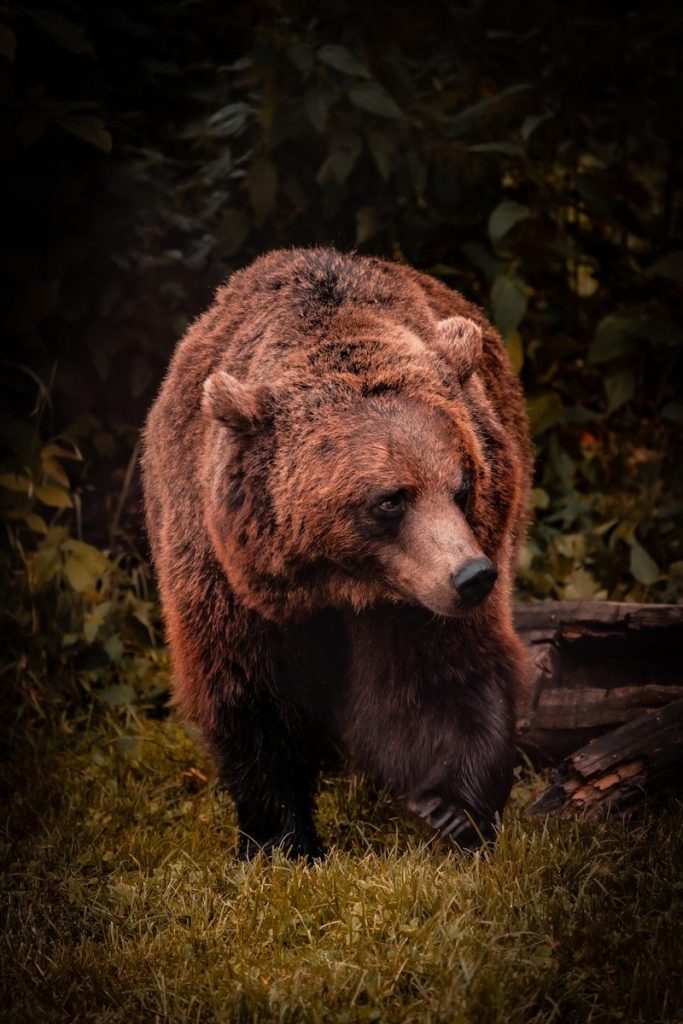
    Grizzly bears demand respect and caution

    brown bear on green grass during daytime
    Photo by Daniel Diesenreither on Unsplash

    Grizzly bears are among the most powerful mammals in North America. Found mainly in the northern Rocky Mountains and Alaska, they are protected by various laws that make disturbing or touching them illegal.

    These bears can react unpredictably when threatened, especially when food is involved or cubs are nearby. Encountering a grizzly bear requires caution and respect. Watching from a distance is the safest approach and helps ensure that both people and bears remain safe.

  • 6 highly trainable dog breeds known for obedience and intelligence

    6 highly trainable dog breeds known for obedience and intelligence

    Ever wonder why some dogs learn commands in minutes while others take weeks to understand the same trick? Choosing the most trainable dog breeds guide for owners can make a huge difference in how smooth and enjoyable life with a dog becomes. Training is not just about tricks. It affects behavior, safety, and how well a dog fits into daily life.

    This article explains which dog breeds are easiest to train and why they stand out. You will learn what makes these dogs so quick to learn, how their history shapes their behavior, and what kind of owners they suit best. By the end, you will have a clearer idea of which breeds may match your lifestyle and training goals.

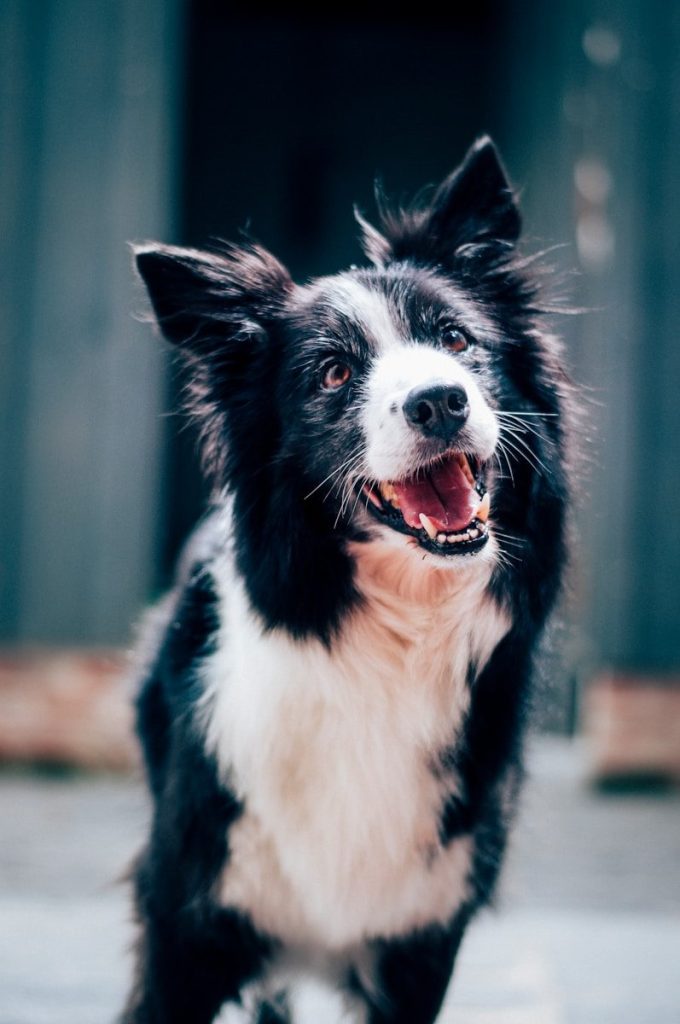
    Border Collie intelligence and working drive

    long-coated black and white dog during daytime
    Photo by Baptist Standaert on Unsplash

    Border Collies are often seen as the most trainable dogs in the world. They were originally bred to herd sheep in Scotland and England, which required focus, energy, and fast thinking. This background explains why they learn commands so quickly and stay highly alert.

    They can pick up new instructions in just a few repetitions. Border Collies also do well in obedience training and agility sports. However, they need constant mental and physical activity to stay balanced and avoid unwanted behaviors.

    Poodle learning ability and adaptability

    brown poodle puppy on blue carpet
    Photo by Steven Van Elk on Unsplash

    Poodles come in standard, miniature, and toy sizes, and all are highly trainable. They were first used as water retrievers working closely with hunters. This history helped shape their intelligence and strong ability to follow instructions.

    They learn household routines quickly and adjust easily to different training styles. Poodles respond best to calm, positive training methods. Their intelligence makes them reliable and easy to manage in many home environments.

    German Shepherd loyalty and advanced training skills

    brown and black german shepherd on green grass field
    Photo by Jana Ohajdova on Unsplash

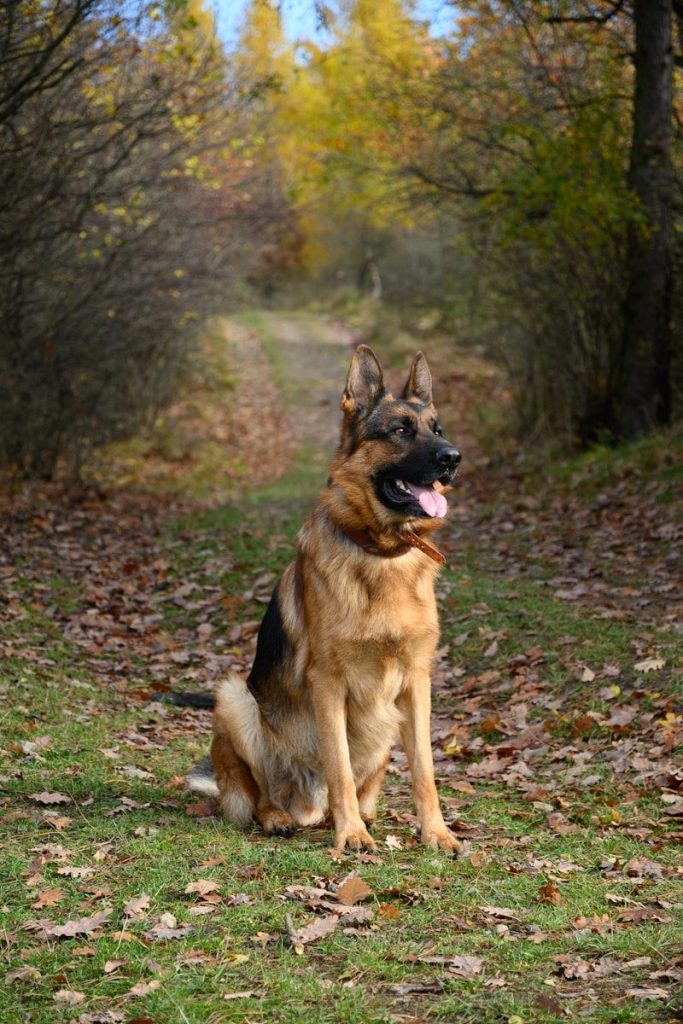
    German Shepherds are known for intelligence, courage, and strong loyalty. They are widely used in police work, military service, and rescue missions because they can handle complex training tasks. Their ability to stay focused under pressure makes them highly dependable.

    They form deep bonds with their handlers and take training seriously. Early socialization is important to help them stay confident in different situations. With proper training, they become calm and reliable companions in both work and home life.

    Golden Retriever’s friendly temperament and easy learning

    dog running on beach during daytime
    Photo by Oscar Sutton on Unsplash

    Golden Retrievers are popular family dogs for their gentle, friendly nature. They are eager to please and respond well to training from a young age. This makes them a great choice for first-time dog owners.

    They are often used as service dogs, therapy animals, and search-and-rescue workers. Golden Retrievers enjoy positive reinforcement, such as treats and praise. Their playful nature helps keep training sessions fun and engaging.

    Doberman Pinscher focus and structured training needs

    black and tan short coat medium dog lying on floor
    Photo by JOSHUA DANIEL on Unsplash

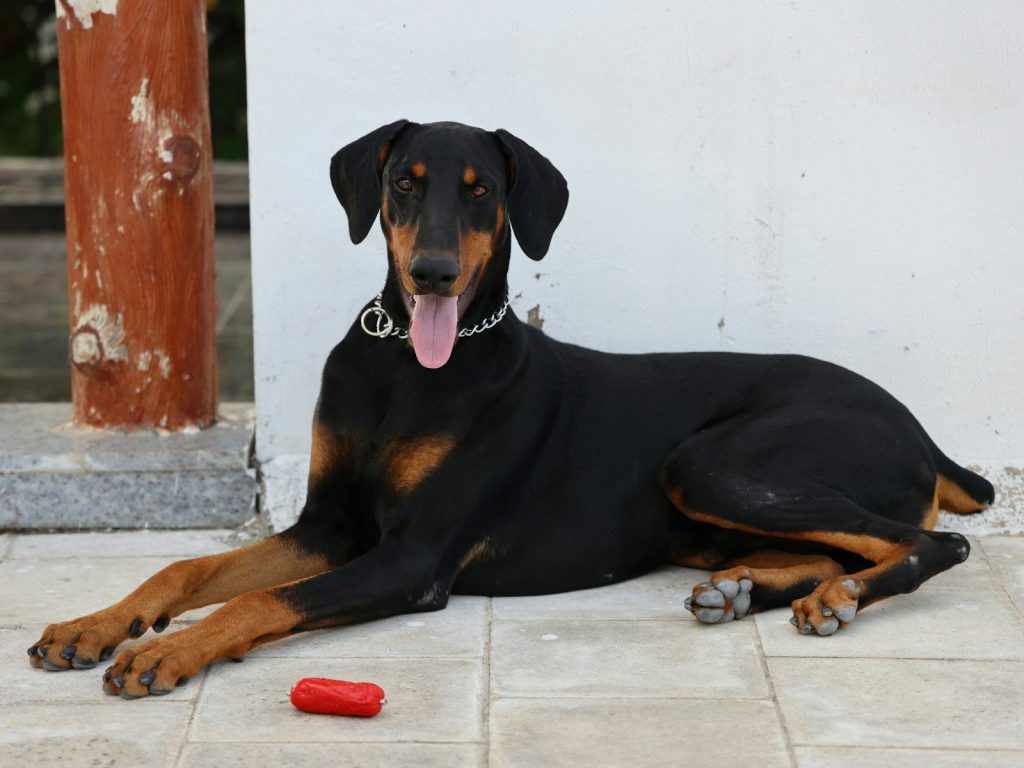
    Dobermans are strong, intelligent dogs that learn commands quickly. Even though they look tough, they are sensitive and form strong bonds with their families. They do best when they have clear rules and steady training.

    They need early socialization to feel comfortable in different environments. With the right guidance, Dobermans become calm, loyal, and well-behaved companions. Consistent leadership helps them reach their full potential.The

    Labrador Retriever calm learning ability and is a good family fit

    yellow labrador retriever puppy sitting on floor
    Photo by Taylor Kopel on Unsplash

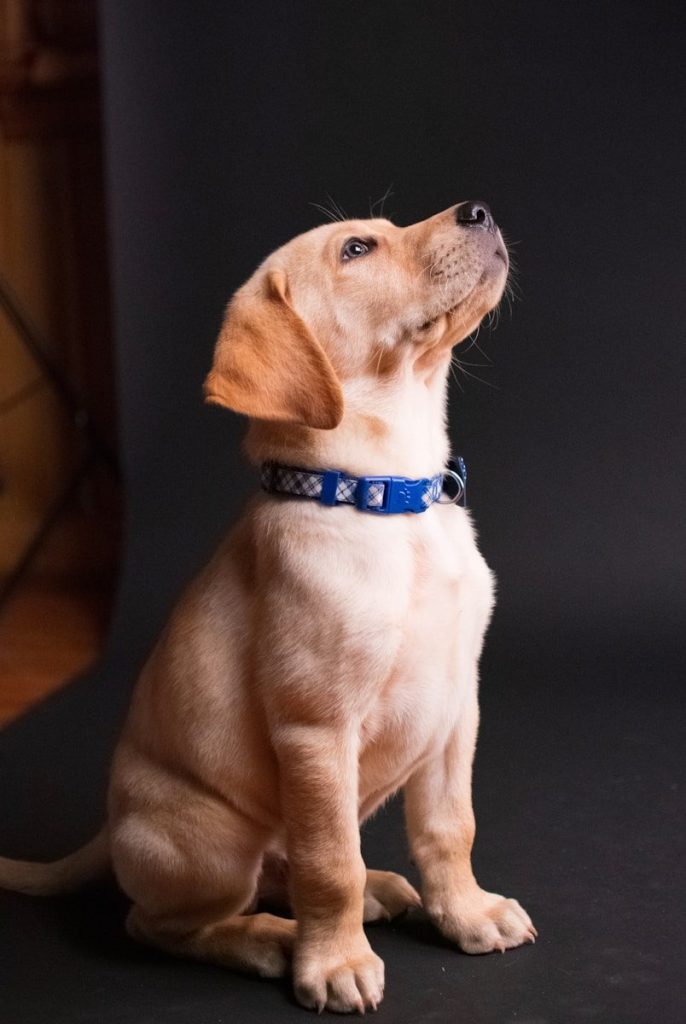
    Labrador Retrievers are known for their steady nature and willingness to learn. They respond well to basic training and often enjoy working closely with people. Their calm attitude makes them easier for many families to handle.

    They are commonly used in service and assistance roles due to their reliability. Labs enjoy rewards and positive attention during training. Their friendly personality helps them fit well into homes with children and other pets.

  • How to apologize to your cat in a way they actually understand

    How to apologize to your cat in a way they actually understand

    Have you ever felt like your cat was upset with you after a loud noise, a missed meal, or an unwanted cuddle? Many cat owners wonder if their pets understand apologies. The truth is that learning how to apologize to your cat is less about words and more about actions. Cats experience stress, fear, and annoyance, and they can lose trust when their needs are not respected.

    This article explains how cats react when they feel uncomfortable, why certain situations upset them, and what you can do to rebuild trust. You will also learn how to recognize signs of stress, create a more comfortable environment, and prevent future misunderstandings with your feline friend.

    Why cats get upset with their owners

    orange and white tabby cat sitting on brown wooden table in kitchen room
    Photo by Paul Hanaoka on Unsplash

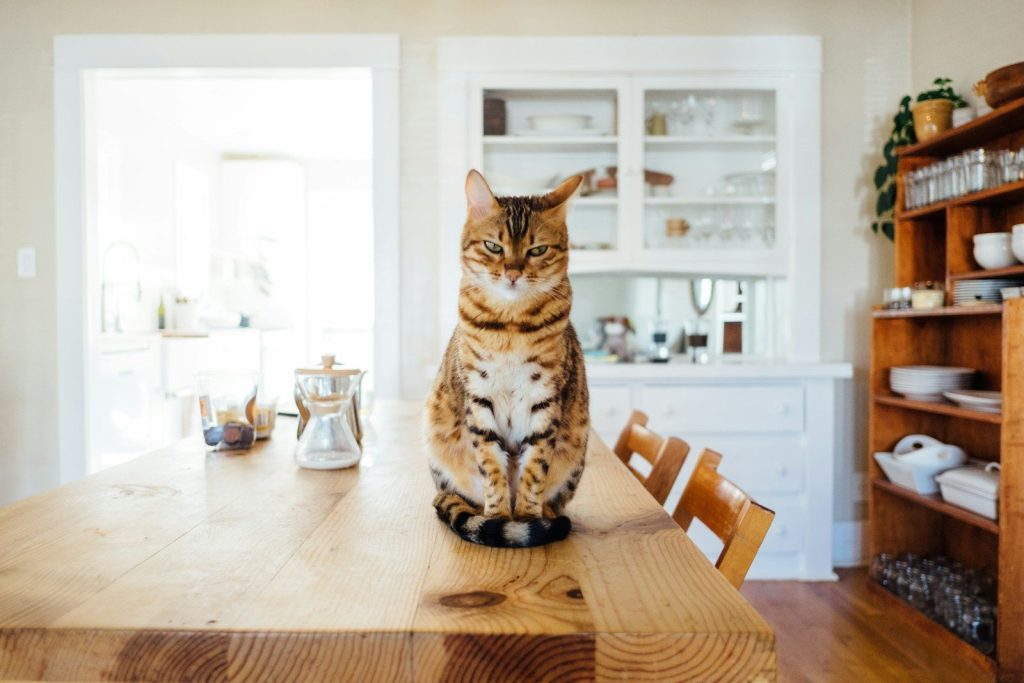
    Cats can become upset for many different reasons. Unexpected noises, changes in routine, unwanted handling, and feeling trapped can all make a cat uncomfortable. Some cats may also react negatively when visitors arrive or when they do not receive enough attention.

    Other common triggers include missing playtime, delayed meals, dirty litter boxes, strong household scents, and being left alone for long periods. While cats may seem independent, they still value companionship and stability. When these needs are not met, they can become stressed or anxious.

    Respecting your cat’s personal space

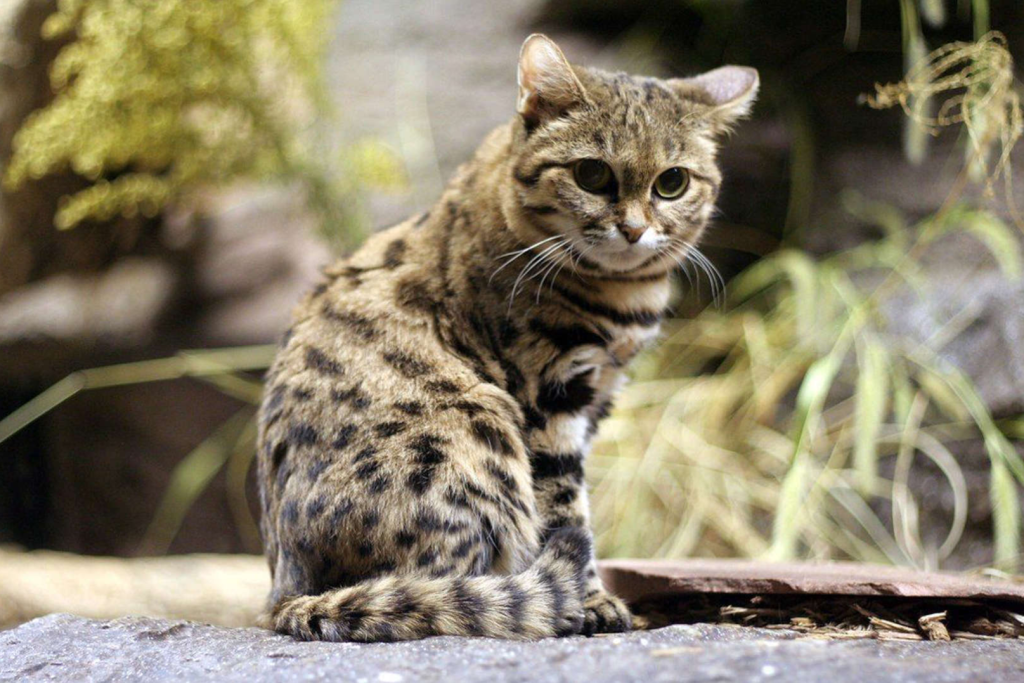
    “Black Footed Cat (Kitten)” by Asten is licensed under CC BY-NC 2.0

    One of the most important parts of learning how to apologize to your cat is respecting their boundaries. Many people try to fix things with hugs, kisses, or extra petting, but this can make the situation worse if the cat wants space.

    Instead, allow your cat to decide when they are ready for contact. Let them approach you on their own terms. Giving them control over interactions helps them feel safe and respected, which is an important step in rebuilding trust.

    Meeting your cat’s emotional needs

    brown tabby cat on black leather chair
    Photo by Chewy on Unsplash

    Cats thrive when their physical and emotional needs are met consistently. Providing smaller, more frequent meals, regular play sessions, and comfortable resting spots can improve their overall well-being.

    Creating a predictable routine is also important. Cats often feel secure when they know what to expect each day. Consistent feeding times, play periods, and litter box maintenance can help reduce stress and strengthen your relationship with your pet.

    Making stressful situations easier

    Check up time for Milli #cat. #vet” by voyagevixen2 is licensed under CC BY-ND 2.0

    Some situations naturally cause stress for cats. Activities such as nail trims or being placed in a carrier may feel uncomfortable or frightening. However, these experiences can become easier when handled with patience and care.

    Offering treats, staying calm, and giving breaks during stressful tasks can help your cat feel more relaxed. Allowing them time to inspect a carrier before a trip and placing a cozy blanket inside can also make the experience less intimidating. Working with your cat instead of forcing them into situations often leads to better results.

    Recognizing signs of stress in cats

    orange and white tabby cat
    Photo by eko tavkhelidze on Unsplash

    Cats often show clear signs when they need space. A flicking tail, pinned ears, a tense body, or freezing in place can all indicate discomfort. Paying attention to these signals helps prevent situations from becoming more stressful.

    Some cats may move away, hide, or avoid interaction when they feel uneasy. Others may seek constant attention if their needs are not being met. Recognizing these behaviors early allows owners to respond appropriately and provide reassurance before problems grow larger.

    Rebuilding trust after a mistake

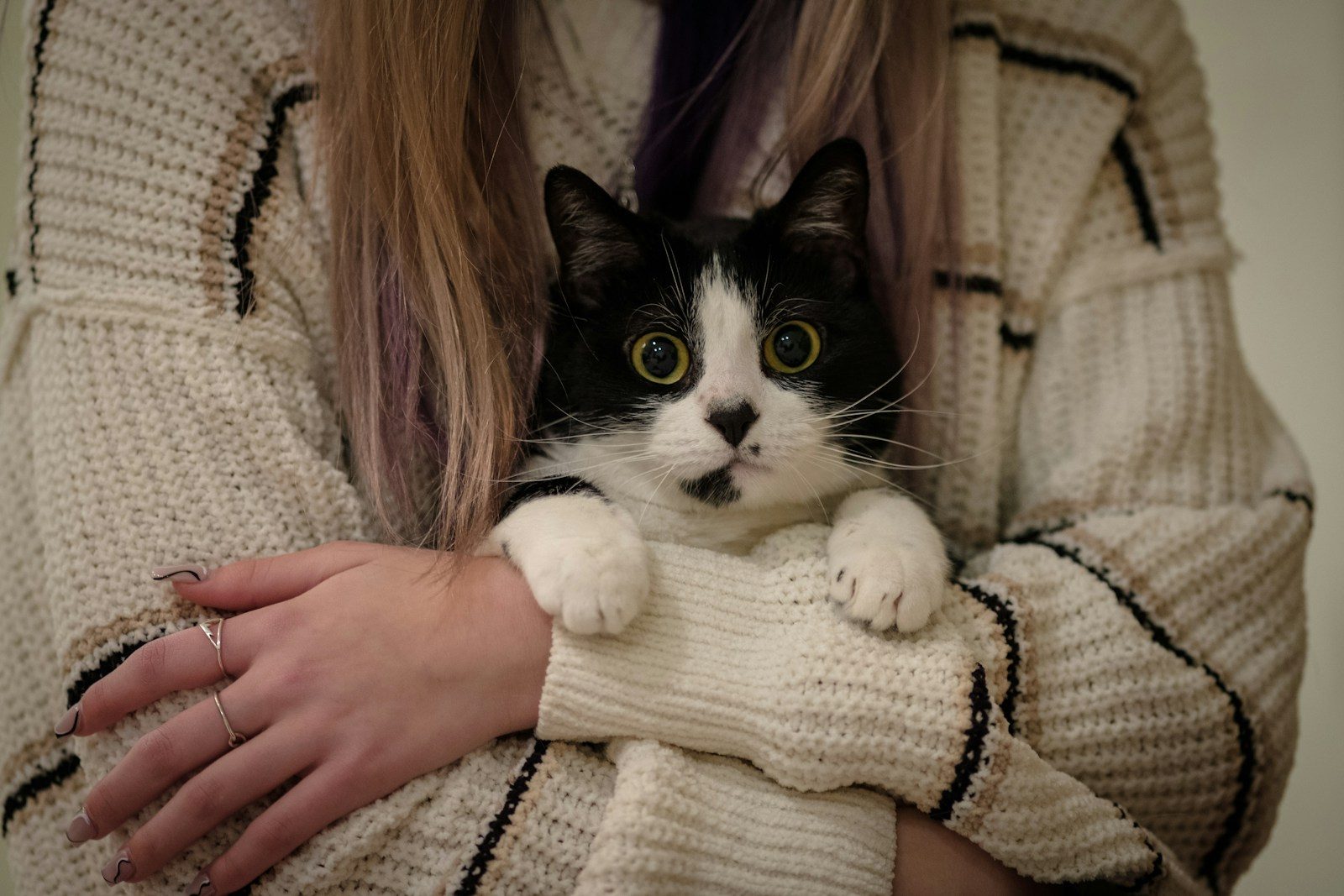
    woman and cat joining hands
    Photo by Humberto Arellano on Unsplash

    Cats do not hold grudges in the same way people do. However, they can learn to feel unsafe if a negative experience affects their trust. For example, accidentally stepping on a cat’s tail may cause them to become cautious around you for a period of time.

    Rebuilding trust takes patience and consistent positive experiences. Moving carefully around your cat, respecting their space, and offering treats or gentle attention can help them feel secure again. Some cats recover quickly, while others take longer. The key is to show, through your actions, that you are a safe and caring companion.

  • 6 fascinating creatures you’re unlikely to find in zoos

    6 fascinating creatures you’re unlikely to find in zoos

    Have you ever wondered why some animals never appear in zoos, no matter how famous or fascinating they are? Many people assume that zoos can keep almost any animal, but that is not always true. Some species simply do not survive well in captivity, while others have needs that are too difficult to recreate outside their natural habitats.

    This article explores six remarkable animals you can never see in a zoo and explains why they are so challenging to keep in captivity. From deep-sea creatures to rare land mammals, each animal has unique traits that make life in a zoo difficult or impossible. By understanding their needs, readers can learn more about wildlife and why some animals belong only in the wild.

    The great white shark cannot adapt to captivity

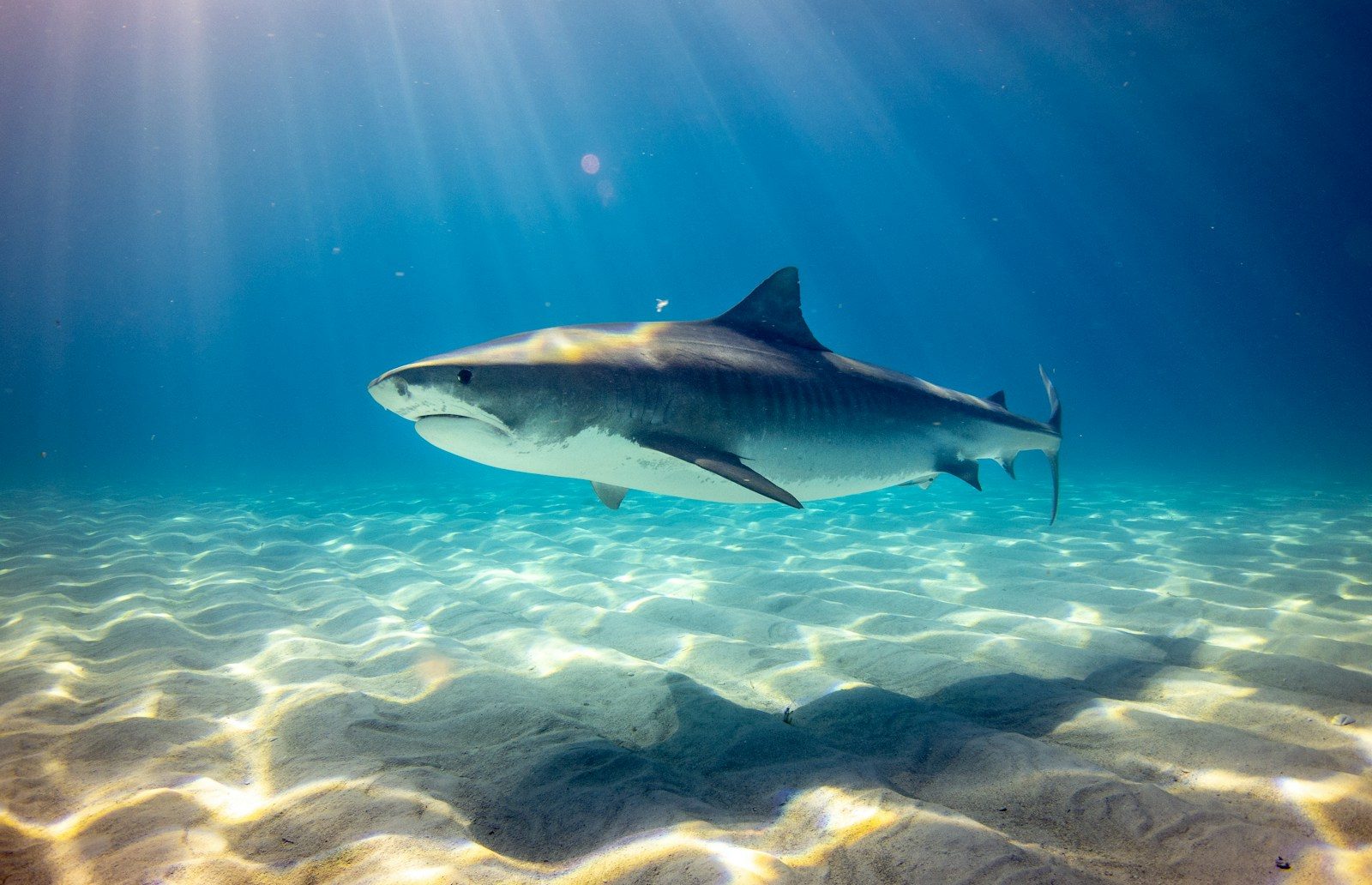
    a great white shark swimming in the ocean
    Photo by Chase Baker on Unsplash

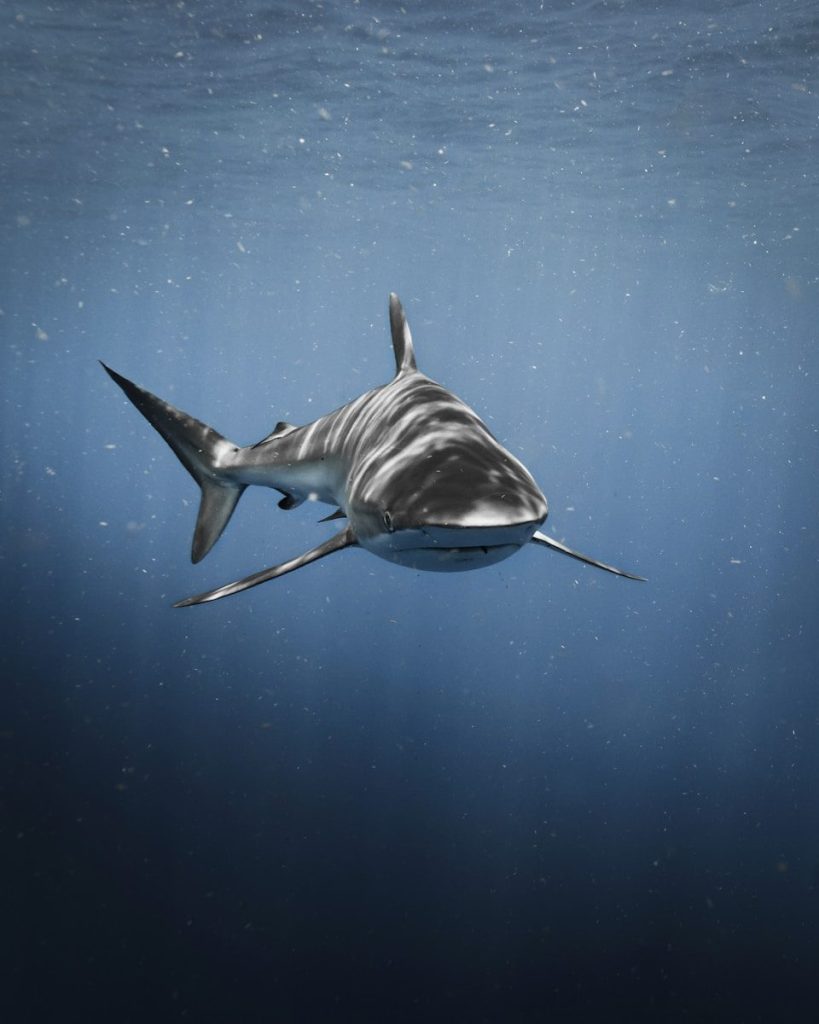
    The great white shark is one of the most famous animals in the ocean. Many aquariums have tried to keep these powerful predators in captivity, but the results have been unsuccessful. One reported case involved a great white shark that died after only three days in a Japanese aquarium.

    A major reason for this difficulty is the shark’s natural lifestyle. Great white sharks travel long distances and need a large environment that aquariums cannot fully provide. They may also refuse to eat when placed in captivity, making survival even harder. Because their natural habitat cannot be properly recreated, these sharks remain animals that people rarely see outside the wild.

    Saola remains one of the rarest animals on Earth

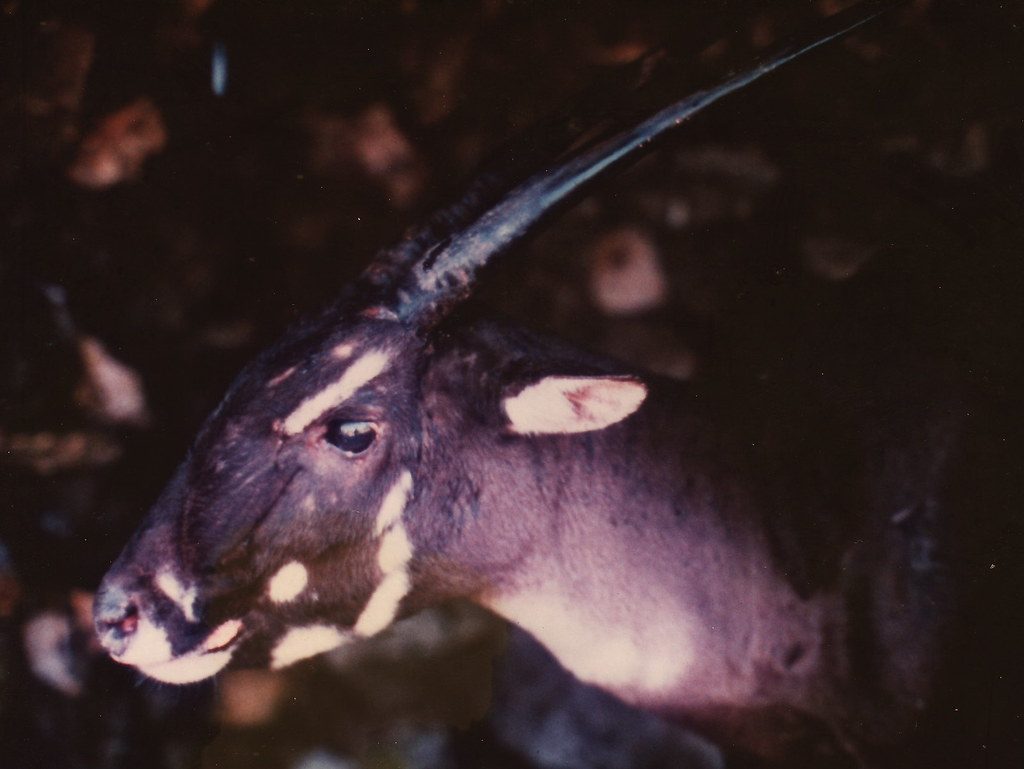
    Saola” by Global Wildlife Conservation is licensed under CC BY 2.0

    The saola is often called the Asian unicorn because it is so rare and mysterious. This animal lives only in the Annamite Mountains of Vietnam and Laos. It was discovered in 1992, making it one of the most recently identified large mammals.

    Even in the wild, sightings of the saola are extremely uncommon. Its critically endangered status makes it difficult for researchers to study. Because so little is known about the species and encounters are rare, the saola is not found in zoos. Its secretive nature continues to make it one of the world’s most elusive creatures.

    Mountain gorillas struggle to survive in zoos

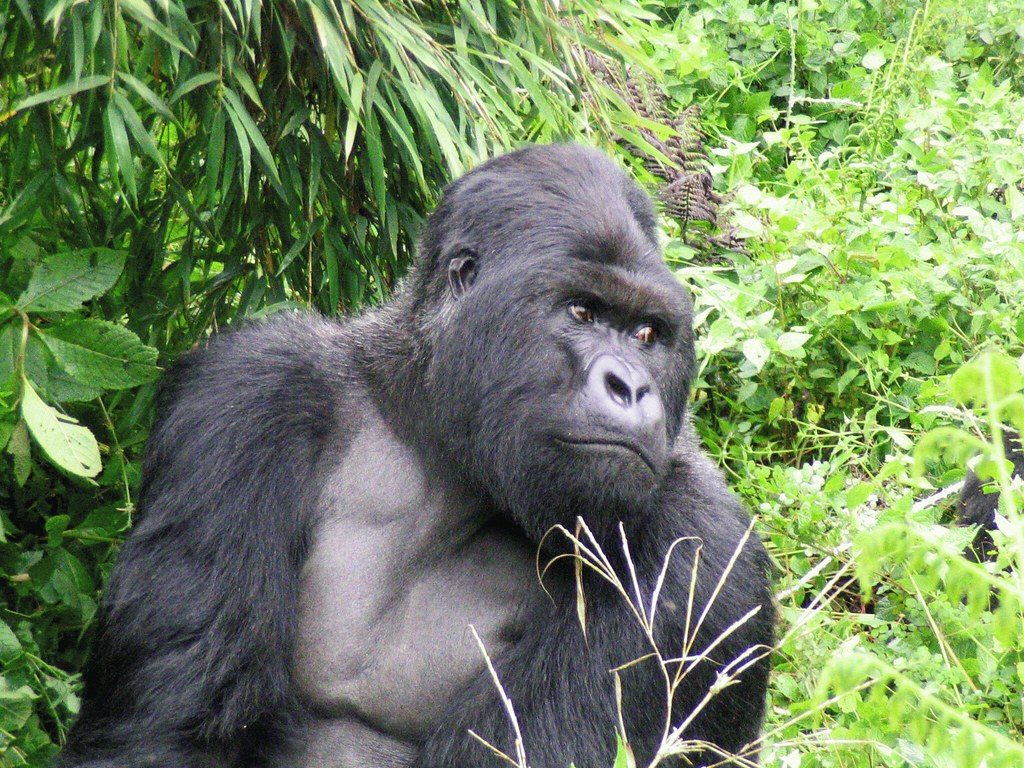
    Rwanda Mountain Gorilla.” by Puddlepuff is licensed under CC BY-NC-ND 2.0

    Mountain gorillas are among the most admired animals on the planet. During the 1960s and 1970s, attempts were made to capture and breed them in captivity. However, these efforts failed despite considerable interest in conserving the species.

    Experts still do not fully understand why mountain gorillas struggle in captivity, while some other gorilla species survive. One possible reason is that their dietary needs are very specific. Another possibility is that stress affects their health more severely. Whatever the cause, mountain gorillas have not adapted well to life outside their natural environment.

    Giant squid remains hidden in the deep ocean

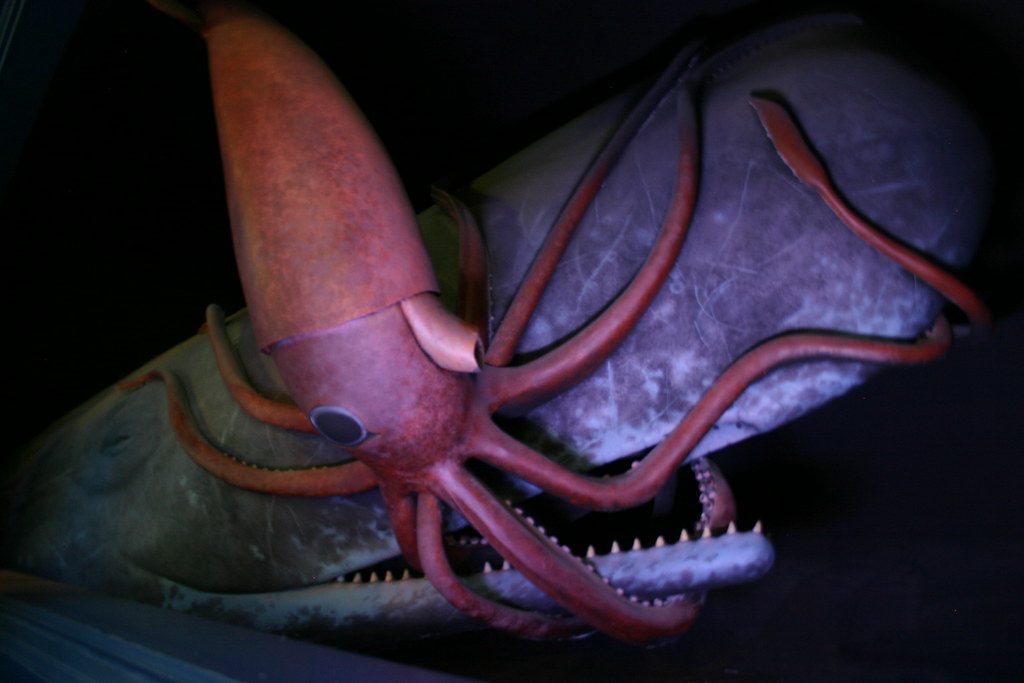
    Sperm Whale and Giant Squid” by Ryan Somma is licensed under CC BY-SA 2.0

    The giant squid is one of the most fascinating creatures in the sea. These enormous animals can reach incredible sizes, with some specimens weighing almost a ton. Despite their fame, giant squid are rarely seen by humans.

    Most information about giant squid comes from dead specimens discovered by fishermen or found floating on the surface. They live deep underwater in a vast and difficult-to-reach environment. Because of their remote habitat and mysterious behavior, giant squid have never become regular zoo or aquarium residents. Their deep-sea lifestyle keeps them hidden from public view.

    Narwhal survives only in the wild

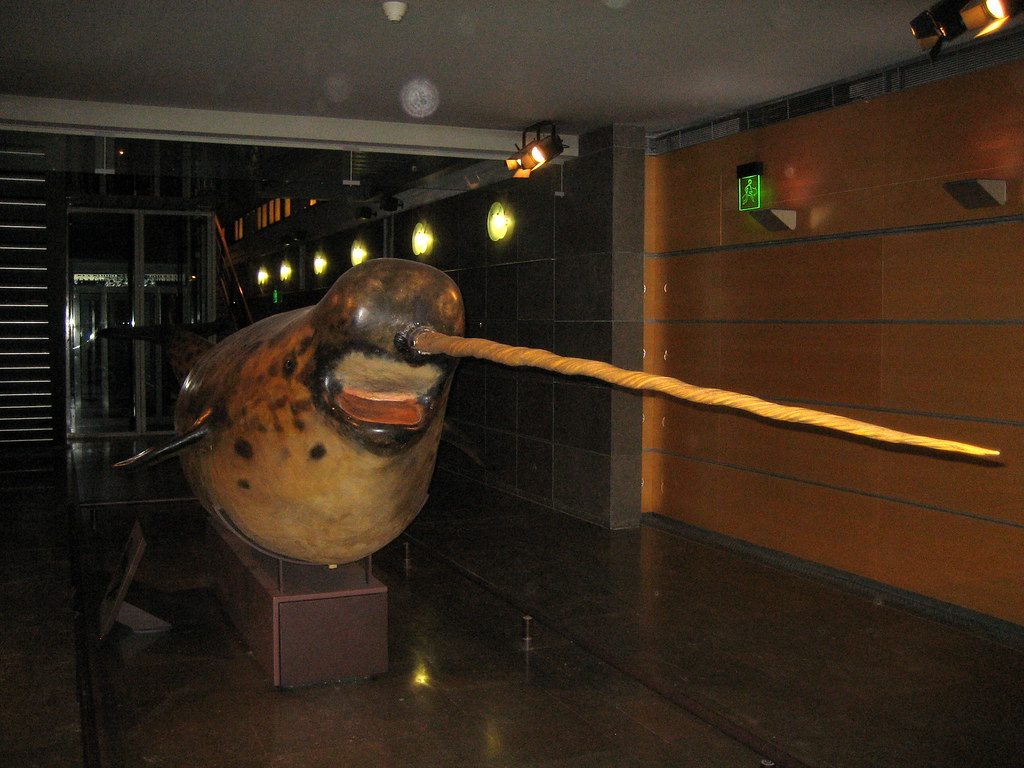
    Narwhal!” by richpompetti is licensed under CC BY-NC-SA 2.0

    Narwhals are often called the unicorns of the sea because of their long tusks. These marine mammals are known for their shy behavior and their tendency to hunt deep underwater. Their secretive nature makes them difficult to study.

    Attempts to keep narwhals in captivity have not been successful because they die shortly after being removed from their natural environment. This limits scientists’ opportunities to learn more about them. Since narwhals can live for more than a century in the wild, their inability to survive in captivity remains a significant challenge for researchers. The

    Javan rhino is too rare for captivity

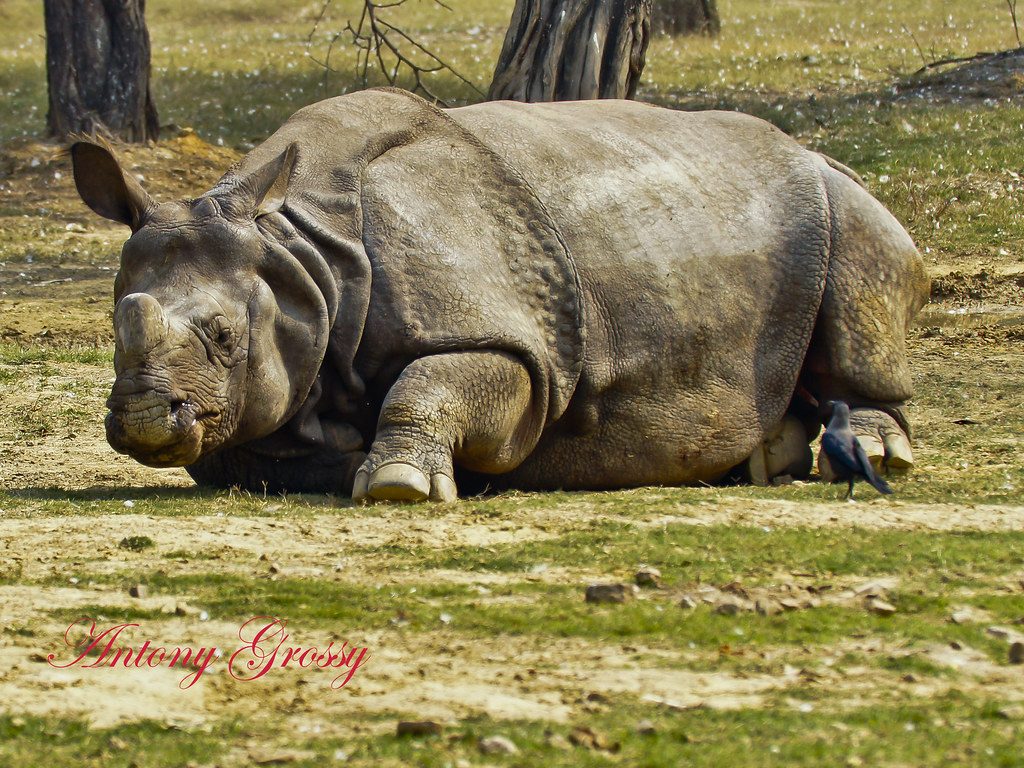
    Rhino Trying to Get up” by AntoGros is licensed under CC BY 2.0

    The Javan rhino is considered the rarest large mammal in the world. No Javan rhinos live in captivity, making them one of the few major mammals that cannot be seen in any zoo. Their population is extremely small and limited to a single location.

    These rhinos are naturally shy animals that live in dense tropical forests. Recreating such an environment in captivity is very difficult. Their entire known population lives in Indonesia’s Ujung Kulon National Park. Because of their rarity and specialized habitat needs, the Javan rhino remains a species that exists only in the wild.

  • Why your pet’s bowl might be making them sick without you realizing it

    Why your pet’s bowl might be making them sick without you realizing it

    Could your pet’s food bowl be making them sick without you even realizing it? Most pet owners focus on choosing the right food, but the bowl itself often gets very little attention. Recent findings about pet food bowls that may harbor harmful bacteria have raised concerns about pet health and household hygiene.

    This article explains how certain bowl materials can harbor harmful bacteria, why proper cleaning is important, and which bowl types are considered safer for daily use. You will also learn about the risks linked to contaminated bowls and simple steps that can help protect both pets and people from unwanted germs.

    Why pet food bowls can become bacterial hotspots

    a brown and white dog eating food out of a bowl
    Photo by Gayatri Malhotra on Unsplash

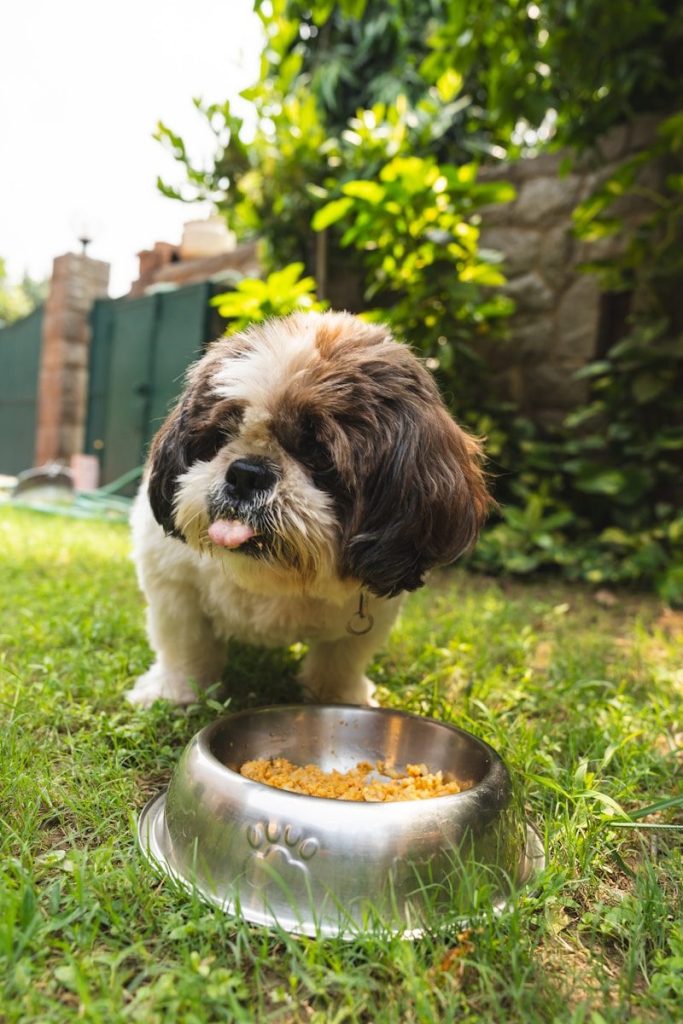
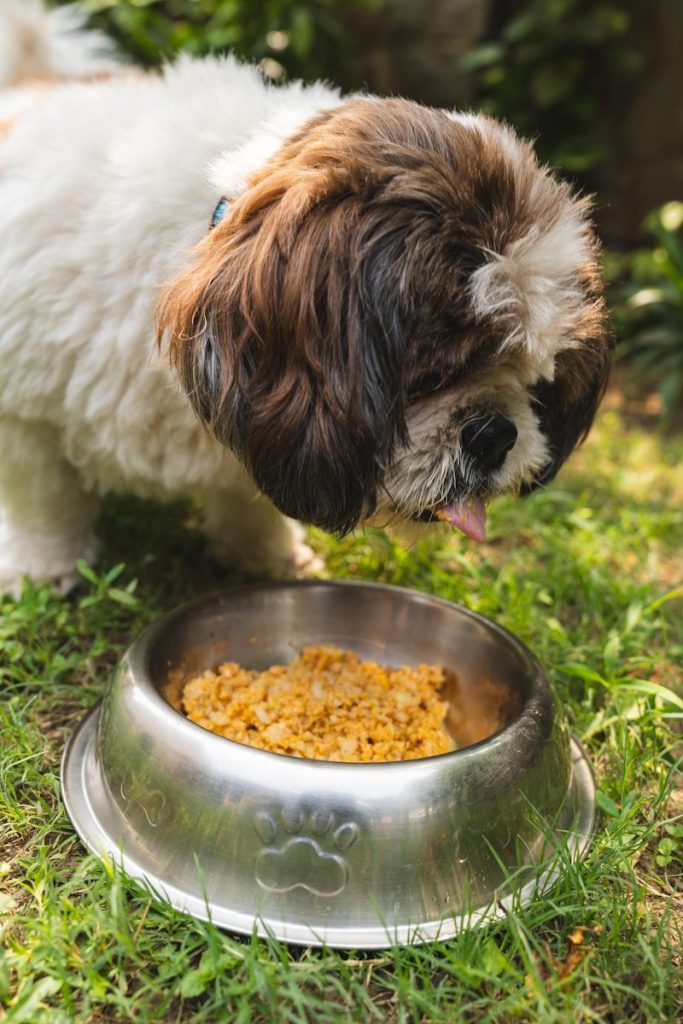
    Feeding time is usually one of the happiest moments of the day for pets. Dogs wag their tails, cats purr with excitement, and owners enjoy caring for their animals. However, food and water bowls can quietly become breeding grounds for bacteria if they are not cleaned properly.

    Research found that common bowl materials, such as plastic and ceramic, can hold bacteria, including harmful germs. Some bacteria can form biofilms that are difficult to remove without thorough washing. Because of this, pet bowls can become among the most contaminated items in a home.

    How contaminated bowls affect pets and people

    a brown and white dog eating food out of a bowl
    Photo by Gayatri Malhotra on Unsplash

    A dirty food bowl can expose pets to harmful bacteria every time they eat or drink. This contamination may lead to health problems such as vomiting, diarrhea, or infections. Even healthy pets can be affected if bacteria accumulate over time.

    The problem does not stop with pets. Germs from contaminated bowls can spread to hands, countertops, and other household surfaces. This increases the risk of illness for people, especially young children, older adults, and individuals with weakened immune systems.

    Why stainless steel bowls are often recommended

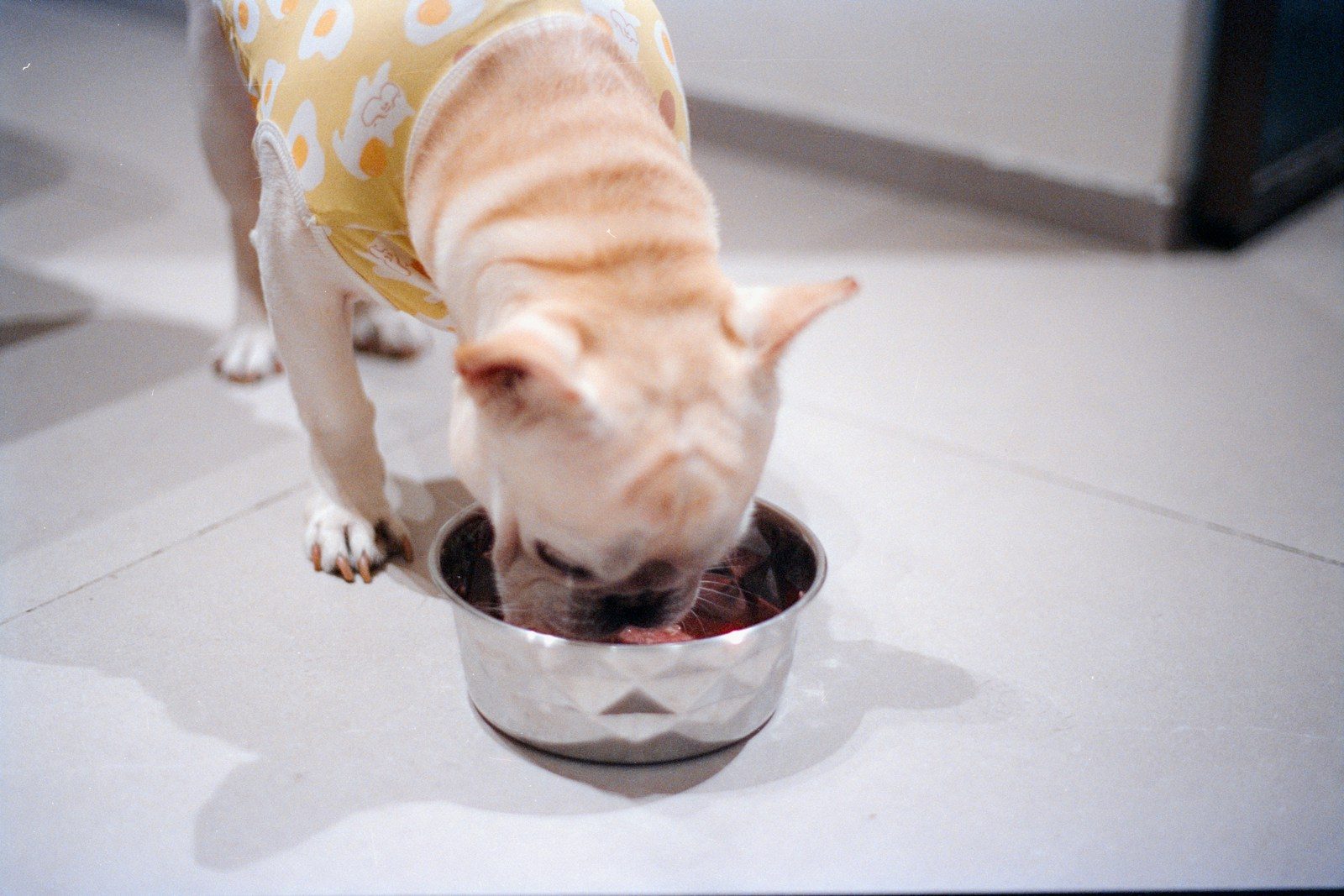
    A french bulldog eating from a metal bowl.
    Photo by Zhen Yao on Unsplash

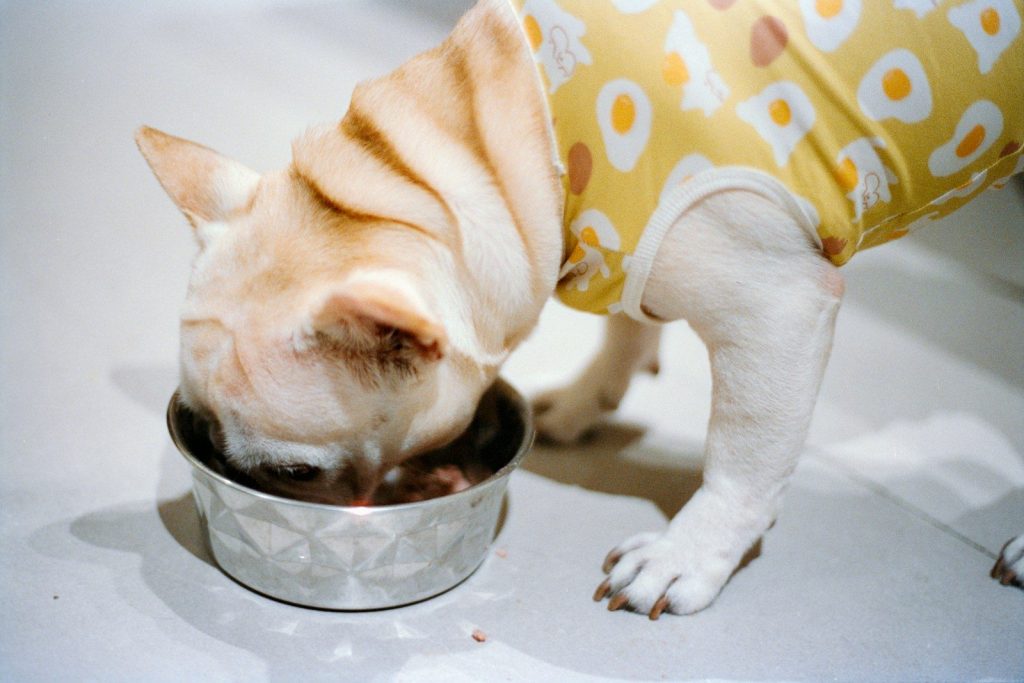
    Veterinary experts commonly recommend stainless steel bowls as a safer choice for everyday feeding. Stainless steel has a smooth, non-porous surface that helps resist bacterial buildup. It is also durable and rust-resistant, making it a practical option for long-term use.

    Another advantage is that most stainless steel bowls can be cleaned easily in a dishwasher. Regular washing helps remove germs and lowers the risk of contamination. While some bowls may slide around or make noise during meals, they remain a popular choice due to their hygiene benefits.

    What to know about ceramic and stoneware bowls

    Orange cat eating dry food from a bowl
    Photo by Javier Garcia Chavez on Unsplash

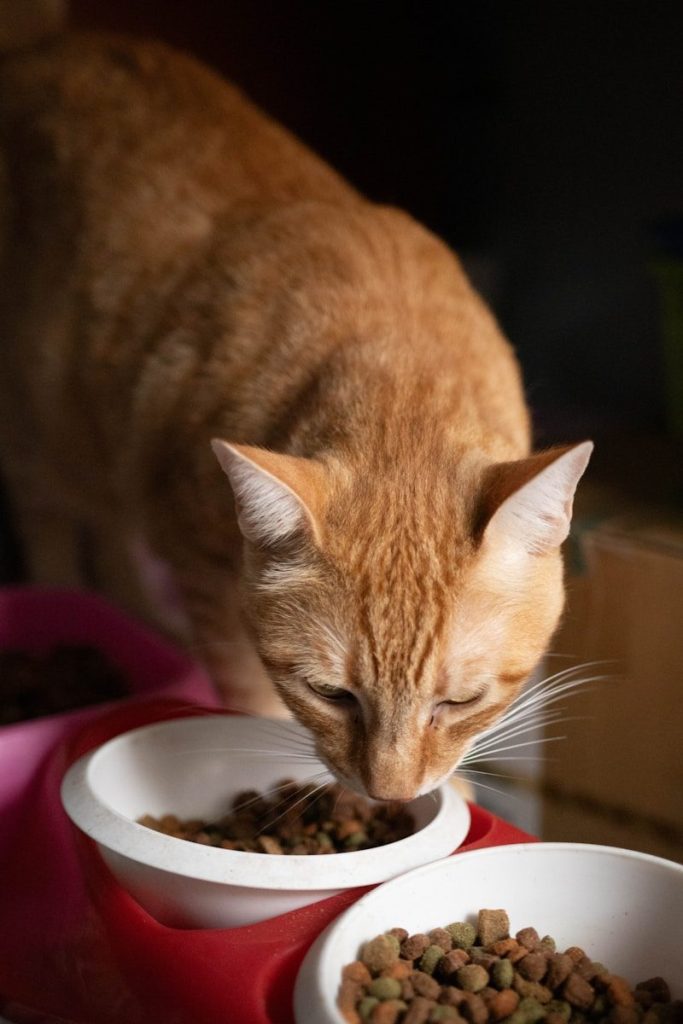
    Ceramic and stoneware bowls can be safe when made with high-quality, food-grade glazes. They are often heavier than other bowls, which helps keep them stable during feeding and reduces spills around the home.

    However, ceramic bowls can chip or crack over time. These damaged areas may create tiny spaces where bacteria can hide and multiply. Because of this risk, owners should inspect ceramic bowls regularly and replace them if any damage appears.

    How silicone bowls compare to other options

    My awesome silicone bowl will not get broken if I drop it. In fact it bounces! #fmsphotoaday” by Angel 3937 is licensed under CC BY-NC-SA 2.0

    Silicone bowls are often chosen because they are lightweight and easy to carry. Many pet owners use them while traveling because they can be packed conveniently and take up very little space. They are also resistant to odors and stains, making cleaning easier.

    Many food-grade silicone bowls are dishwasher-safe and considered non-toxic. However, they are generally viewed as a better travel option than an everyday feeding bowl. Frequent use or heavy chewing may cause them to wear down faster than more durable materials.

    Cleaning habits that help keep bowls safe

    Licking the bowl clean” by Shana L. McDanold is licensed under CC BY-NC-SA 2.0

    Choosing the right bowl material is important, but cleaning habits play an equally important role. Veterinary experts advise washing food bowls after every meal. Water bowls should be cleaned at least once each day to reduce bacterial growth.

    Hot, soapy water can help remove harmful microbes effectively. Dishwasher-safe bowls can also be sanitized using a high-heat dishwasher cycle. Treating pet bowls with the same care given to human dishes helps reduce contamination and supports better health for everyone in the household.