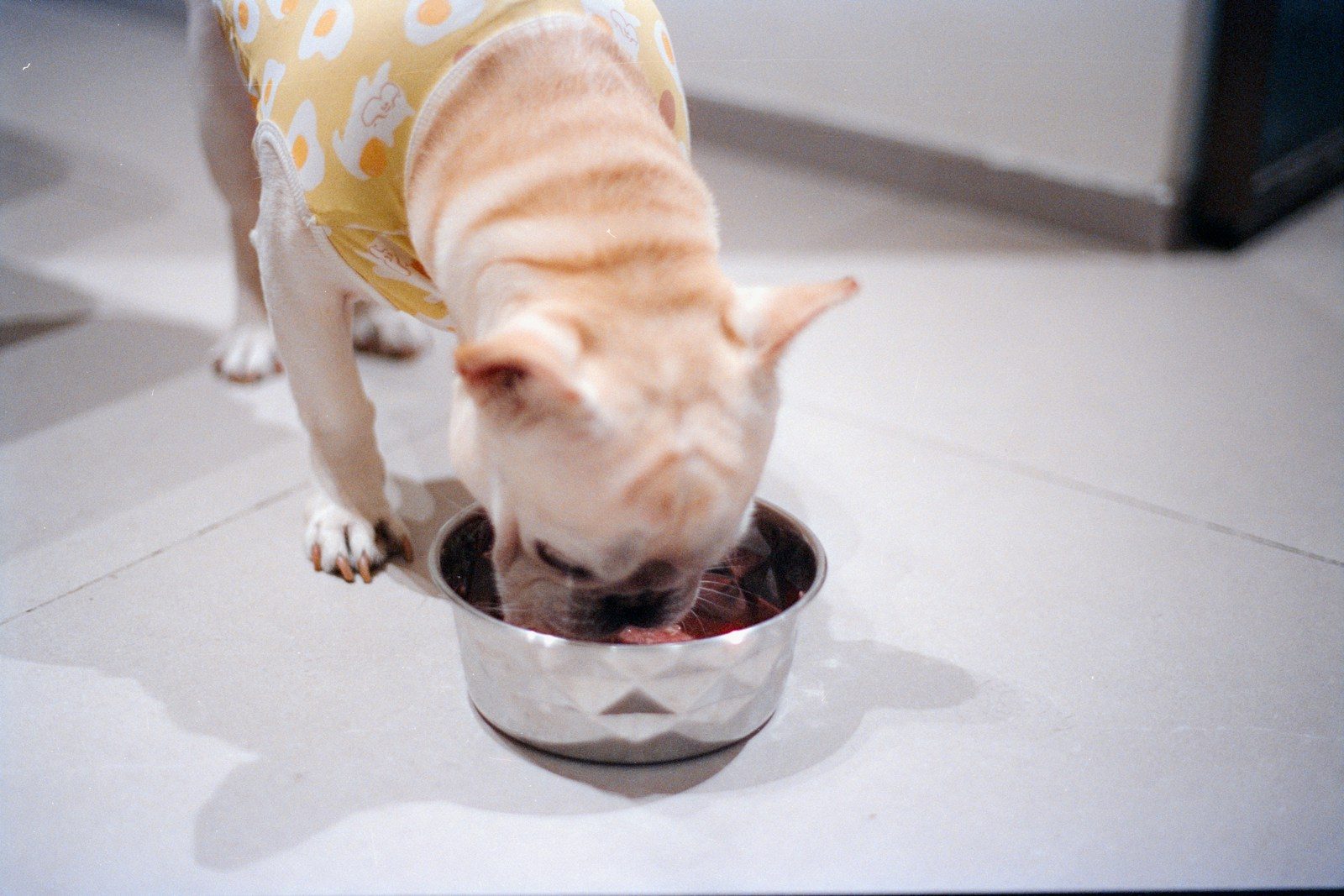
Could your pet’s food bowl be making them sick without you even realizing it? Most pet owners focus on choosing the right food, but the bowl itself often gets very little attention. Recent findings about pet food bowls that may harbor harmful bacteria have raised concerns about pet health and household hygiene.
This article explains how certain bowl materials can harbor harmful bacteria, why proper cleaning is important, and which bowl types are considered safer for daily use. You will also learn about the risks linked to contaminated bowls and simple steps that can help protect both pets and people from unwanted germs.
Why pet food bowls can become bacterial hotspots

Feeding time is usually one of the happiest moments of the day for pets. Dogs wag their tails, cats purr with excitement, and owners enjoy caring for their animals. However, food and water bowls can quietly become breeding grounds for bacteria if they are not cleaned properly.
Research found that common bowl materials, such as plastic and ceramic, can hold bacteria, including harmful germs. Some bacteria can form biofilms that are difficult to remove without thorough washing. Because of this, pet bowls can become among the most contaminated items in a home.
How contaminated bowls affect pets and people
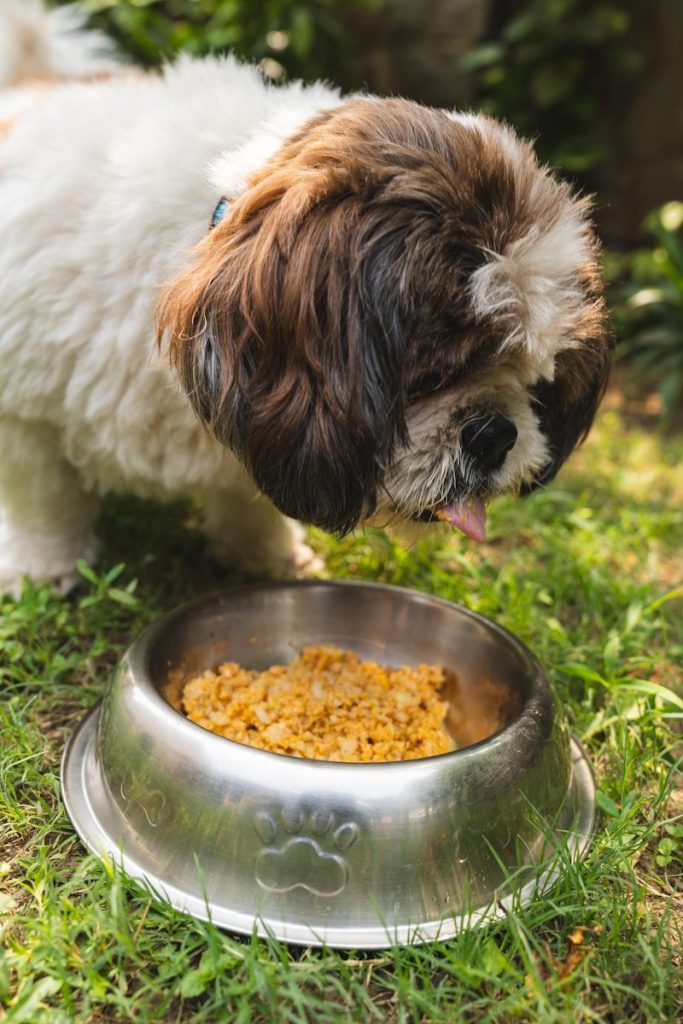
A dirty food bowl can expose pets to harmful bacteria every time they eat or drink. This contamination may lead to health problems such as vomiting, diarrhea, or infections. Even healthy pets can be affected if bacteria accumulate over time.
The problem does not stop with pets. Germs from contaminated bowls can spread to hands, countertops, and other household surfaces. This increases the risk of illness for people, especially young children, older adults, and individuals with weakened immune systems.
Why stainless steel bowls are often recommended
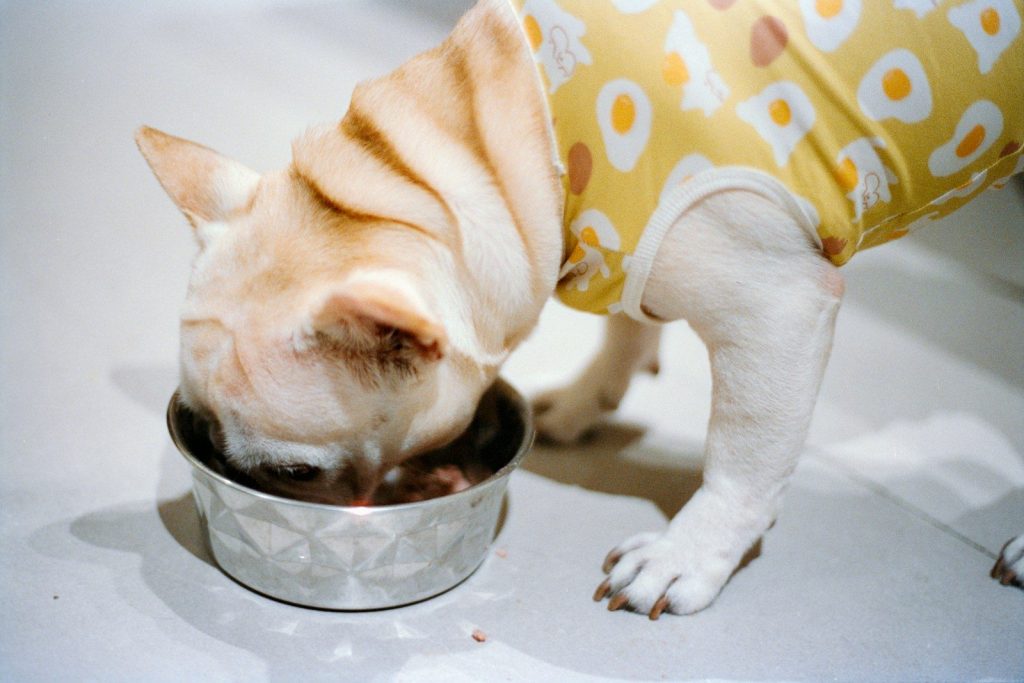
Veterinary experts commonly recommend stainless steel bowls as a safer choice for everyday feeding. Stainless steel has a smooth, non-porous surface that helps resist bacterial buildup. It is also durable and rust-resistant, making it a practical option for long-term use.
Another advantage is that most stainless steel bowls can be cleaned easily in a dishwasher. Regular washing helps remove germs and lowers the risk of contamination. While some bowls may slide around or make noise during meals, they remain a popular choice due to their hygiene benefits.
What to know about ceramic and stoneware bowls
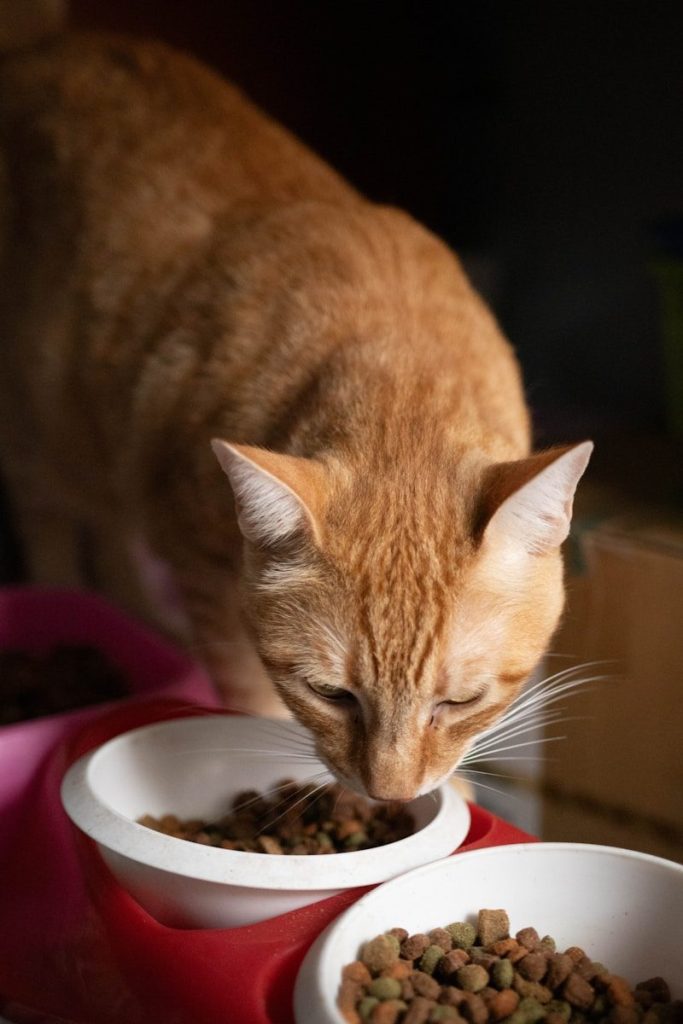
Ceramic and stoneware bowls can be safe when made with high-quality, food-grade glazes. They are often heavier than other bowls, which helps keep them stable during feeding and reduces spills around the home.
However, ceramic bowls can chip or crack over time. These damaged areas may create tiny spaces where bacteria can hide and multiply. Because of this risk, owners should inspect ceramic bowls regularly and replace them if any damage appears.
How silicone bowls compare to other options
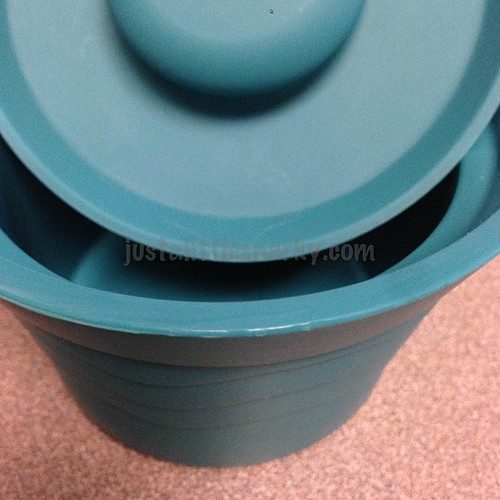
Silicone bowls are often chosen because they are lightweight and easy to carry. Many pet owners use them while traveling because they can be packed conveniently and take up very little space. They are also resistant to odors and stains, making cleaning easier.
Many food-grade silicone bowls are dishwasher-safe and considered non-toxic. However, they are generally viewed as a better travel option than an everyday feeding bowl. Frequent use or heavy chewing may cause them to wear down faster than more durable materials.
Cleaning habits that help keep bowls safe
Choosing the right bowl material is important, but cleaning habits play an equally important role. Veterinary experts advise washing food bowls after every meal. Water bowls should be cleaned at least once each day to reduce bacterial growth.
Hot, soapy water can help remove harmful microbes effectively. Dishwasher-safe bowls can also be sanitized using a high-heat dishwasher cycle. Treating pet bowls with the same care given to human dishes helps reduce contamination and supports better health for everyone in the household.
Leave a Reply