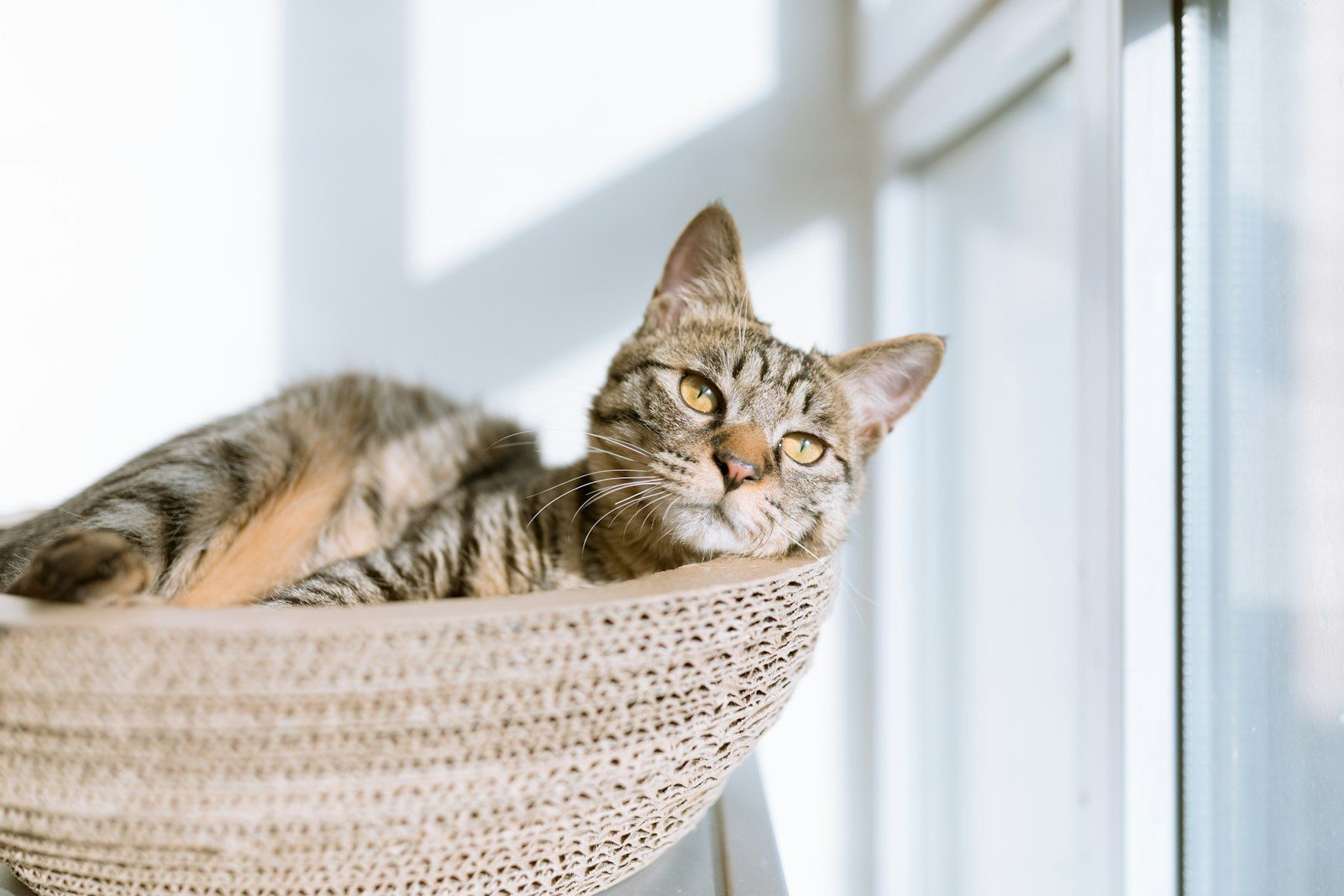
Have you ever cleaned your cat’s litter box and then noticed your cat acting confused, alert, or rushing back to use it right away? These moments can feel strange and even a little worrying. The topic of why cats behave strangely after litter cleaning is explained to help make sense of these behaviors using natural instincts and simple cat habits.
This article explains why cats react when you clean their litter box, why they watch closely, and why they sometimes jump back in right after cleaning. It also explores how instincts, cleanliness needs, and environment all affect their behavior. By the end, you will better understand your cat and know how to keep them comfortable.
Why cats behave strangely after litter cleaning is explained through instincts
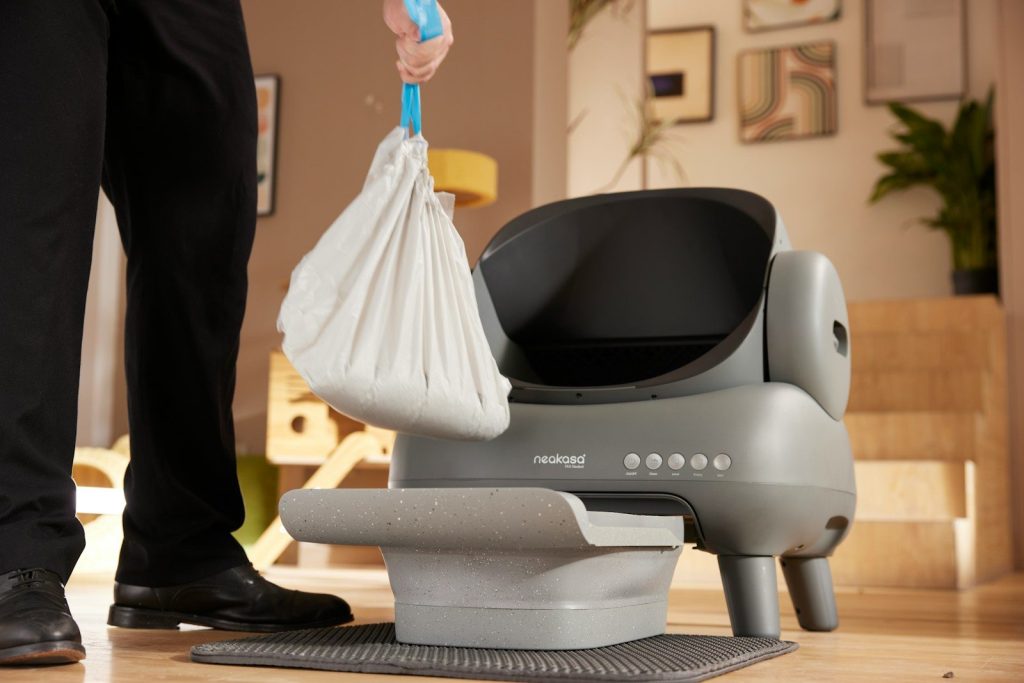
Cats often react strongly when their litter box is cleaned because of deep, natural instincts. These instincts come from wild ancestors who needed to hide their scent to avoid predators. Even though domestic cats live safely indoors, their survival instincts remain active.
When waste is removed, a cat may feel confused or alert because something in its territory has changed. From the cat’s point of view, scent is an important signal. That is why understanding why cats behave strangely after litter cleaning always starts with their natural survival behavior.
Why do cats watch you while cleaning the litter box
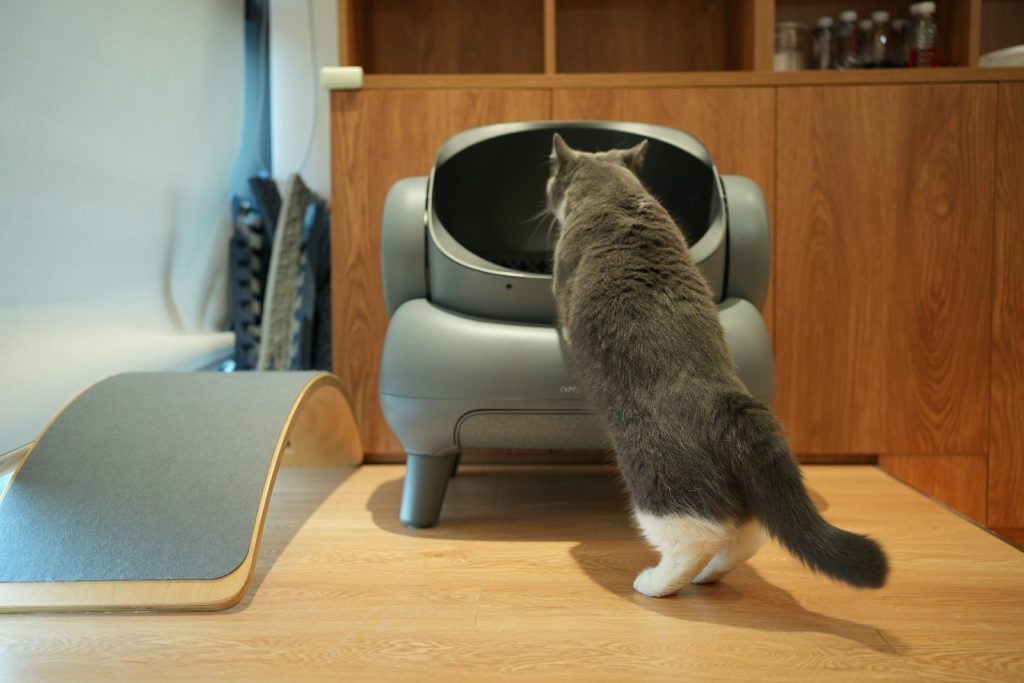
Many cat owners notice their pets staring intently as the litter box is cleaned. This behavior is often linked to protective instincts. In the wild, cats hide their scent to stay safe, so seeing it removed can feel unusual or risky.
During cleaning, a cat may think its scent is being exposed or handled in an unfamiliar way. So it watches carefully to make sure nothing dangerous is happening. Over time, most cats learn that cleaning is harmless and stop reacting as strongly to it.
Why do cats rush back after litter cleaning
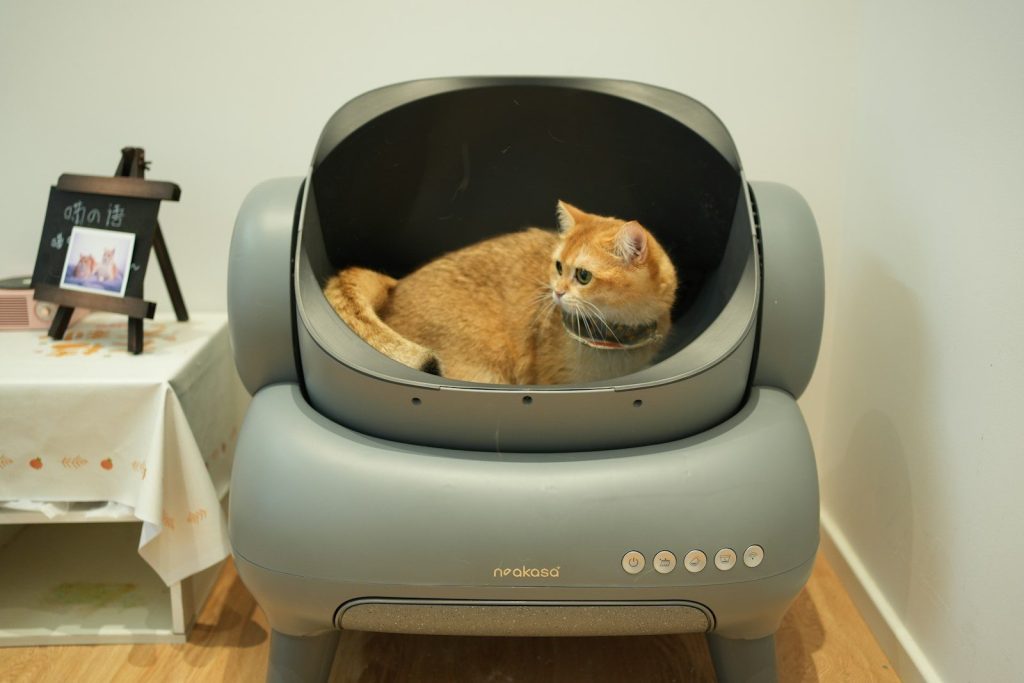
Some cats immediately return to the litter box after it has been cleaned. This is not about dominance or control in the home. Instead, it is tied to comfort, cleanliness, and territory awareness.
Cats naturally prefer clean spaces for important activities, such as elimination. A freshly cleaned box feels safe and comfortable again. That is why many cats quickly return to their cleaning spot right after, showing how important hygiene is to them.
Cats’ natural hygiene and cleanliness habits
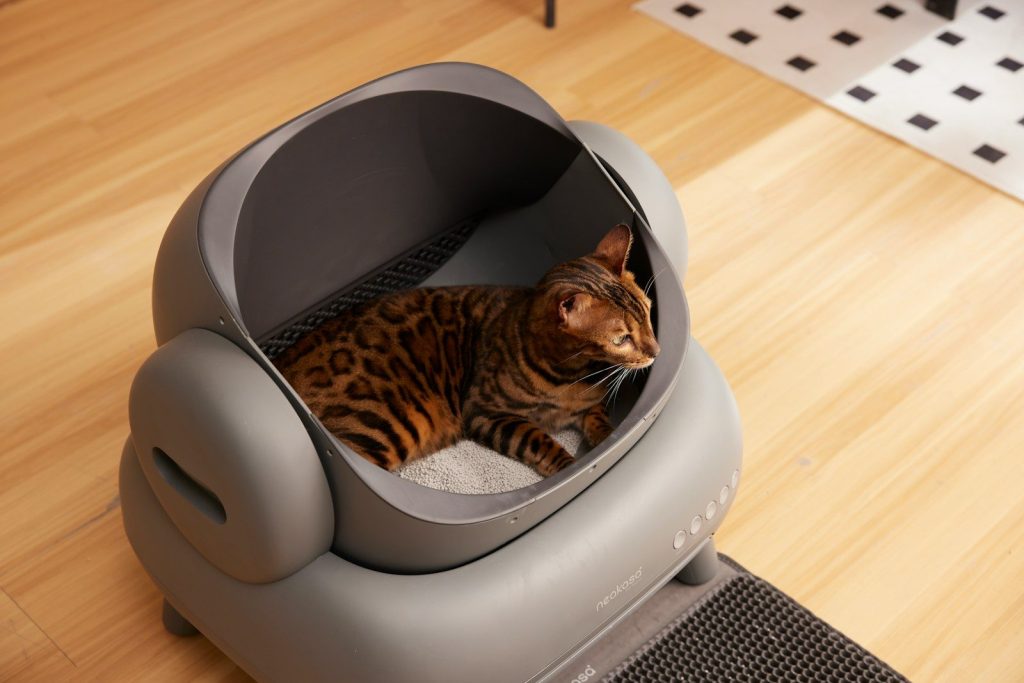
Cats are naturally very clean animals. They avoid dirty or unpleasant places when using their litter box. A clean environment is important for their comfort and daily routine.
If a litter box is not cleaned regularly, cats may stop using it and choose other spots instead. Dirty litter boxes can also lead to bacteria and parasites, which can affect both pets and humans. Keeping things clean protects everyone’s health in the home.
How cleaning habits affect cat behavior
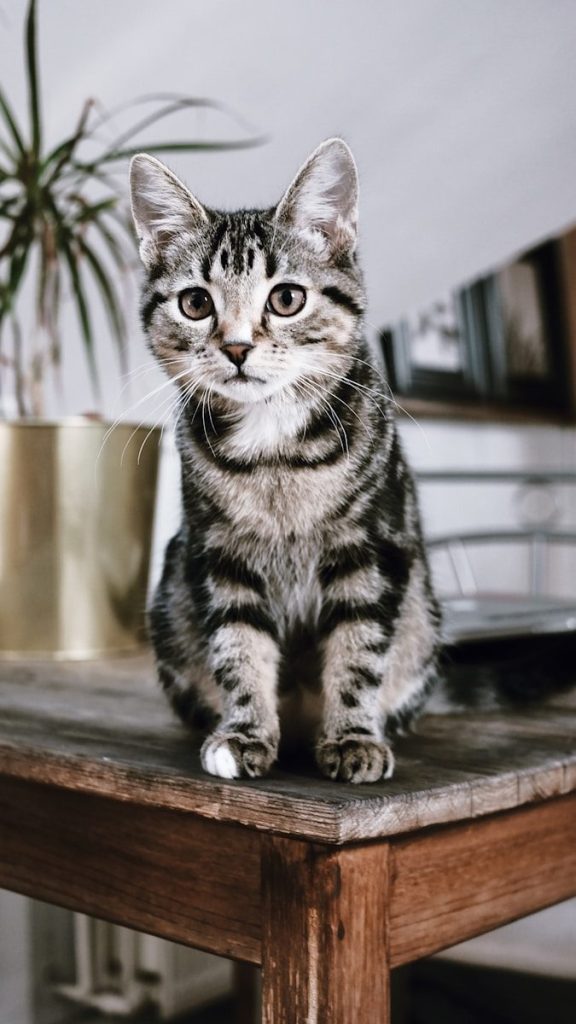
The way a litter box is cleaned can change how a cat reacts. Strong-smelling cleaning products may make cats uncomfortable and cause them to avoid the box. Gentle cleaning methods are usually better for their sensitive noses.
Cleaning too often or removing all scent can also confuse cats. They rely on scent to feel secure in their space. A balanced routine of daily scooping and regular full cleaning usually works best for their comfort and stability.
Other reasons cats avoid or react to cleaned litter boxes
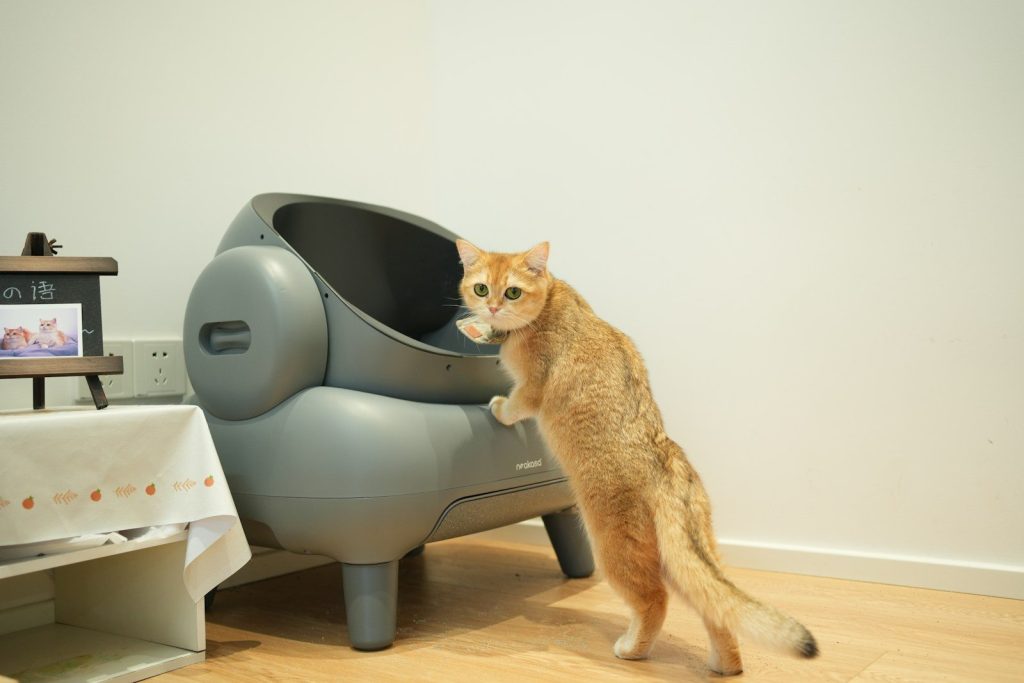
Changes in litter type can also affect cat behavior. Some cats prefer fine litter, while others like larger grains. Switching suddenly may confuse them or make them avoid the box.
The location of the litter box also plays a big role. If it is placed in a noisy or unsafe area, cats may feel stressed. A quiet and stable location helps cats feel safe and more willing to use it consistently.
Leave a Reply