Author: Ethan

  • Illinois River sees 50 million pounds of invasive fish cleared from its waters

    Illinois River sees 50 million pounds of invasive fish cleared from its waters

    Have you ever wondered how bad invasive fish can become when they take over a river? The Illinois River has faced that challenge for years as invasive carp spread through its waters and threatened native fish populations. Now, a major milestone has been reached, with nearly 50 million pounds of invasive fish removed from the river over the past 15 years.

    This achievement highlights one of the largest freshwater invasive species management efforts in North America. Understanding how this happened, why it matters, and what comes next helps show the importance of protecting rivers, lakes, and native wildlife for future generations.

    Why invasive carp became a major problem
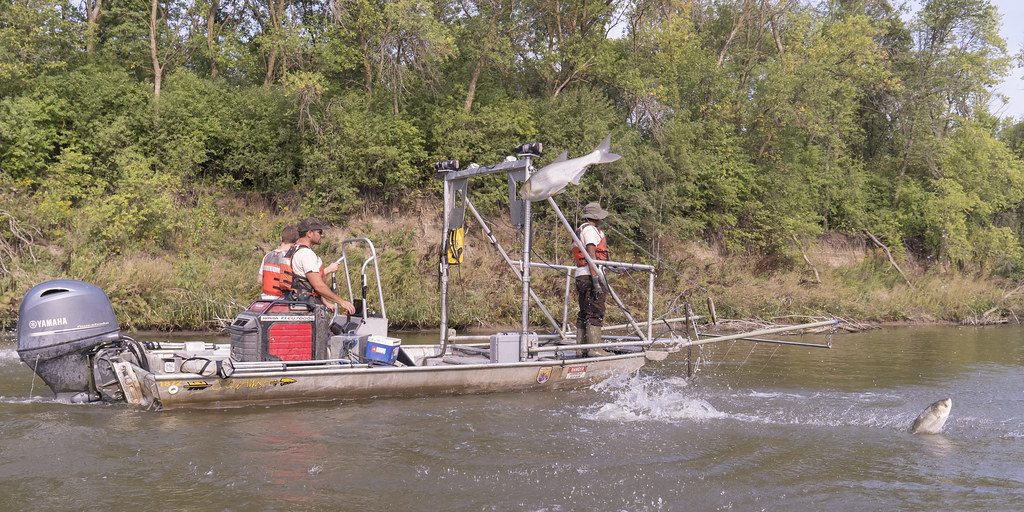
    Invasive Carp Research on the James River in South Dakota. Photo: Sam Stukel (USFWS)” by USFWS Mountain Prairie is licensed under CC PDM 1.0

    Invasive carp were originally brought to the United States during the 1970s. Several species, including silver carp, bighead carp, grass carp, and black carp, escaped into natural waterways and quickly spread throughout parts of the Mississippi River Basin. Once established, these fish reproduced rapidly and expanded into rivers such as the Illinois River.

    The problem with invasive carp is not simply their size or numbers. These fish consume enormous amounts of food, especially plankton, which many native fish species rely on for survival. As carp populations grow, they compete directly with native fish for resources. This can disrupt entire food webs, reduce biodiversity, and make it harder for local fish populations to thrive.

    How the Illinois River became a battleground
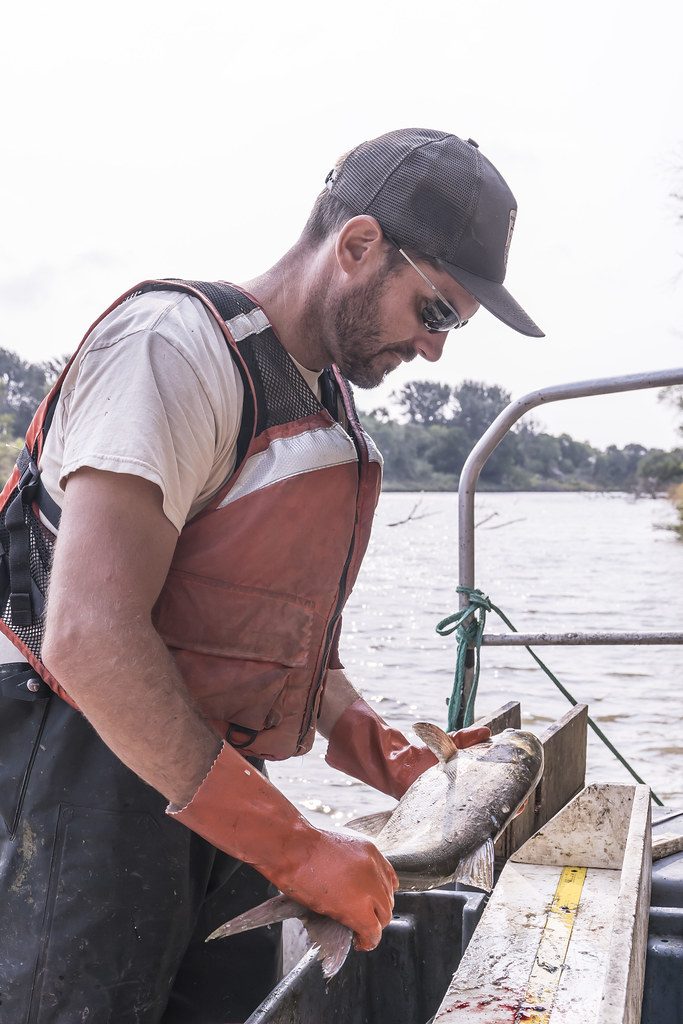
    Illinois River Bridges. LaSalle Rail Bridge and the Abraham Lincoln Bridge” by Ronald Douglas Frazier is licensed under CC BY 2.0

    The Illinois River sits in a critical location because it connects to waterways that could eventually allow invasive carp to reach the Great Lakes. Scientists and wildlife managers have long viewed the river as one of the most important fronts in the fight against invasive species. If large populations of carp establish themselves in the Great Lakes, the ecological and economic consequences could be severe.

    Because of this risk, state and federal agencies developed long-term plans to reduce carp populations throughout the Illinois River. The goal was not only to remove fish but also to lower their numbers enough to slow reproduction, reduce movement upstream, and protect sensitive ecosystems. Over time, these efforts grew into a massive operation involving scientists, fisheries experts, and commercial fishers.

    The effort behind removing 50 million pounds

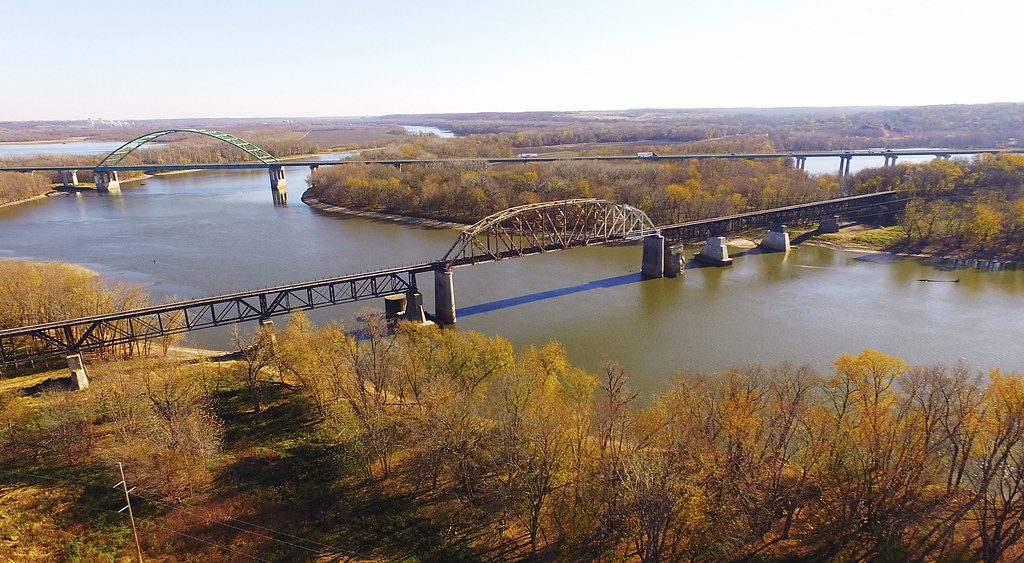
    People on a Boat” by Stefen Acepcion is licensed under CC BY-NC-ND 2.0

    Reaching the 50-million-pound mark did not happen overnight. The milestone represents roughly 15 years of coordinated removal work across different sections of the Illinois River. During 2025 alone, more than 7 million pounds of invasive carp were removed through multiple programs operating on the river.

    One major effort focuses on the upper Illinois River near the area where invasive carp populations are closest to Lake Michigan. Commercial fishers work alongside biologists to target adult fish and reduce their numbers. Another large-scale effort covers the lower portions of the river, where carp populations are even more abundant. These programs together have accounted for tens of millions of pounds of fish being removed from the ecosystem.

    The role of commercial fishing in controlling carp

    black fishing rod and body of water during golden hour
    Photo by James Wheeler on Unsplash

    Commercial fishing has become one of the most effective tools for reducing invasive carp populations. Professional fishers use specialized equipment and techniques to locate large groups of carp and remove them efficiently. State agencies often work closely with these fishers to target specific areas where carp are concentrated.

    The fish that are removed do not simply go to waste. Some are processed into fertilizer, animal feed, and other products. In recent years, efforts have also been made to increase the use of carp for human consumption. While carp has not traditionally been a popular food fish in many parts of the United States, finding markets for harvested fish helps create additional incentives for continued removal and population control.

    How these removals help protect native ecosystems

    school of fish in body of water
    Photo by Hiroko Yoshii on Unsplash

    Every pound of invasive carp removed represents less competition for native fish and other aquatic organisms. By reducing carp numbers, managers hope to give native species a better chance to access food and habitat. This can help improve overall ecosystem health and support more balanced fish communities.

    The benefits extend beyond fish populations. Healthy river ecosystems support birds, mammals, recreational activities, and commercial fisheries. When invasive species dominate an ecosystem, the effects can ripple through many levels of the food chain. Large-scale removals help reduce these pressures and improve conditions for a wide range of wildlife that depend on the river.

    What comes next for the Illinois River
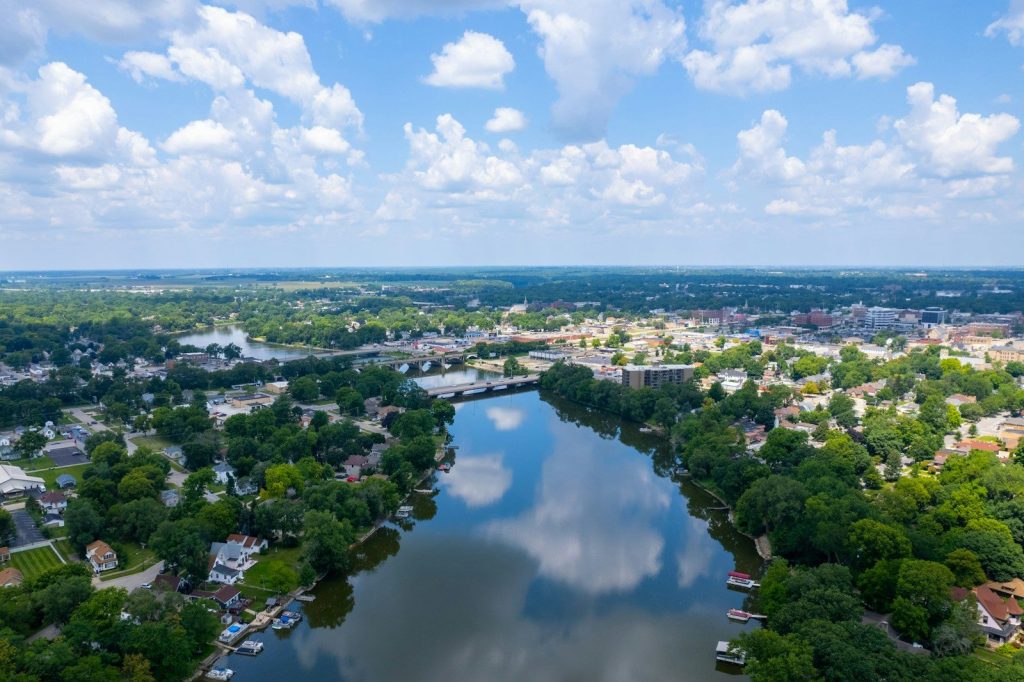
    aerial view of city near body of water during daytime
    Photo by Zander Betterton on Unsplash

    Although the 50-million-pound milestone is impressive, experts do not view it as the finish line. Invasive carp remain established throughout much of the river system, and ongoing management will be necessary for years to come. Wildlife agencies continue to improve monitoring programs, track fish movements, and develop new removal strategies.

    Additional barriers and prevention systems are also being used to stop carp from moving toward the Great Lakes. These include electric barriers and other technologies designed to deter fish movement through critical waterways. Combined with continued harvesting efforts, these measures form a layered defense intended to reduce the long-term threat posed by invasive carp.


  • Dogs that are most likely to become friends with cats

    Dogs that are most likely to become friends with cats

    Many people dream of having both a dog and a cat in the same home. The good news is that some dog breeds are much more likely to get along with cats than others. While every animal has its own personality, certain breeds are known for being gentle, friendly, and easy to train. These traits can make introductions smoother and help build a peaceful relationship between pets.

    If you are searching for dogs that are most likely to become friends with cats, choosing the right breed is an important first step. In this guide, you’ll learn about six dog breeds that are known for their cat-friendly nature, why they often succeed in multi-pet homes, and what makes them stand out. Understanding these breeds can help you create a happier and more balanced household for both your dog and your cat.
    Golden retrievers are gentle and patient companions

    adult golden retriever sitting on green grass
    Photo by Angel Luciano on Unsplash

    Golden Retrievers are often considered one of the most cat-friendly dog breeds. They are famous for their calm, affectionate personalities and their willingness to get along with almost everyone they meet. Because they were bred to work closely with humans, they tend to be eager to please and easy to train. This makes it easier to teach them how to behave around cats and respect a cat’s space.

    Their patient nature is one of their biggest strengths. Instead of chasing or bothering cats, many Golden Retrievers prefer to make friends and join in family activities. They are playful without being overly rough, which helps cats feel safer around them. When raised together or introduced properly, many Goldens and cats develop close bonds and may even sleep together or groom each other.

    Labrador retrievers adapt well to multi-pet homes

    short-coated tan dog sitting on yellow petaled flower field
    Photo by Vincent van Zalinge on Unsplash

    Labrador Retrievers are known around the world for their friendly and outgoing personalities. They are highly social dogs that usually enjoy meeting both people and animals. Because Labradors are intelligent and eager to learn, they often respond well to training that teaches them how to interact respectfully with cats.

    Although Labradors are much larger than most cats, they are generally gentle and tolerant. Their playful nature can make them exciting companions, but proper training helps ensure that play remains safe. Many Labradors learn quickly that cats are members of the family and treat them accordingly. Their ability to adapt to different living situations makes them one of the strongest choices for homes that already have cats.

    Cavalier King Charles spaniels love companionship

    A brown and white dog laying on top of a lush green field
    Photo by Ralf Sauter on Unsplash

    The Cavalier King Charles Spaniel was bred primarily as a companion dog, which explains much of its friendly behavior. These dogs thrive on affection and enjoy being around both people and other animals. Their small size also makes them less intimidating to cats compared to larger breeds.

    Because they are naturally gentle and adaptable, Cavaliers often fit comfortably into homes with cats. They usually prefer cuddling and companionship over rough play or chasing behavior. Their calm attitude helps nervous cats feel more comfortable during introductions. In many homes, Cavaliers and cats quickly learn to share living spaces and become close companions.

    Beagles see other pets as part of the family

    a beagle dog standing in a field of grass
    Photo by Lesya Tyutrina Andrey Biyanov on Unsplash

    Beagles were originally bred to work and hunt in groups, which helped create their social personality. They generally enjoy being around other animals and often view them as members of their pack. This trait can make them surprisingly successful companions for cats when proper introductions are made.

    Their friendly and curious nature helps them approach cats with interest rather than hostility. However, because Beagles do have a hunting background, training and supervision remain important during the early stages of a relationship. Once boundaries are established, many Beagles become loyal companions to cats and enjoy sharing daily activities with their feline housemates.

    Bichon Frises bring a playful but gentle attitude

    Champion Bichons Frises pretending to be little white seals” by Al_HikesAZ is licensed under CC BY-NC 2.0

    Bichon Frises are cheerful little dogs that thrive on companionship. They love attention and enjoy being part of family life. Their friendly nature often extends to other household pets, including cats. Since they are small and non-threatening, many cats feel less nervous around them.

    One of the reasons Bichon Frises often succeed in homes with cats is their balanced energy level. They enjoy playtime but are usually not overly demanding or aggressive. Their affectionate personality encourages positive interactions, and they often see cats as potential friends rather than rivals. With proper introductions, they can become loyal companions that happily share space with feline family members.

    Poodles are intelligent and respectful of boundaries

    Apricot Poodle 02” by furry-photos is licensed under CC BY-NC-ND 2.0

    Poodles are among the smartest dog breeds in the world. Their intelligence makes them highly trainable, which is a major advantage when introducing them to cats. Whether Standard, Miniature, or Toy, Poodles are generally eager to learn household rules and respond well to guidance.

    In addition to being intelligent, Poodles are known for their social and adaptable personalities. They tend to observe situations carefully and can learn to respect a cat’s boundaries. Many Poodles enjoy interacting with cats but are also capable of giving them space when needed. This combination of intelligence and flexibility often leads to peaceful relationships and long-lasting friendships between the two species.

  • Terrifying sea creatures that are even more unsettling than sharks

    Terrifying sea creatures that are even more unsettling than sharks

    Many people think sharks are the most frightening animals in the ocean. Movies, TV shows, and news stories have helped build that image for years. But the truth is that some sea creatures are even more unsettling than sharks because of their strange looks, unusual hunting methods, or enormous size.

    If you are curious about the ocean’s darkest and most mysterious animals, this article will introduce you to six creatures that many people find even more terrifying than sharks. From deep-sea hunters with snapping jaws to giant squid that battle whales in the darkness, these creatures reveal just how strange life beneath the waves can be.

    The giant squid is a true deep-sea giant

    Sperm Whale and Giant Squid” by Ryan Somma is licensed under CC BY-SA 2.0

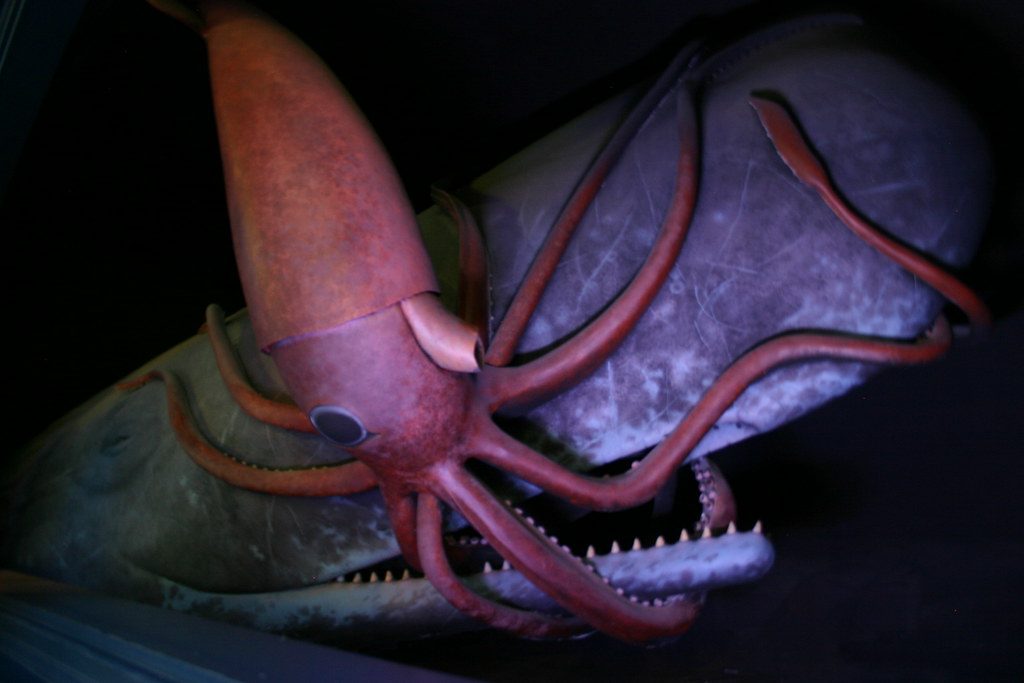
    The giant squid is one of the largest invertebrates on Earth. Scientists have recorded individuals that can reach lengths of around 40 feet when their long feeding tentacles are included. These animals spend most of their lives deep below the ocean surface, which is one reason they remained mysterious for so long. For centuries, sailors told stories about enormous sea monsters pulling ships underwater. While those stories were exaggerated, giant squid likely helped inspire some of those legends.

    What makes the giant squid so unsettling is its combination of size and equipment. It has eight arms, two extra-long tentacles, powerful suckers lined with sharp teeth-like rings, and a strong beak capable of tearing prey apart. Giant squid are known to battle sperm whales in the deep ocean, and scars from squid suckers are often found on whales. Although giant squid are not considered a threat to humans, the thought of encountering a creature that large in dark water is enough to make many people uncomfortable.

    The goblin shark looks like an alien predator

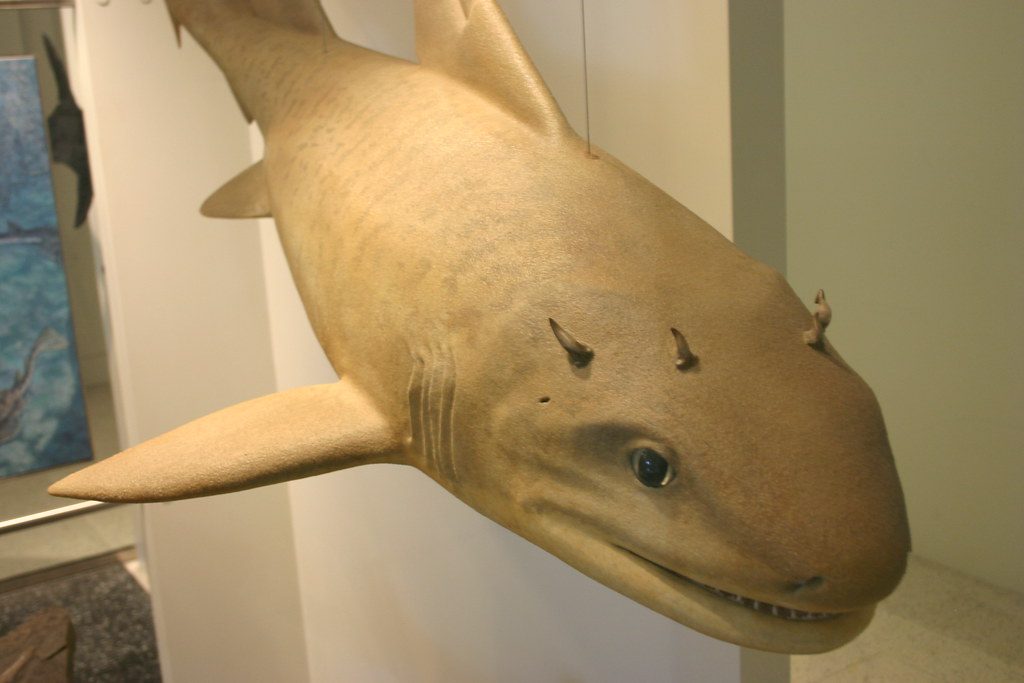
    Snaggle Tooth Hob Goblin” by Hungarian Snow is licensed under CC BY-SA 2.0

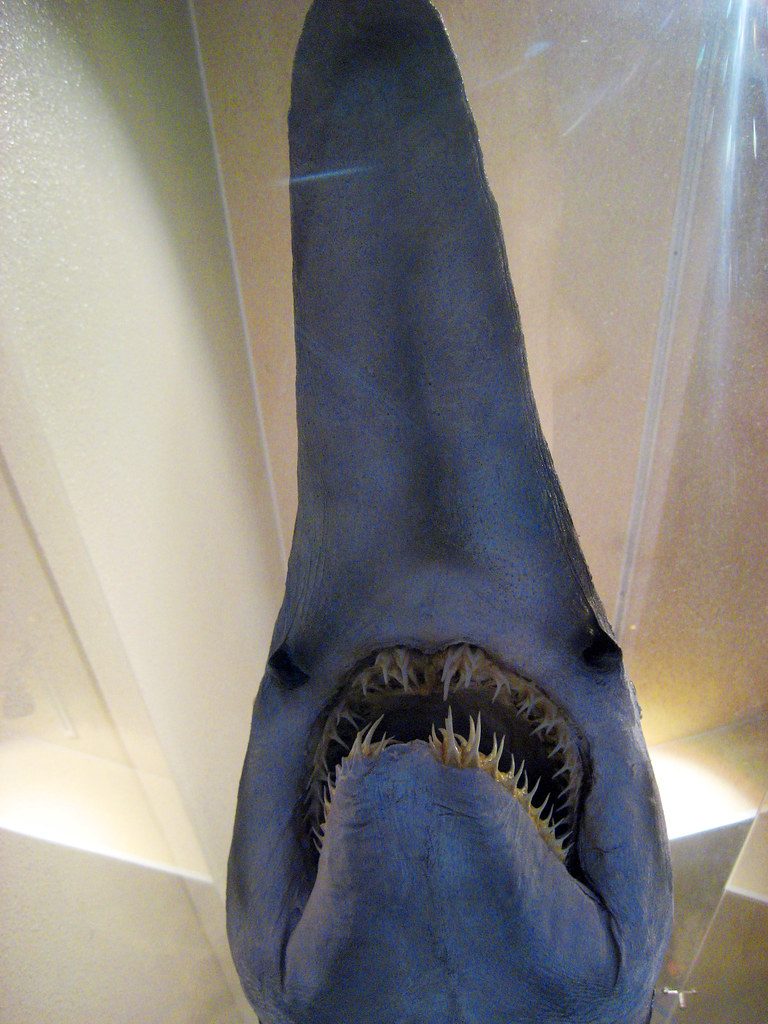
    The goblin shark is often called a living fossil because its ancestors have existed for millions of years. Unlike the sleek appearance of most sharks, the goblin shark has a long, flattened snout and a pale pink body. Its appearance alone makes it one of the strangest fish ever discovered.

    The most frightening feature of the goblin shark is its jaw. When prey comes close, the shark can shoot its jaws forward with incredible speed. This action allows it to grab fish, squid, and crustaceans before they can escape. Because goblin sharks live in deep water, most people will never see one in the wild. Still, videos showing their snapping jaws have earned them a reputation as one of the ocean’s most terrifying creatures.

    The giant isopod resembles a nightmare bug

    Giant Isopod” by Ryan Somma is licensed under CC BY-SA 2.0

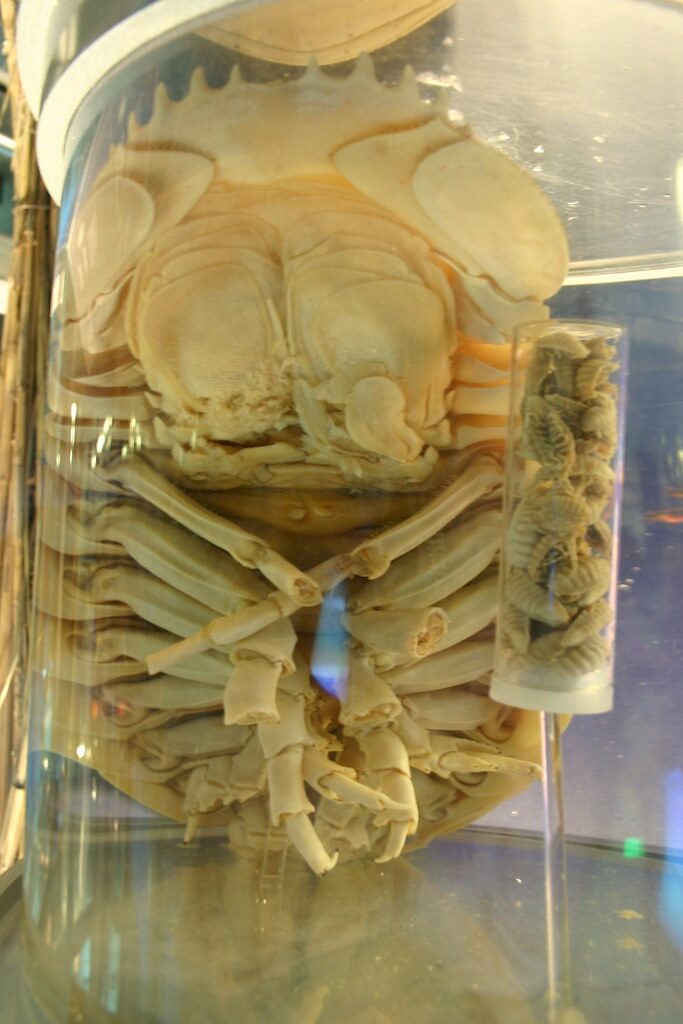
    Imagine a pill bug from your backyard growing to the size of a small dog. That is essentially what a giant isopod looks like. These deep-sea crustaceans belong to a group of animals related to woodlice. Some species can grow to nearly 20 inches long, giving them a truly bizarre appearance.

    Their armored bodies, numerous legs, and large eyes make them seem like creatures from another planet. Giant isopods spend much of their lives crawling across the seafloor, searching for dead animals to eat. They can survive for extremely long periods without food because meals are rare in the deep ocean. While they are harmless to people, their appearance and scavenging habits make them one of the most unsettling animals living in the sea today.

    The anglerfish uses a glowing trap

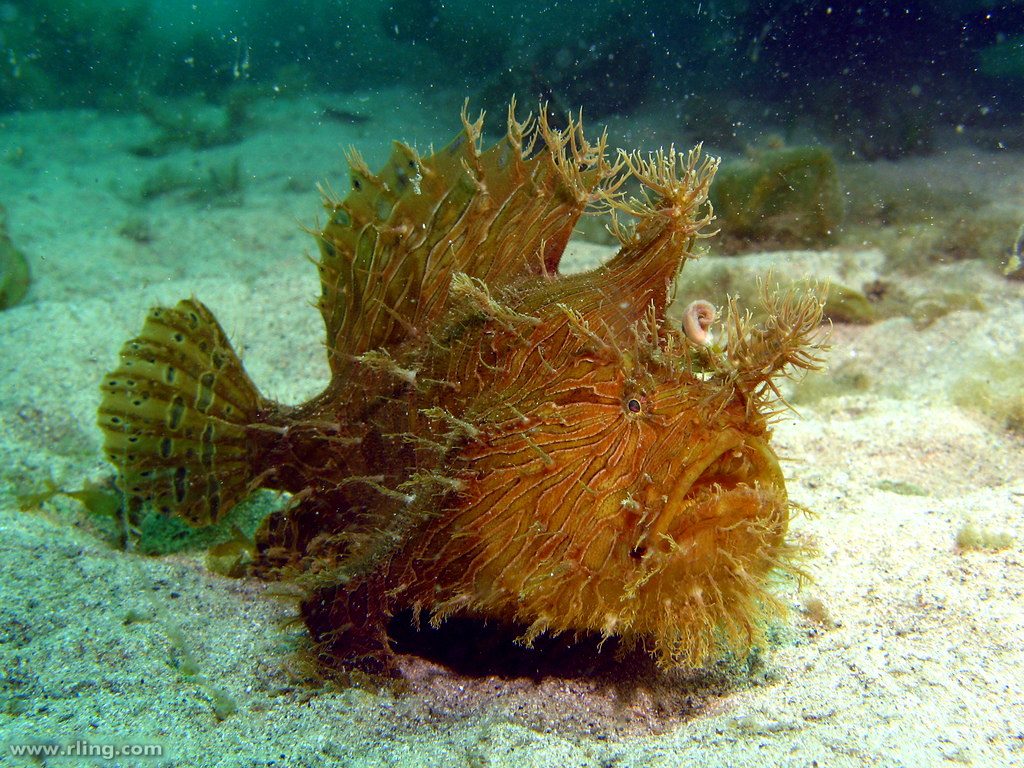
    Striped Anglerfish” by richard ling is licensed under CC BY-NC-ND 2.0

    The anglerfish has become one of the most famous deep-sea creatures because of its frightening appearance. These fish live in some of the darkest parts of the ocean, where sunlight never reaches. To survive, they have developed a unique way to attract prey.

    A glowing structure extends from the anglerfish’s head like a fishing rod. Small fish are drawn toward the light, believing it may be food or a safe place. Once they get close enough, the anglerfish opens its enormous mouth and swallows them. Its sharp teeth point inward, making escape nearly impossible. The combination of glowing bait, huge jaws, and dark habitat makes the anglerfish seem like something from a horror movie rather than a real animal.

    The bobbit worm attacks with lightning speed

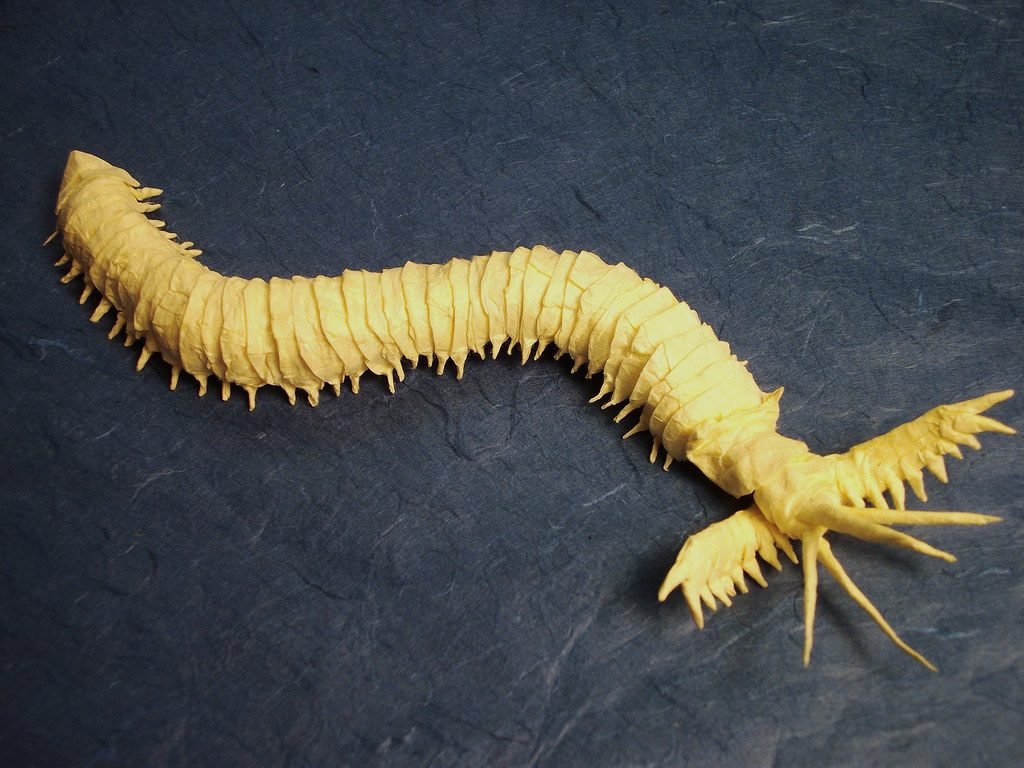
    Bobbit Worm” by OriGann is licensed under CC BY-NC 2.0

    The bobbit worm spends most of its life hidden beneath the seafloor. Only a small portion of its body remains visible while it waits for prey to pass overhead. Some bobbit worms can grow to nearly 10 feet long, although much of their body remains buried in sediment.

    What makes this creature so frightening is the way it hunts. The worm can launch itself upward in a fraction of a second and grab fish with powerful jaws. The attack happens so quickly that prey often has no chance to react. Divers who learn about bobbit worms are often shocked by their size and hunting strategy. The fact that such a large predator can remain hidden beneath the sand makes it especially unsettling.

    The siphonophore may be the longest animal on Earth

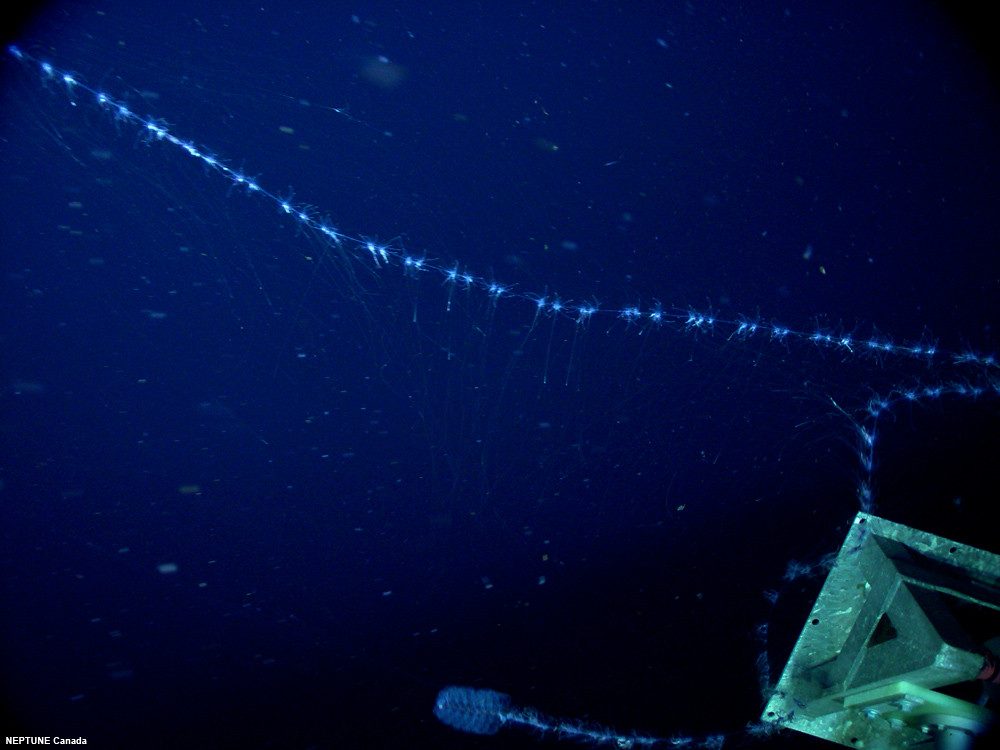
    Siphonophore” by OceanNetworks Canada is licensed under CC BY-NC-SA 2.0

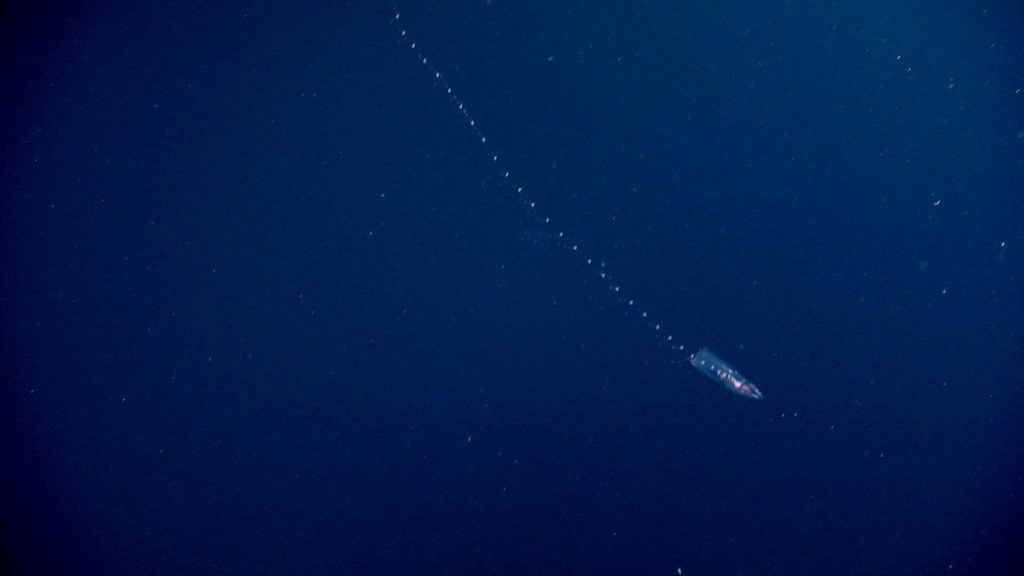
    At first glance, a siphonophore may not seem frightening. It looks like a long, glowing ribbon floating through the water. However, appearances can be deceiving. Some siphonophores may reach lengths greater than a blue whale, making them among the longest animals ever discovered.

    A siphonophore is not actually a single animal. Instead, it is a colony made up of many specialized organisms working together as one. Some parts help with movement, others catch food, and others handle reproduction. Long tentacles trail behind the colony and contain stinging cells used to capture prey. Seeing a creature stretch for dozens of feet through the dark ocean while glowing softly creates an eerie image that many people find more unsettling than a shark.

  • Prehistoric sharks that would be terrifying to encounter today

    Prehistoric sharks that would be terrifying to encounter today

    The oceans are home to some impressive sharks today, but many ancient species were even more frightening. Prehistoric sharks ruled the seas for hundreds of millions of years and evolved strange features that seem almost unbelievable now. Some grew larger than buses, while others carried bizarre teeth designed to slice through prey in unique ways.

    If you have ever wondered which prehistoric sharks would be the most terrifying to encounter today, this guide explores some of the most remarkable examples. From giant apex predators to sharks with unusual jaws and teeth, these ancient hunters reveal just how incredible shark evolution has been over time.

    Megalodon was the king of the ancient seas

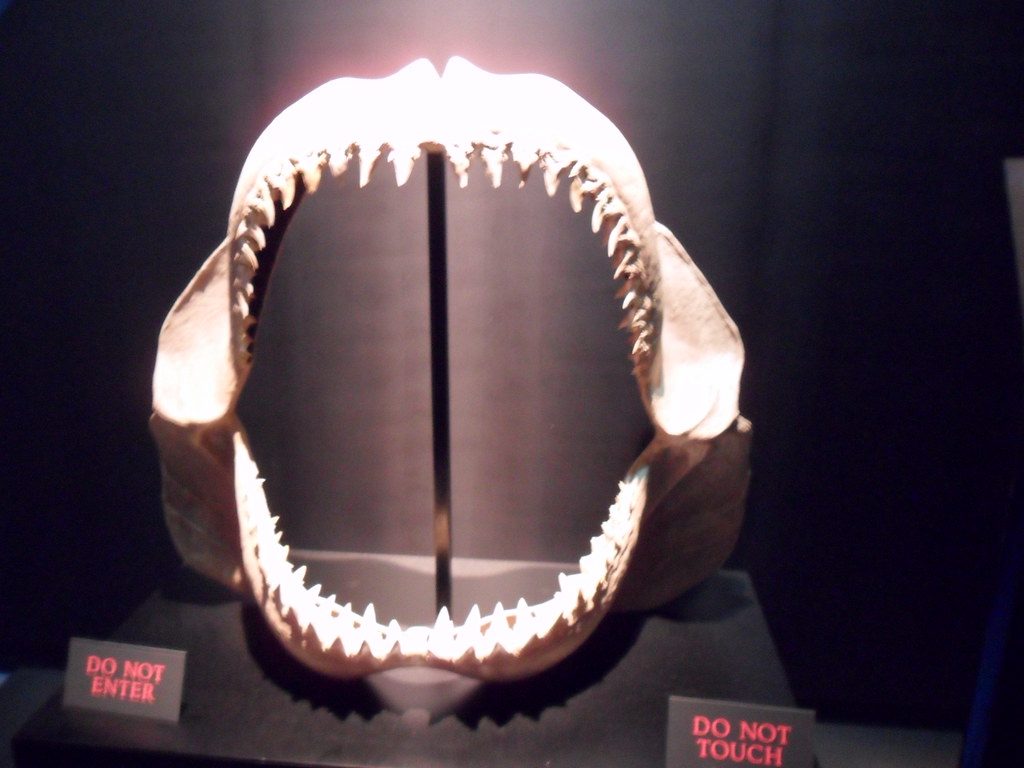
    Megalodon Jaws” by Eligius4917 is licensed under CC BY-SA 2.0

    When people think about prehistoric sharks, Megalodon is usually the first species that comes to mind. It lived between about 23 million and 2.6 million years ago and is widely considered the largest shark ever discovered. Scientists estimate that the biggest individuals may have reached lengths of nearly 60 feet or more, making them far larger than modern great white sharks. Fossil teeth have been found on nearly every continent except Antarctica, showing that this giant predator was widespread in ancient oceans.

    Megalodon fed on marine mammals, including ancient whales, seals, and other large animals. Its enormous jaws and powerful bite would have made it one of the most dangerous predators in Earth’s history. A modern encounter with a shark of this size would be hard to imagine. Even large boats would seem small next to an animal that could grow longer than many city buses.

    Helicoprion carried a strange spiral of teeth

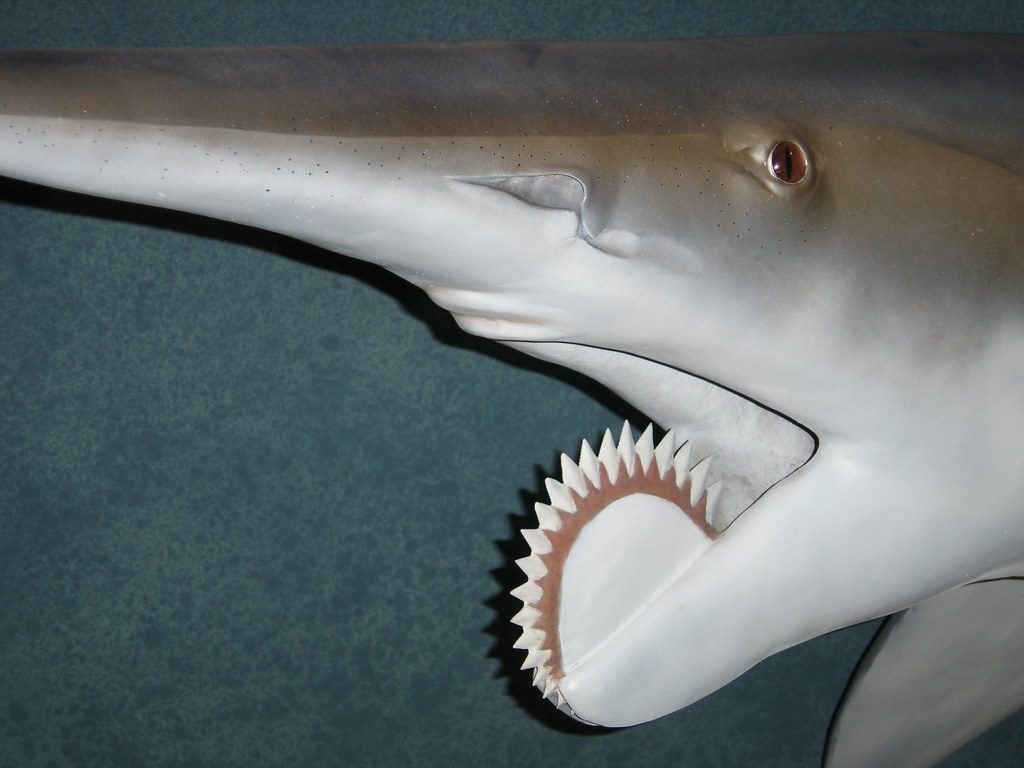
    Dental bills were what eventually drove Helicoprion extinct.” by wscottheath is licensed under CC BY 2.0

    Helicoprion is one of the most unusual shark relatives ever discovered. It lived more than 250 million years ago and became famous because of its bizarre tooth structure. Instead of shedding teeth like modern sharks, it developed a spiral arrangement often called a “tooth whorl.” For many years, scientists were unsure exactly where this structure belonged on the animal’s body.

    Modern research suggests that the spiral sat inside the lower jaw. As new teeth formed, older teeth were pushed forward in a rotating pattern. This unique adaptation likely helped the animal grab and cut soft-bodied prey such as squid-like creatures. While Helicoprion was not as massive as Megalodon, encountering a large predator with a circular saw of teeth in its mouth would be an unforgettable and frightening sight.

    Edestus had teeth that looked like giant scissors

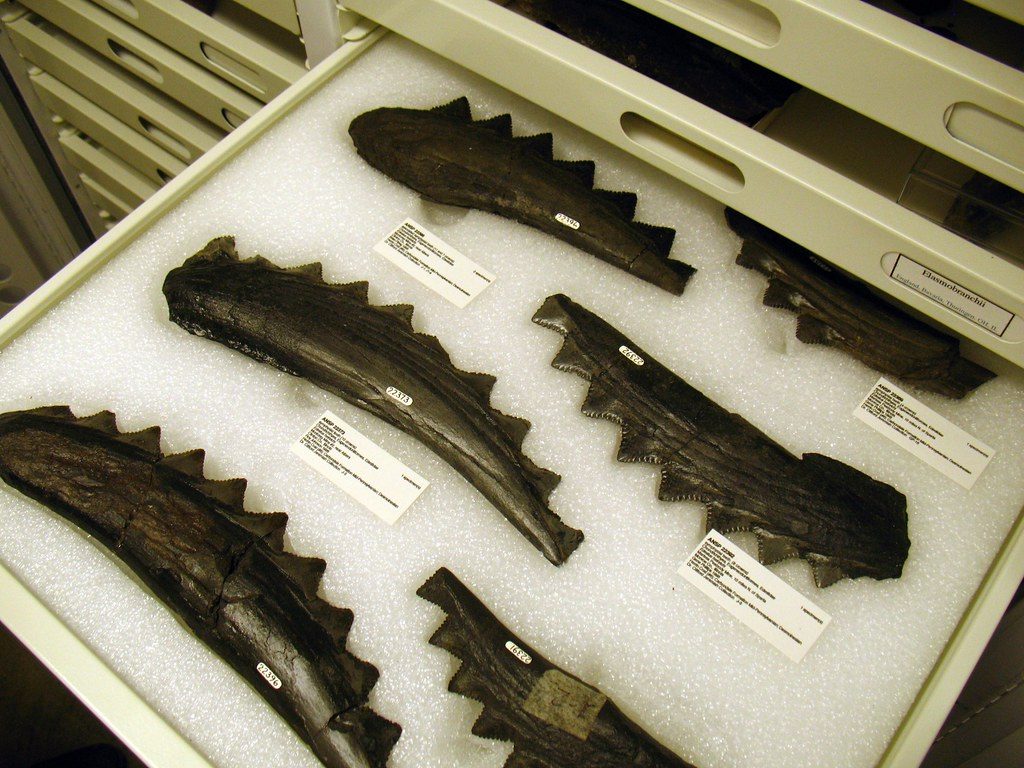
    fossil shark teeth from ‘scissor-tooth sharks’” by Vilseskogen is licensed under CC BY-NC-SA 2.0

    Edestus lived during the Carboniferous Period, roughly 300 million years ago. It is often called the “scissor-toothed shark” because of its unusual rows of teeth. Unlike modern sharks, which replace worn teeth by moving new ones into place, Edestus continuously added new teeth without shedding the old ones.

    The result was a mouth filled with long, curved tooth rows extending beyond the jaws. Scientists believe these teeth may have been used to slash prey with powerful upward and downward movements. Although researchers are still studying exactly how Edestus hunted, its terrifying dental arrangement makes it one of the most intimidating prehistoric sharks ever discovered. A close encounter with such a predator would likely leave anyone frozen with fear.

    Xenacanthus hunted in ancient freshwater rivers

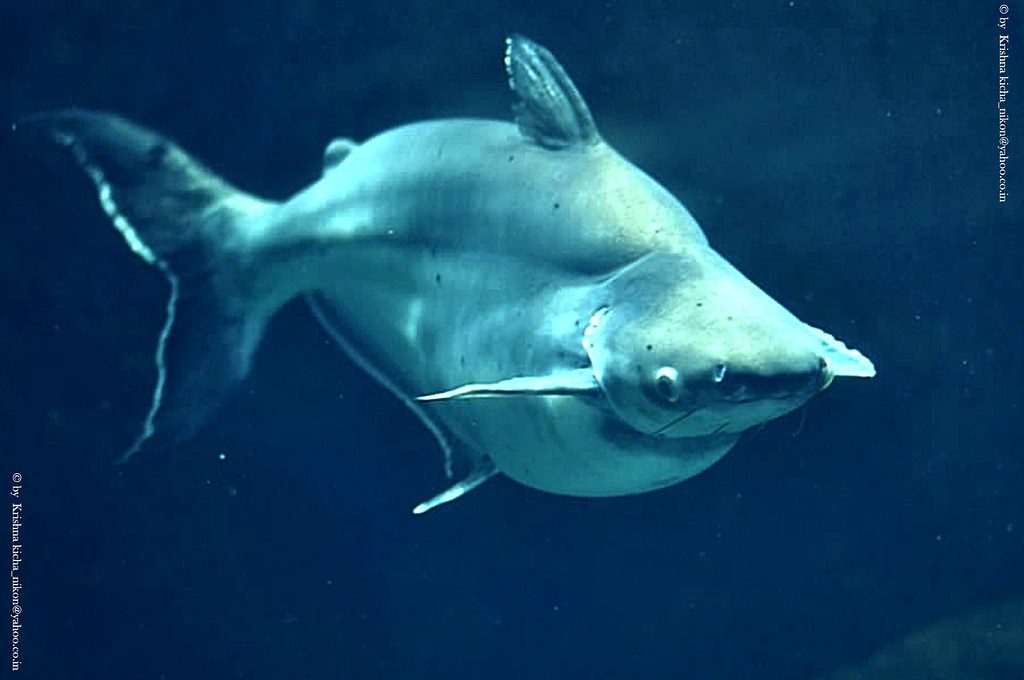
    ShArK” by Wild Klicker is licensed under CC BY-NC-ND 2.0

    Most people imagine prehistoric sharks roaming the ocean, but Xenacanthus spent much of its life in freshwater environments. This shark lived during the late Paleozoic Era and inhabited rivers, swamps, and lakes. It had a long, eel-like body that helped it move through shallow waters and vegetation.

    One of its most recognizable features was a long spine projecting from the back of its head. Some scientists believe this spine may have been used for defense. Xenacanthus was an effective predator that fed on fish and other aquatic animals. The thought of a large shark-like hunter lurking in freshwater rivers would certainly make swimming less appealing. Unlike many marine sharks, this species brought shark-like predation into inland waters.

    Cladoselache was built for speed

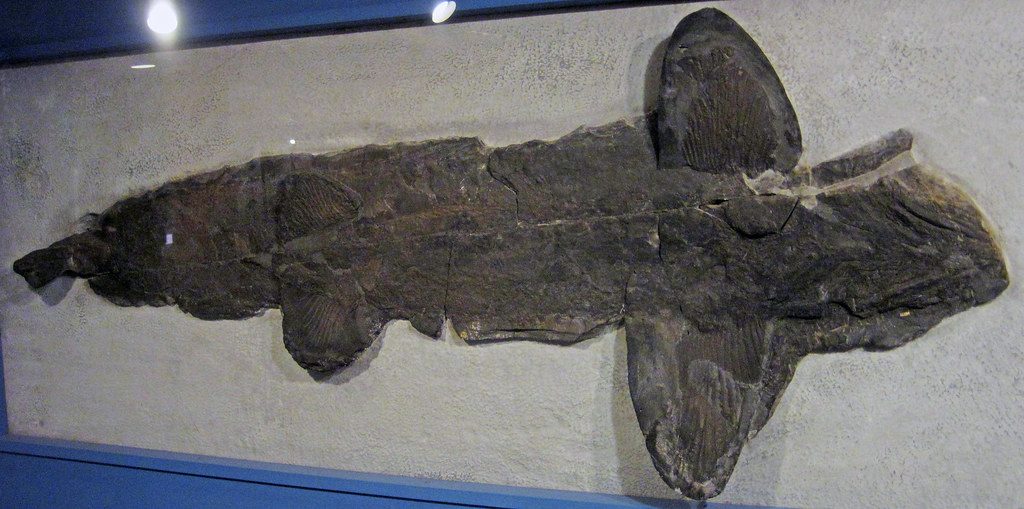
    Cladoselache sp. (fossil shark) (Cleveland Shale Member, Ohio Shale, Upper Devonian; Rocky River Valley, Cleveland, Ohio, USA) 1” by James St. John is licensed under CC BY 2.0

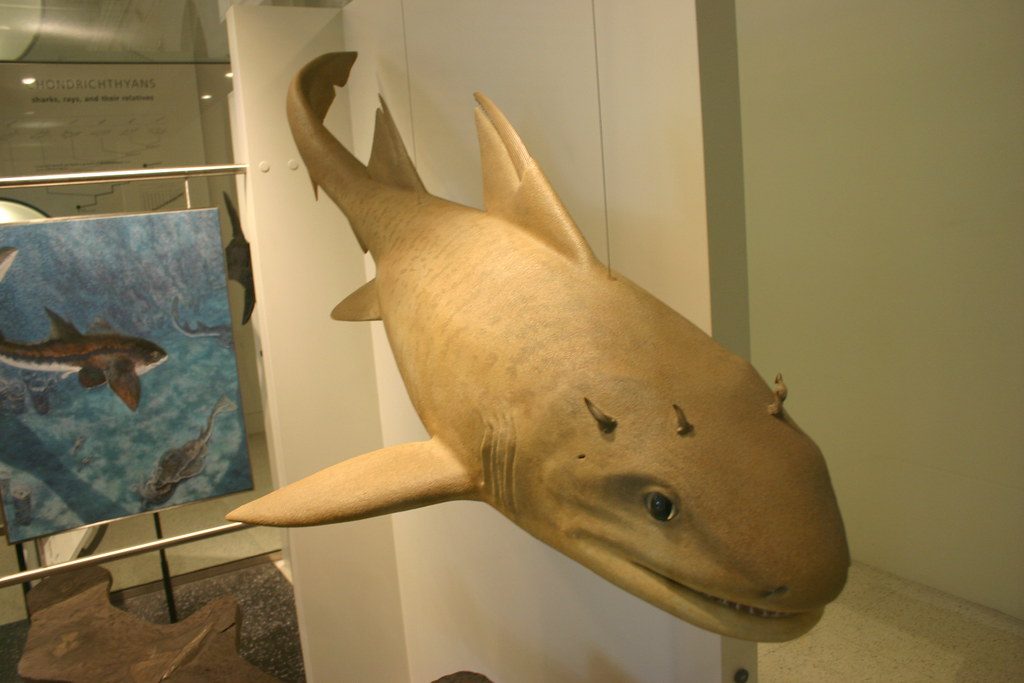
    Cladoselache lived roughly 370 million years ago during the Devonian Period. Although it was smaller than some of the giants on this list, it was among the earliest well-known shark species. Its streamlined body suggests it was a fast swimmer capable of chasing prey through open water.

    Unlike many modern sharks, Cladoselache lacked some of the specialized features seen today. However, its speed and agility likely made it an effective hunter. Fossils have provided rare details about their anatomy, giving scientists valuable information about early shark evolution. Encountering a fast-moving predator from one of the earliest chapters of shark history would still be a frightening experience, especially in clear open water where there would be nowhere to hide.

    Hybodus survived for millions of years

    Hybodus sp.” by Ryan Somma is licensed under CC BY-SA 2.0

    Hybodus was one of the most successful prehistoric sharks. It appeared more than 200 million years ago and survived through major changes in Earth’s environment. During a time when dinosaurs dominated the land, Hybodus thrived in oceans and coastal waters around the world.

    What made Hybodus especially interesting was its versatile set of teeth. Some were sharp and designed for catching fish, while others were flatter and useful for crushing hard-shelled animals. This flexibility allowed it to take advantage of different food sources. Although it was not as enormous as Megalodon, its adaptability helped it remain a successful predator for a very long time. A shark capable of hunting many different prey types would have been a formidable presence in ancient seas.

  • Unexpected corn snake encounter on Georgia golf course captures attention online

    Unexpected corn snake encounter on Georgia golf course captures attention online

    Unexpected wildlife encounters can turn an ordinary day into something memorable. That is exactly what happened when a corn snake was spotted on a Georgia golf course, and photos of the reptile quickly captured attention online. The unexpected corn snake encounter on a Georgia golf course sparked thousands of reactions because of the snake’s striking colors and unusual pose. While some people were startled, wildlife experts say the animal was not a threat.

    Understanding why the snake appeared there, how corn snakes behave, and what people should do when they encounter one can help make sense of the viral moment. This article explores the facts behind the sighting and explains why corn snakes play an important role in the environment.

    Why the Georgia golf course sighting went viral

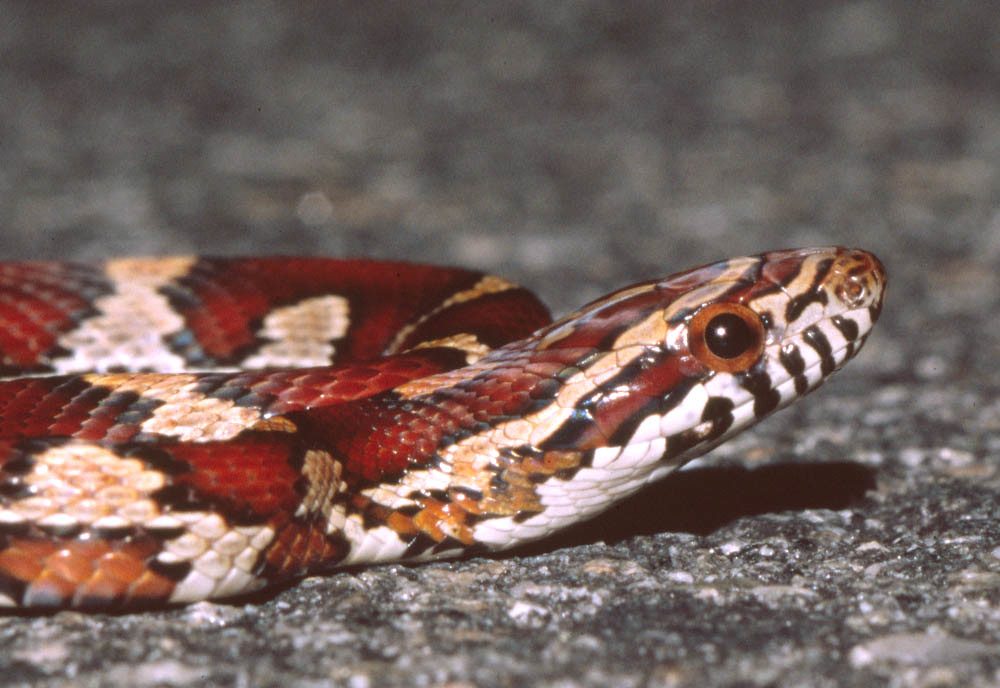
    Corn Snake, Everglades, south Florida” by TomSpinker is licensed under CC BY-NC-ND 2.0

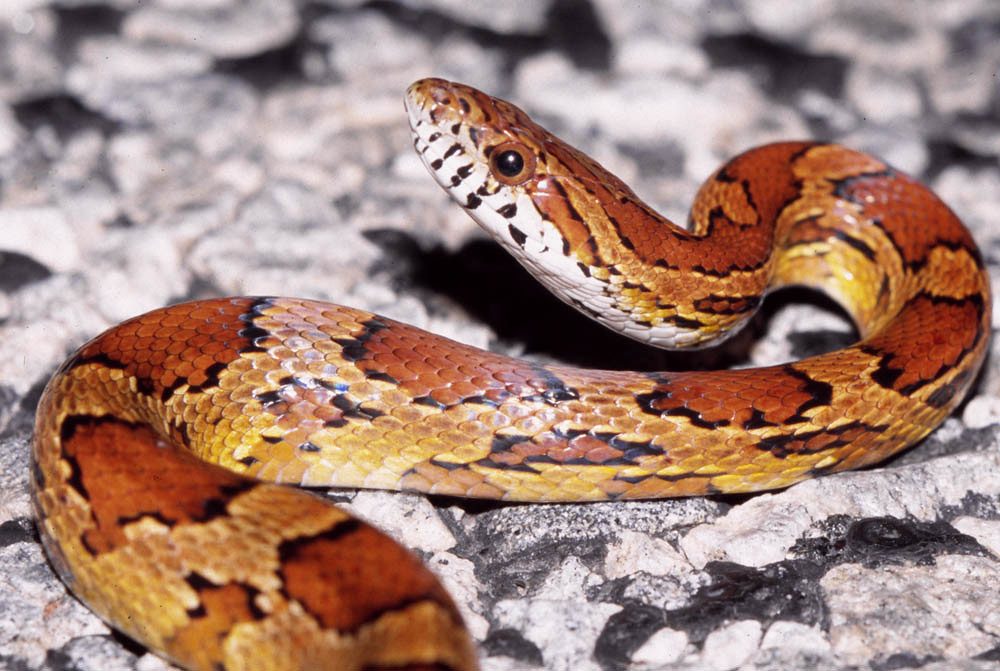
    The photo that gained attention online showed a brightly colored corn snake on a golf course in Georgia. The snake’s orange, red, black, and white markings stood out against the green grass, creating an image that many people found stunning. Online users praised the reptile’s appearance, and the image quickly spread across social media platforms. Reports indicated that the post received thousands of positive reactions and comments from people amazed by the snake’s beauty.

    Part of the reason the image became so popular was the snake’s posture. The animal appeared to raise part of its body while exposing its patterned underside. Many viewers initially thought the snake looked aggressive, but reptile enthusiasts explained that this posture is usually defensive. The snake was simply trying to appear larger and warn potential threats to stay away rather than preparing to attack.

    What makes corn snakes unique

    Corn Snake” by goingslo is licensed under CC BY-NC-ND 2.0

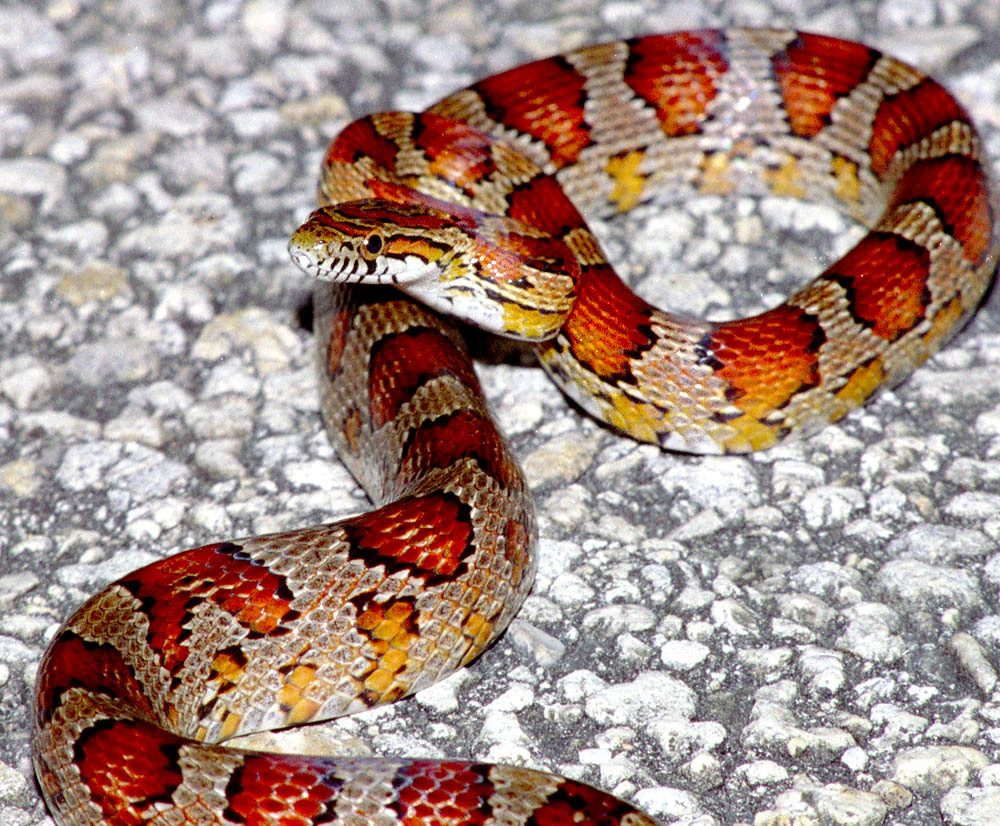
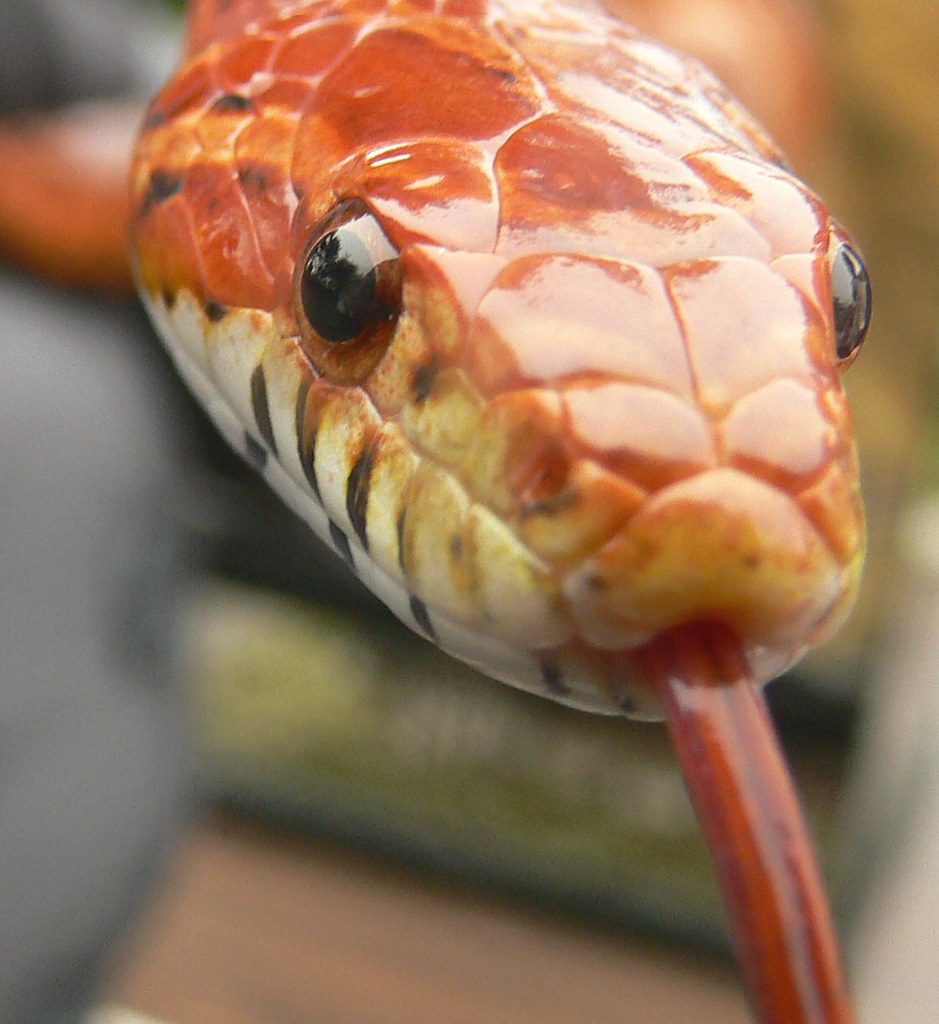
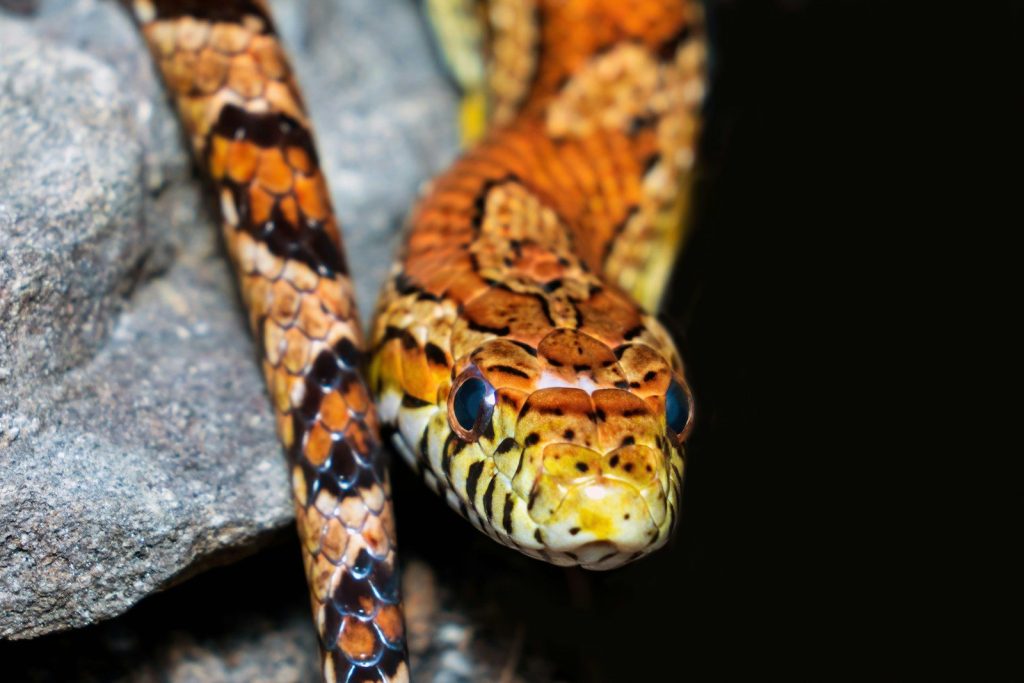
    Corn snakes are nonvenomous snakes native to much of the southeastern United States. They belong to the rat snake family and are known for their colorful patterns. Their bodies often feature orange, reddish, brown, and black markings that help them blend into forests, fields, and grasslands. One of their most recognizable features is the checkerboard pattern on their belly, which many people compare to piano keys.

    These snakes are generally calm and shy. They spend much of their time hunting small animals such as mice, rats, and other rodents. Because of this diet, corn snakes are often considered beneficial to people. They help control rodent populations naturally, reducing the need for traps and chemical pest control. Their role as predators makes them an important part of healthy ecosystems throughout their range.

    Why are corn snakes found on golf courses?

    green grass field near green trees under white sky during daytime
    Photo by Matthew McBrayer on Unsplash

    At first glance, a golf course may seem like an unusual place for a snake. However, golf courses often provide many of the things wildlife needs to survive. Areas of taller grass, wooded edges, ponds, and natural vegetation create habitats that attract insects, birds, rodents, and other animals. Since rodents are a favorite food source for corn snakes, these environments can become attractive hunting grounds.

    Golf courses can also act as green spaces within developed areas. As cities and neighborhoods expand, wildlife often adapts to landscapes altered by humans. Rather than invading human spaces, animals are frequently making use of habitats people have created. A corn snake moving through a golf course is often just following food sources and shelter opportunities, much like it would in a natural setting.

    Understanding defensive snake behavior

    A close up of a snake on a rock
    Photo by David Clode on Unsplash

    Many people fear snakes because they mistake defensive actions for aggression. When a corn snake feels threatened, it may flatten its body, raise part of itself off the ground, hiss, or display its belly. These behaviors are intended to scare away predators. The goal is usually to avoid a fight rather than start one.

    This defensive display can be very effective because it makes the snake appear larger and more dangerous than it really is. In the Georgia golf course encounter, experts and experienced snake observers noted that the posture seen in the photo was consistent with a snake trying to create distance from a perceived threat. Such behavior is common among many harmless snake species across North America.

    The important role corn snakes play in nature

    a close up of a snake on a table
    Photo by Josephina Kolpachnikof on Unsplash

    Corn snakes help maintain balance in ecosystems by controlling populations of small mammals. Rodents reproduce quickly and can damage crops, spread diseases, and create problems around homes and businesses. By feeding on these animals, corn snakes provide a natural form of pest management that benefits both people and the environment.

    Their presence can also indicate a healthy ecosystem. Predators such as corn snakes depend on a stable food supply and suitable habitat. When these snakes are thriving, it often suggests that local ecosystems still support a variety of plants and animals. Protecting native wildlife, including harmless snakes, helps preserve biodiversity and supports the natural processes that keep environments functioning properly.

    What to do if you encounter a corn snake

    Corn Snake, se Georgia, USA” by TomSpinker is licensed under CC BY-NC-ND 2.0

    If you see a corn snake in the wild, the safest and most responsible action is to leave it alone. Observe it from a respectful distance and avoid trying to handle it. Even harmless snakes can become stressed when approached, and they may react defensively if they feel trapped or threatened. Wildlife experts generally recommend allowing snakes to move away on their own.

    It is also important to remember that not every colorful snake is dangerous. Learning to identify common local species can help reduce unnecessary fear and prevent harm to wildlife. In most cases, a corn snake encountered on a trail, golf course, or near a yard is simply passing through in search of food or shelter. By giving the animal space, both people and snakes can remain safe.

  • Why a fish capable of 40 mph has experts worried

    Why a fish capable of 40 mph has experts worried

    The Atlantic bluefin tuna is one of the fastest and most powerful fish in the ocean. It can reach speeds of up to 40 miles per hour, cross entire oceans in just a few months, and survive in both cold and warm waters. On the surface, it looks like a perfect ocean predator built for survival. But experts are deeply worried, not because of its strength, but because of the pressure humans are putting on it.

    This article will explain what makes the Atlantic bluefin tuna so special, why it is considered one of the ocean’s top hunters, and how human demand for sushi and tuna has pushed this amazing fish into serious trouble. You will also learn why scientists are concerned about its future and what is being done to protect it.

    What makes the Atlantic bluefin tuna so powerful

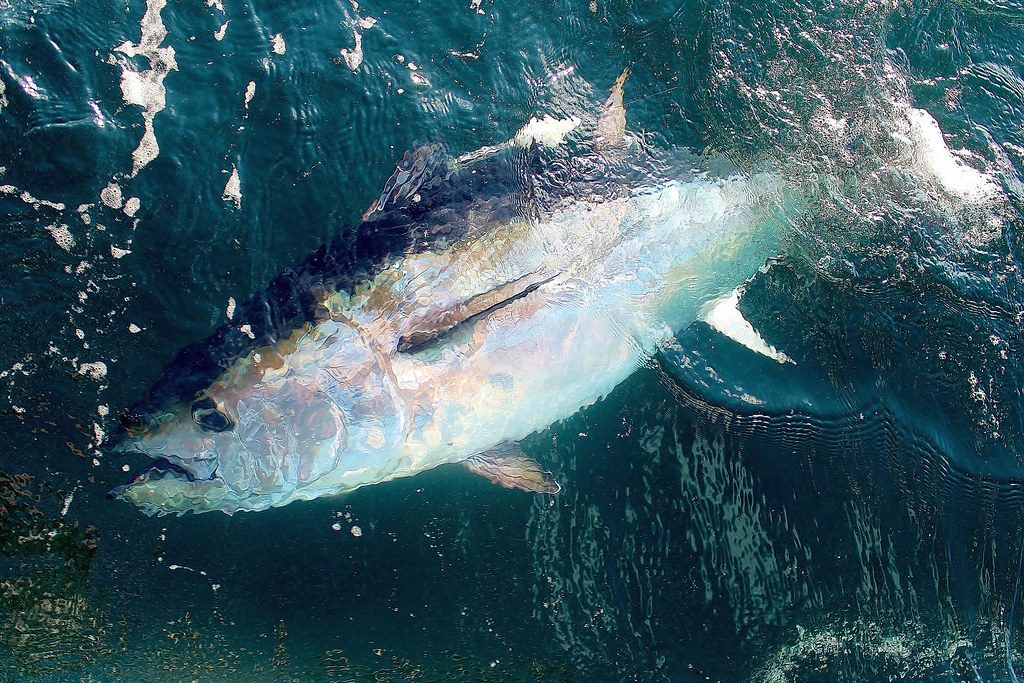
    Honorable Mention: Willy Goldsmith” by VA Institute of Marine Science (VIMS) is licensed under CC BY-NC-ND 2.0

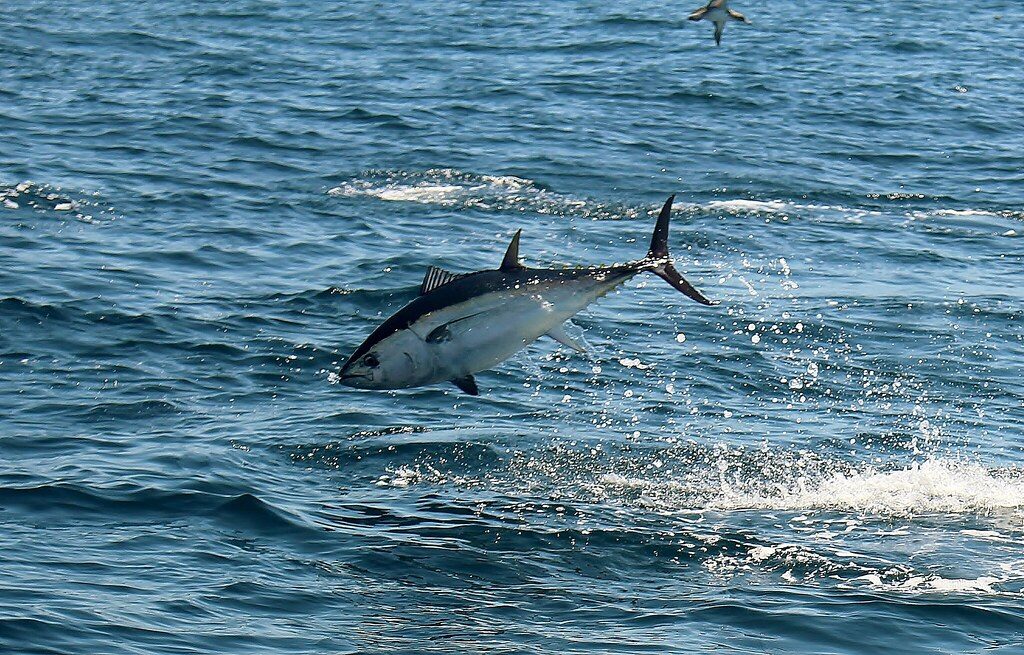
    The Atlantic bluefin tuna is built for speed and endurance. Its body is shaped like a torpedo, which helps it move smoothly through water with very little resistance. This design allows it to burst forward quickly and maintain high speeds when chasing prey or traveling long distances.

    These fish are also warm-blooded, which is rare for fish. This means they can keep parts of their body warmer than the surrounding water. Because of this ability, they can swim in freezing northern oceans and warm tropical seas without slowing down. Their muscles are extremely strong, and their fins are designed to reduce drag when swimming fast. All of these traits combine to make them one of the most efficient swimmers in the ocean.

    How it reaches speeds of up to 40 mph

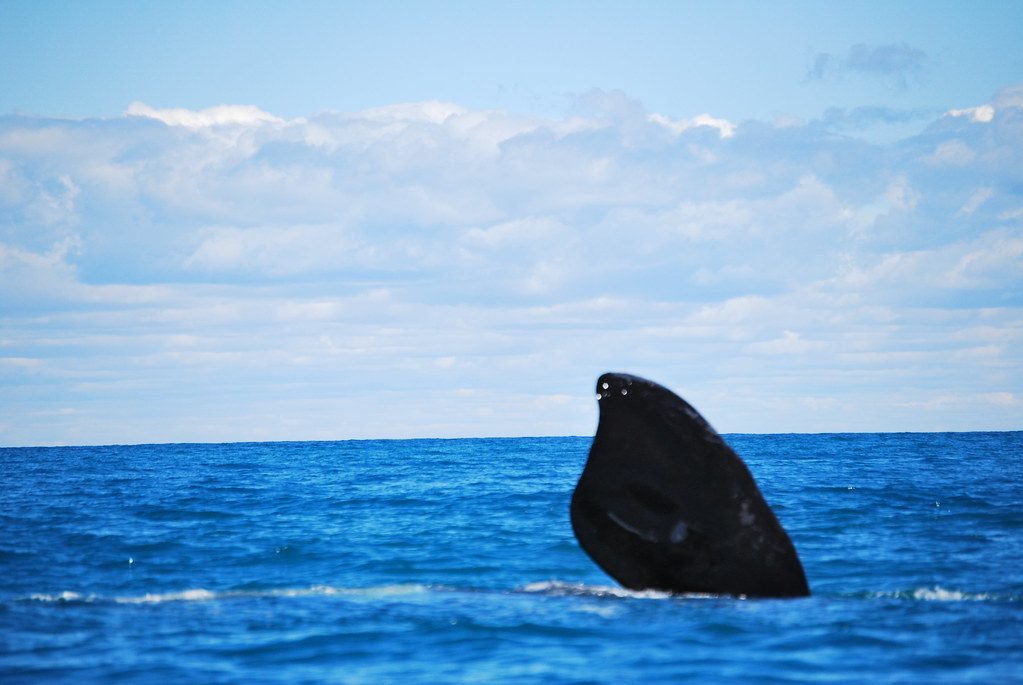
    Whale’s caudal fin” by bardamu1612 is licensed under CC BY-NC 2.0

    The Atlantic bluefin tuna can reach speeds of around 40 miles per hour in short bursts. It uses a powerful tail, called a caudal fin, to push through the water with strong, rapid movements. Unlike many fish that move their whole body side to side, bluefin tuna keep their bodies stiff and rely mostly on their tail for speed.

    This swimming style gives them both power and control. It allows them to quickly chase fast prey like mackerel and sardines. It also helps them escape predators when they are young. Their body is supported by a highly efficient circulatory system that delivers oxygen quickly to their muscles, giving them the energy needed for such fast movement.

    Why can it cross entire oceans?

    body of water under blue and white sky at daytime
    Photo by Thomas Vimare on Unsplash

    One of the most impressive things about the Atlantic bluefin tuna is its ability to migrate across huge distances. These fish travel thousands of miles across the Atlantic Ocean every year. Some individuals move between spawning areas in the Gulf of Mexico and feeding grounds in the North Atlantic and Mediterranean Sea.

    This migration is not random. It follows seasonal patterns tied to feeding and reproduction. Bluefin tuna need warm waters to spawn and colder waters rich in food to grow and build energy. Because of their strong bodies and temperature control abilities, they can complete these long journeys in just a few months. This makes them one of the most widely traveling fish species on Earth.

    Why the ocean’s top predator is in trouble

    black fishing rod and body of water during golden hour
    Photo by James Wheeler on Unsplash

    Even though the Atlantic bluefin tuna is a strong and fast predator, it faces serious danger. The biggest problem is overfishing. These fish are highly valued in global seafood markets, especially for sushi and sashimi. This demand has led to decades of heavy fishing pressure.

    Bluefin tuna grow slowly and take years to reach full maturity. This makes it difficult for populations to recover once they are reduced. In many parts of the ocean, their numbers dropped sharply because adult fish were caught before they could reproduce. Illegal and unreported fishing in some regions has made the problem worse, pushing certain populations close to collapse.

    How sushi demand is driving the problem

    sushi on black ceramic plate
    Photo by Jakub Dziubak on Unsplash

    A major reason for the decline in bluefin tuna is global demand for high-end sushi. In many countries, especially Japan, bluefin tuna is considered a luxury food. The best cuts can sell for extremely high prices, which encourages large-scale fishing operations to catch as many as possible.

    Modern fishing methods also make it easier to capture entire schools of tuna at once. This means large numbers of fish can be removed from the ocean quickly. As demand continues, even strict regulations struggle to keep populations stable. Scientists warn that if fishing pressure stays too high, it could take decades for some populations to fully recover.

    What scientists and conservationists are doing

    a group of people sitting around a table with laptops
    Photo by UK Black Tech on Unsplash

    To protect Atlantic bluefin tuna, international groups have created fishing limits and monitoring systems. These rules are designed to control how many fish can be caught each year and protect younger fish so they can grow and reproduce. Scientists also track tuna using tags to learn more about their migration and behavior.

    In some regions, conservation efforts are showing signs of success. Better management and stricter rules have helped certain populations begin to recover slowly. However, experts agree that continued protection is needed. Without careful management, the progress that has been made could easily be reversed.

  • Birds you may not want nesting or flying near your yard

    Birds you may not want nesting or flying near your yard

    Birds can make a yard feel alive with song and movement. Many species help by eating insects, spreading seeds, and adding beauty to outdoor spaces. However, not every bird is a welcome guest when it decides to nest too close to your home. Some birds can be noisy, leave large amounts of droppings, damage property, or push native birds away from feeders and nesting spots.

    If you have noticed large flocks gathering near your yard or birds building nests in vents, gutters, or other parts of your home, it helps to know which species can cause problems. This guide looks at birds you may not want nesting or spending too much time near your yard and explains why homeowners often try to discourage them while still respecting wildlife.

    European starlings can quickly take over

    selective focus photography of black bird
    Photo by John Yunker on Unsplash

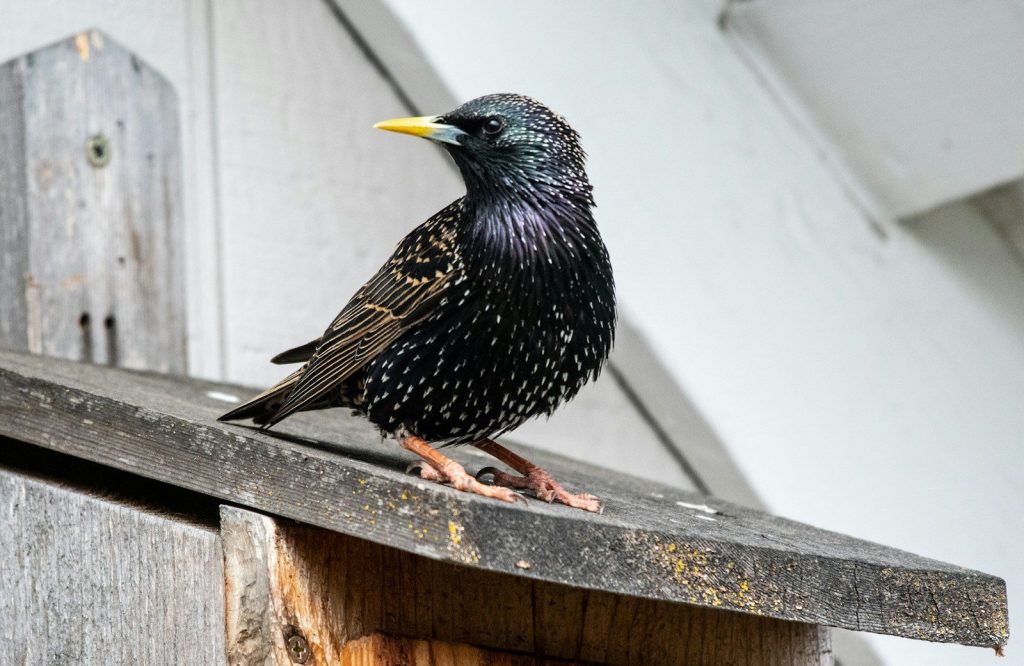
    European starlings are among the most troublesome birds found around homes in the United States. These birds were introduced from Europe and are now considered an invasive species in North America. They often travel in large flocks and can gather by the hundreds or even thousands. When they settle near a yard, they create a great deal of noise and leave large amounts of droppings on roofs, sidewalks, decks, and vehicles.

    Another concern is their aggressive behavior. Starlings compete with native birds for nesting cavities and food sources. They frequently take over nesting holes that would otherwise be used by bluebirds, woodpeckers, and purple martins. Because they are strong competitors, they can reduce nesting opportunities for native species and make it harder for local bird populations to thrive.

    House sparrows often push out native birds

    brown and white bird on brown wooden fence
    Photo by Joshua J. Cotten on Unsplash

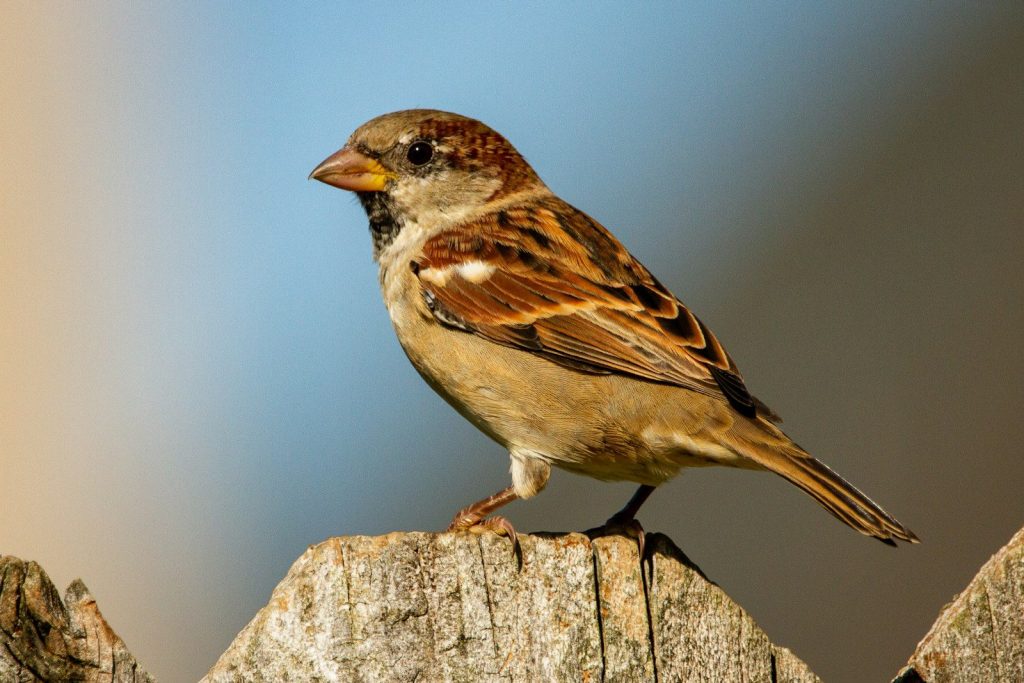
    House sparrows may look harmless because of their small size, but they can create significant problems around homes and gardens. Like starlings, they are not native to North America. They are highly adaptable and often build nests in gutters, vents, eaves, and other openings in buildings. Their nests are usually bulky and messy, made from twigs, paper, grass, and other materials.

    These birds are known for being aggressive toward other species. They frequently compete for nesting sites and may drive native birds away from birdhouses and feeders. House sparrows reproduce quickly and often live in large groups, allowing their numbers to grow fast. Homeowners who want to attract native songbirds sometimes find that house sparrows dominate feeding areas and reduce the variety of birds visiting the yard.

    Pigeons can create sanitation problems

    black and white bird on brown wooden fence
    Photo by Rajiv Bajaj on Unsplash

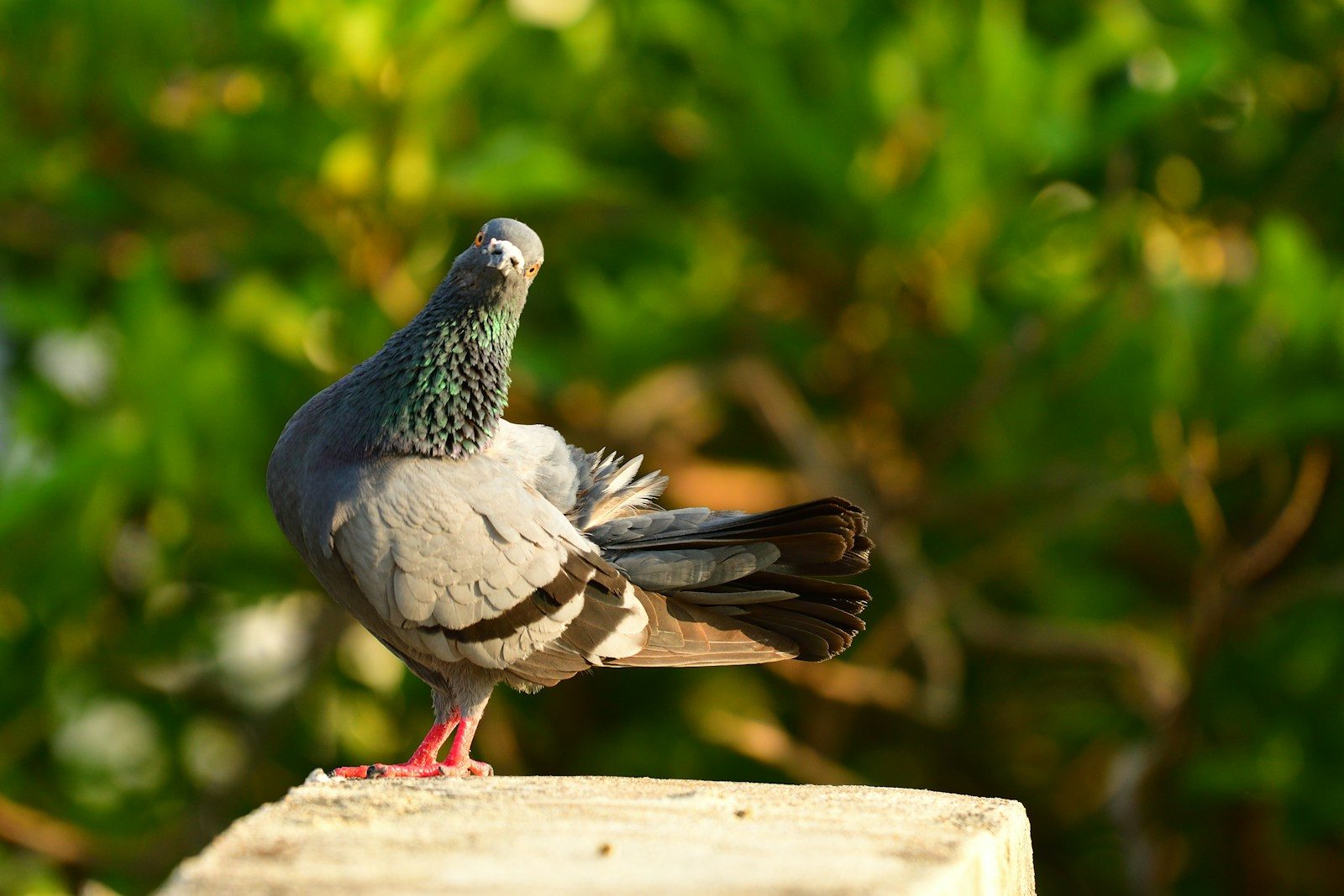
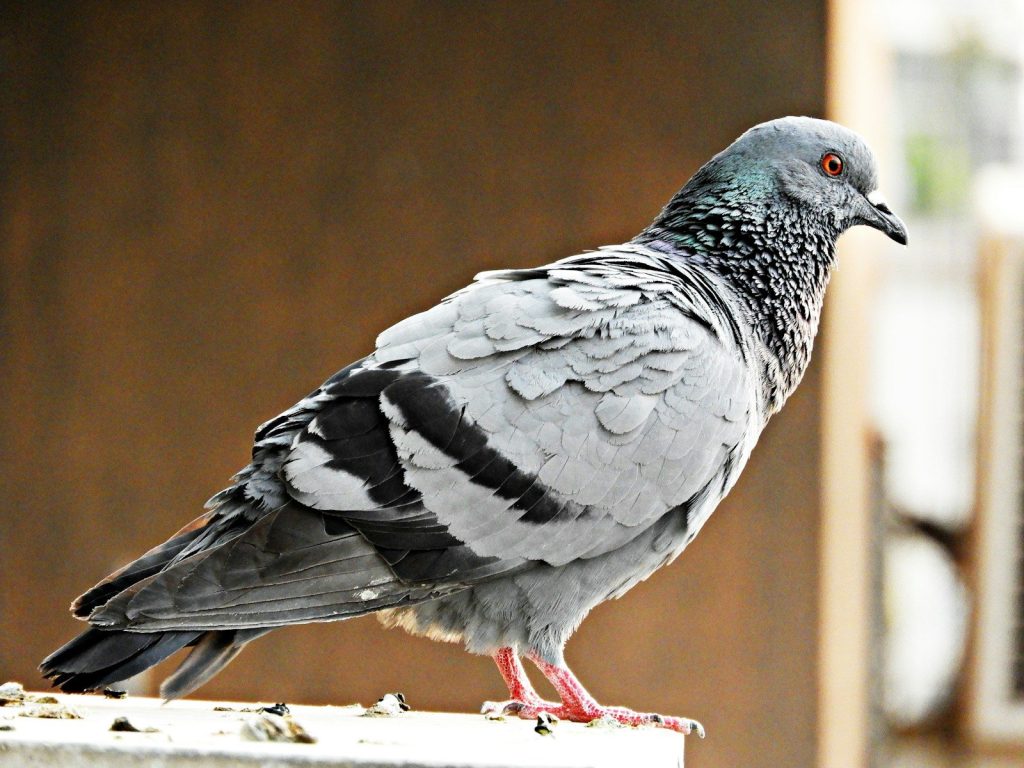
    Rock pigeons are common in cities, suburbs, and many residential neighborhoods. While a few pigeons may not seem like a problem, larger groups can quickly become a nuisance. They often gather on roofs, fences, sheds, and other elevated surfaces where they leave droppings. Over time, these droppings can stain surfaces and increase cleaning needs around the home.

    Pigeons are also skilled at finding places to nest close to people. They often use ledges, attic spaces, and sheltered structures. Because they adapt well to urban environments and have few special nesting requirements, they can establish populations quickly. Large numbers of pigeons may crowd out other birds and create ongoing maintenance concerns for homeowners who want a cleaner yard.

    Blackbirds and grackles can arrive in huge flocks

    a couple of birds on a roof
    Photo by Forsaken Films on Unsplash

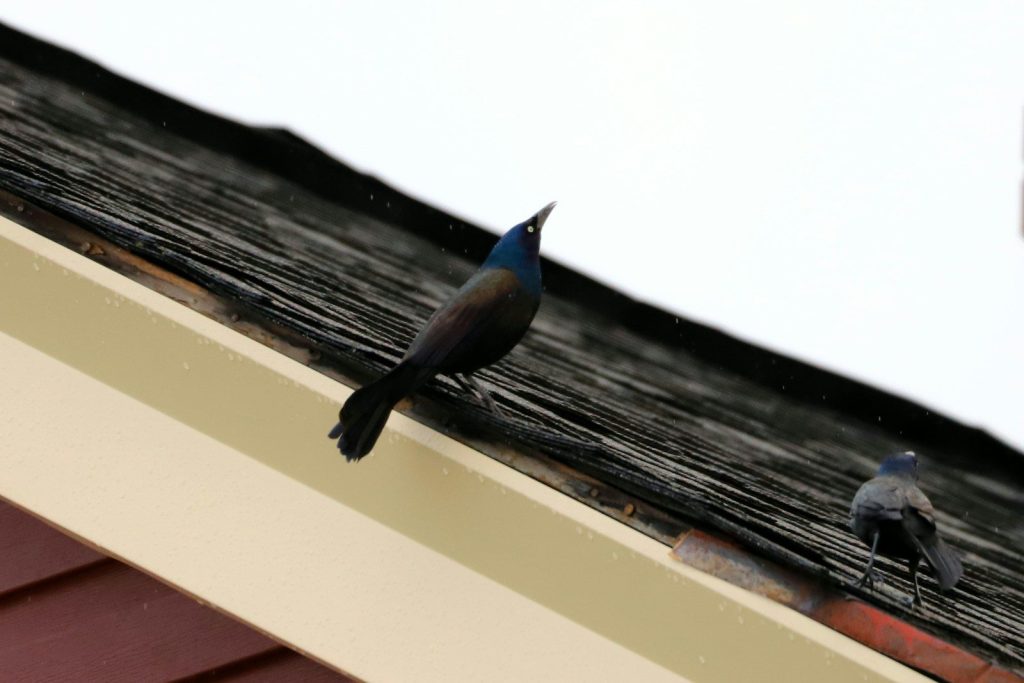
    Blackbirds and grackles are native birds, but they can still become a problem when large groups gather near homes. These birds often travel in flocks and may take over feeders, trees, and open spaces. Their calls can be loud, especially when hundreds gather together in the same area during the evening.

    Large roosting groups can also produce significant amounts of droppings. Besides creating unpleasant odors and messes, these accumulations can increase cleanup costs and create concerns in heavily used outdoor areas. Many homeowners notice that when blackbirds or grackles arrive in large numbers, smaller backyard birds become less willing to visit feeders and feeding stations.

    Woodpeckers can damage homes

    black and white bird on brown tree branch
    Photo by Patrice Bouchard on Unsplash

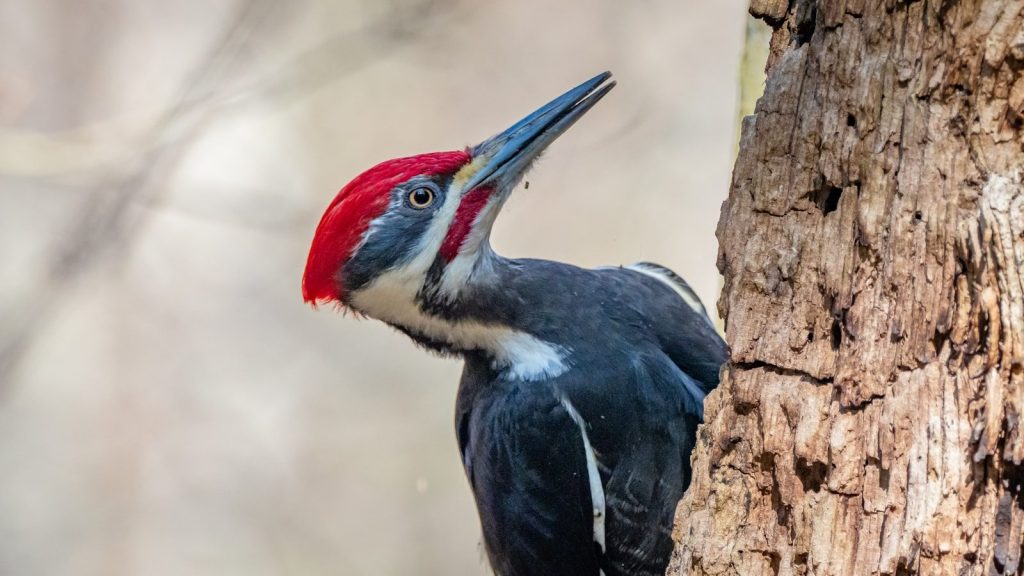
    Woodpeckers are fascinating birds and play an important role in nature by eating insects. However, they can sometimes become a source of frustration for homeowners. During the breeding season, woodpeckers often drum on trees, gutters, siding, chimneys, and other structures to mark territory and attract mates. The repeated pounding can be surprisingly loud.

    In some cases, woodpeckers may drill holes into wooden siding, fences, or trim. While they are often searching for insects, the damage can become costly if the birds repeatedly return to the same area. Unlike flocking birds, it usually takes only one persistent woodpecker to create a noticeable problem. Homeowners who experience repeated pecking often need to take steps to discourage the behavior before significant damage occurs.

    Canada geese can overwhelm outdoor spaces

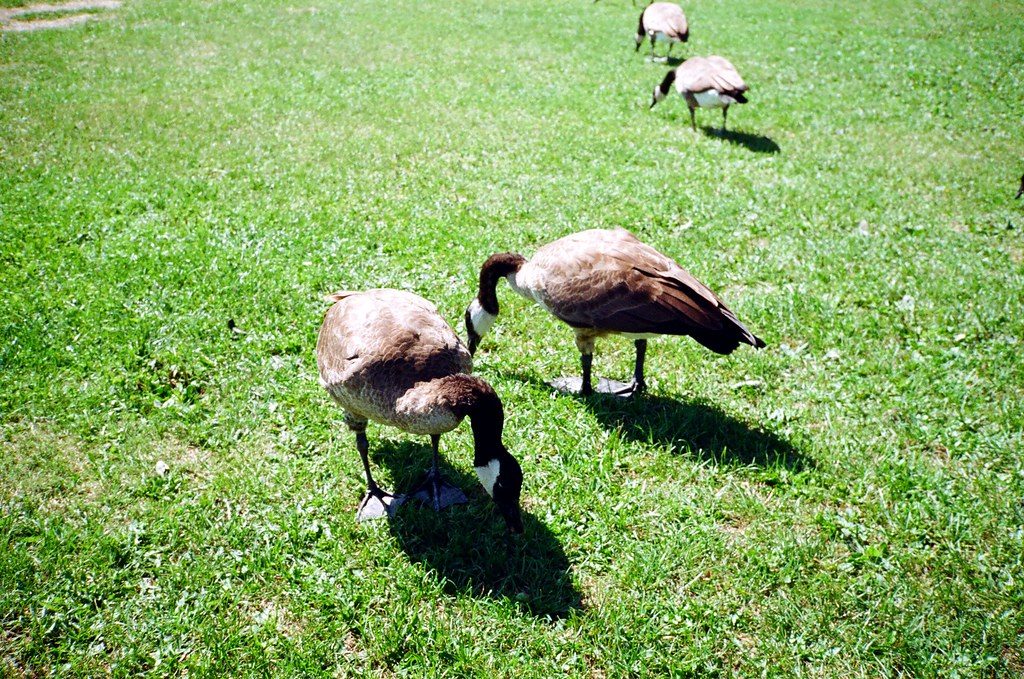
    Canada Geese in Departure Bay – 2 (of 2) – Contax T2 Carl Zeiss Sonnar 1:2.8 38 mm T* with Kodak 200 ISO Film” by Logos: The Art of Photography is licensed under CC BY-NC-SA 2.0

    Canada geese are well known for gathering around ponds, lakes, parks, and neighborhoods with open grassy areas. Although many people enjoy seeing them, large groups can create challenges for homeowners who live near water features. Geese produce a substantial amount of droppings, which can quickly cover lawns, walking paths, and recreational areas.

    Another issue is their protective behavior during nesting season. Adult geese can become aggressive when defending nests, eggs, or young birds. They may hiss, spread their wings, or chase people who get too close. Once a flock becomes comfortable in an area, convincing it to move elsewhere can be difficult, making prevention and habitat management important tools for reducing conflicts.

  • A two-year-old girl rushed for treatment after a rattlesnake encounter in Colorado

    A two-year-old girl rushed for treatment after a rattlesnake encounter in Colorado

    A family vacation can change in an instant when wildlife and people cross paths. That is exactly what happened when a two-year-old girl was rushed for treatment after a rattlesnake encounter in Colorado. The toddler was visiting the state with her family when a frightening incident left her seriously injured and in need of emergency medical care.

    Stories like this remind many families that rattlesnakes are a real part of life in parts of the American West. Understanding what happened, how doctors treated the child, and what parents can learn from the event can help others stay safer during outdoor activities. This article takes a closer look at the incident, the medical response, rattlesnake behavior, and important safety lessons for families.

    The vacation turned into an emergency

    man, woman and child holding hands on seashore
    Photo by Natalya Zaritskaya on Unsplash

    The young girl was visiting Colorado from Kansas with her family when the incident occurred around Memorial Day. Reports said she was near horses during a family gathering connected to a wedding when she unexpectedly came into contact with a rattlesnake. What began as a normal family outing quickly became a medical emergency when the snake struck.

    Family members reacted immediately and sought help. Emergency responders recognized the seriousness of the situation and arranged for the child to receive urgent medical care. Because rattlesnake venom can cause severe damage, especially in small children, every minute mattered. The toddler was eventually transported to a hospital, where doctors began treatment as quickly as possible.

    Why rattlesnake bites can be so dangerous

    Eastern Diamondback Rattlesnake” by San Diego Shooter is licensed under CC BY-NC-ND 2.0

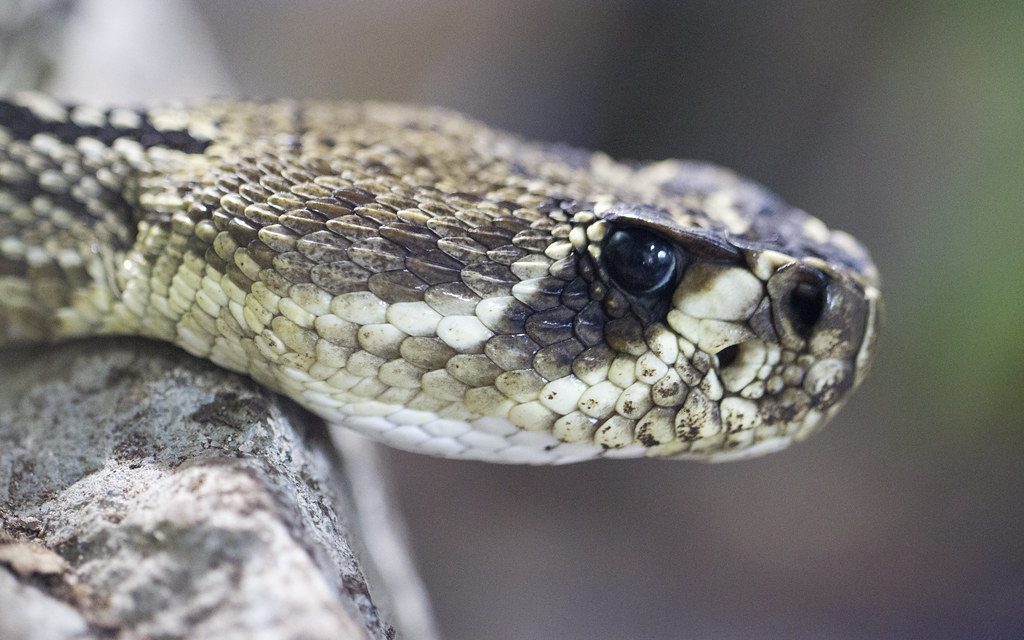
    Rattlesnakes are venomous snakes found throughout much of the western and southwestern United States. Their venom is designed to help them capture prey, but when humans are bitten, the venom can cause pain, swelling, tissue damage, and other serious health problems. Young children face greater risks because of their smaller body size.

    Medical experts often treat rattlesnake bites as emergencies. Symptoms can develop quickly and may become severe if treatment is delayed. Doctors typically monitor patients closely for swelling, changes in blood clotting, and other complications that can result from venom entering the body. Fast treatment greatly improves the chances of a full recovery.

    The medical response that helped save the child

    an ambulance driving down a street next to a building
    Photo by Walter Dziemianczyk on Unsplash

    After the bite, emergency responders and medical teams moved quickly to get the toddler specialized care. Reports indicated that she was airlifted for treatment, showing how seriously medical professionals viewed her condition. Air transport is often used when patients need rapid access to advanced medical facilities.

    At the hospital, doctors worked to manage the effects of the venom. One of the most important tools available for venomous snake bites is antivenom, which can reduce the damage caused by the venom. Medical teams also monitor patients for changes in breathing, circulation, swelling, and other complications. Thanks to modern medical care and rapid intervention, many snakebite victims survive and recover.

    Recovery can be a long process

    a woman in a white lab coat sitting on a couch with a little girl
    Photo by Bermix Studio on Unsplash

    Even when treatment is successful, recovery from a rattlesnake bite can take time. Reports about the toddler indicated that she remained hospitalized after the attack. Serious swelling, pain, and damage to affected tissues can require days or even weeks of medical care and rehabilitation.

    The emotional effects of a traumatic event can also linger. Young children may experience fear, sleep disturbances, or anxiety after a frightening encounter. Families often focus not only on physical healing but also on helping children regain a sense of comfort and security after a major medical emergency.

    Why do encounters increase during warmer months?

    two gray and orange backpacks on gray rocks at daytime
    Photo by Andrew Ly on Unsplash

    Rattlesnakes become more active as temperatures rise in spring and summer. During these seasons, people also spend more time outdoors hiking, camping, horseback riding, and attending outdoor events. As a result, the chances of humans and snakes crossing paths naturally increase.

    Colorado is home to several rattlesnake species, including the prairie rattlesnake, which is found across much of the state. These snakes generally avoid people and prefer to escape when given the opportunity. Most bites happen when a snake feels threatened, surprised, or cornered. This is why experts recommend keeping a safe distance from any snake seen outdoors.

    Safety lessons families can learn

    black and gray i love you print textile
    Photo by Nick Fewings on Unsplash

    The incident serves as a reminder that wildlife awareness is an important part of outdoor safety. Parents and caregivers should keep children close when visiting areas where snakes may live. Tall grass, rocky areas, brush piles, and spaces around barns or animal enclosures can provide hiding spots for snakes.

    Experts recommend teaching children never to approach or touch a snake, even if it appears still or harmless. If a snake is spotted, the safest choice is to slowly back away and leave it alone. In the event of a bite, emergency medical help should be sought immediately. Quick action can make a significant difference in treatment outcomes and recovery.

  • Invasive 4-foot-long tegus raise concerns across Georgia

    Invasive 4-foot-long tegus raise concerns across Georgia

    A large lizard from South America is causing growing concern in Georgia. Known as the Argentine black and white tegu, this invasive reptile can grow up to 4 feet long and weigh more than 10 pounds. Wildlife experts say the spread of invasive tegus across Georgia could threaten native animals, damage ecosystems, and create new challenges for conservation efforts.

    If you have heard reports about these giant lizards and want to know why they matter, this article explains the facts. You will learn where tegus came from, why they are spreading, how they affect local wildlife, what officials are doing to stop them, and what Georgia residents can do to help.

    What are invasive tegus?

    Tegu” by MyFWC Florida Fish and Wildlife is licensed under CC BY-ND 2.0

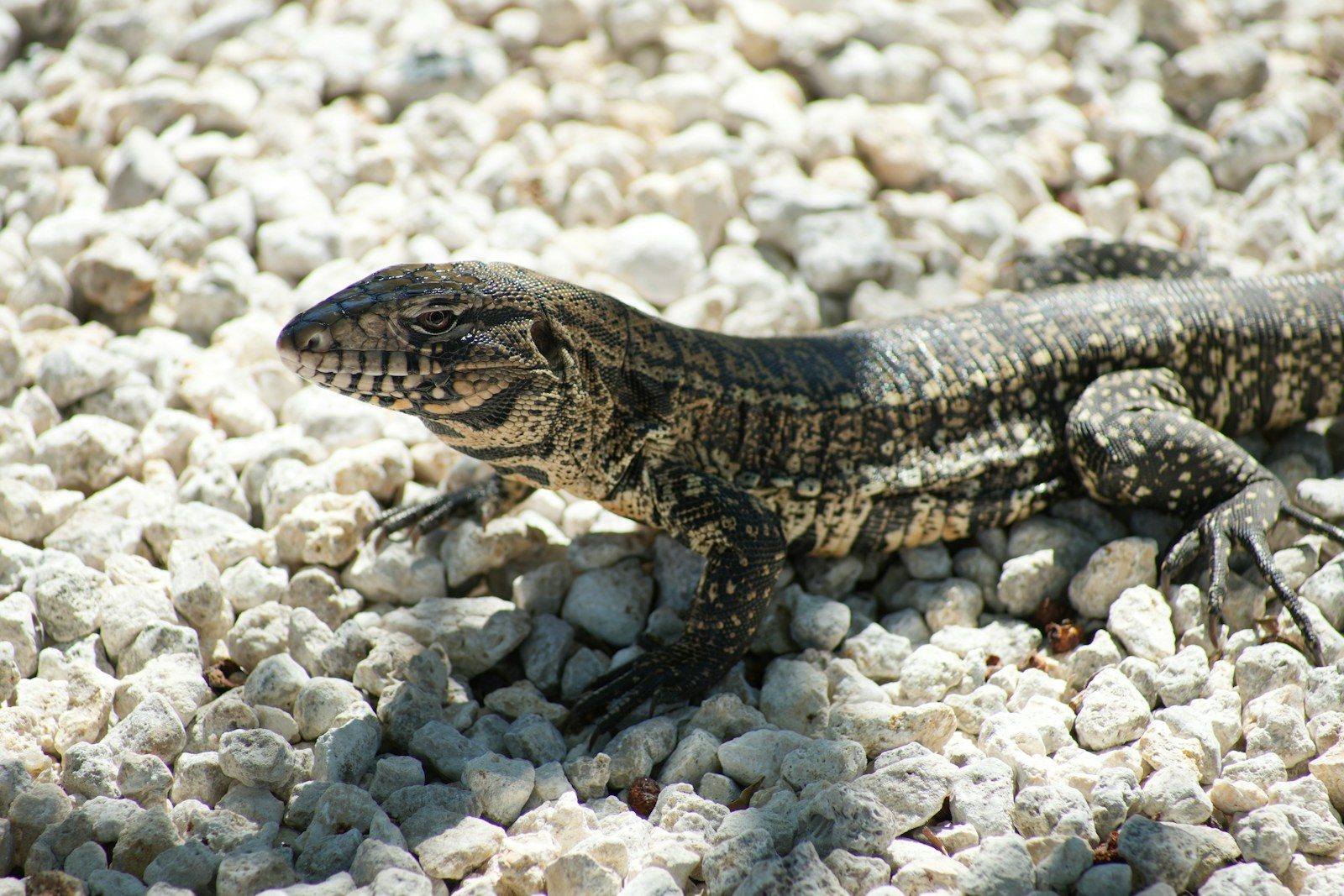
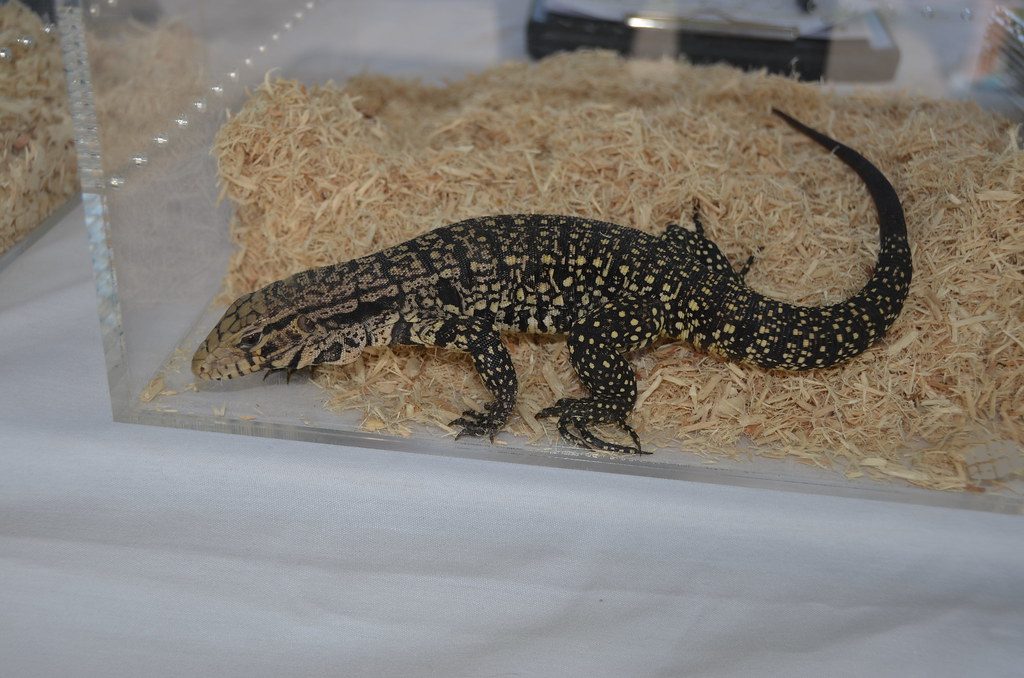
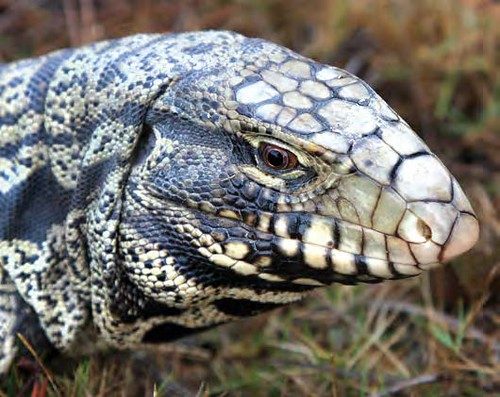
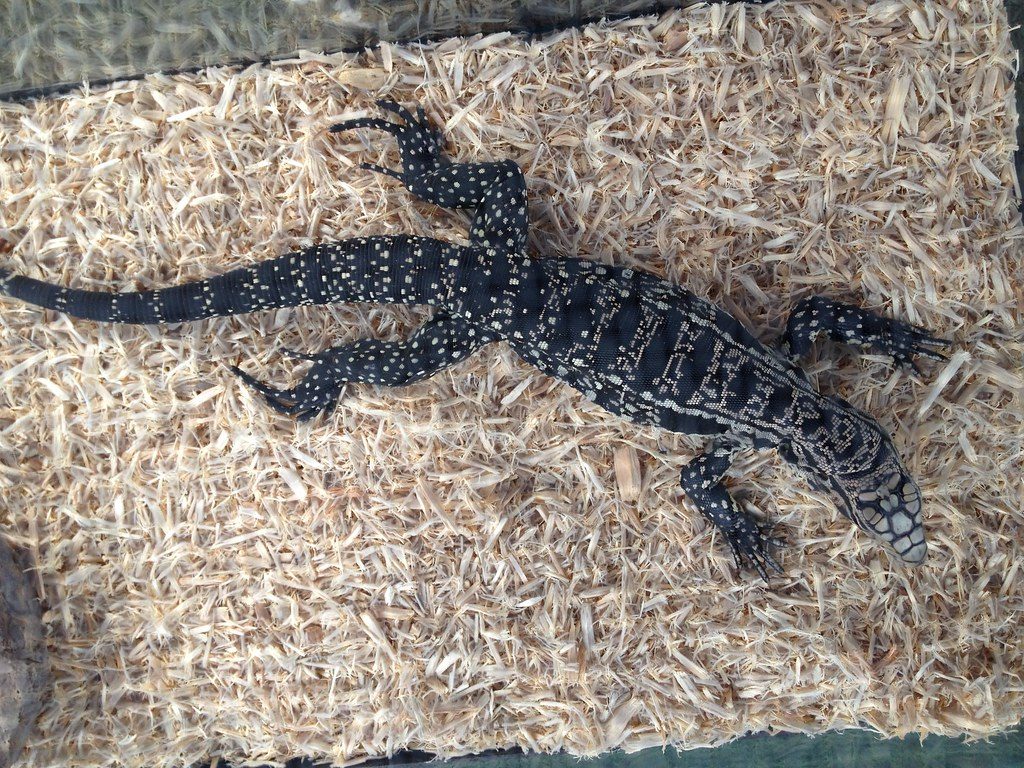
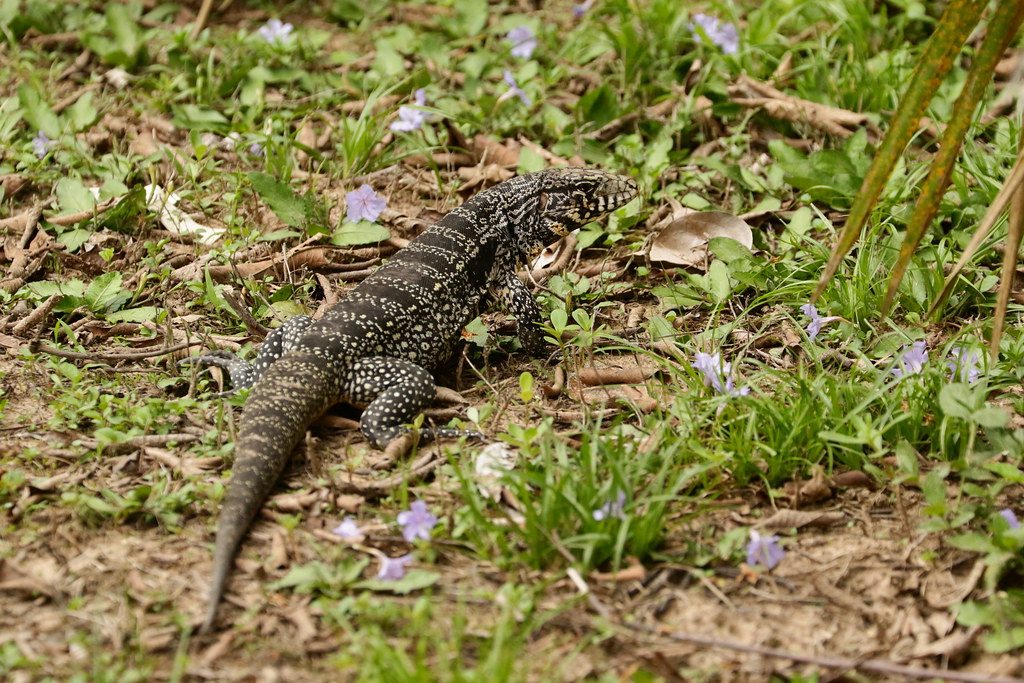
    The Argentine black and white tegu is the largest species of tegu lizard. It is native to parts of South America, including Argentina, Brazil, Paraguay, and Uruguay. These reptiles have black and white markings, strong legs, sharp claws, and powerful jaws. Adult tegus can reach about 4 feet in length and may live for up to 20 years in suitable conditions.

    Tegus were introduced to the United States through the pet trade. Over time, some escaped captivity or were released into the wild. Once established, they began forming wild populations in several southeastern states. Georgia wildlife officials first identified a breeding population in southeastern Georgia and have been working for years to prevent the species from spreading further.

    Why Georgia is worried about their spread

    South American lizards slither into south Florida” by JaxStrong is licensed under CC BY 2.0

    One of the biggest concerns is how quickly tegus can reproduce and adapt. Female tegus can lay up to 35 eggs in a single year. They are also highly flexible when it comes to food and habitat. Unlike some invasive species that need very specific conditions to survive, tegus can live in forests, fields, farmland, roadsides, and other disturbed areas.

    Another concern is their ability to survive colder weather. Scientists once believed these lizards would remain mostly in warmer climates. However, research and field observations have shown that tegus can survive winters by entering a dormant state called brumation. This ability increases the risk that they could establish populations across larger parts of Georgia and other southeastern states.

    The threat to native wildlife

    Black and White Tegu” by MyFWC Florida Fish and Wildlife is licensed under CC BY-ND 2.0

    Tegus are omnivores, meaning they eat both plants and animals. Their varied diet makes them especially dangerous to native wildlife. They consume eggs, young animals, insects, fruits, vegetables, and even carrion. Because they will eat almost anything available, they can affect many different species at once.

    Wildlife experts are particularly concerned about ground-nesting animals. Tegus are known to eat the eggs of quail, wild turkeys, and other birds that nest on or near the ground. They also prey on reptile eggs, including those of American alligators. Young gopher tortoises, a species already facing conservation challenges, can also become targets. These feeding habits may reduce populations of native species and disrupt natural ecosystems.

    How tegus affect farms and communities

    Black & White or Common Tegu (E-4A7A-1714)” by Mark Abel is licensed under CC BY-NC-SA 2.0

    The impact of tegus extends beyond wildlife. Farmers and property owners may also experience problems when these reptiles move into an area. Tegus have been known to eat vegetables, fruits, chicken eggs, and pet food left outdoors. Their broad diet allows them to take advantage of both natural and human-made food sources.

    There are also health concerns. Wildlife agencies have warned that tegus may carry salmonella and certain parasites. While the risk to people remains relatively low when proper precautions are followed, the possibility of disease spread adds another reason why officials want to limit the lizard’s expansion. Their presence can also create additional costs for wildlife management and conservation programs.

    Where tegus have been found in Georgia

    man in orange and black backpack
    Photo by Matthew Maaskant on Unsplash

    The main area of concern remains southeastern Georgia, particularly around Toombs and Tattnall counties. Wildlife agencies have focused many of their monitoring and trapping efforts in these locations because established populations have been documented there. Since monitoring began, multiple tegus have been captured or removed from the area.

    However, sightings have expanded beyond the original locations. Reports have come from dozens of counties across Georgia. Not every sighting represents a breeding population, but each report helps biologists track the movement of the species. The growing number of observations has reinforced concerns that tegus could continue spreading if left unchecked.

    What officials are doing to stop the invasion

    a group of people sitting around a table with laptops
    Photo by UK Black Tech on Unsplash

    Georgia wildlife officials are working with scientists and partner organizations to assess and remove wild tegu populations. Trapping programs have been established in affected areas, and researchers are studying the animals to better understand their movement patterns, breeding habits, and habitat preferences. The goal is to prevent permanent expansion into new regions.

    Public participation plays a major role in these efforts. Residents are encouraged to report sightings so wildlife biologists can respond quickly. Early detection is considered one of the most effective tools for controlling invasive species. The sooner a new population is found, the better the chances of preventing long-term establishment.

  • Texas wolves could help save the world’s rarest wolf species

    Texas wolves could help save the world’s rarest wolf species

    A surprising discovery on the Texas coast is giving scientists new hope for one of North America’s rarest animals. Researchers have found that some coyotes living around Galveston carry the DNA of the red wolf, a species that was declared extinct in the wild more than 45 years ago. These animals, often called ghost wolves, could play an important role in helping conservationists bring back genetic traits that have been lost over time.

    The finding has sparked excitement among wildlife experts because genetic diversity is one of the biggest challenges facing endangered species. By studying the red wolf ancestry hidden within Galveston’s coyote population, researchers hope to strengthen future recovery efforts. As scientists continue their work, the discovery could become an important step toward protecting one of America’s most endangered predators.

    How the red wolf nearly disappeared

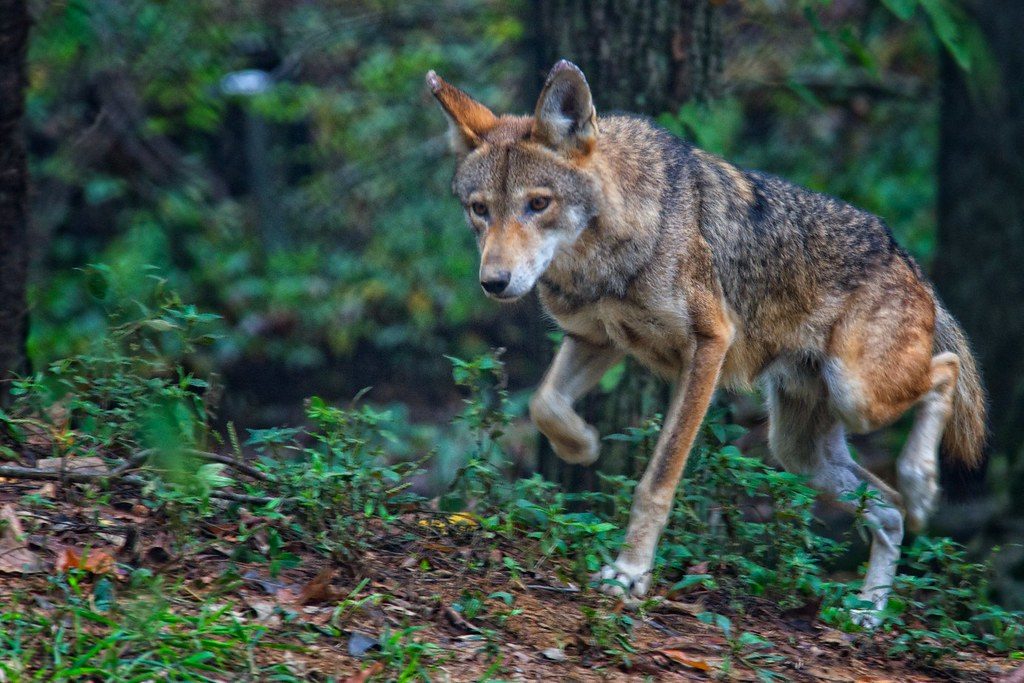
    Red Wolf” by Jim Liestman is licensed under CC BY-NC-ND 2.0

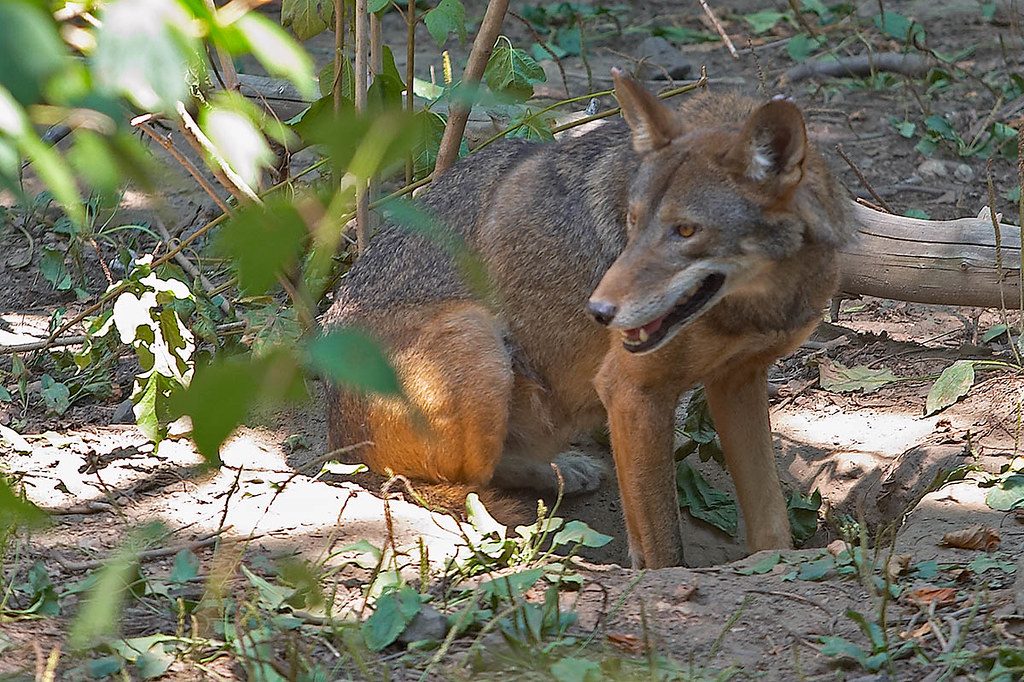
    The red wolf once lived across large parts of the southeastern United States. It was an important predator that helped keep ecosystems balanced by controlling populations of smaller animals. For many years, red wolves shared forests, wetlands, and grasslands with a wide variety of wildlife.

    Over time, however, habitat loss, hunting, and predator control programs caused red wolf numbers to fall sharply. As their population declined, they also began breeding with coyotes. By 1980, the species was declared extinct in the wild. Fortunately, wildlife officials had captured a small number of red wolves before they disappeared, allowing a captive breeding program to keep the species alive.

    The discovery of ghost wolves in Galveston

    a person standing on a large rock near the ocean
    Photo by Analis Ruiz on Unsplash

    For years, many people believed the canines living on Galveston Island were simply coyotes. However, genetic testing revealed something unexpected. Researchers found that some of these animals carry significant amounts of red wolf ancestry.

    Because these animals preserve traces of a species thought to be gone from nature, scientists began referring to them as ghost wolves. The name reflects the idea that the red wolf’s genetic legacy has survived in a hidden form. What appeared to be ordinary coyotes turned out to hold valuable information that could help conservation efforts.

    Why is genetic diversity so important?

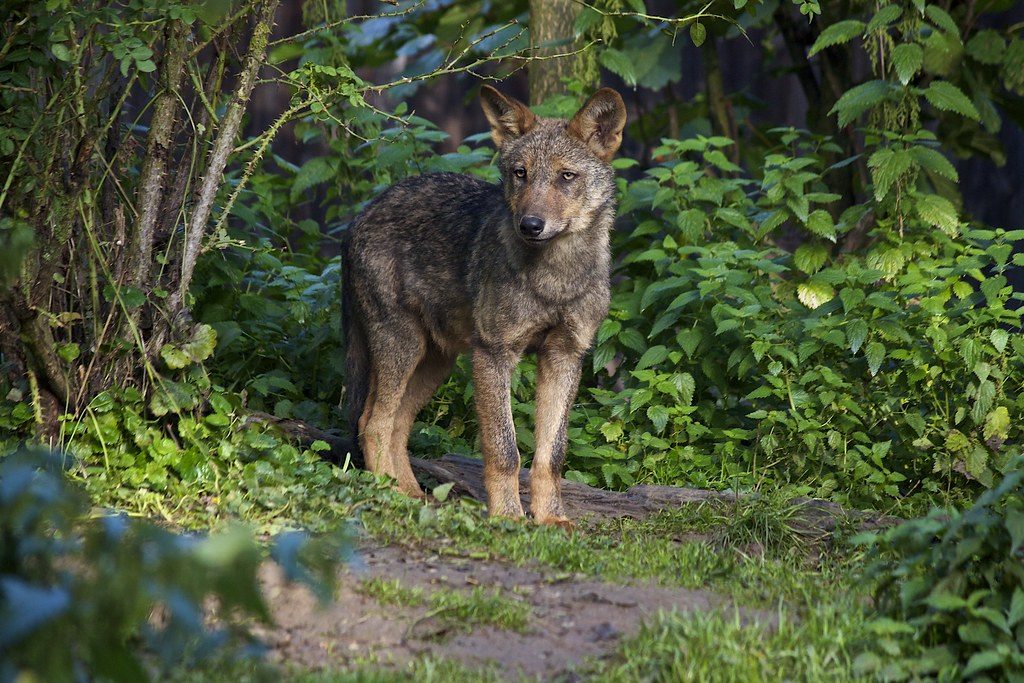
    Baby wolf” by Missud is licensed under CC BY-NC-ND 2.0

    One of the biggest challenges for endangered animals is maintaining healthy genetic diversity. When a species is reduced to a small population, future generations inherit genes from only a limited number of ancestors. This can make the species more vulnerable to disease, health problems, and environmental changes.

    The modern red wolf population comes from a small group of animals used in captive breeding programs. While these efforts prevented extinction, some genetic diversity was lost along the way. Researchers believe the red wolf DNA found in Galveston’s ghost wolves could help restore some of that missing diversity, giving future populations a stronger chance of survival.

    Scientists see potential for a genetic rescue

    a group of people sitting around a table with laptops
    Photo by UK Black Tech on Unsplash

    Researchers are now studying whether ghost wolves could contribute to what is known as a genetic rescue effort. This process involves introducing valuable genetic traits into a population that has become genetically limited. The goal is to improve overall health and resilience without changing the identity of the species.

    Scientists hope the red wolf ancestry found in Galveston’s coyotes may contain genetic traits that no longer exist in the captive population. If carefully managed, these traits could strengthen future generations of red wolves. While much more research is needed, the discovery has opened new possibilities for conservation.

    Ghost wolves face threats of their own

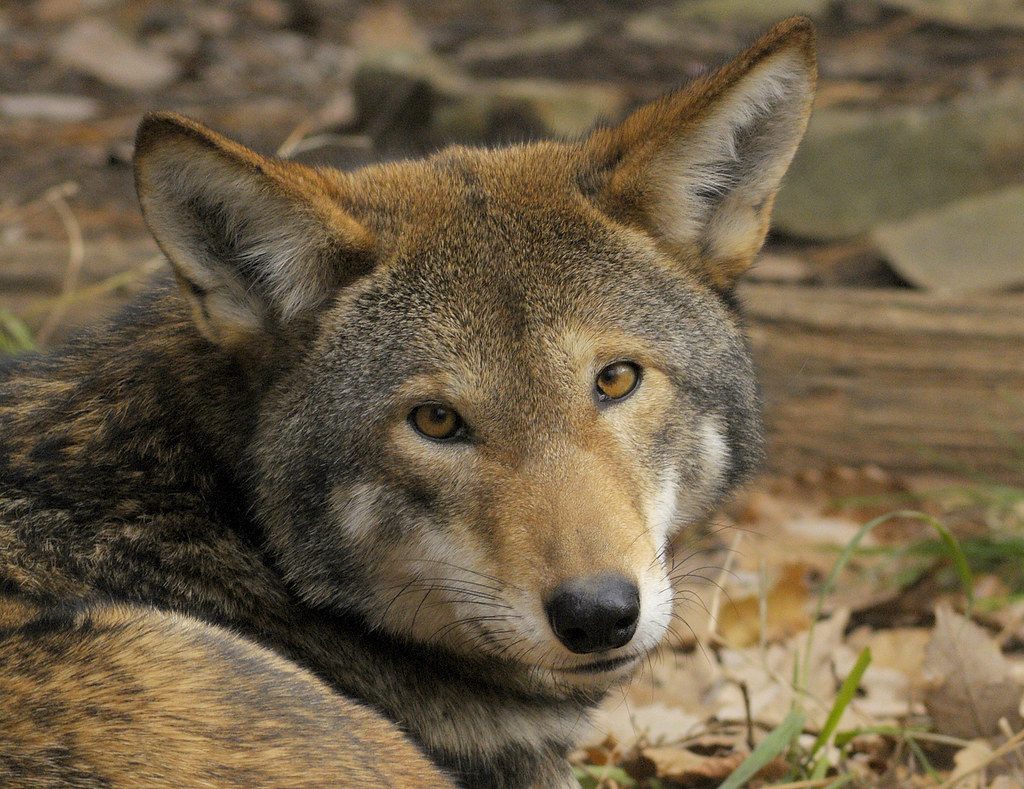
    Red Wolf” by ucumari photography is licensed under CC BY-NC-ND 2.0

    Although the discovery has generated excitement, the future of ghost wolves is far from secure. Researchers estimate that between 75 and 100 ghost wolves currently live on Galveston Island. Their survival is important because they carry the genetic material scientists hope to preserve.

    Unfortunately, vehicle collisions have become a major threat. According to Galveston Animal Services Supervisor Josh Henderson, 75 ghost wolves have been killed by vehicles over the last five years. Each loss reduces the number of animals available for future research and conservation efforts, making their protection increasingly important.

    Efforts to protect Galveston’s unique canines

    2 men standing on brown grass field during daytime
    Photo by BĀBI on Unsplash

    Local officials and conservation groups are taking steps to help protect these animals. Josh Henderson has encouraged residents to avoid feeding or interacting with ghost wolves. Wild animals that become comfortable around people may face greater risks from traffic and other dangers.

    The Texas Department of Transportation has also installed 10 Wildlife Crossing signs along roads in Galveston. These signs are designed to alert drivers to the presence of animals crossing roadways. By reducing collisions, officials hope to improve survival rates for ghost wolves and other wildlife that share the area.