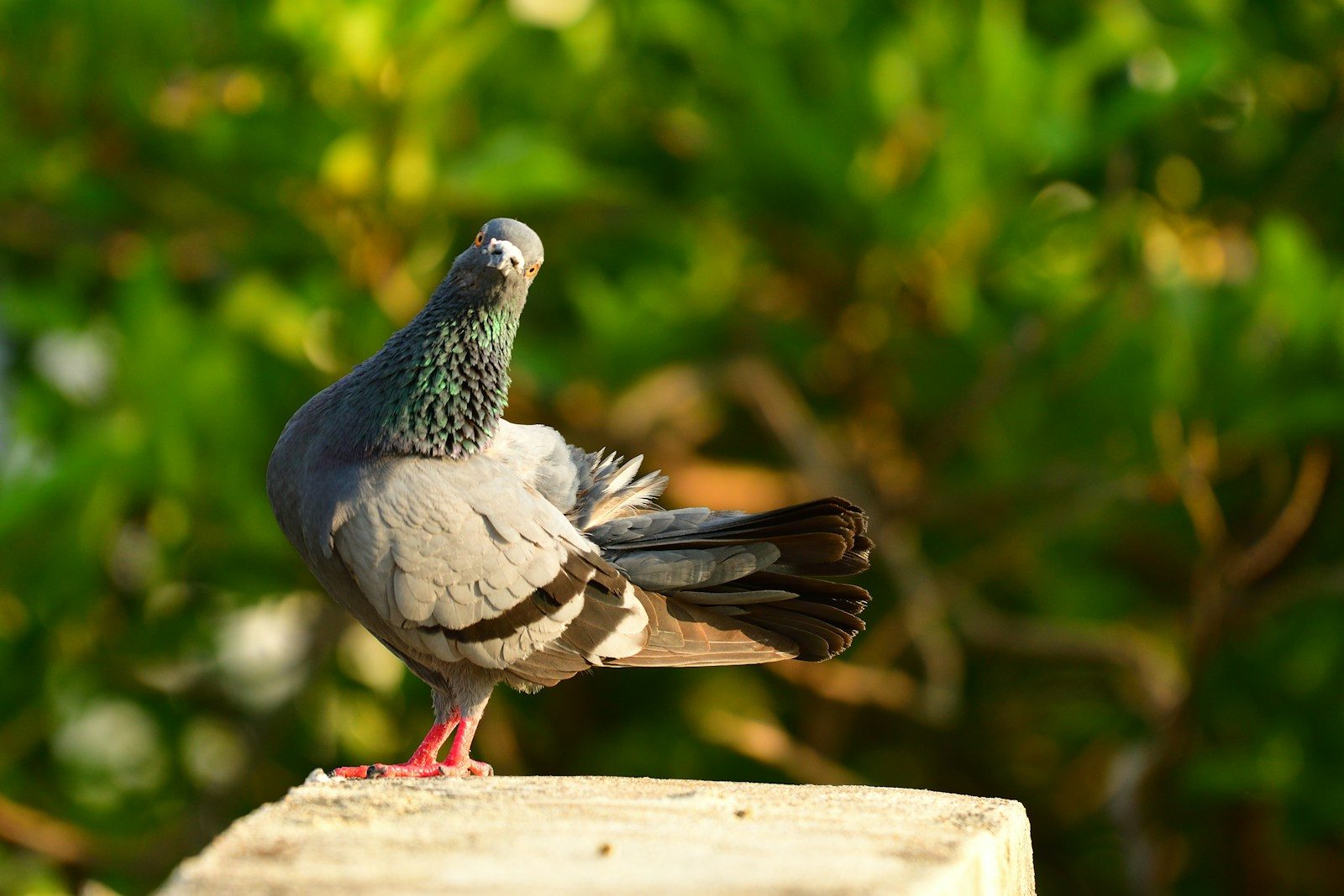
Birds can make a yard feel alive with song and movement. Many species help by eating insects, spreading seeds, and adding beauty to outdoor spaces. However, not every bird is a welcome guest when it decides to nest too close to your home. Some birds can be noisy, leave large amounts of droppings, damage property, or push native birds away from feeders and nesting spots.
If you have noticed large flocks gathering near your yard or birds building nests in vents, gutters, or other parts of your home, it helps to know which species can cause problems. This guide looks at birds you may not want nesting or spending too much time near your yard and explains why homeowners often try to discourage them while still respecting wildlife.
European starlings can quickly take over
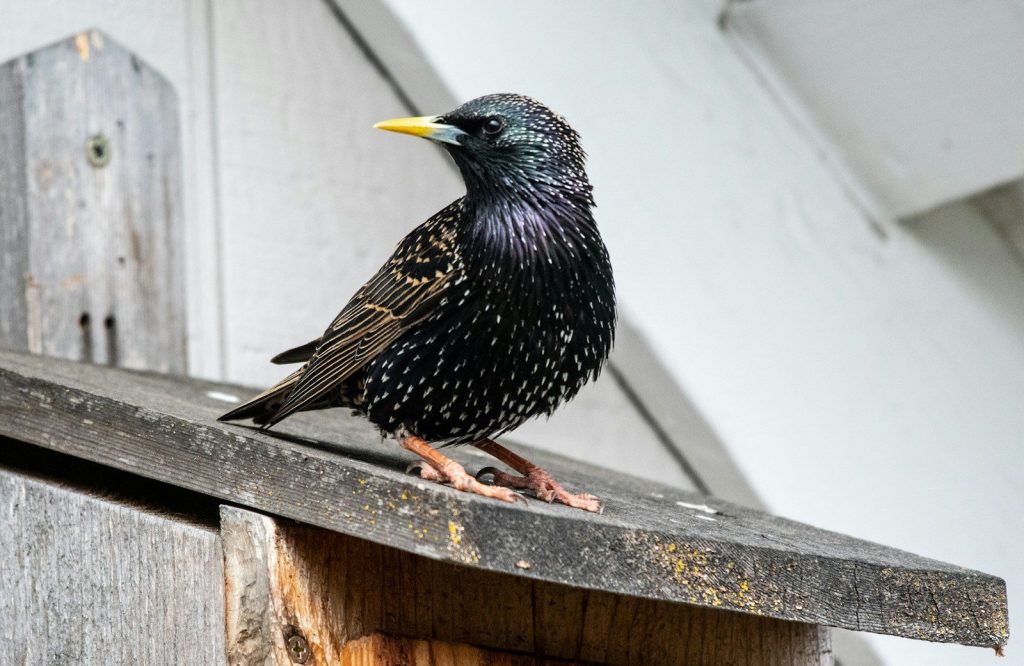
European starlings are among the most troublesome birds found around homes in the United States. These birds were introduced from Europe and are now considered an invasive species in North America. They often travel in large flocks and can gather by the hundreds or even thousands. When they settle near a yard, they create a great deal of noise and leave large amounts of droppings on roofs, sidewalks, decks, and vehicles.
Another concern is their aggressive behavior. Starlings compete with native birds for nesting cavities and food sources. They frequently take over nesting holes that would otherwise be used by bluebirds, woodpeckers, and purple martins. Because they are strong competitors, they can reduce nesting opportunities for native species and make it harder for local bird populations to thrive.
House sparrows often push out native birds
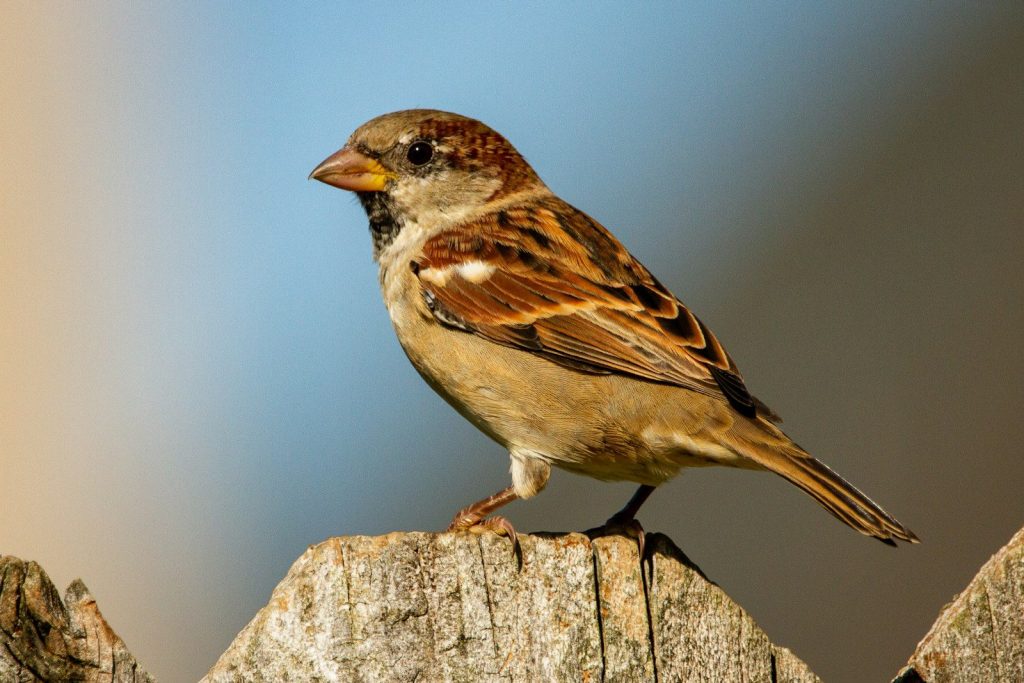
House sparrows may look harmless because of their small size, but they can create significant problems around homes and gardens. Like starlings, they are not native to North America. They are highly adaptable and often build nests in gutters, vents, eaves, and other openings in buildings. Their nests are usually bulky and messy, made from twigs, paper, grass, and other materials.
These birds are known for being aggressive toward other species. They frequently compete for nesting sites and may drive native birds away from birdhouses and feeders. House sparrows reproduce quickly and often live in large groups, allowing their numbers to grow fast. Homeowners who want to attract native songbirds sometimes find that house sparrows dominate feeding areas and reduce the variety of birds visiting the yard.
Pigeons can create sanitation problems
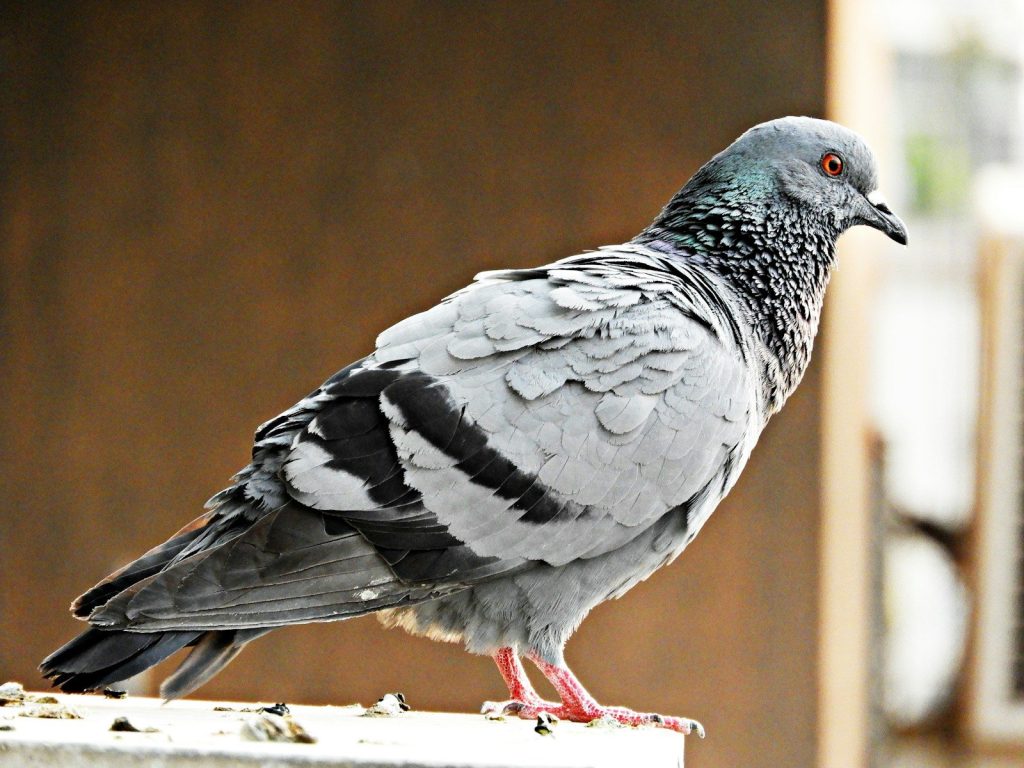
Rock pigeons are common in cities, suburbs, and many residential neighborhoods. While a few pigeons may not seem like a problem, larger groups can quickly become a nuisance. They often gather on roofs, fences, sheds, and other elevated surfaces where they leave droppings. Over time, these droppings can stain surfaces and increase cleaning needs around the home.
Pigeons are also skilled at finding places to nest close to people. They often use ledges, attic spaces, and sheltered structures. Because they adapt well to urban environments and have few special nesting requirements, they can establish populations quickly. Large numbers of pigeons may crowd out other birds and create ongoing maintenance concerns for homeowners who want a cleaner yard.
Blackbirds and grackles can arrive in huge flocks
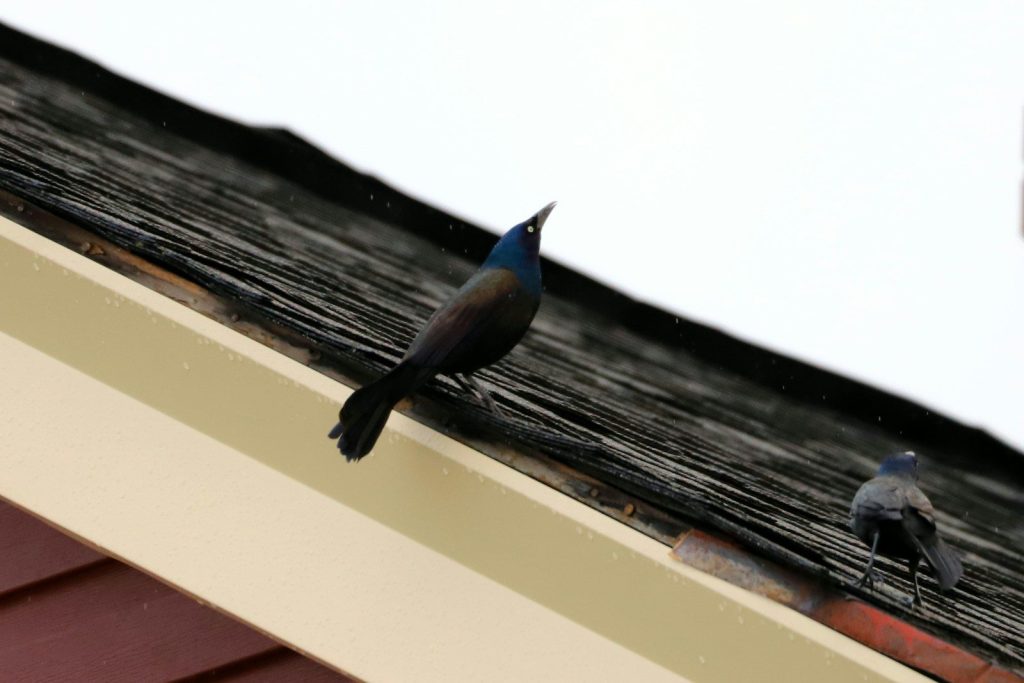
Blackbirds and grackles are native birds, but they can still become a problem when large groups gather near homes. These birds often travel in flocks and may take over feeders, trees, and open spaces. Their calls can be loud, especially when hundreds gather together in the same area during the evening.
Large roosting groups can also produce significant amounts of droppings. Besides creating unpleasant odors and messes, these accumulations can increase cleanup costs and create concerns in heavily used outdoor areas. Many homeowners notice that when blackbirds or grackles arrive in large numbers, smaller backyard birds become less willing to visit feeders and feeding stations.
Woodpeckers can damage homes
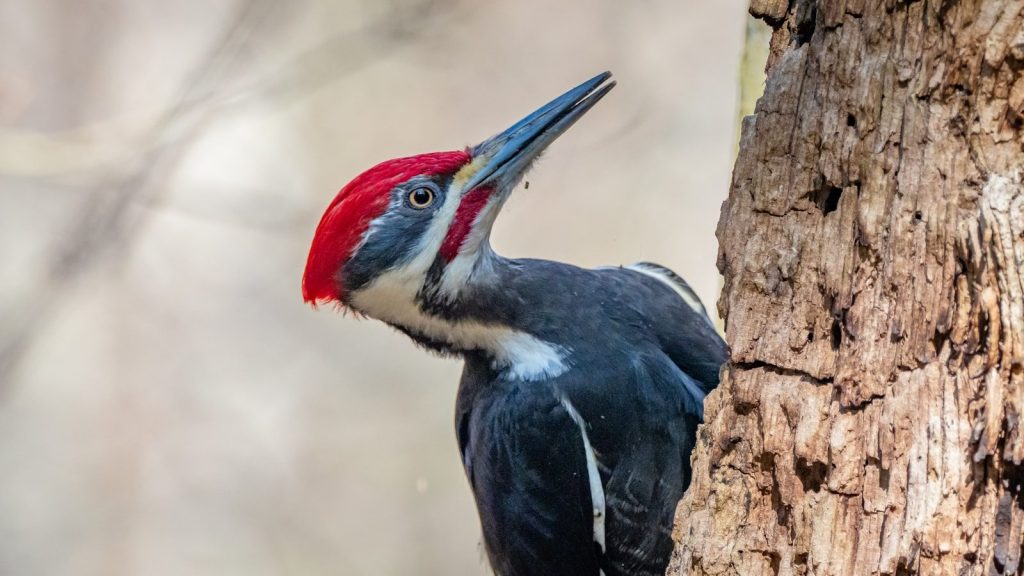
Woodpeckers are fascinating birds and play an important role in nature by eating insects. However, they can sometimes become a source of frustration for homeowners. During the breeding season, woodpeckers often drum on trees, gutters, siding, chimneys, and other structures to mark territory and attract mates. The repeated pounding can be surprisingly loud.
In some cases, woodpeckers may drill holes into wooden siding, fences, or trim. While they are often searching for insects, the damage can become costly if the birds repeatedly return to the same area. Unlike flocking birds, it usually takes only one persistent woodpecker to create a noticeable problem. Homeowners who experience repeated pecking often need to take steps to discourage the behavior before significant damage occurs.
Canada geese can overwhelm outdoor spaces
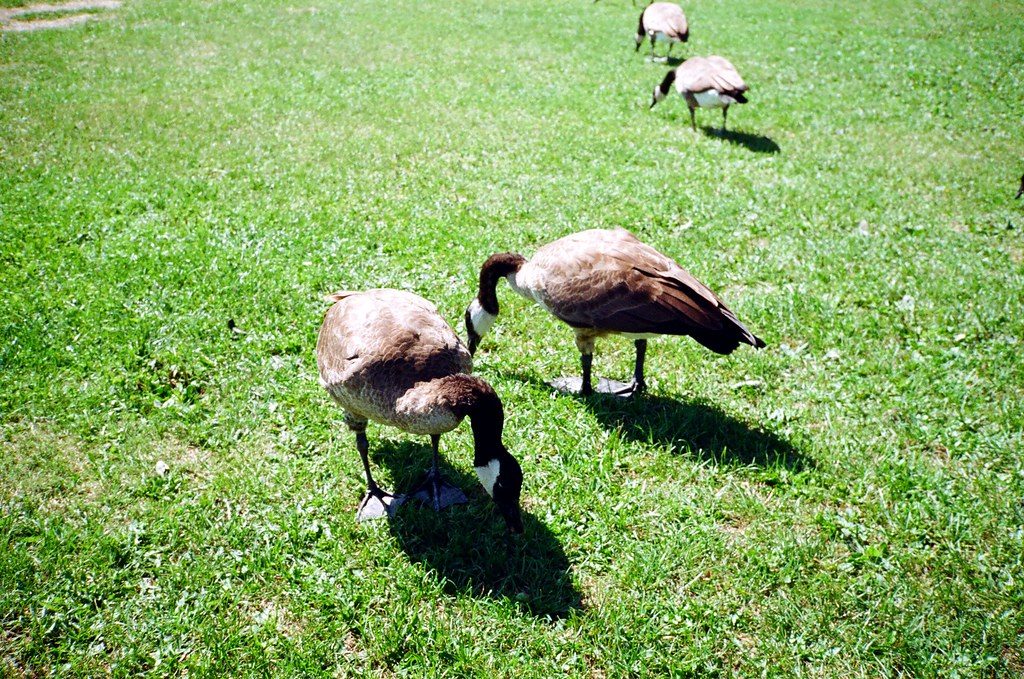
Canada geese are well known for gathering around ponds, lakes, parks, and neighborhoods with open grassy areas. Although many people enjoy seeing them, large groups can create challenges for homeowners who live near water features. Geese produce a substantial amount of droppings, which can quickly cover lawns, walking paths, and recreational areas.
Another issue is their protective behavior during nesting season. Adult geese can become aggressive when defending nests, eggs, or young birds. They may hiss, spread their wings, or chase people who get too close. Once a flock becomes comfortable in an area, convincing it to move elsewhere can be difficult, making prevention and habitat management important tools for reducing conflicts.
Leave a Reply