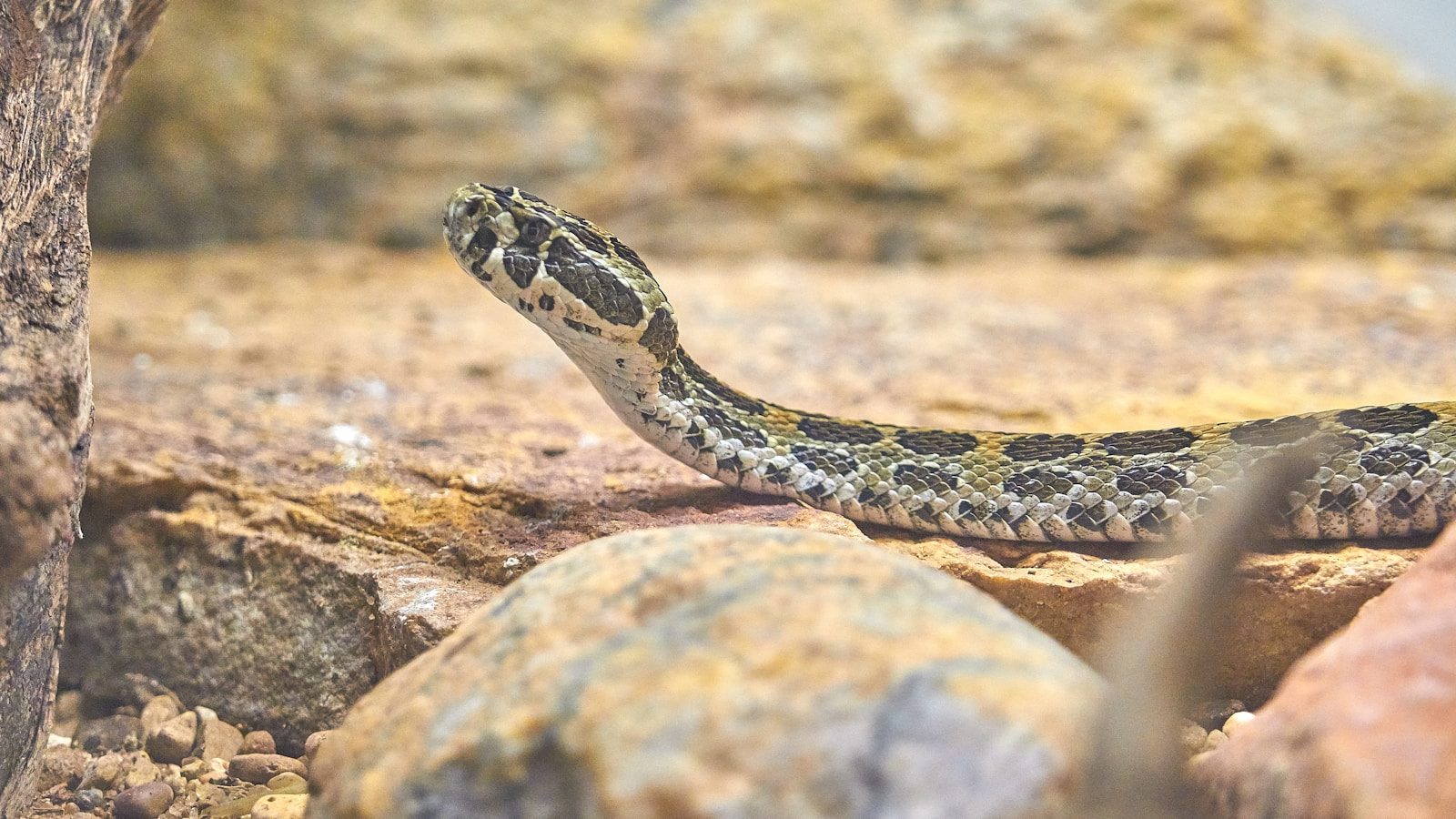
A family vacation can change in an instant when wildlife and people cross paths. That is exactly what happened when a two-year-old girl was rushed for treatment after a rattlesnake encounter in Colorado. The toddler was visiting the state with her family when a frightening incident left her seriously injured and in need of emergency medical care.
Stories like this remind many families that rattlesnakes are a real part of life in parts of the American West. Understanding what happened, how doctors treated the child, and what parents can learn from the event can help others stay safer during outdoor activities. This article takes a closer look at the incident, the medical response, rattlesnake behavior, and important safety lessons for families.
The vacation turned into an emergency

The young girl was visiting Colorado from Kansas with her family when the incident occurred around Memorial Day. Reports said she was near horses during a family gathering connected to a wedding when she unexpectedly came into contact with a rattlesnake. What began as a normal family outing quickly became a medical emergency when the snake struck.
Family members reacted immediately and sought help. Emergency responders recognized the seriousness of the situation and arranged for the child to receive urgent medical care. Because rattlesnake venom can cause severe damage, especially in small children, every minute mattered. The toddler was eventually transported to a hospital, where doctors began treatment as quickly as possible.
Why rattlesnake bites can be so dangerous
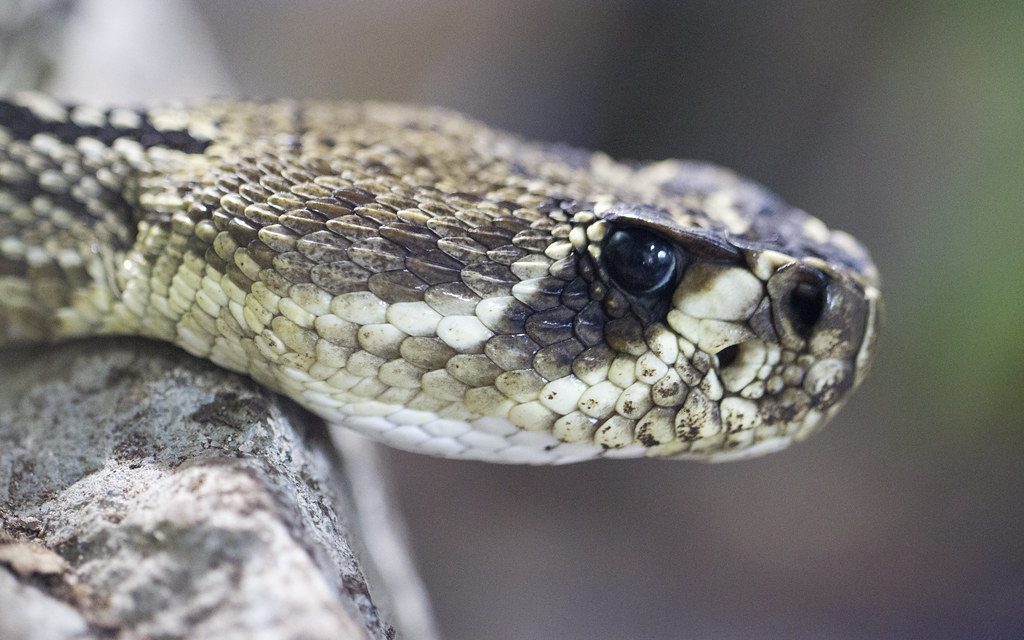
Rattlesnakes are venomous snakes found throughout much of the western and southwestern United States. Their venom is designed to help them capture prey, but when humans are bitten, the venom can cause pain, swelling, tissue damage, and other serious health problems. Young children face greater risks because of their smaller body size.
Medical experts often treat rattlesnake bites as emergencies. Symptoms can develop quickly and may become severe if treatment is delayed. Doctors typically monitor patients closely for swelling, changes in blood clotting, and other complications that can result from venom entering the body. Fast treatment greatly improves the chances of a full recovery.
The medical response that helped save the child

After the bite, emergency responders and medical teams moved quickly to get the toddler specialized care. Reports indicated that she was airlifted for treatment, showing how seriously medical professionals viewed her condition. Air transport is often used when patients need rapid access to advanced medical facilities.
At the hospital, doctors worked to manage the effects of the venom. One of the most important tools available for venomous snake bites is antivenom, which can reduce the damage caused by the venom. Medical teams also monitor patients for changes in breathing, circulation, swelling, and other complications. Thanks to modern medical care and rapid intervention, many snakebite victims survive and recover.
Recovery can be a long process
Even when treatment is successful, recovery from a rattlesnake bite can take time. Reports about the toddler indicated that she remained hospitalized after the attack. Serious swelling, pain, and damage to affected tissues can require days or even weeks of medical care and rehabilitation.
The emotional effects of a traumatic event can also linger. Young children may experience fear, sleep disturbances, or anxiety after a frightening encounter. Families often focus not only on physical healing but also on helping children regain a sense of comfort and security after a major medical emergency.
Why do encounters increase during warmer months?
Rattlesnakes become more active as temperatures rise in spring and summer. During these seasons, people also spend more time outdoors hiking, camping, horseback riding, and attending outdoor events. As a result, the chances of humans and snakes crossing paths naturally increase.
Colorado is home to several rattlesnake species, including the prairie rattlesnake, which is found across much of the state. These snakes generally avoid people and prefer to escape when given the opportunity. Most bites happen when a snake feels threatened, surprised, or cornered. This is why experts recommend keeping a safe distance from any snake seen outdoors.
Safety lessons families can learn
The incident serves as a reminder that wildlife awareness is an important part of outdoor safety. Parents and caregivers should keep children close when visiting areas where snakes may live. Tall grass, rocky areas, brush piles, and spaces around barns or animal enclosures can provide hiding spots for snakes.
Experts recommend teaching children never to approach or touch a snake, even if it appears still or harmless. If a snake is spotted, the safest choice is to slowly back away and leave it alone. In the event of a bite, emergency medical help should be sought immediately. Quick action can make a significant difference in treatment outcomes and recovery.
Leave a Reply