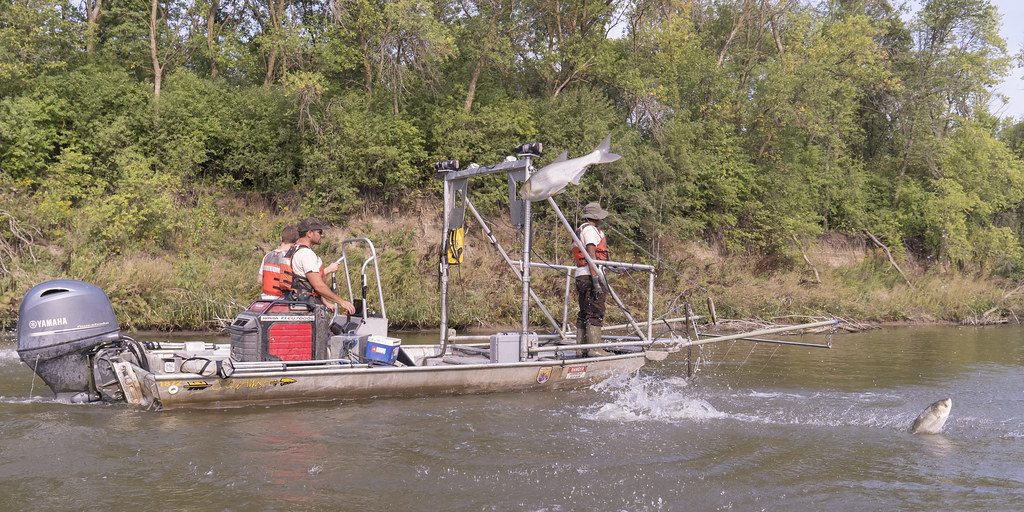
Have you ever wondered how bad invasive fish can become when they take over a river? The Illinois River has faced that challenge for years as invasive carp spread through its waters and threatened native fish populations. Now, a major milestone has been reached, with nearly 50 million pounds of invasive fish removed from the river over the past 15 years.
This achievement highlights one of the largest freshwater invasive species management efforts in North America. Understanding how this happened, why it matters, and what comes next helps show the importance of protecting rivers, lakes, and native wildlife for future generations.
Why invasive carp became a major problem
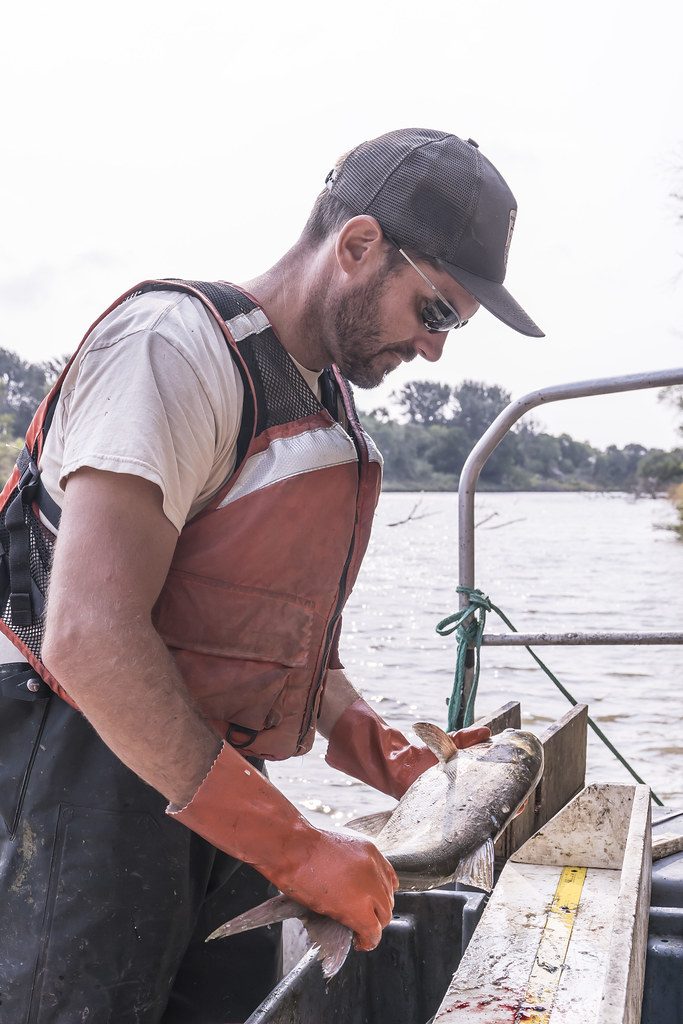
Invasive carp were originally brought to the United States during the 1970s. Several species, including silver carp, bighead carp, grass carp, and black carp, escaped into natural waterways and quickly spread throughout parts of the Mississippi River Basin. Once established, these fish reproduced rapidly and expanded into rivers such as the Illinois River.
The problem with invasive carp is not simply their size or numbers. These fish consume enormous amounts of food, especially plankton, which many native fish species rely on for survival. As carp populations grow, they compete directly with native fish for resources. This can disrupt entire food webs, reduce biodiversity, and make it harder for local fish populations to thrive.
How the Illinois River became a battleground
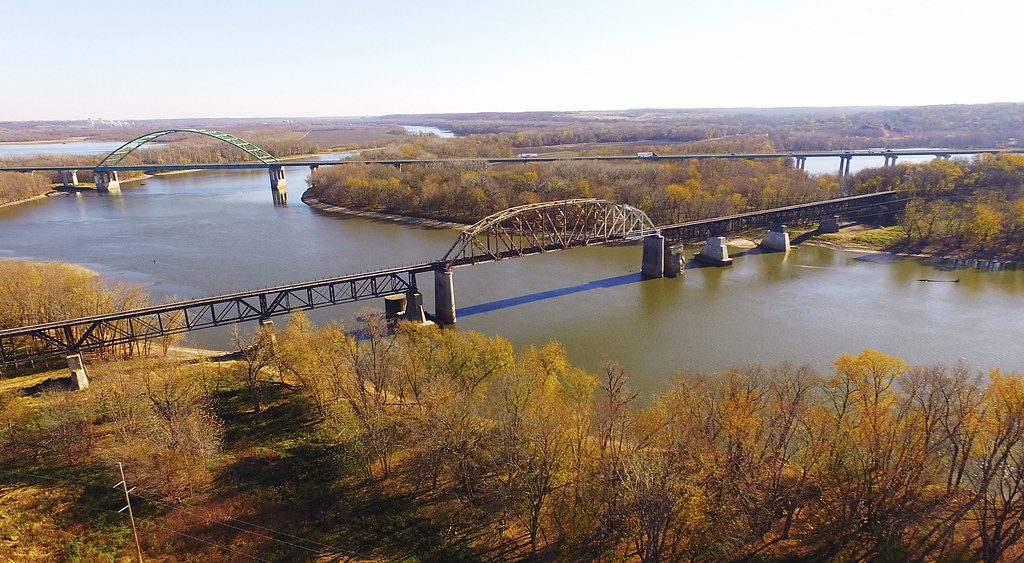
The Illinois River sits in a critical location because it connects to waterways that could eventually allow invasive carp to reach the Great Lakes. Scientists and wildlife managers have long viewed the river as one of the most important fronts in the fight against invasive species. If large populations of carp establish themselves in the Great Lakes, the ecological and economic consequences could be severe.
Because of this risk, state and federal agencies developed long-term plans to reduce carp populations throughout the Illinois River. The goal was not only to remove fish but also to lower their numbers enough to slow reproduction, reduce movement upstream, and protect sensitive ecosystems. Over time, these efforts grew into a massive operation involving scientists, fisheries experts, and commercial fishers.
The effort behind removing 50 million pounds
Reaching the 50-million-pound mark did not happen overnight. The milestone represents roughly 15 years of coordinated removal work across different sections of the Illinois River. During 2025 alone, more than 7 million pounds of invasive carp were removed through multiple programs operating on the river.
One major effort focuses on the upper Illinois River near the area where invasive carp populations are closest to Lake Michigan. Commercial fishers work alongside biologists to target adult fish and reduce their numbers. Another large-scale effort covers the lower portions of the river, where carp populations are even more abundant. These programs together have accounted for tens of millions of pounds of fish being removed from the ecosystem.
The role of commercial fishing in controlling carp
Commercial fishing has become one of the most effective tools for reducing invasive carp populations. Professional fishers use specialized equipment and techniques to locate large groups of carp and remove them efficiently. State agencies often work closely with these fishers to target specific areas where carp are concentrated.
The fish that are removed do not simply go to waste. Some are processed into fertilizer, animal feed, and other products. In recent years, efforts have also been made to increase the use of carp for human consumption. While carp has not traditionally been a popular food fish in many parts of the United States, finding markets for harvested fish helps create additional incentives for continued removal and population control.
How these removals help protect native ecosystems
Every pound of invasive carp removed represents less competition for native fish and other aquatic organisms. By reducing carp numbers, managers hope to give native species a better chance to access food and habitat. This can help improve overall ecosystem health and support more balanced fish communities.
The benefits extend beyond fish populations. Healthy river ecosystems support birds, mammals, recreational activities, and commercial fisheries. When invasive species dominate an ecosystem, the effects can ripple through many levels of the food chain. Large-scale removals help reduce these pressures and improve conditions for a wide range of wildlife that depend on the river.
What comes next for the Illinois River
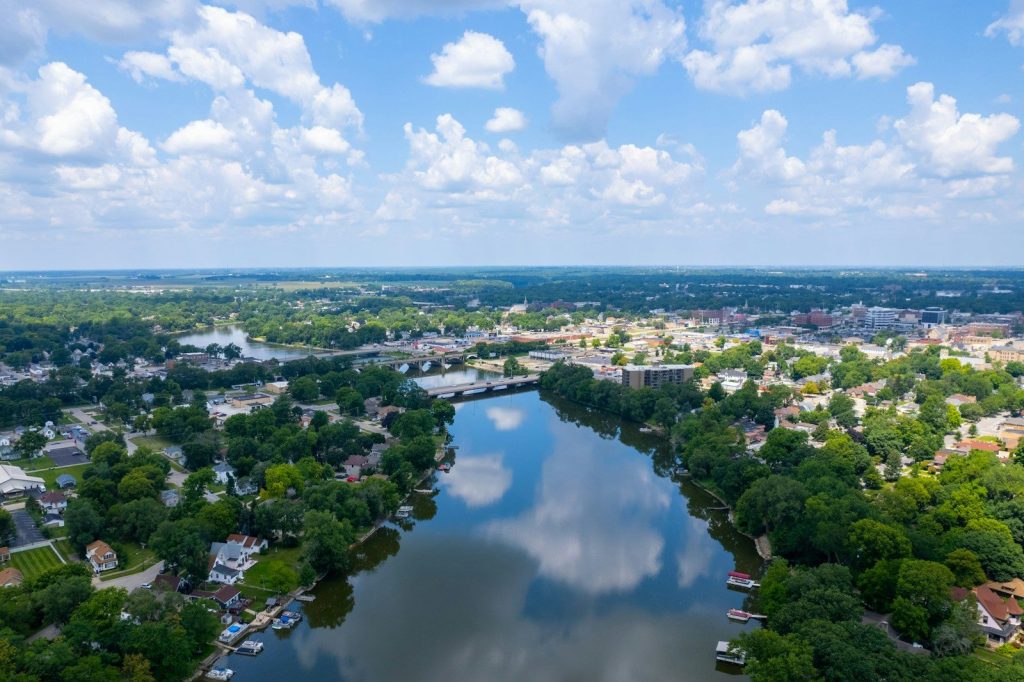
Although the 50-million-pound milestone is impressive, experts do not view it as the finish line. Invasive carp remain established throughout much of the river system, and ongoing management will be necessary for years to come. Wildlife agencies continue to improve monitoring programs, track fish movements, and develop new removal strategies.
Additional barriers and prevention systems are also being used to stop carp from moving toward the Great Lakes. These include electric barriers and other technologies designed to deter fish movement through critical waterways. Combined with continued harvesting efforts, these measures form a layered defense intended to reduce the long-term threat posed by invasive carp.
Leave a Reply