Many people dream of having both a dog and a cat in the same home. The good news is that some dog breeds are much more likely to get along with cats than others. While every animal has its own personality, certain breeds are known for being gentle, friendly, and easy to train. These traits can make introductions smoother and help build a peaceful relationship between pets.
If you are searching for dogs that are most likely to become friends with cats, choosing the right breed is an important first step. In this guide, you’ll learn about six dog breeds that are known for their cat-friendly nature, why they often succeed in multi-pet homes, and what makes them stand out. Understanding these breeds can help you create a happier and more balanced household for both your dog and your cat.
Golden retrievers are gentle and patient companions
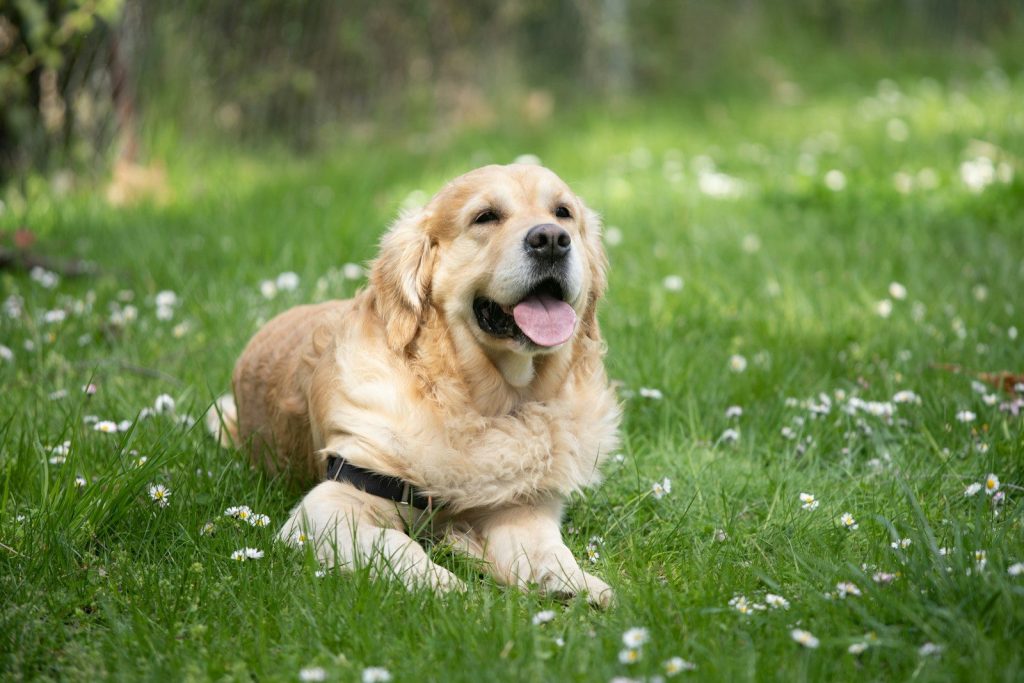
Golden Retrievers are often considered one of the most cat-friendly dog breeds. They are famous for their calm, affectionate personalities and their willingness to get along with almost everyone they meet. Because they were bred to work closely with humans, they tend to be eager to please and easy to train. This makes it easier to teach them how to behave around cats and respect a cat’s space.
Their patient nature is one of their biggest strengths. Instead of chasing or bothering cats, many Golden Retrievers prefer to make friends and join in family activities. They are playful without being overly rough, which helps cats feel safer around them. When raised together or introduced properly, many Goldens and cats develop close bonds and may even sleep together or groom each other.
Labrador retrievers adapt well to multi-pet homes

Labrador Retrievers are known around the world for their friendly and outgoing personalities. They are highly social dogs that usually enjoy meeting both people and animals. Because Labradors are intelligent and eager to learn, they often respond well to training that teaches them how to interact respectfully with cats.
Although Labradors are much larger than most cats, they are generally gentle and tolerant. Their playful nature can make them exciting companions, but proper training helps ensure that play remains safe. Many Labradors learn quickly that cats are members of the family and treat them accordingly. Their ability to adapt to different living situations makes them one of the strongest choices for homes that already have cats.
Cavalier King Charles spaniels love companionship
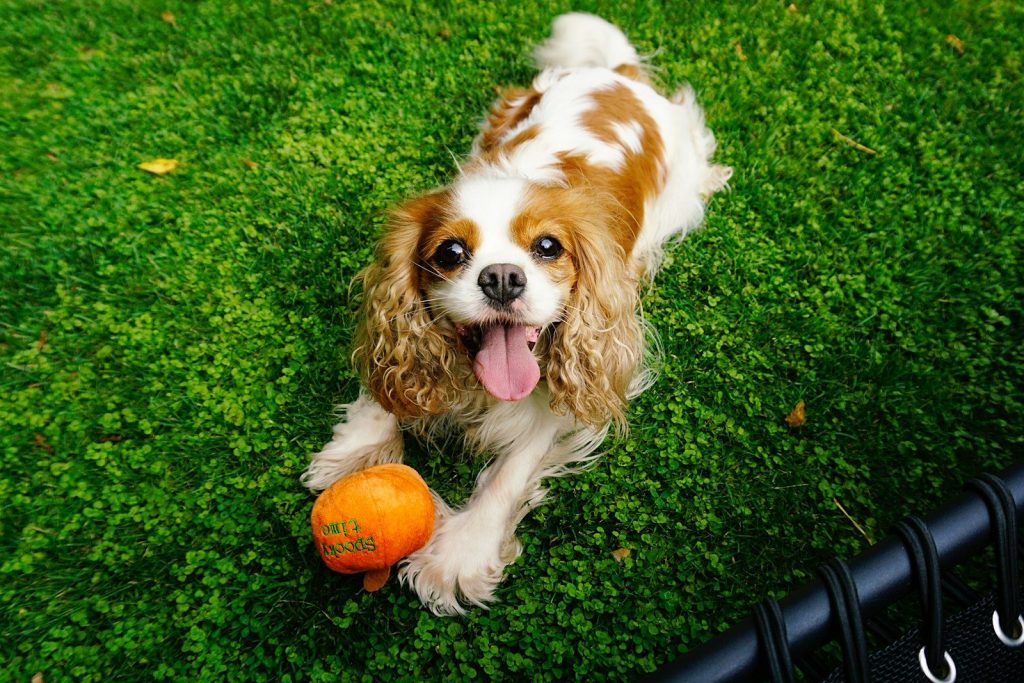
The Cavalier King Charles Spaniel was bred primarily as a companion dog, which explains much of its friendly behavior. These dogs thrive on affection and enjoy being around both people and other animals. Their small size also makes them less intimidating to cats compared to larger breeds.
Because they are naturally gentle and adaptable, Cavaliers often fit comfortably into homes with cats. They usually prefer cuddling and companionship over rough play or chasing behavior. Their calm attitude helps nervous cats feel more comfortable during introductions. In many homes, Cavaliers and cats quickly learn to share living spaces and become close companions.
Beagles see other pets as part of the family

Beagles were originally bred to work and hunt in groups, which helped create their social personality. They generally enjoy being around other animals and often view them as members of their pack. This trait can make them surprisingly successful companions for cats when proper introductions are made.
Their friendly and curious nature helps them approach cats with interest rather than hostility. However, because Beagles do have a hunting background, training and supervision remain important during the early stages of a relationship. Once boundaries are established, many Beagles become loyal companions to cats and enjoy sharing daily activities with their feline housemates.
Bichon Frises bring a playful but gentle attitude
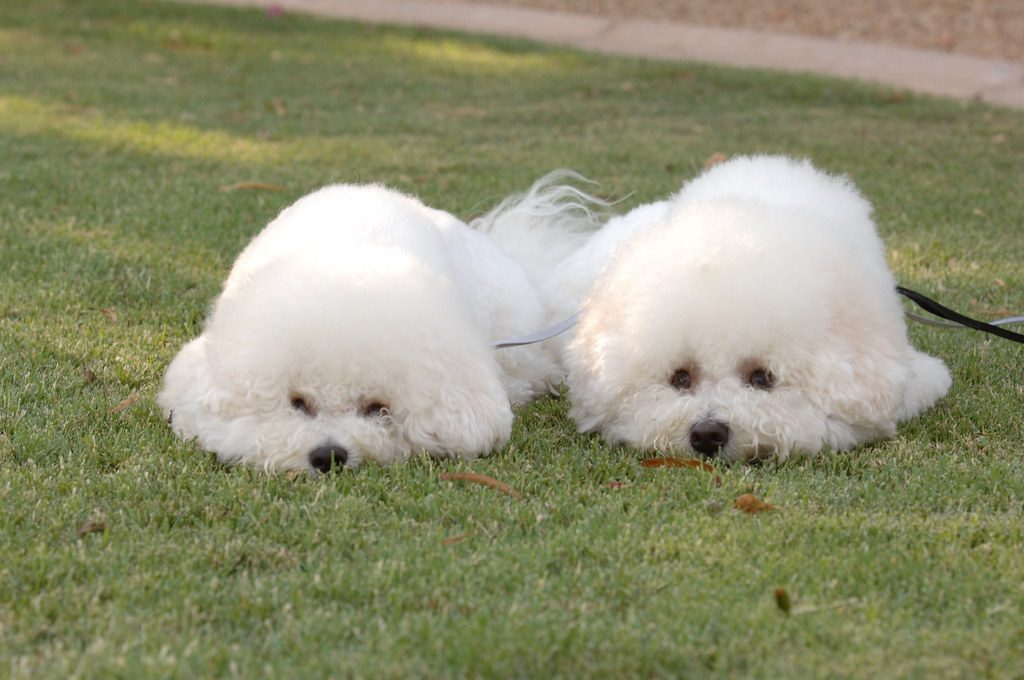
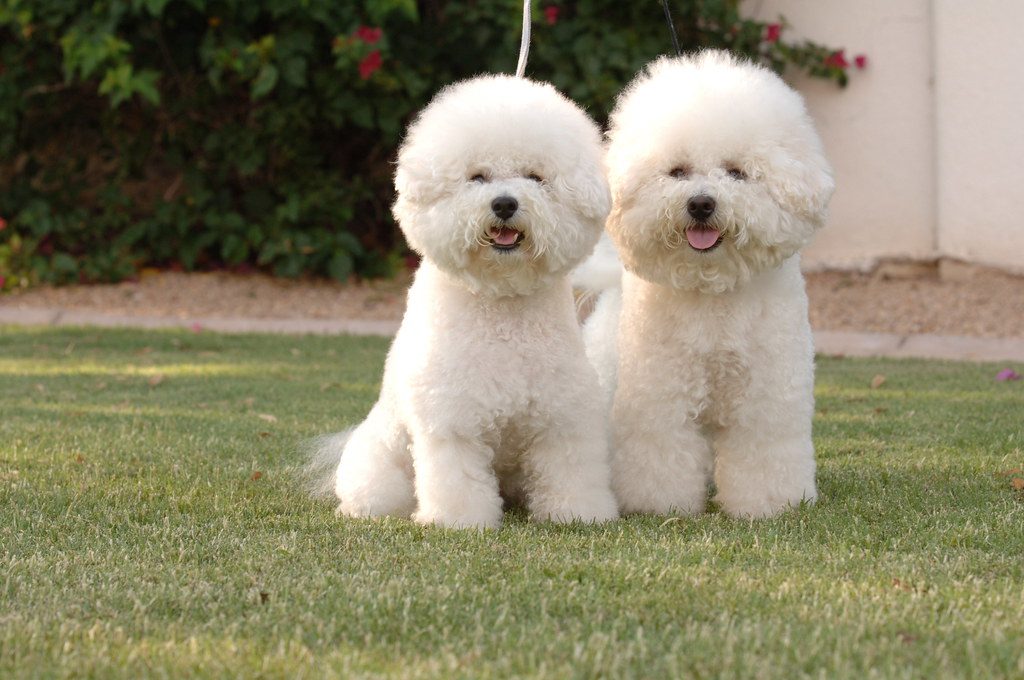
Bichon Frises are cheerful little dogs that thrive on companionship. They love attention and enjoy being part of family life. Their friendly nature often extends to other household pets, including cats. Since they are small and non-threatening, many cats feel less nervous around them.
One of the reasons Bichon Frises often succeed in homes with cats is their balanced energy level. They enjoy playtime but are usually not overly demanding or aggressive. Their affectionate personality encourages positive interactions, and they often see cats as potential friends rather than rivals. With proper introductions, they can become loyal companions that happily share space with feline family members.
Poodles are intelligent and respectful of boundaries

Poodles are among the smartest dog breeds in the world. Their intelligence makes them highly trainable, which is a major advantage when introducing them to cats. Whether Standard, Miniature, or Toy, Poodles are generally eager to learn household rules and respond well to guidance.
In addition to being intelligent, Poodles are known for their social and adaptable personalities. They tend to observe situations carefully and can learn to respect a cat’s boundaries. Many Poodles enjoy interacting with cats but are also capable of giving them space when needed. This combination of intelligence and flexibility often leads to peaceful relationships and long-lasting friendships between the two species.
Leave a Reply