Author: Ethan

  • What your cat secretly thinks every time you touch its litter box

    What your cat secretly thinks every time you touch its litter box

    Have you ever cleaned your cat’s litter box and then noticed your cat acting confused, alert, or rushing back to use it right away? These moments can feel strange and even a little worrying. The topic of why cats behave strangely after litter cleaning is explained to help make sense of these behaviors using natural instincts and simple cat habits.

    This article explains why cats react when you clean their litter box, why they watch closely, and why they sometimes jump back in right after cleaning. It also explores how instincts, cleanliness needs, and environment all affect their behavior. By the end, you will better understand your cat and know how to keep them comfortable.

    Why cats behave strangely after litter cleaning is explained through instincts

    A man standing next to a robot vacuum
    Photo by Neakasa on Unsplash

    Cats often react strongly when their litter box is cleaned because of deep, natural instincts. These instincts come from wild ancestors who needed to hide their scent to avoid predators. Even though domestic cats live safely indoors, their survival instincts remain active.

    When waste is removed, a cat may feel confused or alert because something in its territory has changed. From the cat’s point of view, scent is an important signal. That is why understanding why cats behave strangely after litter cleaning always starts with their natural survival behavior.

    Why do cats watch you while cleaning the litter box
    A cat standing on a table looking at a television
    Photo by Neakasa on Unsplash

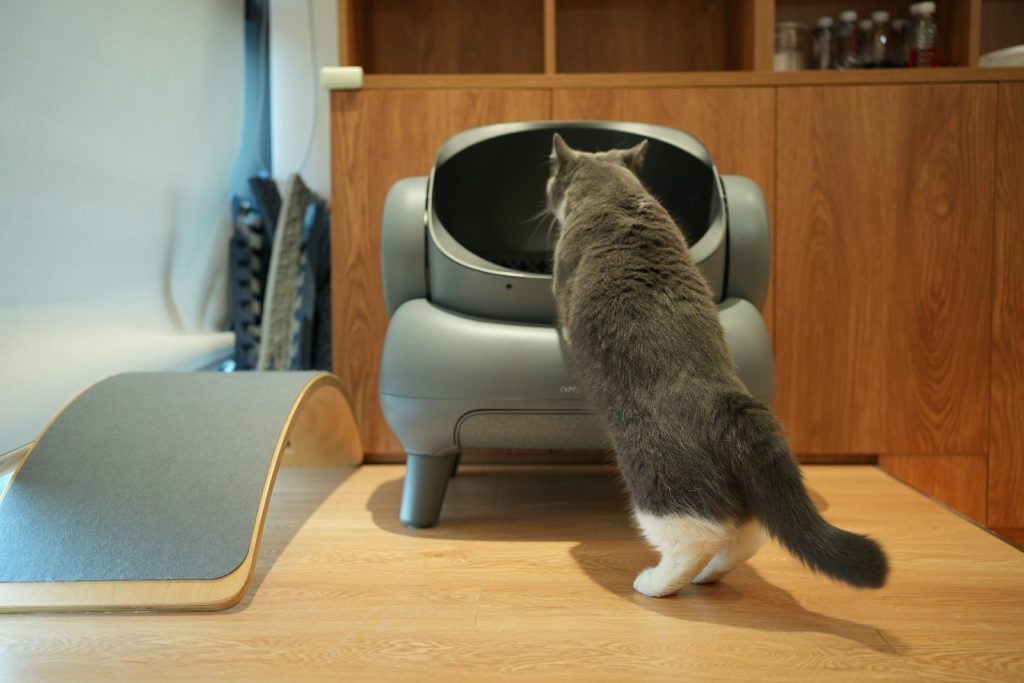
    Many cat owners notice their pets staring intently as the litter box is cleaned. This behavior is often linked to protective instincts. In the wild, cats hide their scent to stay safe, so seeing it removed can feel unusual or risky.

    During cleaning, a cat may think its scent is being exposed or handled in an unfamiliar way. So it watches carefully to make sure nothing dangerous is happening. Over time, most cats learn that cleaning is harmless and stop reacting as strongly to it.

    Why do cats rush back after litter cleaning

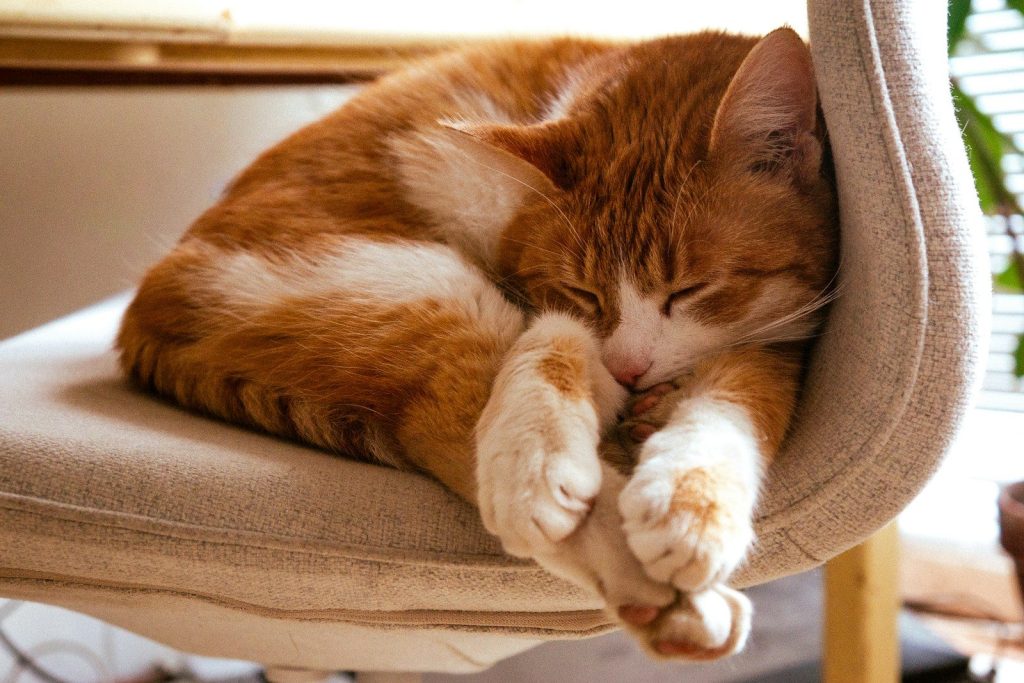
    An orange cat sitting in a grey chair
    Photo by Neakasa on Unsplash

    Some cats immediately return to the litter box after it has been cleaned. This is not about dominance or control in the home. Instead, it is tied to comfort, cleanliness, and territory awareness.

    Cats naturally prefer clean spaces for important activities, such as elimination. A freshly cleaned box feels safe and comfortable again. That is why many cats quickly return to their cleaning spot right after, showing how important hygiene is to them.

    Cats’ natural hygiene and cleanliness habits

    A cat sitting in a litter box on the floor
    Photo by Neakasa on Unsplash

    Cats are naturally very clean animals. They avoid dirty or unpleasant places when using their litter box. A clean environment is important for their comfort and daily routine.

    If a litter box is not cleaned regularly, cats may stop using it and choose other spots instead. Dirty litter boxes can also lead to bacteria and parasites, which can affect both pets and humans. Keeping things clean protects everyone’s health in the home.

    How cleaning habits affect cat behavior
    silver tabby cat on brown wooden table
    Photo by Yusuf Evli on Unsplash

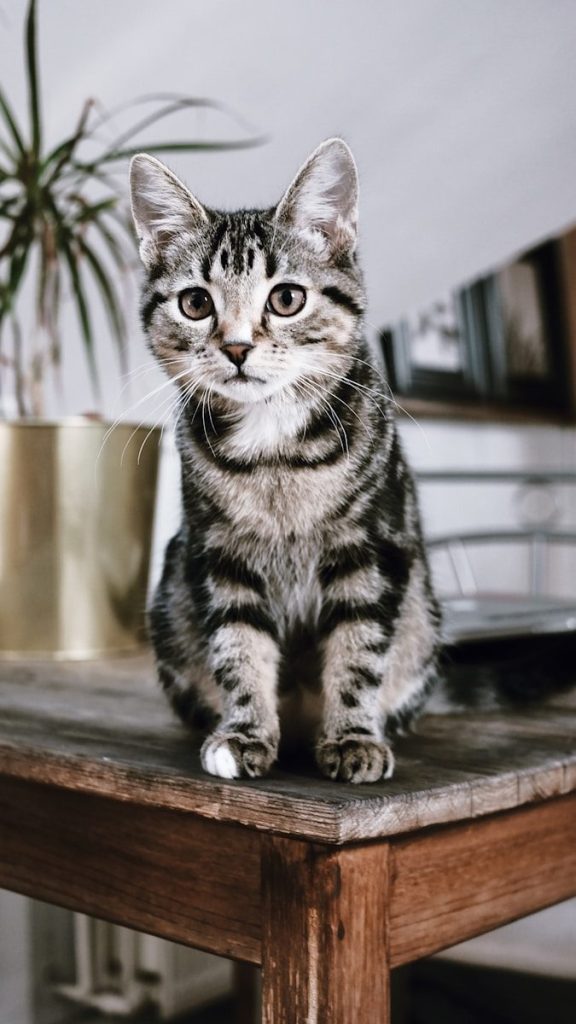
    The way a litter box is cleaned can change how a cat reacts. Strong-smelling cleaning products may make cats uncomfortable and cause them to avoid the box. Gentle cleaning methods are usually better for their sensitive noses.

    Cleaning too often or removing all scent can also confuse cats. They rely on scent to feel secure in their space. A balanced routine of daily scooping and regular full cleaning usually works best for their comfort and stability.

    Other reasons cats avoid or react to cleaned litter boxes
    A cat standing on its hind legs in front of a TV
    Photo by Neakasa on Unsplash

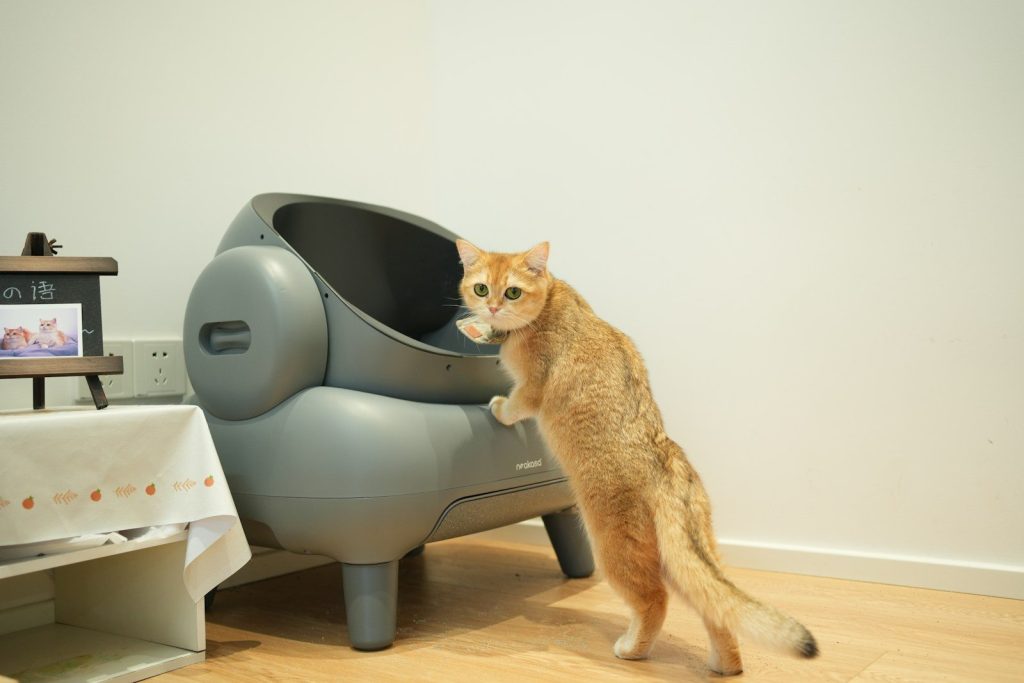
    Changes in litter type can also affect cat behavior. Some cats prefer fine litter, while others like larger grains. Switching suddenly may confuse them or make them avoid the box.

    The location of the litter box also plays a big role. If it is placed in a noisy or unsafe area, cats may feel stressed. A quiet and stable location helps cats feel safe and more willing to use it consistently.

  • An abandoned dog tied to a tree in the forest waits for a second chance

    An abandoned dog tied to a tree in the forest waits for a second chance

    What happens when a young dog is found completely alone, tied to a tree with no food or water? The story of an abandoned dog rescue in a French forest shows both the sadness of neglect and the hope that follows a life-saving rescue. On a quiet day in the Eu forest in Saint-Pierre-en-Val, walkers came across a situation that no animal lover wants to see.

    This article explains how the dog was found, his condition, and how rescuers stepped in to help. It also shows the next steps for his recovery and adoption. Readers will learn how rescue teams handle abandonment cases and why community action can save lives.

    A shocking abandoned dog rescue story in France forest

    Forest during daytime
    Photo by Degleex Ganzorig on Unsplash

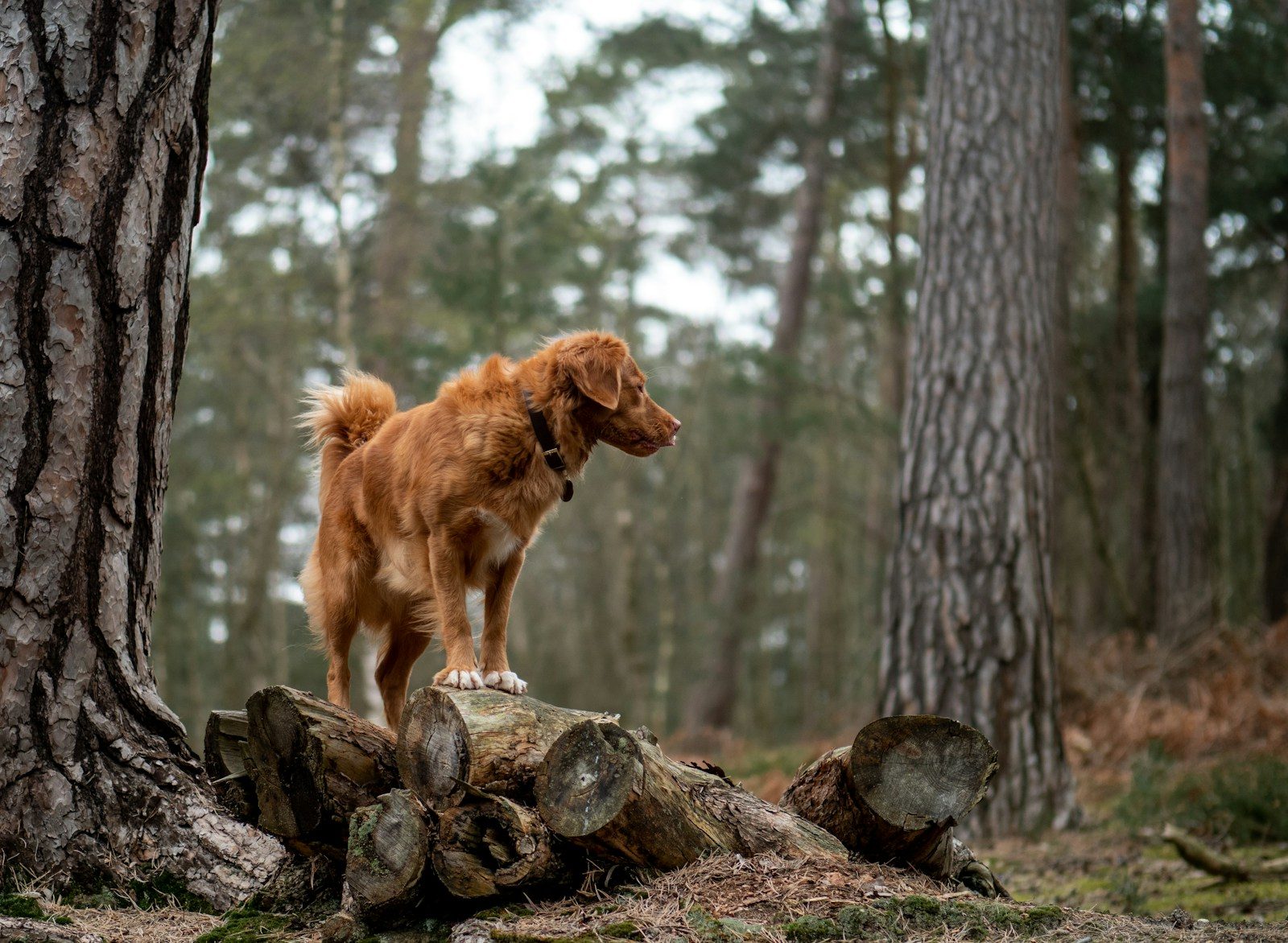
    The abandoned dog rescue story in the French forest began on Sunday, May 3rd. Walkers exploring the Eu forest in Saint-Pierre-en-Val, France, discovered a young dog tied tightly to a tree. He had no food, no water, and no one nearby to care for him.

    The dog was about one year old and completely unable to free himself. The walkers, who were part of the “Trail de la Forêt d’Eu” association, stayed with him to make sure he was safe. They waited until the SPA rescue team arrived from Etalondes.

    A friendly dog was left in dangerous conditions

    brown short coated dog on brown tree trunk
    Photo by Jamie Street on Unsplash

    Despite his situation, the dog showed a gentle, affectionate personality. He was friendly toward the walkers who found him and seemed to enjoy human company. This made the discovery even more heartbreaking for those who helped him.

    Leaving a young dog alone like this created a serious risk to his health and safety. Without food, water, or freedom to move, he could have quickly become weak or sick. The rescuers acted quickly to ensure he received care as soon as possible.

    Rescue team response and first medical check

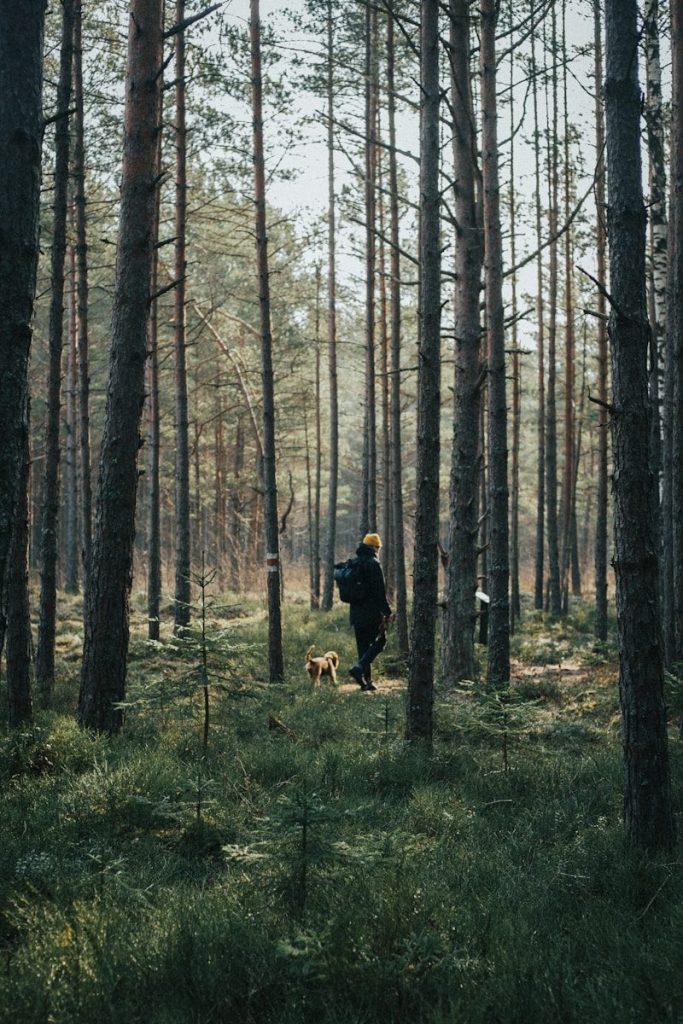
    man in black jacket and brown dog walking on forest during daytime
    Photo by Rūta Celma on Unsplash

    Once the SPA rescuers arrived, they carefully took the dog from the forest. He was then examined by a veterinarian to assess his condition and ensure he had no major injuries. Thankfully, he was stable, but his situation still needed attention.

    One important issue was that the dog had neither a microchip nor a collar. This made it impossible to identify his owner. Because of this, rescuers began searching for his family and shared information online, asking the public for help.

    Public appeal and search for the owner

    chocolate brown Labrador retriever lying on moss covered rock in woods
    Photo by Jamie Street on Unsplash

    After the abandoned dog rescue story in the French forest became known, the rescue team posted appeals on social media. They asked people to come forward if they recognized the dog or knew who its owner might be. The goal was to find answers and understand how he ended up alone in the forest.

    These appeals are important in cases like this because they help connect lost animals with their families. At the same time, they also help determine if the dog was truly lost or intentionally abandoned. The investigation is still ongoing as rescuers wait for responses.

    Waiting period before adoption begins

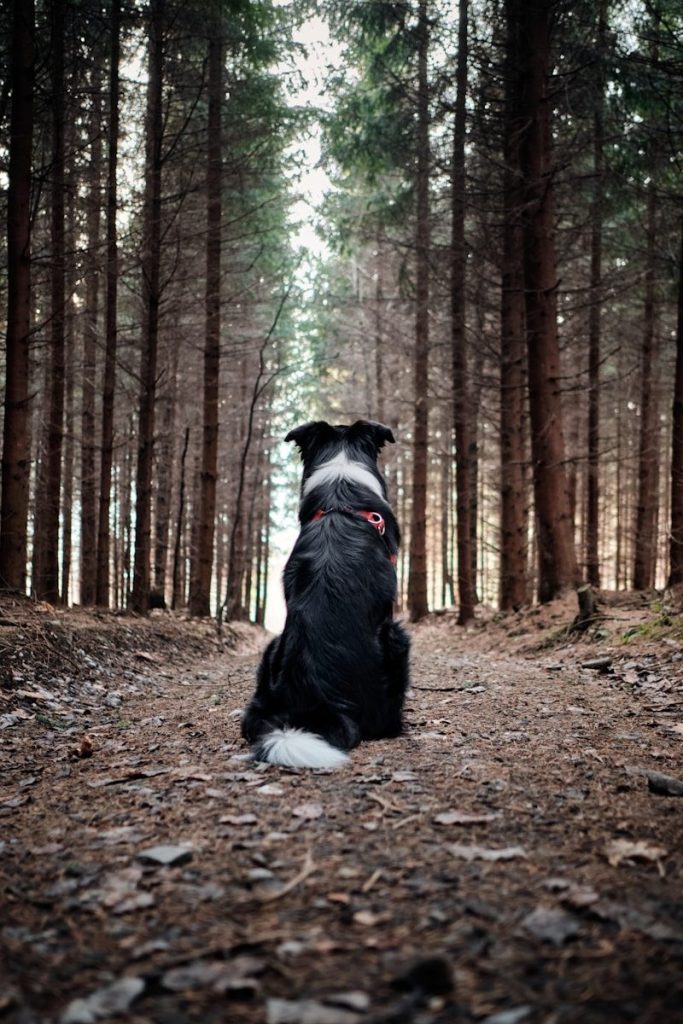
    black and white border collie sitting on ground surrounded by trees during daytime
    Photo by Tadeusz Lakota on Unsplash

    For now, the dog cannot be adopted immediately. He must go through a legal waiting period before any adoption process can begin. After that time, he will need additional veterinary checks to make sure he is healthy and ready for a new home.
    This waiting period is standard in rescue cases like this. It ensures that all legal steps are followed and gives the original owner a chance to come forward. Only after this process can the dog be officially placed for adoption.

    Overcrowded shelter and hope for the future

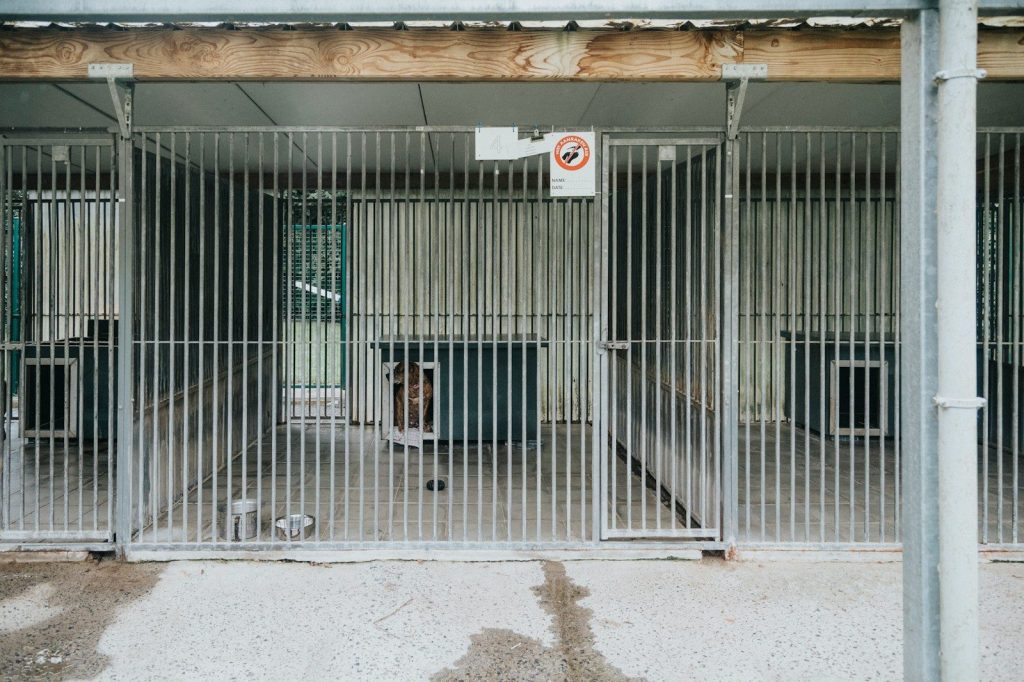
    a couple of gates that are next to each other
    Photo by Siebe Vanderhaeghen on Unsplash

    The abandoned dog rescue story in the French forest happened during a difficult time for the SPA rescue center. The shelter is already full, with all 40 kennel spaces occupied by 40 dogs. This means resources are stretched, and each new case adds pressure to the system.

    Even with limited space, rescuers remain hopeful for the young dog’s future. His sweet and affectionate nature makes him a strong candidate for adoption once he is cleared. The team believes he will find a loving home when the time comes.

  • Why are more Americans pushing back against cyanide bombs in wildlife control?

    Why are more Americans pushing back against cyanide bombs in wildlife control?

    Across the United States, more people are speaking out against cyanide bombs used in wildlife control. These devices, called M-44s, are meant to kill predators like coyotes that attack livestock. But many Americans now believe the risks are too high. Families, animal experts, hunters, hikers, and even some ranchers are questioning whether the devices are safe or humane.

    The debate has grown stronger after reports of pets, protected wildlife, and even children being harmed by the traps. Critics also argue that older wildlife control methods no longer match modern views about conservation and animal welfare. This article explains what cyanide bombs are, why they are controversial, how public opinion has shifted, and what alternatives many Americans now support.

    What cyanide bombs are and how they work

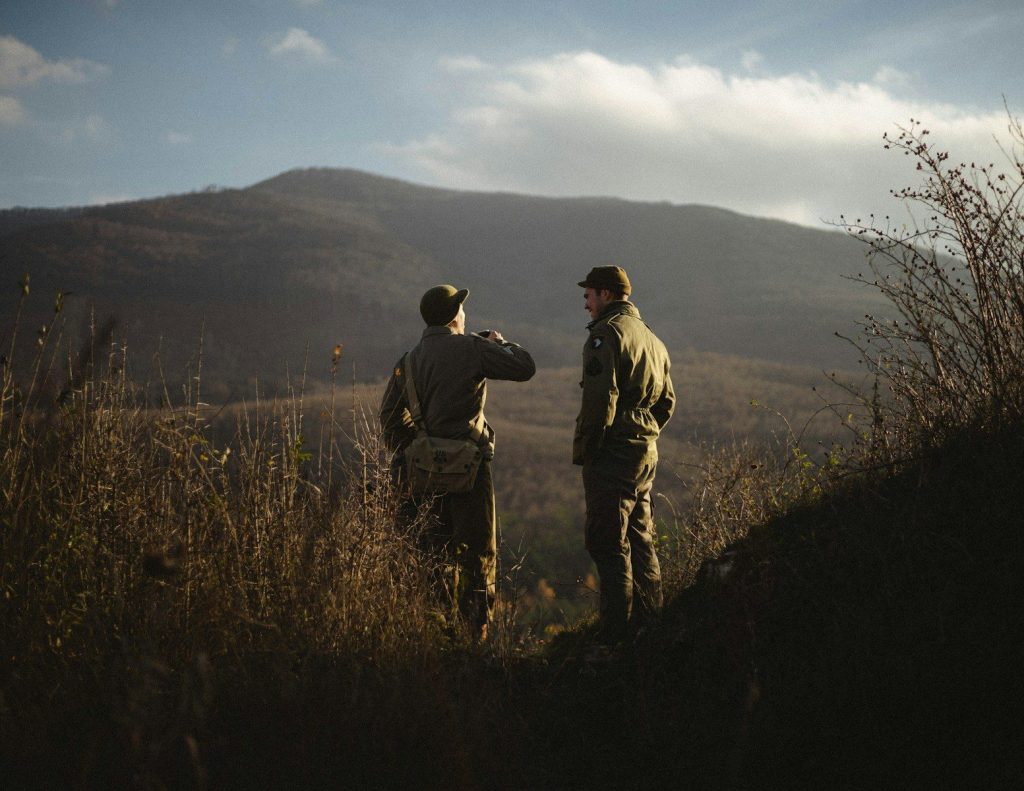
    2 men standing on brown grass field during daytime
    Photo by BĀBI on Unsplash

    Cyanide bombs are spring-loaded devices known as M-44s. They are placed in the ground with bait on top to attract animals. When an animal pulls on the bait, the device shoots sodium cyanide powder into its mouth and face. The poison quickly reacts with moisture and creates deadly gas inside the body. These devices are mainly used to kill coyotes and other predators that ranchers believe threaten livestock.
    The traps have been used in the United States for decades through a federal program called Wildlife Services, which is part of the United States Department of Agriculture. Supporters say the devices help ranchers protect sheep, goats, and cattle. However, critics say the traps are dangerous because they cannot tell the difference between a coyote, a pet dog, or another wild animal. Once triggered, the poison spreads instantly, which is why many people call them cyanide bombs instead of predator control devices.

    Public anger grew after pets and people were harmed

    woman in white long sleeve shirt and blue denim jeans sitting on bed
    Photo by Lensabl on Unsplash

    Public concern exploded after several well-known accidents involving pets and children. One of the most famous cases happened in Idaho in 2017. A teenage boy accidentally triggered an M-44 device while walking near his home. The blast killed his dog and exposed him to toxic chemicals. Reports said the wind likely prevented him from suffering even worse injuries. The story spread across the country and changed how many Americans viewed the devices.

    Stories like this continue to shape public opinion. Dog owners who hike on public lands worry their pets could stumble onto one of the traps. Parents also fear that children could unknowingly touch them. Critics argue that warning signs are often too small or difficult to notice in remote areas. Online discussions and local news stories have added to the growing anger. Many Americans now believe public lands should not contain hidden poison traps that could hurt people or family pets.

    Wildlife advocates say the traps are cruel and outdated

    people sitting on chair in front of table while holding pens during daytime
    Photo by Dylan Gillis on Unsplash

    Animal welfare groups strongly oppose cyanide bombs because they believe the deaths caused by the poison are extremely painful. Experts say animals exposed to sodium cyanide can suffer seizures, breathing failure, panic, and severe distress before dying. Critics argue that modern wildlife management should focus on safer and more humane methods instead of poison traps that cause suffering.

    Many conservation groups also say the devices are outdated. They point to newer tools that can reduce predator attacks without killing animals. Some ranchers now use guard dogs, fencing, flashing lights, and range riders who patrol livestock areas. Wildlife advocates argue these methods can lower conflicts while protecting ecosystems. Coyotes and other predators play an important role in nature by controlling rodent populations and helping keep ecosystems balanced. Because of this, many Americans now see widespread predator killing as unnecessary and harmful.

    Concerns over unintended wildlife deaths keep growing

    orange cat on brown rock during daytime
    Photo by Federico Di Dio photography on Unsplash

    One major criticism of M-44 devices is that they often kill animals that were never meant to be targeted. Government data has shown that pets and non-target wildlife are regularly harmed. Animals such as foxes, raccoons, skunks, opossums, and even bears have died after triggering the traps. Environmental groups argue the real numbers may be even higher because not every death is discovered or reported.

    Protected species are also part of the concern. Conservation groups worry endangered animals could accidentally encounter the baited traps. Since M-44s attract carnivores using scent, almost any curious animal may approach them. Critics say this creates major risks on public lands where wildlife moves freely. Many Americans now believe the possibility of harming endangered species and beloved pets outweighs the benefits of the devices. These concerns have pushed several states and federal agencies to reconsider how and where the traps can be used.

    Government agencies have faced mounting pressure

    a judge's gaven on a wooden table
    Photo by Sasun Bughdaryan on Unsplash

    Pressure on federal agencies has increased over the past several years. Environmental organizations have filed lawsuits and petitions asking for nationwide bans on M-44 devices. Public campaigns have also gained traction online, especially after emotional stories involving dogs and children spread across social media. Thousands of comments have been submitted to government agencies demanding tighter restrictions or complete bans.

    Some government actions have reflected this pressure. In 2023, the Bureau of Land Management announced a ban on M-44 devices across millions of acres of public land. Animal welfare groups celebrated the move as a major victory. However, debate returned after reports in 2026 that the policy could be reversed in some areas. These changes have kept the issue in the national spotlight. Americans on both sides of the debate continue to argue over whether predator control should prioritize ranching needs or public safety and wildlife protection.

    Americans are demanding new wildlife control solutions

    two men talking
    Photo by LinkedIn Sales Solutions on Unsplash

    A growing number of Americans now want wildlife control methods that avoid poison and focus on prevention instead. Some ranchers have started using nonlethal methods with success. Guard animals, stronger fencing, motion lights, and better herd management can reduce attacks from predators without wiping them out completely. Wildlife experts say these approaches may also help reduce long-term conflict because predators do not simply move back into empty territories as quickly.

    Public opinion has also shifted because more Americans value coexistence with wildlife than in the past. Many people enjoy seeing coyotes, wolves, foxes, and other predators in nature. Hunters, hikers, photographers, and outdoor families often share public lands with these animals. As a result, there is growing support for balanced conservation policies that protect livestock while avoiding unnecessary suffering. The debate over cyanide bombs has become part of a larger national conversation about how humans should manage wildlife in a modern world.

  • Why this giant python requires extreme handling precautions

    Why this giant python requires extreme handling precautions

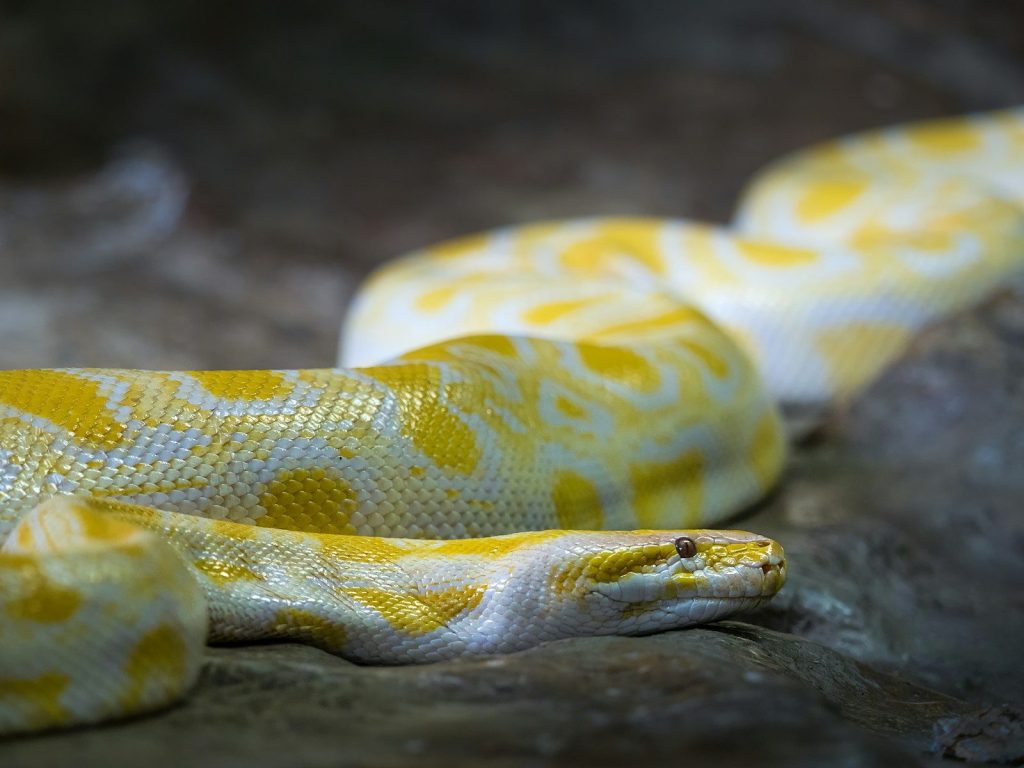
    Few animals attract attention quite like a giant python. When a massive Albino Granite Burmese python arrived at a newly established reptile zoo, visitors were amazed by its incredible size and unique appearance. While the snake may look calm in videos and exhibits, experts know that handling such a large reptile comes with serious challenges. Giant pythons are powerful constrictors capable of overwhelming prey using strength alone, and their size makes even routine care more complicated than many people realize.

    Understanding why this giant python requires extreme handling precautions is important for anyone interested in reptiles, wildlife, or zoo management. Large snakes behave very differently from smaller pet snakes, and their physical abilities create risks that cannot be ignored. By learning about their strength, instincts, and care requirements, readers can better understand why trained handlers follow strict safety measures whenever they work with these remarkable animals.

    How the Albino Granite Burmese python became so large

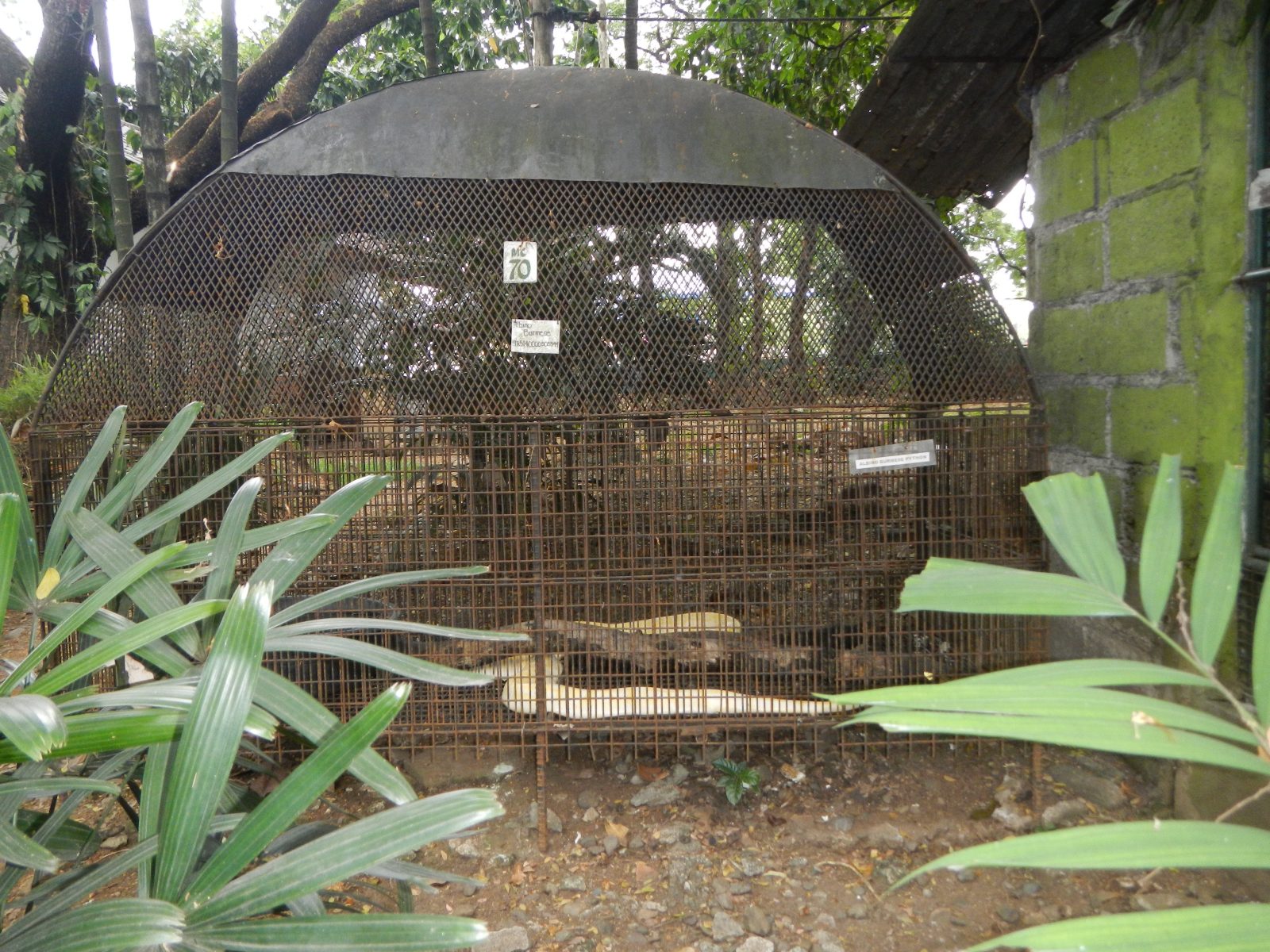
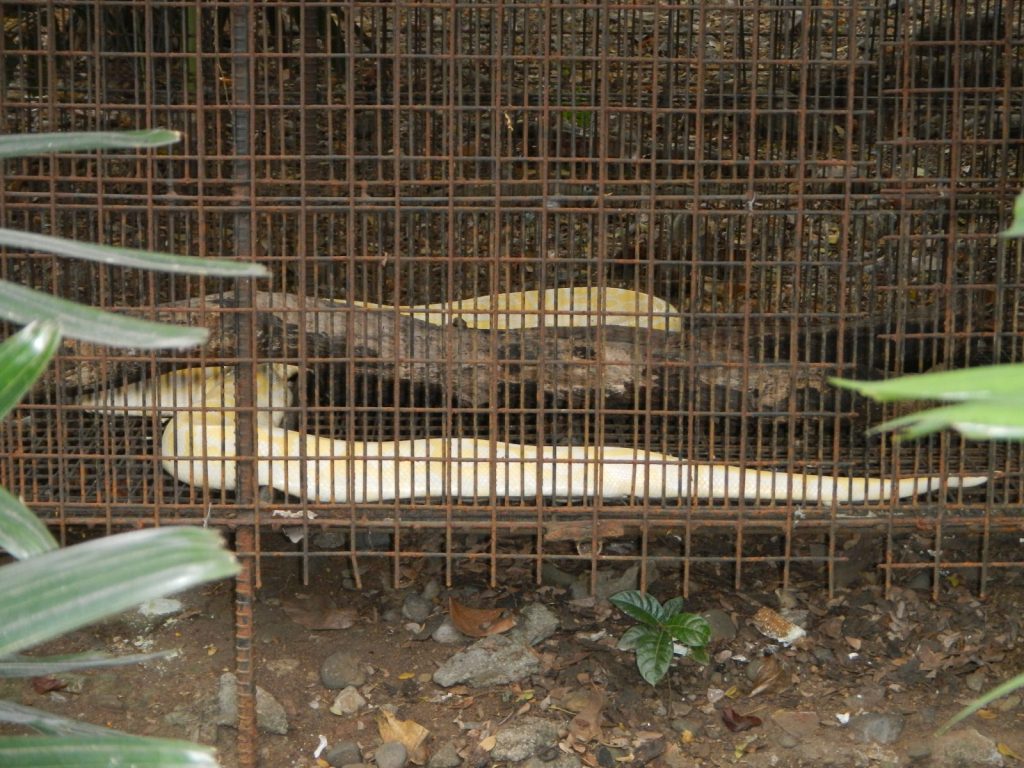
    Albino Burmese Python – Python bivittatus – Ninoy Aquino Parks & Wildlife Center 02” by Ramon FVelasquez is licensed under CC BY-SA 3.0

    The Albino Granite Burmese python is not a separate species but a special color and pattern variation of the Burmese python. These snakes are among the largest snake species in the world. While many individuals reach lengths of 12 to 16 feet, some can grow much longer and weigh hundreds of pounds. Their large size is the result of genetics, a slow metabolism, and an ability to continue growing throughout much of their lives when provided with enough food and proper care.

    Unlike many animals that stop growing after reaching adulthood, giant pythons can continue adding length and weight over many years. This gradual growth often surprises people because a young snake that seems easy to manage can eventually become a massive reptile requiring multiple handlers. As the snake grows, every aspect of its care becomes more demanding, from enclosure size to transportation and daily maintenance.

    Why constriction makes giant pythons dangerous

    shallow focus photo of Burmese python
    Photo by William Warby on Unsplash

    One of the most important reasons giant pythons require careful handling is their ability to constrict. Burmese pythons are nonvenomous snakes, which means they do not rely on venom to subdue prey. Instead, they use their powerful muscles to wrap around an animal and apply pressure. This hunting method has helped them successfully capture a wide variety of prey in the wild.

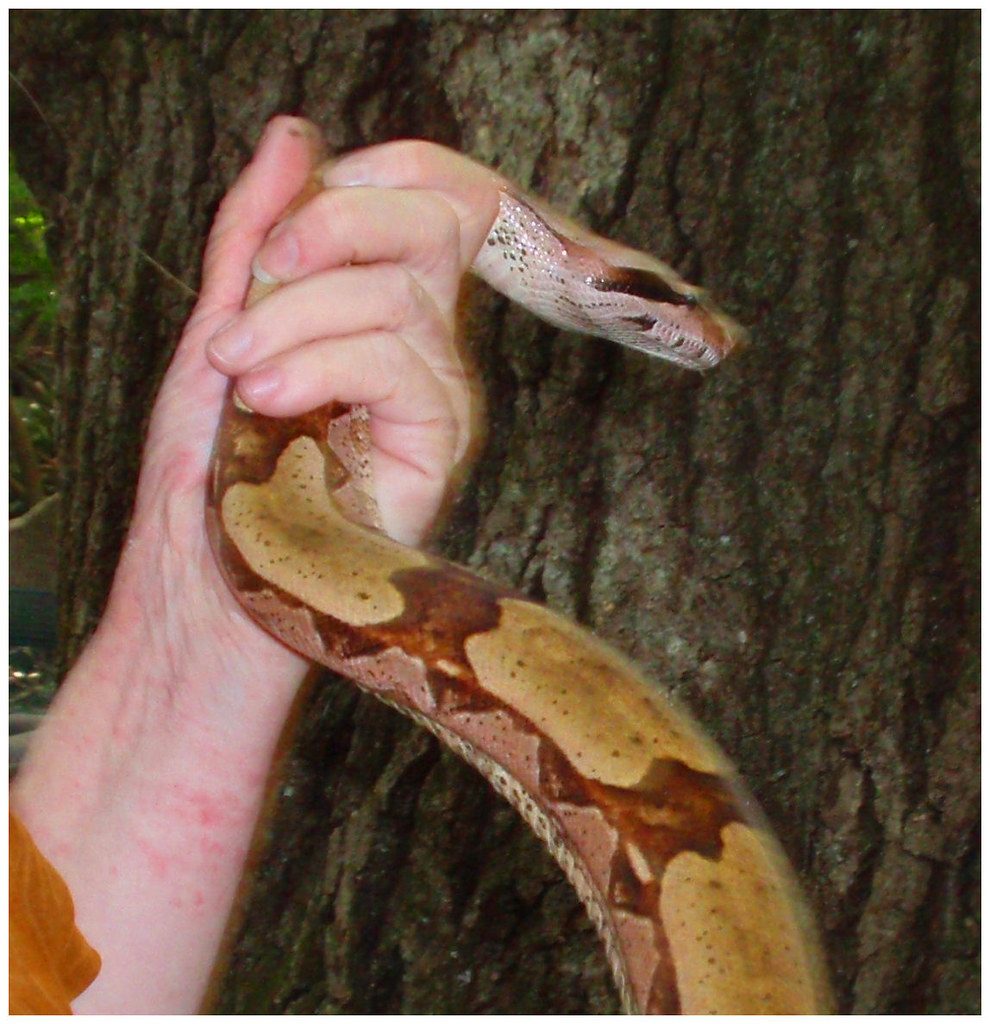
    Even though captive pythons are not actively hunting their handlers, the strength that allows them to constrict prey remains present at all times. A large python can wrap around a person’s arm, torso, or leg with surprising force. If the snake becomes stressed or confused, removing those coils can be difficult. This is why experienced handlers take extra precautions and often avoid handling giant snakes alone.

    The hidden risks of handling captive giant snakes

    Snake in Hand” by Judy Harrow is licensed under CC BY-NC 2.0

    Many people assume that a snake raised in captivity becomes completely predictable. While captive Burmese pythons often become accustomed to human presence, they still retain the instincts of a wild predator. A snake may react differently depending on its mood, surroundings, or level of stress. Even a normally calm animal can become defensive if it feels threatened.

    Handling sessions can also present risks because giant snakes are incredibly strong. A sudden movement from the snake may cause a handler to lose balance or lose control of the animal. Since these reptiles rely heavily on instinct, they may react to unfamiliar smells, feeding cues, or environmental changes in ways that humans do not expect. For this reason, experienced keepers treat every interaction with caution, regardless of the snake’s previous behavior.

    Why experienced handlers rarely work alone

    Heart of Texas Snake Handlers” by That Other Paper is licensed under CC BY-SA 2.0

    One of the most common safety rules involving giant pythons is the use of multiple handlers. This practice is not based on fear but on practical experience. A large Burmese python may weigh as much as an adult human, making it difficult for one person to manage safely. If the snake decides to move suddenly, additional handlers can help maintain control and prevent accidents.

    Having more than one trained person present also allows for a faster response during unexpected situations. If a snake wraps around someone or becomes agitated, another handler can immediately assist. Many reptile professionals consider teamwork one of the most important safety measures when working with very large constrictors. The larger the snake becomes, the more valuable this extra support can be.

    How zoos manage giant python safety

    brown and black snake on brown tree branch
    Photo by Soubhagya Ranjan on Unsplash

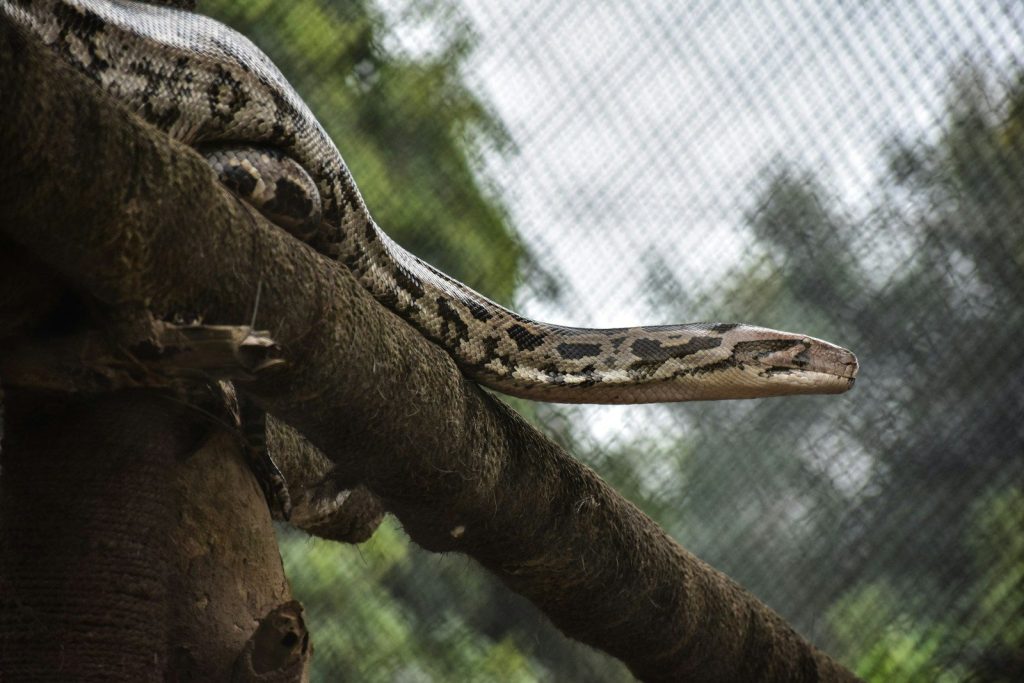
    Housing a giant python in a public zoo requires careful planning and constant attention. Enclosures must be large enough to accommodate the snake’s size while also providing secure barriers that prevent escapes. Keepers must regularly inspect locks, doors, and habitat features to ensure everything remains safe for both the animal and visitors.

    Daily care routines are also designed with safety in mind. Feeding, cleaning, and health checks often follow strict procedures developed specifically for large constrictors. Staff members receive training on how to recognize signs of stress, illness, or unusual behavior. These protocols help reduce risks while ensuring the snake receives proper care throughout its life.

    What the future holds for housing massive reptiles

    Two pythons coiled together on a branch.
    Photo by Jadon Barnes on Unsplash

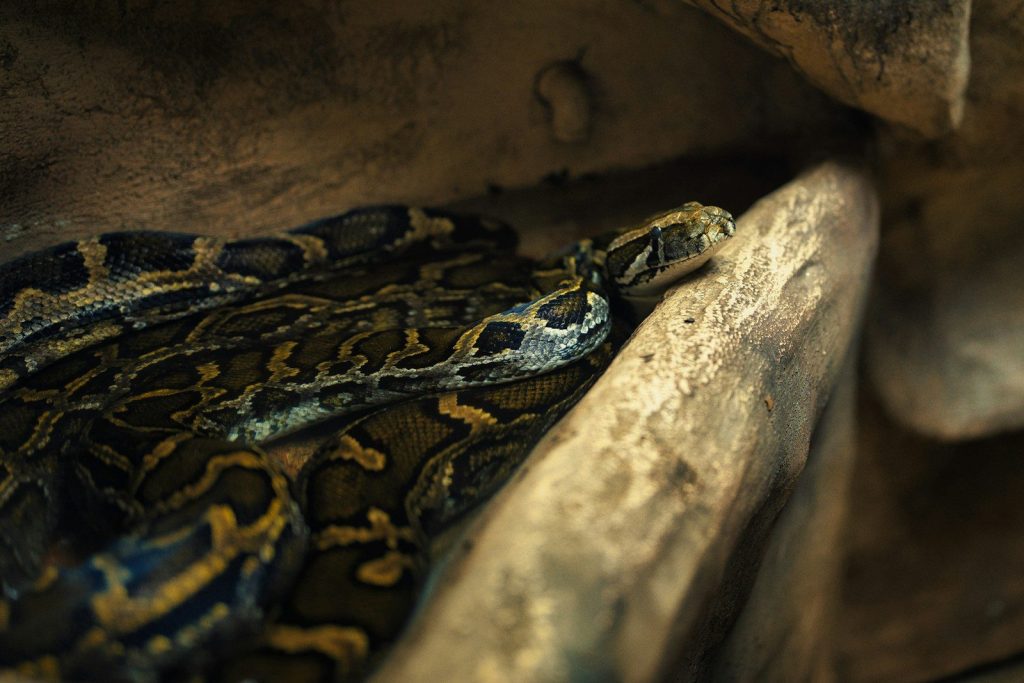
    As reptile collections continue to grow, facilities may encounter more giant snakes that require specialized care. Advances in enclosure design, animal monitoring, and handler training are helping zoos manage these challenges more effectively. New technologies can also help staff observe animal behavior and identify potential concerns before they become serious problems.

    At the same time, discussions continue about the responsibilities involved in housing extremely large predators. Giant pythons can live for decades, meaning facilities must plan for their long-term care and safety needs. Proper management, adequate space, and experienced staff will remain essential as zoos work to balance public education with the welfare of these remarkable reptiles.

  • Woman adopts “Lab puppy” and is stunned by what the DNA test reveals

    Woman adopts “Lab puppy” and is stunned by what the DNA test reveals

    What happens when the perfect working dog turns out to be something completely unexpected? Many people searching for a Labrador retriever rescue dog story expect a simple journey with a predictable outcome. But sometimes, rescue dogs bring surprises that completely change the direction of a life.

    This story follows Desirea Auten, a professional dog trainer, who was looking for a Labrador retriever to train as a working dog. Instead, she found a rescue puppy named Venom from Las Vegas. What began as a foster placement slowly turned into a deep bond filled with training work, personal loss, and a shocking discovery about his true identity. This article shows how Venom grew from a rescue puppy into a trusted helper dog.

    A Labrador retriever rescue dog story begins with Venom

    black short-coated dog sitting in between concrete railings during daytime
    Photo by Ben Hanson on Unsplash

    The Labrador retriever rescue dog story started when Desirea Auten saw a photo of a small black puppy with soft, soulful eyes. He was the last puppy from his litter still waiting for adoption at the Retriever Rescue of Las Vegas. This rescue group works to save dogs from difficult situations, including the meat trade and breeding farms in Korea.

    Auten was searching for a Labrador retriever to train as a working dog. The puppy seemed like the right match, so she decided to foster him and named him Venom. From the beginning, she introduced him to training and daily life, hoping he would grow into her ideal working partner.

    Life as a foster in a working dog home

    short-coated black dog sitting
    Photo by Alexander Grey on Unsplash

    At first, Venom was only meant to stay temporarily. Auten already had a Saint Bernard who helped with her training work, and both dogs lived in Las Vegas, Nevada. Venom quickly began learning basic manners while spending time with the older dog.

    During this period, Auten planned to eventually find Venom another home. However, she soon noticed he was different from most foster dogs. He showed strong potential, a calm personality, and a natural ability to connect with other dogs in a gentle way.

    Loss and the decision to keep Venom

    black dog sitting on grass
    Photo by Ben Hanson on Unsplash

    The Labrador retriever rescue dog story changed suddenly when Auten’s Saint Bernard suffered a health crisis and passed away. This loss deeply affected her life and created a major shift in how she viewed Venom’s future.

    After this tragedy, she decided to officially adopt Venom. What was once a temporary foster placement became a permanent home. Over time, it became clear that Venom was not just a foster dog but an important part of her life and work.

    Venom’s special role as a neutral dog

    brown short coated dog lying on gray carpet
    Photo by RYNA studio on Unsplash

    As Venom grew, Auten discovered something unique about him. He had a natural talent for calming other dogs, especially those that were fearful or reactive. This made him very useful in her training sessions.

    She called him a “neutral dog” because he helps other dogs feel safe around new animals and people. His calm and social nature helped nervous dogs learn that meeting others can be a positive experience rather than something scary.

    Unexpected growth and DNA discovery

    black labrador retriever on green grass field during daytime
    Photo by YBag Media on Unsplash

    As months passed, Venom grew much larger than expected. The Labrador retriever rescue dog story began to feel uncertain as he kept getting bigger and bigger. Auten and her son even started taking photos to track his surprising growth.

    His appearance added to the mystery. He looked like a mix of different large breeds, and it became clear he was not a typical Labrador. To solve the confusion, Auten decided to use a DNA test from Embark Vet.

    Venom’s true identity and rescue success

    black labrador retriever on road during daytime
    Photo by Delia Giandeini on Unsplash

    The DNA results revealed the truth. Venom was part Labrador retriever, but the other half was Tosa Inu, a rare Japanese mastiff known for its large size. The report also showed he had many relatives in the United States, including several pages of family connections.

    Today, Venom continues working as a helper dog in training programs. He helps other dogs gain confidence and trust, even though he is much larger than most of them. What started as a simple search for a Labrador turned into a remarkable rescue story about a unique dog with a surprising background and a gentle heart.

  • 5 scents that may help discourage snakes from your property

    5 scents that may help discourage snakes from your property

    Snakes can be helpful animals because they eat rodents and other pests, but most people do not want them too close to their homes. If you have seen snakes in your yard, you may have heard that certain scents can help keep them away. While no smell can guarantee a snake-free property, some strong odors may make an area less appealing to them. Snakes use their tongues and a special organ in their mouths to detect chemical scents in the air, so strong smells can sometimes interfere with how they explore their surroundings.

    This article looks at six scents that may help discourage snakes from your property. It also explains what scientists and wildlife experts know about these smells, how they may work, and why scent-based methods should be combined with good yard maintenance for the best results.

    Cinnamon oil

    Cinnamon Oil” by formulatehealth is licensed under CC BY 2.0

    Cinnamon oil is one of the most commonly mentioned natural snake deterrents. Research on certain snake species has found that cinnamon-based compounds can act as irritants and cause snakes to move away from treated areas. The strong smell appears to overwhelm the snake’s scent-detection system, making the area uncomfortable. Because snakes depend heavily on chemical signals to find food and understand their environment, strong cinnamon odors may encourage them to avoid a location.

    Many homeowners use diluted cinnamon oil around sheds, garages, patios, and other places where snakes might hide. However, rain, sunlight, and wind can weaken the scent over time, which means it must be reapplied regularly. Cinnamon oil should never be sprayed directly on wildlife. It works best as part of a larger plan that includes removing brush piles, tall grass, and rodent food sources.

    Clove oil

    Clove oil” by Backdoor Survival is licensed under CC BY-NC 2.0

    Clove oil is another scent that is often linked to snake deterrence. The main compound in clove oil is called eugenol, and studies have shown that it can act as a strong irritant for some snake species. Wildlife researchers have observed that exposure to this compound can trigger escape behavior, making snakes leave the area quickly. Because of this, clove oil is frequently included in commercial snake-repellent products.

    Many people combine clove oil with cinnamon oil because the two scents are often considered more effective together than when used alone. The mixture creates a very strong odor barrier around possible snake entry points. Even so, experts caution that no essential oil works perfectly in every situation. If a yard still provides shelter, water, and food, a determined snake may return despite the smell.

    Cedarwood oil

    person holding brown and white cup
    Photo by Kadarius Seegars on Unsplash

    Cedarwood has a strong woody scent that some snakes seem to avoid. Researchers studying snake repellents have found that cedarwood oil can produce irritation in certain species. This may explain why cedar chips, cedar mulch, and cedar oil products are often recommended as part of natural snake-control efforts. The scent can create an environment that feels less comfortable for snakes moving through the area.

    Homeowners sometimes place cedar mulch around garden beds, fence lines, or areas near buildings. Besides its scent, cedar mulch can help keep landscaping neat and reduce some hiding spots for small prey animals. While cedarwood alone will not stop every snake, it may contribute to an overall strategy that makes your property less attractive. Keeping the yard clean and reducing rodent activity remains just as important as using any scent.

    Peppermint oil

    green leaf beside brown glass bottle
    Photo by lajuanna whittington on Unsplash

    Peppermint oil is widely used as a natural pest deterrent, and some experts believe it may also discourage snakes. The strong minty odor can overwhelm the snake’s sensory system and may make it harder for the animal to investigate its surroundings. Many homeowners prefer peppermint because it smells pleasant to people while still creating a strong scent barrier.

    Peppermint oil is often sprayed around doorways, crawl spaces, sheds, and other areas where snakes could enter. Some people also grow mint plants around parts of their property. However, the effectiveness of peppermint varies depending on weather conditions and the type of snake involved. The scent usually fades after a short time outdoors, so repeated applications are often necessary to maintain any possible benefit.

    Garlic

    a basket of garlic and garlic bulbs on a counter
    Photo by ji jiali on Unsplash

    Garlic has a strong sulfur-like smell that many animals find unpleasant. It contains natural compounds that create a sharp odor, and some experts believe these compounds can help discourage snakes. Garlic-based sprays and garlic plantings are common recommendations for homeowners who want a natural approach to pest control. The smell may make certain areas less attractive to snakes that are exploring for shelter or prey.

    Garlic is often combined with onions because both contain similar sulfur compounds. Some people spread garlic mixtures around the edges of their yards or near problem areas. Although garlic may contribute to snake deterrence, it should not be viewed as a complete solution. If mice, rats, frogs, or other prey animals remain abundant, snakes may still be drawn to the property despite the odor.

  • Experts warn that many indoor cats may secretly be unhappy

    Experts warn that many indoor cats may secretly be unhappy

    Indoor cats are often seen as calm and easy pets, but many owners overlook an important issue: their boredom. A cat may look relaxed, but that does not always mean it is mentally happy or fully stimulated. When cats spend all their time indoors without enough activity or mental stimulation, they can become bored, which can affect both behavior and health.

    This article explains how to spot boredom in indoor cats and what you can do to help. You will learn the common signs, the risks of low stimulation, and simple ways to improve your cat’s daily life. With the right care and environment, indoor cats can live happier, healthier lives without needing outdoor freedom.

    Why indoor cats get bored

    orange tabby cat lying on brown textile
    Photo by Fernando Lavin on Unsplash

    Indoor cats may seem satisfied because they sleep for many hours a day, but experts say this can sometimes hide a lack of stimulation. Cats are natural hunters, climbers, and explorers. When they lose chances to use these instincts, their environment can feel dull and repetitive. Even if they are safe indoors, their minds may not be fully engaged.

    Veterinarians explain that boredom may not always be obvious. An indoor cat can look calm on the outside while still feeling under-stimulated inside. This mismatch often leads owners to believe their pet is content when it actually needs more mental and physical activity.


    Signs of boredom in indoor cats

    brown and white cat on gray concrete floor
    Photo by Himanshu Choudhary on Unsplash

    One of the hardest parts of indoor cat boredom is recognizing the signs early. Experts explain that signs of under-stimulation can look similar to those of illness, which can confuse owners. A cat that hides often may not just be shy but could be feeling stressed or bored. Changes in behavior are usually the first warning.

    Other common signs include changes in eating habits, overgrooming, and digestive issues such as vomiting or diarrhea. Some cats may also avoid the litter box during stressful changes in the home. These behaviors are often mistaken for random habits, but they can point to a deeper problem: boredom or a lack of stimulation.

    Behavior changes owners often miss

    orange and white tabby cat sitting on brown wooden table in kitchen room
    Photo by Paul Hanaoka on Unsplash

    Many indoor cats show boredom through behavior that owners may not immediately connect to mental stress. These can include house soiling, excessive meowing, or destructive behaviors such as scratching furniture. Some cats may even become aggressive or overly demanding for attention. These changes are often misunderstood as bad behavior rather than as signs of boredom.

    In more serious cases, cats may develop unusual habits, such as eating non-food items or constantly following their owners. These behaviors show that the cat is seeking stimulation wherever it can. Without proper outlets, the frustration builds and leads to repeated behavior problems that can be hard to correct later.

    Health risks of low stimulation

    Check up time for Milli #cat. #vet” by voyagevixen2 is licensed under CC BY-ND 2.0

    Boredom in indoor cats is not just a behavior issue. It can also affect physical health in serious ways. When cats feel under-stimulated, they may pester their owners for attention or food. This can lead to overfeeding, which often results in weight gain and related health problems over time.

    Veterinarians also warn that stress and boredom can contribute to other health issues. Cats may injure themselves during restless behavior or develop urinary issues from avoiding the litter box. These problems show that mental stimulation is directly linked to a cat’s overall well-being, not just its mood or behavior.

    How to enrich an indoor cat’s life

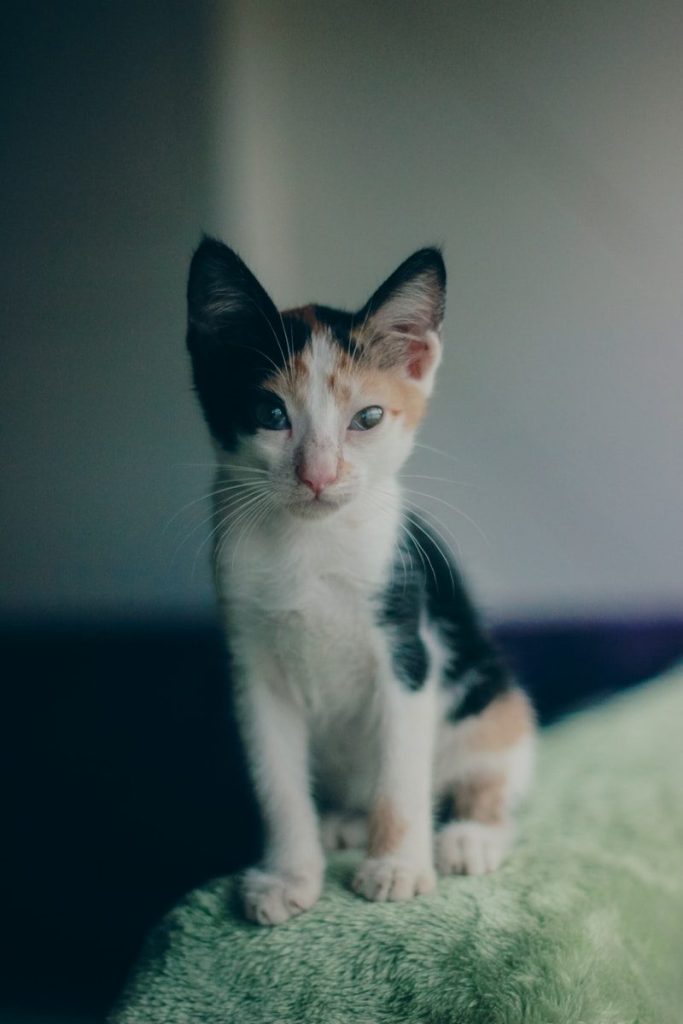
    a small kitten sitting on top of a green blanket
    Photo by Rohit Tandon on Unsplash

    Improving an indoor cat’s environment is one of the best ways to reduce boredom. Experts recommend adding items that encourage natural instincts, such as climbing, exploring, and hunting. Cat trees, window perches, and interactive toys can help recreate parts of the outdoor world indoors.

    Simple changes can also make a big difference. Rotating toys keeps things fresh so cats do not lose interest. Everyday household items like boxes or paper bags can also become fun play areas. Some safe sensory options, like catnip or silver vine, can also help stimulate a cat’s mind and keep it engaged.

    Daily habits that keep cats happy

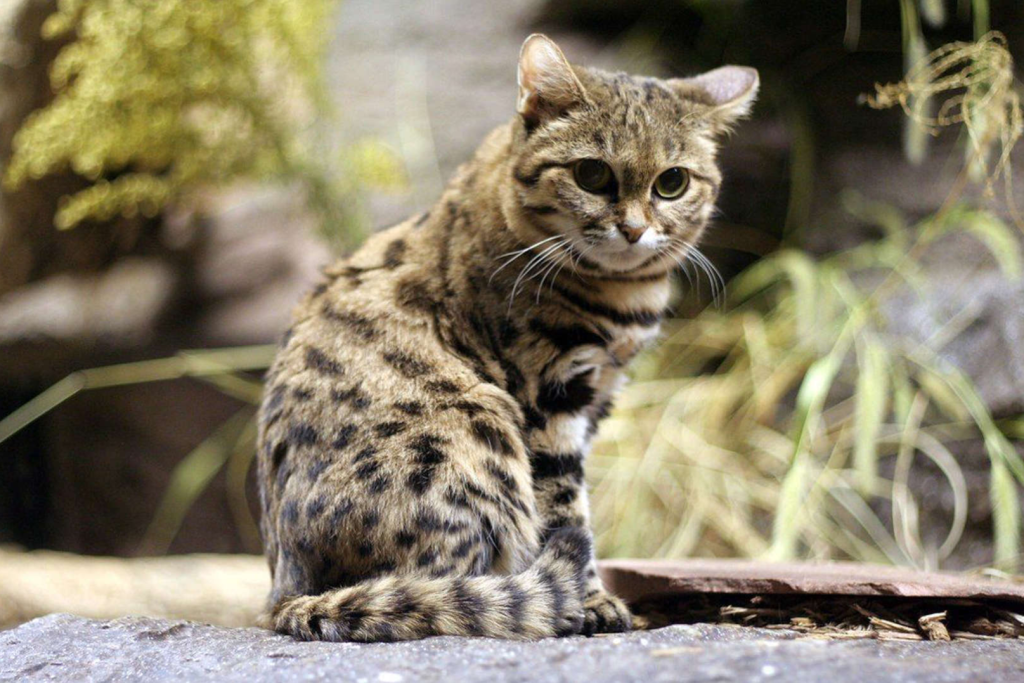
    “Black Footed Cat (Kitten)” by Asten is licensed under CC BY-NC 2.0

    Daily interaction is one of the most important ways to prevent boredom in indoor cats. Experts suggest that about 30 minutes of play and attention each day is enough for most cats. Younger or more active cats may need even more time to stay mentally balanced and physically active.

    Outdoor experiences are not required, but can help if done safely. Options like harness walks or enclosed outdoor spaces give cats new sights and smells without danger. Creating a quiet, safe space inside the home is also important so cats have a place to relax and feel secure when they need time alone.

  • 6 harmless-looking animals that can actually kill you

    6 harmless-looking animals that can actually kill you

    People often think cute animals are safe to be around, but that is not always true. Some of the most innocent-looking animals can still be surprisingly dangerous when they feel scared, threatened, or trapped. Their soft faces and calm behavior can mask strong defenses meant for survival, not comfort.

    This article explains how seemingly harmless animals can still be risky in certain situations. You will learn about pandas, hedgehogs, swans, polar bears, slow lorises, and elephants. Each one has a gentle appearance, but also powerful ways to protect itself. By the end, you will understand why it is important to respect wildlife and keep a safe distance, even when animals look friendly.

    Panda bears can become powerful when threatened

    panda eating bamboo
    Photo by Jay Wennington on Unsplash

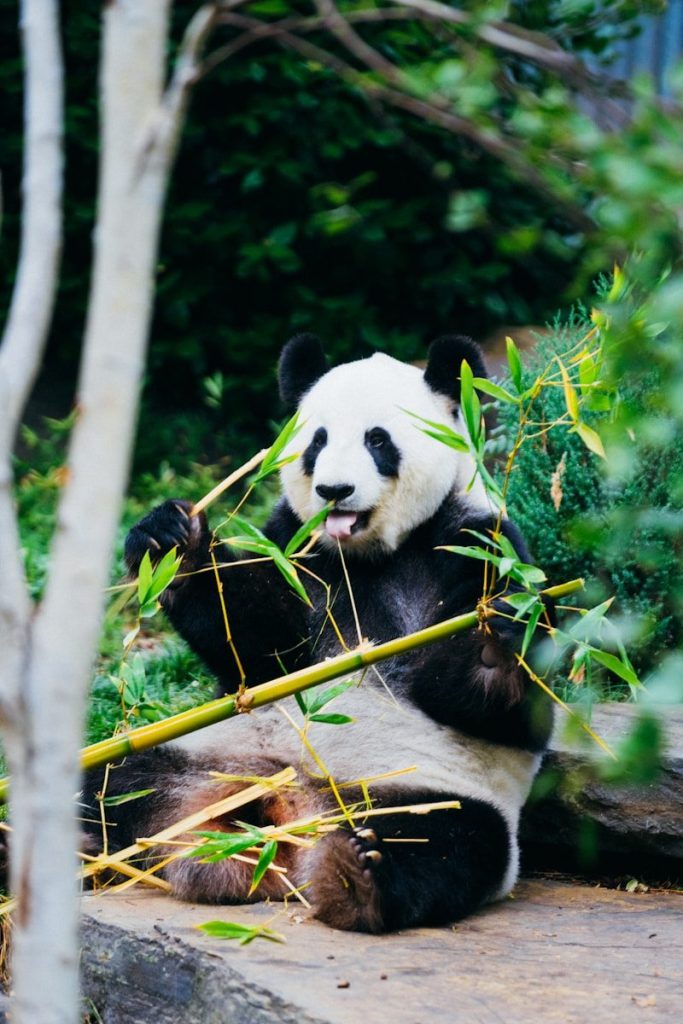
    Panda bears are among the most loved animals in the world because of their soft black-and-white fur and calm behavior. They often appear relaxed, especially when eating bamboo or resting in trees. Most of the time, they live quiet lives and avoid trouble in the wild.

    However, pandas can become very dangerous when threatened. They have strong bodies, powerful jaws, and sharp teeth that can cause serious harm. Even though they look friendly, they should never be treated like pets or approached too closely. When a panda feels trapped or scared, it can react quickly and defend itself without warning.

    Hedgehogs protect themselves with sharp spikes

    black and white hedgehog on green and red leaves
    Photo by Alexas_Fotos on Unsplash

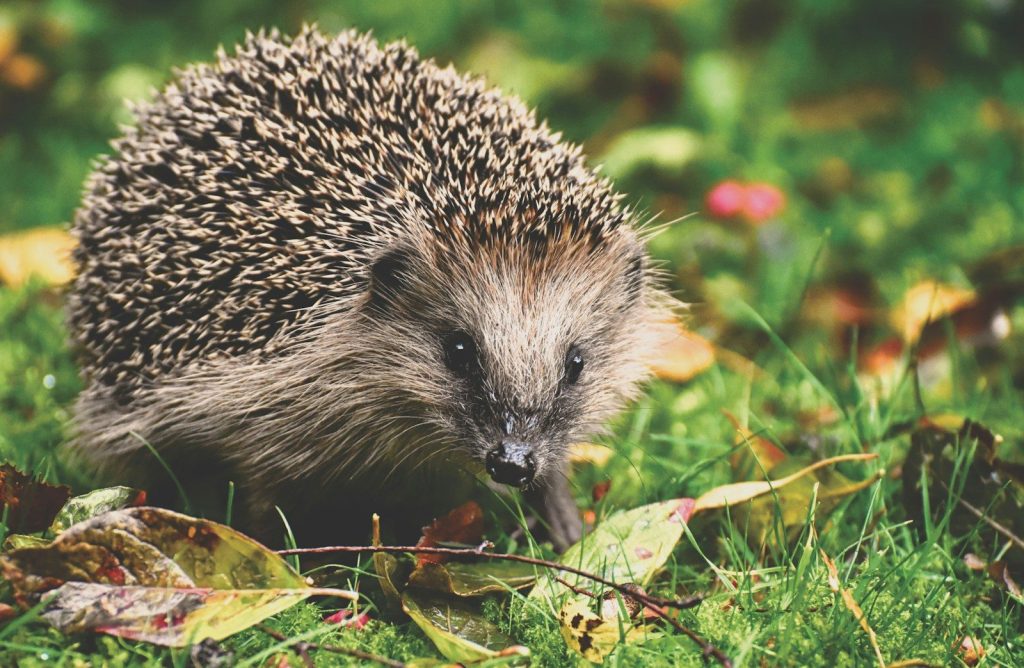
    Hedgehogs are small, round animals that many people find adorable. Their tiny faces and slow movements make them seem harmless, and they are even kept as pets in some homes. Because of this, people often assume they are completely safe to handle and play with.

    But hedgehogs have a strong defense system that can cause injury. Their backs are covered in sharp spikes that lie flat when they are relaxed. When they feel threatened, they curl into a tight ball and raise their spikes to protect themselves from predators.

    Swans may seem calm, but they defend fiercely

    white swan on body of water
    Photo by Emily Sevenoaks on Unsplash

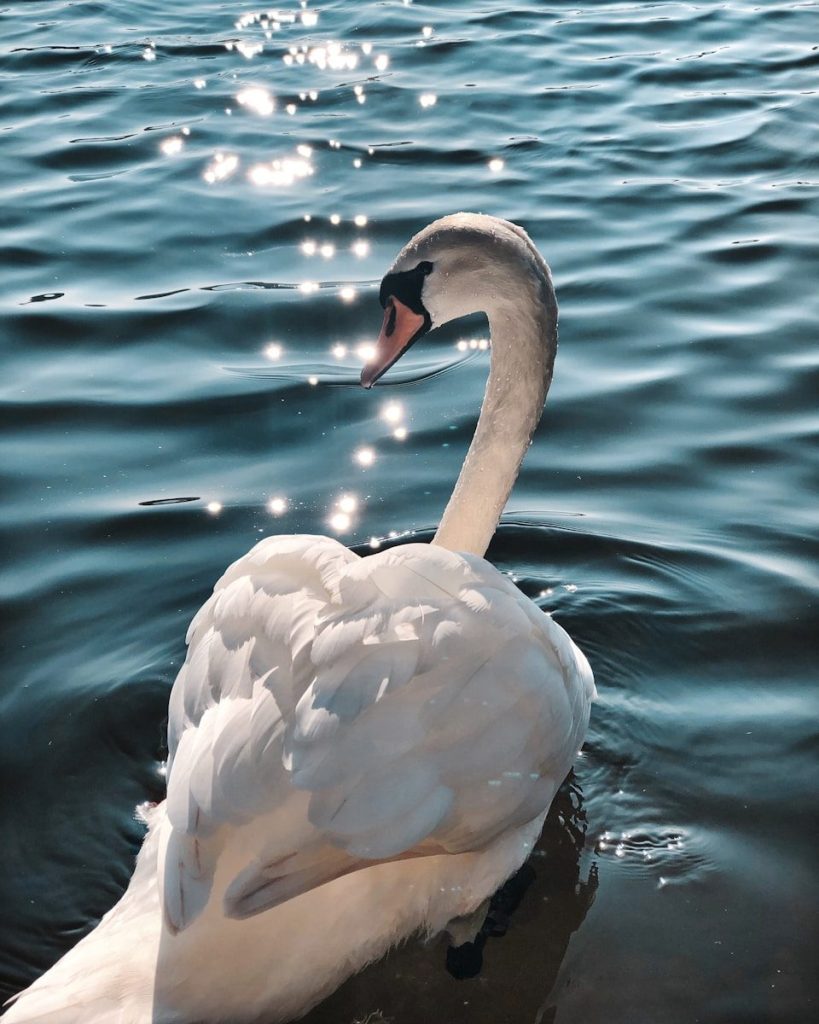
    Swans are often seen gliding across lakes with smooth, graceful movements. Their long necks and white feathers give them an elegant, peaceful appearance. Many people admire them for their beauty and calm presence in nature. Because of this, swans are usually seen as harmless birds.

    However, swans can become very aggressive when they feel their nests or babies are in danger. They may hiss loudly, flap their wings, and move toward anything they see as a threat. These actions are meant to scare intruders away and protect their territory.

    Polar bears are cute but extremely strong predators

    polar bear on snow covered ground during daytime
    Photo by Hans-Jurgen Mager on Unsplash

    Polar bears are often seen as cute animals, especially when people look at their fluffy cubs. Their white fur and large bodies make them appear soft and gentle from a distance. Many people are fascinated by their appearance and think of them as peaceful Arctic animals.

    In reality, polar bears are powerful predators and one of the most dangerous animals on this list. They are large carnivores and have no natural predators. They are also not afraid of humans, which makes encounters even more risky.

    Slow lorises have a hidden venom defense

    primate climbing tree
    Photo by Sebastian Molinares on Unsplash

    Slow lorises are small animals known for their large, round eyes and slow movements. Many people find them extremely cute and gentle-looking. Because of their appearance, they are often thought to be harmless creatures that pose no danger.

    However, slow lorises have a surprising and dangerous defense system. They produce venom from a mixture of glandular secretions and saliva. When they feel threatened, they can deliver this venom through a bite, which can cause serious health problems.

    Elephants are gentle giants with powerful strength

    elephant walking during daytime
    Photo by Nam Anh on Unsplash

    Elephants are often called gentle giants because of their calm behavior and strong family bonds. They are intelligent animals and are admired for their peaceful nature. Many people see them as kind and harmless because they move slowly and interact socially.

    However, elephants are extremely strong animals. If they feel threatened, they can use their massive bodies and powerful trunks to defend themselves. Their size alone makes them capable of causing serious harm, even without aggressive intent.

  • The dog adopted as a puppy ends up back where her journey began

    The dog adopted as a puppy ends up back where her journey began

    The story of a senior rescue dog, Lola, who returns to the shelter, has touched many people online because it shows how quickly life can change for an older pet. Lola is a senior dog who ended up back in an animal shelter many years after being adopted as a young pup. Her situation raises questions about care, responsibility, and what happens to pets as they age.

    This article explains Lola’s journey, how rescue groups stepped in, and why senior dogs often struggle in shelters. It also examines the stress dogs experience in these environments and how foster homes can make a real difference. By the end, readers will better understand both Lola’s story and the larger challenges faced by older shelter dogs.

    Lola’s journey back to the shelter

    white and brown long coat large dog
    Photo by Pauline Loroy on Unsplash

    Lola is believed to be around 13 years old. She first arrived at a shelter in 2014 when she was estimated to be about one year old. After being adopted, she lived in a home for many years and seemed to have found stability and care.

    Twelve years later, Lola was returned to the same shelter where she had begun her journey. Records of her past made her return even more emotional for staff and supporters who remembered her early days. Her story quickly gained attention online after being shared by a rescue organization.

    How Caitie’s Foster Fam Rescue stepped in

    short-coated tricolor dog standing on bed
    Photo by Kara Eads on Unsplash

    When Lola’s situation became known, Caitie’s Foster Fam Rescue stepped in to help. The organization responded quickly after learning that she had been surrendered and left without anyone coming forward to reclaim her.

    According to a rescue post shared on social media, Lola was brought in by someone who said they had taken her from a previous owner but could no longer keep her due to “medical reasons.” Even though she was microchipped, no owner came forward. The rescue group decided to give her another chance at life.

    Emotional toll of returning to a shelter

    white and brown jack russell terrier puppy
    Photo by Gemma Regalado on Unsplash

    Returning to a shelter after living in a home can be very stressful for dogs like Lola. The sudden change in environment, sounds, and routines can overwhelm them both mentally and physically.

    Research shows that dogs entering shelters often experience higher stress levels, including increased cortisol, which is linked to anxiety. They may exhibit behaviors such as pacing, panting, and vocalizing. Even simple human interaction, such as calm petting or quiet presence, can help reduce stress and make them feel safer again.

    Why senior dogs struggle in shelters

    white and tan dog laying on floor
    Photo by Anna Dudkova on Unsplash

    Senior dogs often face extra challenges when they end up in shelters. Even though many are already trained and calm, they are frequently overlooked by adopters who worry about medical costs or shorter lifespans.

    Studies show that age affects how long dogs stay in shelters. Older dogs tend to remain longer than younger ones, making it harder for them to find homes. This extended stay can also add to their stress and reduce their overall well-being while waiting for adoption.

    Foster homes change outcomes for dogs

    a dog sitting on a chair
    Photo by Laura Roberts on Unsplash

    Foster care can play a major role in improving a dog’s chances of adoption. It provides dogs with a quieter, more stable place to recover from shelter stress while also helping caregivers better understand their needs.

    A large study found that dogs placed in foster homes were far more likely to be adopted compared to those who stayed in shelters. Foster care reduces stress by removing dogs from loud environments and increasing positive human interaction. This support can completely change a dog’s future.

    Lola’s health and future adoption hopes

    a brown and white dog standing on top of a hill
    Photo by Shashwat Narkhede on Unsplash

    Lola is now in a foster home in Houston, Texas, where she is starting to decompress after leaving the shelter. This new environment gives her a chance to rest and adjust after a difficult late-life transition.

    However, Lola still faces medical challenges. She is heartworm-positive and has a mass on one of her paws that will require veterinary evaluation and treatment. Despite these issues, the rescue team says she will be available for adoption once she is ready, giving hope that she can still find a loving forever home.

  • The fascinating animals that once lived at Neverland Ranch

    The fascinating animals that once lived at Neverland Ranch

    Many people remember Michael Jackson for his music, but fewer know about the large group of exotic animals he kept at his Neverland Ranch. The story of the Michael Jackson animals after Neverland Ranch shows what happened to these animals after the singer left his famous California estate in 2005. The ranch once had a petting zoo filled with tigers, giraffes, a chimpanzee, an elephant, flamingos, and more.

    When Jackson moved away, many of these animals were sent to zoos and wildlife sanctuaries across the United States. Their journeys were very different, and some faced serious challenges in new environments. This article explains what happened to six major groups of animals, including where they went and how they lived after leaving Neverland Ranch.

    Tigers Thriller and Sabu lived in a wildlife preserve

    brown and black tiger on focus photography
    Photo by A G on Unsplash

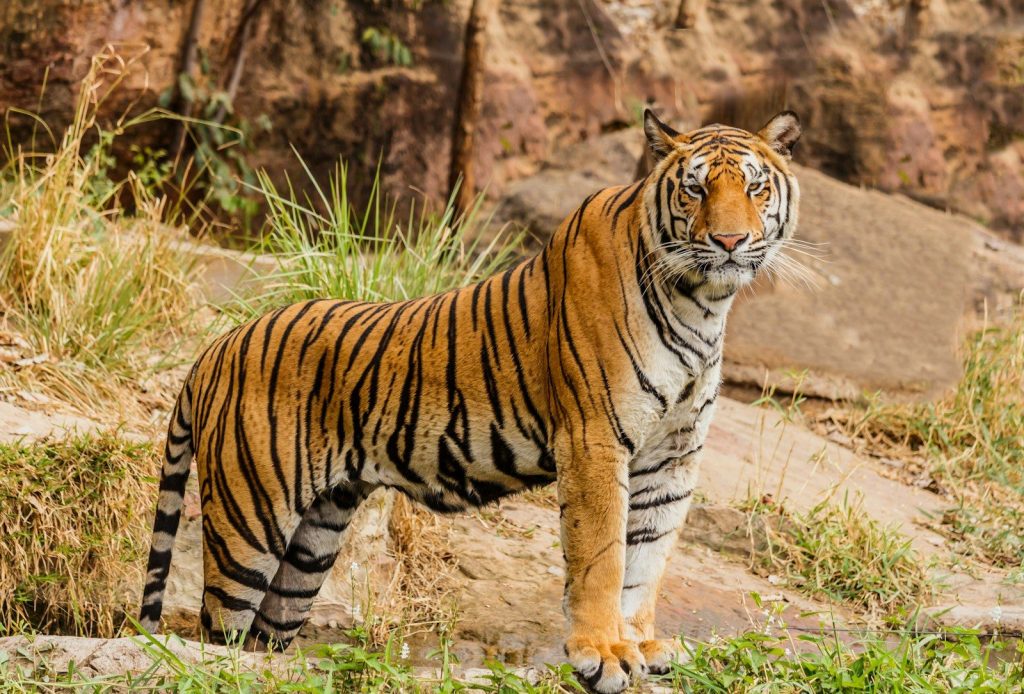
    Michael Jackson owned two tiger siblings named Thriller and Sabu. They were part of the exotic animal collection at Neverland Ranch, which included many rare animals. After Jackson left the ranch in 2005, the tigers were moved to a wildlife preserve in California owned by actress and activist Tippi Hedren. This preserve became their new home, along with other rescued big cats.

    Thriller and Sabu did not stay together peacefully forever. In 2012, Thriller died from lung cancer while living at the preserve. After his death, he was cremated, and his ashes were buried at the site. Sabu continued living at the same place, surrounded by other tigers. His later life details are less clear, but he remained part of the sanctuary environment after leaving Neverland Ranch.

    Giraffes faced uncertain care after relocation

    giraffe walking on brown field during daytime
    Photo by Thomas Evans on Unsplash

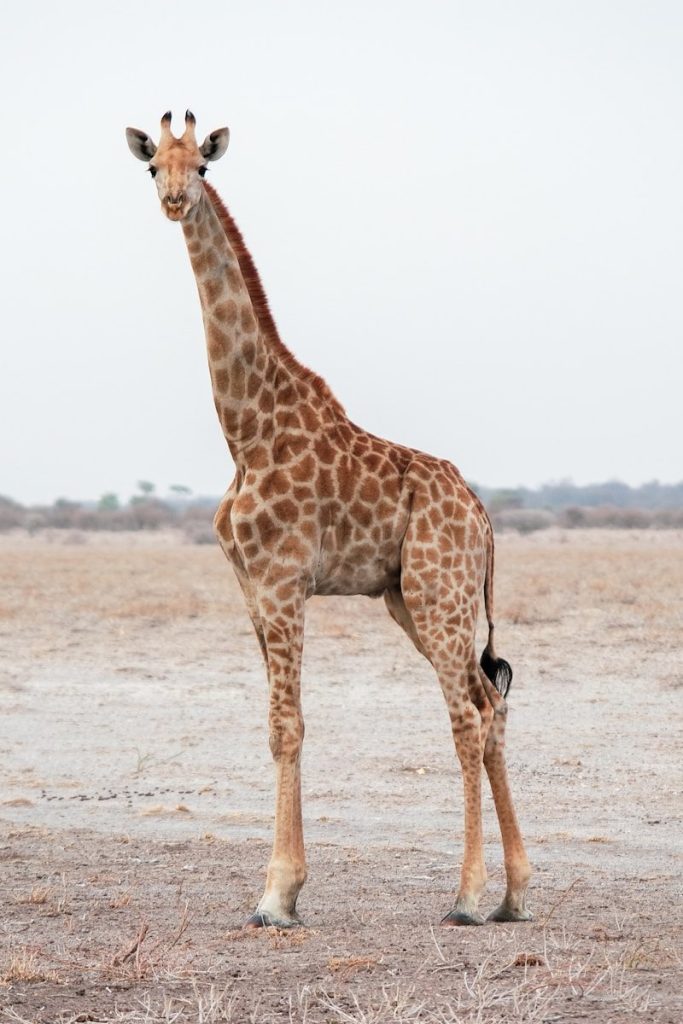
    Several giraffes lived at Neverland Ranch as part of Michael Jackson’s petting zoo. These tall animals were part of the unusual wildlife collection that made the ranch famous. After Jackson left in 2005, the giraffes were moved to Hancock’s Banjoko Wildlife Preserve in Arizona, where they were supposed to continue receiving care.

    However, reports later raised concerns about their living conditions. In 2010, it was reported that two giraffes died at the preserve. One possible reason included improper feeding or exposure to cold weather. At the same time, animal welfare groups questioned whether the giraffes were being properly cared for. By 2011, at least two giraffes were still living at the facility, but their long-term situation remained uncertain.

    Chimpanzee Bubbles found a permanent sanctuary home

    a black monkey sitting on a tree branch
    Photo by David Trinks on Unsplash

    One of the most famous animals from Neverland Ranch was Bubbles, Michael Jackson’s pet chimpanzee. Jackson acquired Bubbles from a research facility in Texas in the mid-1980s. At first, Bubbles lived closely with Jackson and became widely known as part of his public image during his early years of fame.

    As Bubbles grew larger and older, it became difficult for him to stay in a home environment. He was first moved to animal trainer Bob Dunn, who had originally helped Jackson acquire him. Later, after Dunn retired in 2005, Bubbles was moved again. This time, he was sent to the Center for Great Apes in Florida, where he continues to live today in a sanctuary setting.

    Python Madonna lived in multiple rescue centers

    brown and green snake
    Photo by Joshua J. Cotten on Unsplash

    Michael Jackson also owned a large albino Burmese python named Madonna. After leaving Neverland Ranch, Madonna was first sent to a rescue center in Colorado. This was part of the wider effort to relocate Jackson’s exotic animals to safer environments after the ranch was abandoned.

    Later, Madonna was moved again and eventually became part of a children’s nature center in Colorado. By 2018, the snake was living at the Mesa Mall location in Grand Junction. At that point, Madonna had also been renamed Sunshine. Jackson also owned another snake named Muscles, but there is no clear information about what happened to it after leaving Neverland Ranch.

    Elephant Ali was donated to a zoo

    elephant walking during daytime
    Photo by Nam Anh on Unsplash

    Ali, an elephant from Neverland Ranch, was another major animal in Michael Jackson’s collection. After Jackson left the estate, Ali was rescued and donated to the Jacksonville Zoo and Gardens. This provided the elephant with a more structured environment, with professional care and attention.

    In 2024, Ali was still living at the zoo and received advanced medical care. Specialists performed a tusk removal surgery involving a large team of experts. The procedure showed the level of care given to the animal in its new home. Zoo staff described it as a major coordinated effort to support the elephant’s health and well-being.

    Flamingos were moved to a public zoo

    pink flamingo on green grass field during daytime
    Photo by Marina Abrosimova on Unsplash

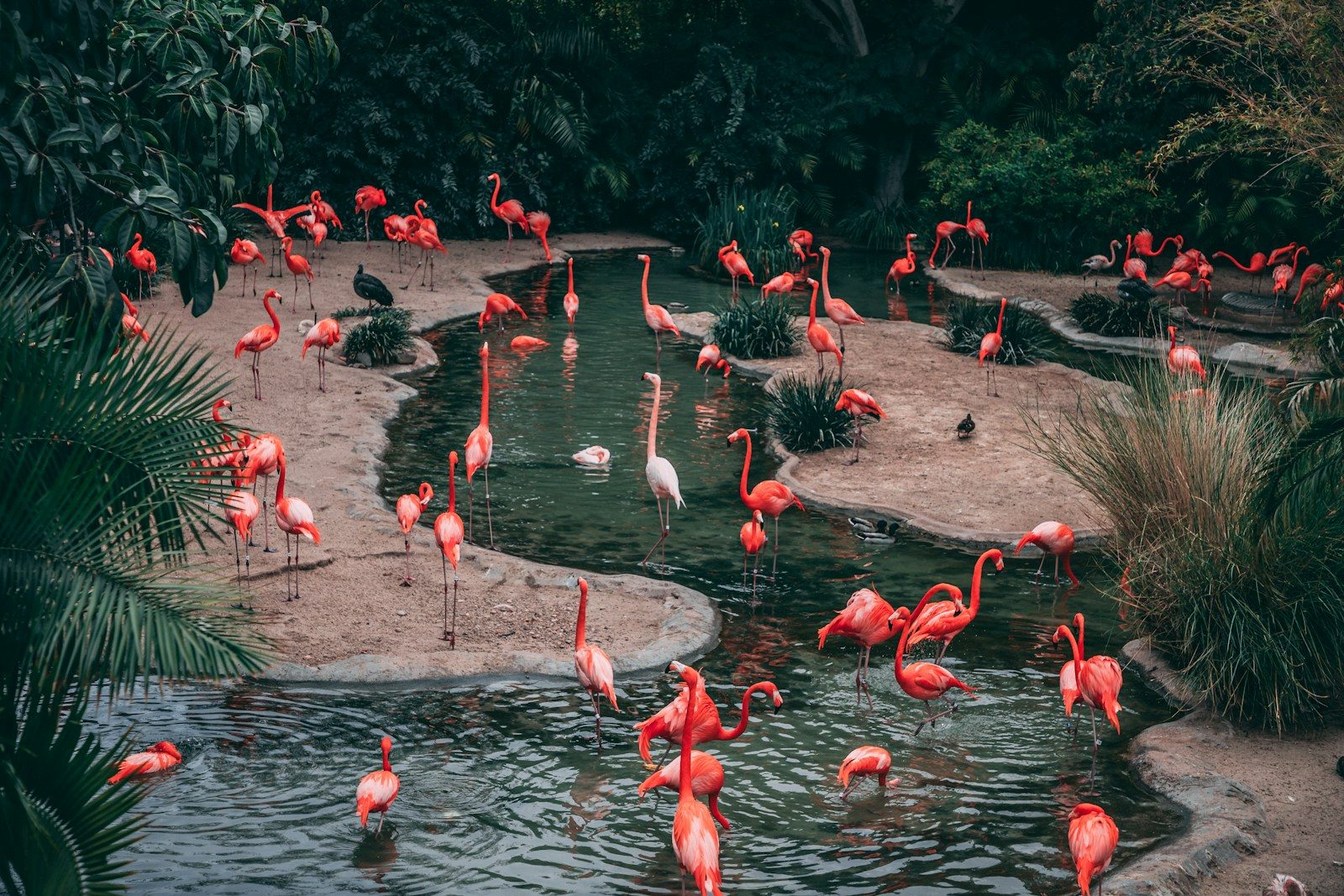
    Neverland Ranch was also home to more than a dozen flamingos. These bright pink birds were part of the ranch’s colorful petting zoo environment. They were among the many animals that needed to be relocated after Michael Jackson left the property.

    In 2007, 13 Chilean flamingos from Neverland Ranch were moved to the Cape May County Park & Zoo. This relocation helped place them in a more stable and controlled environment. At the zoo, they continued living as part of a public wildlife habitat, where they could be safely cared for.