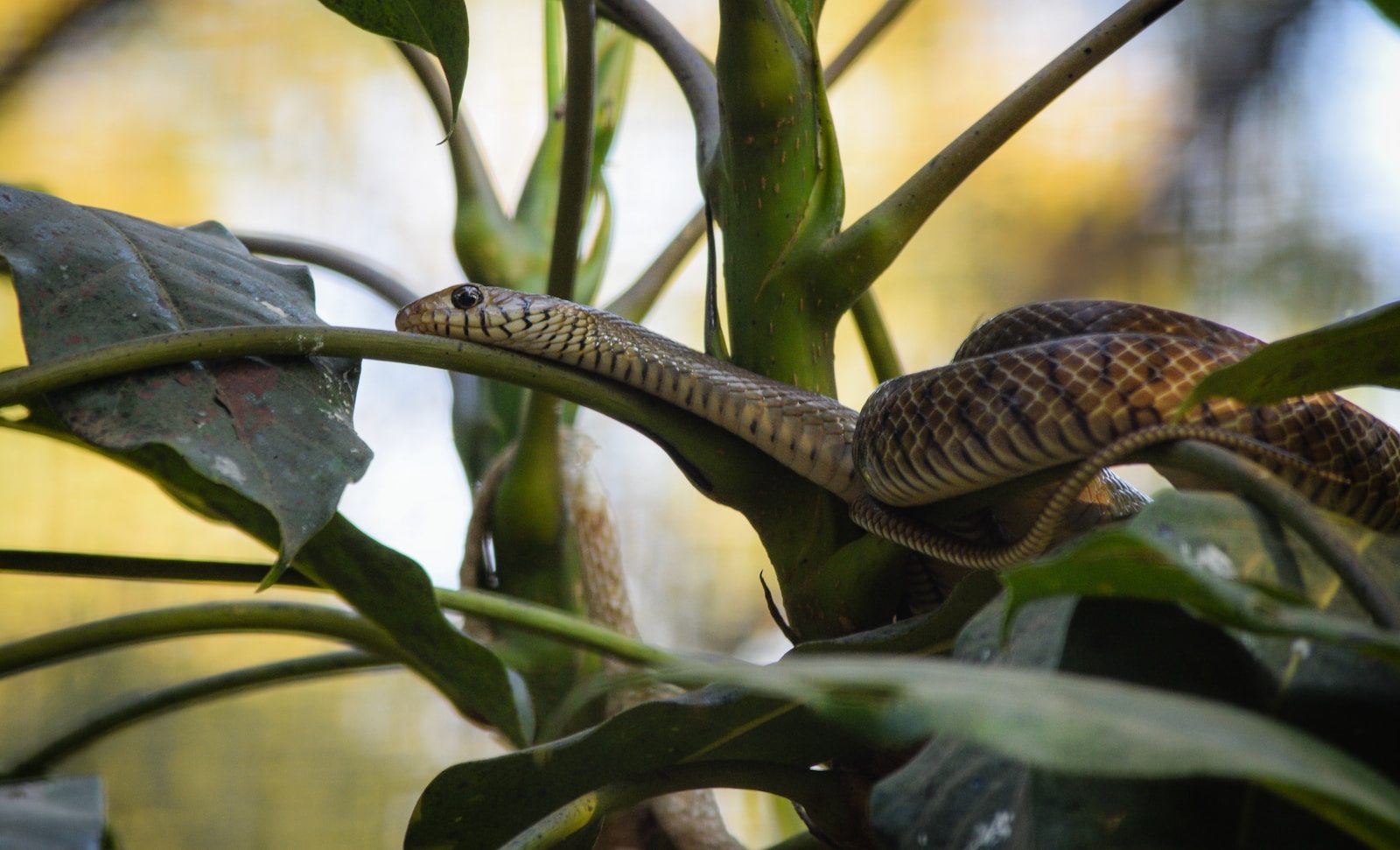
Author: Ethan

  • What happens when a gray squirrel enters red squirrel territory

    What happens when a gray squirrel enters red squirrel territory

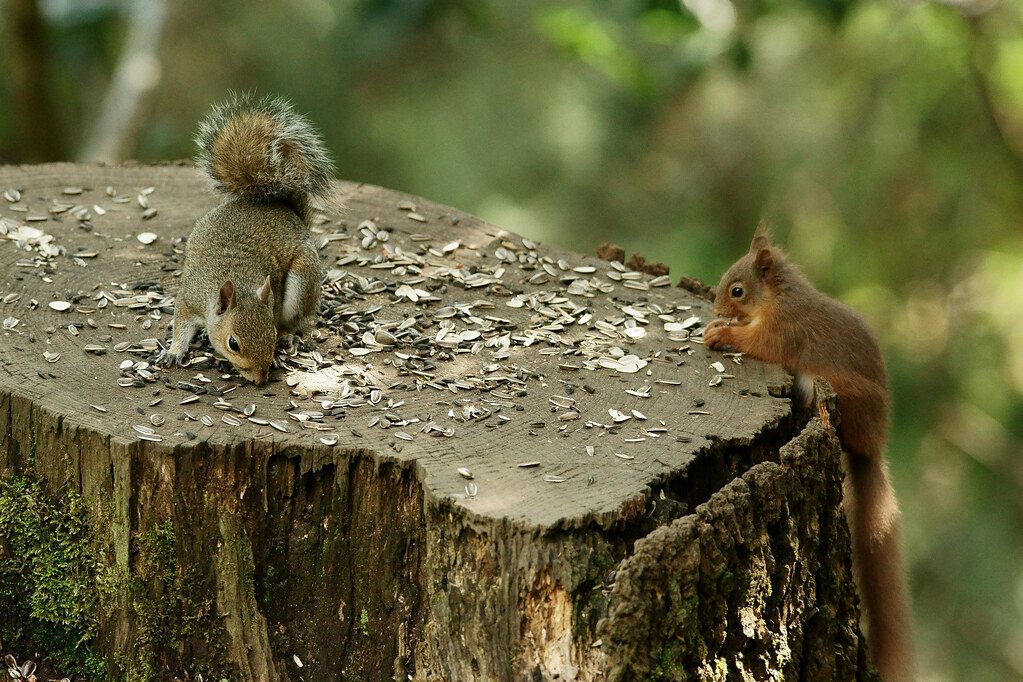
    A gray squirrel entering red squirrel territory often leads to a fast and noticeable reaction in the forest. If you’ve ever wondered why a small animal chase can look so intense, the gray squirrel enters red squirrel territory reaction is mainly driven by survival instincts, food protection, and strong territorial behavior. These encounters are not random or playful most of the time. They are part of a long-standing natural competition between two species that often share the same forests but do not share resources peacefully.

    In this article, you will learn why these interactions happen, how both animals behave during an encounter, and what usually causes one squirrel to back down. You will also see how food, territory, and instinct shape their behavior in simple terms that are easy to understand.

    Why gray squirrels enter red squirrel territory
    Kuk” by pavlinajane is licensed under CC BY-ND 2.0

    Gray squirrels often enter red squirrel territory while searching for food or new space. In many forest areas, both species depend on the same resources like nuts, seeds, and tree cover, so their habitats naturally overlap. When food becomes limited, gray squirrels may wander into areas already claimed by red squirrels.

    Another reason is that gray squirrels are very adaptable. They can live in many environments, including cities, parks, and dense forests. This flexibility sometimes leads them into areas where red squirrels already have established homes and food storage sites. Even though the entry is not always intentional, it still triggers a strong response from the red squirrel.

    How red squirrels react to intruders
    Red squirrel” by hedera.baltica is licensed under CC BY-SA 2.0

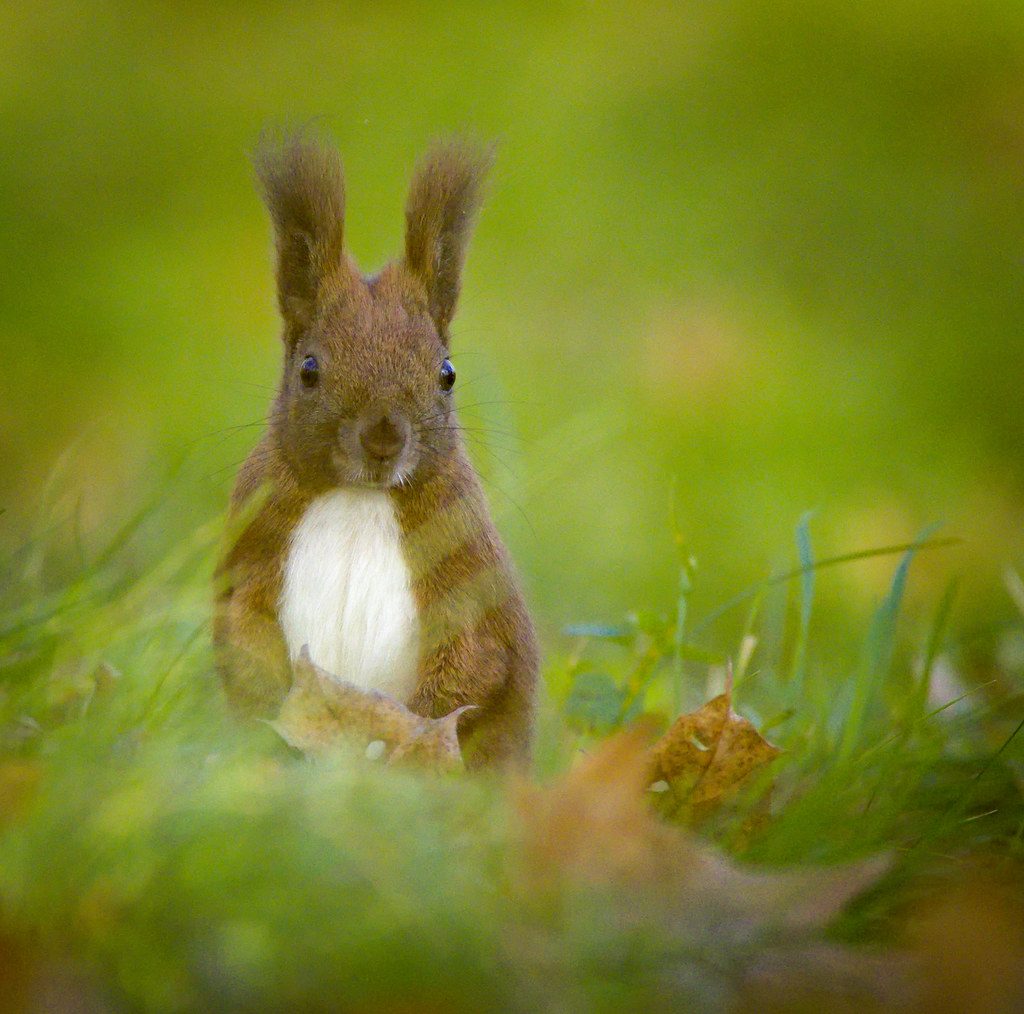
    Red squirrels are highly territorial animals and react quickly when they detect an intruder. They usually respond with loud chattering sounds, tail flicking, and fast movements around their territory. These actions are warning signals meant to tell the gray squirrel to leave immediately.

    If the gray squirrel stays too close, the red squirrel often begins chasing it through trees and branches. The goal is not to fight but to push the intruder out of its home range. Red squirrels depend heavily on stored food, so protecting their territory is critical for survival, especially during colder months when food is harder to find.

    Why gray squirrels usually back away
    Eastern Gray Squirrel” by DFChurch is licensed under CC BY-NC-ND 2.0

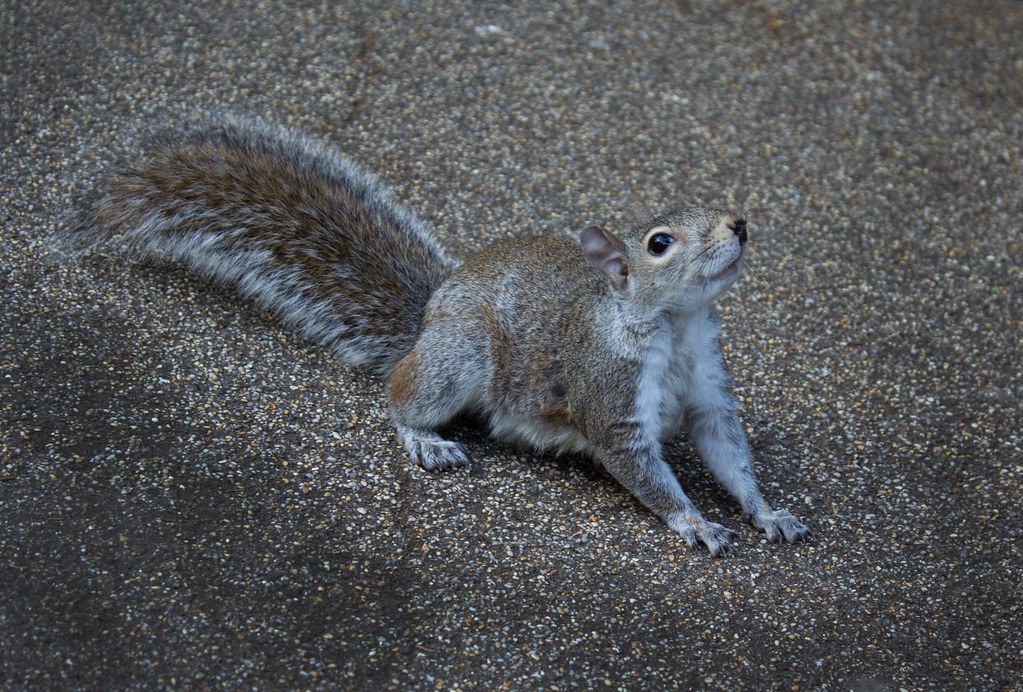
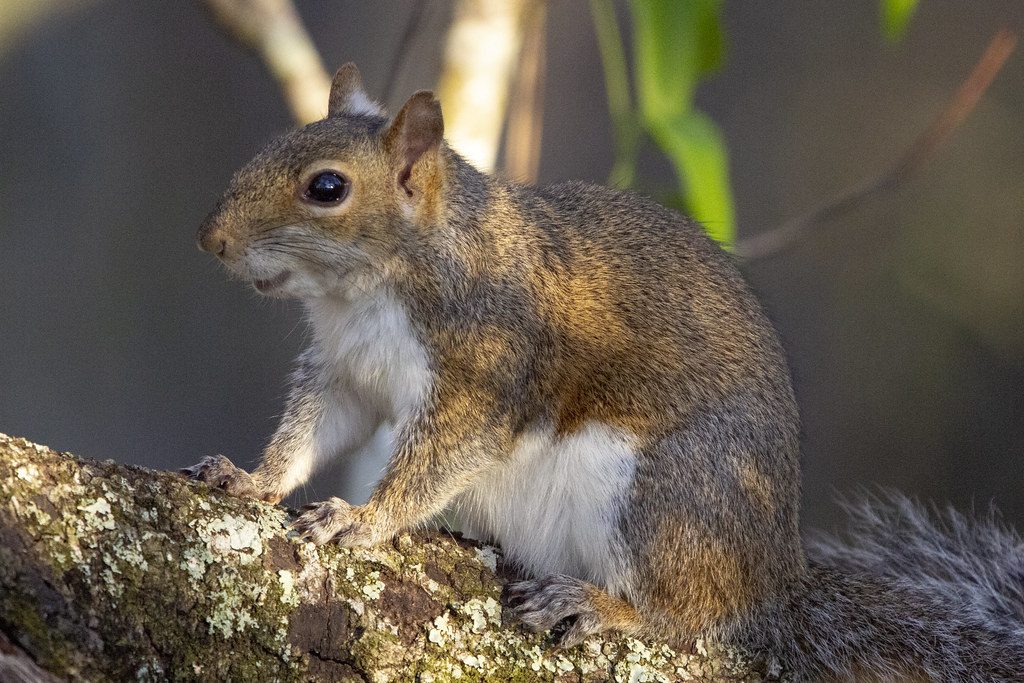
    In most cases, gray squirrels do not escalate the conflict. Even though they are larger in size, they often choose to retreat when confronted by a red squirrel. This is because gray squirrels tend to avoid unnecessary risks and prefer to move to another food source instead of fighting.

    Gray squirrels also have a more flexible feeding behavior. They do not rely on one specific food stash the way red squirrels do. Instead, they store food in many small locations, so losing one feeding spot does not threaten their survival as much. This makes it easier for them to leave and find another area without continuing the confrontation.

    Food competition and survival pressure
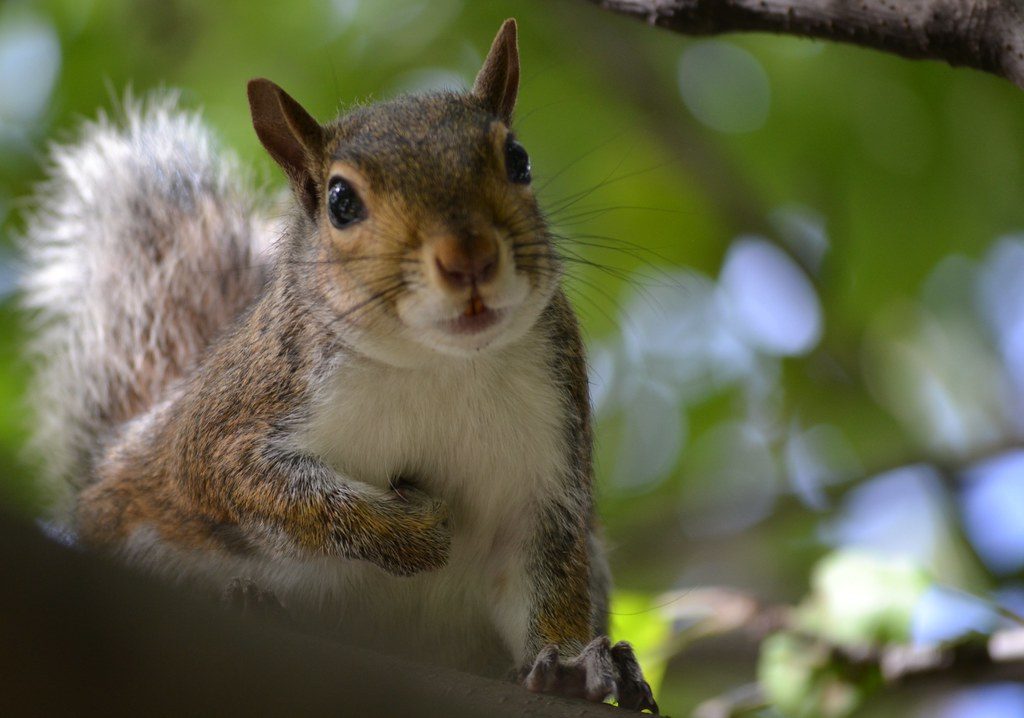
    Eastern Gray Squirrel” by DaPuglet is licensed under CC BY-SA 2.0

    Food is one of the biggest reasons behind these encounters. Both species rely heavily on nuts like acorns and hazelnuts, as well as seeds and fungi found in forests. When these resources become limited, competition increases sharply between the two squirrels.

    Red squirrels are especially protective of their food storage areas, often called middens. They depend on these hidden food supplies to survive winter. Because gray squirrels are strong foragers and can find food quickly, they can unintentionally reduce available resources, which increases tension when they enter red squirrel territory.

    Territory defense and long-term impact
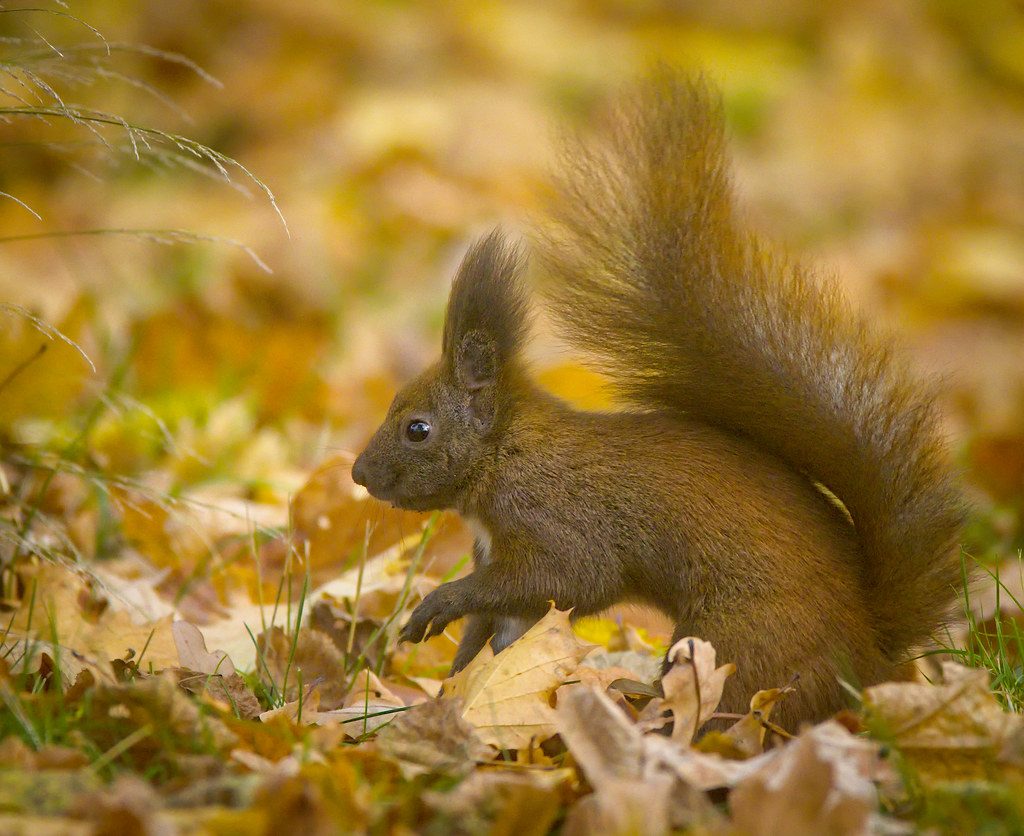
    Red squirrel” by hedera.baltica is licensed under CC BY-SA 2.0

    Territory defense is one of the strongest instincts in red squirrels. They mark and defend areas where they live, breed, and store food. When a gray squirrel enters, it disrupts this system, causing stress and aggressive behavior from the red squirrel.

    Over time, repeated encounters can affect where red squirrels choose to live. In some regions, they move to quieter, more isolated forests where gray squirrels are less common. This shift helps reduce conflict but also limits their available habitat, which can have long-term effects on population balance.

    What happens during an actual encounter
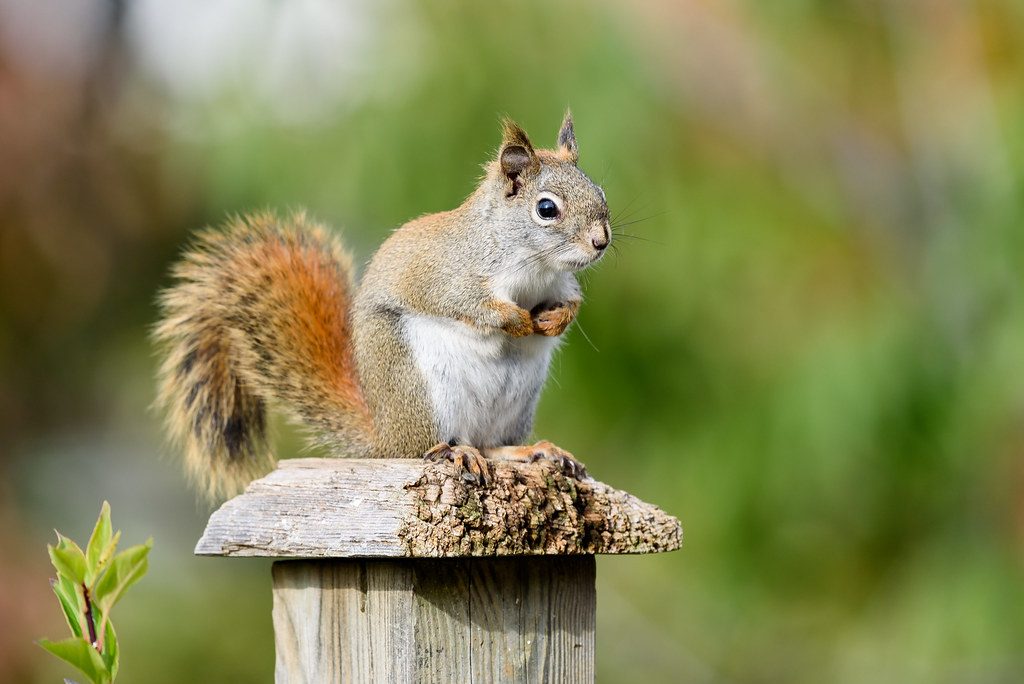
    Red Squirrel (Tamiasciurus hudsonicus)” by Mustang Joe is licensed under CC CC0 1.0

    When a gray squirrel enters red squirrel territory, the encounter usually unfolds quickly. The red squirrel often spots the intruder first due to its sharp awareness and reacts with warning calls. It then begins an aggressive chase, using fast climbing and jumping through trees.

    The gray squirrel typically responds by escaping rather than fighting. Most of these interactions last only a short time and end once the gray squirrel leaves the area. Serious physical fights are rare, but the tension between the two species is a clear example of how animals compete for survival in shared environments.
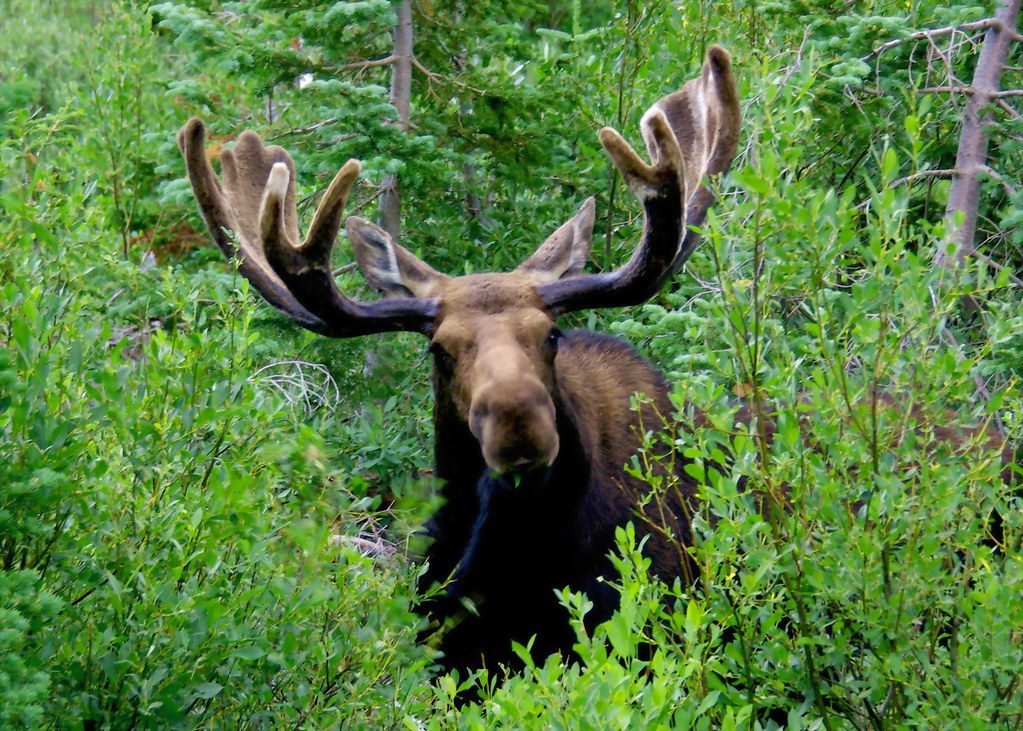
  • Neighbors block a road after a moose leads her twin calves across it

    Neighbors block a road after a moose leads her twin calves across it

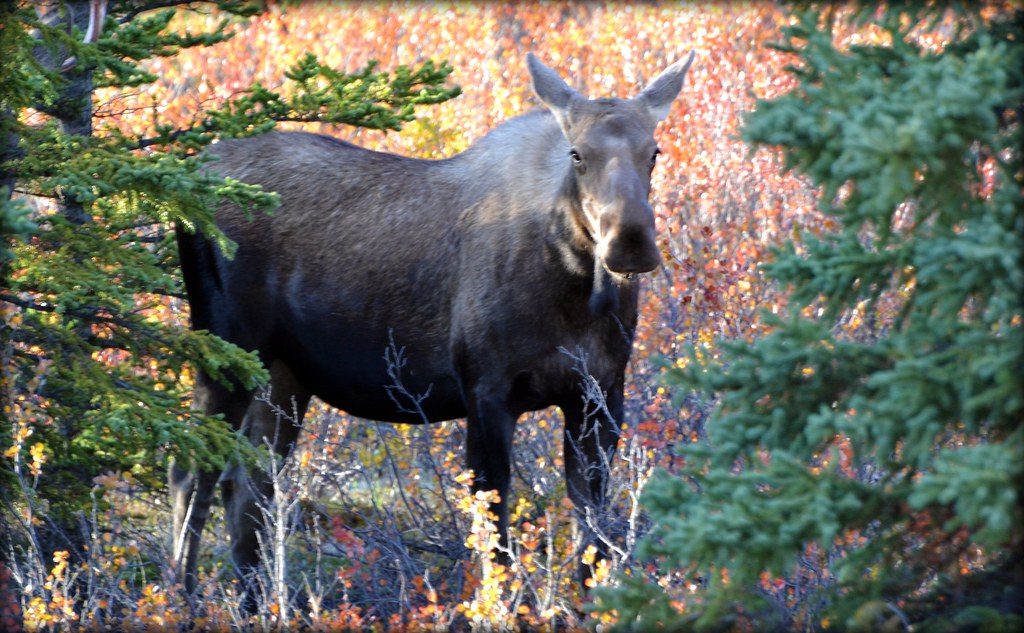
    Over Memorial Day weekend in Park City, Utah, a quiet neighborhood turned into a wildlife safety zone when neighbors block a road after moose leads twin calves across it. A mother moose had just given birth and began guiding her newborn calves across a residential street, creating an unexpected but delicate situation for drivers and residents.

    Neighbors quickly reacted by stopping traffic and using garbage cans to block the road so the animals could pass safely. The moment was rare, emotional, and a little surprising for many who had never seen a newborn moose crossing a neighborhood street. This article explains what happened, why moose behave this way, and why people stepped in to protect the animals during such a vulnerable time.

    A surprising encounter in a quiet Park City neighborhood

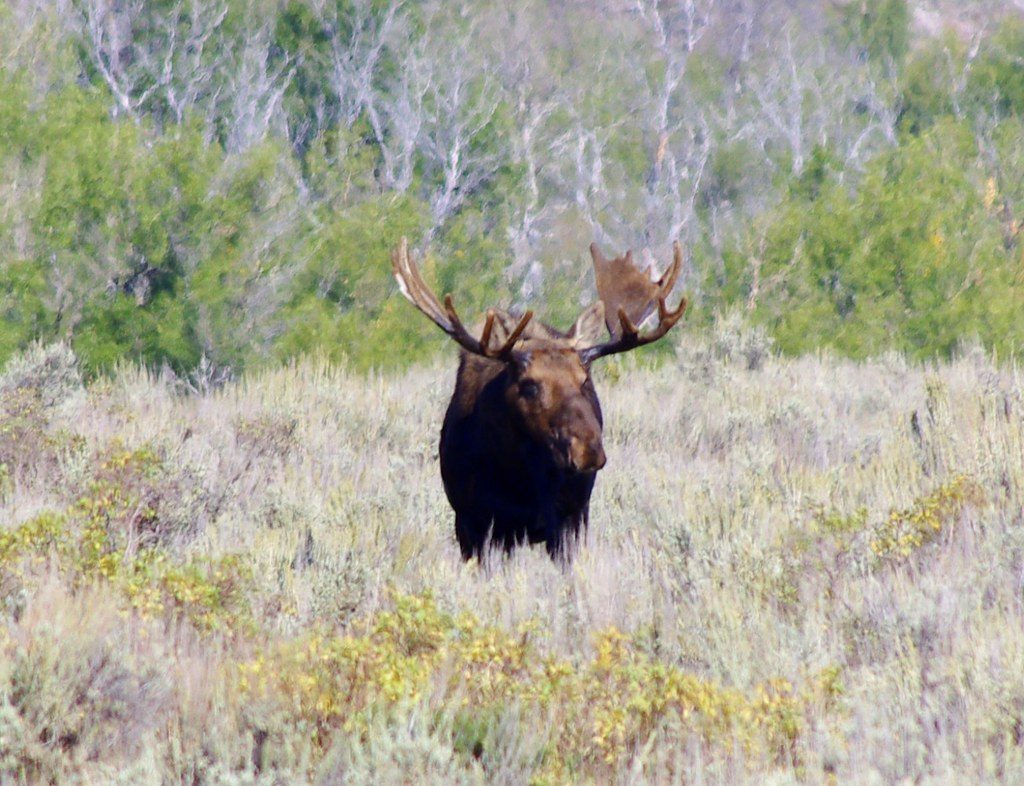
    Moose – Animal – Wildlife – Alaska” by blmiers2 is licensed under CC BY-NC-SA 2.0

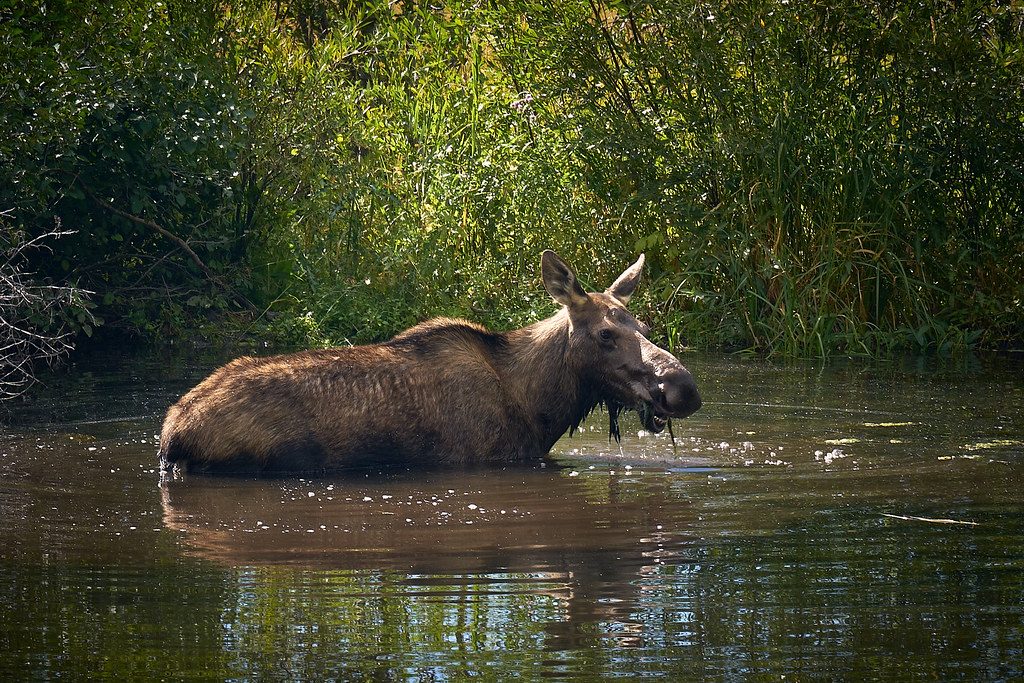
    Residents in Park City did not expect to see a moose family walking through their neighborhood, especially one with newborn calves. According to local reports, a cow moose gave birth to twin calves nearby and soon began guiding them across a residential road. The sight left neighbors both amazed and concerned, as newborn moose are extremely small and fragile compared to adults.

    One resident described the moment as something she had never experienced before, saying she was used to seeing older calves but not newborns just after birth. In areas like Park City, moose sightings do happen, but seeing a mother with freshly born twins crossing a street is rare and attention-grabbing for anyone nearby.

    How neighbors became temporary crossing guards

    Tehran Traffic Jam” by Hamed Saber is licensed under CC BY 2.0

    When the mother moose started leading her calves across the street, residents quickly realized the danger of passing vehicles. Instead of waiting for an accident risk, they stepped in immediately. People used garbage cans and their presence to block the road and slow down or stop traffic, effectively acting like informal crossing guards.

    This kind of community response is not unusual in wildlife-heavy areas. People who live near forests often understand how quickly animals can appear on roads. By creating a safe barrier, the neighbors gave the mother enough time and space to guide her twin calves across without panic or interruption from cars.

    Why newborn moose are especially vulnerable

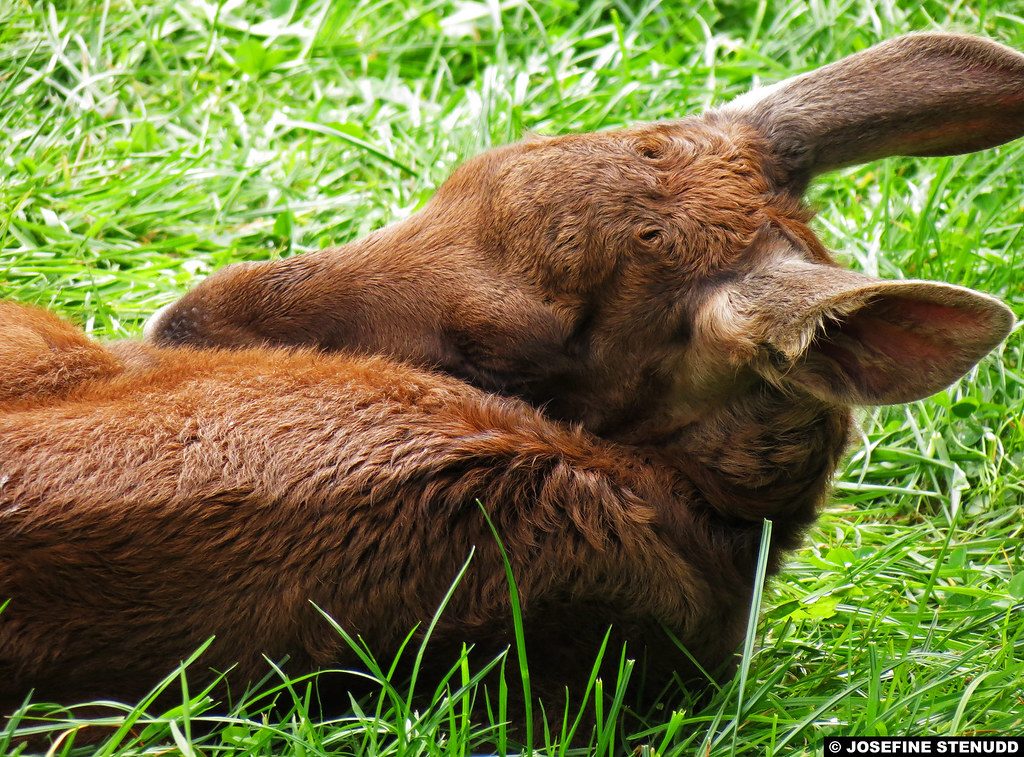
    20140830_01 Baby moose (4 days old) | Sweden” by ratexla (protected by Pixsy) is licensed under CC BY-NC-ND 2.0

    Moose calves are extremely vulnerable in their first days and weeks of life. They cannot move quickly, tire easily, and rely completely on their mother for protection and guidance. Twin calves, like the ones seen in Park City, require even more attention because the mother must monitor two young animals at once.

    At this stage, even small dangers can become serious threats. Roads are especially risky because of fast-moving vehicles and unpredictable noise. Wildlife experts note that early summer is a sensitive time because moose calves are still learning how to walk, follow, and respond to their surroundings.

    Why moose enter neighborhoods like Park City

    Moose” by davebailey is licensed under CC BY-NC 2.0

    Moose are commonly found in Utah, especially in forested regions near the Wasatch Front and northern parts of the state. Wildlife officials estimate there are thousands of moose in Utah, and it is not unusual for them to wander into residential areas while searching for food, water, or safer travel routes.

    Environmental conditions can also play a role. Dry weather or changes in habitat can push moose to lower elevations where neighborhoods are located. As a result, residents sometimes encounter these large animals moving through streets, yards, or open spaces, especially during early summer months.

    Understanding moose behavior during calving season

    Smiling Moose in Yellowstone” by szeke is licensed under CC BY-SA 2.0

    Moose mothers are known to be highly protective, especially shortly after giving birth. In late May and early June, cows with calves can become more defensive than usual because they are focused on keeping their young safe. Even though moose are not predators, they can react strongly if they feel threatened.

    Experts also warn that dogs can make these situations more dangerous. Moose often see dogs as predators, which can trigger defensive behavior. For this reason, wildlife officials stress that pets should always be kept on a leash in moose country. During calving season, even simple encounters require extra caution from people living nearby.

    How to safely respond when a moose appears

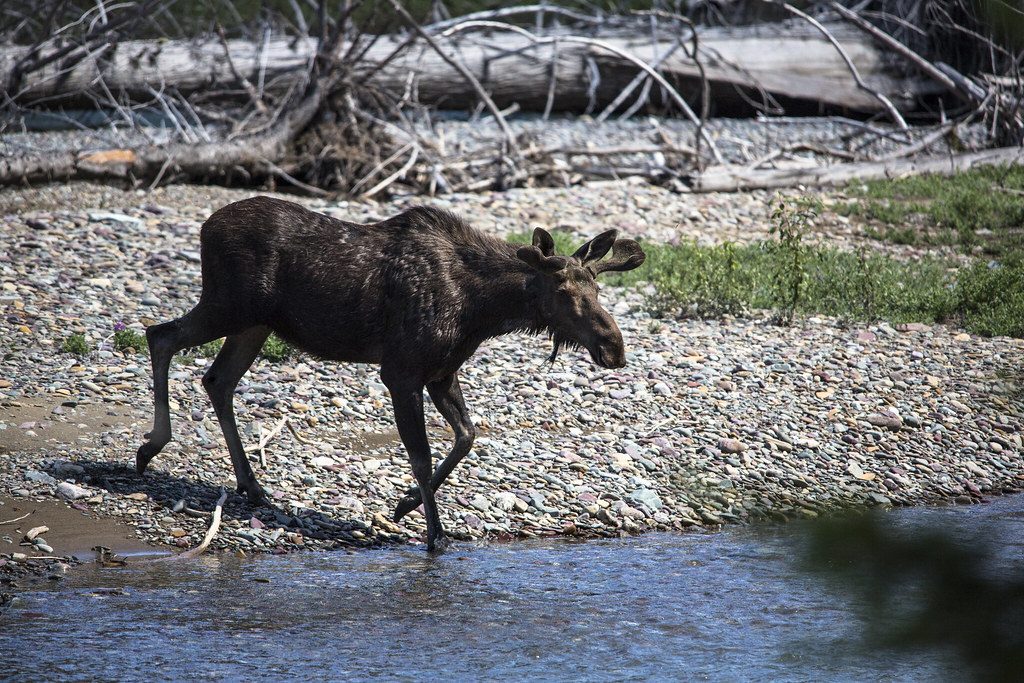
    Moose in McDonald Creek” by GlacierNPS is licensed under CC PDM 1.0

    Wildlife officials advise that people should always give moose plenty of space. The safest response is to stay calm, avoid sudden movements, and slowly back away while keeping the animal in view. Approaching or trying to feed a moose is strongly discouraged because it can increase risk for both people and animals.

    If a moose shows signs of stress, such as lowered head, pinned-back ears, or raised neck hair, it is best to leave the area immediately. If a moose charges, experts recommend placing a solid object between yourself and the animal or getting into a vehicle or building if possible. In busy neighborhoods like Park City, officials also encourage residents to report sightings rather than attempt to manage the situation alone.

  • Why do deer gently interact with cats in nature

    Why do deer gently interact with cats in nature

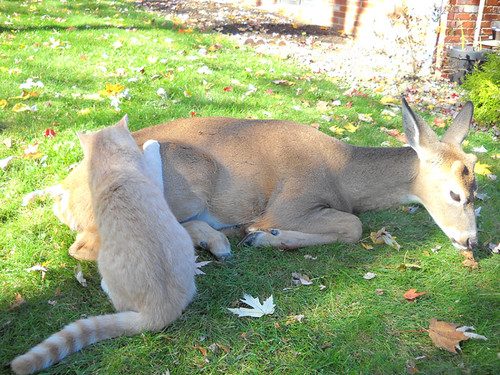
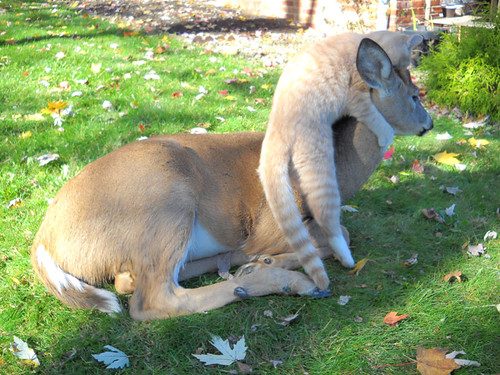
    A deer gently interacting with a cat is a rare and heartwarming sight that often leaves people amazed and curious. When two very different animals meet in such a calm and peaceful way, it raises a lot of questions. How can a wild deer and a small house cat stay so relaxed around each other? Is it safe? What is really happening in these moments?

    In this article, you will learn why deer and cats sometimes interact softly, what science says about these encounters, and how both animals behave in the wild and near humans. You will also understand the safety risks, the natural instincts behind their actions, and why these rare meetings happen more often in certain environments. By the end, you will clearly understand this unusual but fascinating animal behavior.

    Why deer and cats sometimes meet in nature

    deer and cats” by dawnjohnston is licensed under CC BY-NC 2.0

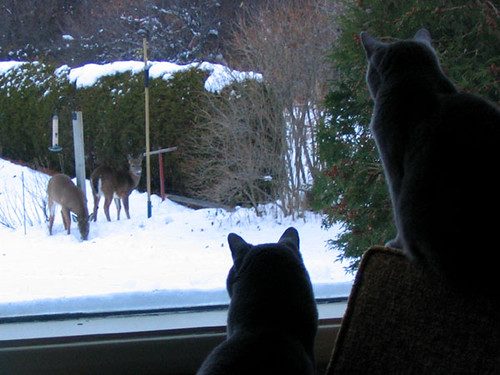
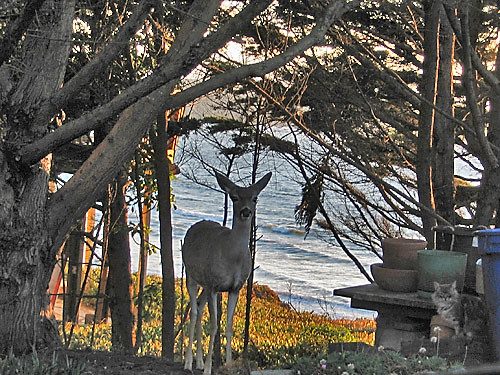
    Deer and cats can sometimes share the same outdoor spaces, especially in suburban or rural areas where forests meet human homes. Deer often come close to gardens to feed on plants, while cats may explore outdoors or sit near yards. This overlap is one of the main reasons they occasionally meet.

    These encounters are usually accidental and not planned. Deer are naturally curious animals, and cats are also alert explorers of their surroundings. When they notice each other, both animals may pause, observe, and slowly adjust their behavior instead of reacting aggressively.

    How deer behave during calm encounters

    Deer steals cat’s food” by momboleum is licensed under CC BY-NC-ND 2.0

    Deer are generally gentle herbivores that avoid conflict. When they see a cat, they often show caution rather than fear. In many observed cases, deer may lower their head, freeze, or slowly move closer if they do not feel threatened. This behavior is part of their natural curiosity and survival instincts.

    Some deer may even appear relaxed around small animals like cats because they do not recognize them as serious predators. According to wildlife observations, deer can tolerate other animals in shared spaces if they do not feel danger nearby . However, this calm behavior does not mean deer are friendly in a domestic sense. It simply reflects their natural tendency to avoid unnecessary risk.

    How cats respond to deer

    Cat vs Deer” by Chriss Pagani is licensed under CC BY-NC-ND 2.0

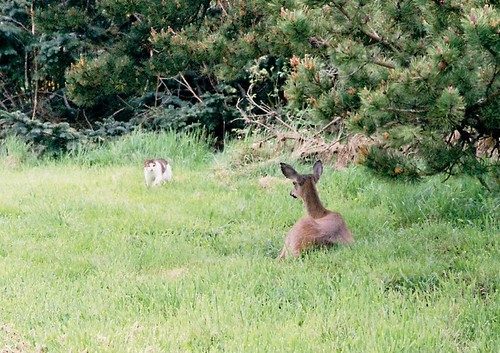
    Cats are natural hunters, but they are also cautious animals. When a cat sees a deer, it often freezes and watches quietly. This stillness is a hunting behavior that helps cats avoid detection, even if they are not planning to attack.

    In most real-life encounters, domestic cats do not try to approach deer aggressively. Instead, they observe from a safe distance or slowly back away if the deer moves closer. Wildlife records show that cats and deer can sometimes share the same space peacefully without direct conflict .

    Why soft interactions like sniffing or licking happen

    Cat and deer friend, Pennsylvania” by pumpkin ash is licensed under CC BY-NC-ND 2.0

    In rare cases, deer may gently sniff or even lick a cat. This behavior may look like affection, but it usually has simple biological reasons. Deer are known to seek minerals like salt, and they may be attracted to traces of salt or scent on a cat’s fur.

    Licking is also a natural way for deer to explore unfamiliar objects. It helps them gather information about what they are sensing. Wildlife studies explain that licking can be linked to curiosity, grooming instincts, and mineral seeking rather than emotional bonding .

    Is it safe for deer and cats to interact

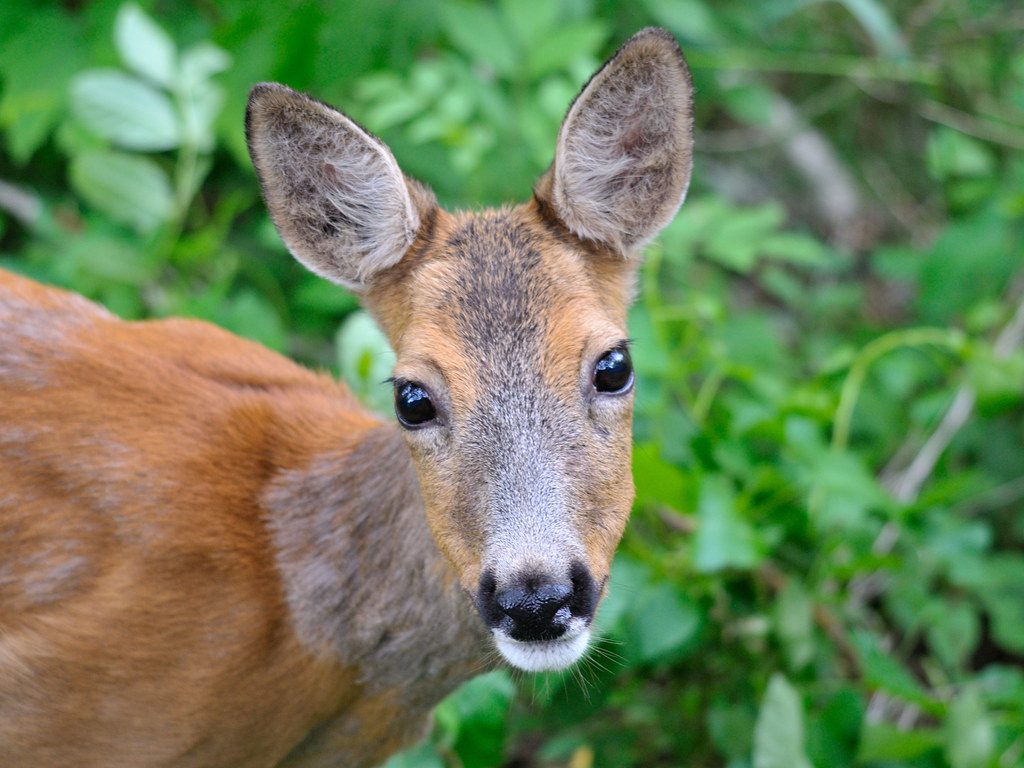
    Deer” by thriol is licensed under CC BY-NC 2.0

    Even though these encounters can look peaceful, they are not always completely safe. Deer are much larger than cats and can unintentionally harm them with a sudden movement, step, or kick. A frightened deer may react quickly if it feels threatened.

    Cats also carry natural instincts that could lead to sudden movement, which might startle a deer. Because of this, wildlife experts generally advise keeping distance between domestic pets and wild deer. Most interactions should be brief and observed from afar to avoid stress or injury to either animal.

    What these rare encounters teach us about animals

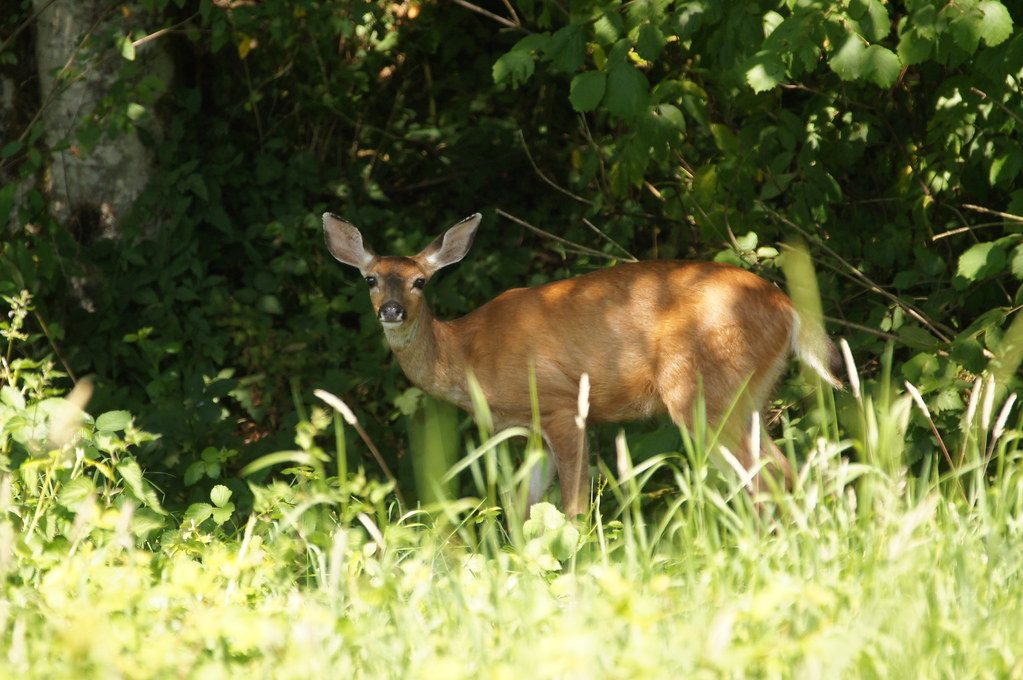
    Deer” by Tjflex2 is licensed under CC BY-NC-ND 2.0

    Soft interactions between deer and cats show how flexible animal behavior can be when there is no immediate danger. Both animals rely heavily on instinct, and when those instincts do not signal threat, calm behavior can occur. These moments highlight how animals can share space without aggression when conditions are peaceful.

    They also remind us that wildlife and domestic animals are still connected through shared environments. Even though they live very different lives, their paths can cross in surprising and gentle ways, showing the complexity of nature.
  • Why saltwater crocodiles are so dangerous

    Why saltwater crocodiles are so dangerous

    Imagine standing near a riverbank and seeing what looks like a floating log. It barely moves and seems harmless. But beneath the surface may be one of the most powerful predators on Earth. The saltwater crocodile is not only the largest living reptile, but it is also one of the smartest and most dangerous hunters in the animal kingdom. Stories of crocodiles studying their surroundings and waiting for the perfect moment to strike have fascinated and frightened people for generations.

    Many people know about a crocodile’s powerful jaws, but there is much more to these animals than brute strength. Saltwater crocodiles can survive in many environments, travel long distances, and use remarkable hunting strategies. This article explores what makes them such successful predators, how their intelligence helps them hunt, and why experts urge people to respect them whenever they enter crocodile territory.

    Saltwater crocodiles are built for survival

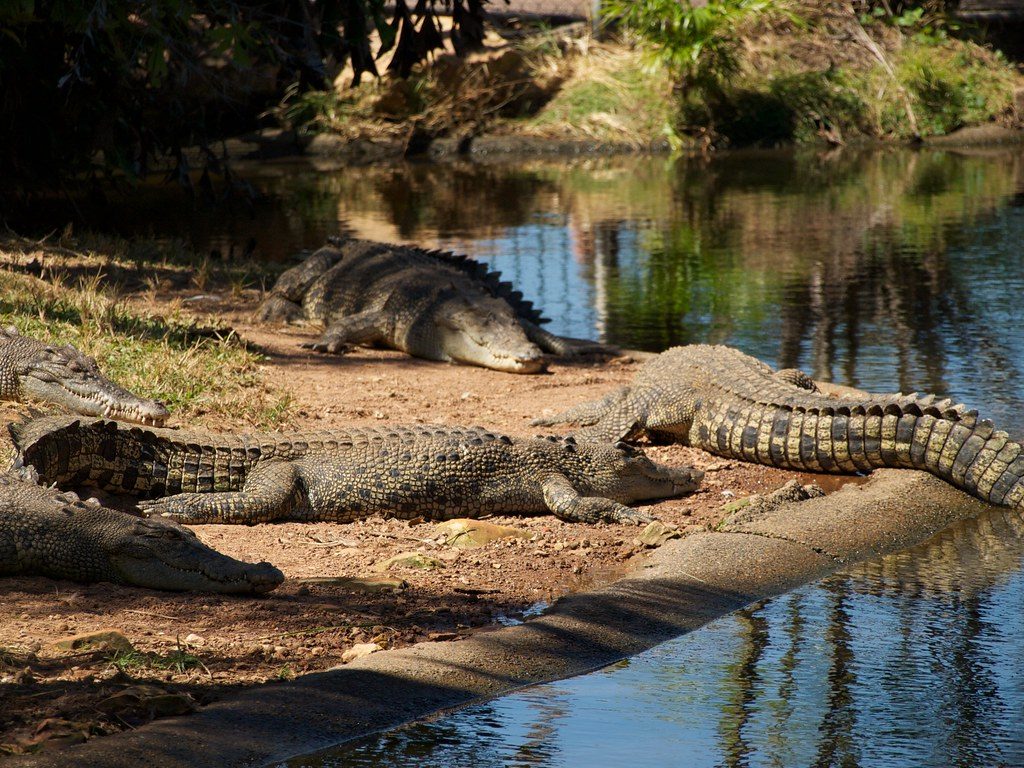
    Saltwater Crocodile” by Bill Hails is licensed under CC BY-ND 2.0

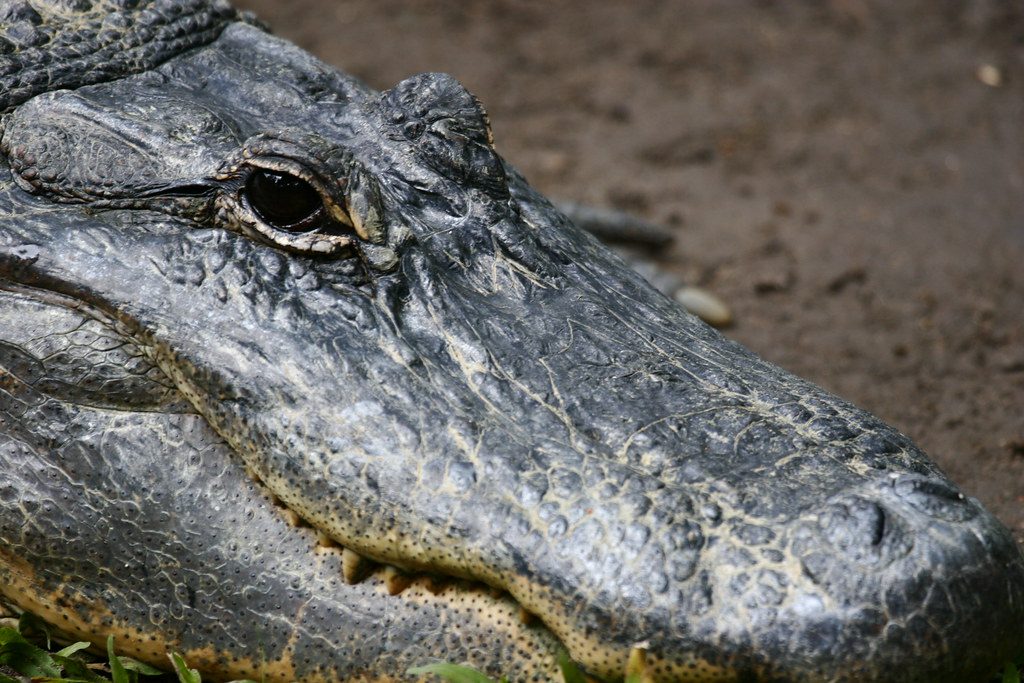
    The saltwater crocodile is the largest reptile alive today. Adult males can grow more than 20 feet long and weigh over a ton. Their bodies are covered with thick scales and bony plates that act like natural armor. This protection helps them survive fights with other crocodiles and defend themselves from injuries. Their powerful tails allow them to move quickly through the water despite their enormous size.

    Unlike many reptiles, saltwater crocodiles can live in both fresh water and salt water. They are found in rivers, estuaries, wetlands, mangrove forests, and coastal areas across northern Australia and parts of Southeast Asia. Their ability to thrive in different environments gives them access to a wide range of prey and allows them to dominate many ecosystems.

    Their intelligence makes them even more dangerous

    Saltwater Crocodile” by Corey Leopold is licensed under CC BY 2.0

    Many people think of reptiles as simple animals that act only on instinct. Research and observations suggest that saltwater crocodiles are much smarter than most people realize. Wildlife experts have documented behaviors that show these animals can recognize patterns and remember important locations. This ability helps them become more effective hunters.

    One famous example involved a crocodile that gradually changed its position over several months until it was close enough to attempt an attack on a zoo worker. The crocodile moved only a tiny amount at a time, making the change difficult to notice. While scientists are still studying crocodile intelligence, examples like this suggest that these animals can learn from their surroundings and use that knowledge to their advantage.

    They can turn patience into a deadly weapon

    Saltwater Crocodile” by Crazy Creatures is licensed under CC BY-ND 2.0

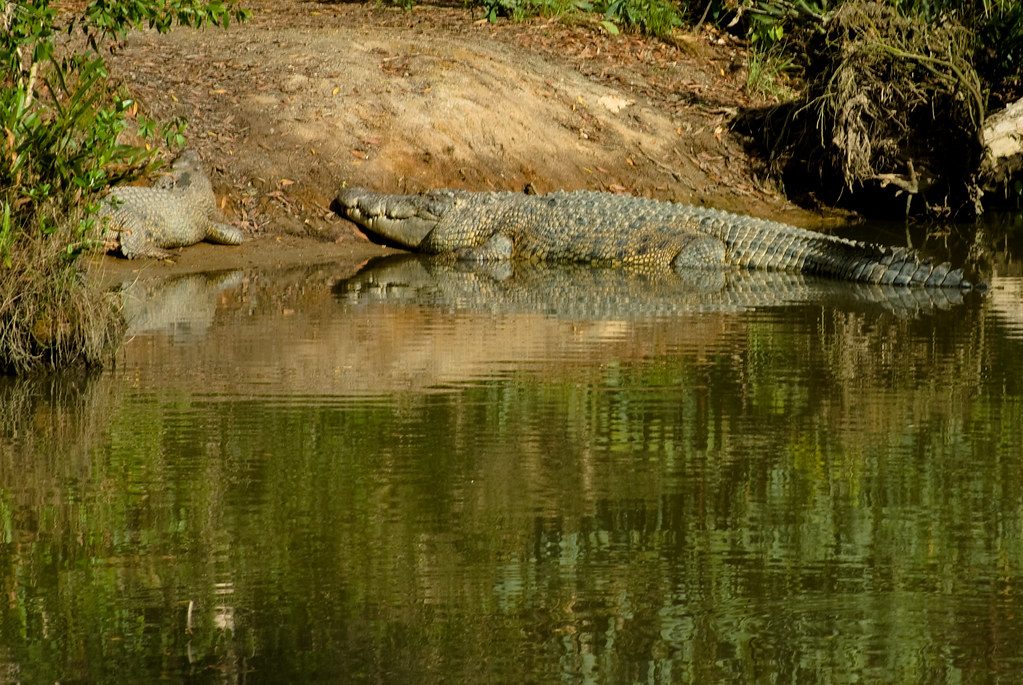
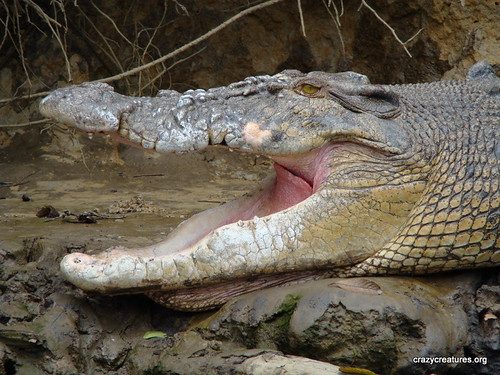
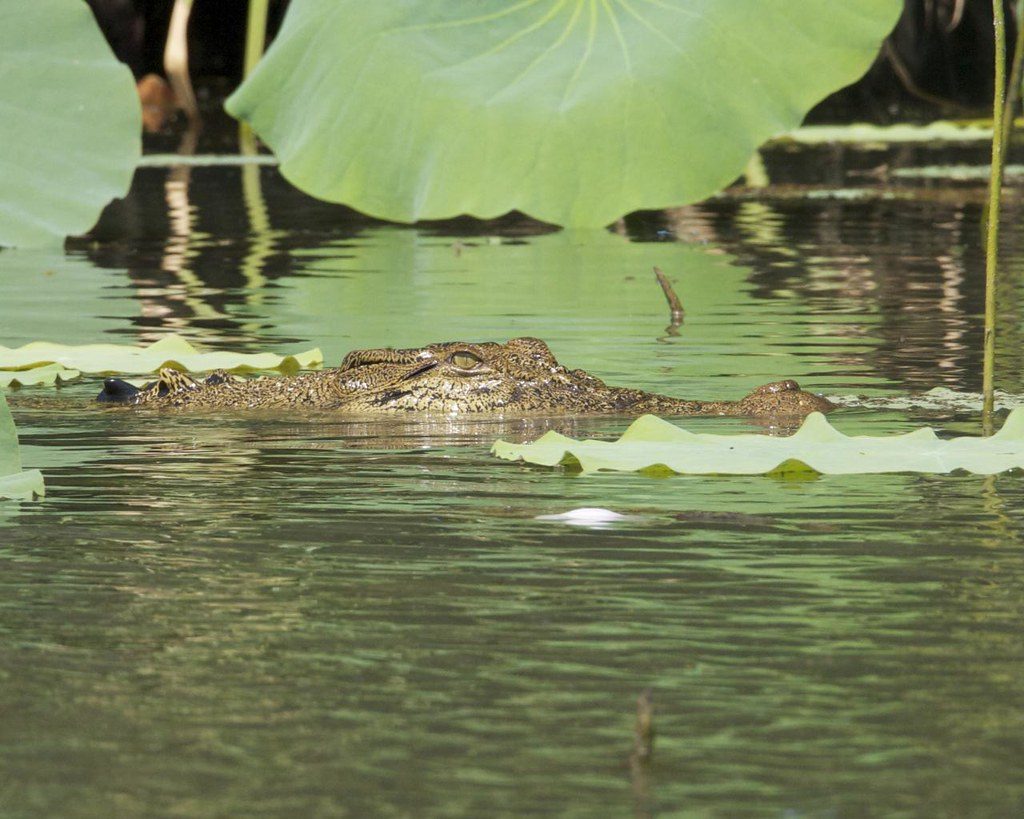
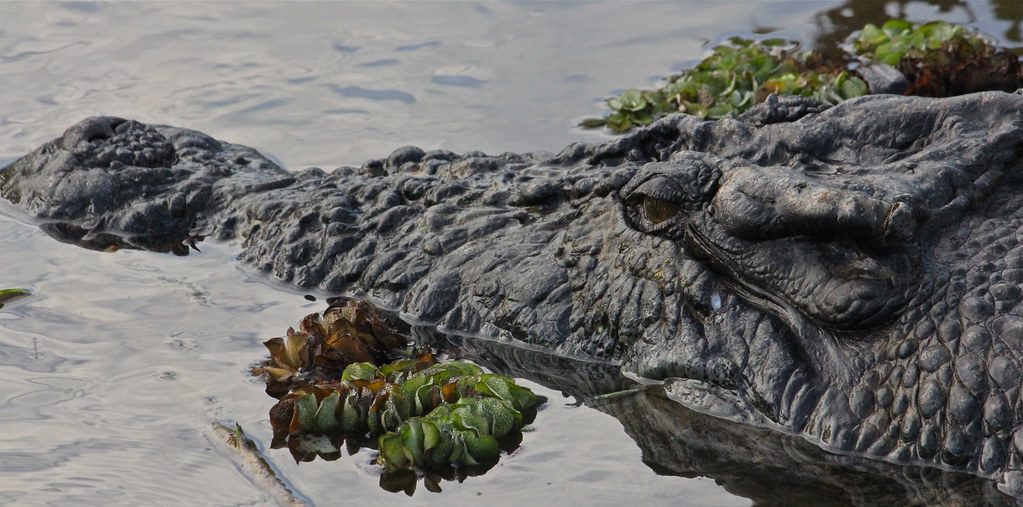
    A saltwater crocodile does not need to chase its prey across long distances. Instead, it often relies on patience. It may remain almost completely motionless for hours while watching the area around it. Its eyes, ears, and nostrils sit on top of its head, allowing it to stay hidden beneath the water while keeping track of everything happening nearby.

    Experts warn that people can become predictable without realizing it. In regions where crocodiles live, individuals who repeatedly visit the same water source at the same time each day may unknowingly create a pattern. Crocodiles are capable of noticing regular activity. Once they understand when and where prey is likely to appear, they can simply wait for the right opportunity to strike.

    Their hunting abilities are almost unmatched

    Saltwater Crocodile” by mattfrancey is licensed under CC BY-NC 2.0

    Saltwater crocodiles possess an impressive collection of hunting tools. They have sensitive receptors on their skin that can detect tiny vibrations in the water. Even in muddy conditions or complete darkness, they can sense movement around them. This allows them to locate prey when vision alone would not be enough.

    When the moment arrives, the attack happens with incredible speed. A crocodile launches forward using its powerful tail and muscular body. Its jaws snap shut with tremendous force, creating one of the strongest measured bite forces of any living animal. Once prey is caught, escape becomes extremely difficult because the crocodile’s backward-curving teeth are designed to grip tightly and prevent animals from breaking free.

    The death roll is one of nature’s most feared attacks

    Male saltwater crocodile (5 metres plus) – South Alligator River, Kakadu NP, Northern Territory, Australia” by Geoff Whalan is licensed under CC BY-NC-ND 2.0

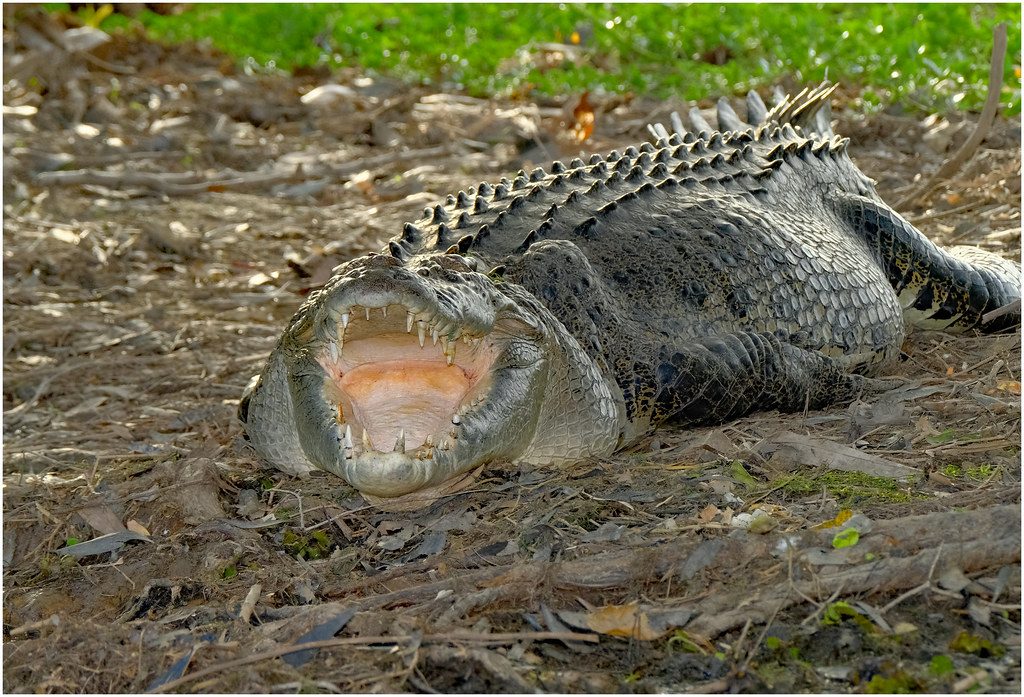
    Many people think the bite is the most dangerous part of a crocodile attack. In reality, the bite is often only the beginning. When a crocodile catches large prey, it may perform a behavior known as the death roll. During this maneuver, the crocodile spins its body rapidly while holding onto its victim.

    The spinning motion creates an enormous force that can tear flesh, break bones, and overwhelm struggling prey. The death roll also helps crocodiles tear apart animals that are too large to swallow whole. This behavior is so effective that even young crocodilians display it instinctively. It remains one of the most powerful hunting techniques found anywhere in nature.

    There is more to crocodiles than hunting

    Saltwater Crocodile (Crocodylus porosus)” by Lip Kee is licensed under CC BY-SA 2.0

    Despite their fearsome reputation, saltwater crocodiles display behaviors that many people do not expect. Female crocodiles are highly protective mothers. They carefully guard their nests and often stay nearby while their eggs develop. When the young hatch, the mother may gently carry them in her mouth to the water, helping them avoid danger during the earliest days of life.

    Scientists have also discovered that crocodiles use a surprisingly wide range of sounds and signals. Hatchlings communicate with their mothers before they even leave the egg. Adults produce growls, grunts, roars, and other sounds that may help them communicate with one another. Researchers are still working to understand the full meaning of these signals, but the evidence suggests crocodiles have more complex social lives than many people once believed.

  • The orca grabbed her ponytail and what happened next shocked the crowd

    The orca grabbed her ponytail and what happened next shocked the crowd

    The moment the orca grabbed her ponytail, the crowd watching the show had no idea they were about to witness one of the most talked-about animal incidents in modern history. What started as a routine performance quickly turned into a tragedy that stunned visitors, trainers, and animal experts around the world. Many people still search for answers about what really happened and why such a powerful animal suddenly pulled a trainer into the water.

    This article explains the real story behind the incident, what witnesses saw, how orcas behave in captivity, and why the event changed marine park safety rules forever. Understanding the facts is important because many rumors and false stories have spread online over the years. By looking closely at verified information, readers can better understand both the risks of working with large marine animals and the challenges of keeping them in captivity.

    What happened during the show

    Seaworld Orlando / Florida / USA” by dicau58 is licensed under CC BY-NC-SA 2.0

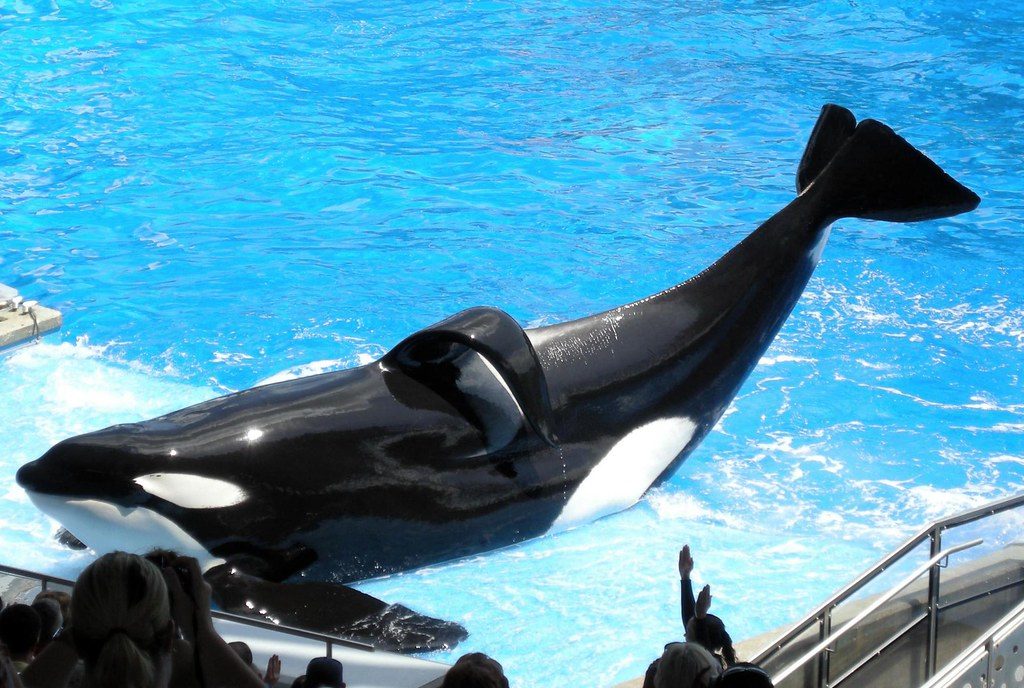
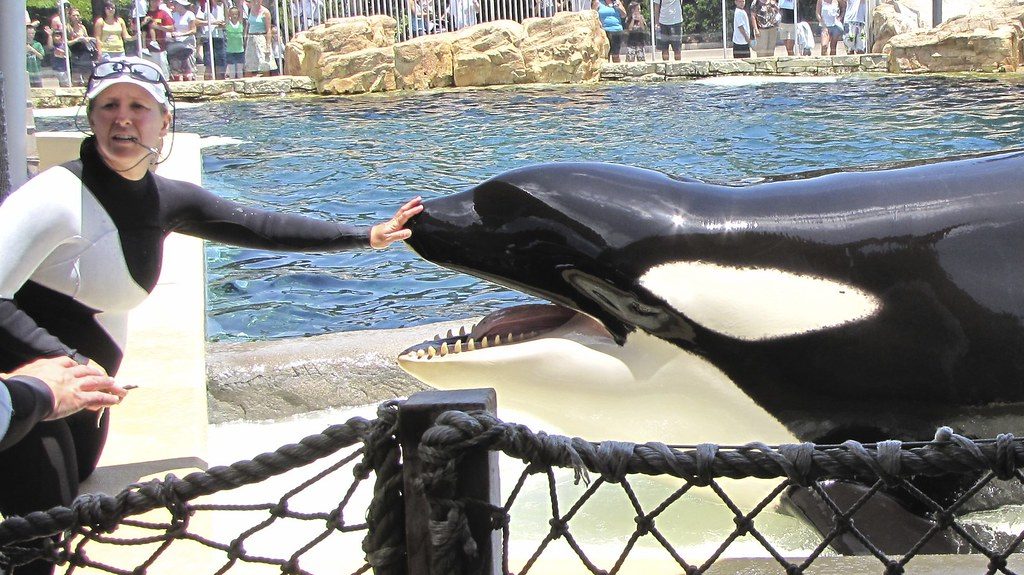
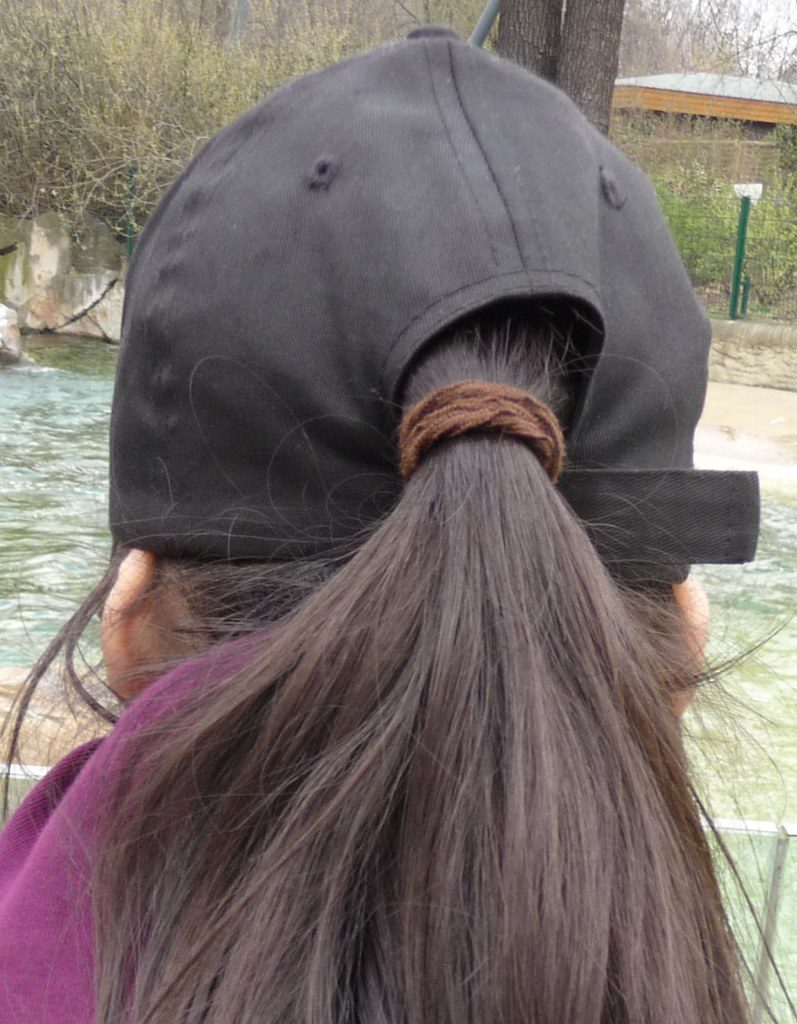
    The incident happened on February 24, 2010, at SeaWorld Orlando in Florida. Experienced trainer Dawn Brancheau was working with Tilikum, a large male orca that weighed around 12,000 pounds. The show had already ended, and guests were still watching as Brancheau interacted with the whale near the pool. According to reports from SeaWorld officials, Tilikum grabbed her long ponytail while she was close to the water.

    Witnesses watched in horror as the orca pulled her into the pool. Trainers immediately rushed to help, but the animal would not release her. The scene quickly became chaotic as staff members tried different methods to separate the whale from the trainer. Many people in the audience were shocked because the interaction had appeared calm only moments earlier.

    Why the ponytail became a major detail

    thick teenage ponytail 2” by longhairfish is licensed under CC BY-NC-ND 2.0

    The ponytail became one of the most discussed parts of the tragedy because several reports stated that Tilikum initially grabbed Brancheau’s hair. Some former trainers and experts suggested that the moving ponytail may have caught the whale’s attention. Orcas are intelligent and curious animals, and objects moving through the water can sometimes trigger investigation or play behavior.

    However, not everyone agrees on exactly how the incident began. Some eyewitnesses believed the whale grabbed her arm instead. Investigators reviewed multiple accounts after the tragedy, and different witnesses remembered different details. While the exact first point of contact remains debated, most reports agree that the trainer was pulled into the water and then suffered fatal injuries during the struggle.

    Understanding Tilikum’s history

    A Happy Killer” by guessthree is licensed under CC BY-ND 2.0

    Tilikum was not an ordinary captive orca. He had been involved in previous fatal incidents before the death of Dawn Brancheau. His size alone made him different from many other whales in captivity. As one of the largest male orcas held in marine parks, he possessed enormous strength that no human could control once an incident began.

    His history also raised concerns among animal behavior experts. Tilikum spent many years living in artificial environments that were far smaller than the vast distances wild orcas travel every day. Some researchers and animal welfare advocates argued that long-term confinement may have contributed to stress and abnormal behavior. While no one can know exactly what the whale was thinking, experts widely agree that captivity creates challenges for highly intelligent marine mammals.

    How the crowd reacted

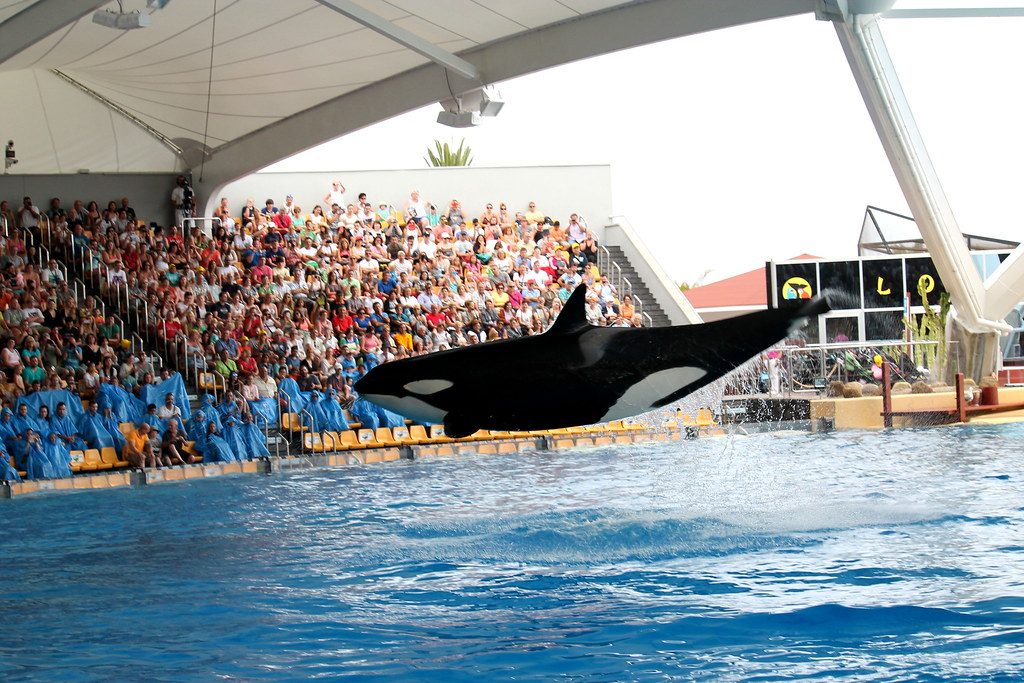
    Orca (Loro Parque de Tenerife)” by JAPG 1100D is licensed under CC BY-NC-SA 2.0

    Visitors who attended the show expected to see a fun performance, not a life-threatening emergency. Many audience members described feeling confused at first because they thought the event might be part of the show. Within seconds, it became clear that something was seriously wrong as trainers rushed toward the pool and emergency procedures began.

    The emotional impact on witnesses was significant. Some people reported hearing screams from the crowd while others watched in silence. Families with children were especially shaken by what they had seen. For many visitors, the memory remained vivid years later because the incident unfolded in front of a large audience during what was supposed to be an entertaining attraction.

    What experts learned from the tragedy

    people having meeting on rectangular brown table
    Photo by Christina @ wocintechchat.com M on Unsplash

    The death of Dawn Brancheau led to major discussions about trainer safety and animal management. Government investigators examined the incident and reviewed workplace procedures involving captive orcas. One important finding was that trainers faced serious risks whenever they worked in direct physical contact with large whales.

    The tragedy also highlighted the difference between trained behavior and complete control. Even animals that perform thousands of successful interactions can still behave unpredictably. Orcas are apex predators with immense power, and experts stressed that training does not remove natural instincts or reactions. The event became a key example used in discussions about marine mammal safety around the world.

    How the incident changed marine parks

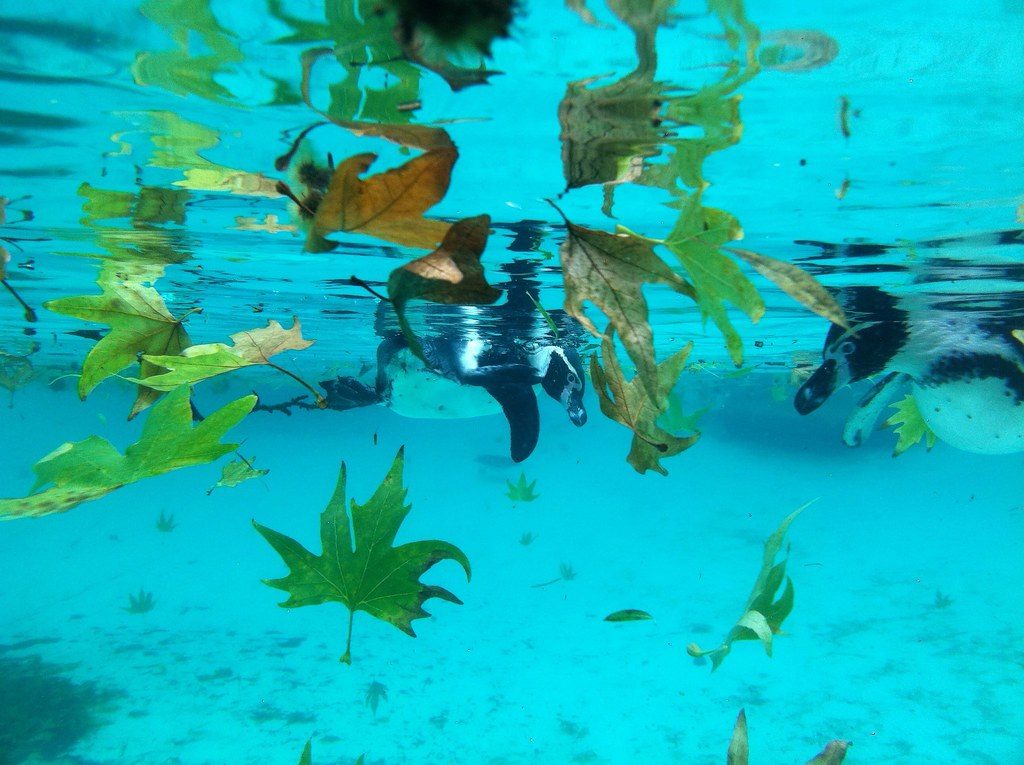
    Fall In The Antarctic (Humboldt Penguins & Leaf-Fall), ZSL London Zoo” by flatworldsedge is licensed under CC BY-SA 2.0

    After the tragedy, major changes were made to safety practices involving orcas. Trainers at SeaWorld were no longer allowed to perform waterwork with killer whales in the same way they had before. Physical contact rules became much stricter, and barriers between trainers and animals increased during performances.

    The incident also fueled a broader debate about keeping orcas in captivity. Animal welfare groups argued that the tragedy showed the difficulties of housing large, intelligent predators in confined environments. Public discussion grew stronger in the years that followed, leading many people to question whether traditional orca shows should continue. The event remains one of the most influential moments in the history of marine parks.
  • A blind cow finds comfort and companionship with a larger cow

    A blind cow finds comfort and companionship with a larger cow

    Making friends can feel hard, even for animals who live in safe and caring places. A blind cow finds comfort and companionship with a larger cow in a story that shows how gentle and surprising animal friendships can be. At Sleepy Pig Farm animal sanctuary, two rescued cows named Bambi and Redding formed a bond that melted hearts after their first meeting was captured on camera.

    This article explains how their friendship began, why it matters, and what it tells us about how animals build trust. You will learn how blind cows adapt to new environments, how size differences do not stop friendship, and how caregivers help guide safe introductions. The story is simple, sweet, and shows how comfort can grow in the most unexpected places.

    The rescue story behind Bambi and Redding

    time lapse photography of cattle cow under clouds
    Photo by Ryan Song on Unsplash

    Bambi, a blind rescue cow, came to Sleepy Pig Farm animal sanctuary after needing special care and safety. Living without sight means she depends on sound, smell, and touch to understand the world around her. Her life changed once she arrived at a place where she could be protected and slowly learn to trust again.

    Redding, the larger cow, was also a rescue animal who had already been living at the sanctuary. He was strong in size but gentle in nature. Even though the two cows came from different backgrounds, both were given a second chance at life. The caregivers hoped that they would eventually get along, but like many animal introductions, nothing was guaranteed at first.

    First meeting at the sanctuary fence

    A couple of cows are standing in a field
    Photo by Will Goodman on Unsplash

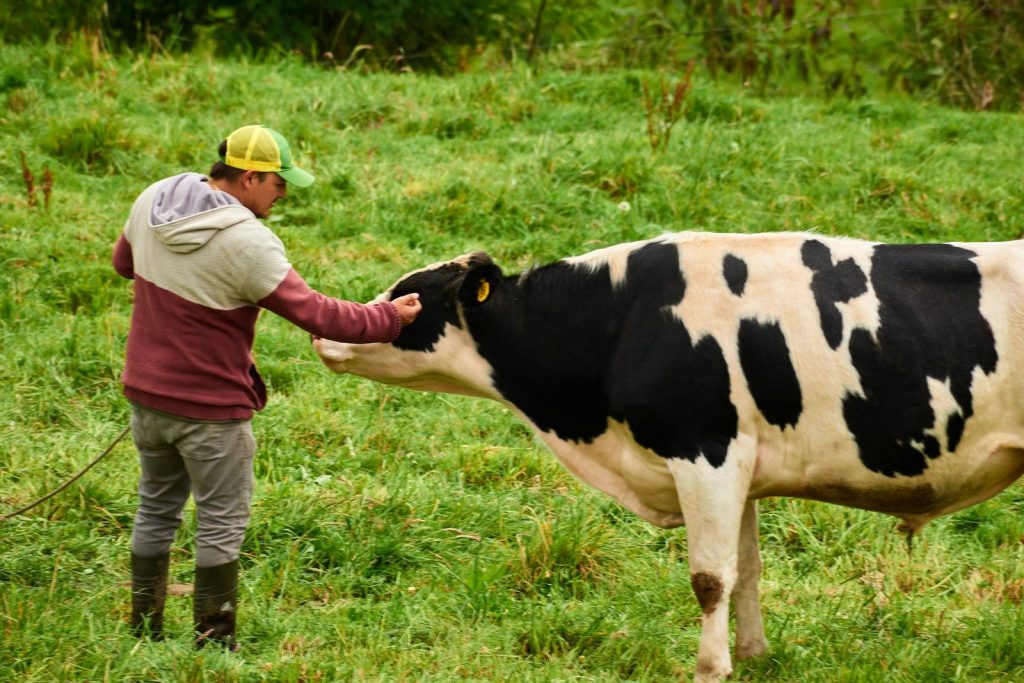
    The first meeting between Bambi and Redding was carefully managed by their caretaker. Animals can react in unpredictable ways when meeting for the first time, so safety was important. Bambi slowly walked forward, guided by sound and smell, while Redding stood still and watched the smaller cow approach.

    At first, there was hesitation. Redding seemed unsure about the new presence, and Bambi moved carefully as she explored the space. The moment was quiet but full of tension, as even the human caregiver felt nervous watching them meet. However, there was no aggression. Instead, there was curiosity, and that simple curiosity became the first step toward trust.

    How blind cows adapt and build trust

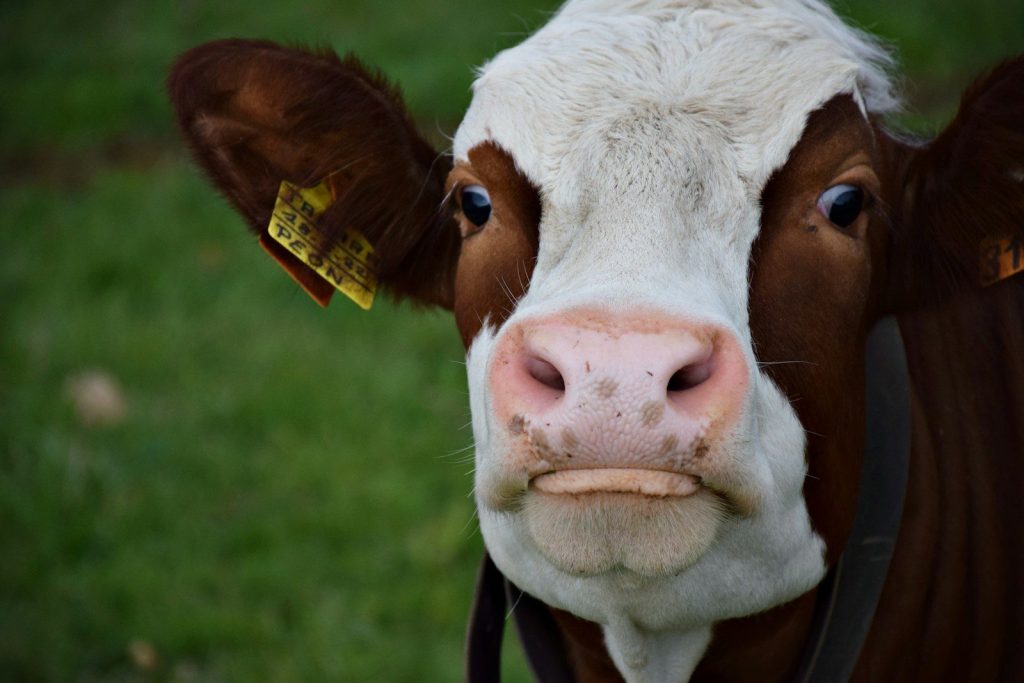
    a brown and white cow with a tag on its ear
    Photo by Julien Photo on Unsplash

    Blind cows depend heavily on their other senses to feel safe in new spaces. They learn to recognize voices, footsteps, and even breathing patterns. Bambi used these signals to understand where Redding was standing and whether he was calm or stressed. This is a natural way for blind animals to adapt when vision is not available.

    Trust grows slowly in animals like Bambi. She gently moved closer, using touch to confirm that Redding was not a threat. When animals are given enough time and space, they often find ways to communicate without fear. In this case, calm behavior and patience helped Bambi feel safe enough to show affection.

    Why size differences do not stop animal friendships

    a brown cow with a yellow tag
    Photo by Sebastian Marx on Unsplash

    One of the most striking parts of this story is the size difference between the two cows. Redding was much larger than Bambi, which made the introduction more intimidating for the caregiver. However, animals do not judge size the same way humans do. They rely more on energy, behavior, and tone.

    Even though Redding was big, he did not act aggressively. His calm nature helped Bambi feel more relaxed. Over time, she moved closer and began showing affection through gentle contact. The difference in size became less important than the comfort they gave each other. This shows that friendship in animals is not limited by physical appearance.

    Role of caregivers at Sleepy Pig Farm sanctuary

    boy in blue jacket standing beside cow on green grass field during daytime
    Photo by Sebastian Tovar on Unsplash

    The caregivers at Sleepy Pig Farm animal sanctuary played a very important role in this meeting. They understood that introducing rescued animals requires patience and careful timing. They prepared the space so both cows could meet safely without feeling trapped or threatened.

    The caregiver also had to manage her own emotions. Watching two rescued animals meet for the first time can be stressful, especially when their reactions are unknown. Even so, she allowed the animals to take their time. This approach helped Bambi and Redding interact naturally, without pressure, leading to a calm and positive outcome.

    What this friendship teaches about animal emotions

    brown cow on green grass field during daytime
    Photo by Alwi Hafizh A. on Unsplash

    The bond between Bambi and Redding shows that animals can experience comfort, trust, and companionship in ways that are easy to recognize. When Bambi slowly moved closer and showed affection, Redding responded with calm acceptance. Their interaction was simple, but it showed emotional connection building step by step.

    This kind of friendship also reminds us that animals can form strong social bonds even after difficult past experiences. Rescue animals often need time to heal, and companionship can help that process. In this case, the blind cow finds comfort and companionship with a larger cow, which became a real example of how trust can grow in quiet and gentle ways.

  • The unusual story of a woman raising a skunk like a toddler

    The unusual story of a woman raising a skunk like a toddler

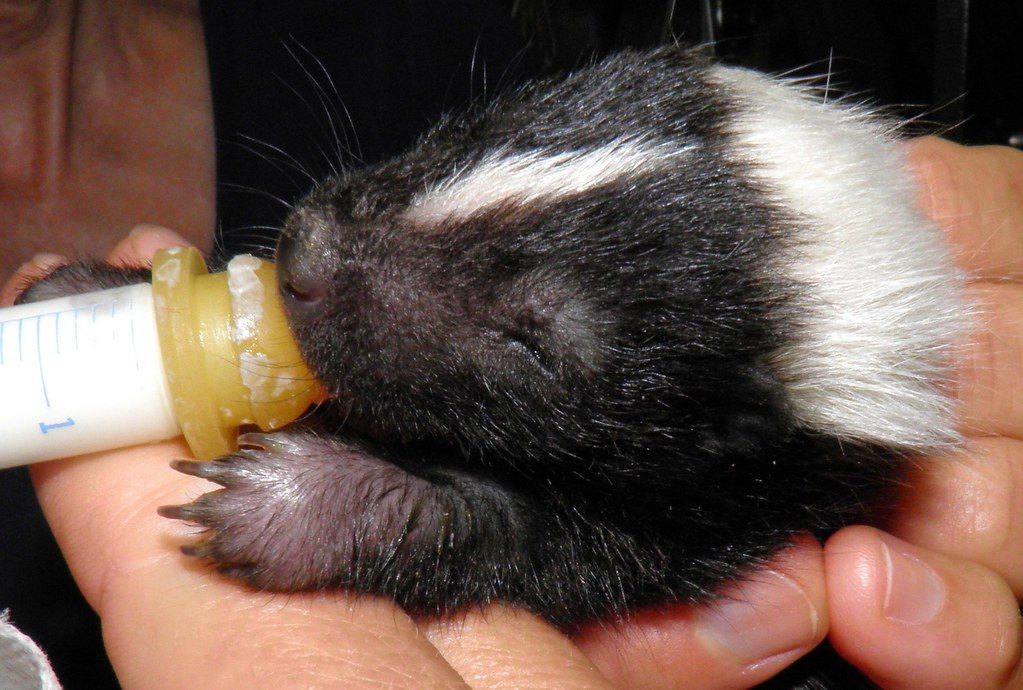
    Finding a wild baby animal is something most people never expect. When Tokoa the skunk arrived at her rescuer’s home, she was tiny, helpless, and completely dependent on human care. She was small enough to fit in the palm of a hand and needed attention throughout the day. At first, her future was uncertain, but what followed became an unforgettable story of friendship, trust, and family.

    The story of Tokoa the skunk has captured attention because it shows a side of skunks that many people rarely see. Most people know skunks for their famous defense spray, but Tokoa revealed a very different personality. She grew into a playful, curious, and affectionate animal that formed strong bonds with both humans and other pets. Her journey from a vulnerable baby to a beloved companion offers a fascinating look at animal behavior and the connections that can develop between different species.

    How Tokoa was rescued

    Wet Baby Skunk” by Out at Bob’s is licensed under CC BY 2.0

    Tokoa’s story began when she was found as a very young skunk in need of help. Without the protection of her mother, she would have struggled to survive on her own. Baby skunks rely heavily on their mothers during the first weeks of life for warmth, food, and protection. Because Tokoa was so young, she required constant care from the moment she was rescued.

    Her caretaker quickly stepped into the role of a surrogate parent. Feedings, monitoring, and providing a safe environment became part of everyday life. During those early days, Tokoa spent much of her time resting and growing stronger. Although she was tiny, signs of her curious nature were already beginning to appear as she explored her surroundings whenever she had the chance.

    Life with a baby skunk

    Roomie Petting Baby Skunk” by artindeepkoma is licensed under CC BY-NC-SA 2.0

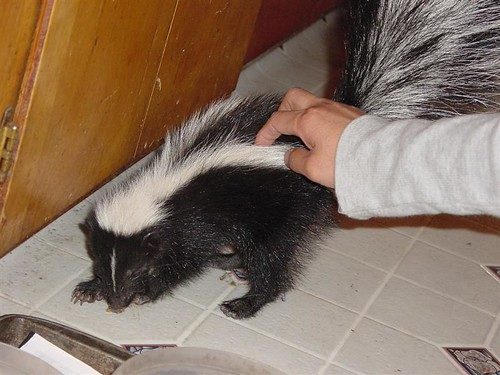
    Raising Tokoa was not very different from caring for a newborn animal. She needed regular attention throughout the day and could not simply be left alone for long periods. Her rescuer had to make sure she stayed healthy, comfortable, and safe while she developed the skills needed to navigate the world around her.

    As Tokoa grew, her confidence increased. She became more active and eager to investigate everything she saw. Every object seemed interesting, and every room offered a new adventure. Her owner soon learned that caring for a skunk meant expecting surprises. What started as a rescue effort gradually turned into a full-time commitment as Tokoa’s personality began to emerge.

    The troublemaker phase

    Baby Skunk” by Out at Bob’s is licensed under CC BY-NC-SA 2.0

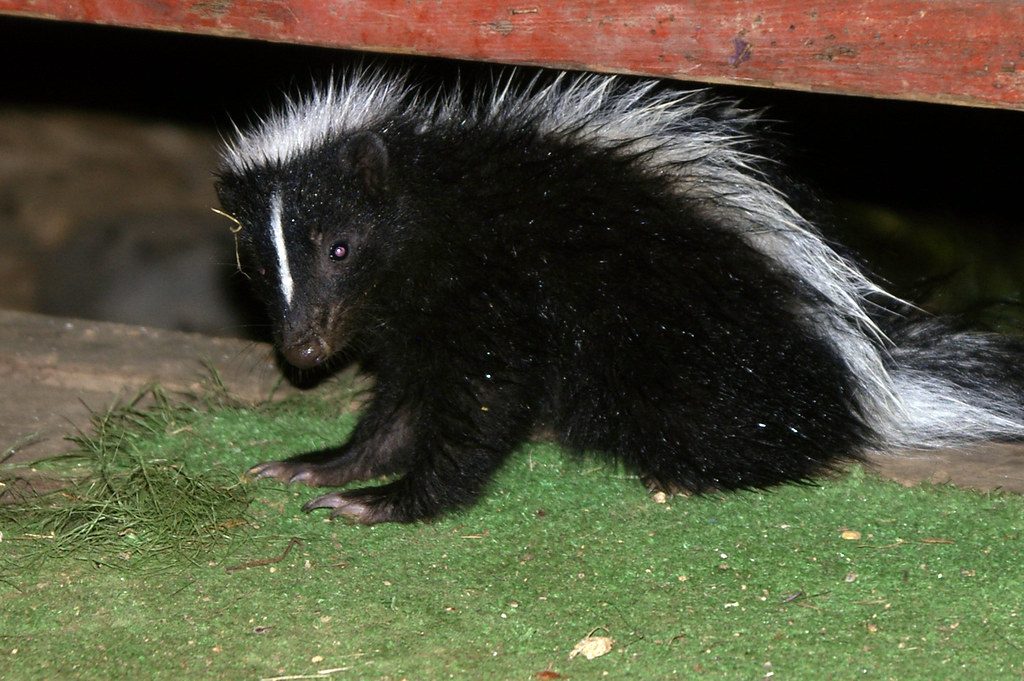
    Like many young animals, Tokoa entered a stage where curiosity often led to mischief. She developed a habit of sneaking into food bags whenever she found an opportunity. If there was a container, shelf, or hidden corner to investigate, she was determined to reach it. Her cleverness frequently surprised her owner.

    Barriers placed around the home rarely stopped her for long. Tokoa enjoyed climbing, exploring, and testing limits. Each day seemed to bring a new challenge as she searched for ways to reach places she was not supposed to go. While her behavior sometimes created extra work for her caretaker, it also highlighted her intelligence and playful spirit. Her antics quickly became a memorable part of daily life.

    An unlikely friendship with a cat

    One cool cat” by Kerri Lee Smith is licensed under CC BY-NC-SA 2.0

    One of the most remarkable parts of Tokoa’s story was her relationship with the family cat. At first, the cat was unsure about the unusual newcomer. It is not every day that a cat finds itself sharing a home with a baby skunk. The two animals approached each other cautiously as they adjusted to living together.

    Over time, however, their relationship began to change. As Tokoa matured, the cat slowly accepted her presence. The pair eventually became close companions who enjoyed spending time together. They played games around the house, rested side by side, and shared spaces comfortably. Their friendship demonstrated that animals from very different backgrounds can sometimes form strong and unexpected bonds.

    Adventures around the house and beyond

    Skunk Encounter” by vladeb is licensed under CC BY-ND 2.0

    As Tokoa grew older, her confidence continued to expand. The house became her playground, and she approached each day with excitement. She explored rooms, followed family members, and looked for new opportunities to satisfy her curiosity. Her playful nature ensured there was rarely a dull moment for the people around her.

    The adventures did not stop indoors. Tokoa and her feline friend eventually spent time together outside as well. Walks became part of their routine, allowing them to explore new sights and smells. These shared experiences strengthened the bond between the two animals while giving Tokoa opportunities to experience the world in a safe and supervised way.

    What Tokoa’s story teaches us

    Pepe the skunk in the grass II” by Tambako the Jaguar is licensed under CC BY-ND 2.0

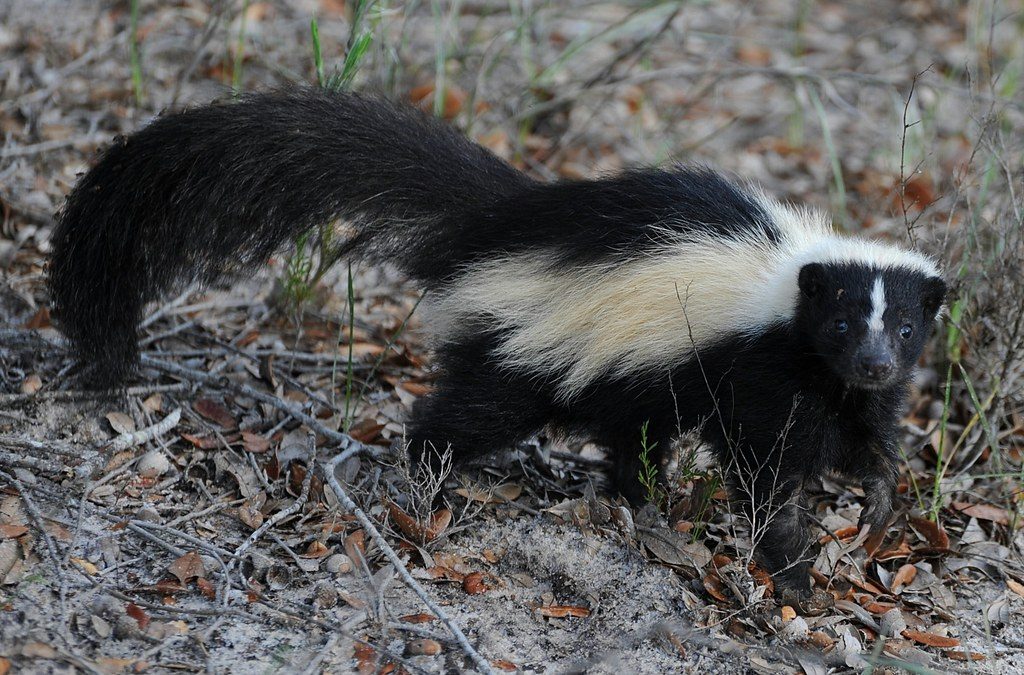
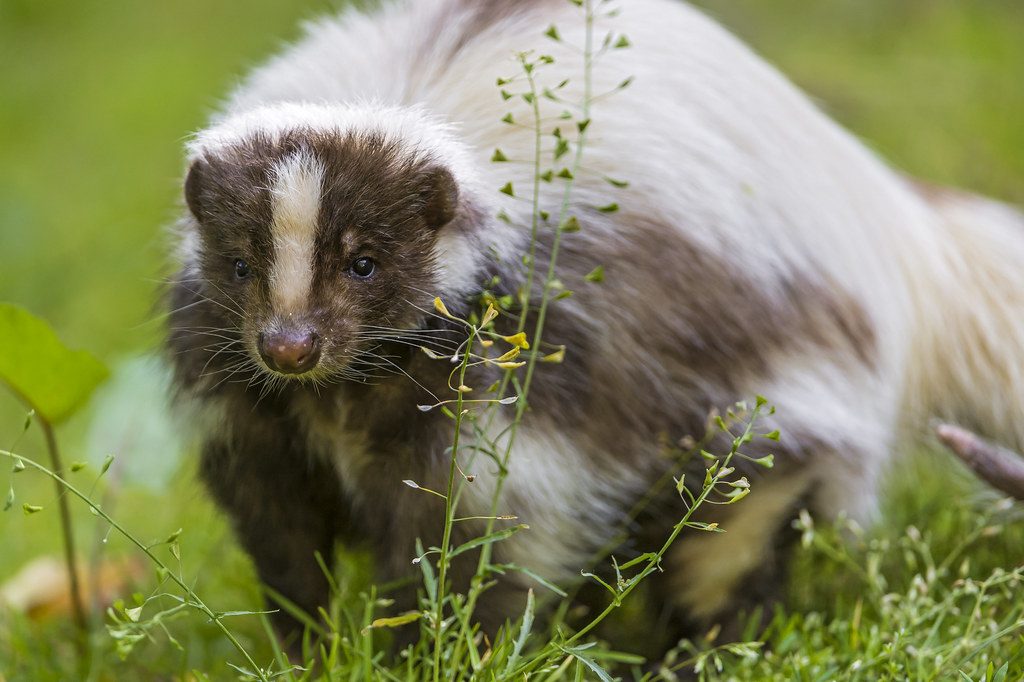
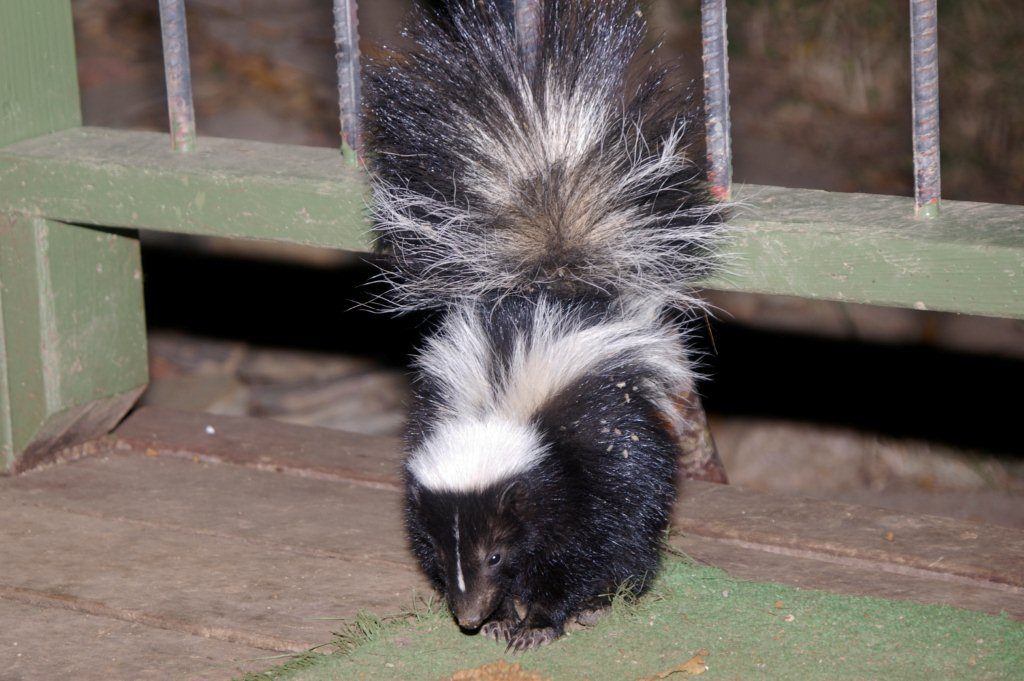
    Tokoa’s journey shows that animals often have personalities that go far beyond common stereotypes. Many people think of skunks only in terms of their defense spray, but Tokoa displayed intelligence, affection, curiosity, and playfulness. Her story helped reveal a side of skunks that many people never have the chance to witness.

    At the same time, her experience highlights the responsibility involved in caring for animals. Rescue situations require dedication, patience, and knowledge. Tokoa thrived because she received consistent care and attention during a critical period of her life. Her transformation from a vulnerable baby into a happy companion demonstrates the positive impact that compassionate animal care can have.

  • The story of a rescued baby fox and an unexpected friendship

    The story of a rescued baby fox and an unexpected friendship

    The story of a rescued baby fox Sunny and unexpected friendship shows how quickly a fragile life can change when help arrives in time. Sunny was found alone, injured, and barely surviving after a dangerous situation left him without his family. In moments like these, every second matters, and one quick decision can decide whether an animal lives or dies. This article follows Sunny’s journey from emergency rescue to recovery and the powerful bonds he formed along the way.

    You will learn how Sunny was discovered, how he survived his critical first days, and how he slowly built trust with the people and animals around him. His story shows how a rescued animal’s life can transform into something full of connection, healing, and surprising friendships that no one expected.

    How Sunny the baby fox was found alone

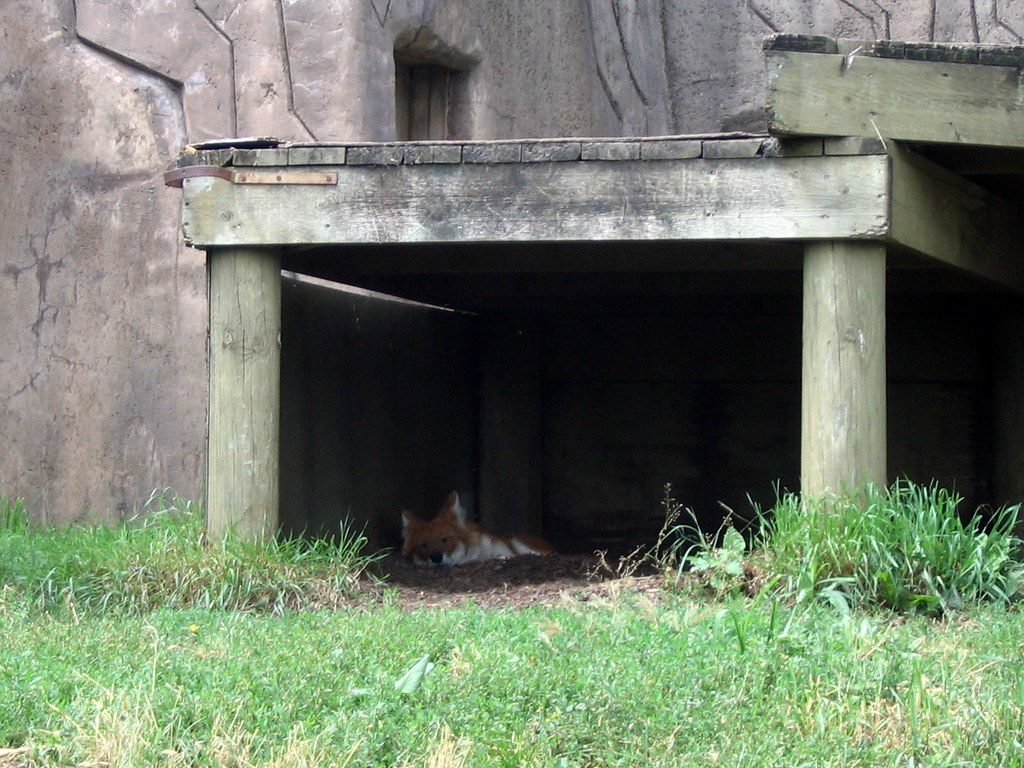
    Fox’s den” by Loozrboy is licensed under CC BY-SA 2.0

    Sunny was discovered by Ksenia near a fox den in a rural area. He was very small, weak, and covered in scratches. It was clear that something serious had happened, and his family was gone. In many real wildlife cases like this, fox kits can become orphaned due to environmental danger, human conflict, or predators, leaving them completely vulnerable.

    When Ksenia found him, he was shaking and unable to move far. He had no protection and no sign of his mother returning. She realized that if he stayed there much longer, he would not survive the night. So she carefully picked him up and rushed him to a veterinarian for emergency care.

    Emergency rescue and critical vet care

    woman wears green face mask
    Photo by Artur Tumasjan on Unsplash

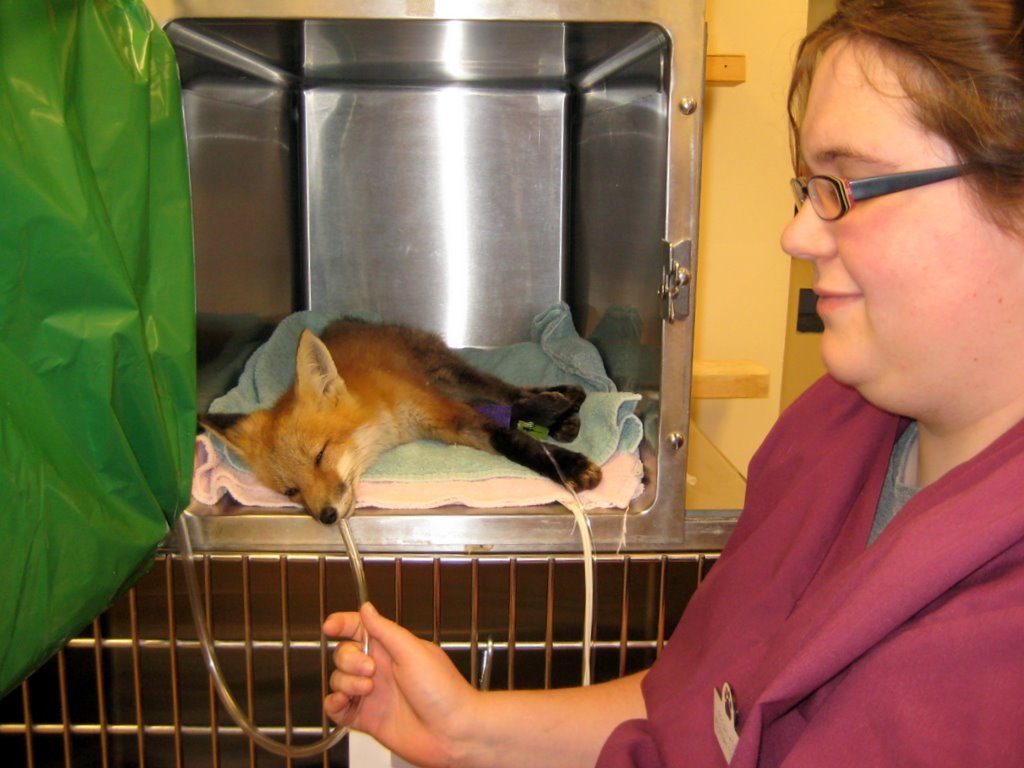
    At the veterinary clinic, Sunny’s condition was extremely serious. He was weak, dehydrated, and injured, and the staff was unsure if he would survive. In wildlife emergencies like this, the first hours are the most important because small animals can decline quickly without fluids, warmth, and treatment.

    Ksenia stayed close, hoping for the best but preparing for the worst. Sunny received urgent care to stabilize his body, including warming support and medical attention for his injuries. Even though his condition was fragile, the team continued treating him step by step, giving him a small but real chance to recover.

    Slow recovery and the start of trust

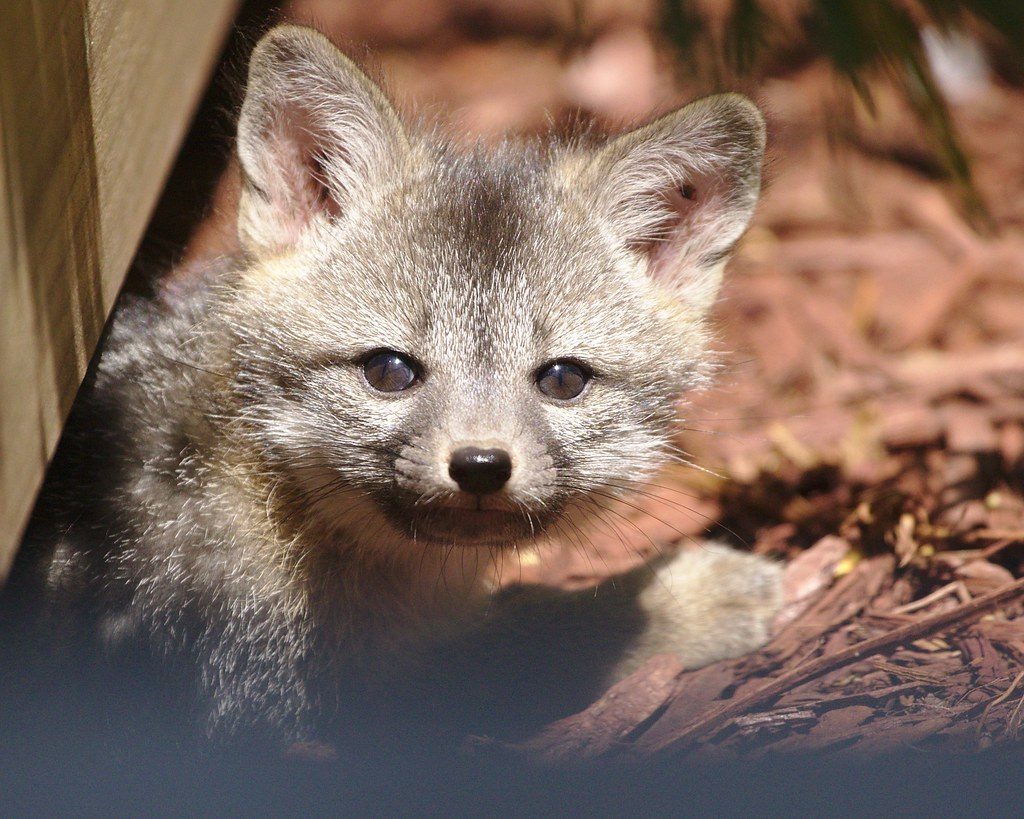
    Baby Fox Headshot” by tehbieber is licensed under CC BY-SA 2.0

    Over the next several days, Sunny began to show small signs of improvement. He started eating again and became more alert. Wildlife recovery often happens slowly, and every small step forward is a major milestone for a young animal that was once near death.

    As his strength returned, Sunny also began to show personality. He explored his surroundings with growing curiosity and even a bit of attitude. He was no longer just surviving. He was beginning to feel safe. Ksenia noticed that instead of fear, Sunny was starting to show playful behavior, which was a strong sign of recovery.

    Sunny’s growing bond with the dog Nick

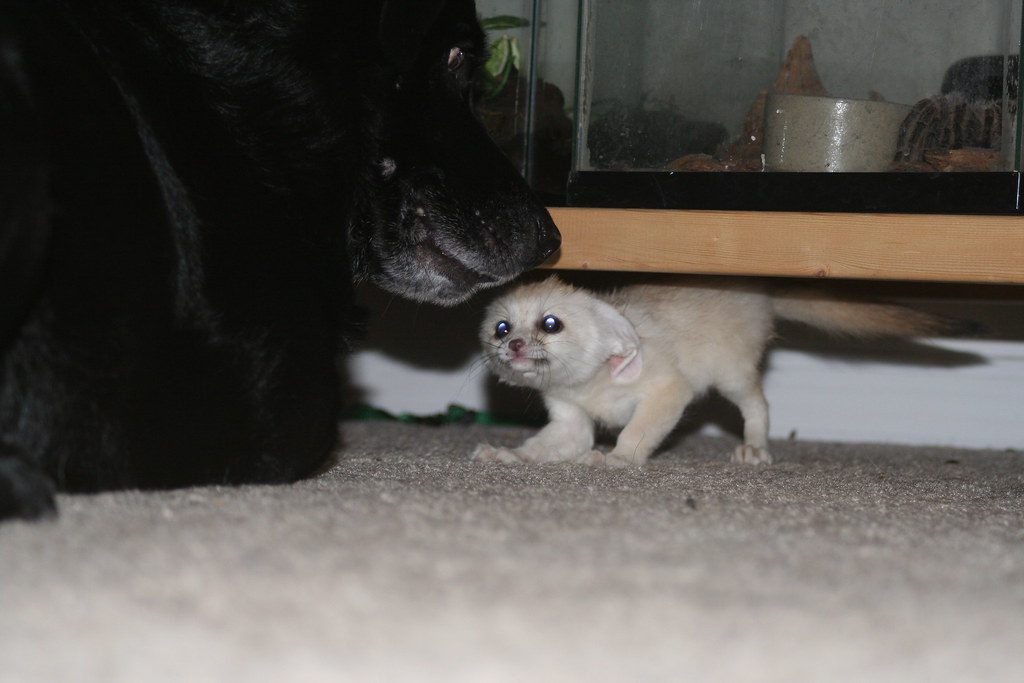
    playing w doggie” by deadstardro is licensed under CC BY-NC-ND 2.0

    One of the most surprising parts of Sunny’s recovery was his friendship with Nick, Ksenia’s dog. At first, they were cautious around each other, but Sunny’s curiosity quickly took over. He began approaching Nick and even initiating play, something that is not common between wild foxes and domestic dogs.

    Nick responded gently, and the two slowly built a strong bond. They would wrestle, chase, and rest side by side for long periods. Their friendship became a key part of Sunny’s emotional recovery, giving him comfort and confidence as he continued healing.

    Winning over the household cats

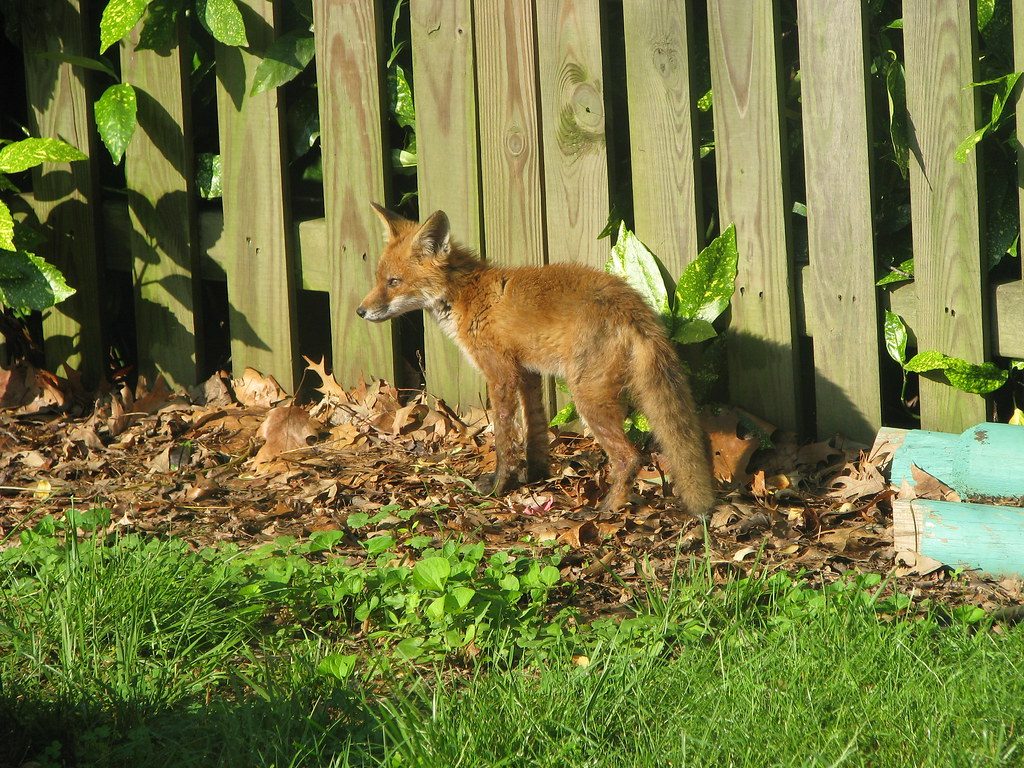
    Baby Fox-2” by chriggy1 is licensed under CC BY-NC-ND 2.0

    Sunny’s energy and curiosity did not stop with the dog. He soon tried to interact with Ksenia’s cats as well. At first, the cats were not impressed. They watched him carefully and kept their distance, unsure of his playful behavior and sudden movements.
    Over time, Sunny’s persistence paid off. He approached them gently, always ready to play or follow them around. Slowly, the cats began to accept him. While their relationship was not as active as with Nick, they grew more comfortable sharing space with him, showing that even cautious animals can adjust over time.

    Life beyond recovery and helping other foxes

    Poor baby fox” by Tiger Girl is licensed under CC BY 2.0

    Sunny’s leg injury never fully healed, which meant he could not be released back into the wild. In wildlife rehabilitation, this is sometimes the case when an animal’s physical condition prevents survival in nature. Instead, Sunny was given a permanent safe home where he could live without danger.

    As he grew older, Sunny became calm and confident. He even showed interest in other rescued foxes that came into care. In some cases, he appeared to act gently around new arrivals, almost as if guiding them through their early adjustment. His presence helped create a calmer environment for other rescues.

  • The simplest way to identify a copperhead versus a chicken snake

    The simplest way to identify a copperhead versus a chicken snake

    Seeing a snake in your yard can be scary, especially if you are not sure what kind it is. Many people confuse a copperhead with a chicken snake because the colors and markings can sometimes look alike from a distance. The problem is that a copperhead is venomous, while a chicken snake is not. Knowing the difference can help you stay safe and avoid harming a harmless snake.

    The simplest way to identify a copperhead versus a chicken snake is by looking at the pattern on its body, the shape of its head, and the overall body build. This guide explains the most reliable differences in simple terms. By the end, you will know what to look for and what mistakes people often make when identifying these snakes.

    Look at the body pattern first

    A snake that is laying on the ground
    Photo by Thomas Gabernig on Unsplash

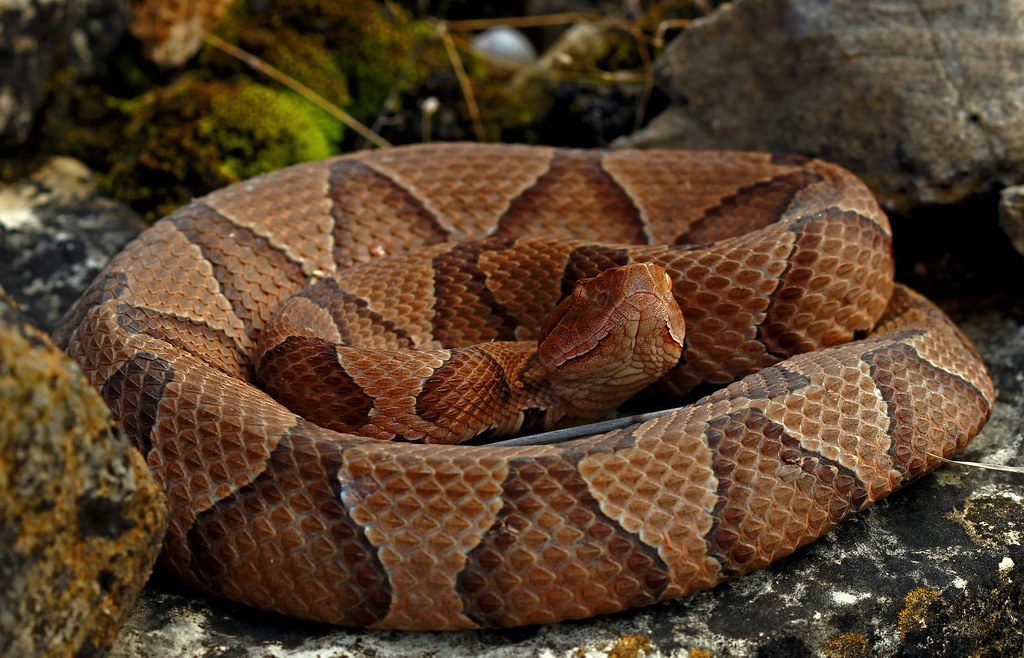
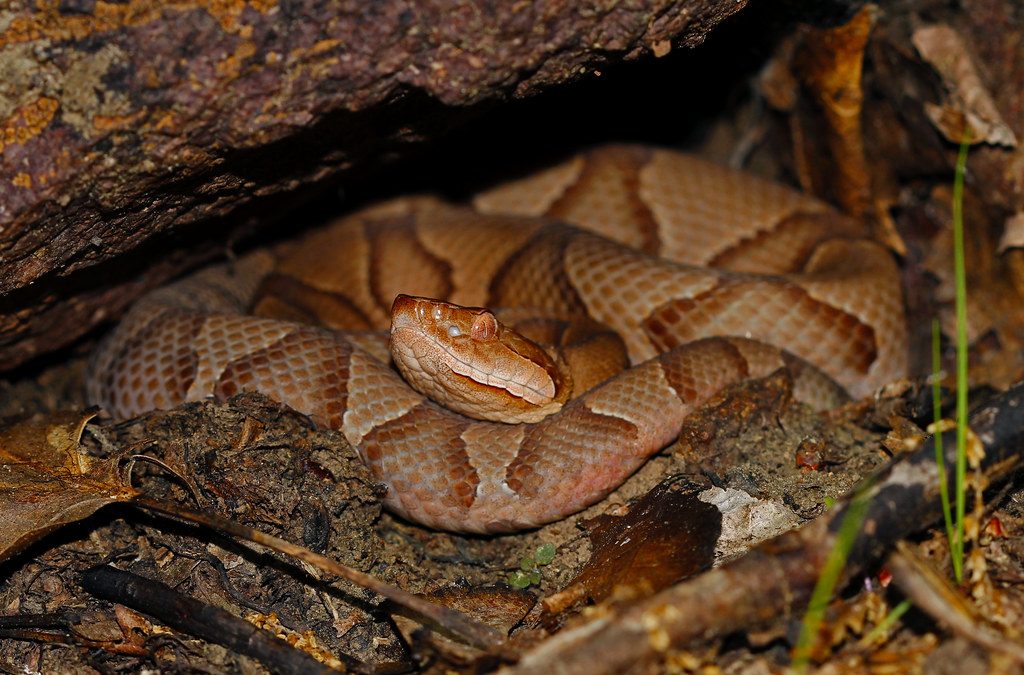
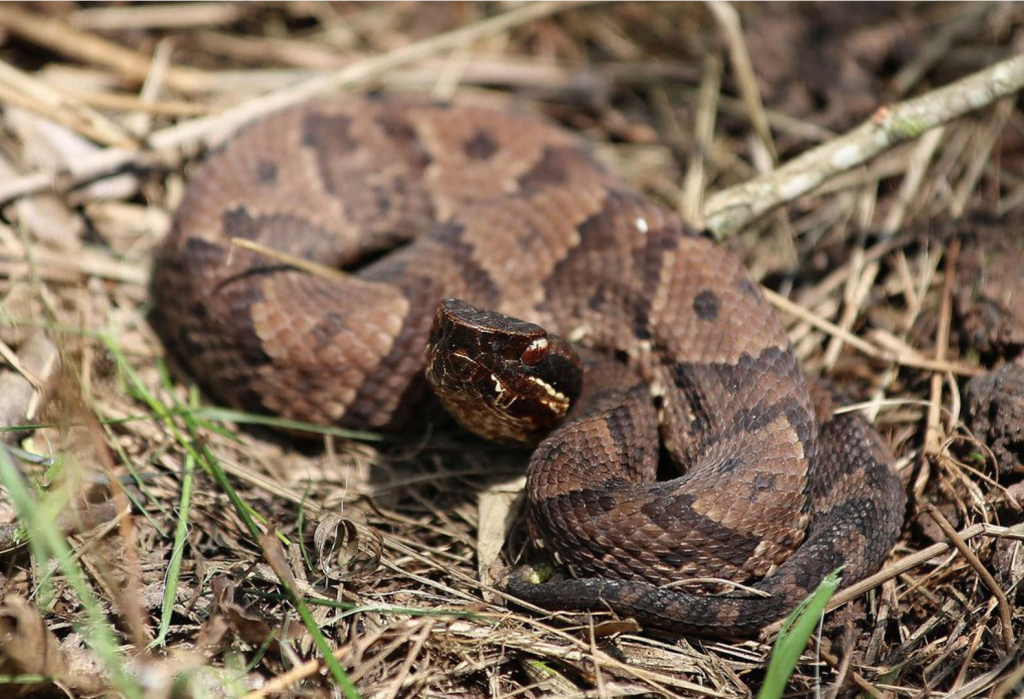
    The body pattern is usually the easiest and most reliable way to tell these snakes apart. A copperhead has dark brown bands that form a clear hourglass shape across its body. The bands are narrow across the top of the back and wider on the sides. Many people compare these markings to upside-down Hershey’s Kisses lined up along the snake’s sides. The pattern stays fairly consistent from head to tail and helps the snake blend into fallen leaves on the forest floor.

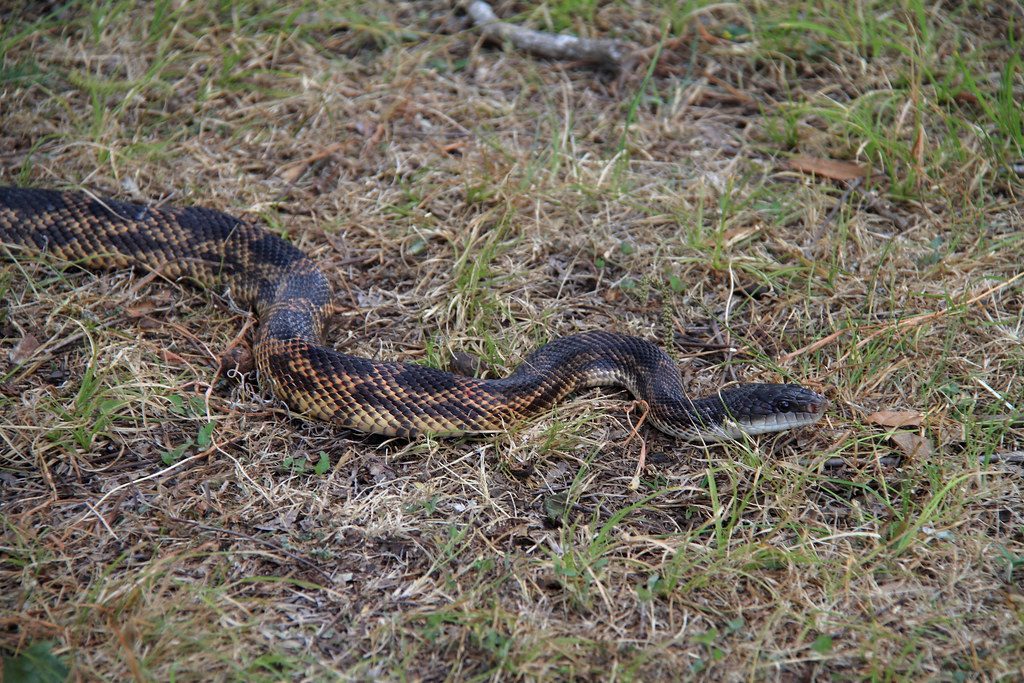
    A chicken snake, which is another name often used for certain rat snakes in parts of the southern United States, usually has blotches instead of hourglass bands. These blotches are larger, more uneven, and do not pinch inward at the top of the snake’s back. Young rat snakes may have brown or gray markings that confuse people, but the pattern lacks the clean hourglass shape seen on a copperhead. This single detail is often the quickest clue when identifying a snake.

    Notice the body shape and build

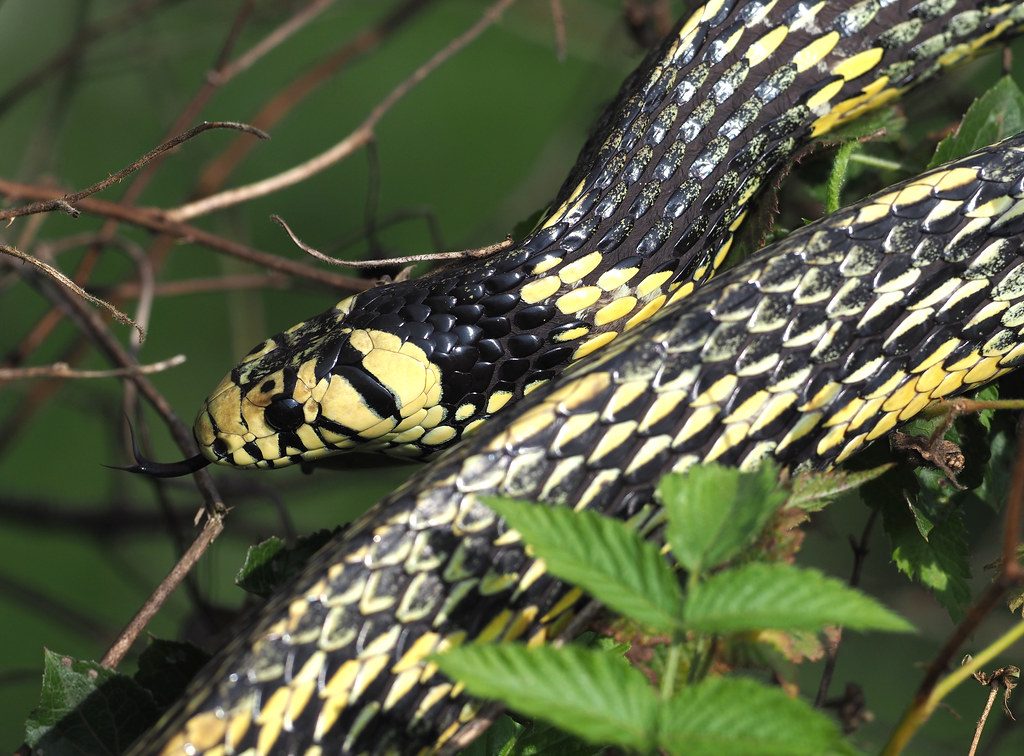
    Chicken Snake (Spilotes pullatus) (Photo by Michel CANDEL)” by Bernard DUPONT is licensed under CC BY-SA 2.0

    Copperheads have a thick and heavy body compared to most chicken snakes. Even when they are not very long, they often look muscular and sturdy. Their bodies appear broad through the middle, giving them a stocky look. This body shape is common among pit vipers and helps separate them from many harmless snakes.

    Chicken snakes are usually much slimmer. Their bodies appear longer and more stretched out, especially when climbing trees or moving across open ground. Rat snakes are excellent climbers and spend time in trees, barns, and other elevated places. Their thinner build makes them look more agile than copperheads. If a snake looks long and slender rather than short and heavy, there is a good chance it is a chicken snake instead of a copperhead.

    Study the head carefully

    Eastern Copperhead (Agkistrodon contortrix)” by 2ndPeter is licensed under CC BY 2.0

    Many people focus only on head shape, but this can sometimes lead to mistakes. Copperheads usually have a broad, triangular head that is noticeably wider than the neck. The shape is created by the venom glands located behind the eyes. This gives the snake a distinct pit viper appearance. Copperheads also have heat-sensing pits between the eyes and nostrils, although these can be difficult to see from a safe distance.

    Chicken snakes generally have a narrower head that blends more smoothly into the neck. However, people should not rely only on head shape because harmless snakes sometimes flatten their heads when frightened. This defensive behavior can make a rat snake appear more triangular than it really is. Experts often warn that pattern and body shape are more dependable clues than head shape alone.

    Watch how the snake behaves

    Eastern Copperhead (Agkistrodon contortrix)” by 2ndPeter is licensed under CC BY 2.0

    Behavior can also provide useful hints. Copperheads often depend on camouflage for protection. Instead of quickly fleeing, they commonly freeze in place when they feel threatened. This behavior helps them blend into leaves, dirt, and forest debris. Many bites happen because people accidentally step near a copperhead that remains perfectly still.
    Chicken snakes usually react differently. They are more likely to move away quickly or climb when disturbed. Rat snakes are known for being active climbers and are often found in trees, fences, barns, and sheds. They hunt rodents, birds, and eggs, which is one reason they earned the nickname “chicken snake.” If a snake quickly climbs away or seems especially comfortable in elevated places, it is more likely to be a chicken snake than a copperhead.

    Check the eyes and special features

    Chicken Snake” by Chris G Earley is licensed under CC BY-NC-SA 2.0

    When viewed safely from a distance, the eyes can sometimes help with identification. Copperheads have vertical slit-shaped pupils similar to a cat’s eyes. This is a common feature among pit vipers. They also have heat-sensing pits between the eyes and nostrils that help them detect warm-blooded prey. These features are important, but should never require getting close to the snake.

    Chicken snakes have round pupils rather than vertical slits. They also lack the heat-sensing pits found on copperheads. Still, experts caution that pupil shape can be hard to see unless you are very close, which is not safe around an unknown snake. Because of this, body pattern remains a much better identification tool than eye shape.
    Common mistakes people make

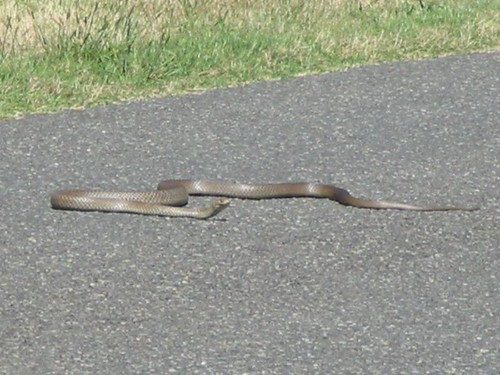
    Eastern Brown Snake” by wollombi is licensed under CC BY 2.0

    One of the biggest mistakes is assuming every brown snake is a copperhead. Many harmless species, including young rat snakes, corn snakes, and water snakes, are regularly mistaken for copperheads. This confusion often leads to harmless snakes being killed even though they pose no danger to people. Experts frequently point out that the distinctive hourglass pattern is the feature people should focus on first.

    Another mistake is relying entirely on head shape. Online discussions and wildlife experts often note that nonvenomous snakes can flatten their heads when threatened, making them appear more dangerous. Some people also misjudge a snake because of a poor viewing angle or low light. When in doubt, it is safest to keep your distance and treat the snake with caution rather than trying to handle it.

  • The first response experts recommend when you spot shed snake skin

    The first response experts recommend when you spot shed snake skin

    Finding shed snake skin can be surprising, especially if it is near your home, garage, backyard, or even inside a room. Many people immediately worry that a dangerous snake is hiding nearby. Experts say the first response is to stay calm and carefully assess the situation instead of panicking. A shed skin is a sign that a snake was present at some point, but it does not automatically mean the animal is still there. Knowing what to do next can help keep you, your family, and your pets safe. This guide explains the expert-recommended response, how to identify warning signs, and what steps can help prevent future snake visits.

    Stay calm and do not touch it right away

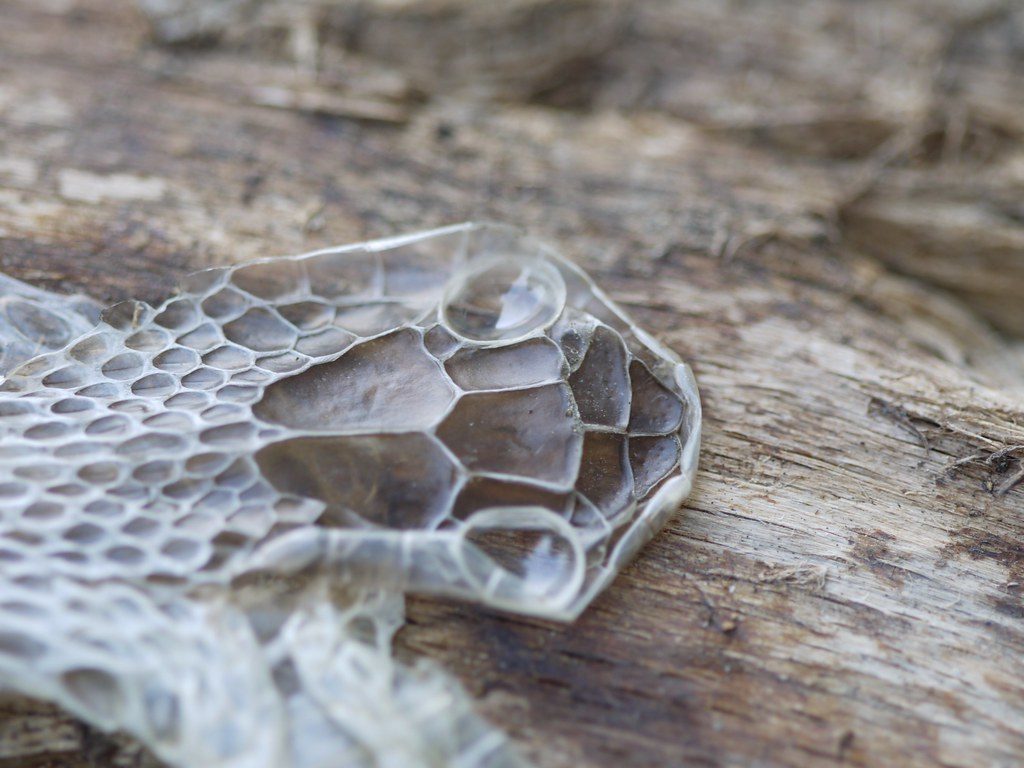
    Snake skin – head” by grongar is licensed under CC BY 2.0

    The first thing experts recommend when you spot shed snake skin is to remain calm. Many people react with fear, but rushing around or searching wildly can make the situation more stressful. A shed skin simply means a snake was there at some point while growing and shedding its outer layer. Snakes naturally shed their skin several times throughout their lives as they grow and replace old skin.

    It is also smart not to grab the skin with your bare hands right away. While the skin itself is not dangerous, experts recommend using gloves when handling it. The skin may contain dirt, bacteria, parasites, or other contaminants from the environment. If you decide to move or inspect it, wear gloves and wash your hands afterward. Taking a calm and careful approach helps you gather information without putting yourself at risk.

    Look closely at where the skin was found

    brown wooden bench under green tree during daytime
    Photo by Robert Katzki on Unsplash

    The location of the shed skin can provide important clues. If it is outside near rocks, wood piles, gardens, sheds, or tall grass, it may simply mean a snake used the area briefly. Many snakes look for quiet, protected places where they can safely shed their skin without being disturbed.

    If the skin is found inside your home, garage, basement, attic, or crawl space, experts recommend paying closer attention. Indoor sheds suggest a snake entered the structure at some point. While the snake may already be gone, it is worth checking nearby areas carefully. Look around dark corners, storage boxes, furniture, and places that stay warm or hidden. The goal is not to hunt for the snake but to understand whether there are signs that one could still be present.

    Try to identify the type of snake

    “Cottonmouth snake” by jillccarlson is licensed under CC BY 2.0

    After securing the shed skin safely, experts often recommend trying to identify the snake if possible. The size, scale patterns, and shape of the shed can offer clues. A longer skin usually means a larger snake, although shed skins often stretch and can appear bigger than the snake itself.

    Identification can be helpful because different regions have different snake species. In many areas, most snakes are harmless and actually help control rodent populations. However, knowing whether venomous species live nearby can help you decide whether additional precautions are needed. If you are unsure, taking clear photographs and showing them to local wildlife experts or animal control officers may help. Never assume a snake is harmless based only on a quick look at the shed skin.

    Check for other signs of snake activity

    Texas Rat Snake” by arsheffield is licensed under CC BY-NC 2.0

    Finding one shed skin does not always mean a snake is currently living nearby. However, experts recommend checking for additional signs that could indicate recent activity. Look for snake droppings, which are often dark and may contain fur, feathers, or bone fragments from prey animals. You may also notice unusual tracks in dusty areas or a musky smell in enclosed spaces.

    Pay attention to changes around your property as well. A sudden drop in mice, rats, frogs, or other small animals can sometimes indicate that a snake is feeding nearby. Pets may also act differently around areas where snakes have been present. Dogs and cats often become unusually alert, focused, or nervous when they detect a hidden animal. Looking for multiple signs gives a clearer picture than relying on the shed skin alone.

    Make your property less attractive to snakes

    a man using a lawn mower to cut grass
    Photo by Michael Kahn on Unsplash

    Once you find shed snake skin, experts often recommend reducing conditions that attract snakes. Snakes usually stay where food, water, and shelter are easy to find. If your yard contains tall grass, piles of wood, stacked rocks, thick bushes, or cluttered storage areas, those spaces can provide excellent hiding spots.

    Reducing rodent populations is also important. Mice and rats attract snakes because they are a major food source. Sealing garbage containers, cleaning up pet food, and removing outdoor clutter can help lower rodent activity. Keeping grass trimmed, removing debris, and maintaining a clean yard can make the area less appealing to snakes. These simple changes often reduce the chances of future encounters.

    Know when to call a professional

    woman talking on the phone
    Photo by Taylor Grote on Unsplash

    Sometimes professional help is the safest choice. If you find multiple shed skins, repeatedly notice signs of snake activity, or suspect a snake is currently inside your home, contacting a wildlife removal expert can be a smart decision. Professionals have the training and equipment needed to inspect areas safely and identify possible entry points.

    Professional help is especially important if venomous snakes are common in your area or if you have small children and pets. Trying to catch or remove a snake yourself can increase the risk of injury. Wildlife experts can determine whether a snake is present and recommend steps to keep your property secure. In many cases, they can also explain what attracted the snake and how to prevent future visits.