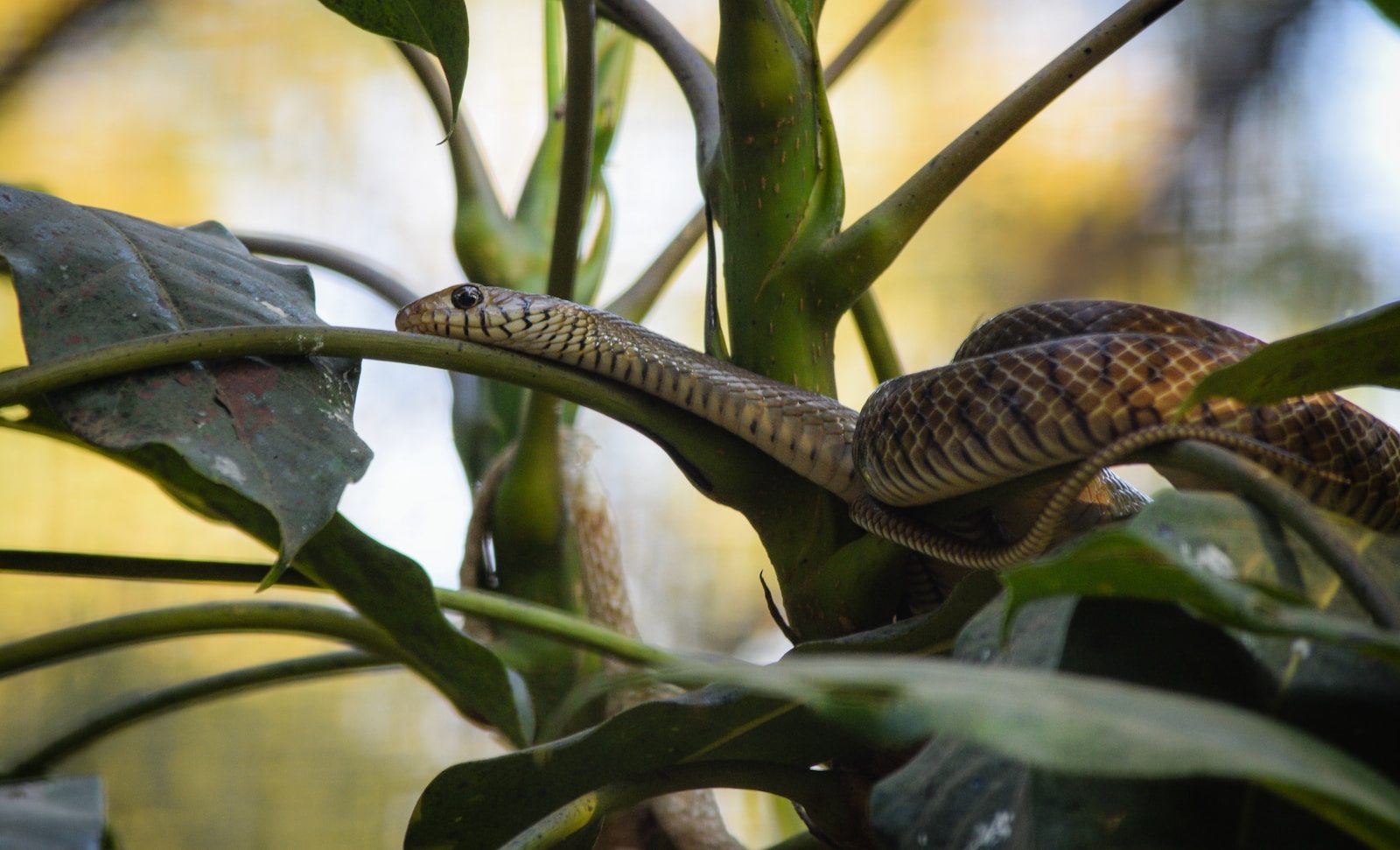
Finding shed snake skin can be surprising, especially if it is near your home, garage, backyard, or even inside a room. Many people immediately worry that a dangerous snake is hiding nearby. Experts say the first response is to stay calm and carefully assess the situation instead of panicking. A shed skin is a sign that a snake was present at some point, but it does not automatically mean the animal is still there. Knowing what to do next can help keep you, your family, and your pets safe. This guide explains the expert-recommended response, how to identify warning signs, and what steps can help prevent future snake visits.
Stay calm and do not touch it right away
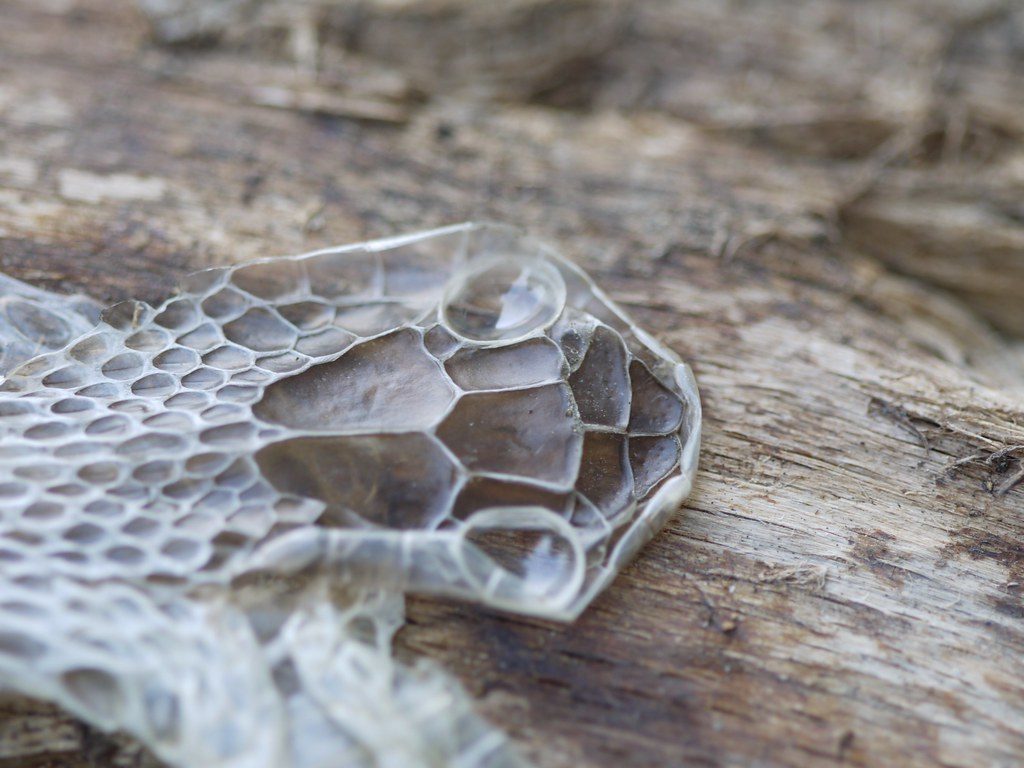
The first thing experts recommend when you spot shed snake skin is to remain calm. Many people react with fear, but rushing around or searching wildly can make the situation more stressful. A shed skin simply means a snake was there at some point while growing and shedding its outer layer. Snakes naturally shed their skin several times throughout their lives as they grow and replace old skin.
It is also smart not to grab the skin with your bare hands right away. While the skin itself is not dangerous, experts recommend using gloves when handling it. The skin may contain dirt, bacteria, parasites, or other contaminants from the environment. If you decide to move or inspect it, wear gloves and wash your hands afterward. Taking a calm and careful approach helps you gather information without putting yourself at risk.
Look closely at where the skin was found

The location of the shed skin can provide important clues. If it is outside near rocks, wood piles, gardens, sheds, or tall grass, it may simply mean a snake used the area briefly. Many snakes look for quiet, protected places where they can safely shed their skin without being disturbed.
If the skin is found inside your home, garage, basement, attic, or crawl space, experts recommend paying closer attention. Indoor sheds suggest a snake entered the structure at some point. While the snake may already be gone, it is worth checking nearby areas carefully. Look around dark corners, storage boxes, furniture, and places that stay warm or hidden. The goal is not to hunt for the snake but to understand whether there are signs that one could still be present.
Try to identify the type of snake
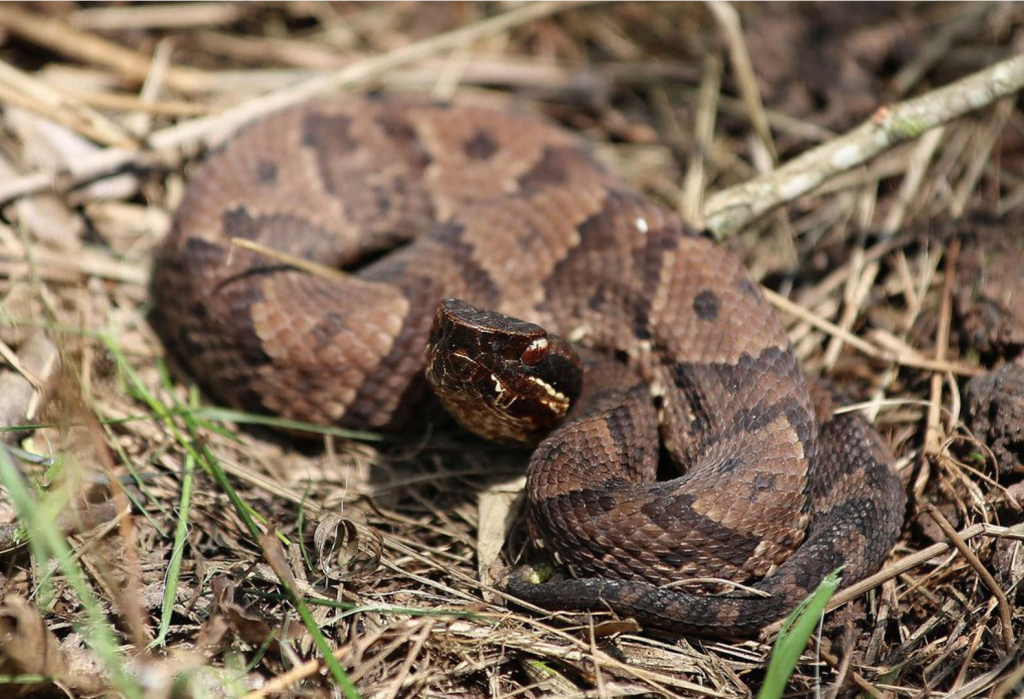
After securing the shed skin safely, experts often recommend trying to identify the snake if possible. The size, scale patterns, and shape of the shed can offer clues. A longer skin usually means a larger snake, although shed skins often stretch and can appear bigger than the snake itself.
Identification can be helpful because different regions have different snake species. In many areas, most snakes are harmless and actually help control rodent populations. However, knowing whether venomous species live nearby can help you decide whether additional precautions are needed. If you are unsure, taking clear photographs and showing them to local wildlife experts or animal control officers may help. Never assume a snake is harmless based only on a quick look at the shed skin.
Check for other signs of snake activity
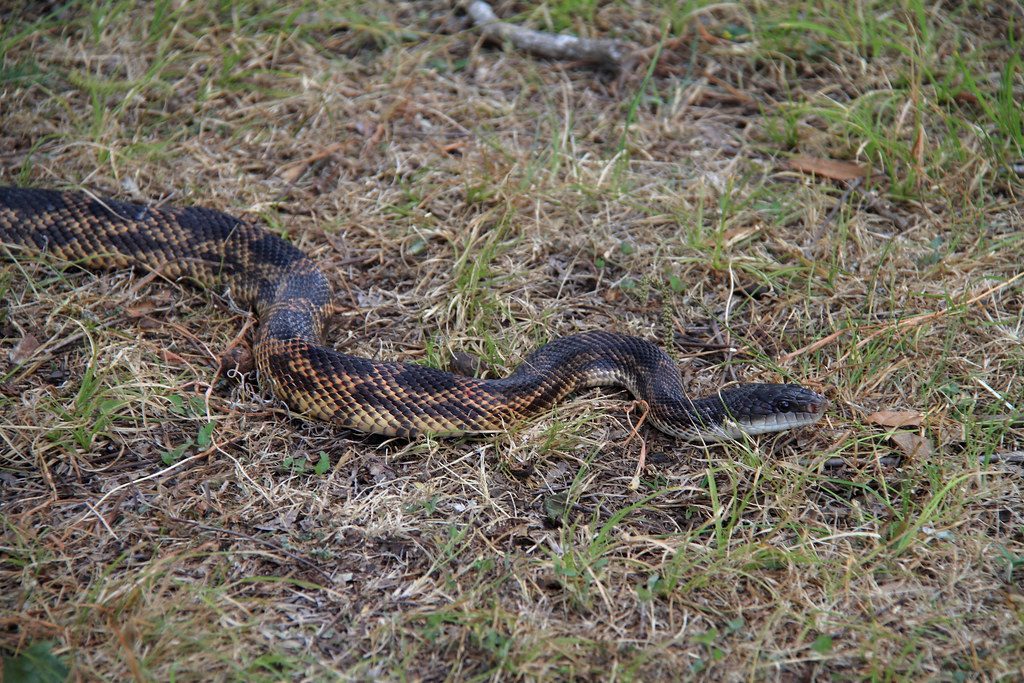
Finding one shed skin does not always mean a snake is currently living nearby. However, experts recommend checking for additional signs that could indicate recent activity. Look for snake droppings, which are often dark and may contain fur, feathers, or bone fragments from prey animals. You may also notice unusual tracks in dusty areas or a musky smell in enclosed spaces.
Pay attention to changes around your property as well. A sudden drop in mice, rats, frogs, or other small animals can sometimes indicate that a snake is feeding nearby. Pets may also act differently around areas where snakes have been present. Dogs and cats often become unusually alert, focused, or nervous when they detect a hidden animal. Looking for multiple signs gives a clearer picture than relying on the shed skin alone.
Make your property less attractive to snakes
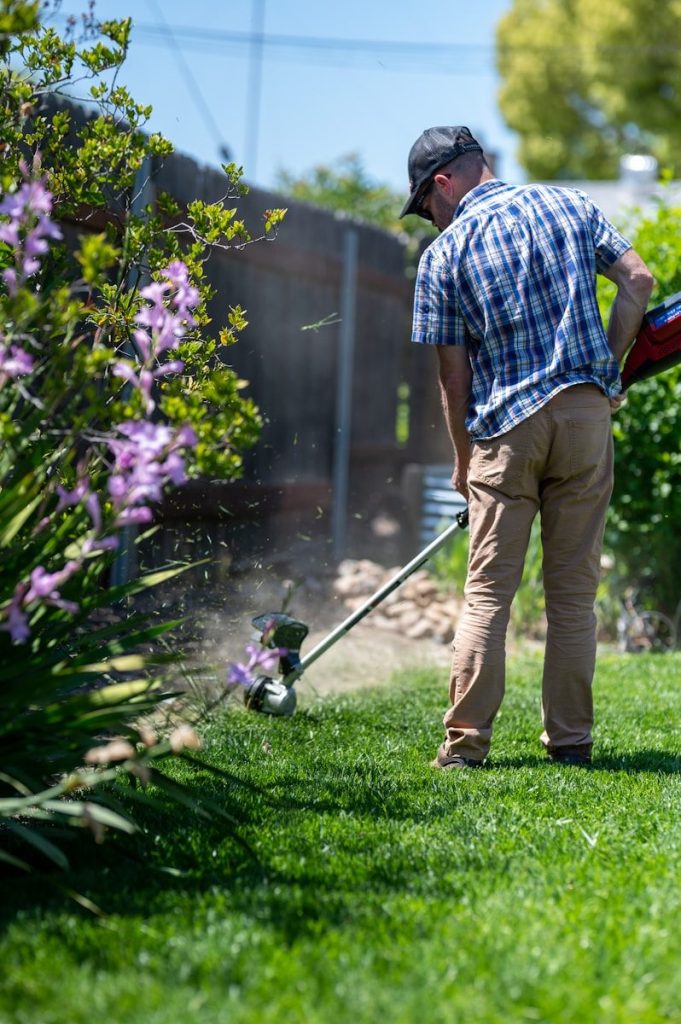
Once you find shed snake skin, experts often recommend reducing conditions that attract snakes. Snakes usually stay where food, water, and shelter are easy to find. If your yard contains tall grass, piles of wood, stacked rocks, thick bushes, or cluttered storage areas, those spaces can provide excellent hiding spots.
Reducing rodent populations is also important. Mice and rats attract snakes because they are a major food source. Sealing garbage containers, cleaning up pet food, and removing outdoor clutter can help lower rodent activity. Keeping grass trimmed, removing debris, and maintaining a clean yard can make the area less appealing to snakes. These simple changes often reduce the chances of future encounters.
Know when to call a professional

Sometimes professional help is the safest choice. If you find multiple shed skins, repeatedly notice signs of snake activity, or suspect a snake is currently inside your home, contacting a wildlife removal expert can be a smart decision. Professionals have the training and equipment needed to inspect areas safely and identify possible entry points.
Professional help is especially important if venomous snakes are common in your area or if you have small children and pets. Trying to catch or remove a snake yourself can increase the risk of injury. Wildlife experts can determine whether a snake is present and recommend steps to keep your property secure. In many cases, they can also explain what attracted the snake and how to prevent future visits.
Leave a Reply