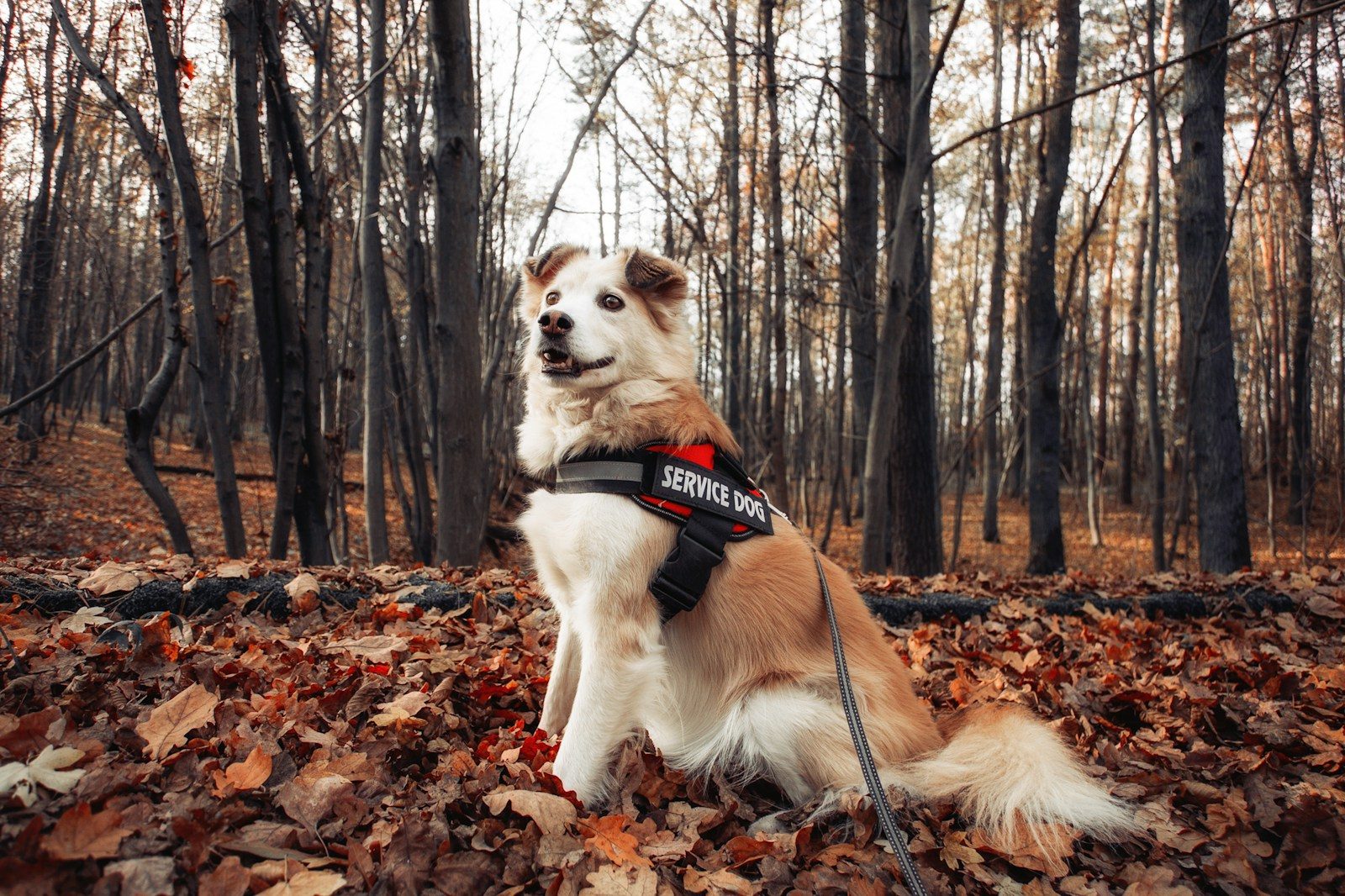
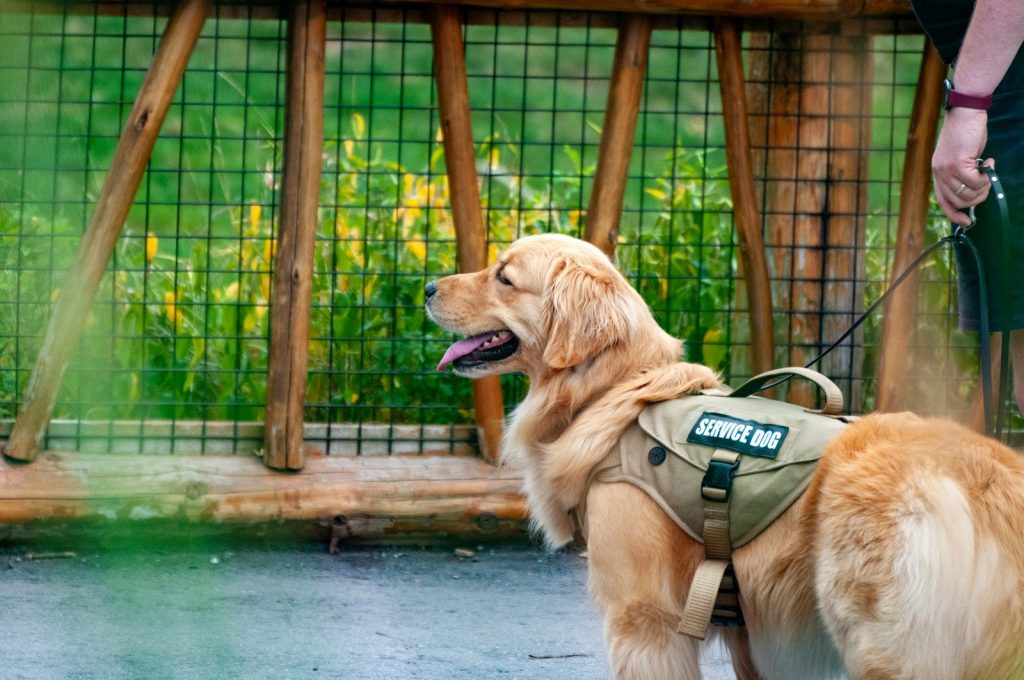
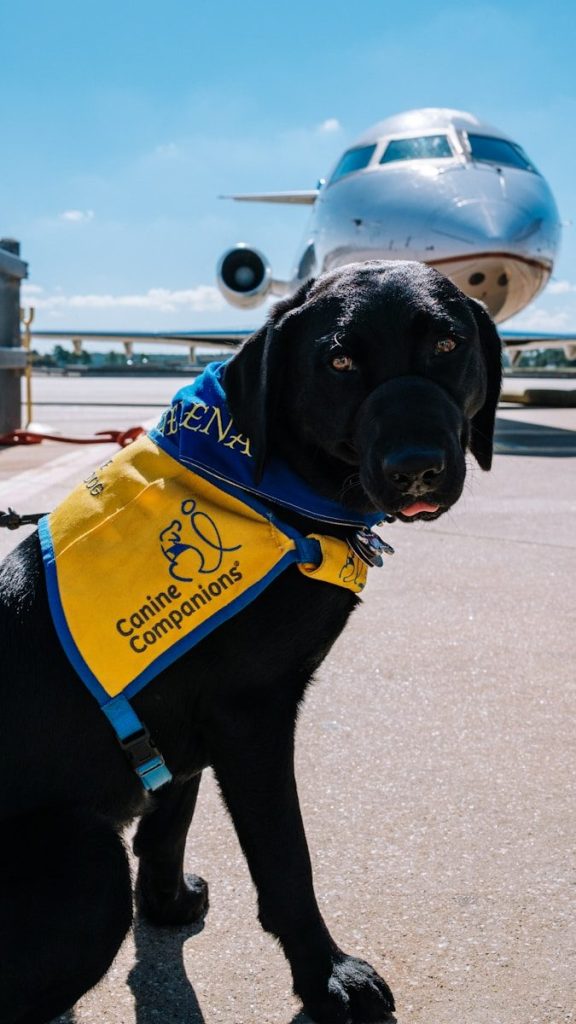
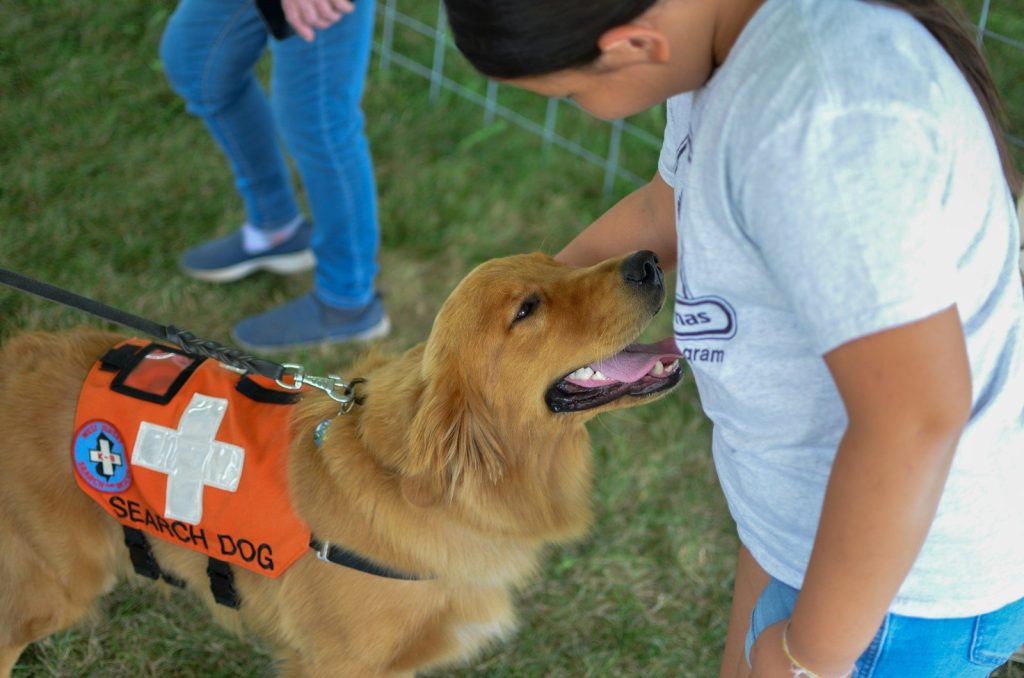
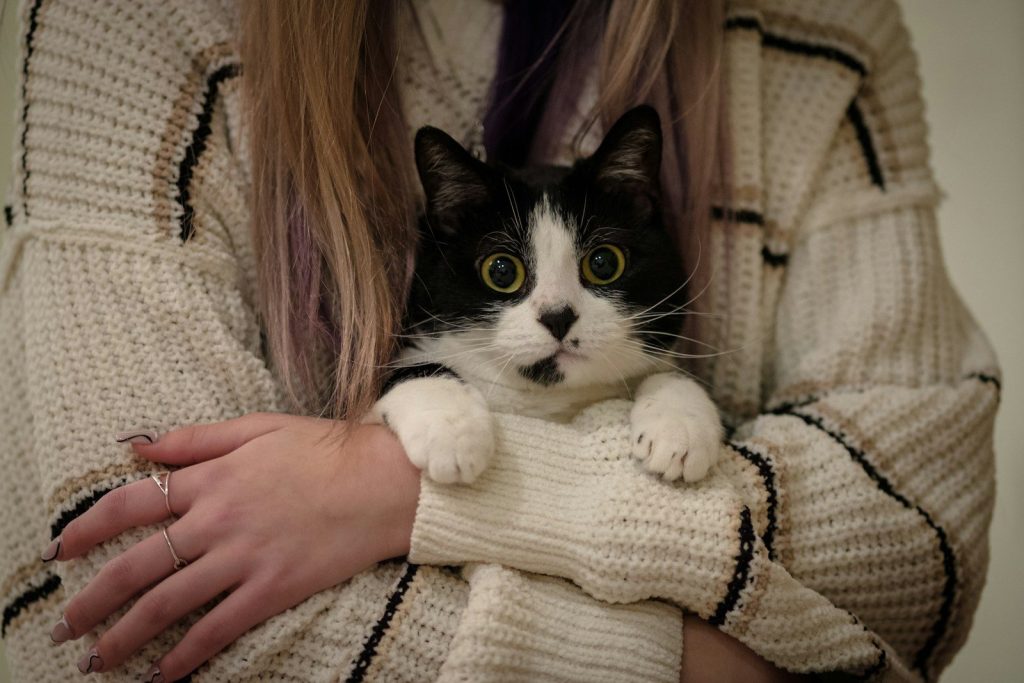
The service dog alerts to a heart condition on the flight, and the story shows how an ordinary airplane trip turned into something unexpected and meaningful. A woman was on a routine flight when a medical alert dog beside her began acting strangely. The dog kept pawing and whining at her, which felt confusing and uncomfortable at the time.
She did not understand what it meant during the flight, but months later, the reason became clear. This article explains what happened, how the service dog reacted, and what was later discovered about the woman’s health. It also looks at what science says about medical alert dogs and how they may detect health issues early.
Katie, known online as Uniquekatie02 on X, shared her experience of sitting next to a passenger with a medical alert dog. During the flight, the dog began acting strangely toward her. It kept focusing on Katie, pawing and whining instead of staying calm.
At first, Katie did not think much of it and assumed the dog was just restless. However, the behavior persisted throughout the flight and became increasingly difficult to ignore. The dog’s owner also noticed this and started paying closer attention to what was happening.
The dog’s owner eventually spoke up after noticing the repeated behavior. She explained that her service dog often reacts this way when it senses a possible health issue in someone nearby.
She then told Katie that the dog might be picking up on a heart-related problem. She gently suggested that Katie get checked by a doctor, even though the idea felt unexpected at the moment.
The medical alert dog continued to show unusual behavior throughout the flight. It kept pawing at Katie, whining, and staying focused on her without calming down.
These actions stood out from normal pet behavior and made the situation more noticeable to those nearby. Katie did not take it seriously at first and assumed it was not important.
Months after the flight, Katie mentioned the incident during a routine doctor visit. She explained how the dog behaved and what the owner had suggested.
After reviewing her condition, she learned she has a mildly irregular heartbeat. This diagnosis made the earlier flight experience feel much more meaningful and connected to a real health issue.
Research shows that service dogs can be trained to detect a range of medical conditions. A study found that they can detect around 33 different health issues and respond to changes in the human body.
They may use behaviors like pawing, staring, or nudging to signal a problem. Scientists believe dogs can sense subtle changes in scent or body chemistry before symptoms become noticeable.
Experts explain that dogs have extremely strong senses compared to humans. They can detect small changes in smell, behavior, or body chemistry that people cannot notice.
Because of this ability, they may react before a person even knows something is wrong. In Katie’s case, the dog’s behavior may have been an early warning of her heart condition.
Many people admire famous stars, but not everyone realizes how some of them use their fame to help animals. The topic of celebrities who have adopted animals shows how public figures can make a real difference by choosing rescue animals rather than buying them. These actions help animals find safe homes and also encourage others to adopt.
In this article, you will read real stories of celebrities who adopted animals and changed their lives. From dogs and cats to even a pig, each example shows care, kindness, and responsibility. You will also see how adoption can save lives while also bringing happiness and comfort to the people who open their homes.
Sandra Bullock built a strong connection with rescue animals through adoption over the years. In 2019, she welcomed a 2-year-old rescue poodle into her family, showing her continued care for animals in need. She was also deeply attached to her earlier rescue dogs, Poppy and Ruby, who were an important part of her life before they passed away.
Ruby was especially memorable because she had only two back legs but could still walk upright. Sandra often shared loving and humorous thoughts about Ruby, showing that animals with disabilities can still live full lives. Her care for Ruby proved that every animal deserves love, attention, and a chance at happiness.
Selena Gomez has long been known for her strong support of animal adoption. During the pandemic in 2020, she introduced her rescue puppy, Daisy, who joined her other dog, Winnie. Over time, she has adopted several shelter dogs and created a home full of rescued animals.
She has often spoken about how many animals are waiting for homes and need care. At one point, she even had five rescue dogs living with her at the same time. This shows her long-term commitment to helping animals, rather than treating adoption as something small or temporary.
Whoopi Goldberg and a life-changing adoption moment
Whoopi Goldberg’s adoption story began during a powerful moment on television. In 2011, she met a rescue kitten named Verrazano on “The View.” The moment she saw him, she decided to adopt him immediately.
The kitten had survived a very painful experience before being rescued. He had been thrown from a moving car, which made his story even more emotional. After adopting him, Whoopi shared her happiness and gave him a nickname, showing how quickly a strong bond formed.
Ariana Grande has adopted many animals and is known for supporting rescue pets. She has taken in 10 rescue dogs over the years, along with an emotional support pig named Piggy Smalls. Her home shows her love for animals of many kinds.
She has also supported adoption work beyond her own pets. She helped cover adoption fees for rescue dogs through organizations, making it easier for animals to find homes. This shows that she not only adopts but also helps others adopt.
Chris Evans’ journey into adoption began during a film shoot. While working on “Gifted,” he visited a dog pound and met dogs available for adoption. That is where he met Dodger, who later became his closest companion.
At first, he did not plan to adopt a dog. But after meeting Dodger, he could not leave him behind. The connection was instant, and he brought Dodger home. He later shared their first meeting online, showing how emotional the moment was.
Ryan Reynolds’ adoption story began in a simple and unexpected way. While helping a friend at an animal shelter, he met a dog named Baxter. Instead of just looking around, he decided to adopt Baxter right away.
This quick decision shows how powerful shelter visits can be. Ryan did not plan to adopt, but the bond he felt was strong. From that moment, Baxter became part of his family and daily life.
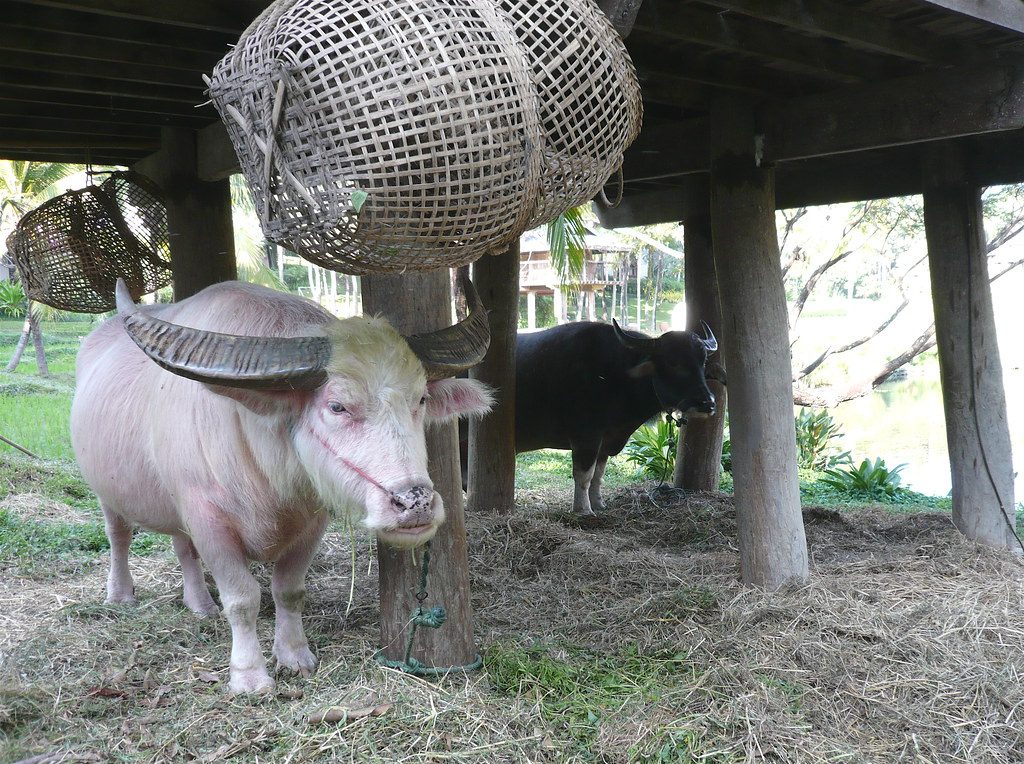
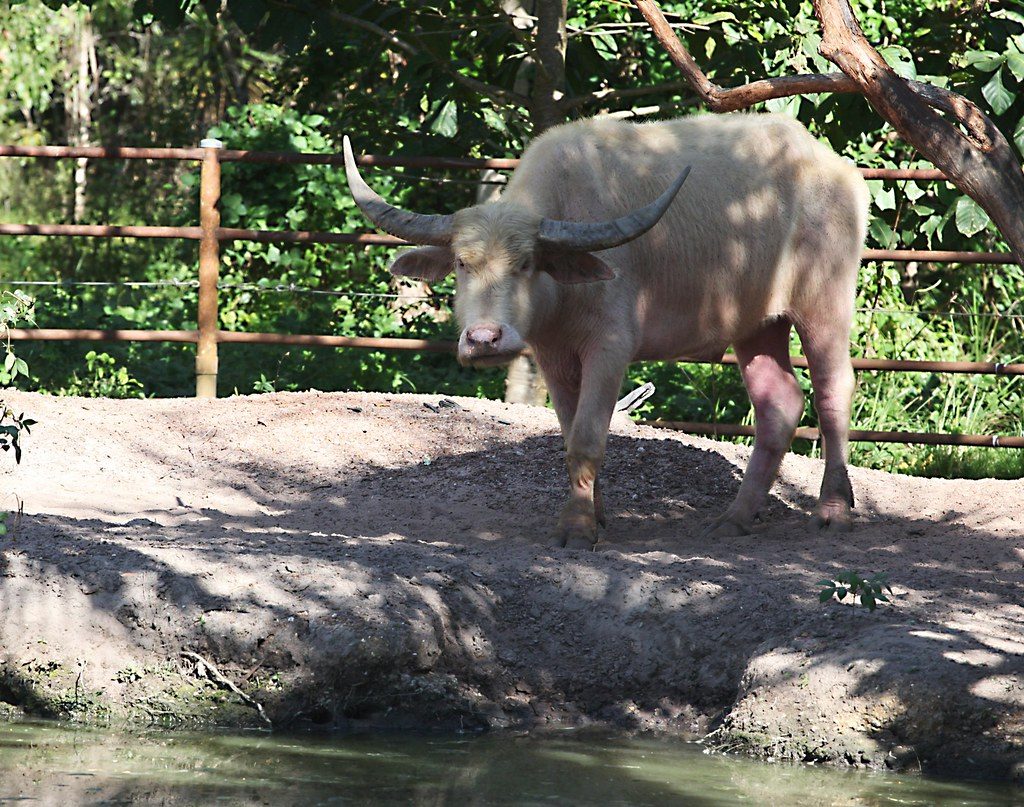
A rare albino buffalo in Bangladesh became the center of attention just days before Eid al-Adha. The unusual animal, nicknamed “Donald Trump” because of its blond tuft of hair, was already sold for sacrifice when the government stepped in at the last moment. Videos of the buffalo spread quickly online, and huge crowds traveled to see it in person.
The growing public interest raised security concerns, leading officials to stop the sacrifice and move the buffalo to a zoo in Dhaka. This story shows how one rare animal captured national attention and how a sudden decision changed its fate during one of the year’s busiest livestock seasons.
The albino buffalo first gained attention for its unusual appearance. In Bangladesh, most cattle are dark, so the blond fringe on the buffalo made it stand out immediately. People visiting the farm were surprised by its appearance and calm behavior, which quickly made it popular online.
Videos and photos of the animal spread across social media within days. Crowds soon began gathering at the farm to see the buffalo for themselves. Some visitors even traveled long distances just to take pictures and watch the rare animal up close during the busy Eid livestock season.
The buffalo received the nickname “Donald Trump” because of its blond tuft of hair. Farm owner Ziauddin Mridha explained that his younger brother noticed the similarity and gave the animal the name. The unusual nickname quickly caught people’s attention online, making the buffalo even more famous.
As the videos spread, many people became curious about the animal. The combination of blond hair and the rare albino coloring made the buffalo stand out from the others being sold during Eid. The nickname helped turn a normal livestock sale into a nationwide talking point.
The nearly 700-kilogram buffalo had already been sold for ritual sacrifice before officials intervened. According to a Home Ministry official, the government decided to stop the slaughter because of growing security concerns linked to the large public crowds gathering around the farm.
Home Minister Salahuddin Ahmed ordered that the buffalo be spared and relocated to the national zoo in Dhaka. Officials also arranged for the buyer to receive a refund. The decision came at the last moment, just before Eid al-Adha celebrations were set to begin.
The buffalo’s sudden popularity brought large numbers of visitors to the farm. Many people wanted to see the rare albino animal in person after watching videos online. The crowds continued growing as news spread across the country.
Farm owner Ziauddin Mridha said the buffalo was gentle and needed careful upkeep. He explained that the animal required frequent feeding and regular baths. Visitors were not only interested in its appearance but also in its calm nature, which added to its popularity.
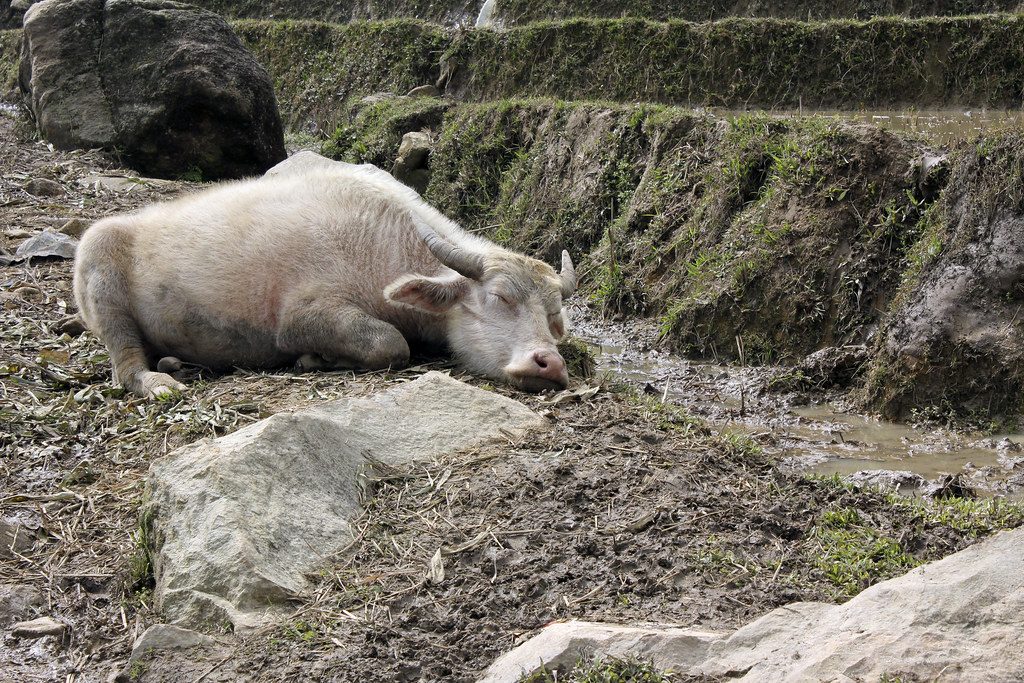
Albino buffaloes are very rare in Bangladesh. Most cattle in the country are dark in color, which made this buffalo especially noticeable during the Eid livestock season. Its pale appearance immediately separated it from other animals at the farm.
The buffalo’s rare coloring and famous nickname likely helped save its life. What started as a regular Eid animal sale became a national story because so many people became emotionally attached to the buffalo after seeing it online and in person.
While the buffalo story captured attention in Bangladesh, many families in Mali faced serious problems ahead of Eid al-Adha. A blockade by armed groups linked to al-Qaeda caused sheep prices to rise sharply, making it difficult for many people to afford animals for sacrifice.
The blockade affected Bamako, the capital city of Mali, where fighters attacked trucks carrying goods and fuel into the area. Analysts said the blockade was meant to weaken the economy and damage confidence in the military government. As prices rose, many families struggled to uphold the important Eid tradition of sharing meat with the poor.
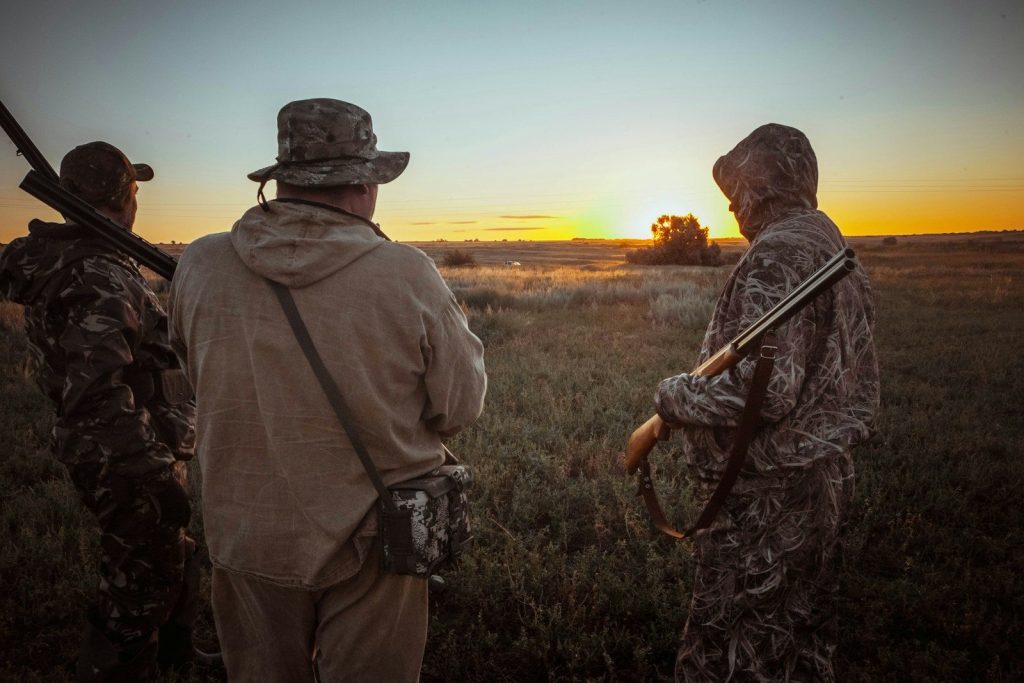
Millions of Americans enjoy hunting and fishing every year, but many people say access to public land can be difficult. Now, the U.S. Fish and Wildlife Service has announced a major proposal that could change that. The plan would expand hunting and sport-fishing opportunities across many national wildlife refuges and fish hatcheries nationwide.
The proposal could open or expand more than 1,450 hunting and fishing opportunities across 111 stations in 32 states. Readers will learn what the plan includes, why officials support it, why some groups are concerned, and what may happen next if the rule moves forward.
The Interior Department said this proposal would be the largest expansion of hunting and sport fishing opportunities in the history of the U.S. Fish and Wildlife Service. Officials explained that the plan would affect national wildlife refuges and fish hatcheries across many states. The proposal would increase outdoor access for people who enjoy hunting and fishing on public lands.
According to the Fish and Wildlife Service, more than 92 million acres of refuge lands could become available for hunting if the proposal is approved. That would mean about 95 percent of National Wildlife Refuge System lands could allow hunting access. Officials believe this would give Americans more opportunities to enjoy outdoor recreation activities on federal lands.
The Fish and Wildlife Service said the proposal supports the Trump administration’s goal of expanding public land access. Officials also said the plan would reduce what they described as unnecessary rules and barriers for hunters and anglers. Earlier this year, Secretary’s Order 3447 directed agencies to review and remove restrictions related to hunting and fishing on Interior Department lands.
Many hunting and fishing supporters welcomed the proposal because they believe it gives Americans greater access to outdoor recreation. Government officials also pointed to the economic impact of these activities. The most recent National Survey of Fishing, Hunting, and Wildlife-Associated Recreation showed that nearly 40 million Americans fish and 14.4 million hunt, contributing about $144 billion to the national economy each year.
The proposed rule would increase access at 111 field stations around the country. These stations include 107 national wildlife refuges and four national fish hatcheries. Officials also said some locations would offer hunting or sport fishing for the very first time if the proposal becomes final.
The Fish and Wildlife Service explained that the plan includes more than 1,450 additional opportunities. The agency defines an opportunity as the ability to hunt or fish a certain species at a specific location. Some areas may expand access to upland game, migratory bird, and big game hunting, as well as sport fishing, on additional acres of land and water.
U.S. Fish and Wildlife Service Director Brian Nesvik said the agency wants to increase access while still protecting wildlife and natural resources. He explained that the agency remains committed to responsible management practices that support future generations. Officials say the goal is to balance recreation with conservation efforts.
The National Wildlife Refuge System was created to protect fish, wildlife, and plant resources. It is considered the world’s largest network of lands and waters focused on conservation. The system includes 573 national wildlife refuges and 38 wetland management districts and attracts more than 71 million visitors each year for outdoor activities and wildlife experiences.
While hunting groups have largely supported the proposal, some conservation organizations have raised concerns about potential effects. These groups worry about wildlife management challenges and visitor safety in certain areas. They believe expanding access too quickly could create problems for protected habitats and species.
The proposal would also update station-specific regulations to match current conditions and management practices. Officials say these updates are meant to improve how the lands are managed. Even so, conservation groups continue to watch the proposal closely as discussions continue during the public review period.
Secretary of the Interior Doug Burgum said America’s public lands belong to the people and should be easier to access. He said the administration wants to reduce duplicate restrictions and make land management more practical and consistent. Supporters believe the proposal could make outdoor recreation more available for hunters and anglers across the country.
The Fish and Wildlife Service said the public comment period will last for 30 days after the proposal is published in the Federal Register. During this time, people can share opinions and concerns about the proposed changes. After reviewing the comments, officials will decide whether to move forward with the expansion plan.
What makes a town perfect for hunters and anglers? For many outdoor lovers, the answer is simple. It comes down to great hunting, strong fishing, and easy access to wild places. Across America, some towns stand out because they give sportsmen the chance to enjoy the outdoors almost every day of the year.
These best towns for sportsmen offer everything from trophy whitetail deer and elk hunting to trout streams, bass lakes, and waterfowl marshes. Some towns sit near large forests, while others are near rivers, mountains, or coastal wetlands. This guide explores six amazing places where outdoor life is part of everyday living and where hunting and fishing opportunities never seem to end.
Appleton, Wisconsin, has a long outdoor history that goes back more than 170 years. Early trappers and fur traders followed the Fox River, looking for valuable beaver pelts, and settled in the area. Today, the town is best known for giant whitetail deer. Wisconsin has become one of the top states in the country for trophy whitetails, and hunters near Appleton continue to harvest huge bucks every season.
Fishing opportunities around Appleton are just as impressive. Lake Winnebago and the Fox River provide excellent walleye fishing close to town. Green Bay is only a short drive north and offers some of the best smallmouth bass and muskie fishing in the country. Outdoorsmen can also visit Horicon Marsh State Wildlife Area to hunt migrating geese or explore the huge Nicolet National Forest for deer, bears, and grouse.
Salmon, Idaho, is a dream location for sportsmen who love wild country. The town sits along the Salmon River and borders millions of acres of public hunting land. Nearby is the Frank Church River of No Return Wilderness, the largest wilderness area in the Lower 48 states. This huge outdoor area gives hunters and anglers endless room to explore.
Fishing in Salmon is world-class throughout the year. The Salmon River and nearby streams hold trout, steelhead, and many other fish species. Hunters can chase chukar and huns in the rocky hills while blue and spruce grouse live higher in the mountains. Big-game hunters still find trophy elk, mule deer, and whitetails, while bear and mountain lion hunting remain extremely popular in the region.
Venice, Louisiana, may not look like a typical beach town, but it is one of the top outdoor destinations in America. Located at the mouth of the Mississippi River, this small town attracts sportsmen who want nonstop fishing and waterfowl hunting. Even after major storms and environmental disasters, Venice remains one of the best places in North America for outdoor adventure.
Anglers in Venice enjoy incredible fishing every season. Recreational fishermen catch redfish and speckled trout almost daily in the marshes and coastal waters. Bass fishing is also outstanding, with anglers traveling long distances just to fish the area. Offshore waters near the gas and oil rigs provide exciting opportunities for marlin, tuna, sailfish, and swordfish. During teal season, hunters flood the wetlands as huge numbers of waterfowl move through southern Louisiana.
Rapid City, South Dakota, offers sportsmen access to a variety of outdoor environments. The town sits near the beautiful Black Hills region, where mountain lakes and coldwater streams are filled with brook, brown, and rainbow trout. Nearby reservoirs and stock ponds also provide good fishing for largemouth bass, pike, and panfish.
Hunting opportunities around Rapid City last through much of the year. The mountains hold whitetails, mule deer, elk, and Merriam’s turkeys. Grasslands nearby are home to pronghorns, coyotes, and prairie dogs. Bird hunters can also find pheasants, sharptails, and prairie chickens within a short drive from town, making the area a favorite for many outdoorsmen.
Centerville, Iowa, sits in the middle of excellent hunting and fishing country. The area is famous for giant whitetail deer, including the massive Lovstuen Buck that was taken nearby. Hunters also enjoy strong turkey and waterfowl seasons throughout south-central Iowa.
Fishing around Centerville offers residents and visitors plenty of action year-round. Rathbun Lake offers good catches of crappies, walleyes, and channel catfish. Beyond the outdoor opportunities, many people enjoy the town’s friendly atmosphere and classic Midwestern feel. Centerville also holds a special place in hunting history, as it was once home to the well-known Knight muzzleloading rifles.
Grand Junction, Colorado, is surrounded by breathtaking scenery and large areas of public land. Huge mesas and mountain landscapes create the perfect setting for outdoor adventures. Many hunters travel to the region to chase elk across public hunting grounds where wide-open country gives them room to explore.
Fishing opportunities are also easy to find around Grand Junction. Alpine lakes in the mountains hold trout and attract anglers looking for peaceful fishing spots. The mix of rugged scenery, strong elk hunting, and quality trout fishing makes Grand Junction one of the best towns for sportsmen who enjoy outdoor life in the American West.
Keeping saltwater fish healthy can seem hard at first. Many people worry about water quality, feeding, and tank care. The good news is that saltwater fish care becomes much easier when you follow simple routines and keep the tank stable. Small daily and weekly habits can help fish stay active, colorful, and healthy for years.
This article explains how to make saltwater fish care simple and enjoyable. Readers will learn why stable water conditions matter, how small steps can improve tank health, and how to prevent common problems before they begin. With the right setup and regular care, a marine aquarium can become a peaceful and beautiful part of any home.
Saltwater fish live in large ocean environments where water conditions stay very stable. In a home aquarium, even small changes in temperature, salinity, or pH can cause stress. Fish and corals depend on balance to stay healthy and active. This is why stable conditions are among the most important aspects of saltwater fish care.
A steady environment helps fish avoid illness and stress. Maintaining consistent water parameters provides marine life with a safer environment. Simple habits, like checking temperature and salinity, can often make a big difference. Over time, these small actions help create a healthy and colorful aquarium.
Many people think large cleanings are the best way to care for a tank. In reality, small and regular maintenance works much better. A weekly 10% water change keeps the aquarium clean without causing sudden changes that may shock fish or corals.
Small water changes also help preserve beneficial bacteria in the tank. These bacteria help maintain a balanced environment and support healthy water conditions. Regular care makes the aquarium easier to manage and reduces stress for both the fish and the owner.
Choosing the right tank size is an important first step in saltwater fish care. A proper setup gives fish enough room to swim and helps maintain stable water conditions. Quality filtration is also necessary because it helps remove waste and keeps the water clean.
A good water testing kit is another key tool for aquarium owners. Testing ammonia, nitrate, and salinity helps spot problems early before they become serious. Regular checks make it easier to keep the tank balanced and healthy for marine life.
Daily observation is one of the easiest ways to protect saltwater fish. Watching how fish swim, eat, and behave can help owners quickly notice signs of stress or illness. Healthy fish are usually active and comfortable in their environment.
Checking water conditions often is just as important as watching fish behavior. Monitoring temperature, salinity, and other parameters helps prevent sudden changes. When small problems are caught early, they are usually much easier to fix before they grow into larger issues.
One of the best ways to protect a marine aquarium is to quarantine new fish before adding them to the main tank. Keeping new fish separate for at least two weeks helps reduce the risk of spreading disease. This simple step can protect the entire aquarium community.
Preventive care also includes staying aware of the needs of different fish species. Some fish may need special care or more stable conditions than others. Consistent maintenance and careful observation help create a peaceful and healthy environment for all marine life.
Caring for saltwater fish becomes more enjoyable when routines are simple and consistent. Small tasks like feeding properly, checking water levels, and doing regular maintenance can quickly become easy habits. Over time, these habits help the aquarium stay beautiful and healthy.
A thriving marine tank brings color, movement, and calmness into a home. Watching fish swim in a stable and healthy environment can be relaxing and rewarding. With patience and steady care, anyone can enjoy maintaining a successful saltwater aquarium.
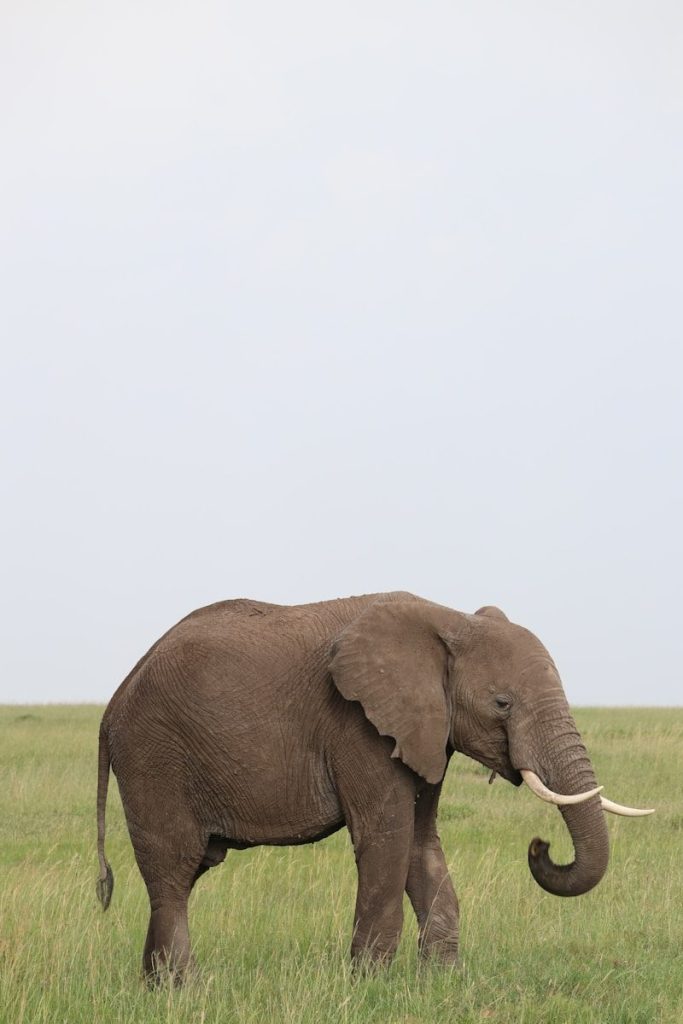
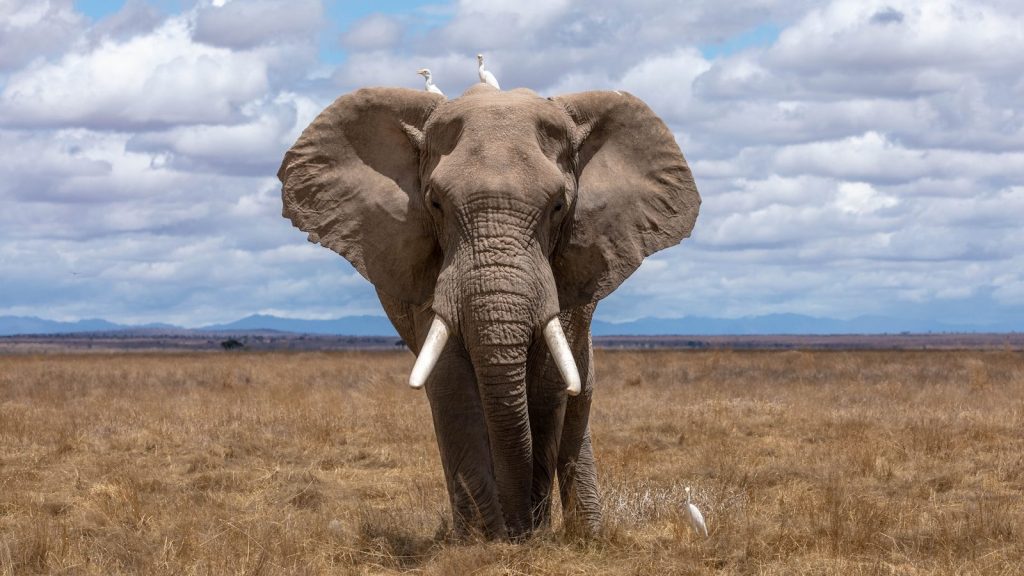
Can elephants become sad when they live in small spaces for too long? A new South African elephant welfare case is raising that question in court. Animal welfare groups believe three elephants living at a zoo in Johannesburg are unhappy and mentally distressed. They say the animals need more space, better surroundings, and a chance to live in a more natural environment.
The case has drawn attention because it focuses on the emotional and mental health of animals, not only their physical care. Experts are expected to explain why elephants need large social groups and open land to live healthy lives. Readers will learn why this case matters, what both sides are saying, and how it could affect animal welfare in South Africa.
Animal welfare groups in South Africa started the legal case because they believe three elephants at the Johannesburg Zoo are suffering mentally. The elephants, named Lammie, Ramadiba, and Mopane, are said to be living in conditions that do not meet their emotional and social needs.
The groups argue that the government has a duty to protect animals under the South African Constitution. They want the elephants moved to a larger conservation park where they can live in a healthier, more natural setting with better stimulation and greater freedom.
According to David Bilchitz from Animal Law Reform South Africa, experts will present evidence in court showing that the elephants are unhappy. He explained that elephants are highly social animals with complex needs that cannot easily be met in a small zoo enclosure.
Bilchitz said the elephants have shown signs of psychological distress. He described behaviors such as standing still for long periods, rocking back and forth, and repeating actions over and over. Animal welfare groups believe these behaviors are signs of sadness, frustration, and depression.
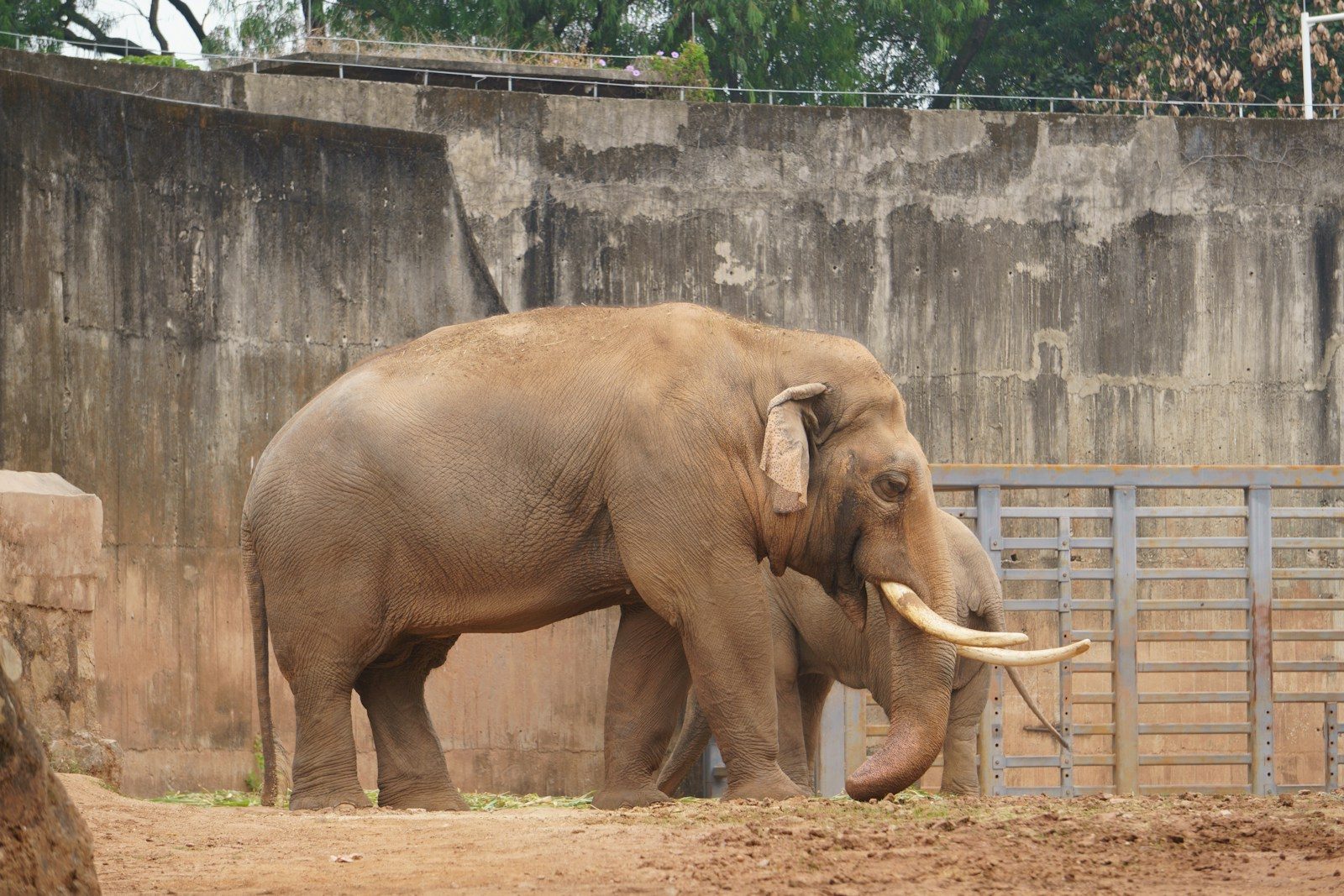
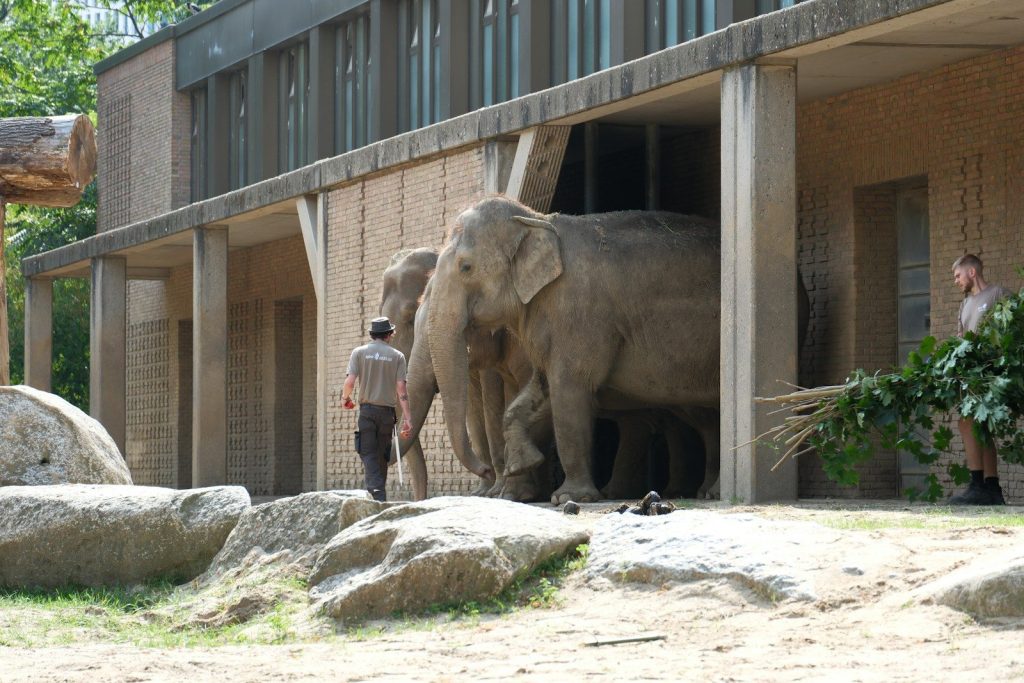
Animal welfare groups say the elephants live in an enclosure that is not much larger than a soccer field. They argue that the area lacks key features elephants typically need, such as trees for feeding and mud pools for bathing and cooling.
Experts say elephants in the wild often live in herds of 20 to 50 animals and travel across large areas. The groups bringing the case believe the zoo environment is too small and limited for animals that naturally need space, social interaction, and daily activity.
Johannesburg Zoo has defended the way it cares for the elephants. In a public statement, the zoo said it had faced strong media criticism over the condition of the animals, but maintained that the elephants are healthy and properly cared for.
The zoo also stated that the elephants are well-liked by both visitors and staff. Officials added that moving elephants from zoos to semiwild sanctuaries does not always work well and may create new problems for the animals instead of improving their lives.
The current case is not the first elephant relocation issue in South Africa. In 2024, an older elephant named Charley was moved from another zoo to a game reserve after experts believed he was lonely following the loss of his elephant companions.
Charley had spent many years in captivity, including around 16 years in a circus. The zoo eventually agreed that he should retire in a more natural environment. Animal welfare groups now cite Charley’s relocation as an example of how elephants may benefit from living in larger, more open spaces.
This legal battle may become important for the future of animal welfare in South Africa. The court’s decision could help define the extent of authorities’ responsibility for protecting the mental and emotional health of animals in captivity.
The case is also bringing attention to the special needs of elephants. Many people are now discussing whether zoos can truly provide the social life, freedom, and stimulation that elephants need. Whatever the court decides, the case has already started a larger public conversation about how animals should be treated.
A small stray animal can change everything in a single moment. This is what happened in the story of a stray kitten rescue in Montreal, where a tiny life went from being lost outside to finding safety and care. The kitten, later named Bouskie, was discovered in a difficult state and needed help fast.
This article explains how the rescue began, how a kind person stepped in, and how the kitten slowly changed after being taken in by a rescue group. Readers will learn how a simple act of kindness can save a life and how trust can grow even after fear and hardship.
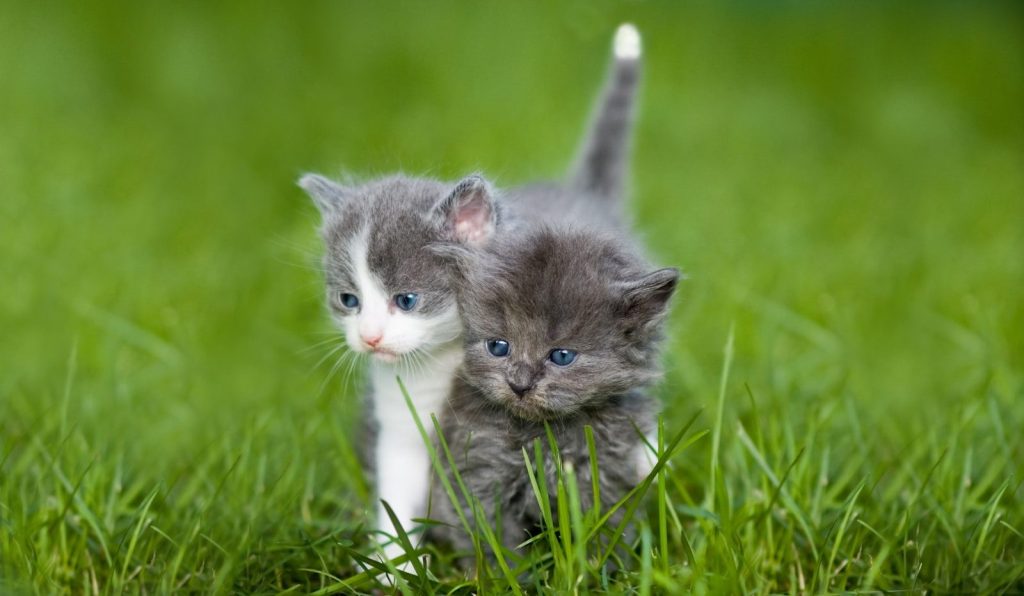
Two small stray kittens were seen exploring a patio in Montreal, Canada, searching for food and trying to survive on their own. Their behavior showed they were not living in a safe home and had likely been outdoors for some time without proper care or regular food. At first, the kittens stayed together, moving around the area as they looked for anything they could eat.
However, their situation changed quickly when one of the kittens suddenly ran away, leaving the other behind. The remaining kitten stayed near the patio, where she could be seen more clearly by someone nearby. Although she initially appeared fine, a closer look showed she was very thin and weak, making it clear she was struggling to survive outside. This moment marked the beginning of a life-changing rescue.
Linda, who lives in Montreal, came across the stray kitten while she was outside. She noticed the small animal still staying around the patio after the other kitten had left. Something about the situation made her stop and pay attention.
Even though the kitten appeared calm, Linda could see that she was very underfed. Leaving her there was not an option. The situation felt urgent, and Linda decided she needed to step in and help the small animal before things became worse.
Linda managed to safely capture the kitten and bring her to safety. The goal was to remove her from danger and give her a chance to recover. Once she was secure, arrangements were made for proper care.
The kitten was then taken in by a Montreal rescue organization called Chatons Orphelins Montréal. The team welcomed her and gave her a new name, Bouskie. This marked the start of her journey from a life as a stray to a life as a cared-for animal.
When Bouskie first arrived at the rescue, she was very scared. The new environment was unfamiliar, and she did not immediately trust the people around her. Her behavior showed that she was still adjusting to being indoors and safe.
She was given a small and cozy space to help her feel more comfortable. However, she often stayed hidden. She would only come out of her carrier when she needed to eat or use the litter tray, and she did this only when no one was nearby.
After several days, Bouskie began to change in small but important ways. She started to feel more comfortable in the presence of her foster family. Even though she was still cautious, she slowly began to understand that she was safe.
The rescue team continued to give her time and space. They did not rush her or force interaction. This patience helped her gradually open up. She began leaving her hiding spots more often and observing her surroundings.
As Bouskie adjusted more, her personality began to shine. She started exploring her environment and showing curiosity about everything around her. The change from a frightened kitten to a more relaxed cat became clear.
She also became more affectionate with people. The same kitten who once hid now began to enjoy attention. She would purr when held, showing that she was comfortable and happy in human arms.
Dogs are more than loyal companions. Some are also extremely smart and can learn new commands quickly, solve problems, and even think for themselves. The smartest dog breeds are not only easy to train but also show strong reasoning skills in daily life. They can figure out puzzles, understand many words, and sometimes even outsmart their owners in surprising ways.
In this article, you will learn about the smartest dog breeds and what makes each of them special. From working dogs to family pets, these breeds stand out for their intelligence, energy, and problem-solving ability. You will also see how their smart behavior can be helpful, but sometimes challenging for new dog owners.
Border Collie intelligence and problem-solving skills
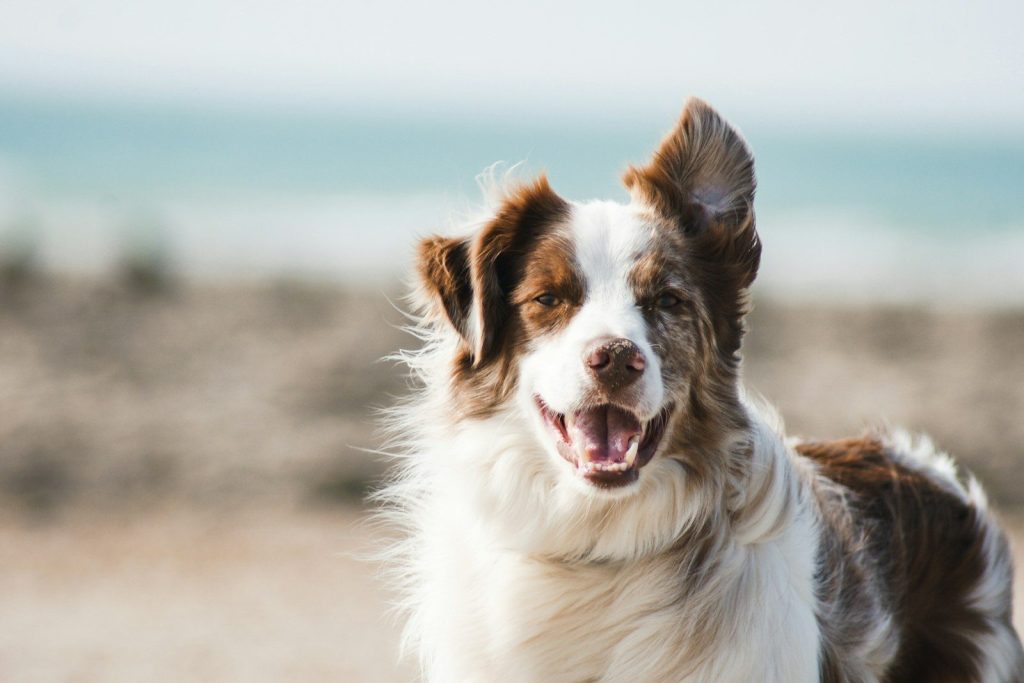
Border Collies are often considered one of the smartest dog breeds in the world. They are known for learning commands very quickly and responding with great focus during training. Some Border Collies can understand a large number of words and cues, demonstrating just how sharp their memory and understanding are. This breed often excels at obedience and agility tasks because they enjoy learning and working closely with people. Their intelligence is not just about tricks, but also about how well they can understand complex tasks.
Border Collies also have strong problem-solving skills, which come from their history as herding dogs. They were bred to manage livestock, so they naturally think independently and stay alert. This makes them very active dogs that need a job or regular mental challenges. Without enough stimulation, they may create their own activities, which may include behaviors such as escaping or finding clever ways to get what they want. Because of their energy and intelligence, they do best in homes that offer space, structure, and daily tasks.
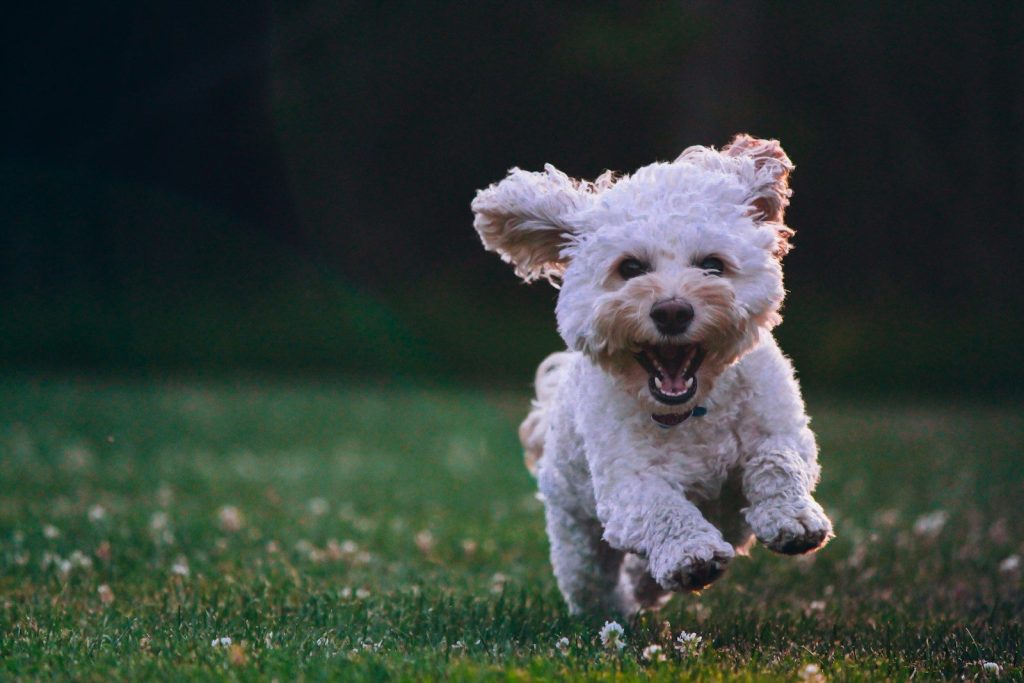
Poodles are another highly intelligent breed known for their strong connection with humans. They are quick learners and respond very well to training, especially when positive methods are used. This makes them popular in obedience and agility competitions. Their history as working dogs also contributes to their intelligence, as they were originally bred for tasks that require both skill and focus. Today, they are often seen as family pets, but their working instincts are still strong.
Poodles are also known for their desire to please their owners, which makes training smoother and more enjoyable. They can quickly pick up routines and commands, especially when rewarded. This breed is very alert and aware of its surroundings, which adds to its intelligence. Because they are so responsive, they often enjoy structured training sessions that challenge their mind. Without mental stimulation, they can become bored, so they do best with regular interaction and activities that keep them engaged.
German Shepherd’s working intelligence and versatility
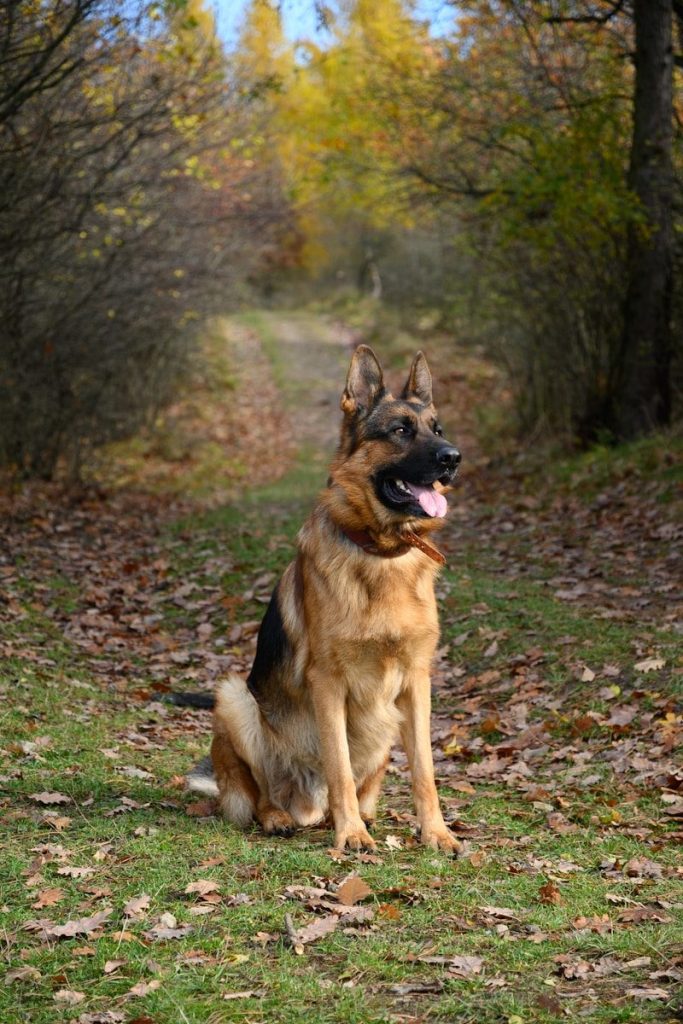
German Shepherds are widely known for their intelligence, loyalty, and strong working ability. They are often used in jobs that require focus and discipline, such as search and rescue, police work, and military tasks. Their intelligence stems from their long history of protecting and managing livestock, during which they needed to think quickly and make decisions independently. This breed is highly trainable and can learn complex commands with consistency and practice.
German Shepherds are also very adaptable dogs. They can switch between different types of tasks with ease, making them valuable in many work environments. They are alert, confident, and highly observant, always paying attention to their surroundings. This makes them excellent at understanding situations and responding appropriately. However, their intelligence means they need both physical exercise and mental challenges to stay balanced and happy in a home setting.
Golden Retriever emotional intelligence and obedience
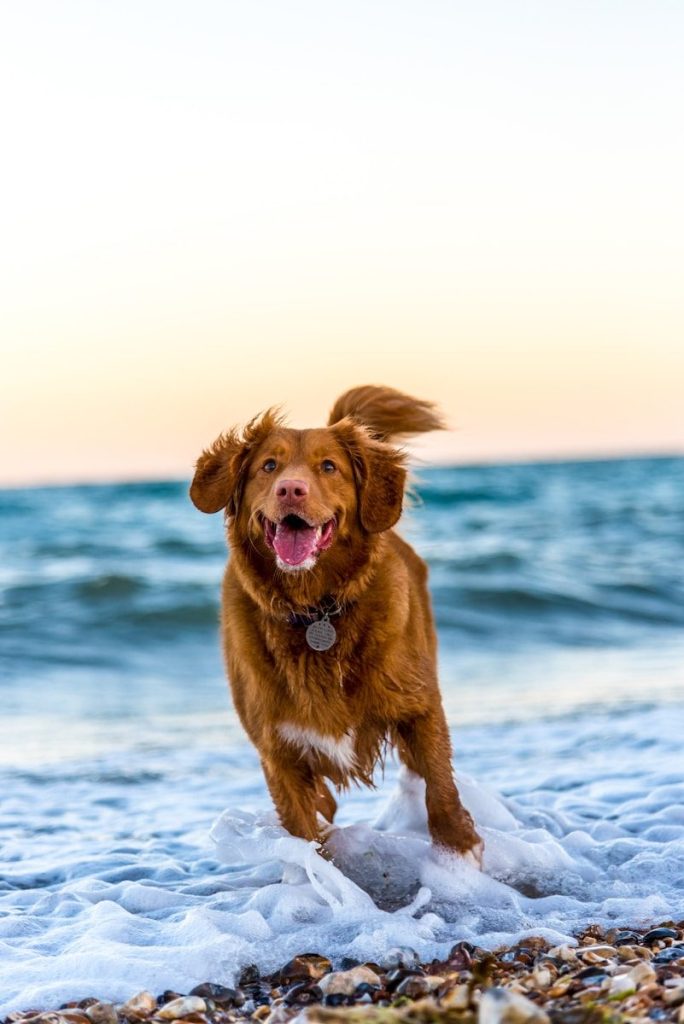
Golden Retrievers are known for their gentle nature and strong intelligence. They are very easy to train because they learn quickly and respond well to commands. Their food-motivated personality also helps during training sessions, making them eager to follow instructions. They are often used in hunting, retrieving, obedience, and service work because of their reliable, calm demeanor. This combination of intelligence and temperament makes them one of the most popular family dogs.
Golden Retrievers also show strong emotional intelligence, meaning they are good at understanding human feelings and responding with care. They are loyal, friendly, and patient, making them great companions for families and first-time dog owners. Their intelligence is not only about learning tricks but also about how well they connect with people. They thrive when they are included in family activities and when they receive positive attention and structure in their daily lives.
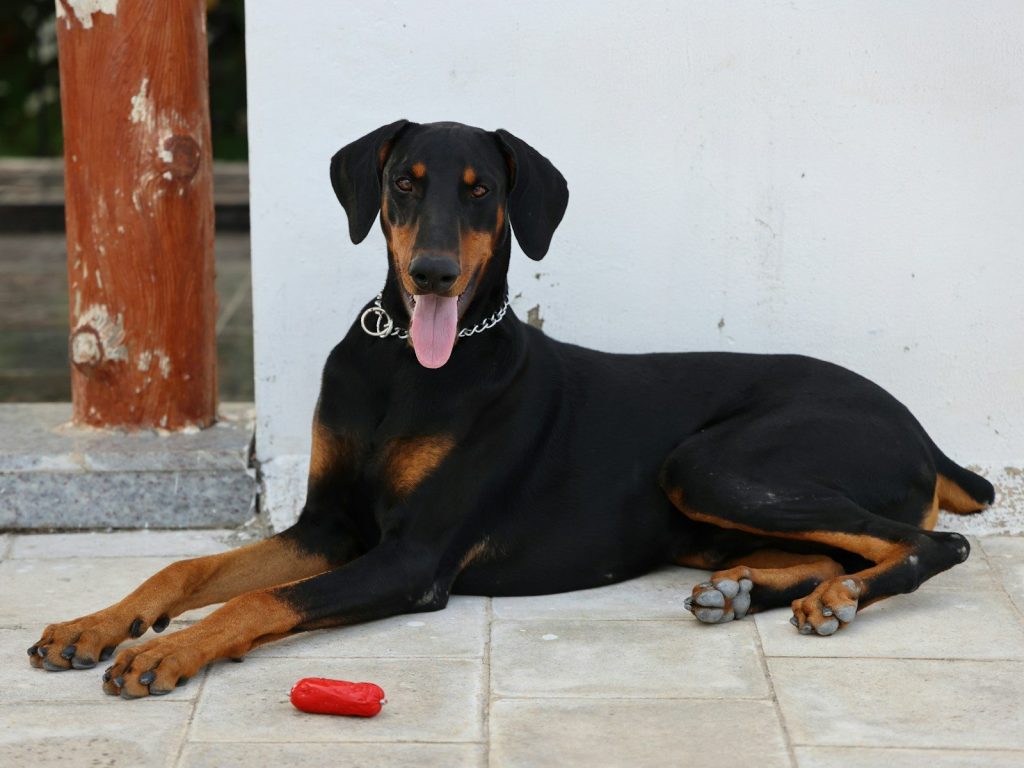
Dobermans are highly intelligent dogs known for their alertness and rapid learning. They are very trainable and often perform well in obedience training. Their keen instincts make them excellent working dogs in fields such as security, law enforcement, and military work. They are naturally curious and observant, which helps them quickly understand their environment and respond to new situations.
Dobermans also have a strong need for both physical and mental exercise. Their intelligence means they can become bored easily if they lack sufficient stimulation. They enjoy training sessions that challenge their mind as well as their body. This breed is best suited for active owners who can consistently spend time training, playing, and guiding them. With the right care, they become loyal, focused, and highly dependable companions.
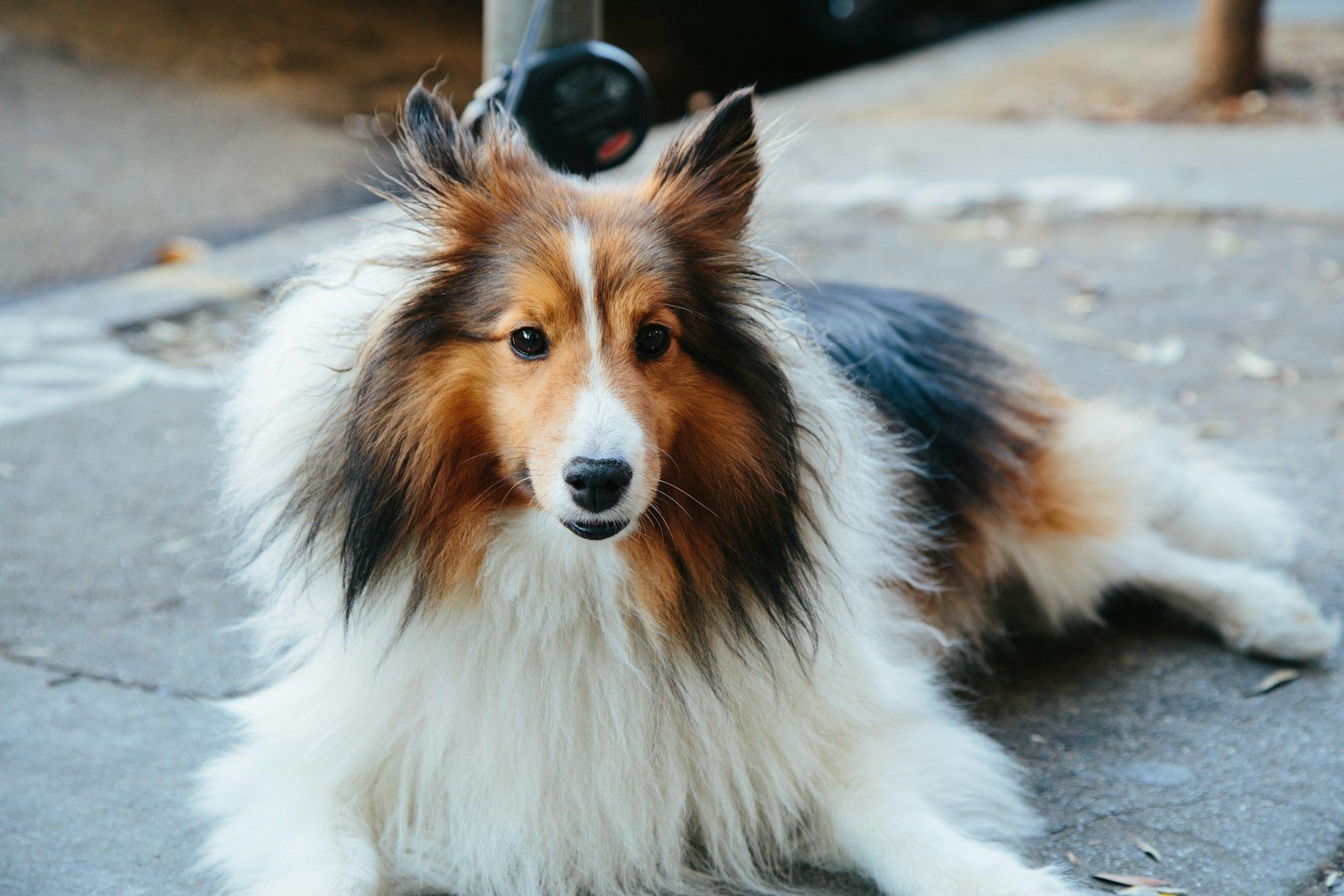
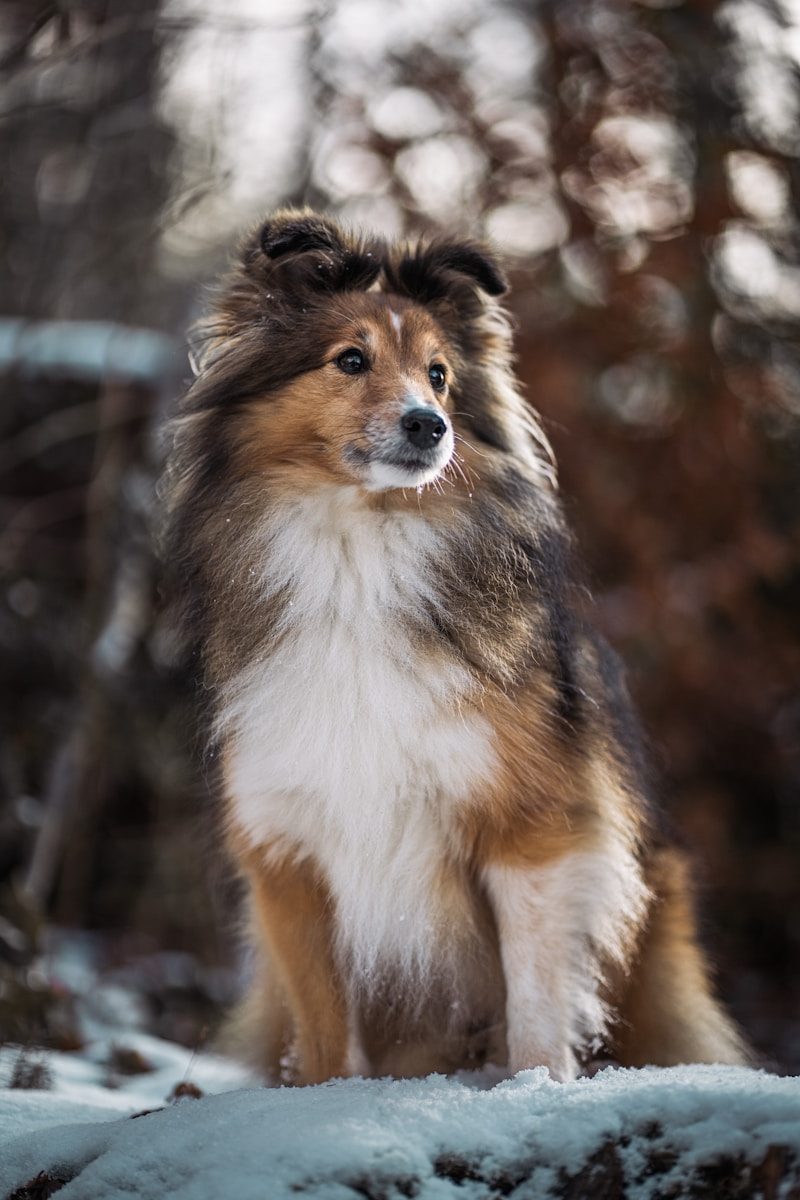
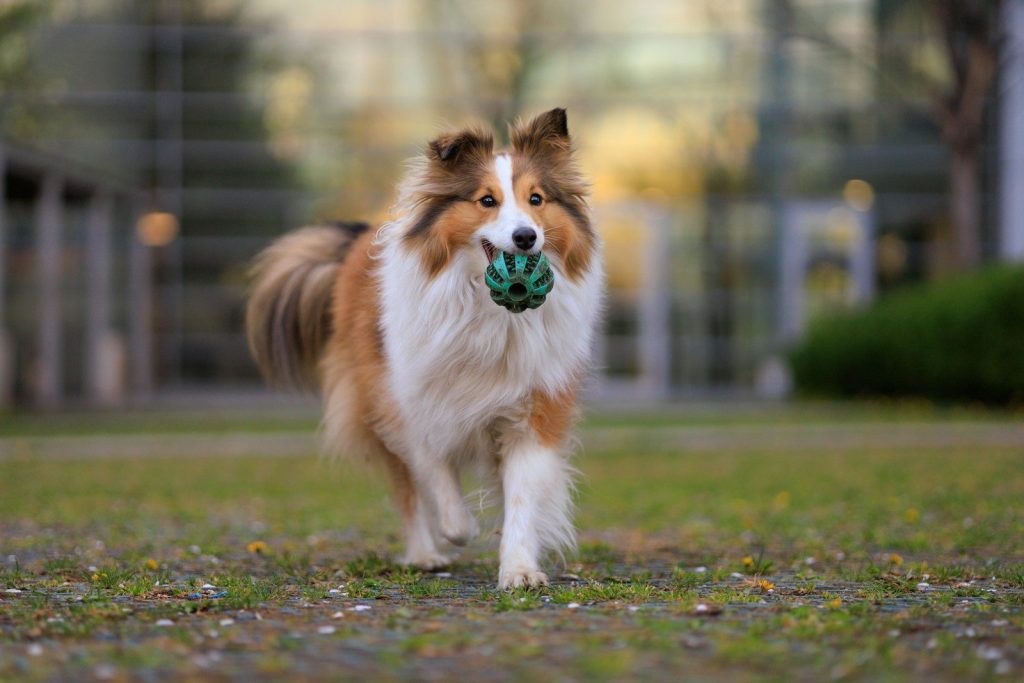
Shetland Sheepdogs, also called Shelties, are small dogs with very high intelligence. They are known for their quick learning ability and strong problem-solving skills. This breed often excels in agility, obedience, and herding. Their natural instincts make them alert and responsive, and they enjoy tasks that challenge their mind and bodies. They are often used as therapy dogs because of their gentle and intelligent nature.
Shelties are also very energetic and need regular activity to stay happy. They form strong bonds with their families and are known for their loyalty and affection. Their intelligence makes them easy to train, but it also means they can become bored without enough mental stimulation. They do best in active homes where they can exercise, learn new skills, and stay engaged with their owners throughout the day.
The Argo cat rescue in France is a powerful story that shows both cruelty and kindness in action. It begins in the early morning hours in Tours, France, where a woman witnessed something disturbing involving a cat and an underground bin. What followed was a fast rescue, urgent medical care, and an unexpected wave of public support.
In this article, you will learn how Argo was found, how rescuers saved him, and how donations helped cover his treatment and recovery. It also shows how a small act of reporting and teamwork among citizens, police, and rescuers can completely change an animal’s life. Argo’s story is painful at first, but it becomes one of hope and healing.
At around 4:30 am on Friday, 24th April, in Tours, France, a woman named Camille saw something shocking. She witnessed a man throwing a cat into an underground bin. When confronted, the man said, “The cat is dead.” The moment was disturbing and confusing, leaving Camille unsure of what she had just seen.
But something did not feel right to her. Instead of walking away, she paid closer attention and stayed near the scene. That decision would become very important. What seemed like a hopeless moment quickly turned into the start of a rescue effort that would save a life.
After the man left, Camille and her partner listened carefully and heard meowing coming from inside the bin. This proved that the cat was still alive. They immediately called the police and the fire brigade, who rushed to the location to help.
When the rescuers arrived, they worked quickly to reach the bottom of the underground bin. There, they found a cat in very poor condition. The animal had deformed legs and was clearly in pain. The rescuers carefully removed him and transported him to urgent care.
The cat was taken to a vet for emergency treatment as soon as he was rescued. The medical team began checking his injuries to understand how serious his condition was. They quickly saw that he needed immediate attention to survive and recover properly.
X-rays later revealed the full extent of his injuries. Both of his front legs were broken, and he had multiple fractures. No one knew exactly how he got hurt, but his condition was severe. Because of his situation, the cat, later named Argo, required urgent and complex medical support.
The vet bill for Argo’s surgery came to €2,000, which was a large amount for the rescue team. The organization helping him, Les Mustaches de Roméo rescue center, knew they could not delay treatment. They needed a fast solution to raise the money.
To solve this problem, they created an online fundraiser. Their goal was simple: give Argo a chance to live without pain. Without quick financial support, his surgery and recovery would not have been possible. The situation depended entirely on how quickly people could respond.
The public’s response was extremely fast and surprising. Within only a few hours of launching the fundraiser, people donated enough money to reach the €2,000 needed for Argo’s surgery. This allowed the medical team to move forward without delay.
A few days later, the rescuers launched a second appeal to help cover recovery costs. In total, they received €4,000 in donations. The shelter said they had never seen such strong support before. The extra funds also helped support other cats at the rescue center.
With surgery completed and care underway, Argo began his long recovery process. The donations ensured he could receive full treatment and proper rehabilitation. His condition improved over time, and he was placed in a safe environment to heal.
The rescue team hopes Argo will one day find a loving family. They want him to leave his painful past behind and start a new life filled with care and safety. His journey shows how rescue efforts and public kindness can completely change an animal’s future.