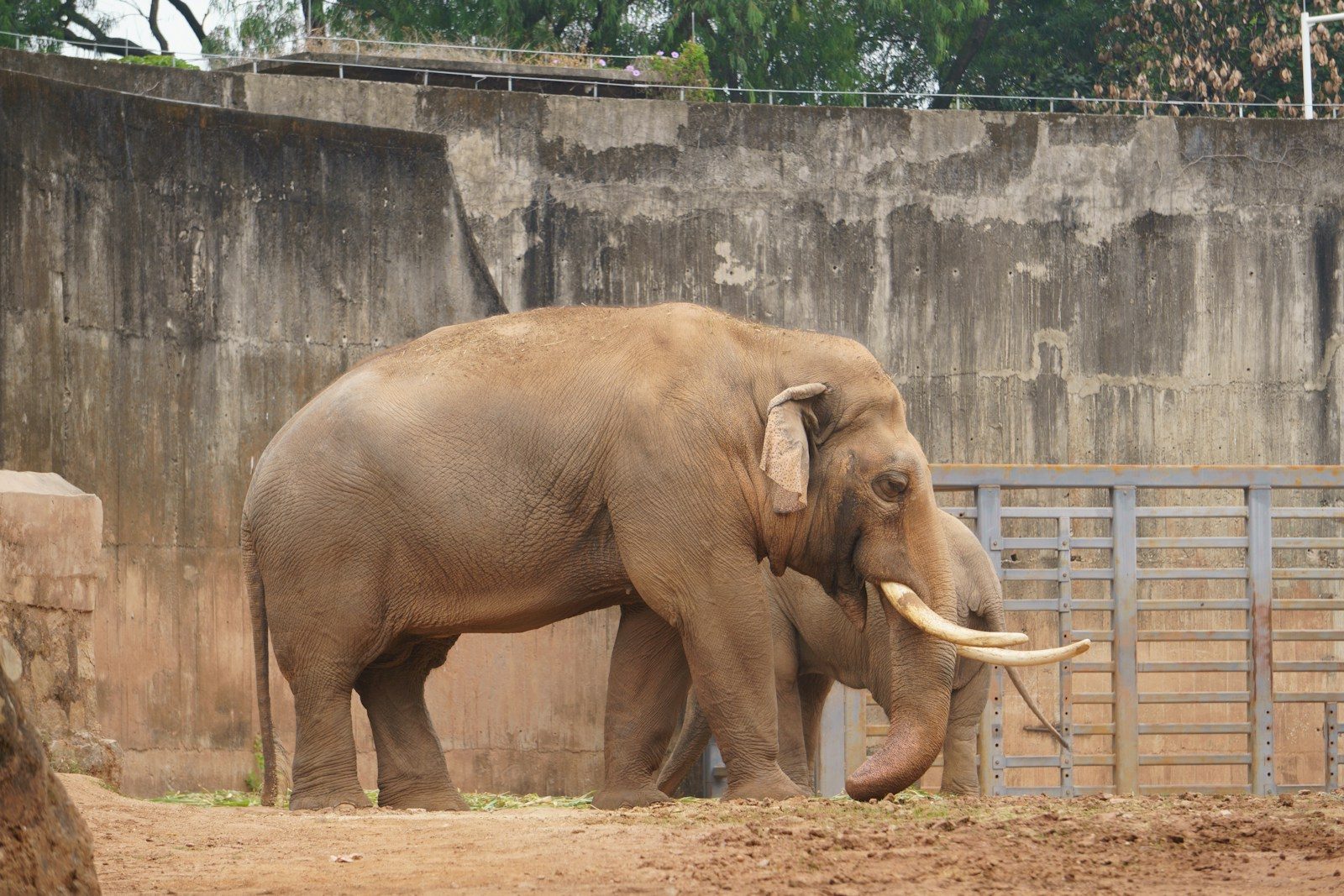
Can elephants become sad when they live in small spaces for too long? A new South African elephant welfare case is raising that question in court. Animal welfare groups believe three elephants living at a zoo in Johannesburg are unhappy and mentally distressed. They say the animals need more space, better surroundings, and a chance to live in a more natural environment.
The case has drawn attention because it focuses on the emotional and mental health of animals, not only their physical care. Experts are expected to explain why elephants need large social groups and open land to live healthy lives. Readers will learn why this case matters, what both sides are saying, and how it could affect animal welfare in South Africa.
Why the court case started
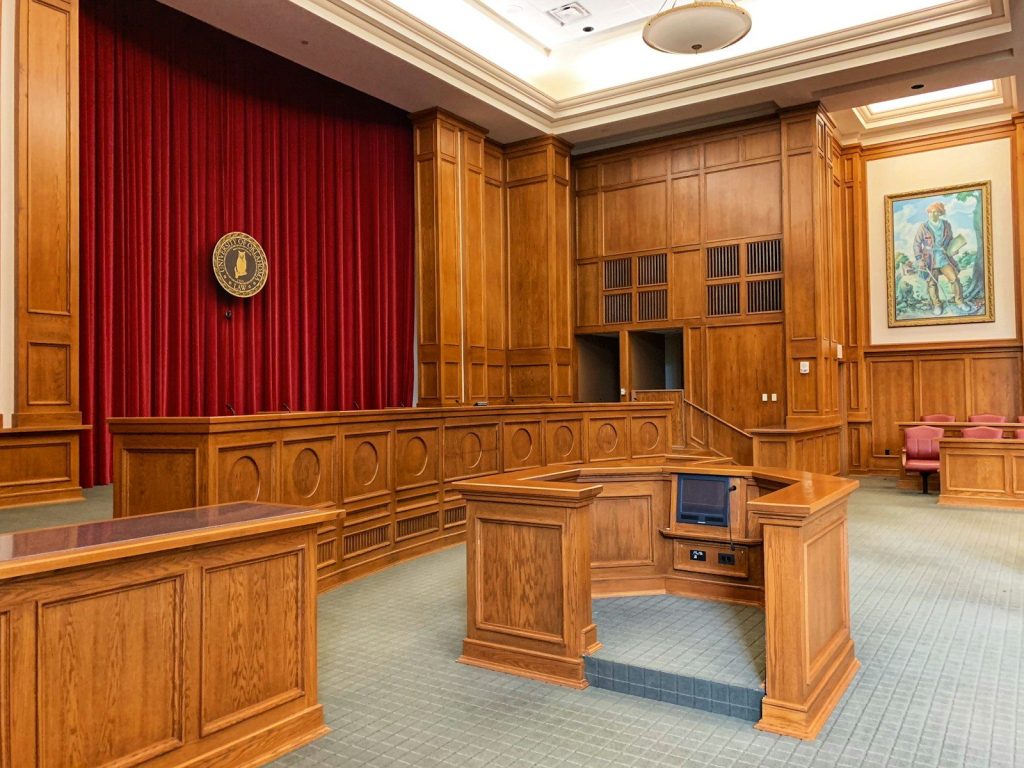
Animal welfare groups in South Africa started the legal case because they believe three elephants at the Johannesburg Zoo are suffering mentally. The elephants, named Lammie, Ramadiba, and Mopane, are said to be living in conditions that do not meet their emotional and social needs.
The groups argue that the government has a duty to protect animals under the South African Constitution. They want the elephants moved to a larger conservation park where they can live in a healthier, more natural setting with better stimulation and greater freedom.
Concerns about the elephants’ behavior
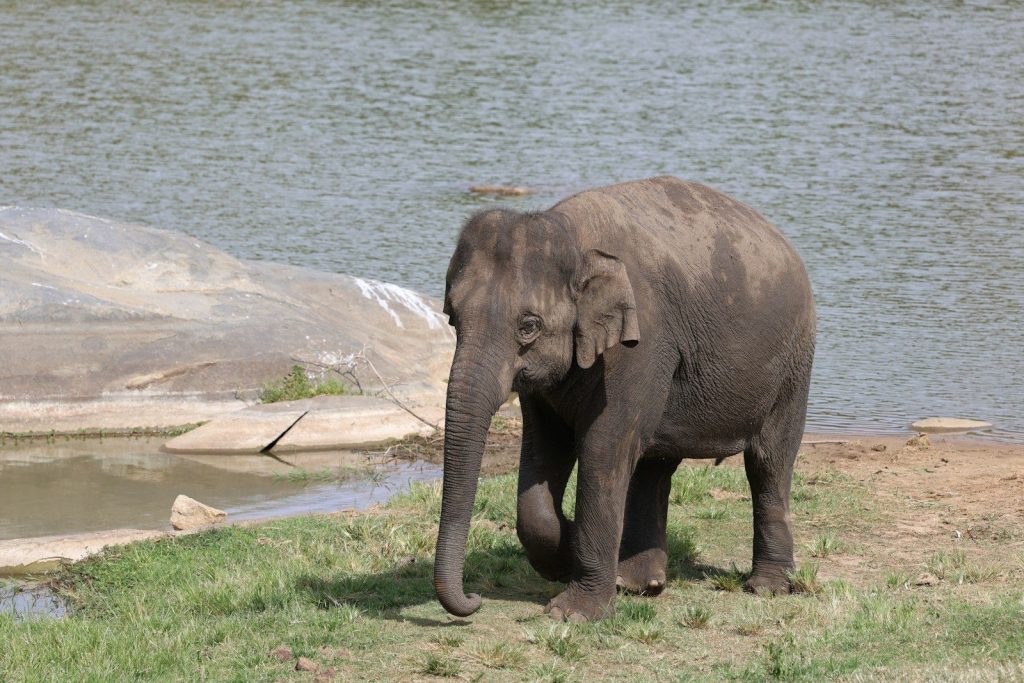
According to David Bilchitz from Animal Law Reform South Africa, experts will present evidence in court showing that the elephants are unhappy. He explained that elephants are highly social animals with complex needs that cannot easily be met in a small zoo enclosure.
Bilchitz said the elephants have shown signs of psychological distress. He described behaviors such as standing still for long periods, rocking back and forth, and repeating actions over and over. Animal welfare groups believe these behaviors are signs of sadness, frustration, and depression.
The living conditions at the zoo
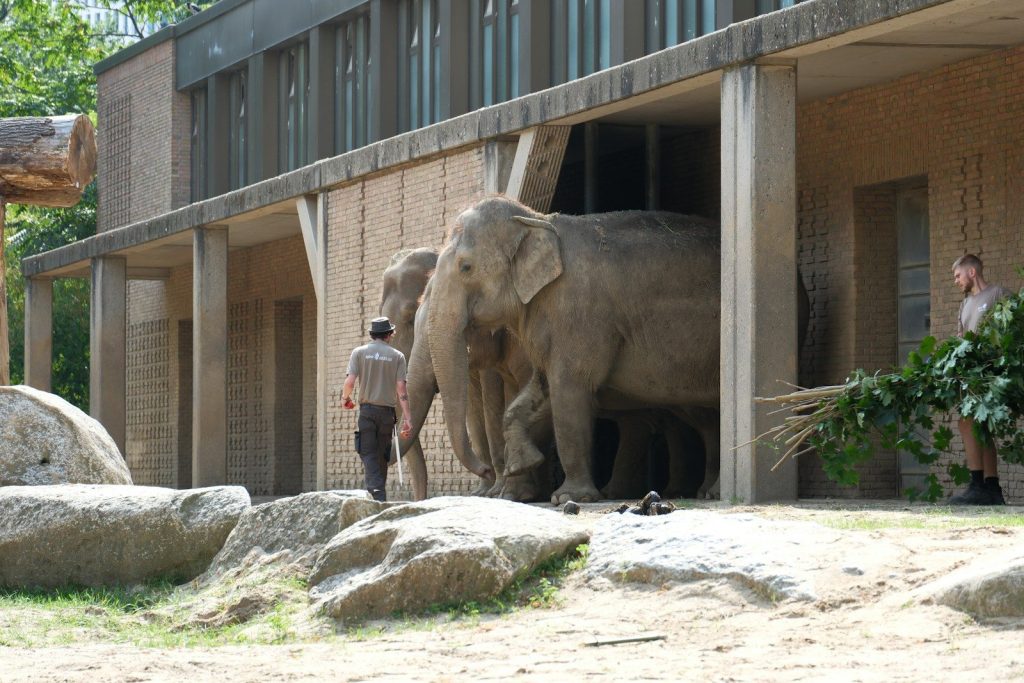
Animal welfare groups say the elephants live in an enclosure that is not much larger than a soccer field. They argue that the area lacks key features elephants typically need, such as trees for feeding and mud pools for bathing and cooling.
Experts say elephants in the wild often live in herds of 20 to 50 animals and travel across large areas. The groups bringing the case believe the zoo environment is too small and limited for animals that naturally need space, social interaction, and daily activity.
How the zoo has responded
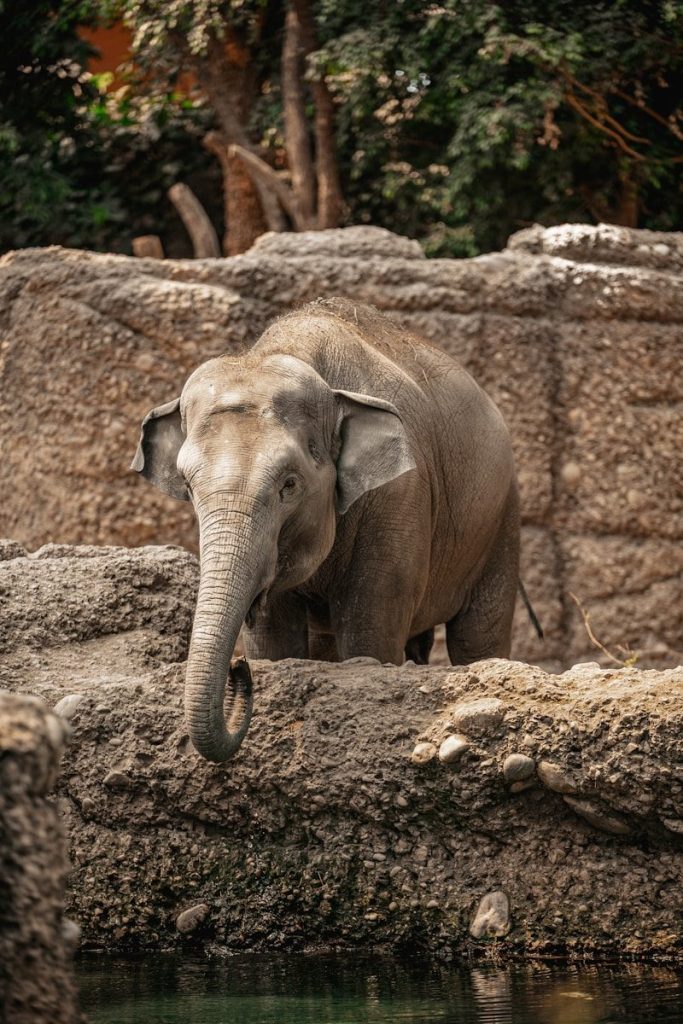
Johannesburg Zoo has defended the way it cares for the elephants. In a public statement, the zoo said it had faced strong media criticism over the condition of the animals, but maintained that the elephants are healthy and properly cared for.
The zoo also stated that the elephants are well-liked by both visitors and staff. Officials added that moving elephants from zoos to semiwild sanctuaries does not always work well and may create new problems for the animals instead of improving their lives.
The story of Charley the elephant
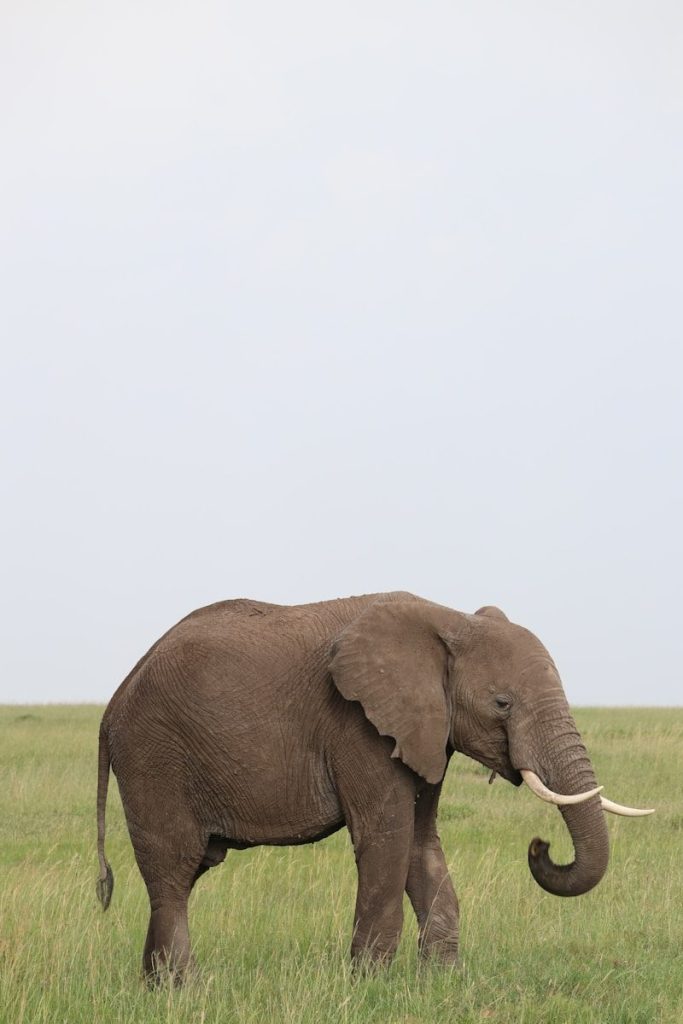
The current case is not the first elephant relocation issue in South Africa. In 2024, an older elephant named Charley was moved from another zoo to a game reserve after experts believed he was lonely following the loss of his elephant companions.
Charley had spent many years in captivity, including around 16 years in a circus. The zoo eventually agreed that he should retire in a more natural environment. Animal welfare groups now cite Charley’s relocation as an example of how elephants may benefit from living in larger, more open spaces.
Why this case matters for animal welfare
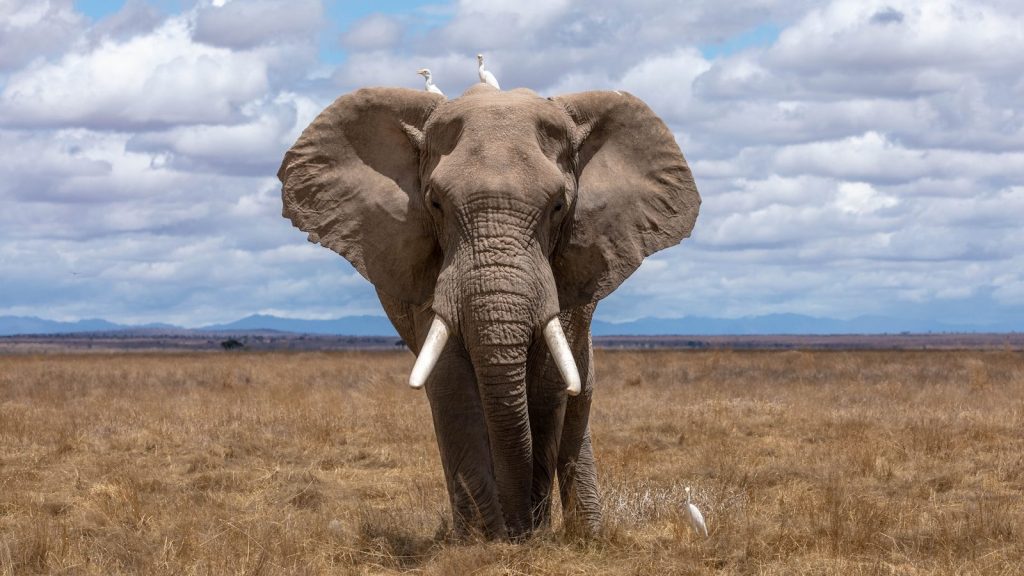
This legal battle may become important for the future of animal welfare in South Africa. The court’s decision could help define the extent of authorities’ responsibility for protecting the mental and emotional health of animals in captivity.
The case is also bringing attention to the special needs of elephants. Many people are now discussing whether zoos can truly provide the social life, freedom, and stimulation that elephants need. Whatever the court decides, the case has already started a larger public conversation about how animals should be treated.
Leave a Reply