Author: Ethan

  • The ancient shark that stood out because of its remarkable fin

    The ancient shark that stood out because of its remarkable fin

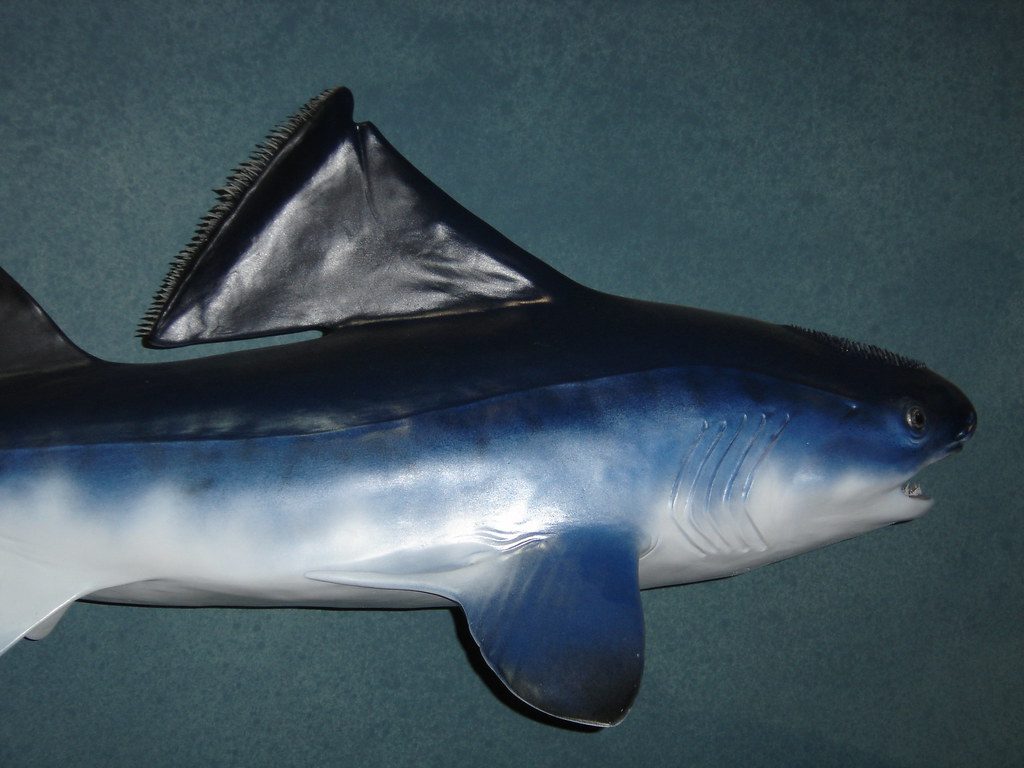
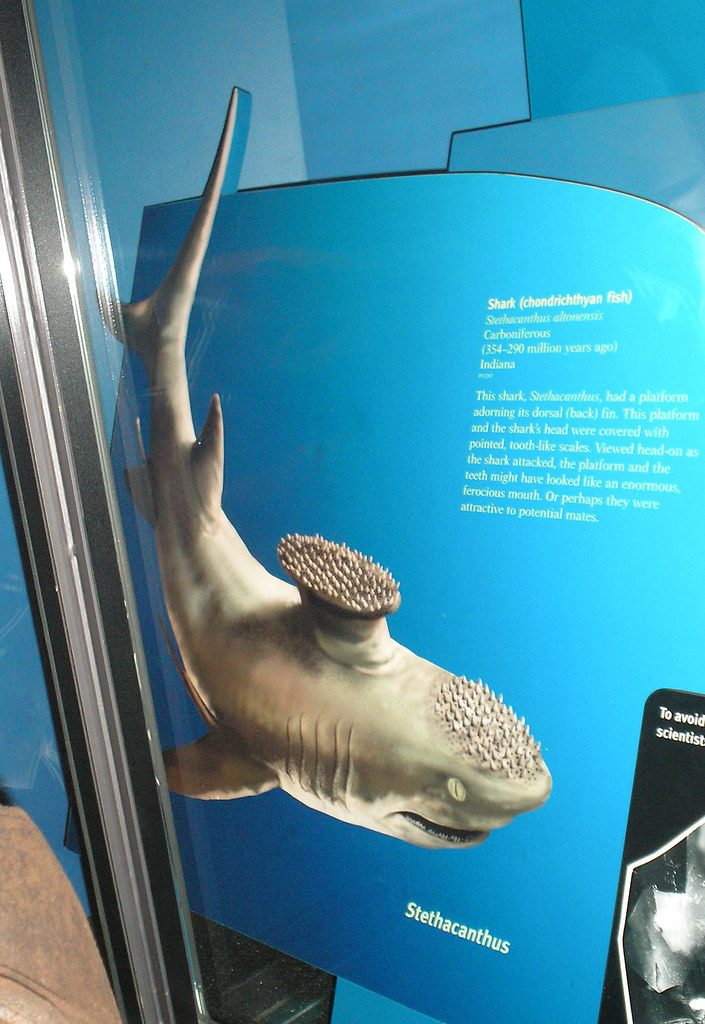
    Ancient sharks came in many shapes and sizes, but few were as unusual as Stethacanthus. This ancient shark stood out because of its remarkable fin, which looked nothing like the fins seen on modern sharks today. Instead of having a normal triangular dorsal fin, Stethacanthus had a flat, brush-like structure on its back that reminded scientists of an ironing board or an anvil. That strange feature has fascinated researchers for more than a century and helped make this prehistoric fish one of the most recognizable ancient sharks ever discovered.

    In this article, you will learn where Stethacanthus lived, when it existed, what made its fin so special, how it hunted, and why scientists still debate the true purpose of its unusual body structure. By understanding this remarkable creature, readers can gain a better picture of how diverse shark evolution has been throughout Earth’s history.

    A shark from a very different world
    Sharks Are Weirder” by Vicious Bits is licensed under CC BY-NC-SA 2.0

    Stethacanthus lived roughly 380 million to 300 million years ago during the Late Devonian and Carboniferous periods. At that time, dinosaurs did not exist yet. The oceans were filled with strange fish, armored predators, and early relatives of modern sharks. Fossils of Stethacanthus have been discovered in North America, Europe, and Asia, showing that it was widely spread across ancient seas. The animal lived during a time when shark-like fish were rapidly evolving into many different forms.

    Although it is commonly called a shark, Stethacanthus was not exactly the same as modern sharks. Scientists place it among an ancient group of cartilaginous fish that shared some features with sharks and some with chimaeras, also known as ghost sharks. Like modern sharks, its skeleton was made mostly of cartilage rather than bone. This lighter body structure helped many early shark relatives become successful ocean predators.

    The fin that made it famous
    Dorsal fin of a humpback whale (Megaptera novaeangliae)” by Aztlek is licensed under CC BY-SA 2.0

    The most remarkable feature of Stethacanthus was its unusual dorsal fin. Most sharks have a pointed fin on their backs that helps them stay balanced while swimming. Stethacanthus had something completely different. Mature males possessed a broad, flat structure shaped like an anvil or an ironing board. The surface was covered with enlarged denticles, which are tiny tooth-like scales that also cover shark skin.

    Scientists believe the strange fin gave Stethacanthus a very different appearance from any living shark. The top of the head also carried similar rough denticles, creating what researchers call a spine-brush complex. Because of this bizarre structure, Stethacanthus is often nicknamed the “ironing board shark.” Even among hundreds of known prehistoric shark species, few animals possessed a body feature as unusual or distinctive.

    Why scientists think the fin existed
    Marine Scientist Jennifer Stanhope, VASG Graduate Research Fellow Annie Murphy, and Mark Luckenbach take water samples from the cores over the course of the day to measure the nutrient concentrations in the water. ©Margaret Pizer/VASG” by Virginia Sea Grant is licensed under CC BY-ND 2.0

    One of the biggest mysteries surrounding Stethacanthus is the purpose of its remarkable fin. Scientists have proposed several ideas over the years. One possibility is that the fin played a role in courtship and mating. Researchers noticed that the unusual structure appeared mainly in mature males, suggesting it may have helped attract females or display fitness to potential mates.

    Other theories suggest the fin may have helped scare away predators or make the animal appear larger than it really was. Some scientists have also suggested that the rough surface could have helped during mating by providing grip between individuals. While no single explanation has been proven beyond doubt, the mating-display theory is currently one of the most widely accepted ideas because of the strong connection between the fin and male specimens.

    Size, appearance, and hunting habits
    orcas T37A2 (2009), newly discovered T37A3, with mother T37A (1994, notched dorsal fin), off Prevost Island” by Andrew Reding is licensed under CC BY-NC-ND 2.0

    Compared with some giant prehistoric sharks, Stethacanthus was relatively small. Many specimens measured between about 2 and 10 feet long, depending on the species. Its body shape otherwise looked fairly shark-like, with a streamlined form, pectoral fins, a tail fin, and rows of sharp teeth designed for catching prey. Despite its unusual fin, it was still a capable predator in its environment.

    Its diet likely included small fish, cephalopods, brachiopods, and other marine animals. The teeth of Stethacanthus were sharp enough to grip slippery prey. Because it was not a giant hunter like some later sharks, it probably focused on smaller animals that were easier to catch. Scientists believe it spent much of its time swimming through shallow seas where food was abundant and competition was intense.

    How fossils revealed its secrets
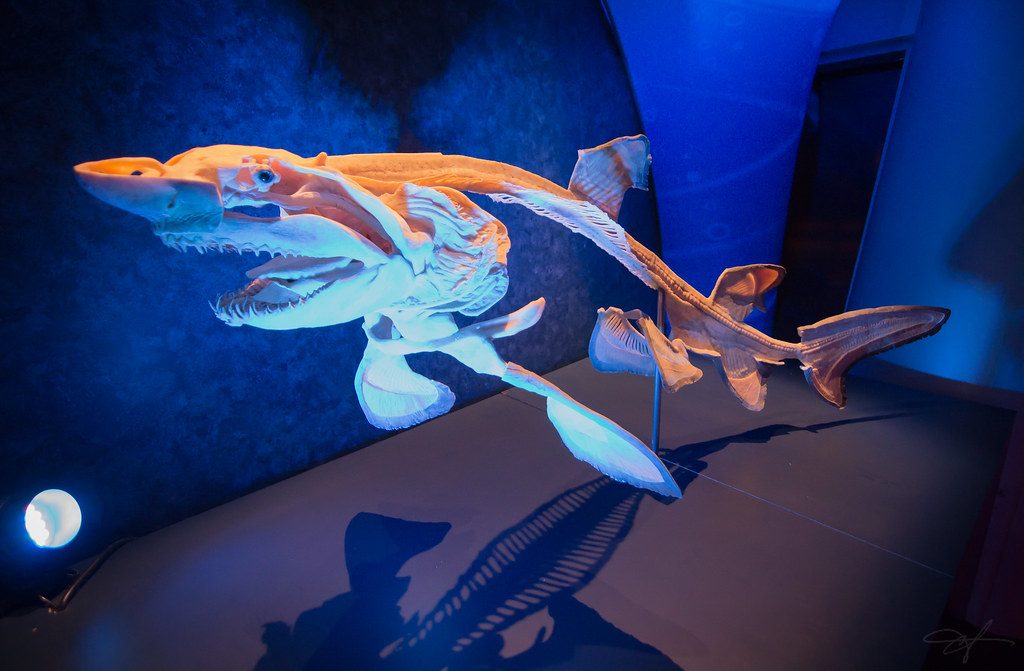
    Shark Skeletons” by gazertapp is licensed under CC BY-NC-ND 2.0

    Learning about Stethacanthus has not been easy because sharks rarely leave complete fossils. Since shark skeletons are made mostly of cartilage, they break down much more easily than bones. For many years, scientists discovered only isolated fin spines and teeth, making it difficult to understand what the animal actually looked like. Early researchers even struggled to identify the strange fin structure correctly.

    Over time, more complete fossils were uncovered, especially from sites containing exceptionally preserved marine life. These discoveries allowed paleontologists to reconstruct the animal with greater accuracy. Fossils showed the unusual fin, the rough denticles on the head, and other body features that helped researchers place the species within the broader family of ancient cartilaginous fishes. Each new fossil added another piece to the puzzle of this remarkable prehistoric predator.

    What Stethacanthus teaches us about shark evolution
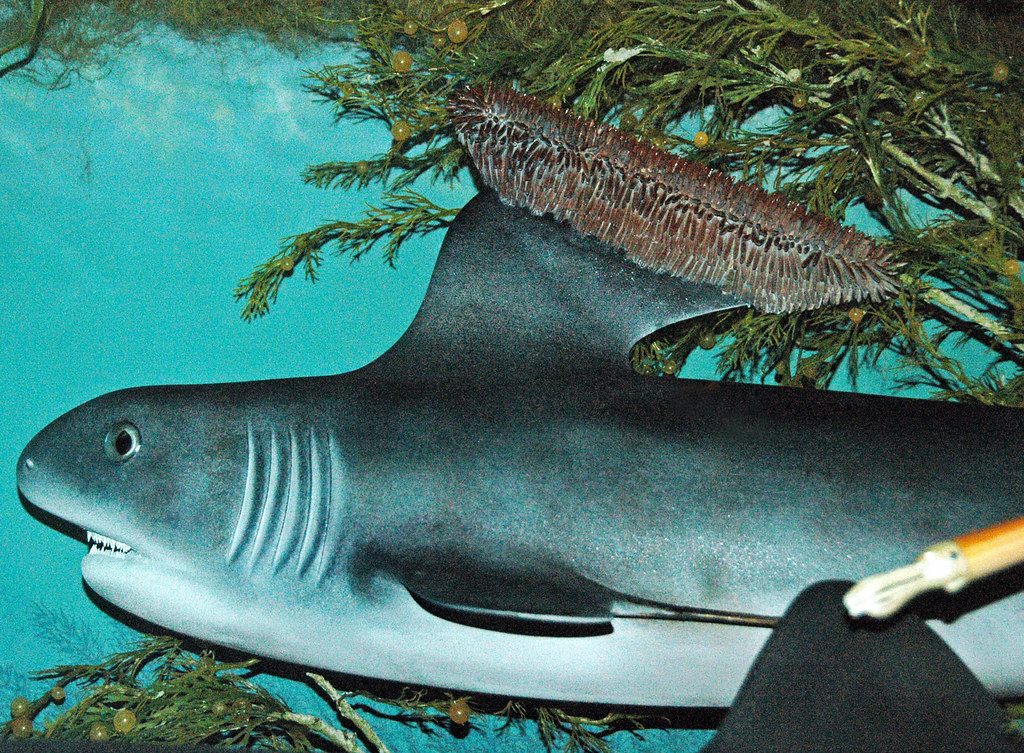
    Diorama of Mississippian fossil fish – Stethacanthus” by James St. John is licensed under CC BY 2.0

    Stethacanthus shows that ancient sharks were far more diverse than many people realize. Modern sharks generally follow familiar body designs, but prehistoric oceans were home to species with strange fins, unusual teeth, and unique body shapes. The existence of Stethacanthus demonstrates that evolution often experiments with different structures before settling on forms that survive for millions of years.

    The shark also reminds scientists that many ancient ocean animals remain poorly understood. New fossil discoveries continue to reshape what researchers know about prehistoric life. Features that seem strange today may have provided important advantages in ancient ecosystems. By studying animals like Stethacanthus, scientists gain valuable clues about how sharks evolved into one of the ocean’s most successful groups of predators.
  • Why experts consider this snake one of the world’s most dangerous

    Why experts consider this snake one of the world’s most dangerous

    The inland taipan is often called one of the world’s most dangerous snakes, and for good reason. This rare reptile has venom so powerful that experts consider it the most toxic of any land snake on Earth. Even though it lives far from large cities and rarely meets people, scientists still study it closely because of its incredible venom and lightning-fast strike.

    Many people think the most dangerous snake is the biggest or most aggressive one. The inland taipan proves that is not always true. In this article, you will learn why experts rank this snake among the deadliest animals in the world, where it lives, how it hunts, what makes its venom so deadly, and why human deaths from this species are surprisingly rare.

    The inland taipan holds a frightening record

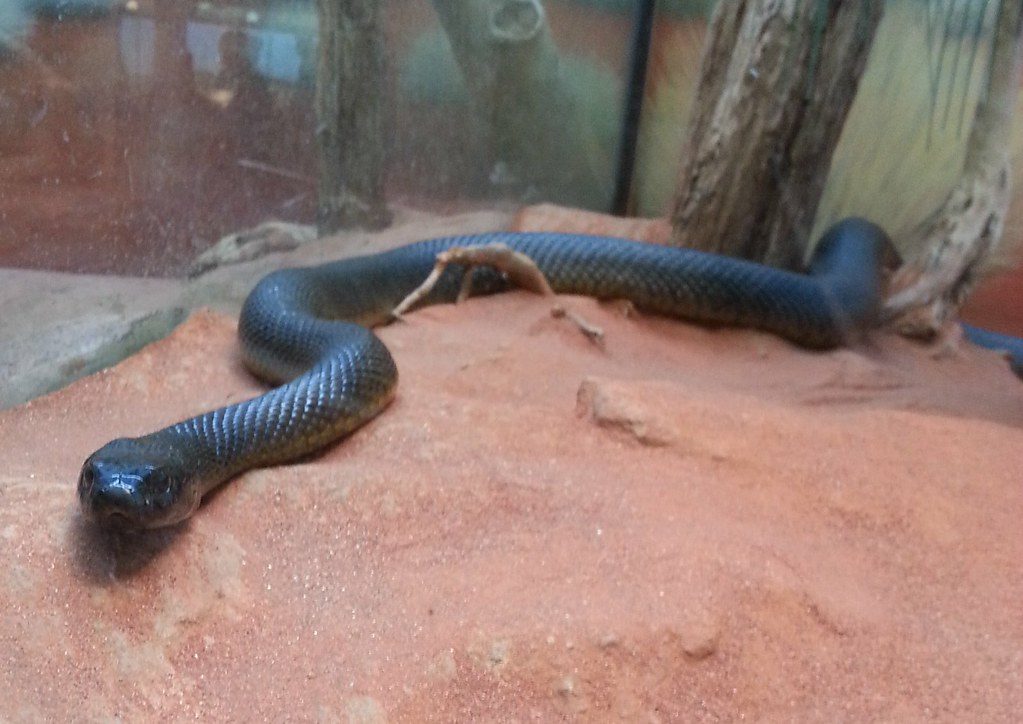
    Inland Taipan” by grace_kat is licensed under CC BY-SA 2.0

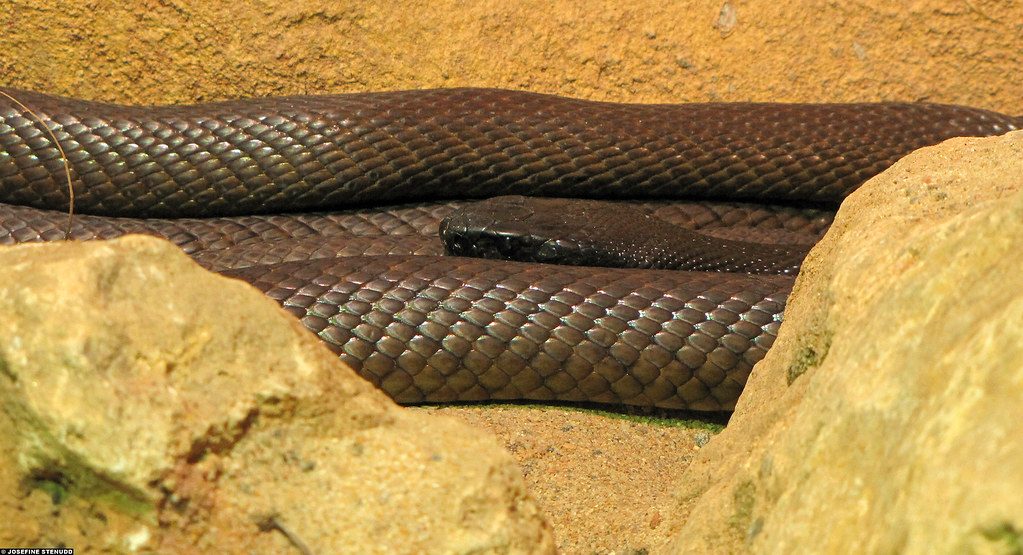
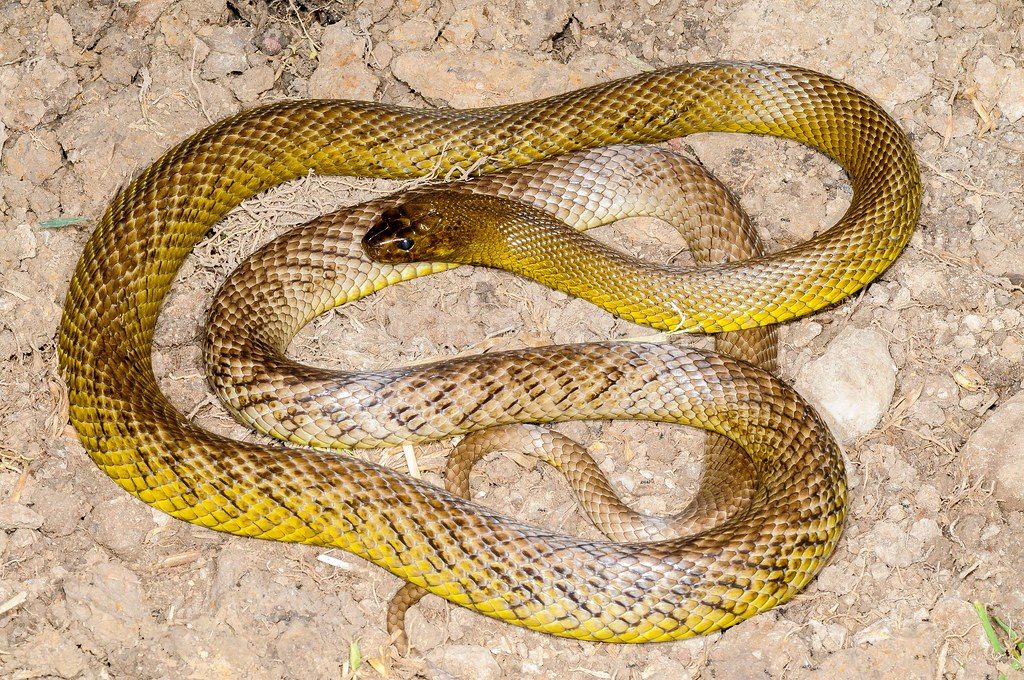
    The inland taipan, also known as the fierce snake, lives in the dry regions of central Australia. It is not the largest venomous snake, but experts recognize it as the most venomous land snake ever studied. Scientists measure venom strength through laboratory testing, and the inland taipan consistently ranks at the very top. Its venom is far more toxic than that of cobras, rattlesnakes, and many other famous snakes.

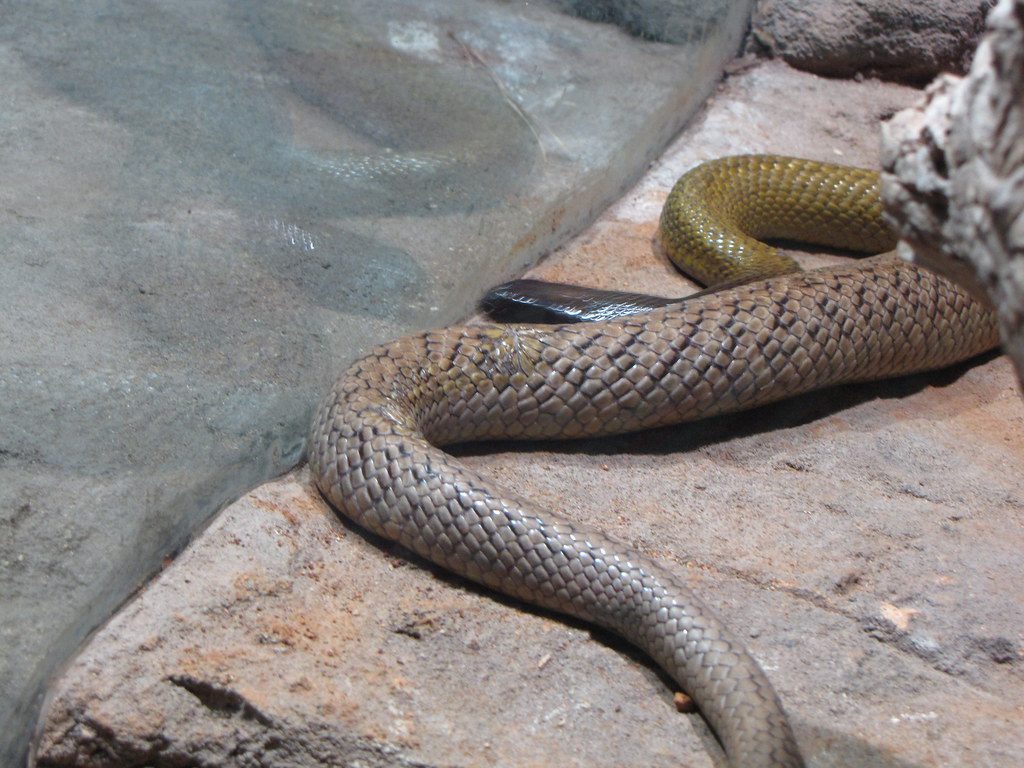
    This reputation has made the snake famous around the world. The species usually grows up to about 5.5 feet long, though some individuals can be larger. Its color can change with the seasons, becoming darker during cooler months and lighter during warmer periods. These changes help it regulate body temperature in Australia’s harsh environment.

    Its venom is designed to kill quickly

    20091222_24k Inland taipan (Oxyuranus microlepidotus) at Universeum, Gothenburg, Sweden” by ratexla (protected by Pixsy) is licensed under CC BY-NC-ND 2.0

    One reason experts consider the inland taipan so dangerous is the makeup of its venom. The venom contains powerful neurotoxins that attack the nervous system. These toxins can interfere with signals between nerves and muscles, leading to weakness and paralysis if treatment is not given quickly. At the same time, other toxins affect the blood and muscles, creating several serious medical problems at once.

    Scientists have found that the venom contains neurotoxins, myotoxins, and blood-clotting toxins. Some toxins can cause dangerous clotting in the blood, while others damage muscles and body tissues. Because multiple body systems are affected at the same time, victims can become critically ill very quickly. This combination is one of the main reasons the snake is viewed with such caution by snake experts and medical researchers.

    A single bite can deliver a massive dose

    a person with a small tattoo on their arm
    Photo by Markus Spiske on Unsplash

    The danger of the inland taipan is not only about venom strength. The snake can also inject a large amount of venom in one bite. Research has shown that a single bite may contain far more venom than is needed to seriously harm a human. Experts often note that the amount delivered in one strike can theoretically kill many people if left untreated.

    The snake is also known for striking with incredible speed and accuracy. When hunting, it may bite several times in quick succession. This behavior helps ensure that prey does not escape. Unlike some snakes that deliver dry bites with little or no venom, inland taipans usually inject venom when they strike. This makes every bite a serious medical emergency.

    The snake evolved to hunt tough prey

    Inland Taipan Oxyuranus microlepidotus” by Scott Eipper is licensed under CC BY-NC 2.0

    Many people wonder why the inland taipan developed such extreme venom. The answer appears to be linked to its diet. The snake mainly feeds on mammals, especially rodents that live in the dry Australian outback. These animals can fight back, bite, and injure a snake during a struggle. As a result, natural selection favored snakes that could stop prey almost instantly.

    Experts believe the venom became highly specialized for killing warm-blooded animals quickly. Fast-acting venom reduces the chance of injury to the snake and prevents prey from escaping into deep cracks in the ground. Over thousands of years, this evolutionary pressure helped create one of the most potent venoms ever recorded in a terrestrial animal.

    Why human deaths are surprisingly rare

    an ambulance driving down a street next to a building
    Photo by Walter Dziemianczyk on Unsplash

    Despite its terrifying reputation, the inland taipan is responsible for very few encounters with people. In fact, there are no confirmed human deaths from inland taipan bites in modern records. This fact surprises many people when they first learn about the snake. The main reason is that it lives in remote areas with very small human populations.

    The snake is also generally shy and prefers to avoid conflict. When it senses danger, it often tries to escape instead of attacking. Most recorded bites have involved snake handlers, researchers, or captive animals. Modern medical care and antivenom have also greatly improved survival chances when treatment is received quickly. This combination of isolation, behavior, and medical advances has helped keep fatalities extremely low.

    Dangerous does not always mean deadliest

    Fierce snake (inland taipan)” by Matthew L Stevens is licensed under CC BY-NC-ND 2.0

    Experts often make an important distinction between the most venomous snake and the deadliest snake. The inland taipan has the most toxic venom among land snakes, but other species are responsible for more human deaths worldwide. Snakes such as the saw-scaled viper live closer to large human populations and bite people far more often. Because of this, they cause many more fatalities each year.

    This difference shows why experts use several factors when discussing danger. Venom strength is only one piece of the puzzle. A snake’s location, behavior, population size, and contact with humans also matter. Even so, the inland taipan remains one of the most feared snakes on Earth because its venom is so exceptionally powerful. For scientists, it stands as an extraordinary example of how evolution can create a highly specialized predator.

  • The legendary crocodile associated with more than 200 deaths

    The legendary crocodile associated with more than 200 deaths

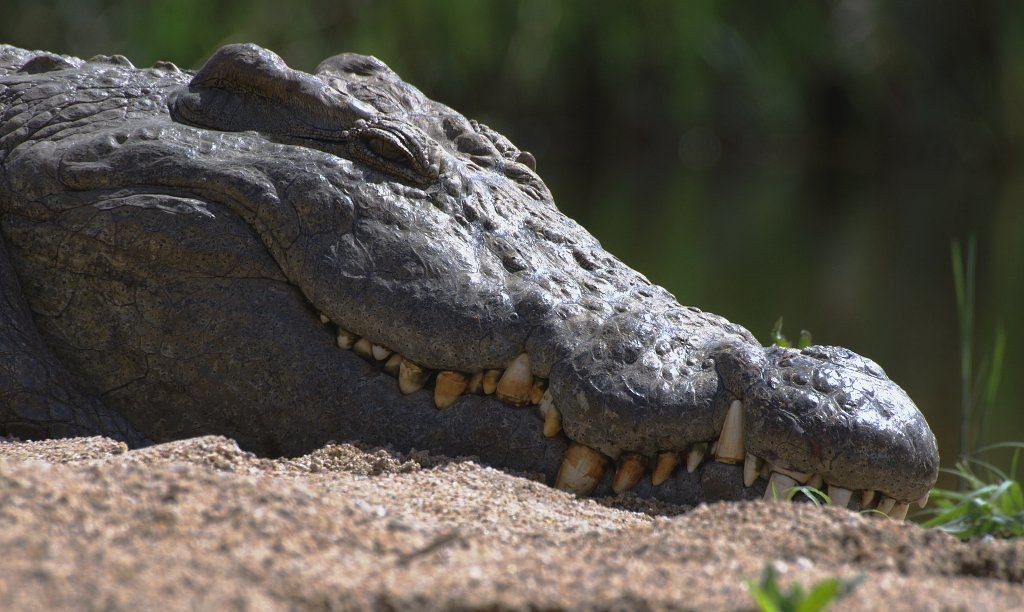
    The story of Gustave the crocodile has terrified people for decades. In the rivers and lakes of Burundi, many locals have shared frightening stories about a giant Nile crocodile linked to more than 200 deaths. Some reports even claim the number could be as high as 300. While experts cannot fully prove every death connected to the animal, Gustave remains one of the most feared crocodiles ever recorded.

    The legend of Gustave has spread far beyond Africa. Documentaries, books, and news reports have all explored the mystery surrounding this massive predator. In this article, you will learn who Gustave is, why he became so famous, how many deaths may be linked to him, and why experts still debate parts of his story. The facts behind this giant reptile are just as fascinating as the myths that surround him.

    Who is Gustave the crocodile?

    Crocodile” by AndreaTX is licensed under CC BY-NC-ND 2.0

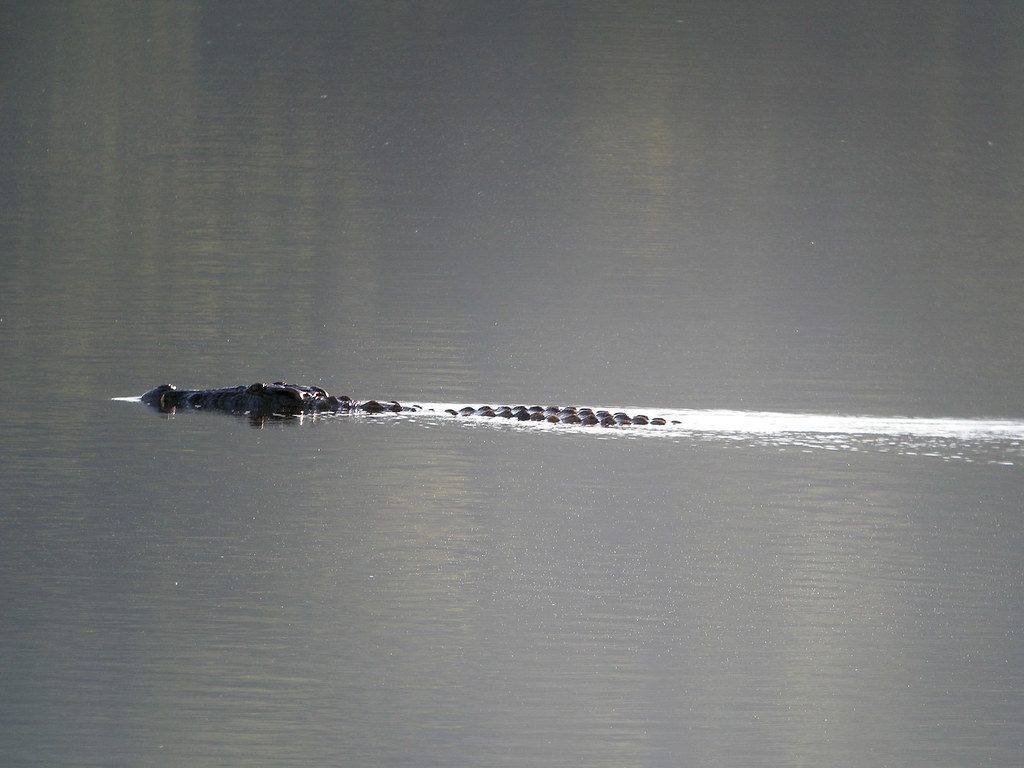
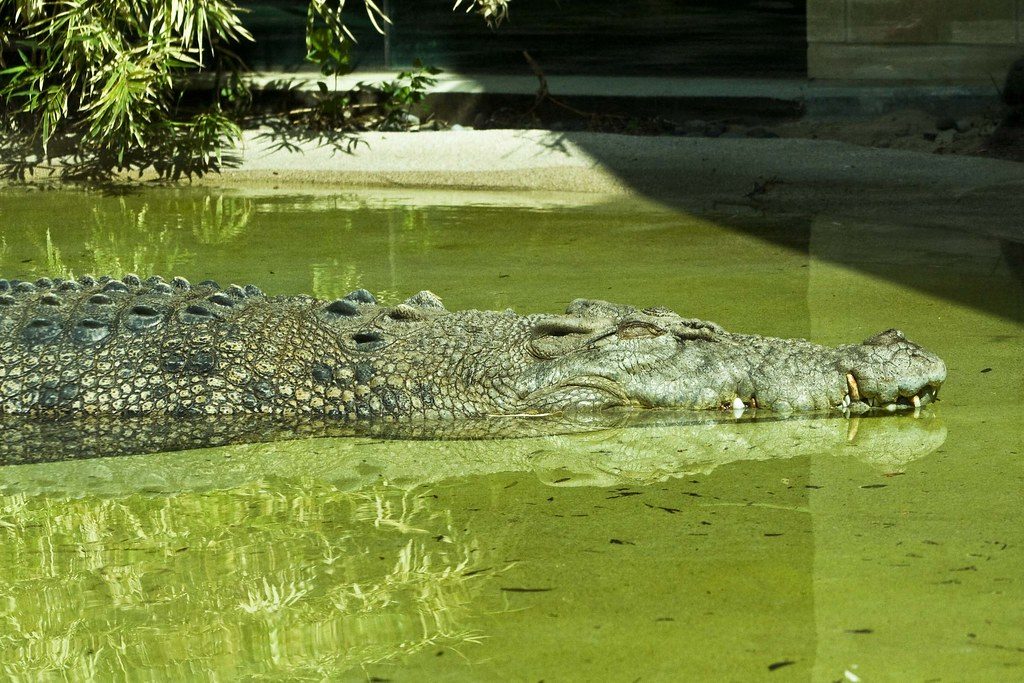
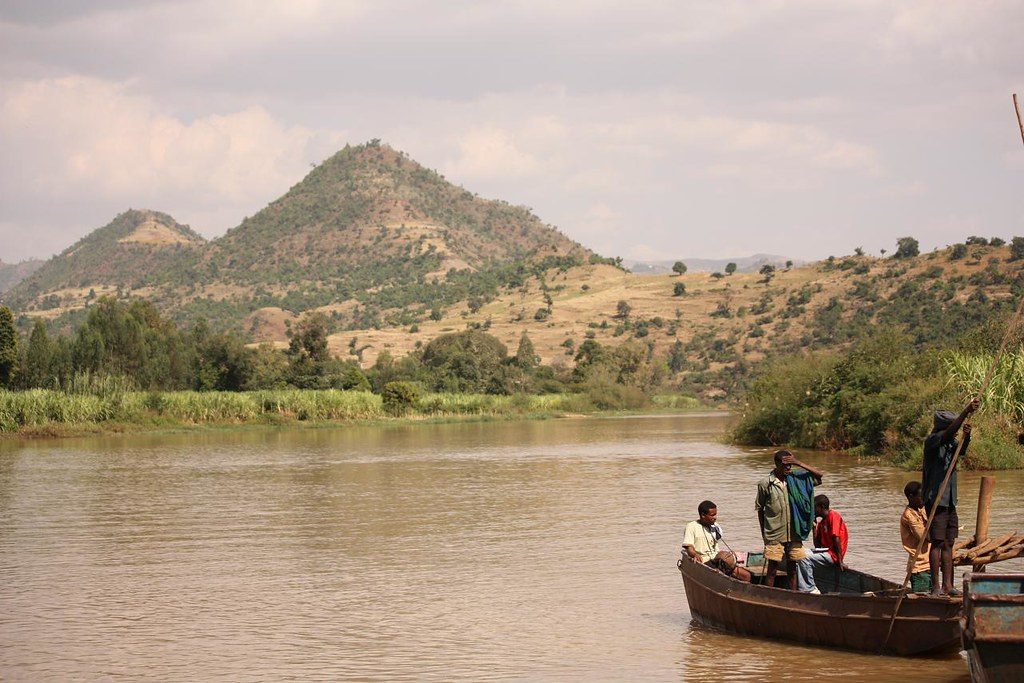
    Gustave is believed to be a giant male Nile crocodile living in Burundi, a country in East Africa. He has been seen near the Ruzizi River and along the northern shores of Lake Tanganyika. Scientists and local residents began paying close attention to him during the late 1990s because of his unusual size and his reputation as a dangerous predator.

    What makes Gustave stand out is how different he looks from most crocodiles. Reports describe him as being more than 20 feet long and weighing close to a ton. He also has several scars across his body, including marks that appear to have come from bullets. These scars helped researchers identify him during different sightings and added to his reputation as a survivor who seemed almost impossible to stop.

    Why people fear him so much

    Blue Nile River near the falls” by Beautiful Ethiopia is licensed under CC BY-NC-ND 2.0

    Many crocodiles attack people, especially in parts of Africa where humans live close to rivers and lakes. However, Gustave became famous because witnesses repeatedly connected him to deadly attacks. Local communities began viewing him as more than just a large animal. Over time, he became a figure of fear that people spoke about with great caution.

    Stories about Gustave often describe him attacking fishermen, people collecting water, and individuals traveling near the shoreline. Some accounts claim he would disappear for months and then suddenly return to attack again. Whether every story is true or not, the repeated reports created a powerful legend that spread throughout the region. Even today, many people remember Gustave as one of the most dangerous crocodiles ever seen.

    The debate over the death count

    an ambulance driving down a street next to a building
    Photo by Walter Dziemianczyk on Unsplash

    One reason Gustave remains such a mystery is the number of deaths linked to him. Some reports claim he may have killed between 200 and 300 people. These numbers have been repeated in documentaries, articles, and television programs for years. Because of this, Gustave is often described as one of the deadliest crocodiles in history.

    However, many experts urge caution when discussing these figures. The region where Gustave lives has faced political unrest and limited record keeping for many years. Not every attack was officially documented. Researchers have pointed out that proving which crocodile was responsible for each death is nearly impossible. While most experts agree that Gustave was involved in multiple fatal attacks, the exact number may never be known. Some modern estimates suggest the true figure could be much lower, though still very significant.

    Attempts to capture the giant reptile

    2 men standing on brown grass field during daytime
    Photo by BĀBI on Unsplash

    As stories about Gustave spread, researchers became determined to learn more about him. One of the most famous efforts was led by French herpetologist Patrice Faye. He spent years studying the crocodile and worked with teams that attempted to capture him. The goal was to measure him, examine his health, and better understand his behavior.

    One capture attempt gained worldwide attention through a documentary. The team built a large trap and used bait in hopes of drawing Gustave inside. Unfortunately, things did not go as planned. Heavy weather damaged equipment, and the crocodile escaped without being captured. The failed operation only increased his legendary status. To many people, it seemed as though Gustave was always one step ahead of those trying to catch him.

    What made Gustave different from other crocodiles

    Nile Crocodile” by D-Stanley is licensed under CC BY 2.0

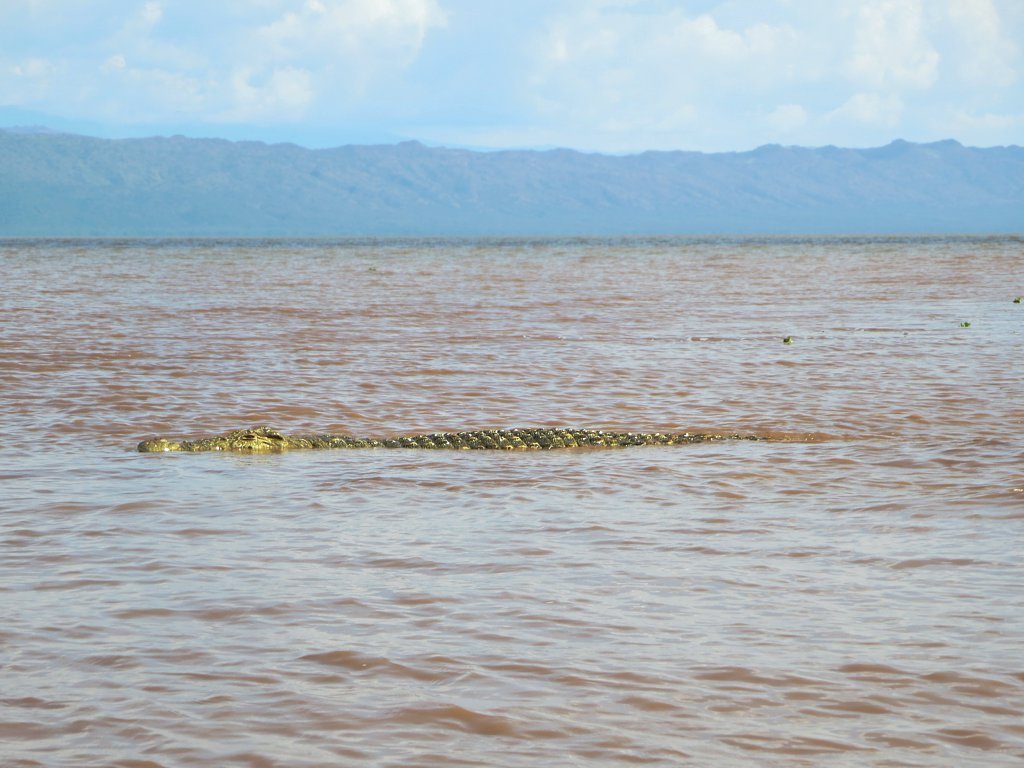
    Nile crocodiles are already among the largest and most powerful reptiles on Earth. They are capable hunters that can take down large animals. Yet researchers believe Gustave may have been unusual even among his own species. His enormous size may have changed the way he hunted and the types of prey he targeted.

    Some scientists think his age and body size made it harder for him to chase fast-moving animals such as fish and antelope. Instead, he may have focused on larger and slower targets. Reports suggest he attacked animals, including buffalo and possibly even hippopotamuses. If these reports are accurate, they would help explain why Gustave gained such a fearsome reputation. His size alone made him one of the most remarkable crocodiles ever observed.

    Is Gustave still alive today?

    Nile crocodile” by Arno Meintjes Wildlife is licensed under CC BY-NC-SA 2.0

    One of the biggest questions surrounding Gustave is whether he is still alive. Over the years, rumors have appeared claiming that he was killed. Yet no confirmed evidence has ever been presented to prove his death. No verified photographs, remains, or official reports have settled the matter.

    The last widely reported sightings occurred years ago, leading some experts to believe he may have died from old age. Nile crocodiles can live for many decades, but they do not live forever. Others believe he could still be alive in a remote part of the region where sightings are rare. Until solid evidence appears, Gustave’s fate remains unknown. This uncertainty is one reason his story continues to capture attention around the world.

  • The surprising animal linked to more U.S. deaths than sharks

    The surprising animal linked to more U.S. deaths than sharks

    When people think about dangerous animals in the United States, sharks usually come to mind first. Many imagine dramatic ocean attacks or wild predator encounters. But the reality is very different. The surprising animal linked to more U.S. deaths than sharks is the deer. This may sound shocking because deer look harmless and are often seen in parks or forests.

    In this article, you will learn why deer are considered the deadliest animal in America in terms of human deaths, how most of these incidents actually happen, and why sharks are far less dangerous in comparison. We will also explore the real risks behind deer encounters, especially on roads, and explain the facts in simple terms so you can clearly understand the hidden danger behind this common animal.

    Why deer are considered the deadliest animal in America

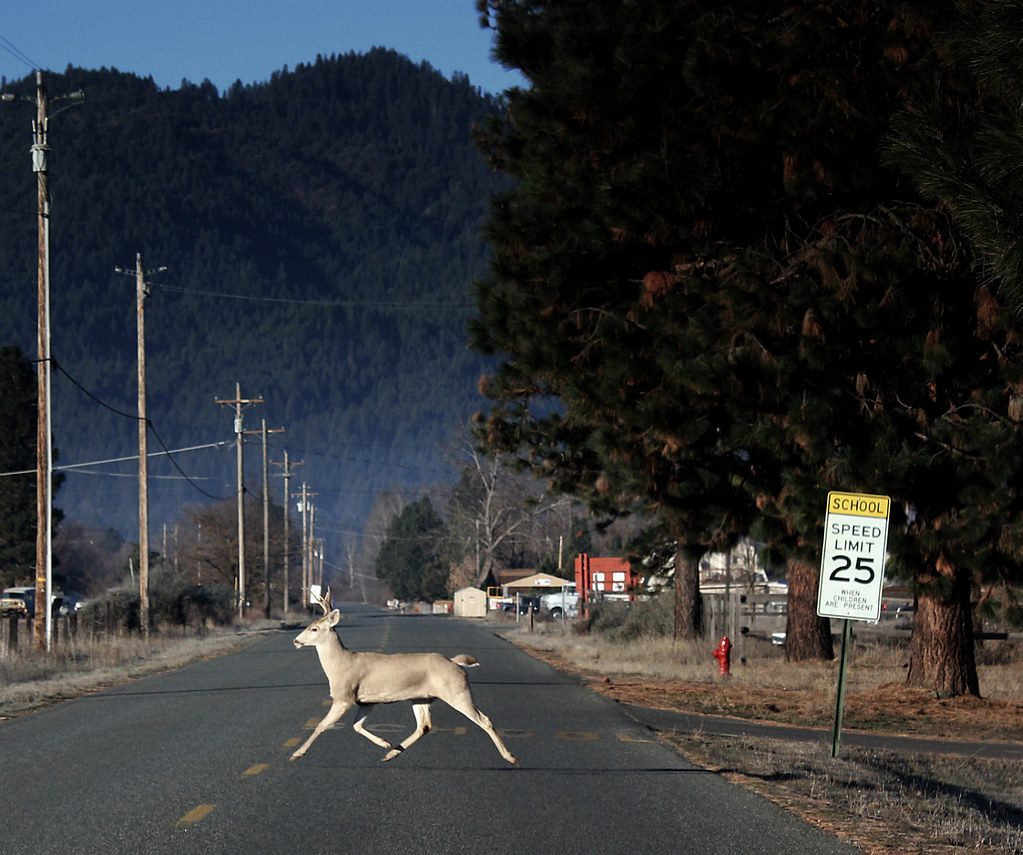
    Deer crossing road” by alexfiles is licensed under CC BY-SA 2.0

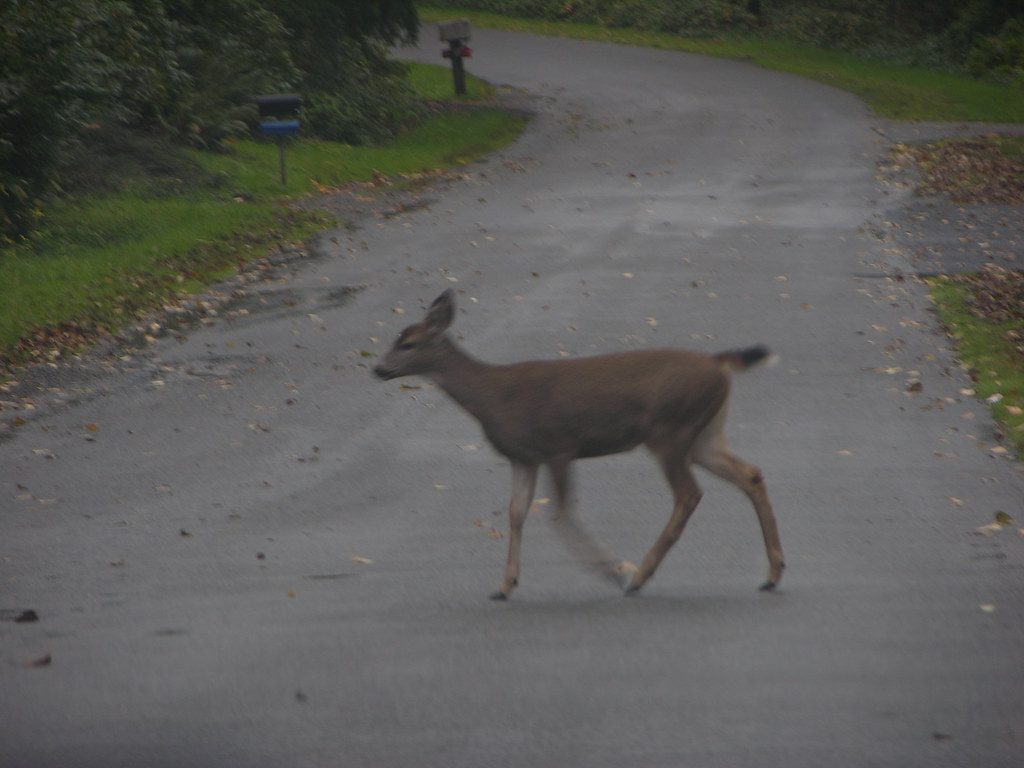
    Deer are not dangerous in the way predators like bears or wolves are. Instead, their danger comes mostly from traffic accidents involving vehicles. Across the United States, deer-vehicle collisions happen very often, especially in rural and suburban areas where deer frequently cross roads.

    According to widely reported public safety and traffic studies, these collisions lead to hundreds of human deaths each year, along with thousands of injuries. In fact, research compiled from transportation safety agencies shows that deer-related crashes are responsible for about 200 human deaths annually in the U.S. This makes deer statistically responsible for more human fatalities than sharks, bears, and other wild animals combined.

    How deer cause most human deaths

    a woman sitting in a car with a steering wheel
    Photo by Jan Baborák on Unsplash

    Most deer-related deaths do not happen because deer attack people directly. Instead, the danger comes when deer suddenly run into roads, and drivers do not have enough time to react. This often leads to high-speed crashes, especially at night when visibility is low.

    Many accidents happen during the fall mating season, also known as the rut, when deer move more frequently and unpredictably. Drivers may swerve to avoid hitting a deer, which can sometimes cause even more serious crashes, like hitting trees or rolling the vehicle. This is why experts warn that trying to avoid a deer at high speed can sometimes be just as dangerous as hitting one.

    Why sharks are far less dangerous than people think

    “Tiger shark” by WIlly Volk is licensed under CC BY-NC-SA 2.0

    Sharks often get a reputation as one of the most feared animals in the world, mostly because of movies and media coverage. However, shark attacks on humans are extremely rare in the United States. On average, shark-related deaths are fewer than one per year.

    When compared to deer, the difference is huge. Deer cause around 200 deaths per year through vehicle collisions, while sharks cause only a tiny fraction of that number worldwide. This makes sharks far less of a real-world threat than most people assume, even though they appear more dangerous in popular culture.

    Where deer encounters are most common

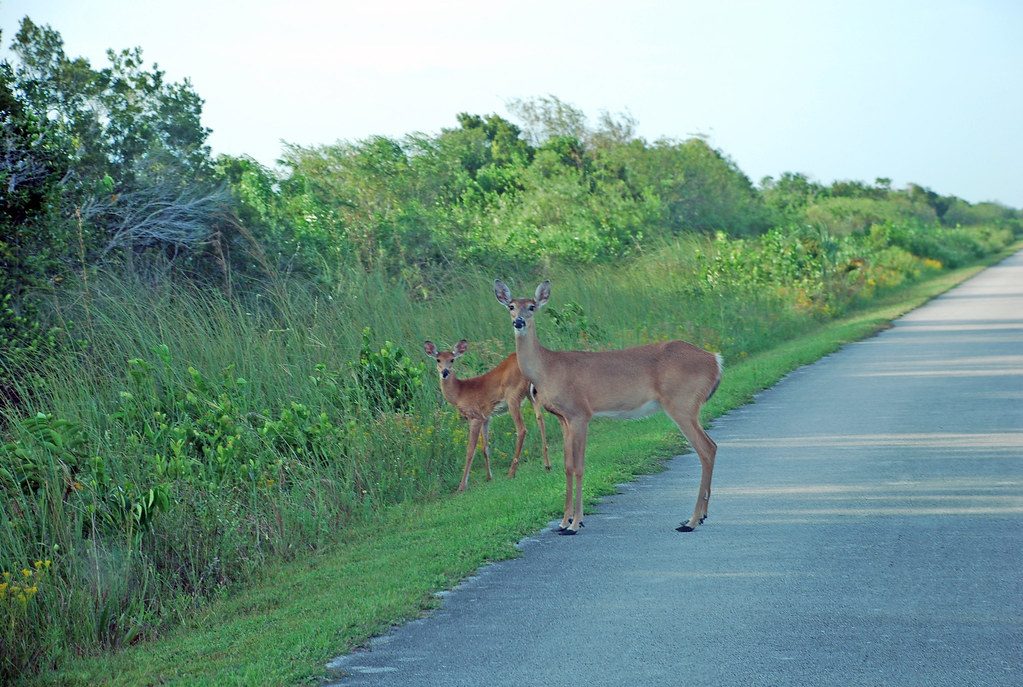
    Deer in Road, NPSphotos.jpg” by evergladesnps is licensed under CC PDM 1.0

    Deer-related accidents happen in many parts of the country, but they are especially common in states with large rural road networks and forested areas. States like Pennsylvania, Michigan, and Wisconsin often report high numbers of deer collisions each year.

    These areas have large deer populations and roads that pass through natural habitats. As cities expand into wooded regions, deer and humans come into closer contact. This increases the chance of accidents, especially during early morning and evening hours when deer are most active.

    How to stay safe around deer on the road

    person driving a car” by yonkershonda is licensed under CC BY-SA 2.0

    Staying safe around deer is mostly about awareness and careful driving. Drivers are advised to reduce speed in areas where deer crossing signs are posted and to stay alert, especially at dawn and dusk when deer are most active.

    If a deer suddenly appears on the road, experts recommend braking firmly while staying in your lane instead of swerving sharply. Swerving can cause loss of control or collisions with other vehicles or objects. Using high beams at night in low-traffic areas can also help spot deer earlier and reduce risk.

    Why this fact surprises so many people

    Man is looking at a screen with his head down.
    Photo by Alicia Christin Gerald on Unsplash

    The idea that deer cause more human deaths than sharks surprises many people because it goes against common fear patterns. People tend to fear dramatic and rare events, like shark attacks, while underestimating everyday risks like road accidents.

    Deer are seen as gentle and harmless animals, which makes the statistic even more unexpected. However, when looking at real data, it becomes clear that indirect risks, like vehicle collisions, can make an animal far more dangerous to humans than direct attacks ever could be.

  • Emotional moment as dying Husky visits her farm animal companions one last time

    Emotional moment as dying Husky visits her farm animal companions one last time

    Saying goodbye to a beloved pet is one of the hardest moments any animal lover can face. The story of Bianca’s final goodbye shows just how deep the bond between animals can be. As Bianca, a senior Husky, reached the end of her life, she spent time with the animal friends she had known for years. Her touching farewell moved thousands of people and sparked questions about how animals react when another animal is nearing the end of life.

    In this article, you will learn about Bianca’s final goodbye, the special moment she shared with a horse friend, and why many people believe animals can sense important changes in one another. It is a heartfelt story about friendship, love, and compassion.

    Bianca’s final journey with her friends

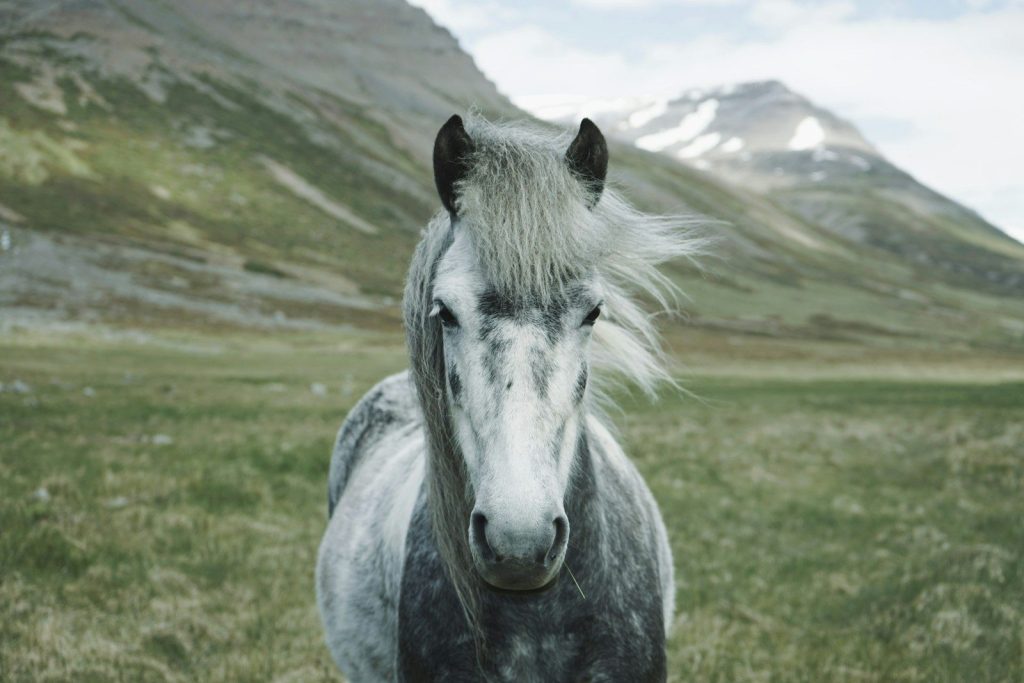
    close-up photography of white and gray horse standing on green grass field
    Photo by Oscar Nilsson on Unsplash

    Bianca was an 18.5-year-old Husky who had spent many years surrounded by farm animals. As her health declined, her family knew the time was coming to say goodbye. They wanted to make her final days as peaceful and meaningful as possible.

    Knowing Bianca was nearing the end of her life, her family helped her visit the animals she loved. These moments allowed her to spend one last time with familiar companions. It was a touching way to honor the friendships she had formed throughout her life.

    A touching moment with her horse companion

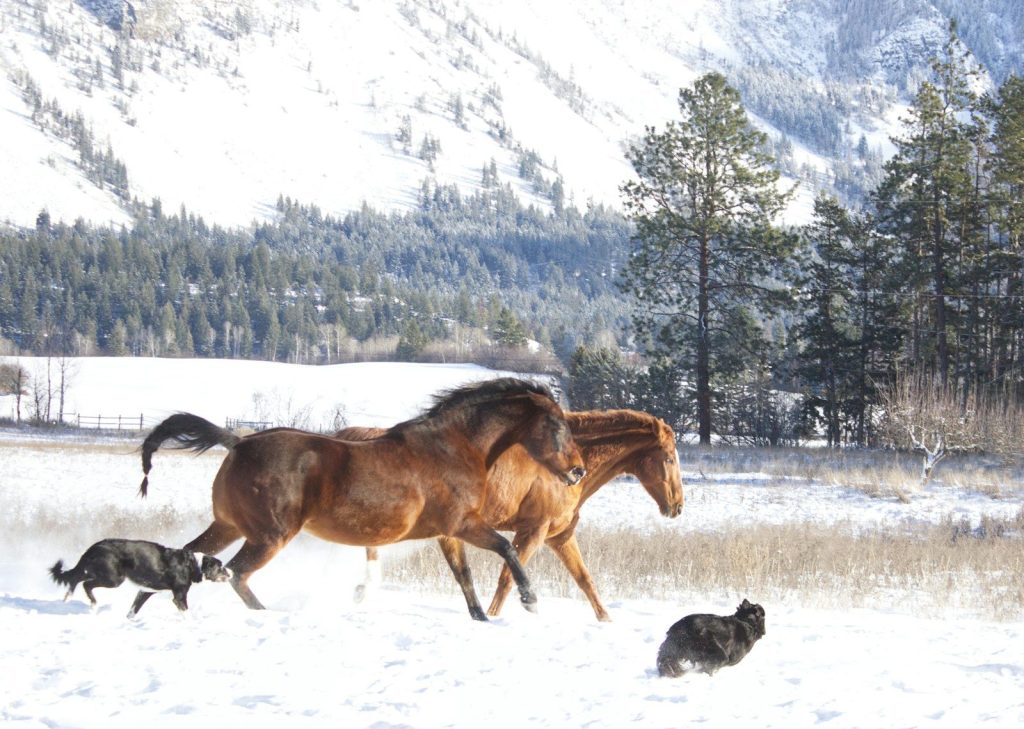
    two horses and a dog running in the snow
    Photo by Sheila Swayze on Unsplash

    One of the most emotional moments happened when Bianca was brought to see her horse friend. In a video shared on social media, Bianca was gently carted to the horse’s enclosure so the two animals could spend time together.

    The horse greeted Bianca with loving licks and gentle nose snuggles. Bianca appeared very weak and could barely respond, but the interaction seemed meaningful. The quiet exchange between the two animals touched the hearts of many people who watched the video.

    A farewell that touched thousands

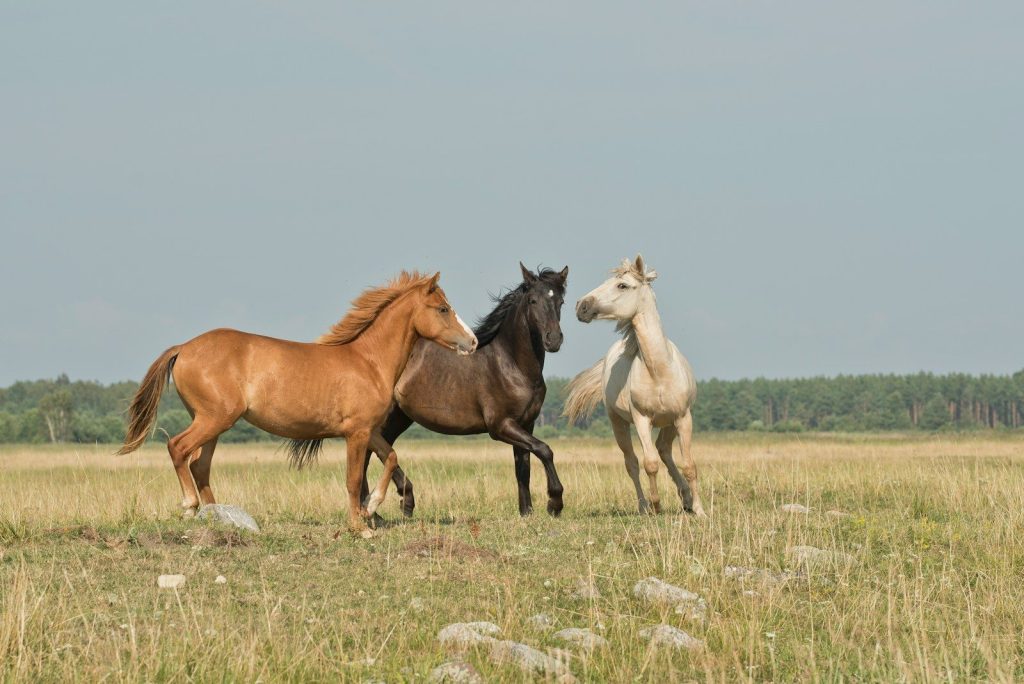
    three horses on green ground
    Photo by Annika Treial on Unsplash

    The video of Bianca’s final goodbye quickly gained attention online. More than 8,000 people liked the post and shared their feelings about the touching moment. Many viewers were moved by the connection between Bianca and the horse.

    Bianca’s family shared an emotional message about their beloved dog. They explained that the sad day had arrived and that Bianca was ready to cross over. They described her as a sweet and perfect angel who would always be loved and remembered.

    Why do people believe the horse understood?

    selective focus photography of two brown horses
    Photo by Raphael Wicker on Unsplash

    Many viewers felt that the horse somehow knew Bianca was nearing the end of her life. One emotional follower commented that the horse knew what was happening and praised animals for their remarkable abilities.

    Others focused on how precious the moment was. Watching the horse stay close and show affection made many people feel that the animal sensed Bianca needed comfort. The interaction appeared gentle, caring, and full of emotion.

    Can animals sense the end of life?

    white horse running on grass field
    Photo by Helena Lopes on Unsplash

    Bianca’s story naturally raises questions about whether animals can sense when another animal is dying. Experts believe animals may recognize signs that a human or animal is approaching the end of life.

    There is no evidence that animals understand death in the same way humans do. However, they may notice changes in scent, body language, breathing patterns, body chemistry, and behavior. These signals can help animals recognize that something is different about a companion.

    How animals show care and compassion

    brown and white horses on green grass field during daytime
    Photo by Lucia Macedo on Unsplash

    Animals often respond to changes in others in different ways. Some may howl, cry out, or gently nudge a human or animal that is nearing the end of life. These behaviors suggest a strong awareness of the condition of those around them.

    While some animals may distance themselves from a dying companion, that was not the case with Bianca’s horse friend. Instead, the horse stayed close and showed affection during their final meeting. It was a beautiful example of companionship and care.

  • Pregnant stray cat rescues orphan kitten and forms an unexpected family

    Pregnant stray cat rescues orphan kitten and forms an unexpected family

    What happens when a homeless pregnant cat gets a second chance at life? In this story about a font cat rescuing an orphaned kitten, a stray mother cat not only survives but also shows powerful care for another helpless baby. Her journey began on the streets of a residential complex, where she struggled alone while expecting kittens.

    This article explains how Font was rescued, how her kittens were born, and how she later accepted an orphaned kitten with no hesitation. You will also learn how her story shows strong survival instincts and unexpected kindness in animals. It is a simple but powerful example of care, loss, and new beginnings.

    Rescue of a pregnant stray cat in Texas

    orange and white cat walking on gray concrete floor
    Photo by Mahdi Rezaei on Unsplash

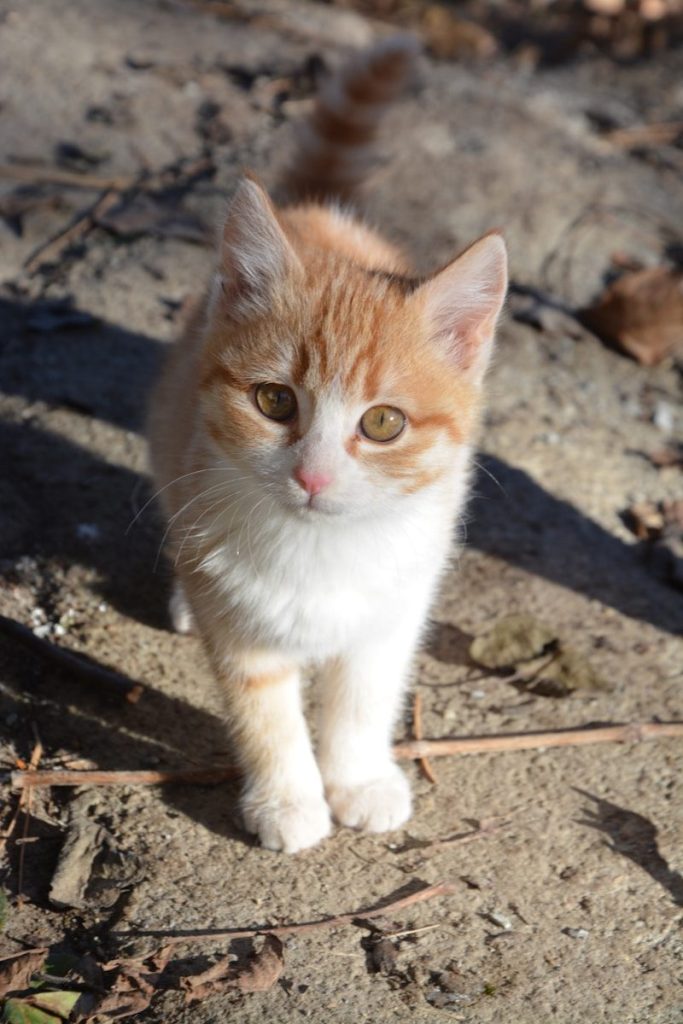
    Font’s story began in a residential complex in Corpus Christi, Texas. Residents noticed a pregnant cat wandering around, trying to survive on her own. She had no safe place and was clearly struggling.

    The neighbors decided not to ignore her situation. They contacted a local rescue group called Coastal Bend Cat Rescue. The organization stepped in quickly to help the vulnerable cat. Font was taken in by a foster family just in time. She was described as calm and very sweet from the beginning. This gave her a safe space before giving birth.

    Birth of five kittens and early challenges

    orange tabby kitten on white fur textile
    Photo by Kym Ellis on Unsplash

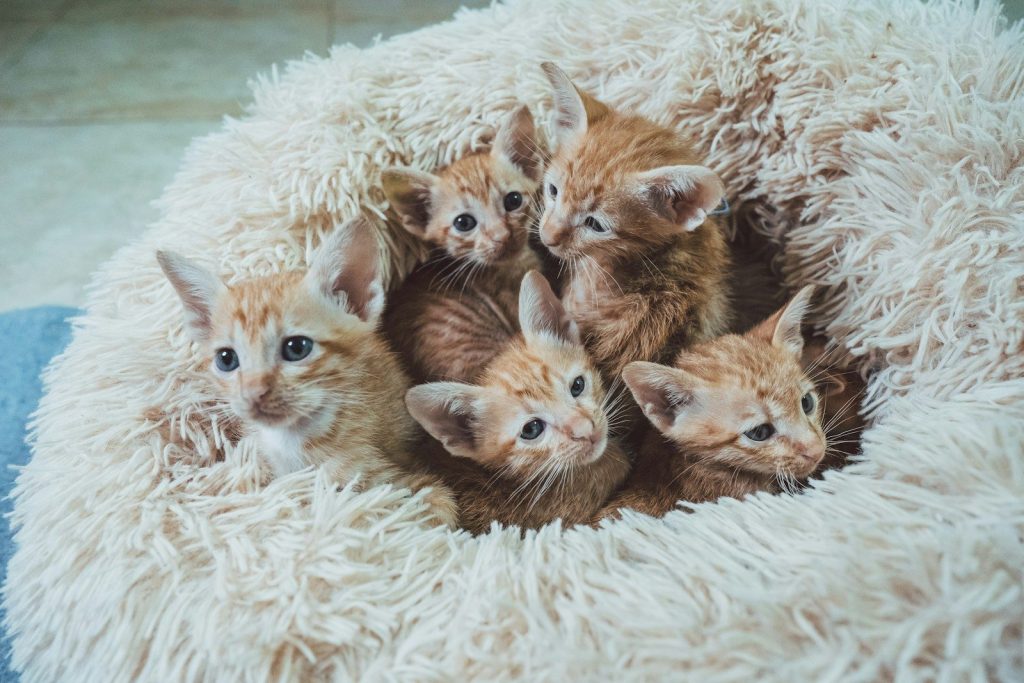
    A few days after being rescued, Font gave birth to five ginger male kittens. The foster home provided warmth and care for the new family. It was a moment of joy for everyone involved.

    Sadly, one kitten, the runt named Wingding, was very weak. Despite care and attention, he did not survive. He passed away peacefully, surrounded by comfort. The other four kittens grew stronger over time. They began to show different personalities as they developed.

    Life of Font caring for her kittens

    orange tabby cat on blue plastic basin
    Photo by Prasad Panchakshari on Unsplash

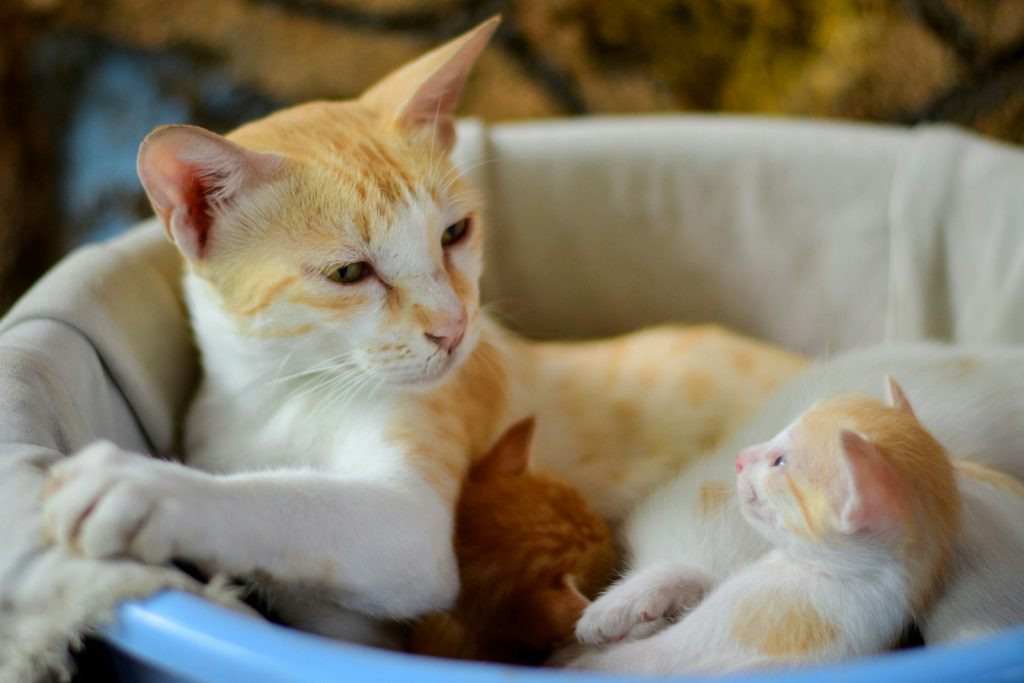
    Font quickly settled into her role as a mother. She stayed close to her kittens and constantly watched over them. Her behavior showed strong focus and calm protection.

    She gave all her attention to keeping her babies safe. The foster family observed her deep commitment every day. Her care helped the surviving kittens grow healthier and stronger. The kittens became more active as time passed. Their energy increased, and their personalities started to shine.

    Discovery of an abandoned kitten

    a cat in a cardboard box
    Photo by Rishabh P S on Unsplash

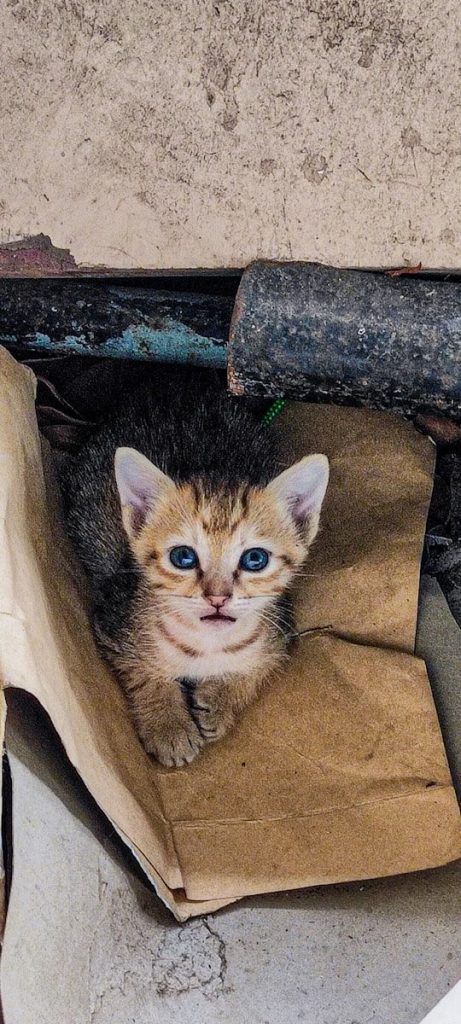
    Just when things felt stable, something unexpected happened. A landscaping team found a very small ginger kitten hidden in a bush. The kitten was only about a week old.

    The newborn was alone, hungry, and abandoned. Animal services took the kitten and brought it to the rescue center. It was clear the kitten needed urgent care. He was much smaller than Font’s four kittens. Even so, the rescue team saw a possible solution.

    Font accepts an orphaned kitten

    orange and white tabby cat
    Photo by eko tavkhelidze on Unsplash

    The volunteers decided to carefully introduce the orphaned kitten to Font. They were unsure how she would react. The situation could have gone either way.

    Font surprised everyone with her immediate acceptance. She did not reject the tiny newcomer at all. Instead, she welcomed him as if he belonged there. The orphaned kitten quickly became part of her care. Font treated him with the same attention as her own babies.

    A growing family ready for adoption

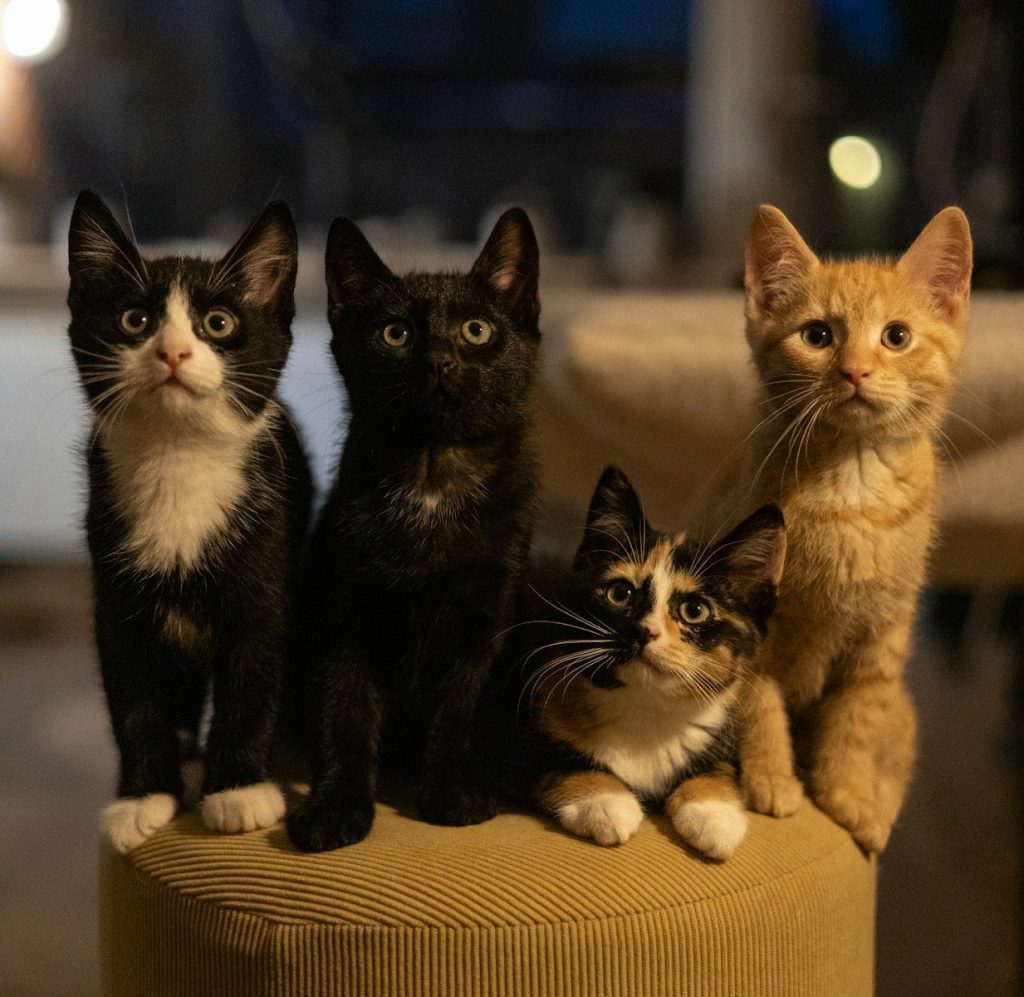
    A group of cats sitting on top of a stool
    Photo by Thomas de Fretes on Unsplash

    Over time, all five kittens grew stronger and healthier. Their eyes opened, and their energy increased each day. They became playful and full of life.

    Because they were doing so well, the rescue group made a decision. The Cattery, a cage-free shelter, agreed to take them in earlier than planned. This step prepared them for future adoption. Font’s story became a clear example of resilience and care. From a homeless stray to a loving mother, her journey inspired many.

  • Rare Przewalski’s horse foal born at Bronx Zoo marks major conservation win

    Rare Przewalski’s horse foal born at Bronx Zoo marks major conservation win

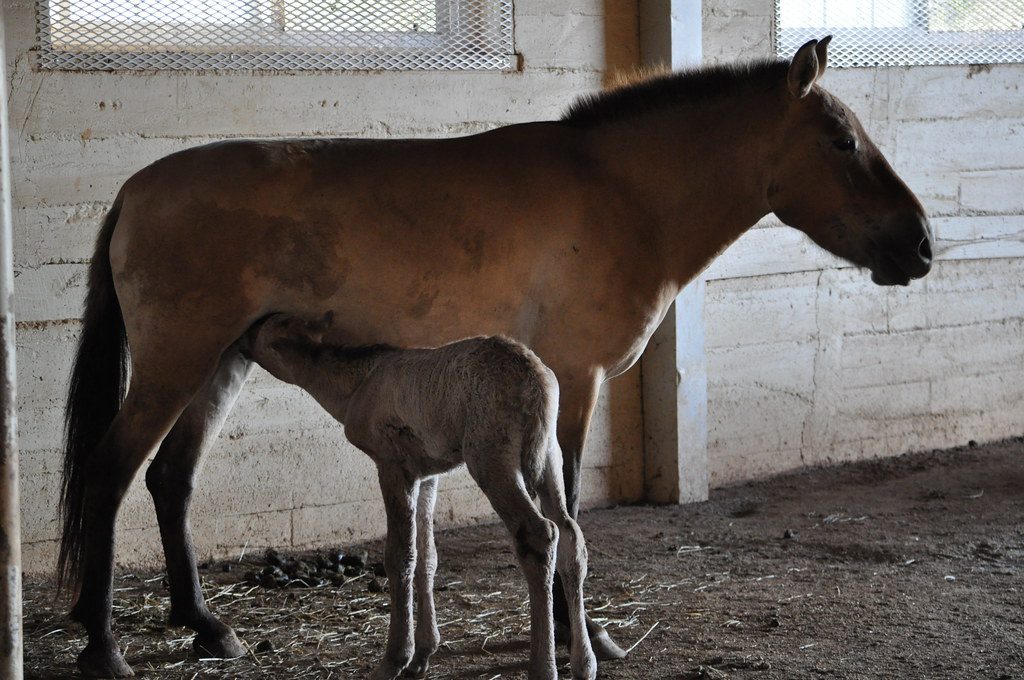
    A rare moment at a major zoo has drawn global attention. A Przewalski’s horse foal at Bronx Zoo was recently born, marking an important step for one of the rarest horse species on Earth. These horses were once completely gone from the wild.

    This article explains the foal’s birth and why it matters for conservation. It also covers why the species became so rare and how humans helped bring it back. You will also learn where these horses live today and how they are still being protected.

    Birth of Przewalski’s horse foal at Bronx Zoo

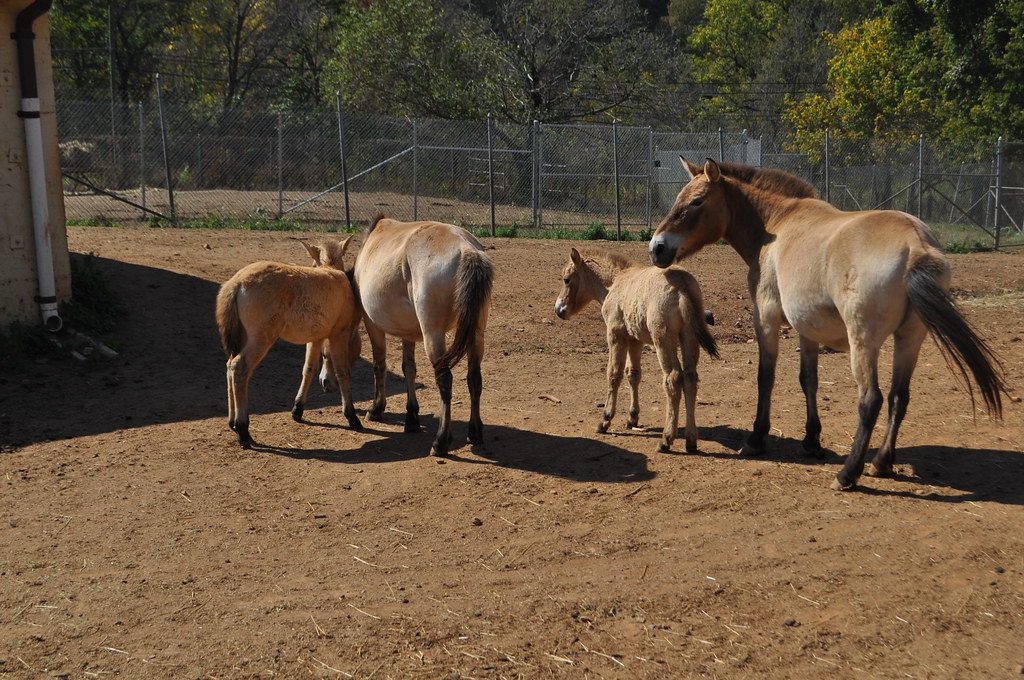
    Przewalski’s horses” by СмdяСояd is licensed under CC BY-NC-SA 2.0

    The Bronx Zoo in New York City announced the birth of a Przewalski’s horse foal on April 21. This event is considered an important milestone in protecting a species that nearly disappeared from the planet. It highlights ongoing efforts to support rare wildlife. The foal is part of the zoo’s Wild Asia Monorail exhibit. Visitors can see the young horse and its herd for a limited time until October.

    Zoo officials called the birth a special moment worth celebrating. The Wildlife Conservation Society also confirmed the news in a press release. They emphasized how important the birth is for conservation work. The announcement drew attention from wildlife supporters worldwide.

    Why Przewalski’s horses are so rare

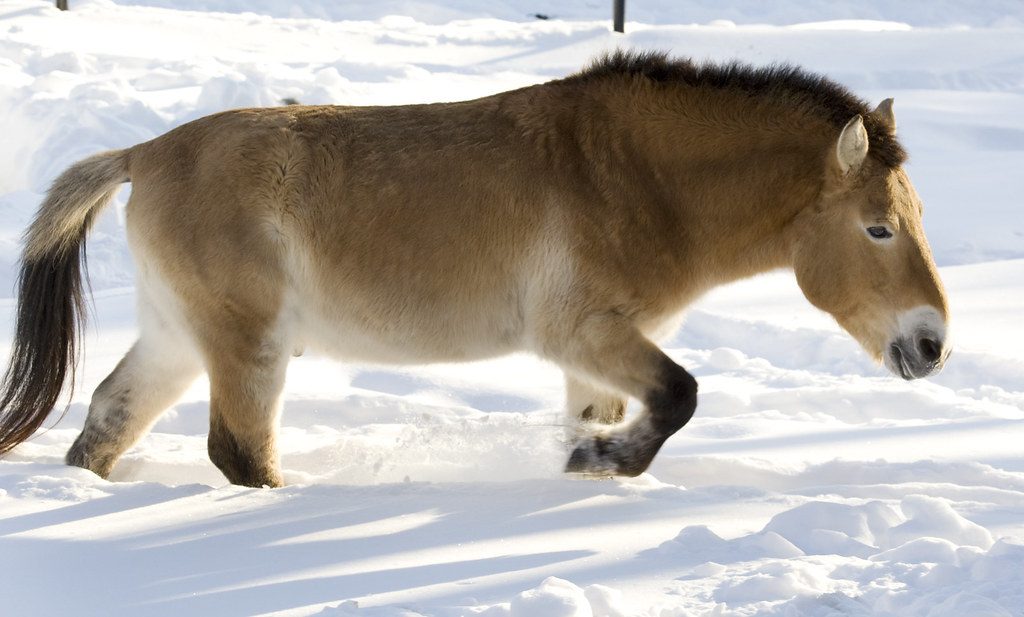
    Mongolei: Przewalski-Pferd – Mongolia: Przewalski’s horse” by Daniela Hartmann (alles-schlumpf) is licensed under CC BY-NC-SA 2.0

    Przewalski’s horses, also called Mongolian wild horses, were once found across parts of Asia. Over time, their population declined due to human activity. This decline continued until they disappeared from the wild. By the 1960s, the species was completely extinct in the wild.

    Hunting, habitat loss, and human expansion were major causes of this loss. Only captive populations remained to keep the species alive. Today, the species is still endangered despite recovery efforts. Fewer than 2,000 are estimated to exist worldwide. Their status is listed as endangered by conservation authorities.

    Physical traits of the wild horse species

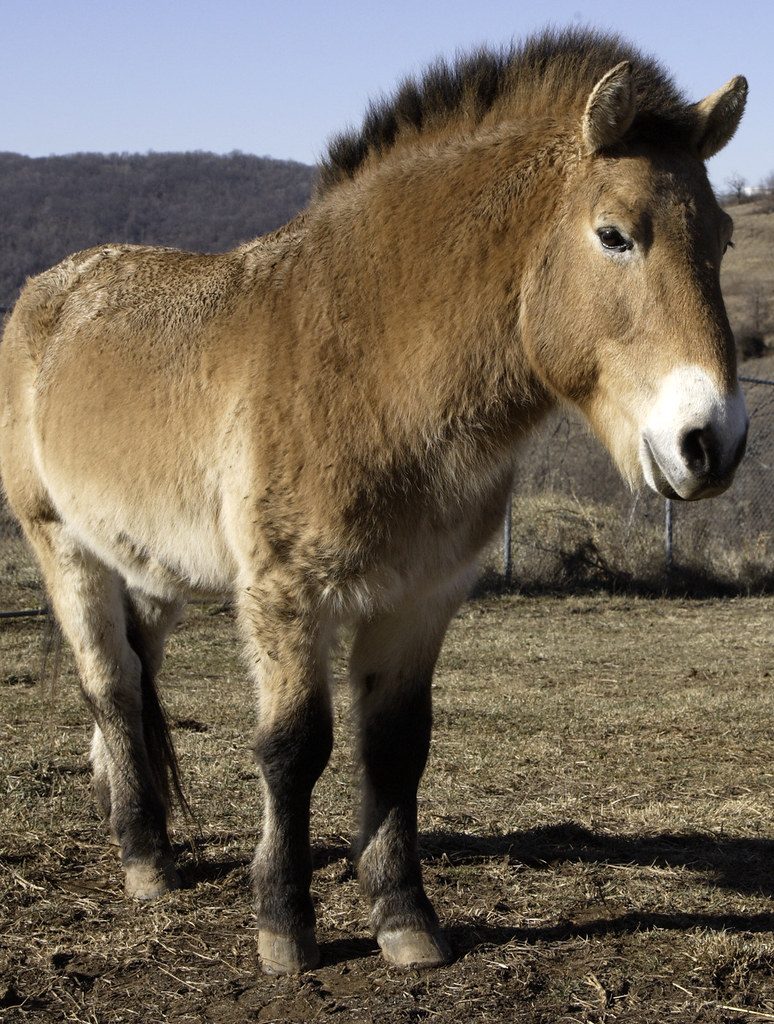
    Dubbo Zoo. Przewalski’s horse also known as Takhi. From Mongolia.” by denisbin is licensed under CC BY-ND 2.0

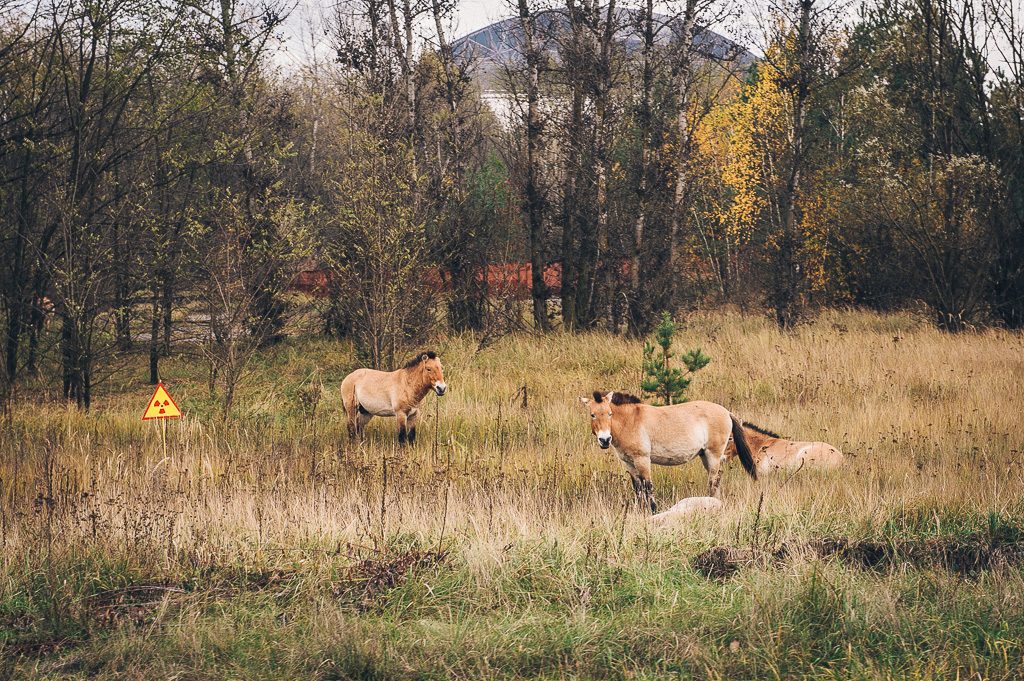
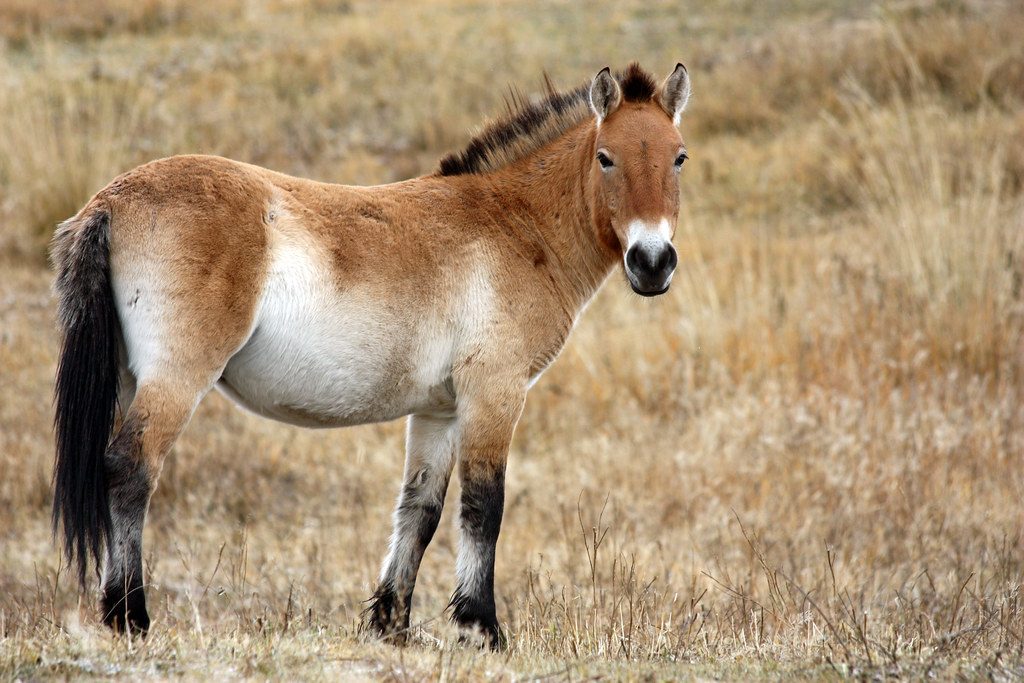
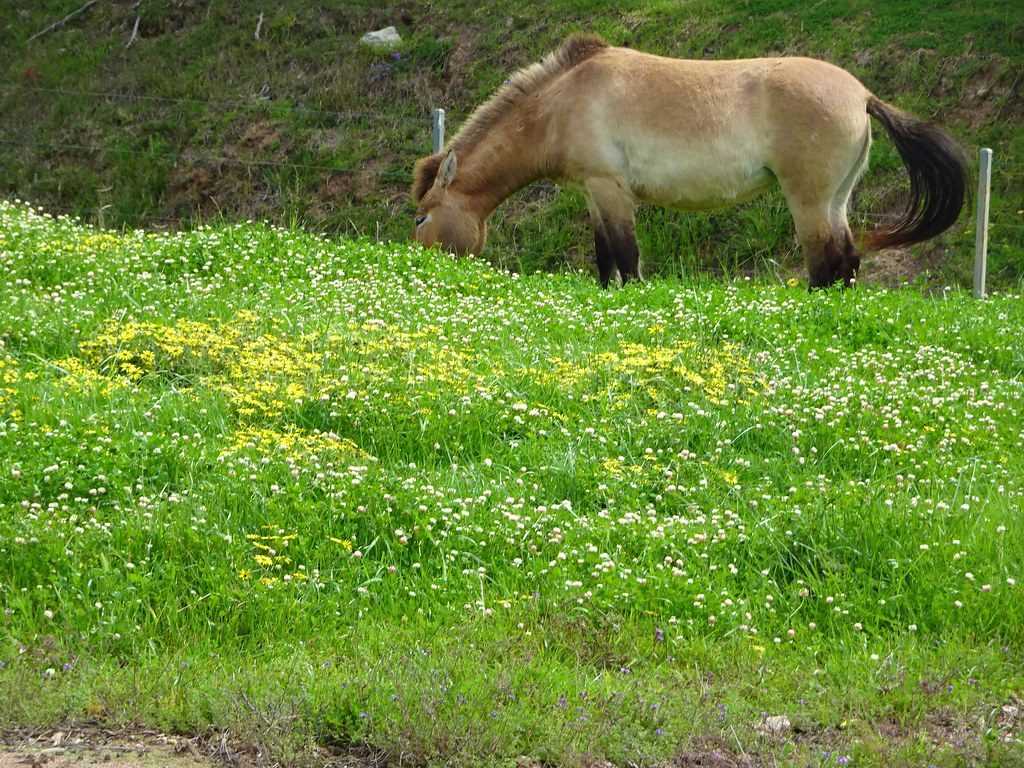
    Przewalski’s horses have a strong and stocky body. They are built to survive in harsh grassland environments. Their appearance makes them easy to identify in the wild or in zoos. They have a dun-colored coat and a short, upright, dark mane.

    These features help them blend into dry landscapes. Their legs are short but powerful for rough terrain movement. Adult horses weigh between 550 and 800 pounds. They can reach up to about 5 feet in height. This makes them smaller than many common domestic horse breeds.

    How conservation programs brought them back

    Przewalski’s Horse Dies at the Smtihsonian Conservation Biology Institute” by Smithsonian’s National Zoo is licensed under CC BY-NC-ND 2.0

    Even after disappearing from the wild, the species was not completely lost. Breeding programs in captivity helped keep the population alive. These programs became essential for survival. Zoos and conservation groups worked together to protect genetic diversity.

    Their goal was to avoid inbreeding and maintain a healthy population. Careful planning helped the species slowly recover. These efforts became one of the most successful wildlife recovery stories. The species began to grow again through managed care. Reintroduction programs later returned them to their natural habitats.

    Role of Bronx Zoo and global breeding efforts

    Przewalski’s Horse Dies at the Smtihsonian Conservation Biology Institute” by Smithsonian’s National Zoo is licensed under CC BY-NC-ND 2.0

    The Bronx Zoo has played an important role in saving this species. It participates in coordinated breeding programs with other institutions. These programs help manage population growth carefully. Officials have described the zoo’s role as “pivotal” in conservation efforts.

    This work supports the long-term survival of the species. It also helps ensure genetic health across populations. Zoo-bred horses were reintroduced into the wild in China in 1989. They were also released in Mongolia in 1992. These steps helped restore wild populations in their native regions.

    Wild survival stories, including the Chornobyl Exclusion Zone

    National Zoo Mourns Loss of Przewalski’s Horse” by Smithsonian’s National Zoo is licensed under CC BY-NC-ND 2.0

    Przewalski’s horses have also been seen in unusual places. One of these is the Chornobyl Exclusion Zone in Ukraine. The area became mostly empty of humans after the 1986 nuclear disaster. In the late 1990s, horses were introduced into the region.

    About 31 horses were first released as part of a rewilding effort. Over time, their population began to grow. Today, estimates suggest between 150 and 180 horses live there. The area has become a refuge for wildlife with little human presence. It shows how nature can recover in unexpected ways.

  • 6 simple habits that can make your cat much happier at home

    6 simple habits that can make your cat much happier at home

    Have you ever wondered if your cat really understands your feelings? Many cat owners ask themselves how to show their cat love in a way their pet can truly feel. The good news is that cats are very good at understanding affection when it is shown in the right way. They notice body language, time spent together, and gentle care.

    This article explains simple and natural ways to connect with your cat. You will learn how cats show love back and how you can respond in a way they understand. From slow blinking to playtime and grooming, these ideas help build trust, comfort, and a stronger bond with your cat in everyday life.

    Understanding the love blink

    an orange and white cat laying on top of a person's hand
    Photo by Rhamely on Unsplash

    Cats often show affection through slow blinking. When a cat looks at you with half-closed eyes and slowly blinks, it is a calm and friendly signal. This behavior usually appears when your cat feels safe, relaxed, and comfortable around you. It is one of the clearest signs of trust.

    You can respond by slowly blinking back at your cat. This simple action helps your cat feel understood and connected to you. Over time, this quiet exchange can strengthen your bond and create a sense of warmth between you and your pet.

    Share some space with your cat

    orange tabby cat on gray area rug
    Photo by Christin Hume on Unsplash

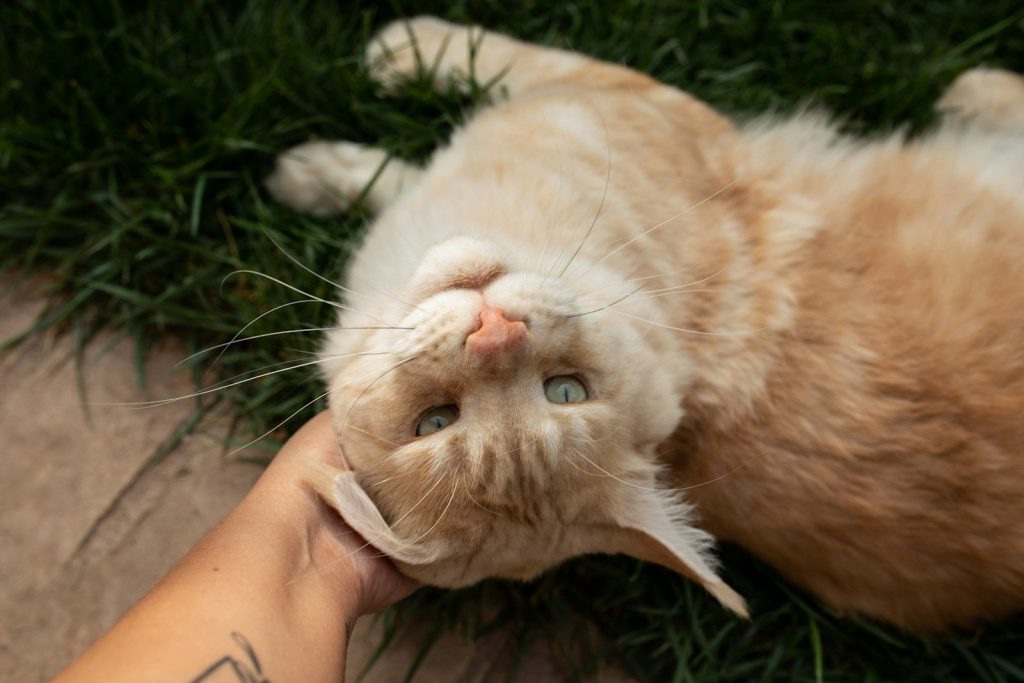
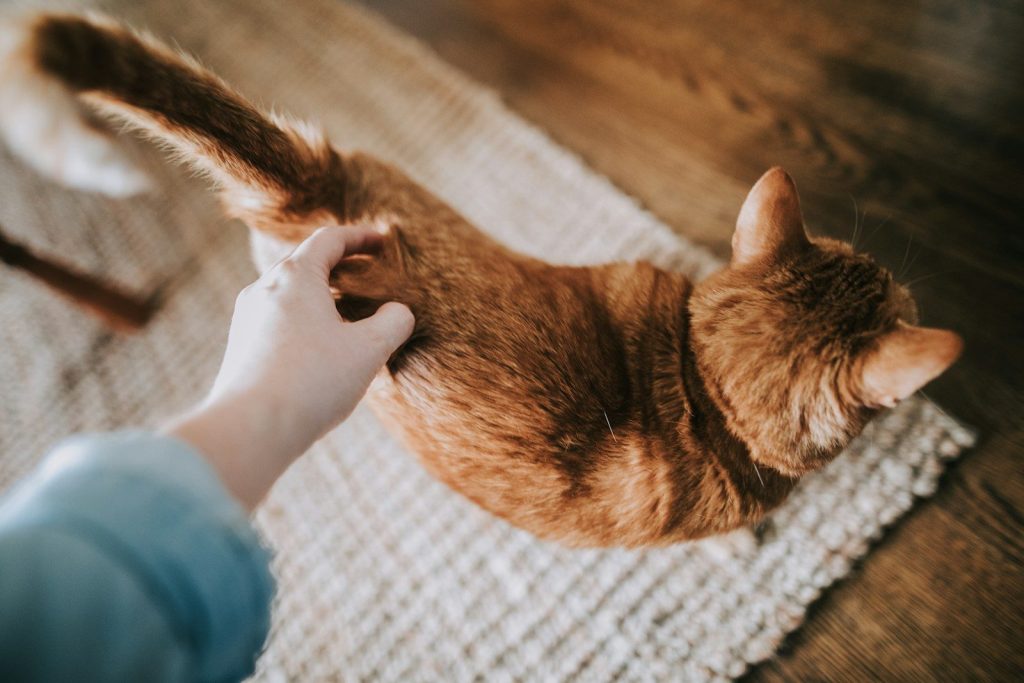
    Spending time close to your cat is one of the strongest ways to build a bond. Cats that feel connected often stay near each other, touch, groom, or sleep together. When you sit with your cat, pet them gently or cuddle them, you are showing them care in a way they understand.

    Cats also show affection by rubbing their head or face against you. This behavior releases natural scents that help them feel safe and calm. Allowing these moments of closeness helps your cat feel secure and strengthens your relationship naturally.

    Playtime builds strong bonds

    tabby cat touching person's palm
    Photo by Jonas Vincent on Unsplash

    Play is very important for many cats. It gives them exercise, mental stimulation, and a chance to connect with you. Playing together is not just fun, it also helps build trust and a closer relationship between you and your cat.

    Every cat has different play preferences. Some enjoy wand toys, while others prefer toys like a mouse on a string. It may take some time to learn what your cat likes best. Changing toys regularly also keeps playtime exciting and helps prevent boredom.

    Grooming shows care and trust

    brown tabby cat on black leather chair
    Photo by Chewy on Unsplash

    Grooming your cat is another way to show love. Many cats enjoy being brushed, and it helps them feel relaxed and cared for. In the wild, bonded animals often groom each other, which builds trust and connection.

    When you groom your cat gently, watch their body language to make sure they are comfortable. Over time, your cat may even come to you for grooming. It also helps you check their coat for any problems, such as mats or skin issues.

    Enrichment keeps your cat happy

    woman and cat joining hands
    Photo by Humberto Arellano on Unsplash

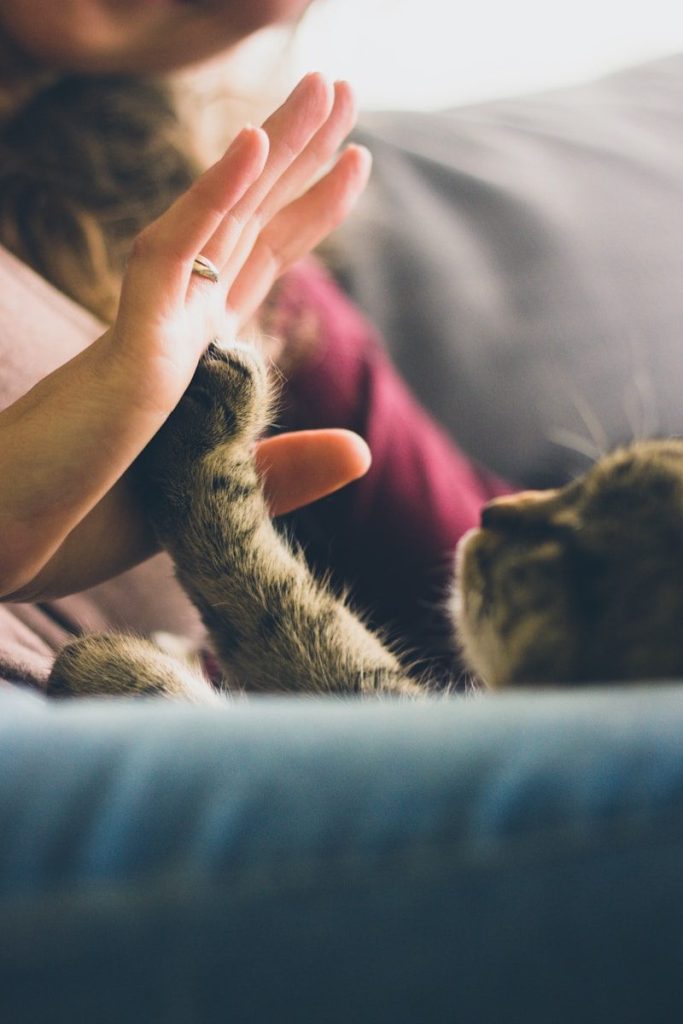
    Cats can feel bored or lonely when they are alone for long periods. Providing enrichment helps keep them active and mentally engaged. Simple items like cat trees, scratching posts, and toys can make a big difference in their daily life.

    Even everyday objects like cardboard boxes can keep a cat entertained. Enrichment helps reduce unwanted behavior caused by boredom and frustration. It also supports a happier and more balanced lifestyle for your cat.

    Catnip brings joy and excitement

    A cat playing with a toy on a bed
    Photo by Tatyana Rubleva on Unsplash

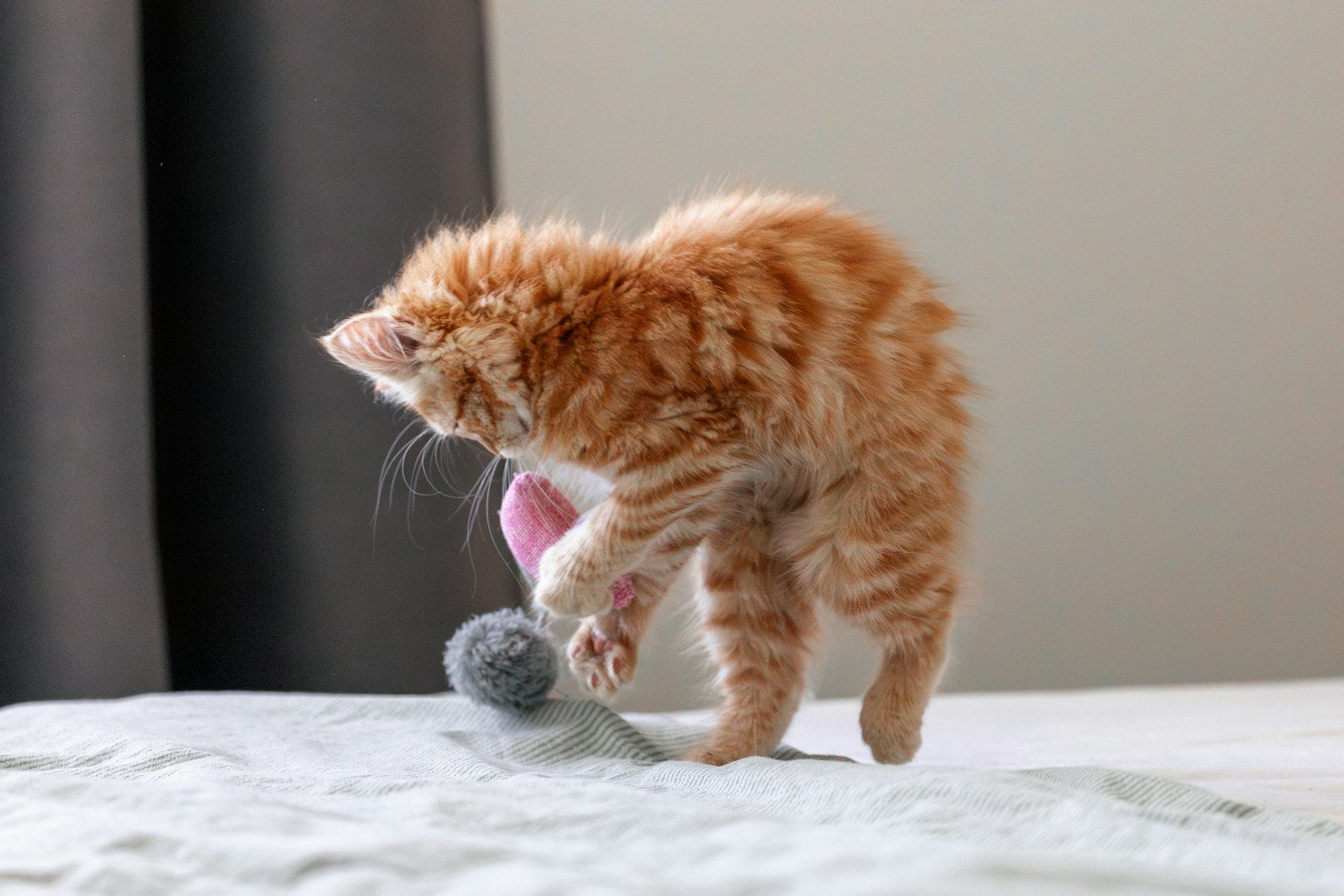
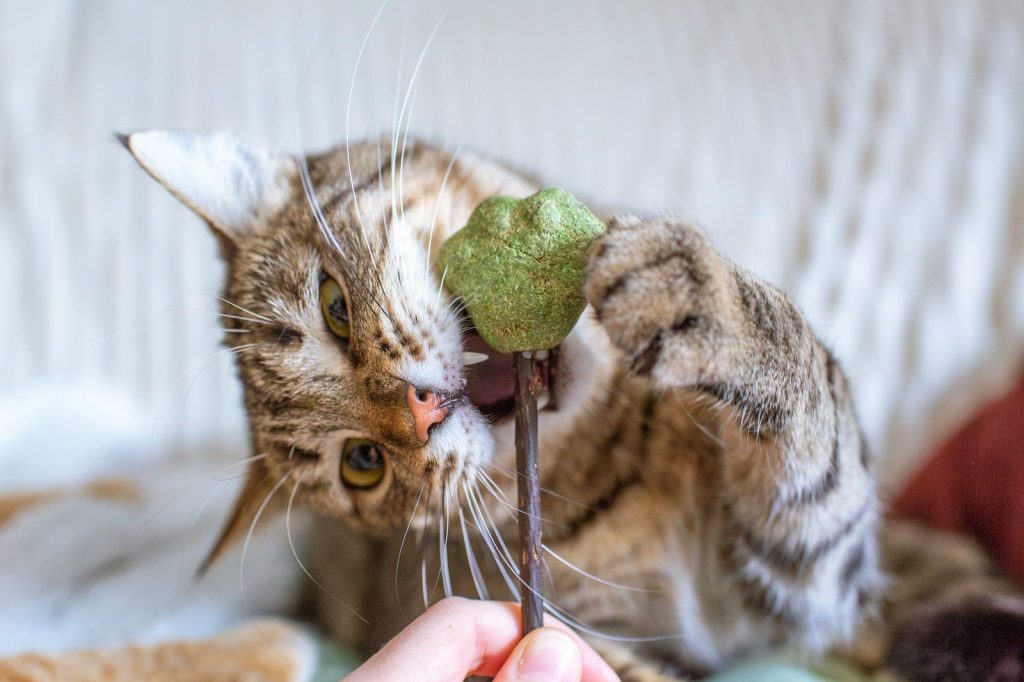
    Catnip is a natural herb that many cats enjoy. It belongs to the mint family and is known for creating strong reactions in cats. Some cats become playful and energetic, while others become calm and relaxed after using it.

    You can give catnip in different ways. It can be sprinkled on toys, placed on cat beds, or added near scratching posts. Not all cats react the same way, but many find it enjoyable and stimulating.

  • Small behaviors that can make your cat feel ignored

    Small behaviors that can make your cat feel ignored

    Understanding what cats hate about humans can help you build a better, calmer life with your cat. Many people think cats are easy pets, but in fact, they notice everything we do in our homes. Sometimes, our actions can make them feel stressed, unsafe, or confused without us even realizing it. This article explains the most common human behaviors that cats dislike when living with us.

    You will learn simple ways to avoid mistakes that cause stress for cats. Each section breaks down a different behavior that cats often struggle with, such as sudden changes, unwanted handling, and misunderstanding their needs. By the end, you will understand how to treat your cat in a way that respects its natural behavior and helps it feel more relaxed and secure at home.

    Sudden changes

    Check up time for Milli #cat. #vet” by voyagevixen2 is licensed under CC BY-ND 2.0

    Cats can become very stressed when their environment changes too quickly. Sudden changes are one of the main things cats hate about humans because they interrupt a cat’s sense of safety. Cats are sensitive animals, and they feel more secure when their routine stays the same. Things like being placed in a carrier or taken on a car ride can feel confusing and stressful if they are not introduced slowly.

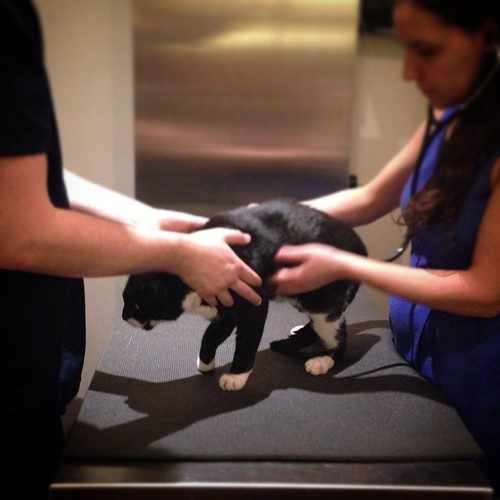
    Veterinary visits can be even more difficult for cats because they are handled in ways that may not be enjoyable to them. When a cat is not prepared for these experiences, the stress can become even stronger. Helping cats slowly get used to carriers, travel, and handling can make a big difference. With patience and calm practice, these stressful events can become easier for them over time.

    Forcing social interactions

    Waiting for the X-ray results, but not looking too good.. #BrokenLeg #cat #vet” by monicamüller is licensed under CC BY-NC-ND 2.0

    Cats need space and control over their social life, and forcing interaction is another one of the major things cats hate about humans. Cats often prefer to hide when they feel stressed, and they need safe places to retreat. If they do not have these options, loud sounds or strangers in the house can make them feel overwhelmed.

    Some people try to pull cats out of hiding when they are scared, but this can make the situation worse. Cats do not respond well when they are forced into contact during stress. Instead, they benefit from having places to climb and observe their environment. Cat trees, shelves, and window spaces help them feel safe and in control, reducing stress and improving their overall comfort.

    Holding on too tight

    a woman holding a black and white cat in her arms
    Photo by Jack Plant on Unsplash

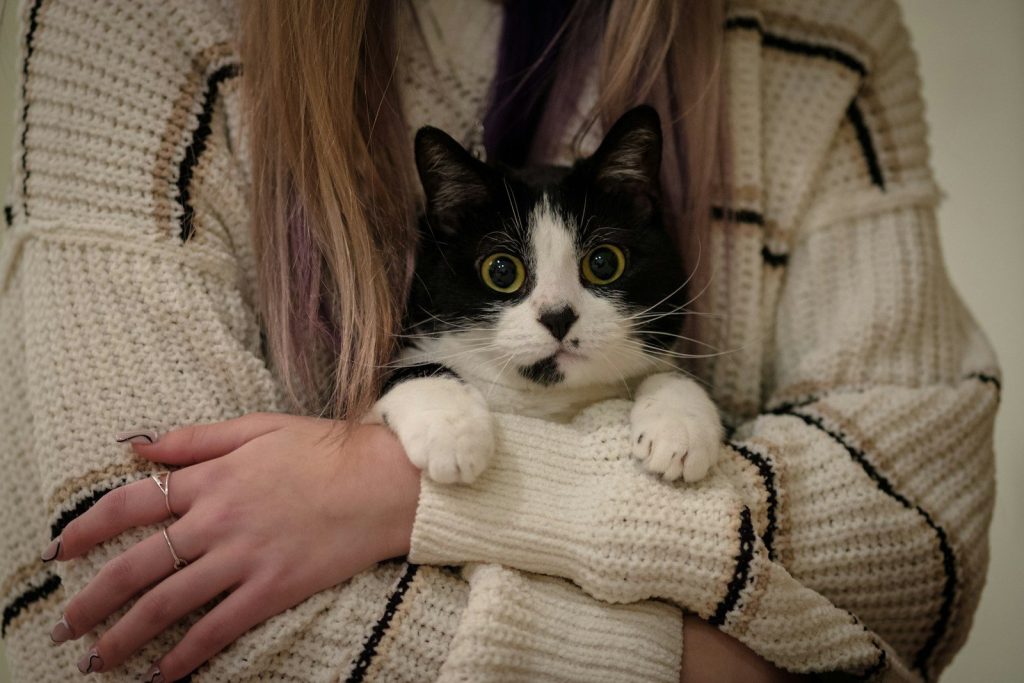
    Many cats do not enjoy being hugged or held tightly, even if humans think they do. This is one of the most common things cats hate about humans because it removes their sense of freedom. When a cat tries to move away and is held tighter, it can feel trapped or unsafe. Each cat is different, so their comfort levels with touch can vary.

    Some cats may roll over and show their stomach, but this does not always mean they want to be touched there. In some cases, it is simply a relaxed position, not an invitation for contact. If a cat feels uncomfortable, it may react by biting or scratching. Learning a cat’s personal boundaries is important for building trust and avoiding stress in daily interactions.

    Treating cats like small dogs

    white and brown short coated dog on green grass during daytime
    Photo by David Clarke on Unsplash

    Treating cats like dogs is another thing cats hate about humans, because cats have very different needs and behaviors. Cats are independent animals and do not always respond to training or attention in the same way dogs do. When people expect cats to behave like dogs, it can lead to misunderstanding and frustration for both the cat and the owner.
    Cats need approaches that match their natural instincts. Training and enrichment should focus on what cats find rewarding and safe. Using dog-style methods without adjustment can confuse or scare a cat. When people take the time to understand feline behavior, they can build a better relationship that respects the cat’s natural personality and reduces stress in the home.

    Punishing cats for normal behaviors

    orange and white tabby cat sitting on brown wooden table in kitchen room
    Photo by Paul Hanaoka on Unsplash

    Punishment is one of the most harmful things cats hate about humans because it does not solve behavior problems and often creates fear. Some people use sprays or other deterrents when cats do things like scratching or digging in plants. However, this only makes cats nervous and does not teach them what to do instead.

    There are also more serious forms of punishment, such as declawing, which can cause long-term problems like fear, aggression, and litter box issues. Cats do better when they are guided toward positive behavior. Providing scratching posts, trimming nails, and using safe nail covers are more helpful ways to manage behavior. Rewarding good actions helps cats learn without fear or stress.

    Treating cats like small humans

    silver tabby cat on brown wooden table
    Photo by Yusuf Evli on Unsplash

    Dressing cats in clothes or costumes is another thing cats hate about humans, even though some people find it funny or cute. Many cats do not enjoy being treated like humans because it can limit their movement and comfort. While some cats may tolerate it, others clearly show discomfort through their behavior.

    It is important to watch a cat’s body language to understand how it feels. Just because something looks cute to humans does not mean the cat enjoys it. Every cat is different, and their reactions can vary widely. Paying attention to their comfort level helps ensure that they are not stressed or forced into situations they do not like.

  • The animal bites and stings humans fear the most

    The animal bites and stings humans fear the most

    Animal bites and stings that humans fear most are often linked to extreme pain, sudden reactions, and unexpected danger. Many people think the biggest risk from animals is death, but that is not always true. In many cases, the real fear comes from the intensity and long-lasting nature of the pain after a bite or sting.

    This article explains some of the most painful bites and stings caused by different venomous animals. From scorpions and spiders to jellyfish, ants, lizards, and snakes, each one has a unique way of affecting the human body. By reading this, you will understand how these animals behave, what happens when they strike, and why people around the world fear them so much.

    Arizona bark scorpion’s painful sting effects

    Arizona Bark Scorpion” by Dan Arndt is licensed under CC BY-NC-SA 2.0

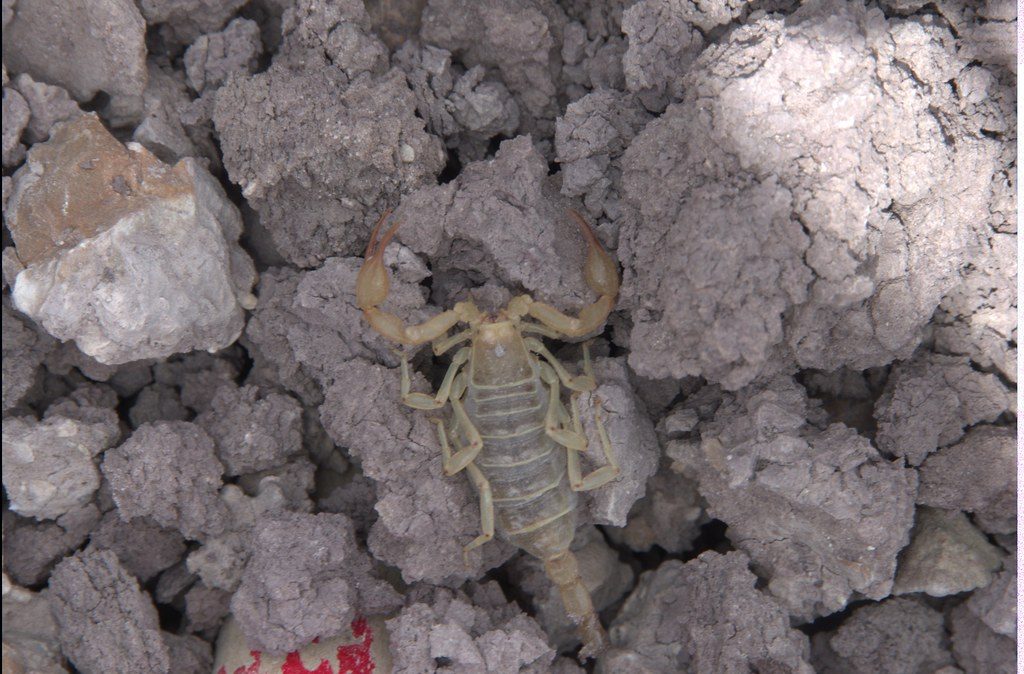
    The Arizona bark scorpion is known as the most venomous scorpion in North America. It is also one of the most commonly found scorpions in homes in Arizona. This makes encounters with humans more likely than with many other venomous creatures. These scorpions usually hide in dark places during the day and become active at night when they hunt.

    When a person is stung, the venom can cause severe and sudden pain. It may also lead to serious symptoms, such as difficulty breathing, muscle convulsions, frothing at the mouth, and even limited limb movement. Although it is rarely deadly, the pain and effects can last for up to 72 hours, making it one of the most uncomfortable stings a person can experience.

    Black widow spider bite symptoms and danger

    a black and red bug
    Photo by Tom Sid on Unsplash

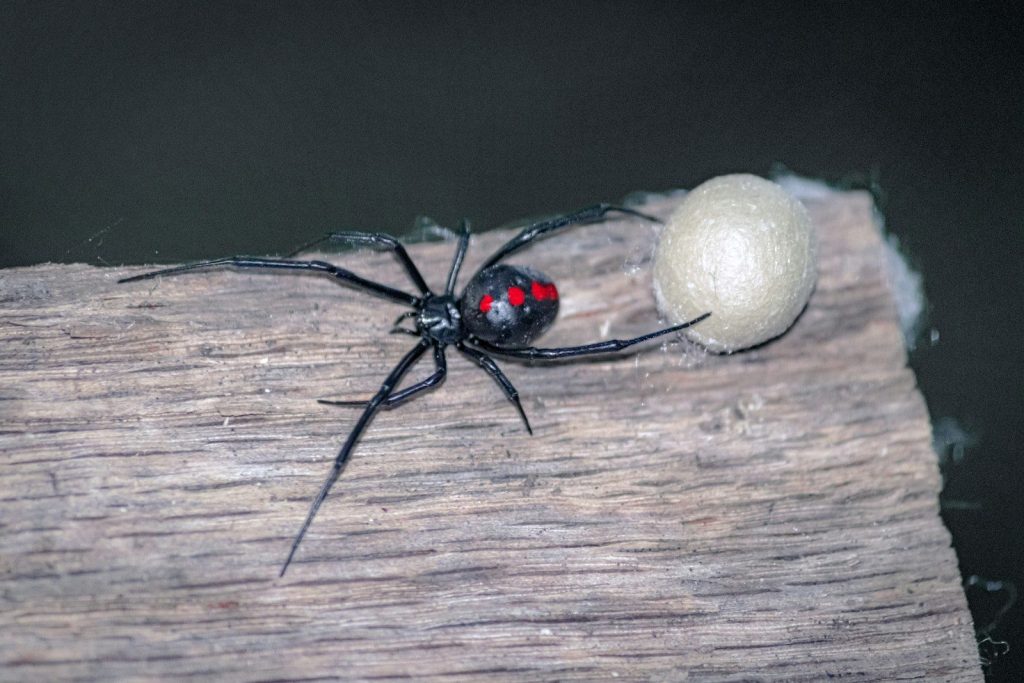
    The black widow spider is one of the most well-known venomous spiders in the world. At first, its bite may feel like nothing or only a small pinprick. Because of this, many people do not even realize they have been bitten right away. However, symptoms can quickly become more serious within about an hour.

    As the venom spreads, it can cause pain near the bite and throughout the body. Other symptoms include nausea, vomiting, muscle weakness, high blood pressure, and difficulty breathing. In pregnant women, it may even cause contractions and early labor. Male black widow spiders are less dangerous because they produce less venom, but the female spider is the one responsible for the most harmful bites.

    Box jellyfish sting ocean risks

    white jellyfish
    Photo by Uriel Soberanes on Unsplash

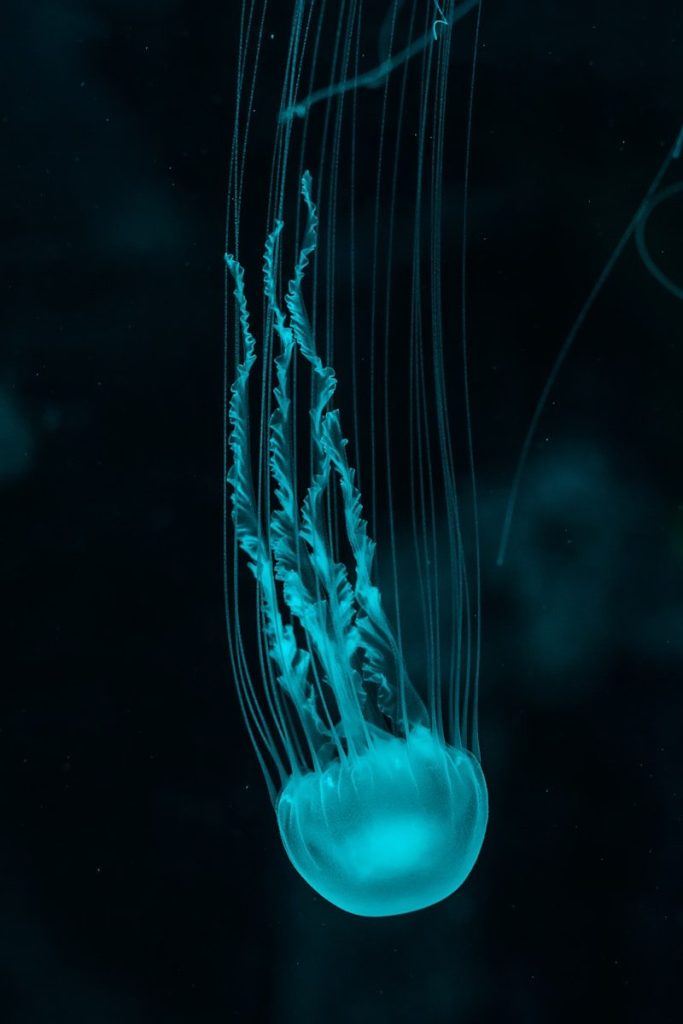
    Box jellyfish are sea animals often found in ocean waters and are sometimes called sea wasps. They are considered one of the most feared creatures in the sea. Even jellyfish that wash up on beaches can still release venom through their tentacles, which makes them dangerous even outside the water.

    A sting from a box jellyfish can cause extreme pain within minutes. People may also experience shortness of breath and, in some cases, cardiac arrest. The effects are so strong that this animal is often considered one of the most dangerous in the world. Researchers are still working on treatments that could stop the venom if applied quickly after a sting.

    Bullet ant sting: extreme pain experience

    black ant on white surface
    Photo by Cherre Bezerra Da Silva on Unsplash

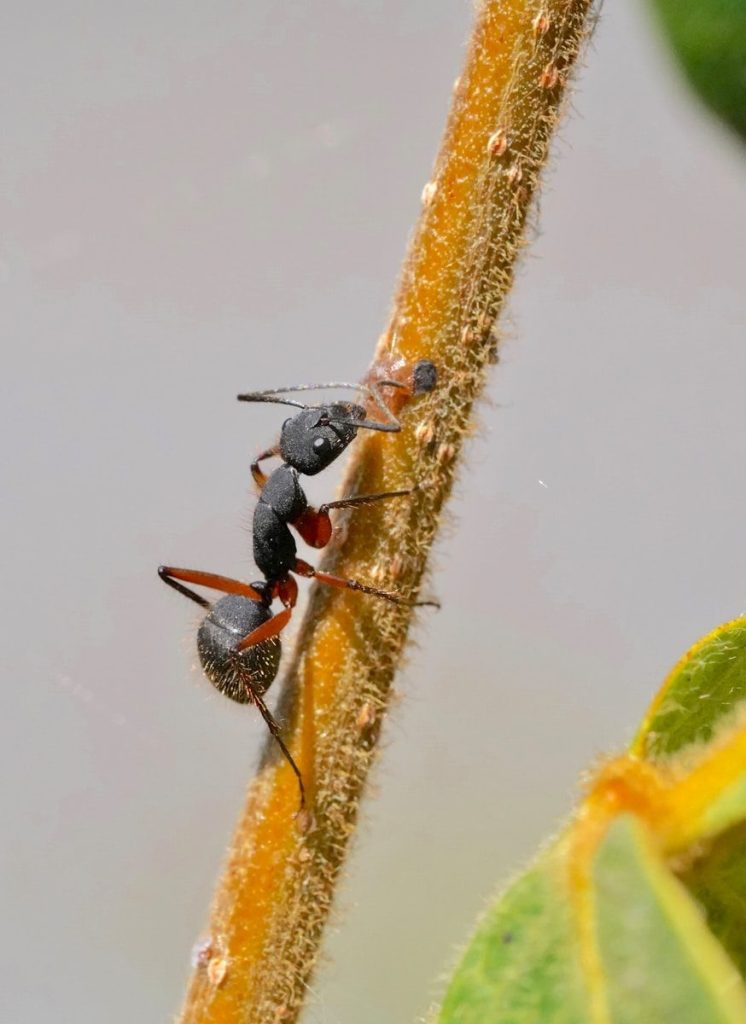
    The bullet ant is famous for having one of the most painful stings in the insect world. According to the Schmidt Sting Pain Index, it is often ranked at the very top. This ant is found in South America and is sometimes called the 24-hour ant because the pain can last for a full day after a sting.

    People who have experienced it describe the pain as extremely intense and overwhelming. One description compares it to walking over burning charcoal with a nail in the foot. Even though the sting is not deadly or causes permanent damage, the pain it causes makes it one of the most feared insect encounters in the world.

    Gila monster bite behavior and effects

    A gila monster rests on a large rock.
    Photo by David Clode on Unsplash

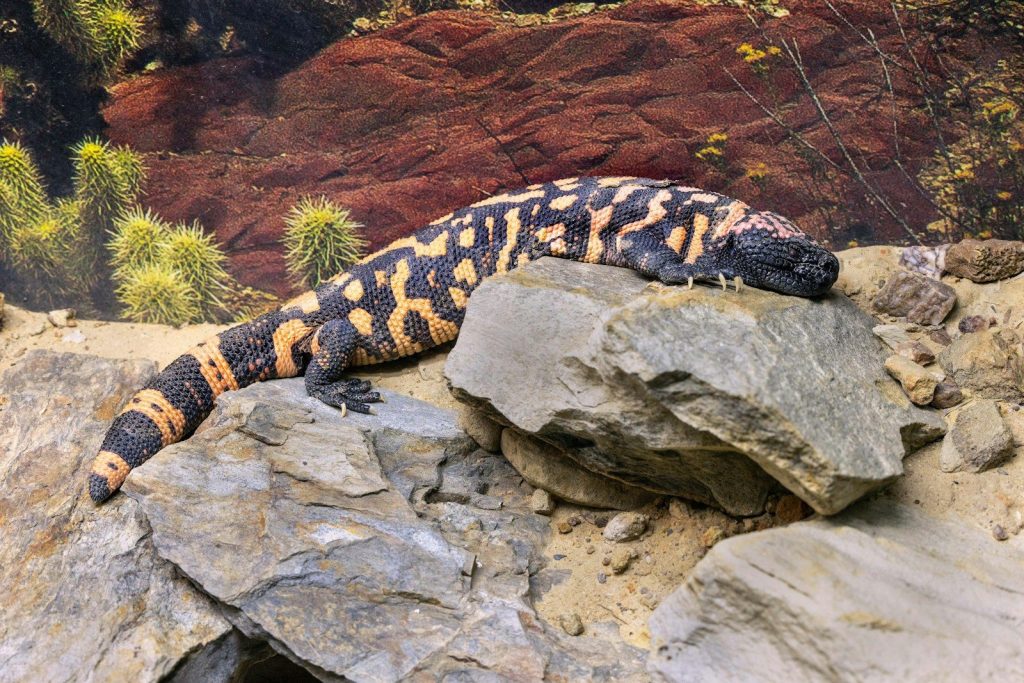
    The Gila monster is one of the few venomous lizards in the world. It is found in the southwest region of North America and is known for its bright colors. Unlike snakes that inject venom quickly, this lizard must chew to release its venom into the wound.
    A bite from a Gila monster can be very painful for humans. These lizards can also grip tightly and may even roll their bodies while biting, which can make the wound worse. Even so, they are usually not aggressive unless disturbed. If a bite does happen, careful steps are needed to safely remove the lizard’s grip without causing more injury.
    Pit viper snake bite risks and symptoms

    a green snake is curled up on a branch
    Photo by Hongbin on Unsplash

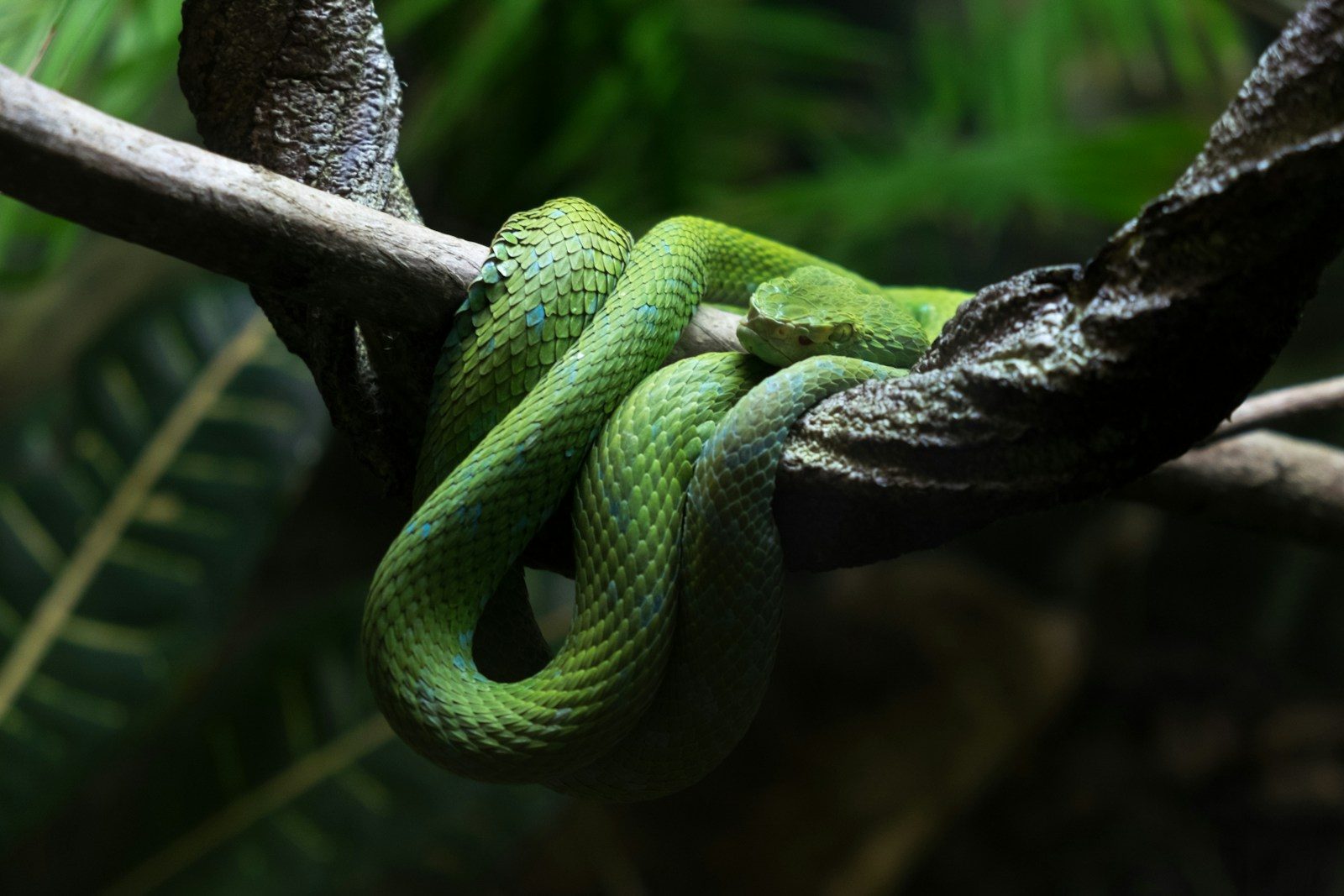
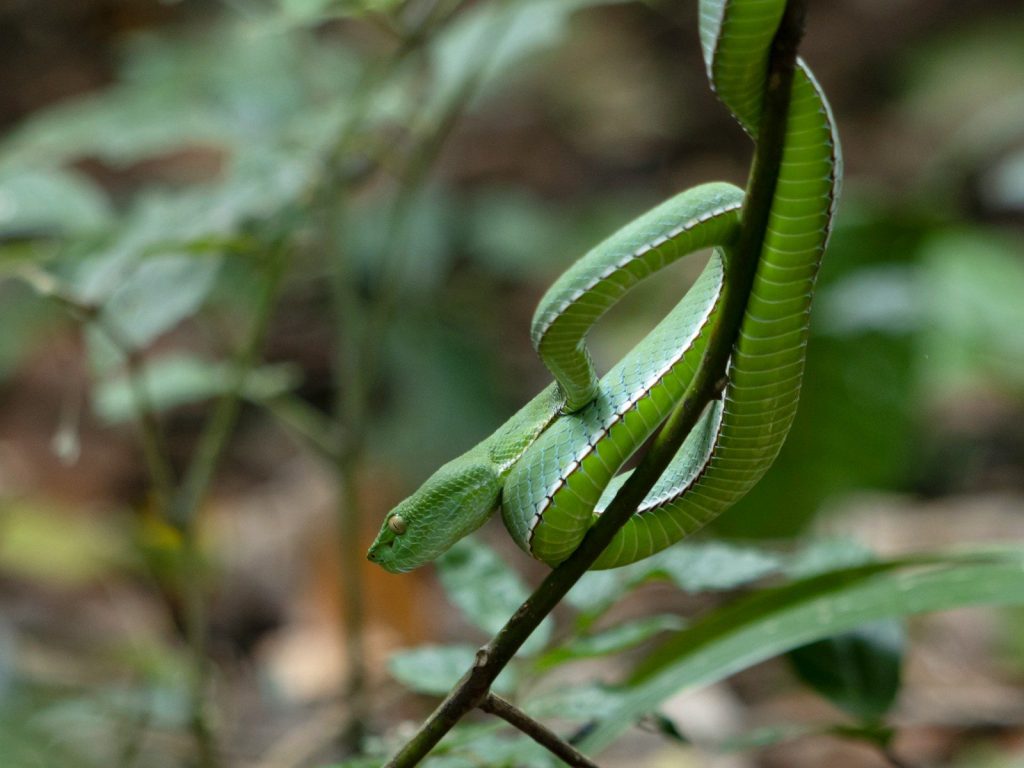
    Pit vipers include snakes like copperheads, water moccasins, and rattlesnakes. In the United States, copperheads are responsible for many venomous snake bites each year because they often live in areas near human habitation. Even though copperhead venom is not the most toxic, their bites are still very painful.

    A pit viper bite can cause severe pain within minutes. Other symptoms may include swelling, numbness near the bite, changes in heart rate, breathing problems, dizziness, and weakness. If left untreated, the bite can damage the surrounding tissue. While these bites are not always deadly, they require medical attention to prevent long-term harm.