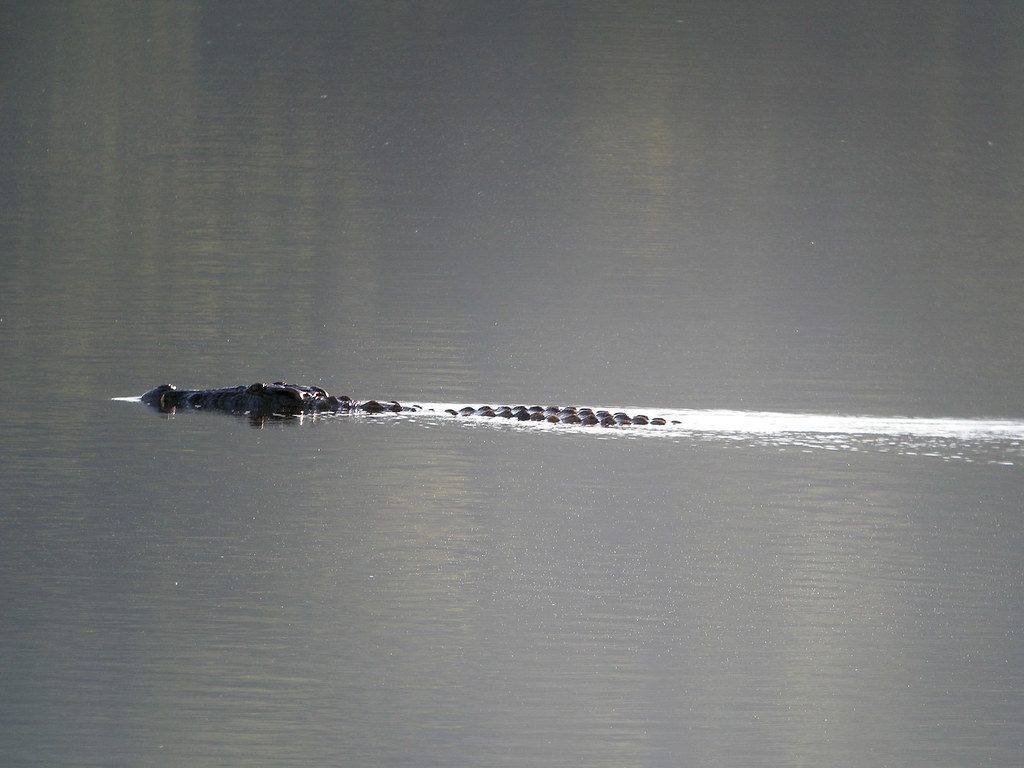
The story of Gustave the crocodile has terrified people for decades. In the rivers and lakes of Burundi, many locals have shared frightening stories about a giant Nile crocodile linked to more than 200 deaths. Some reports even claim the number could be as high as 300. While experts cannot fully prove every death connected to the animal, Gustave remains one of the most feared crocodiles ever recorded.
The legend of Gustave has spread far beyond Africa. Documentaries, books, and news reports have all explored the mystery surrounding this massive predator. In this article, you will learn who Gustave is, why he became so famous, how many deaths may be linked to him, and why experts still debate parts of his story. The facts behind this giant reptile are just as fascinating as the myths that surround him.
Who is Gustave the crocodile?
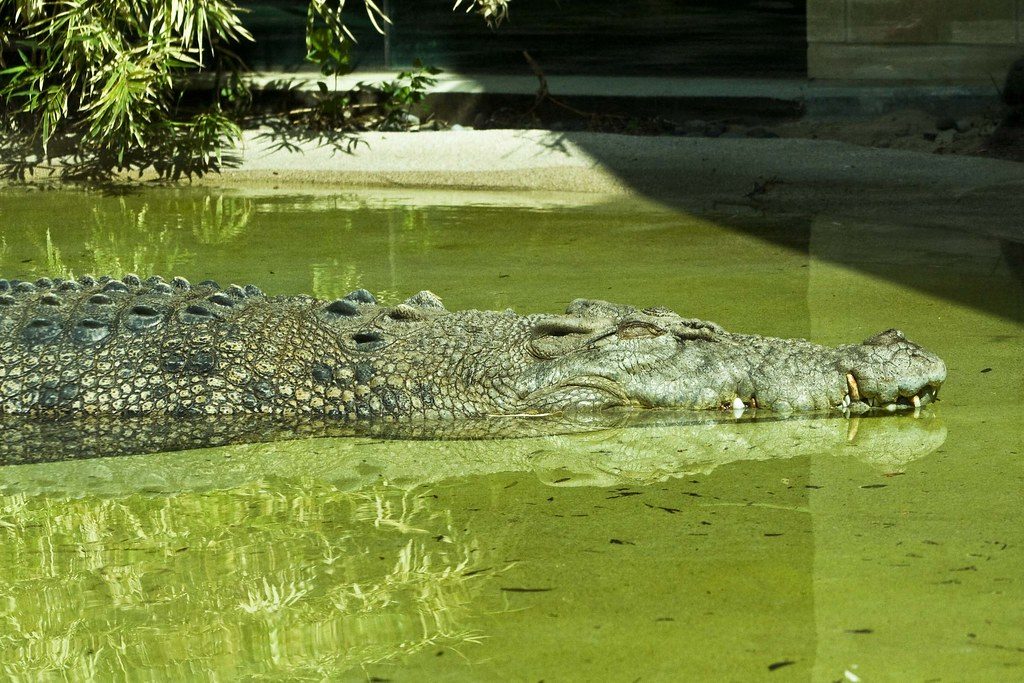
Gustave is believed to be a giant male Nile crocodile living in Burundi, a country in East Africa. He has been seen near the Ruzizi River and along the northern shores of Lake Tanganyika. Scientists and local residents began paying close attention to him during the late 1990s because of his unusual size and his reputation as a dangerous predator.
What makes Gustave stand out is how different he looks from most crocodiles. Reports describe him as being more than 20 feet long and weighing close to a ton. He also has several scars across his body, including marks that appear to have come from bullets. These scars helped researchers identify him during different sightings and added to his reputation as a survivor who seemed almost impossible to stop.
Why people fear him so much
Many crocodiles attack people, especially in parts of Africa where humans live close to rivers and lakes. However, Gustave became famous because witnesses repeatedly connected him to deadly attacks. Local communities began viewing him as more than just a large animal. Over time, he became a figure of fear that people spoke about with great caution.
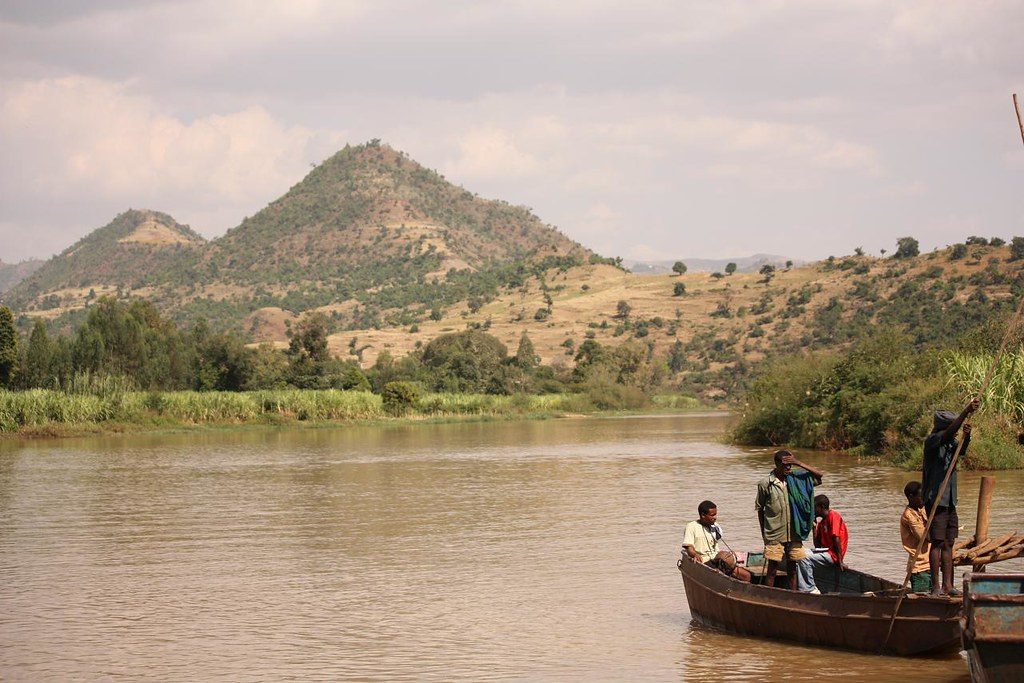
Stories about Gustave often describe him attacking fishermen, people collecting water, and individuals traveling near the shoreline. Some accounts claim he would disappear for months and then suddenly return to attack again. Whether every story is true or not, the repeated reports created a powerful legend that spread throughout the region. Even today, many people remember Gustave as one of the most dangerous crocodiles ever seen.
The debate over the death count

One reason Gustave remains such a mystery is the number of deaths linked to him. Some reports claim he may have killed between 200 and 300 people. These numbers have been repeated in documentaries, articles, and television programs for years. Because of this, Gustave is often described as one of the deadliest crocodiles in history.
However, many experts urge caution when discussing these figures. The region where Gustave lives has faced political unrest and limited record keeping for many years. Not every attack was officially documented. Researchers have pointed out that proving which crocodile was responsible for each death is nearly impossible. While most experts agree that Gustave was involved in multiple fatal attacks, the exact number may never be known. Some modern estimates suggest the true figure could be much lower, though still very significant.
Attempts to capture the giant reptile
As stories about Gustave spread, researchers became determined to learn more about him. One of the most famous efforts was led by French herpetologist Patrice Faye. He spent years studying the crocodile and worked with teams that attempted to capture him. The goal was to measure him, examine his health, and better understand his behavior.
One capture attempt gained worldwide attention through a documentary. The team built a large trap and used bait in hopes of drawing Gustave inside. Unfortunately, things did not go as planned. Heavy weather damaged equipment, and the crocodile escaped without being captured. The failed operation only increased his legendary status. To many people, it seemed as though Gustave was always one step ahead of those trying to catch him.
What made Gustave different from other crocodiles
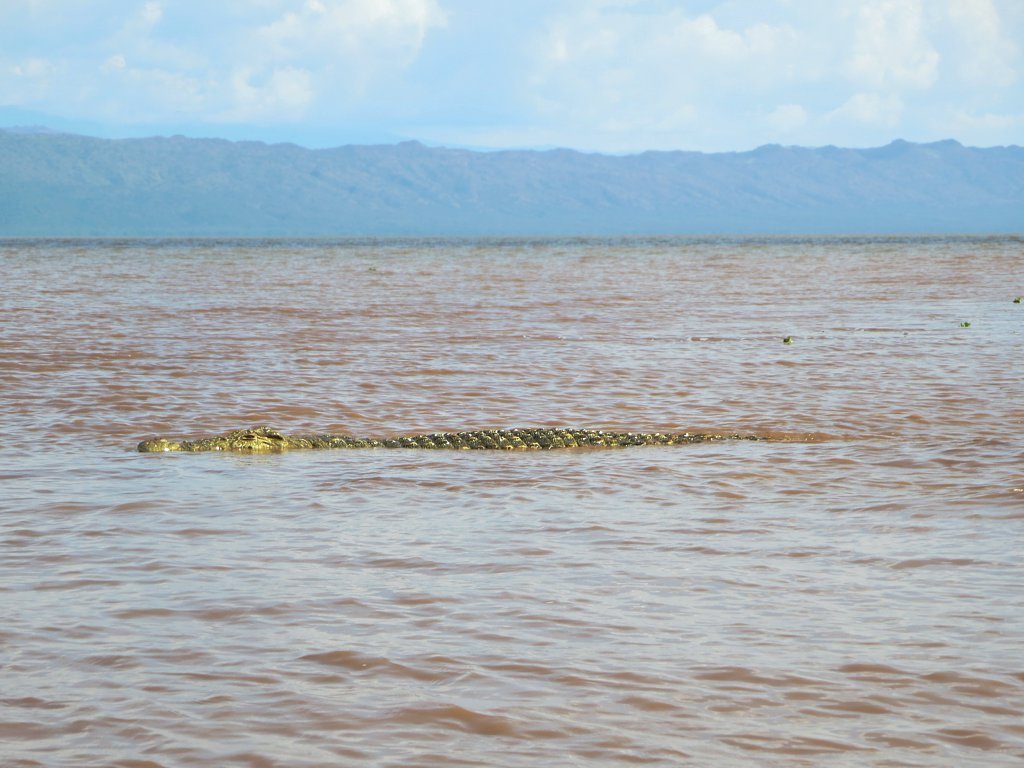
Nile crocodiles are already among the largest and most powerful reptiles on Earth. They are capable hunters that can take down large animals. Yet researchers believe Gustave may have been unusual even among his own species. His enormous size may have changed the way he hunted and the types of prey he targeted.
Some scientists think his age and body size made it harder for him to chase fast-moving animals such as fish and antelope. Instead, he may have focused on larger and slower targets. Reports suggest he attacked animals, including buffalo and possibly even hippopotamuses. If these reports are accurate, they would help explain why Gustave gained such a fearsome reputation. His size alone made him one of the most remarkable crocodiles ever observed.
Is Gustave still alive today?
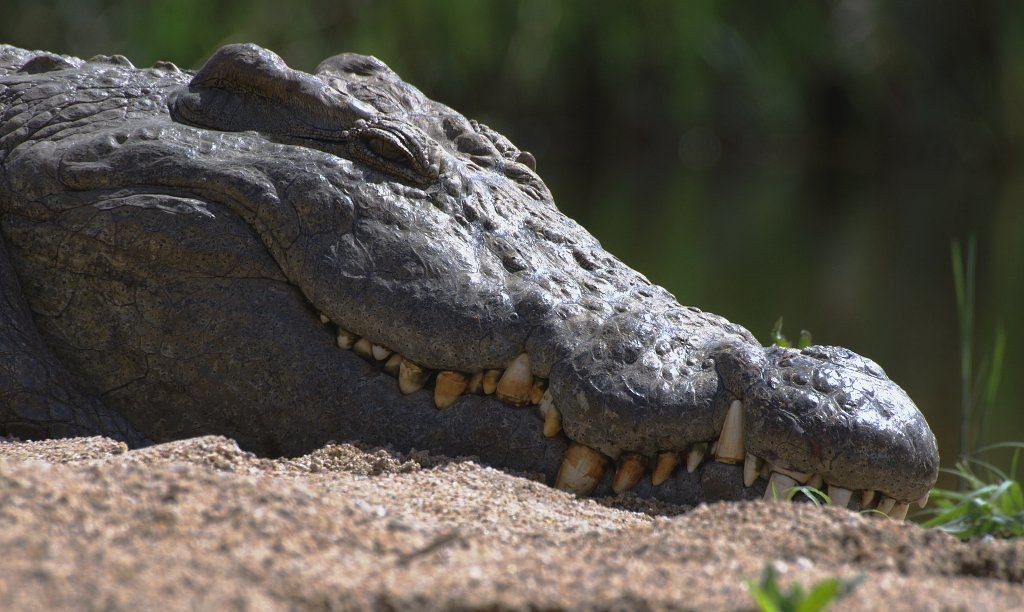
One of the biggest questions surrounding Gustave is whether he is still alive. Over the years, rumors have appeared claiming that he was killed. Yet no confirmed evidence has ever been presented to prove his death. No verified photographs, remains, or official reports have settled the matter.
The last widely reported sightings occurred years ago, leading some experts to believe he may have died from old age. Nile crocodiles can live for many decades, but they do not live forever. Others believe he could still be alive in a remote part of the region where sightings are rare. Until solid evidence appears, Gustave’s fate remains unknown. This uncertainty is one reason his story continues to capture attention around the world.
Leave a Reply