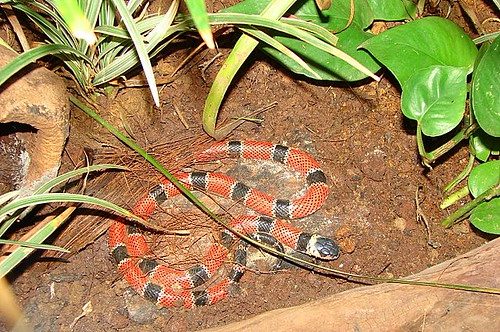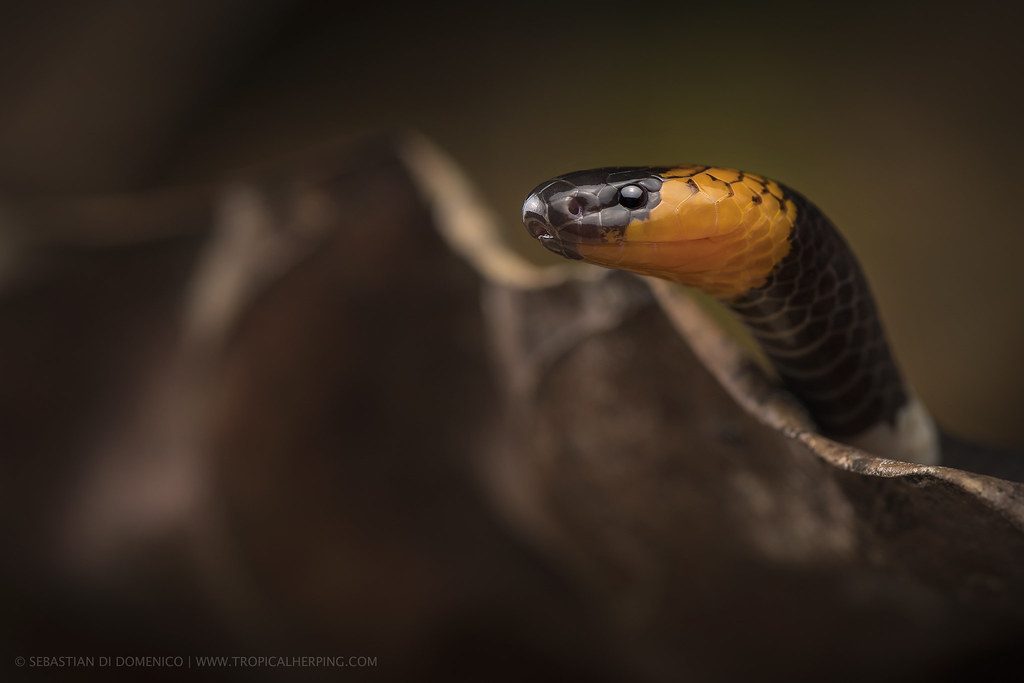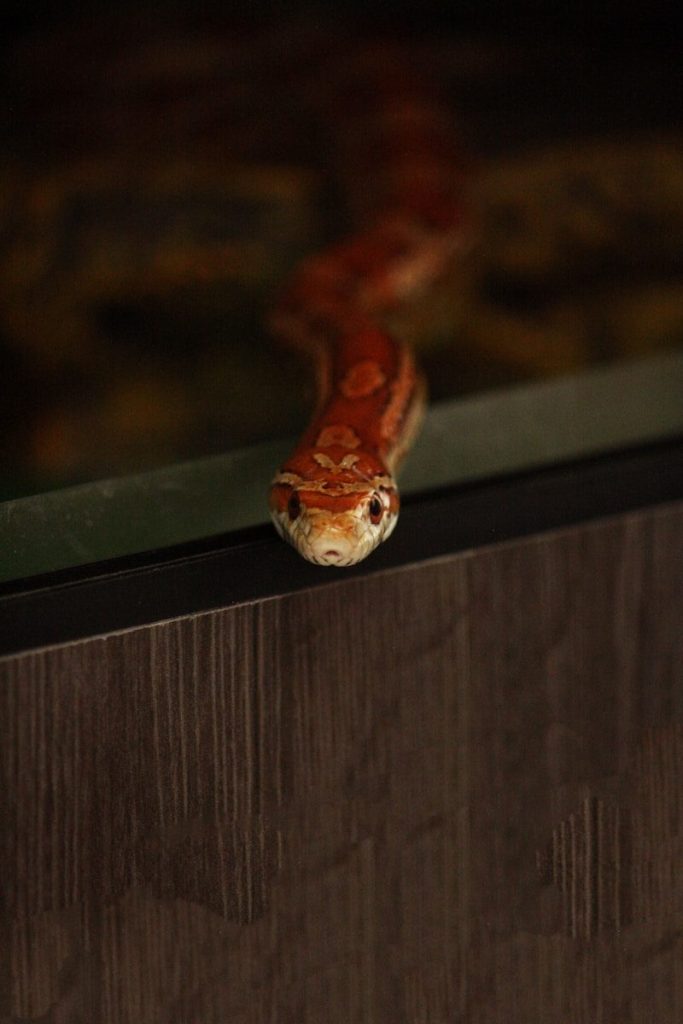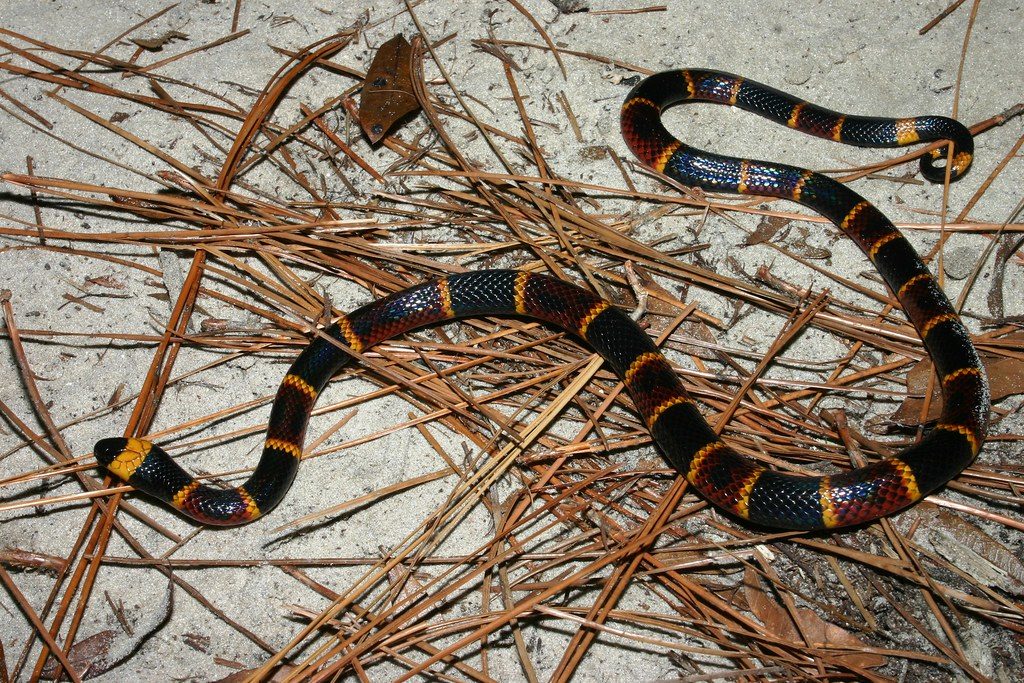
Author: Ethan

  • A woman discovers a stray kitten hiding in her car and instantly falls in love

    A woman discovers a stray kitten hiding in her car and instantly falls in love

    Meeting a stray calico kitten can change everything in just a few seconds. In Los Angeles, one simple moment turned into a life-changing bond when painter and drapery artist Kelly Eden found a small cat hiding in her car. This story shows how unexpected encounters with stray cats can quickly turn into deep connections. The stray calico kitten in this story didn’t just appear by chance—it felt like a moment meant to happen.

    This article explains how Kelly met the kitten, how their bond formed so quickly, and why so many people feel emotional about rescue stories like this. You will also learn how trust builds between humans and stray cats, and what small actions can help outdoor cats in everyday life.

    An unexpected encounter in Los Angeles
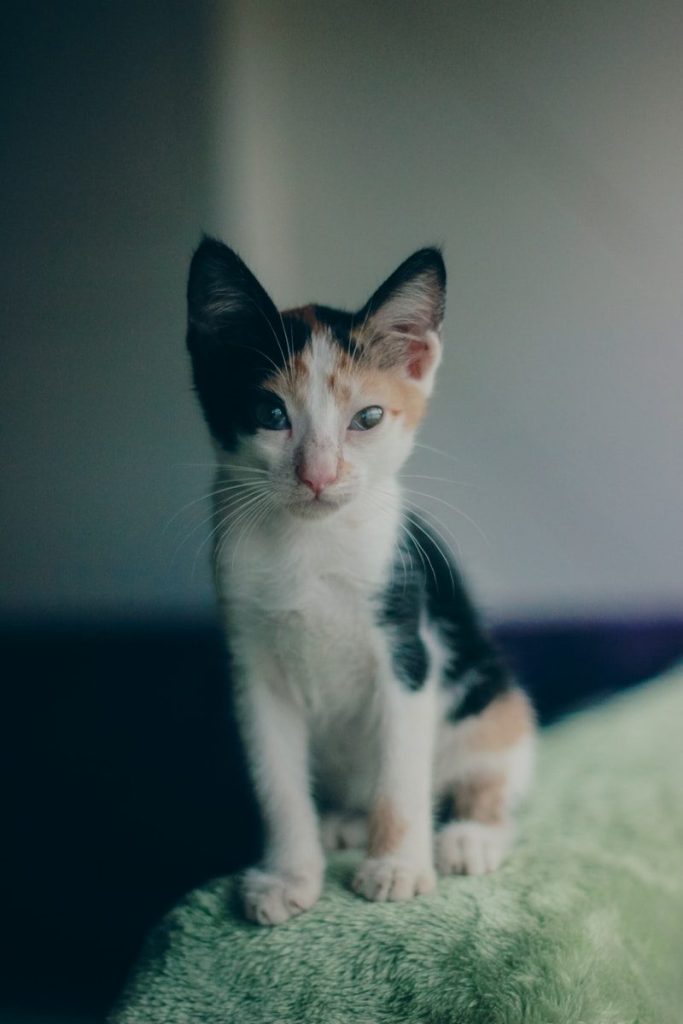
    a small kitten sitting on top of a green blanket
    Photo by Rohit Tandon on Unsplash

    In Los Angeles, outdoor cats are often seen in many different places. Kelly Eden, a painter and drapery artist, is used to seeing stray cats in her area. Still, nothing could prepare her for the moment she met a small calico kitten that would soon change her life.

    This meeting did not happen on schedule. It came suddenly, in a quiet moment that felt surprising and emotional. The stray calico kitten appeared in a place where most people would never think to look, making the encounter even more unforgettable.

    Hiding in the car discovery
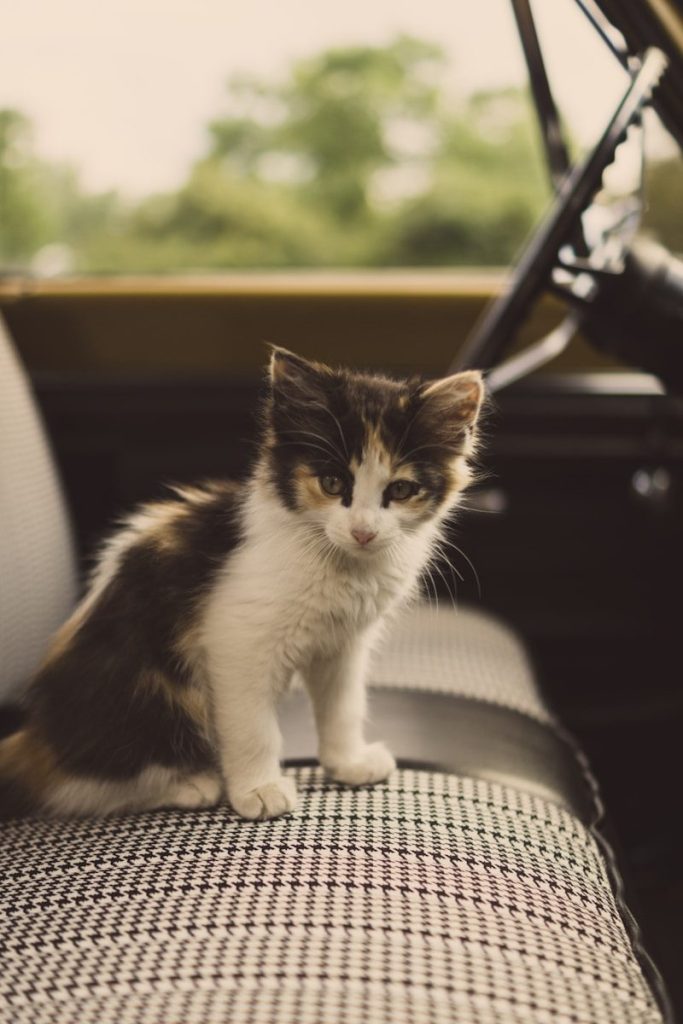
    white and brown kitten
    Photo by weston m on Unsplash

    The moment everything changed began when Kelly noticed something unusual. A small cat was hiding in her car. Most people would not expect to find a stray animal in such a place, but this kitten had found warmth and safety there.

    This discovery was both shocking and heartwarming. Instead of running away, the kitten stayed calm and curious. The way she looked at Kelly made the moment feel even more special, as if she was waiting to be noticed.

    Resemblance to a childhood cat
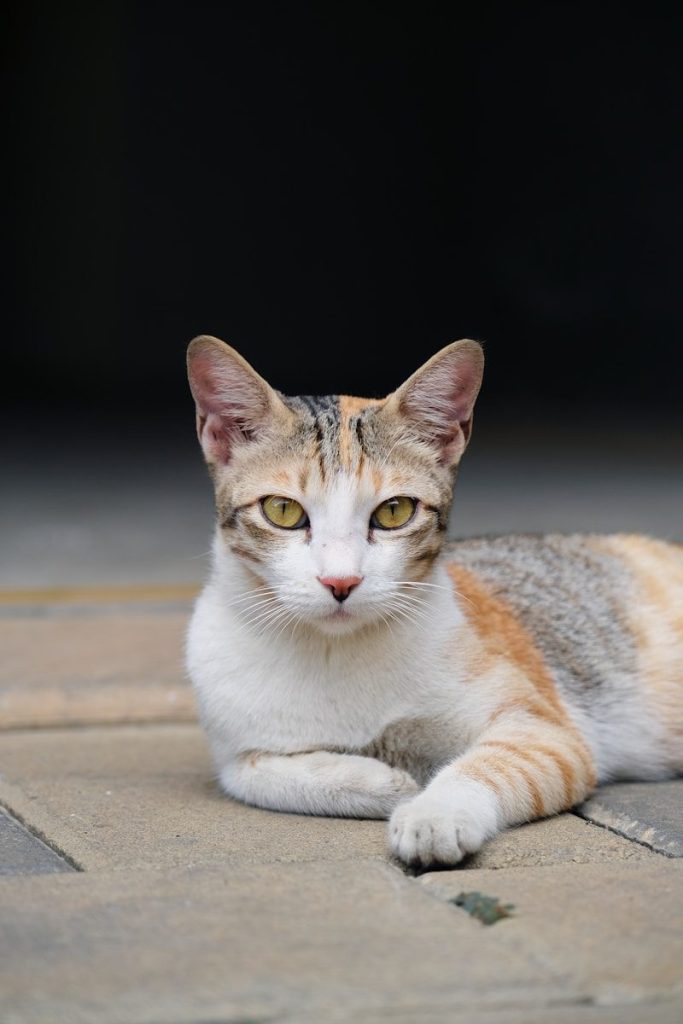
    brown and white cat on gray concrete floor
    Photo by Himanshu Choudhary on Unsplash

    One of the strongest emotional moments for Kelly was how much the kitten looked like her childhood cat. This similarity made the connection feel deeper and more meaningful. It was no longer just a random stray cat.

    The kitten’s big eyes and gentle expression drew a strong emotional response. Kelly felt an instant connection, as if memories from her past were coming back through this small animal. This made the decision to bring her home feel natural.

    Building trust and calm behavior
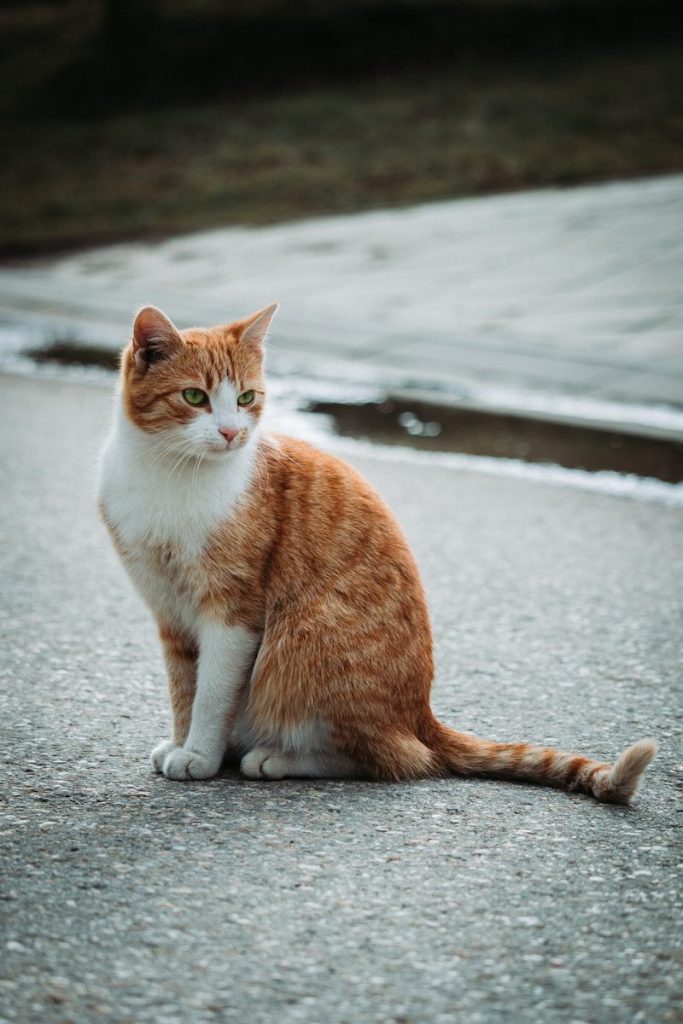
    orange and white cat on gray concrete floor
    Photo by Daniel Mačura on Unsplash

    Trust between humans and stray cats doesn’t always come quickly, but this kitten showed something different. She remained calm, even during moments like being washed. This behavior surprised many people who saw the story.

    Her calm nature helped Kelly feel even more confident about helping her. The kitten’s behavior showed that she was ready to accept care and safety, which strengthened the bond in a very short time.

    Rescue and adoption moment
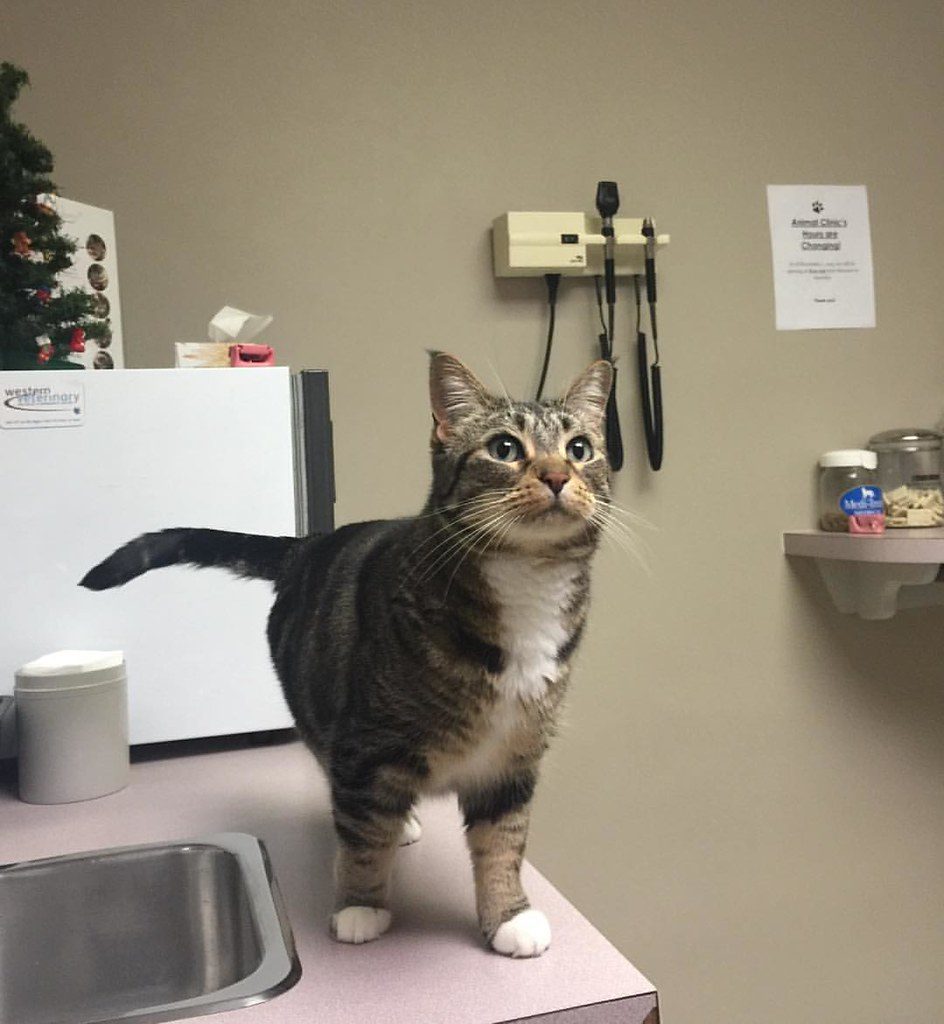
    Check up time for Milli #cat. #vet” by voyagevixen2 is licensed under CC BY-ND 2.0

    What started as a simple discovery quickly turned into a life-changing decision. Kelly went from hesitation to fully embracing the idea of becoming a cat mom. The connection happened so fast that it felt almost natural.

    Many people who follow rescue stories say this kind of moment is familiar. When the right pet meets the right person, the change can happen instantly. For Kelly, the stray calico kitten was no longer just a stray, but part of her home.

    Helping stray cats in everyday life
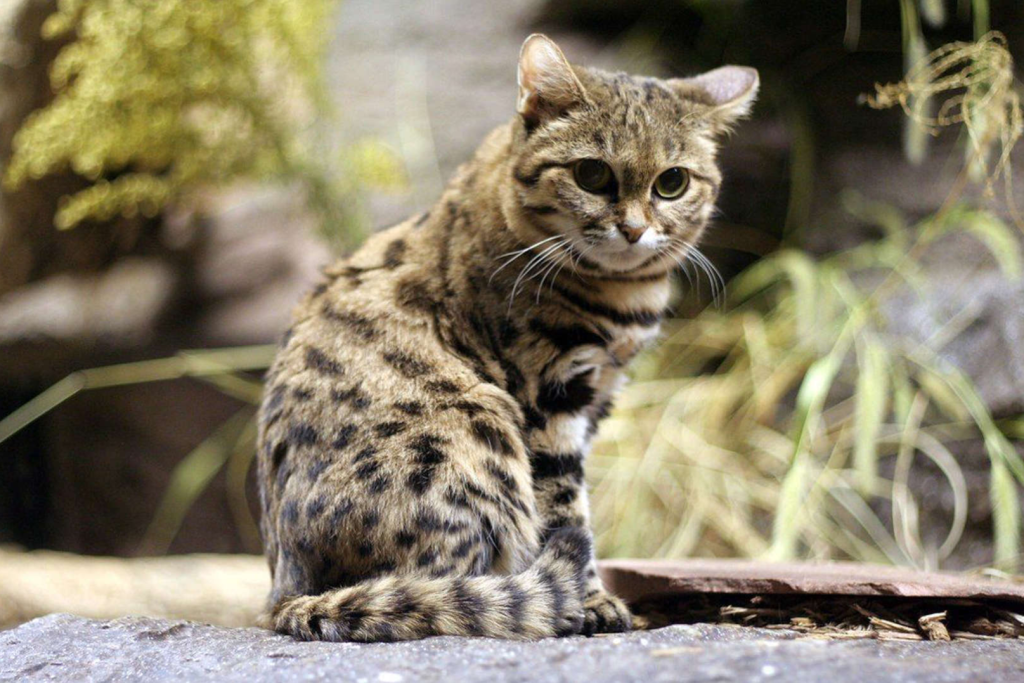
    “Black Footed Cat (Kitten)” by Asten is licensed under CC BY-NC 2.0

    Adopting every stray cat is not always possible, but small actions can still make a big difference. Leaving water outside for outdoor cats is one simple way to help them survive in hot or difficult conditions.

    There are also programs that focus on trap-neuter-return methods to help manage stray populations. Even a single vet visit can improve the life of a stray cat, especially those who are not ready to live indoors.
  • Australian wildlife that’s more gentle than dangerous

    Australian wildlife that’s more gentle than dangerous

    Many people think Australia is full of dangerous wildlife everywhere you go. But that idea is not fully true. There are many Australian animals that won’t kill you, even if they look strange or a little scary. Most of them avoid people and live quiet lives in nature.

    In this article, you will learn about animals that may seem risky at first but are actually not life-threatening. Some may scratch, bite, or act defensively, but they do not hunt humans. These animals showcase the surprising and unique side of Australia’s wildlife in a simple, easy way.

    Kangaroo behavior and human encounters

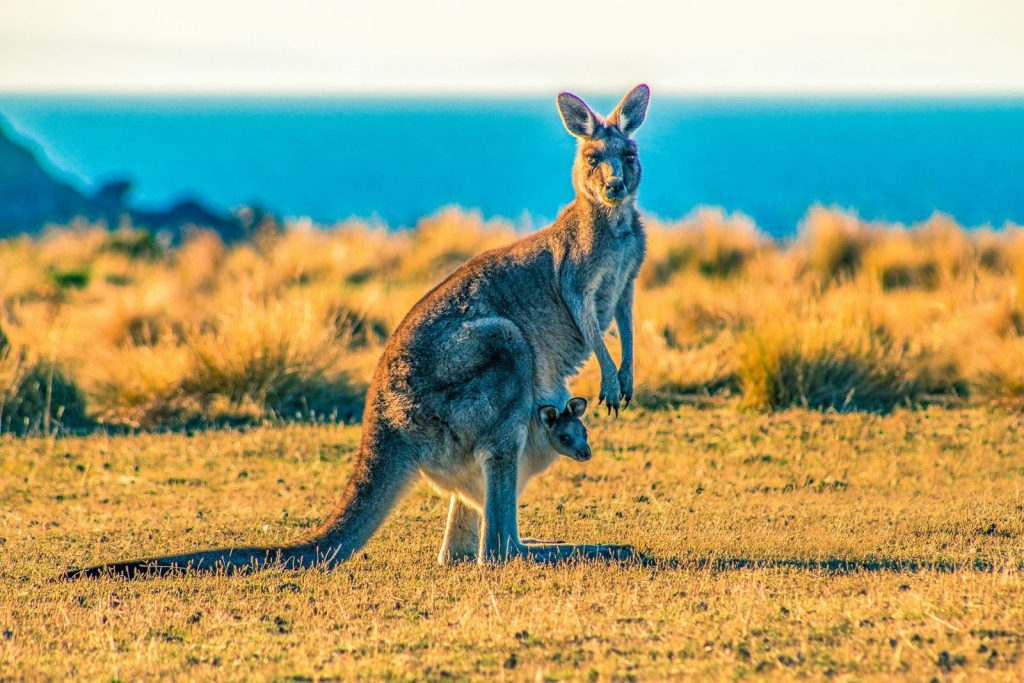
    kangaroo with joey on grass field during day
    Photo by Ondrej Machart on Unsplash

    Kangaroos are one of the most well-known animals in Australia. They are strong and can fight if they feel disturbed, especially large males. However, they do not deliberately hunt humans and usually keep their distance.

    Most problems with kangaroos occur indirectly. Sometimes they jump in front of cars at night, leading to accidents. They may also kick or punch if provoked, but they are not considered deadly animals.

    Cockatoos in everyday life

    a bird sitting on top of a wooden branch
    Photo by Allyson Beaucourt on Unsplash

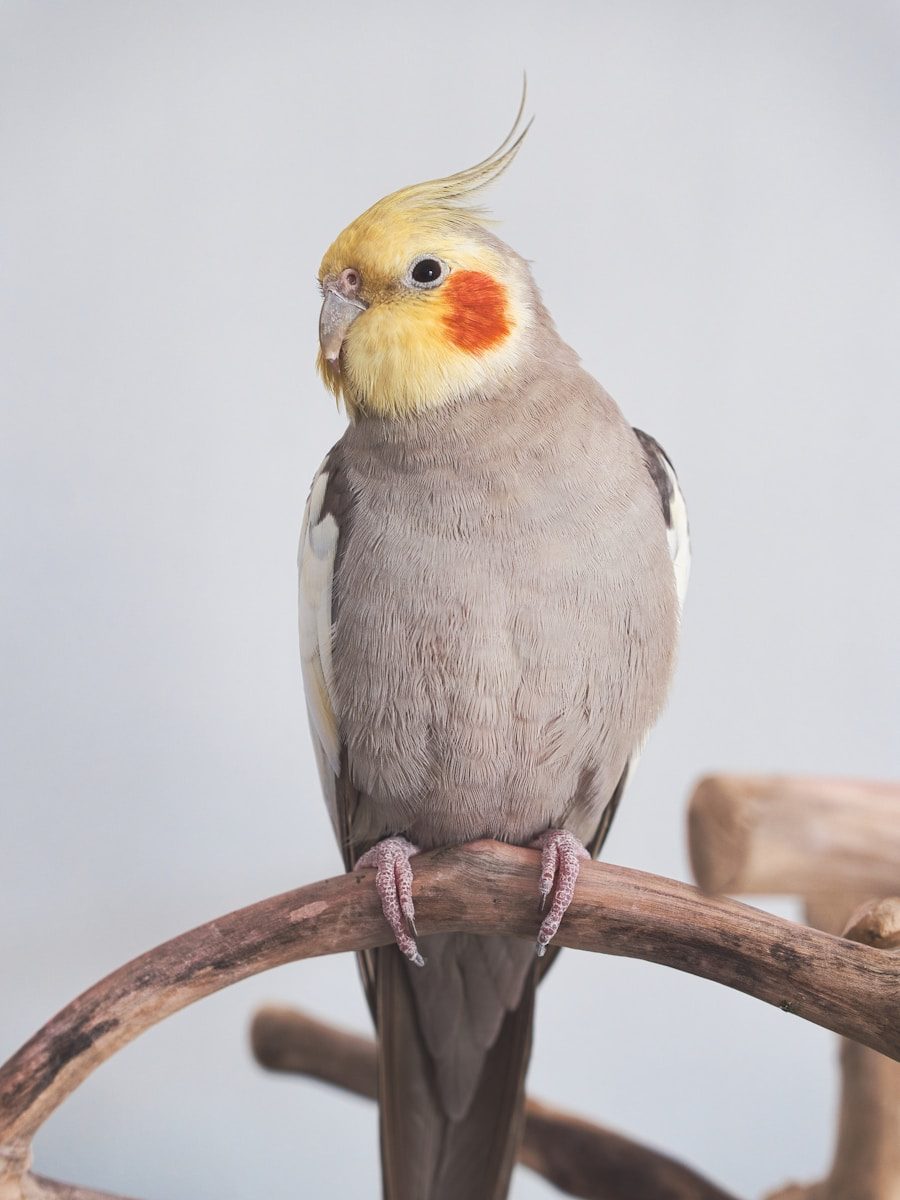
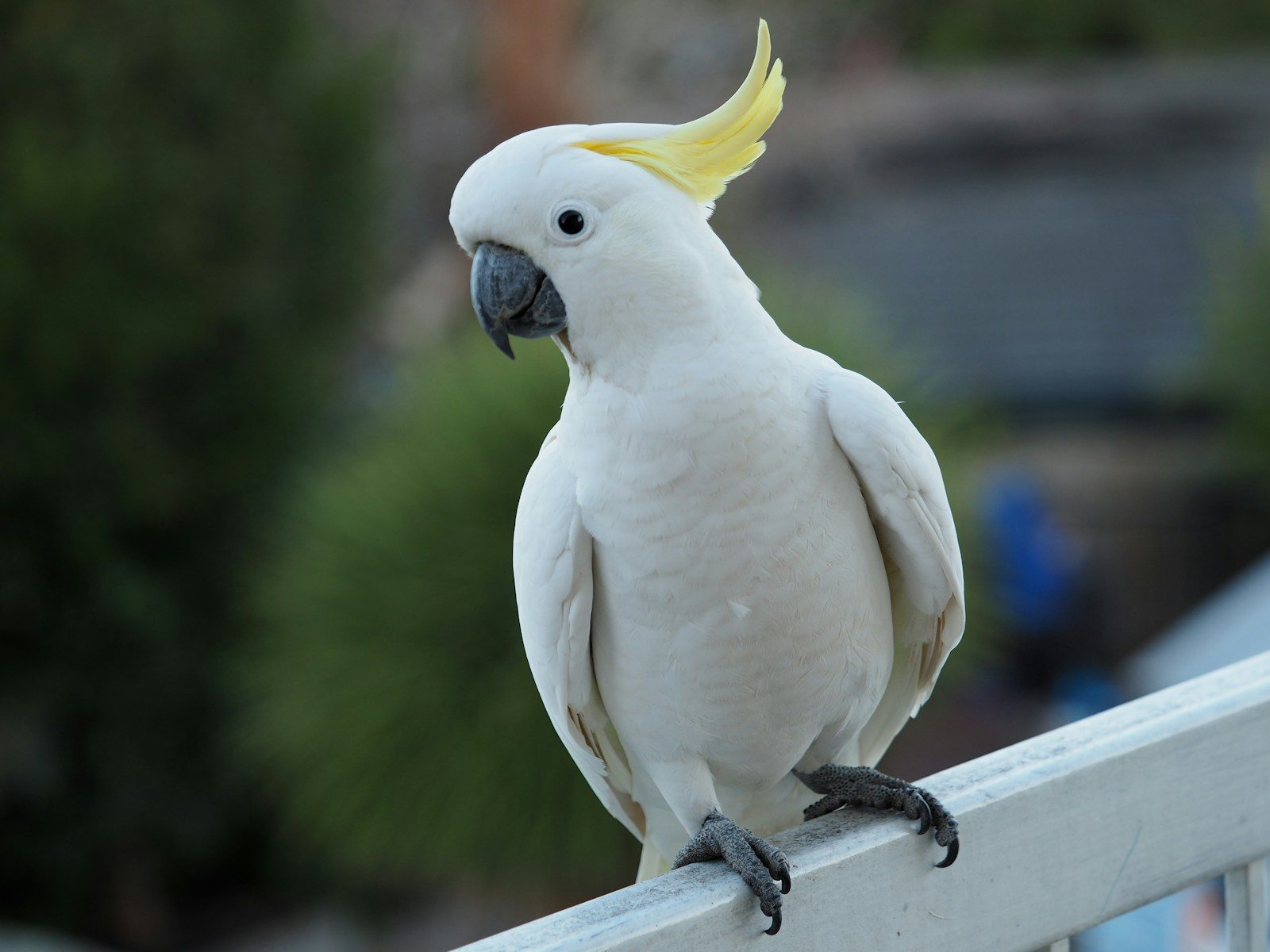
    Cockatoos are loud, smart birds with bright feathers and strong personalities. They can copy sounds and sometimes even repeat human words. They are common in many parts of Australia and are easy to spot.

    Even though they are noisy and playful, cockatoos are not dangerous. At most, they might steal food or cause a mess. They do not attack people and are generally harmless birds.

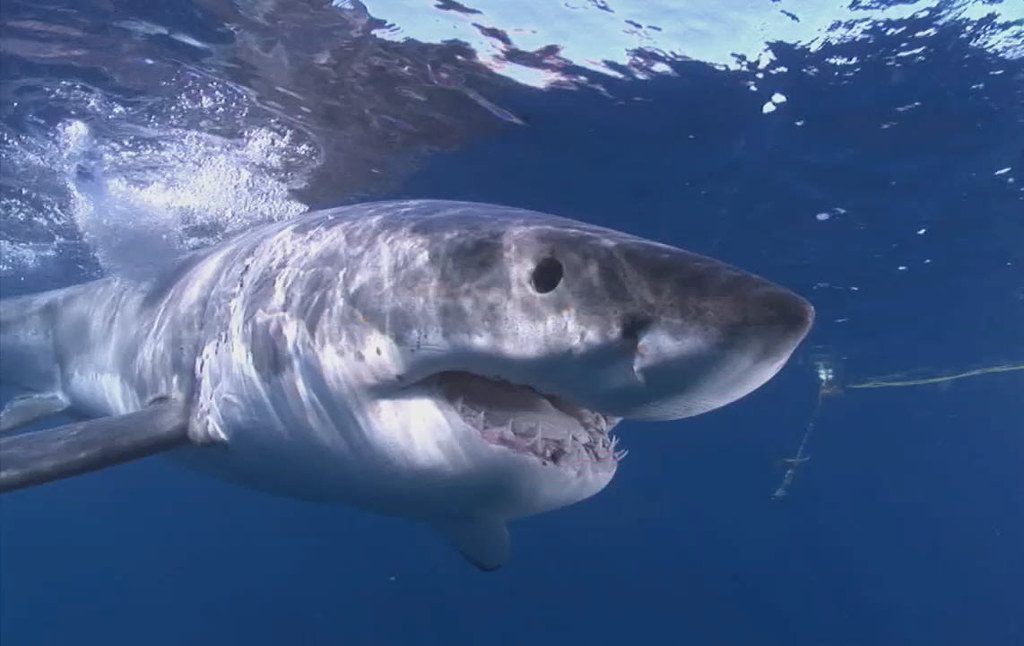
    Port Jackson shark in the ocean

    Great White Shark” by kqedquest is licensed under CC BY-NC 2.0

    The Port Jackson shark lives in Australian waters but is not a dangerous predator. It usually stays near the ocean floor and moves slowly. It avoids humans and prefers to stay out of sight.

    There has been only one minor incident involving this shark, and it did not even break the skin. It is more interesting than scary and is known for its unusual egg cases that look very strange.

    Sugar gliders in the trees

    white and black cat on green plant
    Photo by Timur Garifov on Unsplash

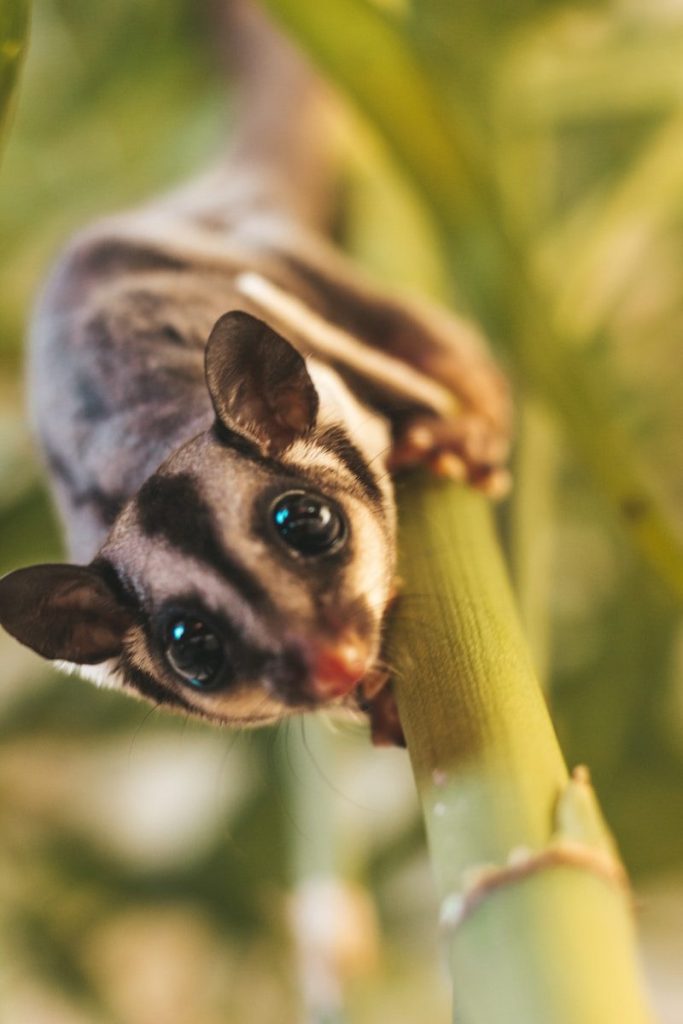
    Sugar gliders are small animals that can glide between trees. They look like tiny flying squirrels and have soft, big eyes. They are active at night and spend most of their time in trees.

    They may nibble if they feel scared, but they are not harmful to humans. Their cute looks and gentle behavior make them among the friendliest and least harmful animals in Australia.

    Quokkas and their friendly nature

    a small animal on a log
    Photo by Tianlei Sun on Unsplash

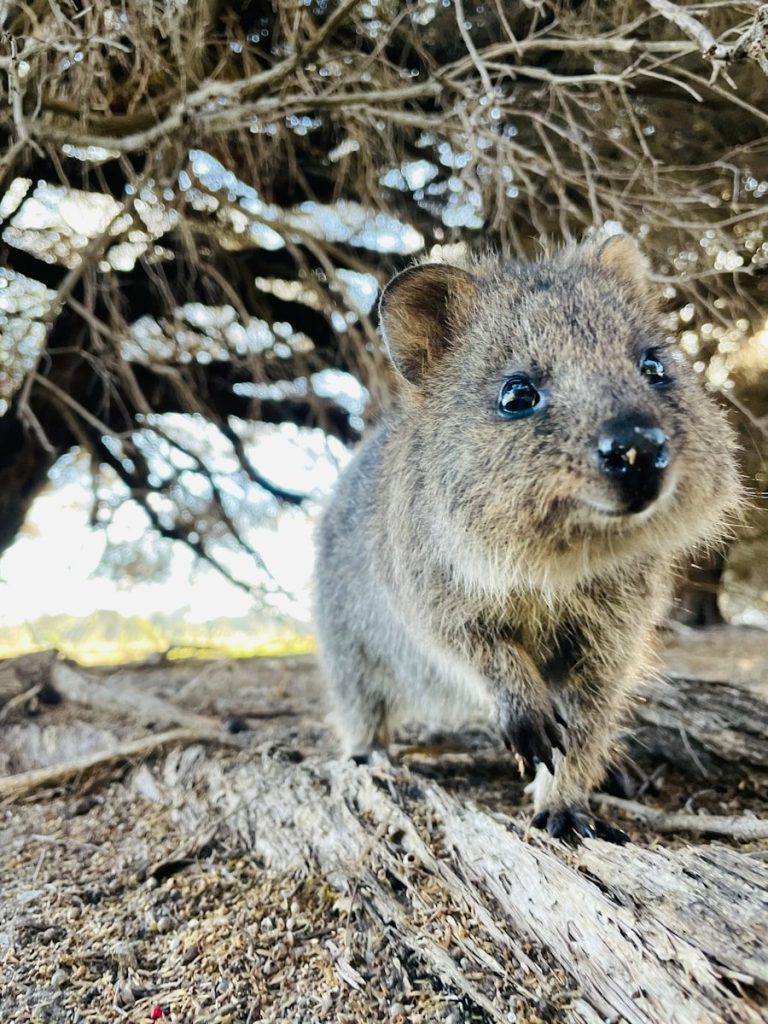
    Quokkas are small animals that are often described as always smiling. They are calm and friendly around people and do not show aggressive behavior. Many visitors find them very charming.

    These animals do not attack or harm humans. Because of their relaxed nature, they are often considered among the most adorable animals in Australia.

    Koalas and their sleepy lifestyle

    koala bear on brown tree
    Photo by Gary Runn on Unsplash

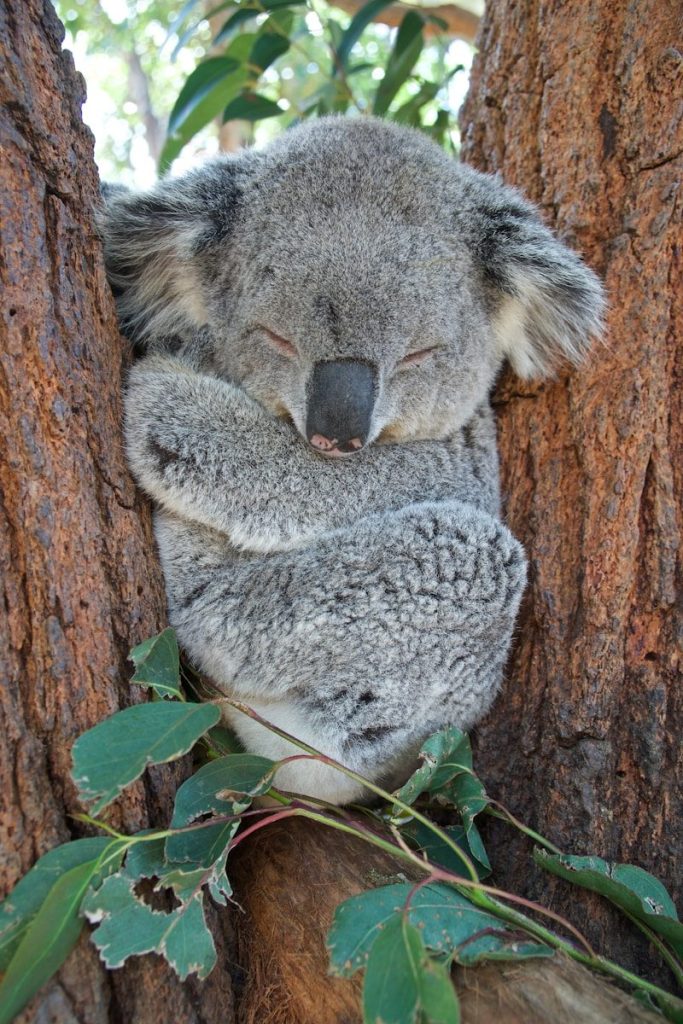
    Koalas sleep most of the day, sometimes up to 20 hours. They move slowly and spend most of their time resting in trees. Their calm behavior makes them easy to observe in the wild.

    They are not dangerous animals, but they may scratch if they feel stressed. Still, they prefer to avoid conflict and spend their energy on sleeping and eating rather than reacting to humans.

  • 6 unforgettable animals from movies and television

    6 unforgettable animals from movies and television

    Animals have always played a special role in storytelling, especially on screen. From loyal dogs to clever birds, these characters often bring emotion, humor, and heart to the story. Many viewers search for iconic animals in films and TV shows because these characters leave a strong impact long after the movie or show ends.

    In this article, you will learn about some of the most memorable animal characters that appeared in popular films and television series. These animals are not just background figures. They are important parts of their stories and often connect deeply with audiences of all ages. Each one has a unique role that helps make their shows and movies unforgettable.

    Hachiko in Hachi: A Dog’s Tale

    a dog with its tongue hanging out on a leash
    Photo by HONG FENG on Unsplash

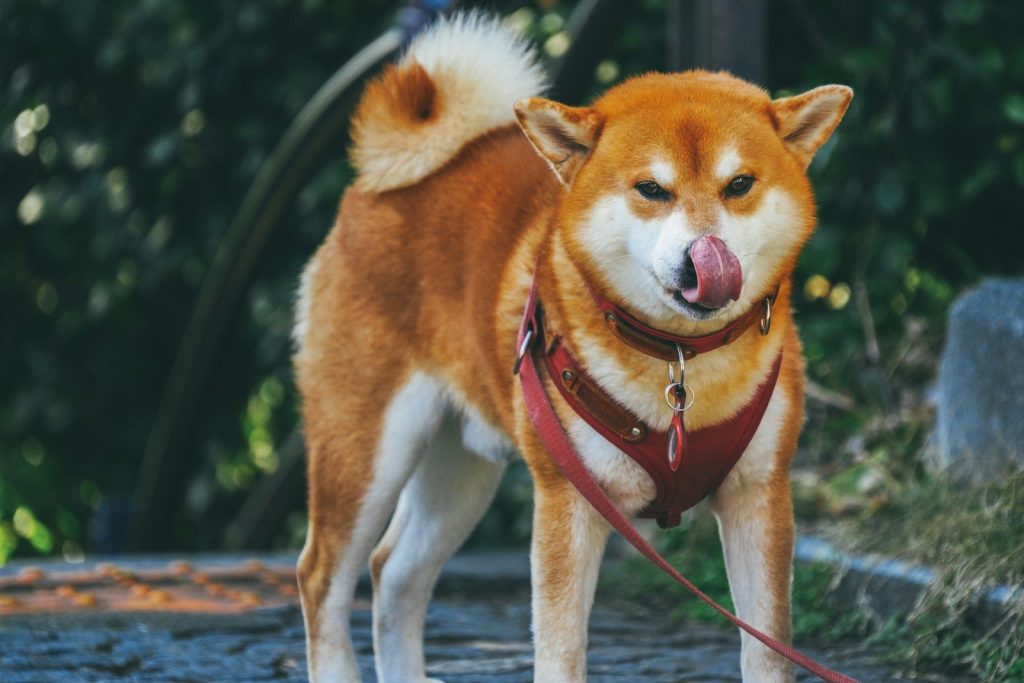
    Hachiko is one of the most emotionally powerful animal characters ever depicted in film. His story is based on a true bond between a Japanese Akita dog and his owner, Hidesaburō Ueno. Every day, Hachiko would walk with his owner to the train station and wait patiently for him to return. This daily routine showed strong love and loyalty, touching everyone who learned about it.

    The story takes a heartbreaking turn when Hidesaburō Ueno suddenly passes away after a heart attack. Even after this, Hachiko continues to return to the train station every day for many years, waiting for his owner, who never comes back. He kept this routine for nine years. After Hachiko passed away on March 8, 1935, a statue was built at Shibuya Station to honor his loyalty and devotion.

    Stella from Modern Family

    brown and black French bulldog lying on white fur area rug
    Photo by Alexandru Sofronie on Unsplash

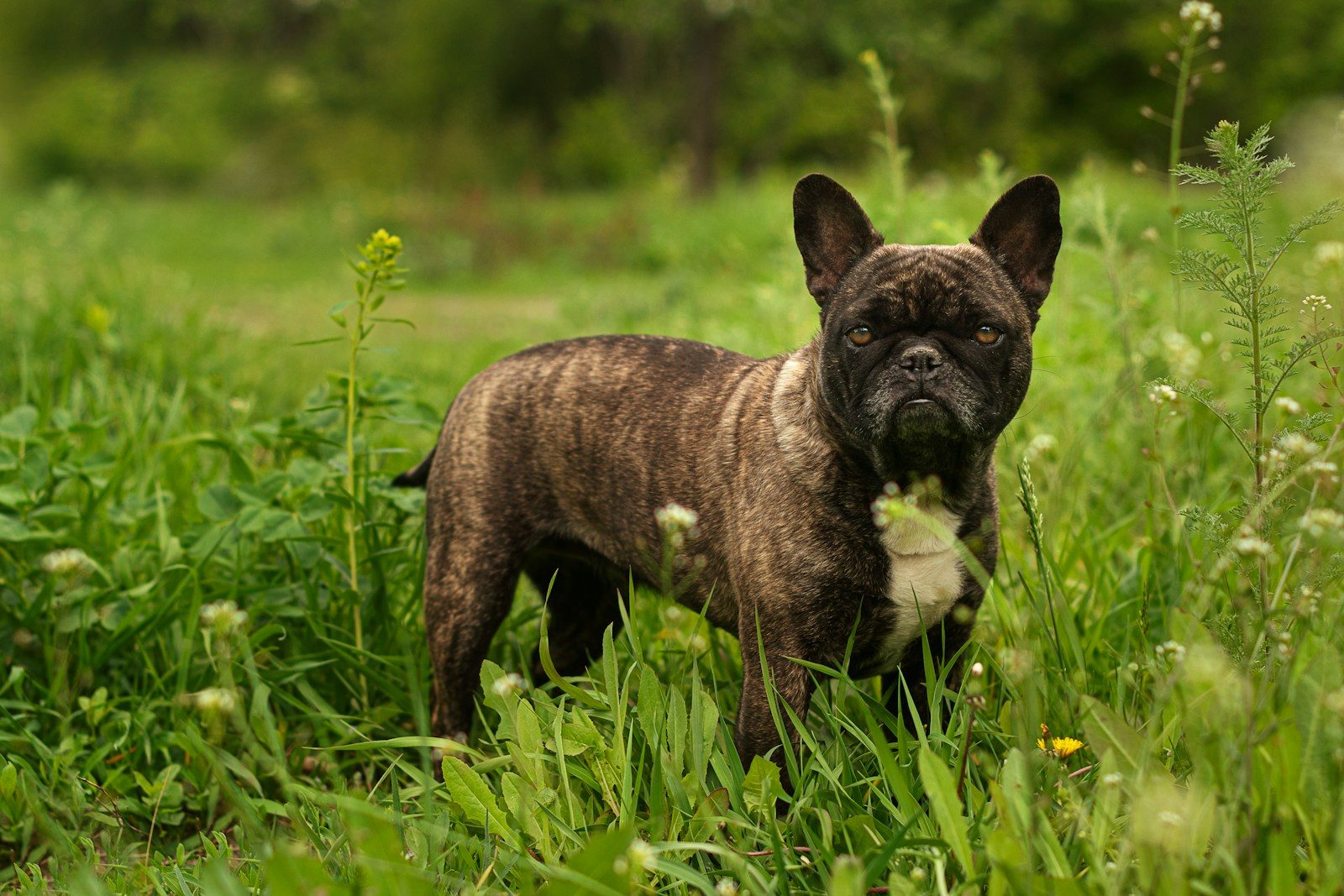
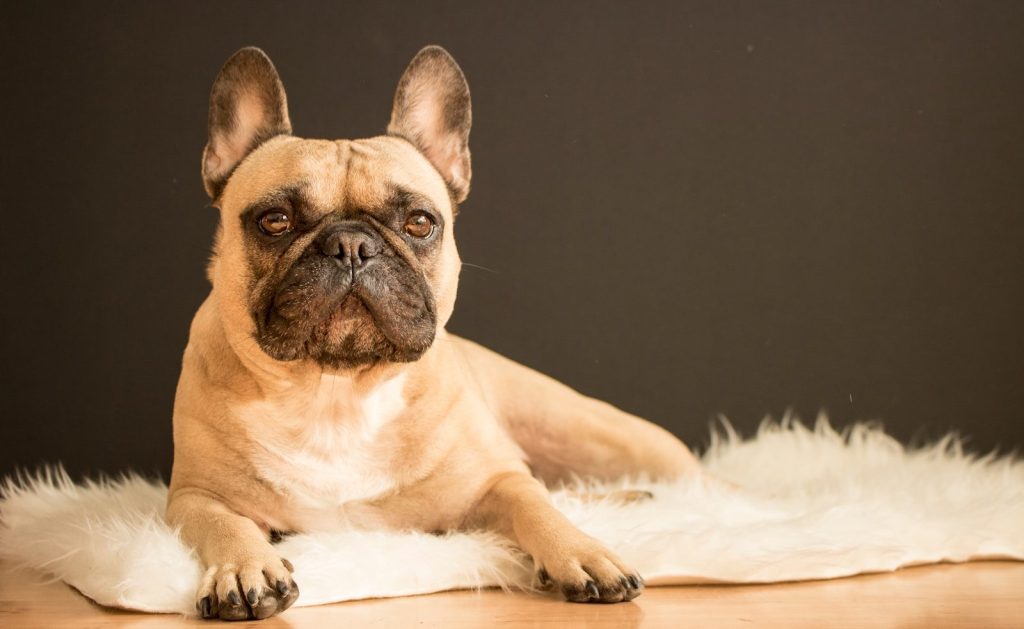
    Stella is a French bulldog featured in the popular sitcom Modern Family. She belongs to Jay, who treats her with great love and care. Stella quickly became a favorite character on the show for her cute personality and the funny moments she shares with Jay. Their bond adds warmth and humor to many scenes.

    The dog’s real name is Brigitte, and she was born in 2010. She also received recognition for her performance, winning the Best Dog in a Television Series award at the Golden Collar Awards in 2012. Stella’s presence in the show helps highlight the fun and emotional side of family life, making her a memorable part of the series.

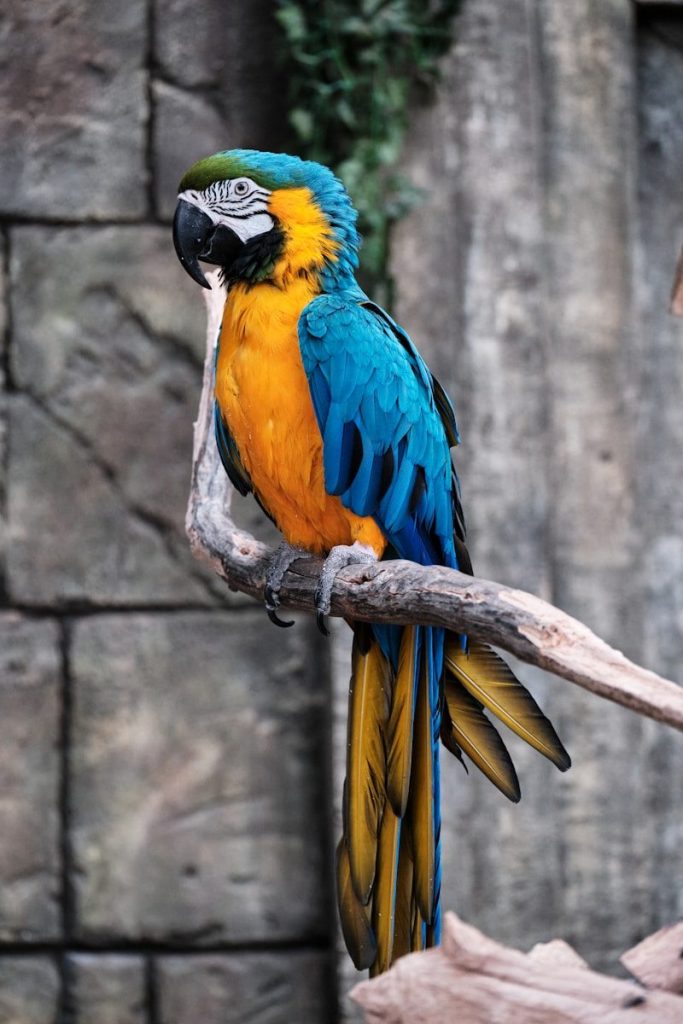
    Cotton’s parrot in Pirates of the Caribbean

    blue yellow and orange macaw
    Photo by Dmitry Chernyshov on Unsplash

    Cotton’s Parrot is a unique and humorous animal character from the Pirates of the Caribbean films. The parrot acts as a voice for its owner, Cotton, who cannot speak. This unusual communication style creates many funny and entertaining moments throughout the movies. The parrot often delivers snarky and witty comments that surprise both characters and viewers.

    The parrot is played by blue-and-gold macaws named Chip and Salsa. It appears in several films in the series, including The Curse of the Black Pearl, Dead Man’s Chest, At World’s End, and On Stranger Tides. Cotton’s Parrot adds a playful and humorous touch to the story, helping balance the action with light comedy that audiences enjoy.

    Mrs. Norris from Harry Potter

    “File:Andean cat 1 Jim Sanderson.jpg” by Jim Sanderson is licensed under CC BY-SA 3.0

    Mrs. Norris is the loyal cat of Argus Filch, the caretaker of Hogwarts School of Witchcraft and Wizardry. She plays an important role in the school by helping Filch keep an eye on the students. The cat is known for being observant and often alerts Filch when students misbehave or break rules.

    In the Harry Potter series, Mrs. Norris becomes closely linked with Filch, showing a strong bond between them. During the events of Harry Potter and the Deathly Hallows Part 2, it is mentioned that she is kept safe during the final battle. Although she does not have a large role in action scenes, her presence adds tension and helps build the school’s strict atmosphere.

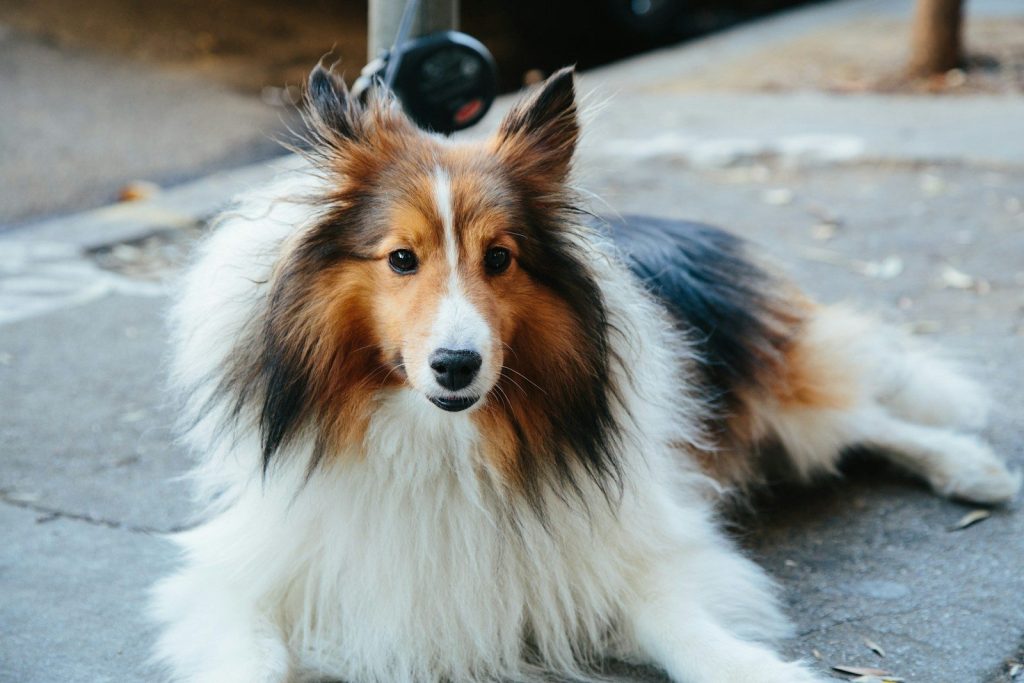
    Lassie, the heroic collie

    Rough Collie lying on road
    Photo by Chloe Evans on Unsplash

    Lassie is one of the most famous dogs in television history. She is known as a heroic collie who always seems to understand when someone is in trouble. Her intelligence and loyalty make her a key figure in every story in which she appears. Lassie often steps in during difficult situations to help others, showing courage and quick thinking.

    Throughout the Lassie series, she is shown as a reliable companion who never leaves those she cares about behind. Her actions often guide people to safety or help solve problems. Lassie became a symbol of loyalty and bravery, making her one of the most iconic animals in TV shows. Her character has inspired generations of viewers with her strong sense of duty and care.

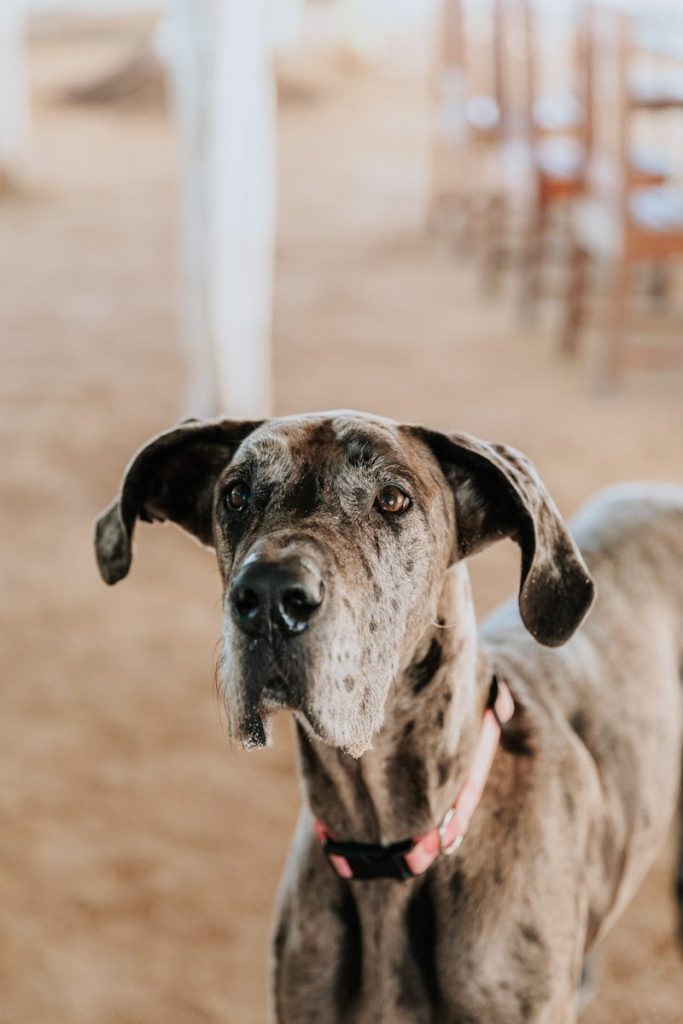
    Scooby-Doo from Scooby-Doo, where are you

    a close up of a dog on a leash
    Photo by José Casado on Unsplash

    Scooby-Doo is a well-known Great Dane from the animated series Scooby-Doo, Where Are You! He is famous for his love of snacks and his funny personality. Even though he is often scared, Scooby still helps solve mysteries with his friends. His character brings both humor and excitement to every episode.

    Scooby-Doo has become a defining character in animated television. He is part of a group that investigates strange events and mysteries. His friendship with the team and his silly behavior make him very lovable. Over time, Scooby-Doo has remained popular with audiences, showing how strong and entertaining an animal character can be in storytelling.

  • 6 adorable animals hiding a dangerous, venomous secret

    6 adorable animals hiding a dangerous, venomous secret

    What if the cutest animals in the world were not as safe as they look? Many people assume that soft, small, or friendly-looking animals cannot be dangerous. However, nature often proves the opposite. The idea of cute animals that can kill you is a real warning, showing how beauty and danger can exist in the same creature.

    This article explores six animals that look adorable but can be extremely dangerous. From ocean life to land predators, each example shows how appearances can be misleading. You will learn what makes these animals risky, how they defend themselves, and why respecting wildlife is important for safety and awareness.

    Pufferfish and its deadly poison

    white and brown fish in close up photography
    Photo by Stelio Puccinelli on Unsplash

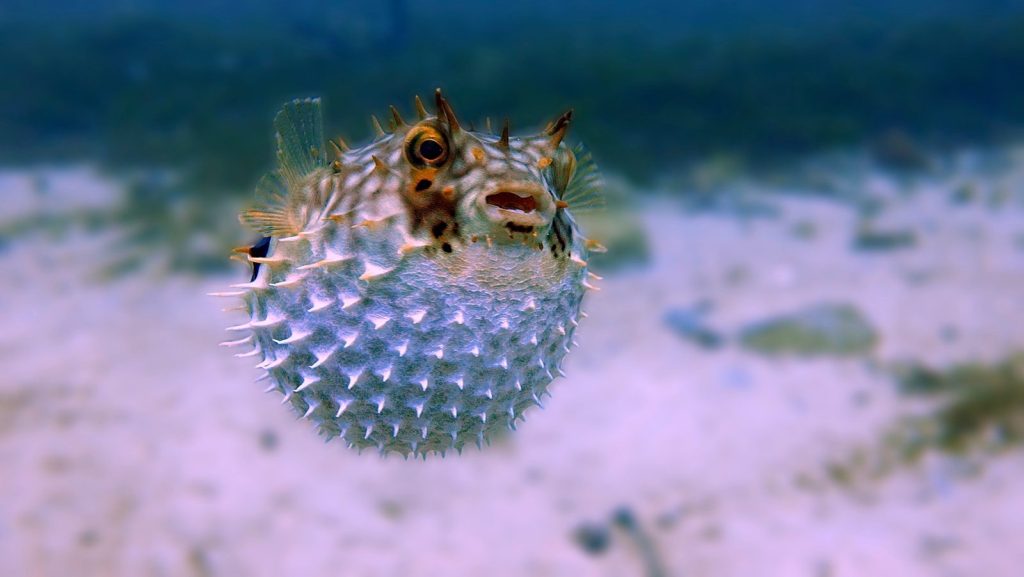
    The pufferfish is one of the most surprising examples of cute animals that can kill you. When it inflates, it becomes round and soft-looking, almost like a floating toy. But this cute appearance hides a powerful, deadly secret within its body.

    The pufferfish contains a poison called tetrodotoxin, which is much stronger than cyanide. This toxin attacks the nervous system and can stop breathing by paralyzing muscles. Even a single pufferfish may carry enough poison to kill many adults, and there is no known antidote, making it extremely dangerous.

    Slow loris and its toxic defense

    brown and black animal holding food
    Photo by Roi Dimor on Unsplash

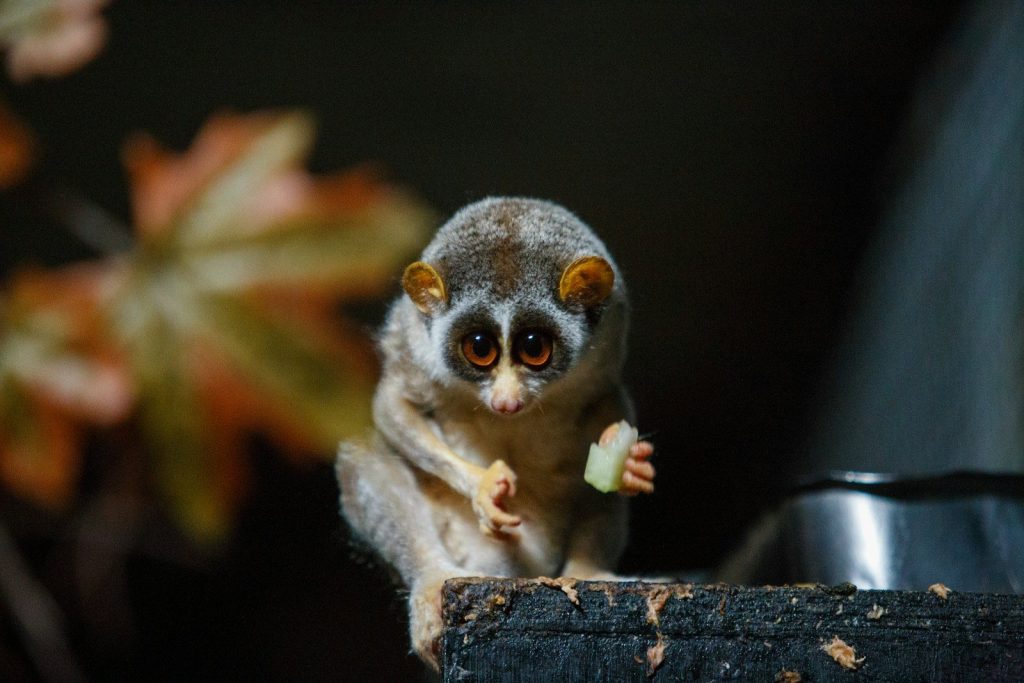
    The slow loris looks like a gentle, wide-eyed animal that belongs in a children’s story. Its small body and slow movements make it seem harmless. However, it is actually one of the few venomous mammals in the world.

    When threatened, it produces a toxin from glands near its elbows and mixes it with saliva. This venom can cause serious reactions in humans, including allergic shock, low blood pressure, and other dangerous symptoms. Because of its cute appearance, it is often captured illegally, putting both humans and animals at risk.

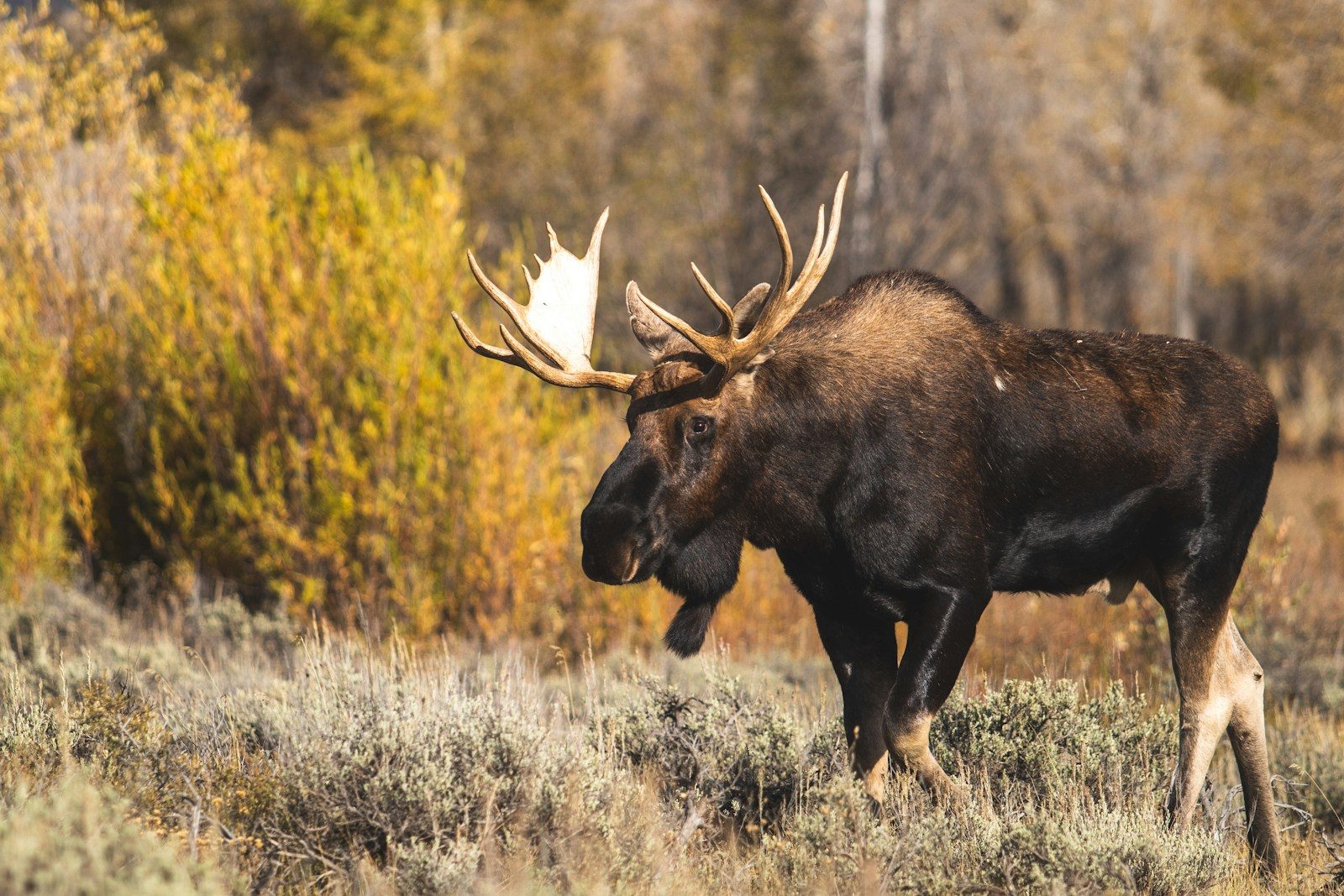
    Moose and unexpected aggression

    black moose lying on field during daytime
    Photo by Shivam Kumar on Unsplash

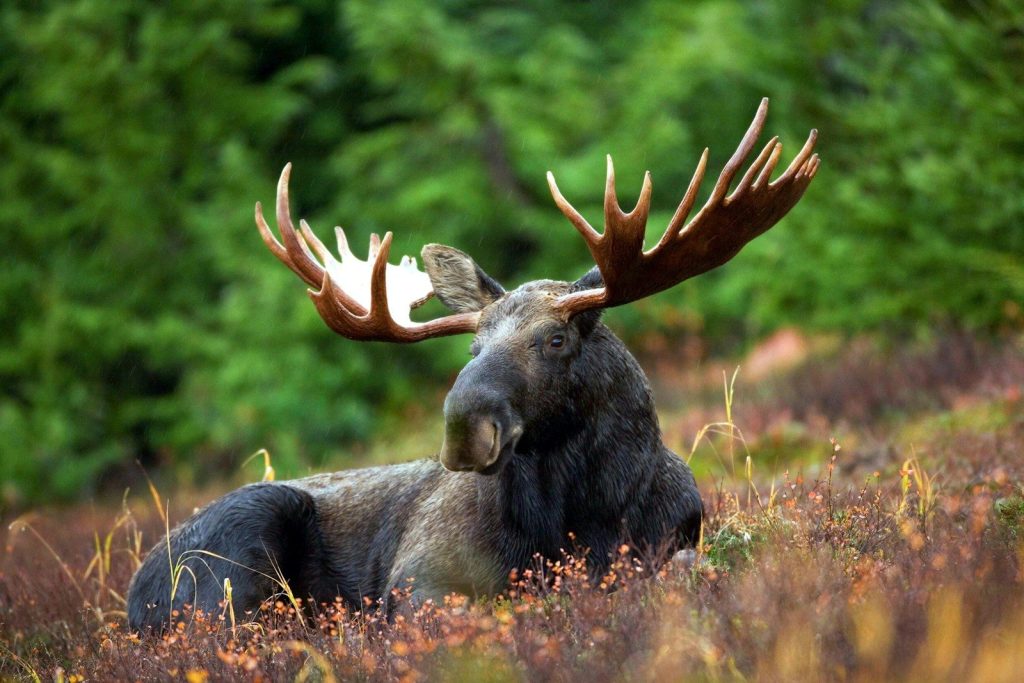
    The moose may not look cute to everyone, but many people find its large eyes and calm expression strangely charming. Despite this, it is one of the most dangerous animals humans can encounter in the wild. It usually avoids people, but it can become aggressive very quickly.

    Moose attacks often occur when they feel disturbed, when they are protecting their young, or during certain seasonal periods. While deaths are rare, moose are responsible for more human attacks than bears in some areas. Their large size also makes them dangerous in road collisions, which can sometimes be deadly.

    Big cats and hidden hunting instincts

    Lion” by jonesbusy is licensed under CC BY-NC 2.0

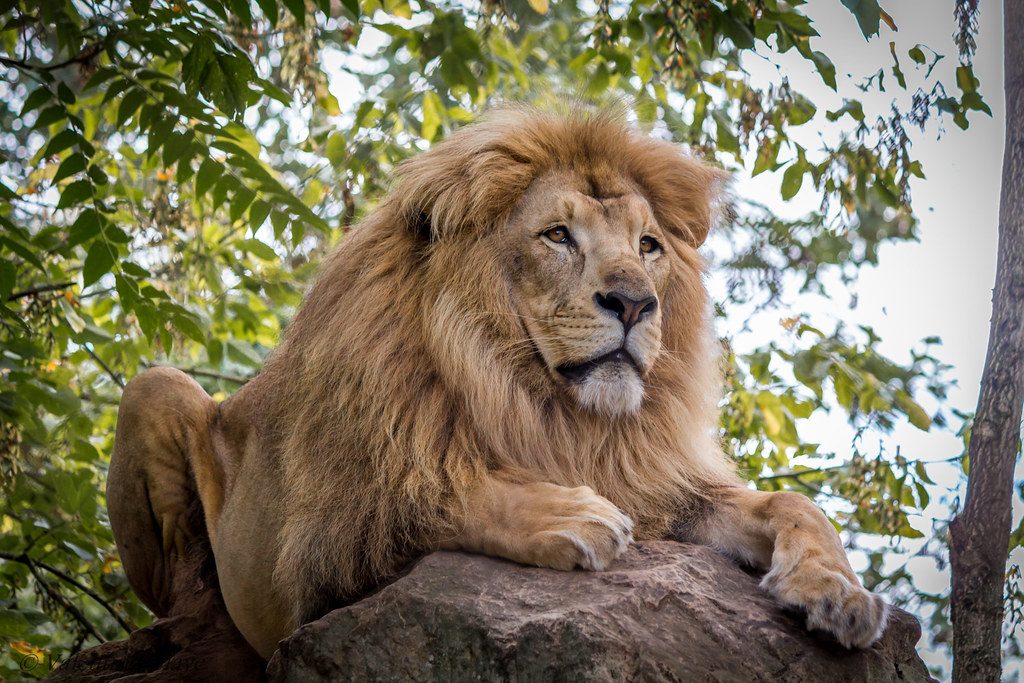
    Big cats such as lions, tigers, jaguars, leopards, pumas, and cheetahs may look graceful and even playful, especially when young. Their soft fur and smooth movements can make them seem almost harmless at first glance. However, they are powerful predators designed for hunting.

    These animals can become dangerous if they feel threatened or are kept in unsafe conditions. In captivity, thousands of big cats live in the United States, and only a small number are in accredited zoos. Even when they appear calm, their natural instincts remain strong and can pose serious risks.

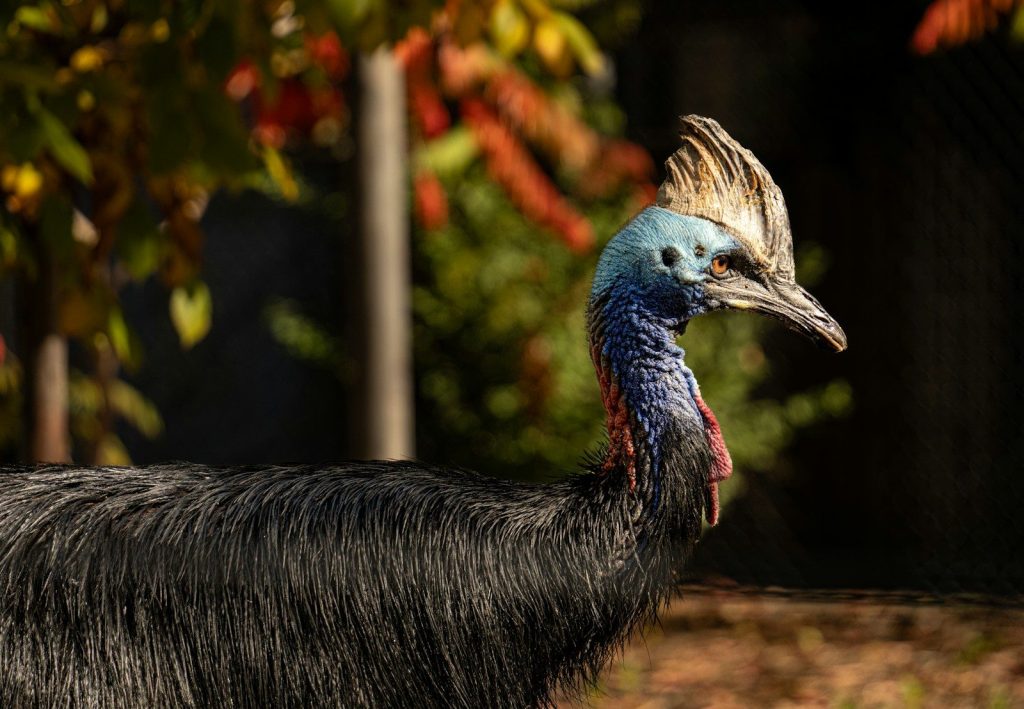
    Cassowary and its aggressive nature

    A cassowary bird with a blue head and neck
    Photo by mana5280 on Unsplash

    The cassowary is a large, flightless bird that looks unusual and even colorful, but it is one of the most dangerous birds in the world. It lives in rainforest areas and is known for being highly territorial and quick to react when disturbed.

    This bird can run at high speeds and use its strong legs and sharp claws to defend itself. It can kick, charge, peck, or even headbutt when it feels threatened. Its claws are extremely sharp and powerful, making it a serious danger to anyone who gets too close.

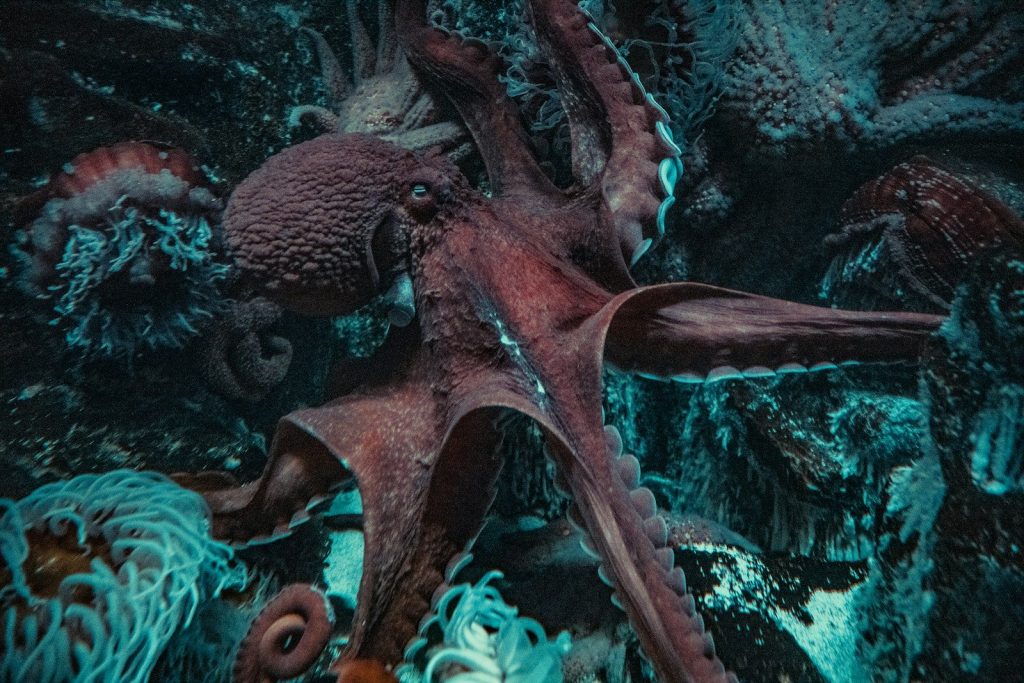
    Blue-ringed octopus and ocean danger

    an octopus is laying on the ocean floor
    Photo by Nick Brice on Unsplash

    The blue-ringed octopus is small and beautiful, often found in shallow tide pools. Its bright blue rings make it look almost magical, and many people do not realize how dangerous it is. This tiny animal is one of the most venomous creatures in the world.

    If it bites, it releases venom that can cause paralysis and stop breathing within minutes. There is no antivenom for its poison, which makes it especially dangerous. Even though it looks harmless, a single encounter can quickly become life-threatening.

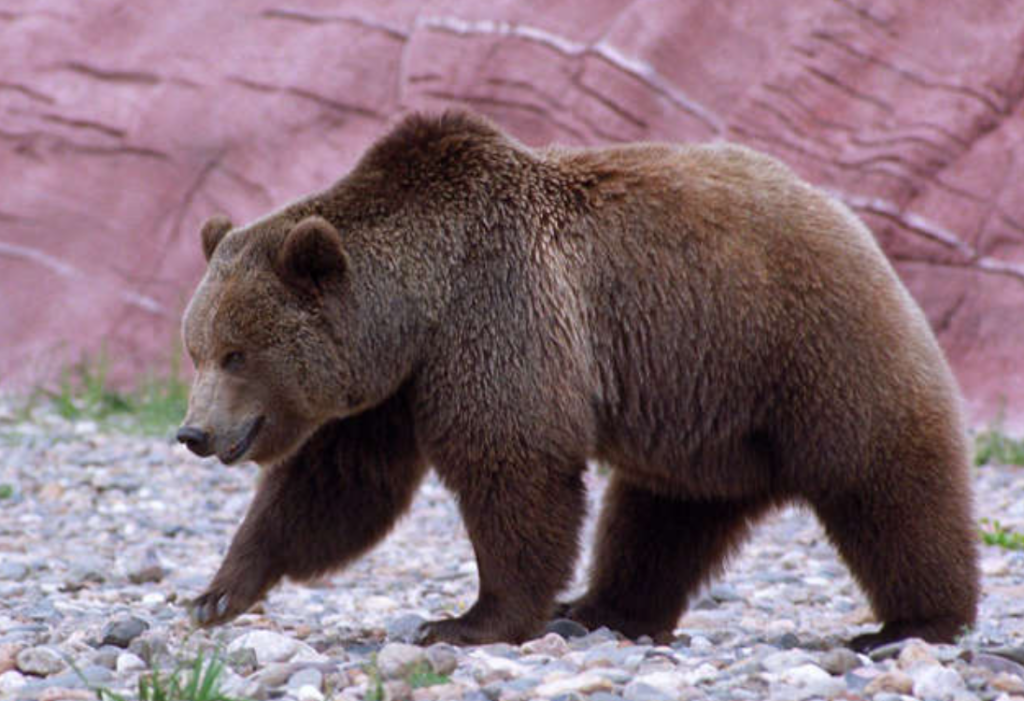
    Bears and powerful survival instincts

    “Grizzly Bear” by chascar is licensed under CC BY 2.0

    Bears are often portrayed as cute in cartoons or as stuffed toys, but in reality, they are powerful predators. Grizzlies and polar bears are the most dangerous, but even black bears can pose serious risks to humans in certain situations.
    Most attacks happen when bears are hungry, surprised, or protecting their young. Some may even stalk their target before attacking. Although fatal encounters are rare, bears remain among the most dangerous wild animals people may encounter in certain regions.

  • Inside Michael Jackson’s remarkable collection of beloved pets

    Inside Michael Jackson’s remarkable collection of beloved pets

    Michael Jackson’s pets were almost as famous as he was. Over the years, the King of Pop shared his life with many animals, from dogs and birds to exotic creatures that lived at his famous ranch. Many fans remember Bubbles the chimpanzee, but he was only one part of a much larger group of animals that surrounded Jackson throughout his life. His love for animals became a major part of his public image and helped shape the unique world he created at Neverland Ranch.

    This article explores Michael Jackson’s remarkable collection of beloved pets, the stories behind some of his most famous animal companions, and what happened to many of them later. By looking at verified facts, readers can better understand how important animals were to Jackson and why they remained a lasting part of his legacy.

    How Michael Jackson’s love for animals began

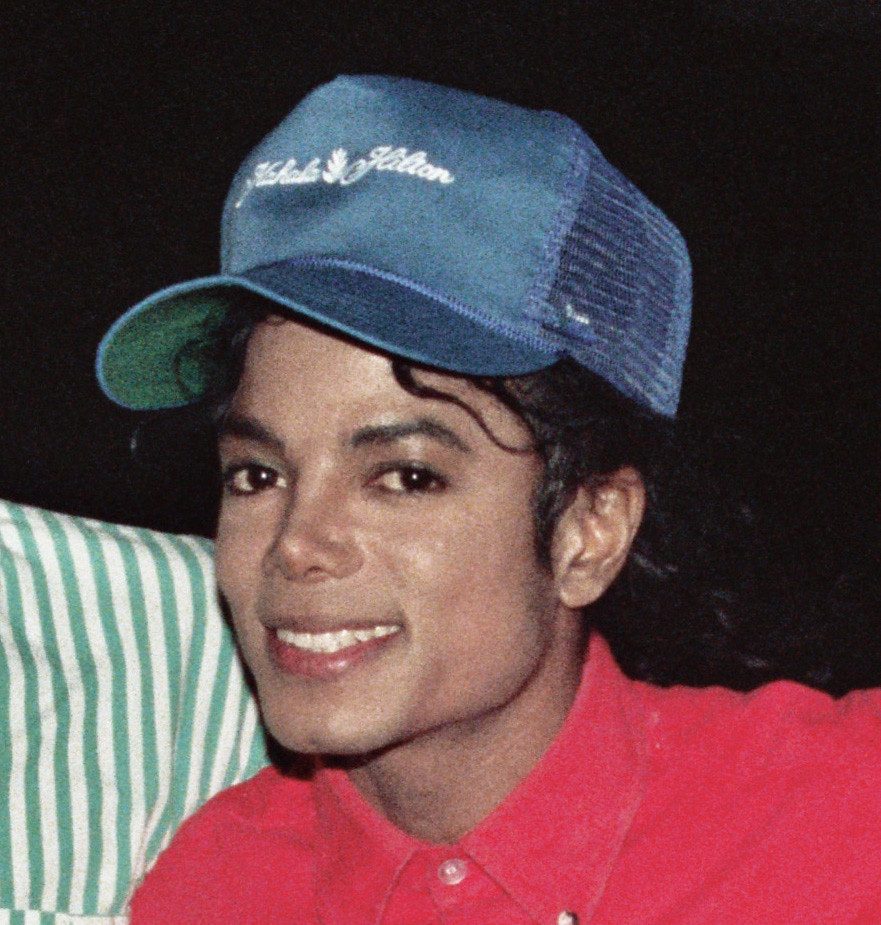
    Michael Jackson 1988” by Alan Light is licensed under CC BY 2.0

    Michael Jackson showed an interest in animals from a young age. Friends and family members often described him as someone who felt a strong connection to nature. As his music career grew and he became one of the most famous entertainers in the world, he gained the resources to care for a wide range of animals.

    His affection for animals became even more visible during the 1980s and 1990s. Jackson often spoke about the comfort he found in pets. He viewed animals as loyal companions that did not judge people based on fame or appearance. This belief influenced many of the choices he made when building the animal collection that would later become closely linked with Neverland Ranch.

    Bubbles became his most famous companion

    a small monkey sitting on top of a table
    Photo by Andrius Ordojan on Unsplash

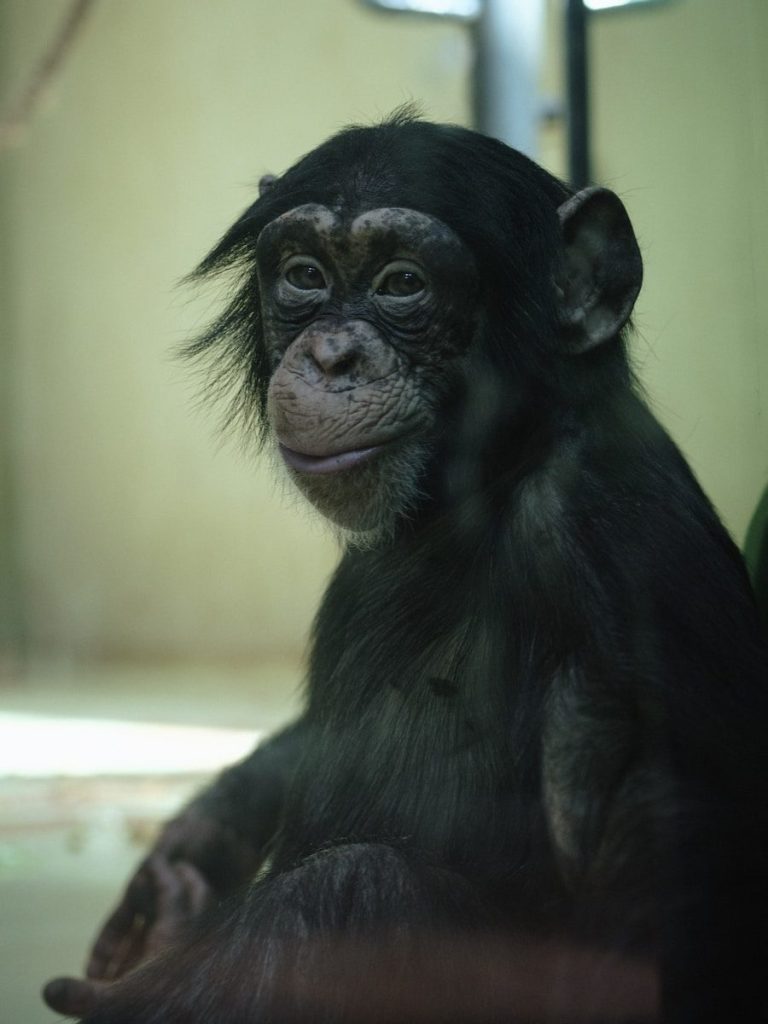
    No animal in Michael Jackson’s life became more famous than Bubbles the chimpanzee. Jackson acquired Bubbles during the 1980s after the chimpanzee was born at a research facility in Texas. As a young chimp, Bubbles quickly became a constant companion and often appeared beside Jackson in public. He traveled with the singer, visited hotels, attended events, and even spent time in recording studios.

    Bubbles lived with Jackson for many years and became a worldwide celebrity in his own right. Reports from that period described the chimpanzee sleeping in a crib, eating meals near Jackson, and spending time at Neverland Ranch. As Bubbles grew older, however, he became much stronger and harder to manage. Like many adult chimpanzees, he developed behaviors that made private ownership unsafe. He was eventually moved to professional care and later found a permanent home at the Center for Great Apes in Florida, where he still lives today.

    Neverland Ranch became home to many animals

    Neverland Ranch garden sculpture” by doublelibra is licensed under CC BY-NC-ND 2.0

    When Jackson purchased Neverland Ranch in California, he created an environment that included numerous animals. The property featured large open spaces, barns, animal habitats, and a private zoo area. Visitors often described seeing a variety of species during their trips to the ranch.

    The animals at Neverland included llamas, deer, flamingos, elephants, giraffes, tigers, birds, and other exotic species. Jackson wanted the ranch to feel magical and welcoming, especially for children who visited. Animals became part of that vision. The ranch eventually became one of the most talked-about celebrity properties in the world because of its combination of amusement rides, gardens, and wildlife.

    His snakes and unusual pets drew public attention

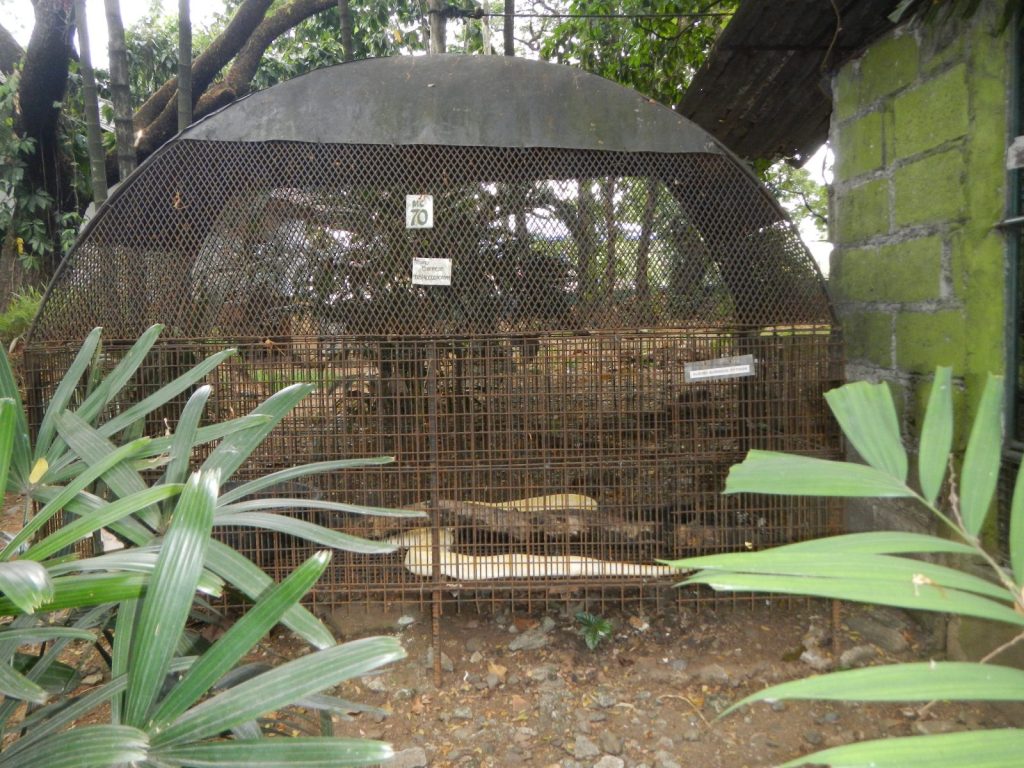
    Albino Burmese Python – Python bivittatus – Ninoy Aquino Parks & Wildlife Center 01” by Ramon FVelasquez is licensed under CC BY-SA 3.0

    While Bubbles received the most media coverage, Jackson also owned several unusual pets. One of the best-known was an albino Burmese python named Madonna. The snake appeared in public discussions about Jackson’s collection and became another example of his interest in animals that most people would never keep as pets. After leaving Neverland, the python was eventually rehomed and later renamed Sunshine.

    Jackson also owned other reptiles and exotic creatures throughout different periods of his life. These animals often attracted headlines because they were so unexpected. During the 1980s and 1990s, celebrity exotic pet ownership received far less criticism than it does today. Many people viewed these unusual animals as symbols of wealth and individuality, though attitudes toward exotic animal ownership have changed significantly over time.

    Tigers, elephants, and other large animals lived at Neverland

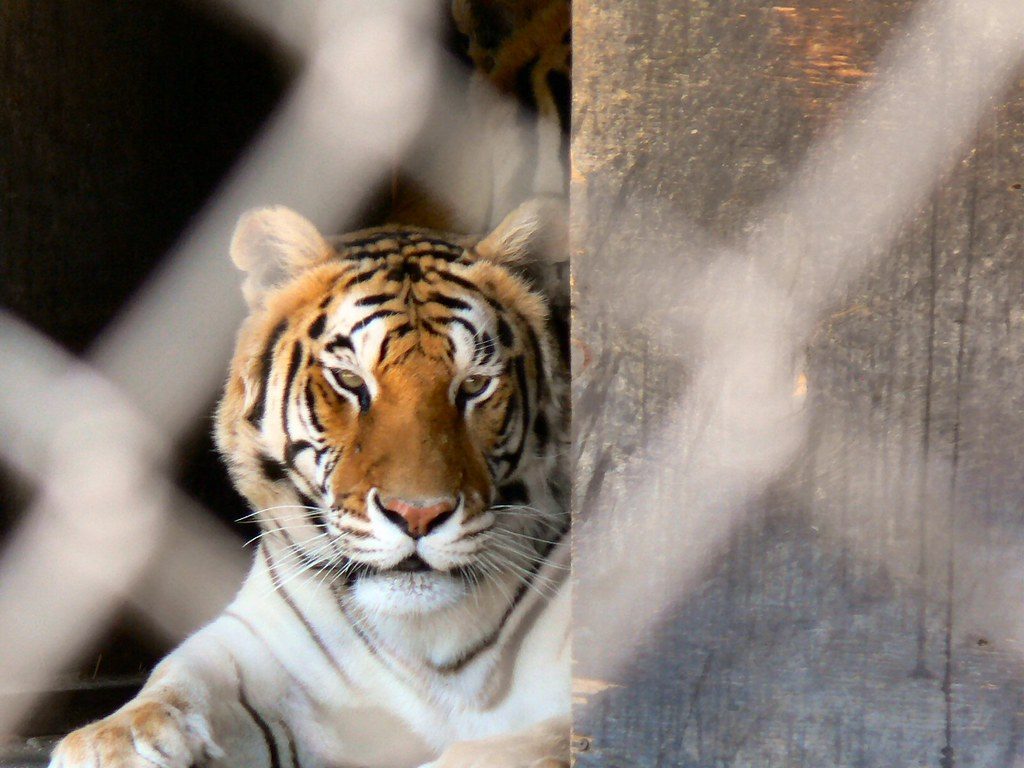
    Sabu” by Jim Mullhaupt is licensed under CC BY-NC-ND 2.0

    Some of the most impressive animals at Neverland were its larger residents. Jackson kept tigers on the property, including famous cats named Thriller and Sabu. These animals became part of the ranch’s identity and were often mentioned in news stories about the singer’s lifestyle. After Jackson left Neverland, the tigers were relocated to wildlife facilities where they could continue receiving specialized care.

    The ranch also housed elephants and giraffes. One elephant named Ali became especially well known among animal fans. Other animals were eventually moved to sanctuaries, zoos, and preserves after Neverland’s animal program ended. The relocation process involved multiple organizations working to ensure the animals received appropriate long-term homes. These efforts helped many of Jackson’s former animals continue living in safe environments after the ranch closed its animal operations.

    Animals influenced Jackson’s public image

    man in white t-shirt sitting beside woman in white t-shirt
    Photo by Inja Pavlić on Unsplash

    Michael Jackson’s relationship with animals became a major part of how the public viewed him. Photos of him with Bubbles appeared in newspapers, magazines, and television reports around the world. The chimpanzee’s presence often sparked fascination because it was so different from the lives of most celebrities. Over time, Bubbles became one of the most recognizable animal companions in entertainment history.

    Jackson’s love of animals also inspired creative projects. During the 1980s, he helped launch a line of stuffed toys based on some of his pets. Artists and photographers frequently used his connection with animals as inspiration. One of the most famous examples was a well-known sculpture featuring Jackson and Bubbles together. The image of the singer standing beside his chimpanzee remains one of the most recognizable symbols of his unusual and memorable lifestyle.

  • Abandoned baby deer rescued just in time after struggling to survive

    Abandoned baby deer rescued just in time after struggling to survive

    The orphaned fawn rescue at Magnolia Fawn Rescue shows how quickly a wild animal’s life can change in just a few days. In this story, a very small baby deer was found weak and dehydrated, unable to survive alone in the wild. The orphaned fawn rescue became urgent when a family discovered him just in time and rushed him to professionals who could help.

    This article explains what happened to the baby deer, why he was in danger, and how rescuers saved him. You will also learn about his condition, the care he received, and what to do if you ever find a fawn alone in nature.

    A critical orphaned fawn rescue at Magnolia Fawn Rescue

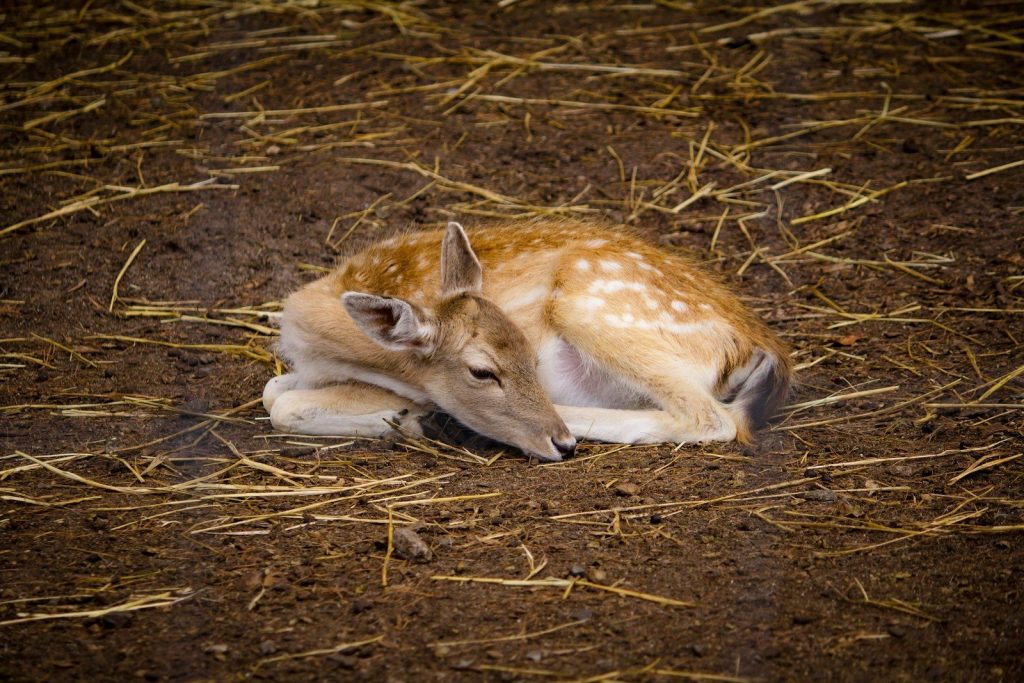
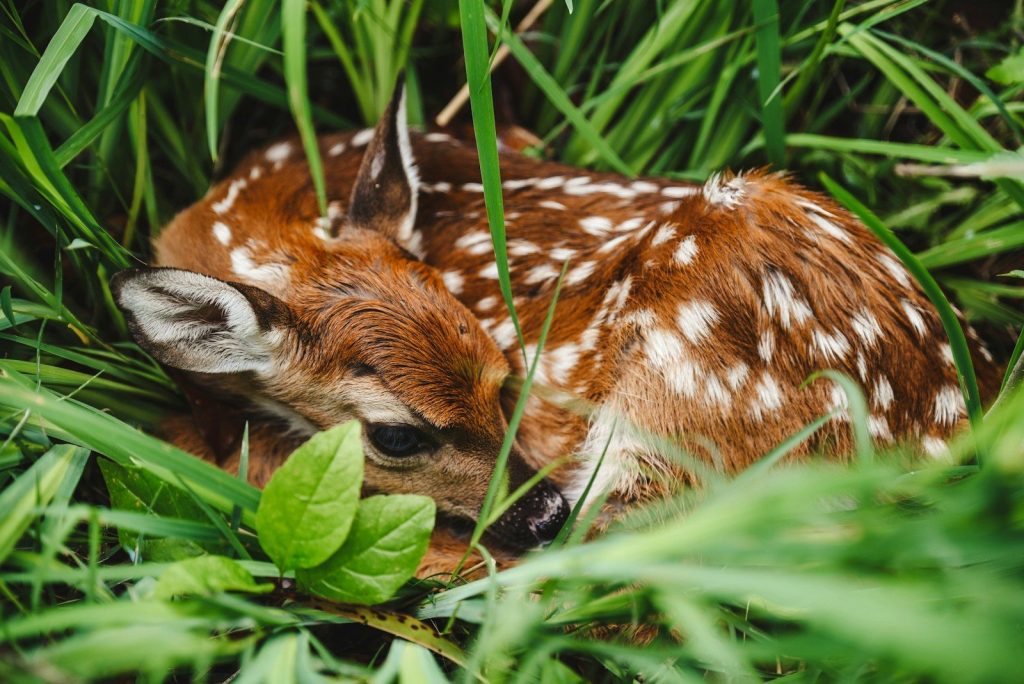
    deer lying on brown dirt soil
    Photo by Bonnie Kittle on Unsplash

    Every orphaned fawn rescue is emotional for the team at Magnolia Fawn Rescue because they see many baby deer each year. On May 21, they received a very small fawn who had been abandoned by his mother. A family found him alone and quickly brought him to the rescue center before it was too late.

    The rescuers knew right away that this case was serious. The baby deer had been without proper care for too long, and his body showed signs of stress. Even though he was extremely small, weighing only 2.8 pounds, he was still alert and strong. The rescue team worked quickly to provide him with the support he needed to survive.

    Why was this fawn abandoned by its mother

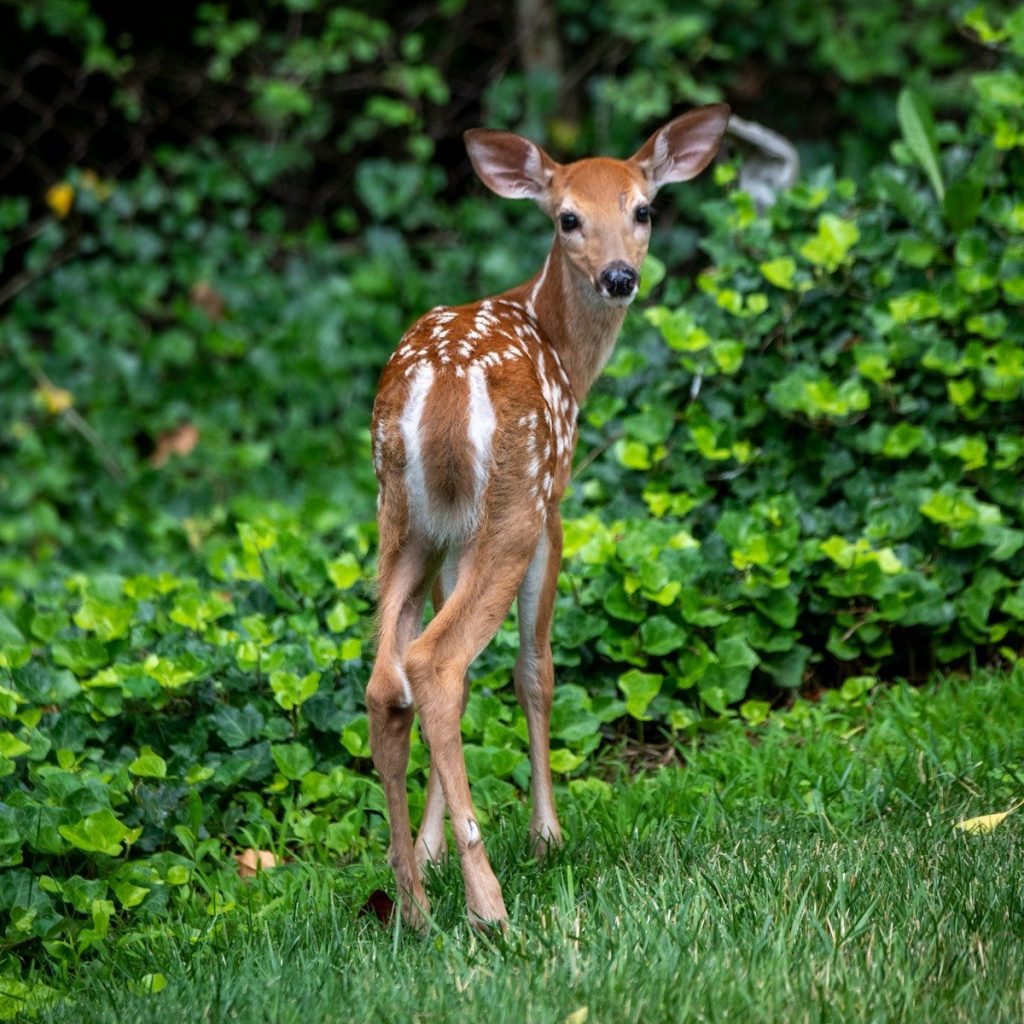
    brown deer on green grass during daytime
    Photo by Robert Woeger on Unsplash

    This orphaned fawn rescue had a surprising cause behind the abandonment. The baby deer had an overbite that prevented him from nursing from his mother. Because he could not feed properly, he became weaker over time and could not survive in the wild with his mother.

    His condition shows how even small physical problems can become life-threatening in nature. A baby deer depends fully on its mother for milk and protection. Without that ability to eat, the fawn was left behind and forced to struggle alone until it was found by the caring family.

    Warning signs of dehydration and weakness

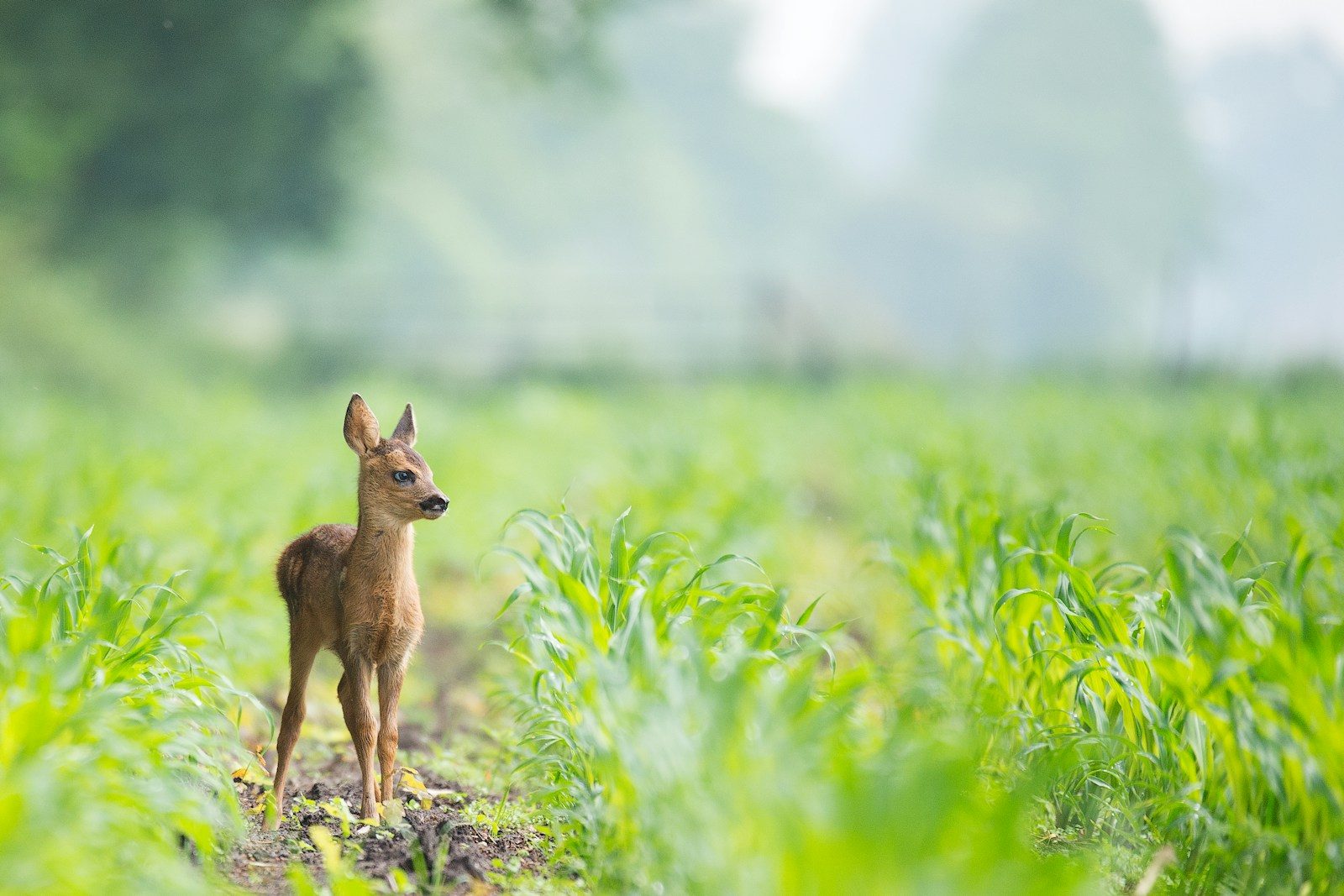
    A baby deer standing on top of a lush green field
    Photo by Charly Seyler on Unsplash

    During this orphaned fawn rescue, rescuers noticed clear signs that the baby deer was in danger. His ears were curled, which can be a sign of dehydration or illness. People who saw him online also pointed out that these signs usually mean a baby animal has been without milk or water for too long.

    One commenter said that three days without care is already too long for a fawn like this. When animals reach this point, their bodies begin to weaken quickly. Even though the fawn still looked alert, his condition showed that he needed urgent help to avoid serious harm or death.

    Emergency care and incubator treatment

    a man in a blue shirt
    Photo by Haim Charbit on Unsplash

    Once the orphaned fawn rescue team took him in, they placed him under close care. The baby deer was moved into an incubator where he could rest and recover in a safe environment. This type of care helps weak animals stay warm and stable while their bodies recover.

    Even though he was in serious condition, the fawn stayed strong and alert during treatment. The rescuers focused on giving him the support he needed to regain strength. Over time, his condition improved, and the team became hopeful about his recovery.

    Public reactions to the orphaned fawn rescue

    brown and white deer on green leafed grass during daytime
    Photo by Julie Marsh 🇨🇦 on Unsplash

    The orphaned fawn rescue quickly gained attention from people online who were touched by his story. Many viewers commented that he looked small and fragile. Some were surprised by his tiny size, while others noticed his curled ears and weak condition.

    One viewer even said that his little overbite looked cute, even though it caused his health problem. While the situation was serious, many people felt relieved knowing that he was finally safe. The story showed how deeply people care about animals in need and how quickly they respond to rescue efforts.

    What to do if you find a fawn alone in the wild

    brown and white spotted deer on green grass during daytime
    Photo by Erika Fletcher on Unsplash

    This orphaned fawn rescue also highlights an important lesson for everyone. If you find a fawn alone in nature, it is usually best not to touch or move it. Mother deer often leave their babies alone for long periods while they search for food, and they usually return later.

    However, if the fawn shows clear signs of illness, like curled ears or nonstop crying, it is important to contact a wildlife rehabilitator. Small actions, like moving a baby deer off the road, can help, but feeding or handling them without proper training can do more harm than good.

  • A loyal donkey guides his blind horse companion every day

    A loyal donkey guides his blind horse companion every day

    Every day, a loyal donkey helps his blind horse companion move through the world with confidence. Stories like this have touched millions of people online because they show something powerful about animal friendship. A donkey guiding a blind horse is not just a sweet moment. It is a real example of how animals can build trust, form deep bonds, and help each other through difficult challenges.

    Many horse owners and animal experts have seen similar relationships over the years. Donkeys and horses can become very close companions, and in some cases, a donkey naturally takes on a protective role. This article explains how these friendships develop, why blind horses often depend on trusted companions, and what science and animal behavior tell us about these remarkable bonds.
    How the friendship began

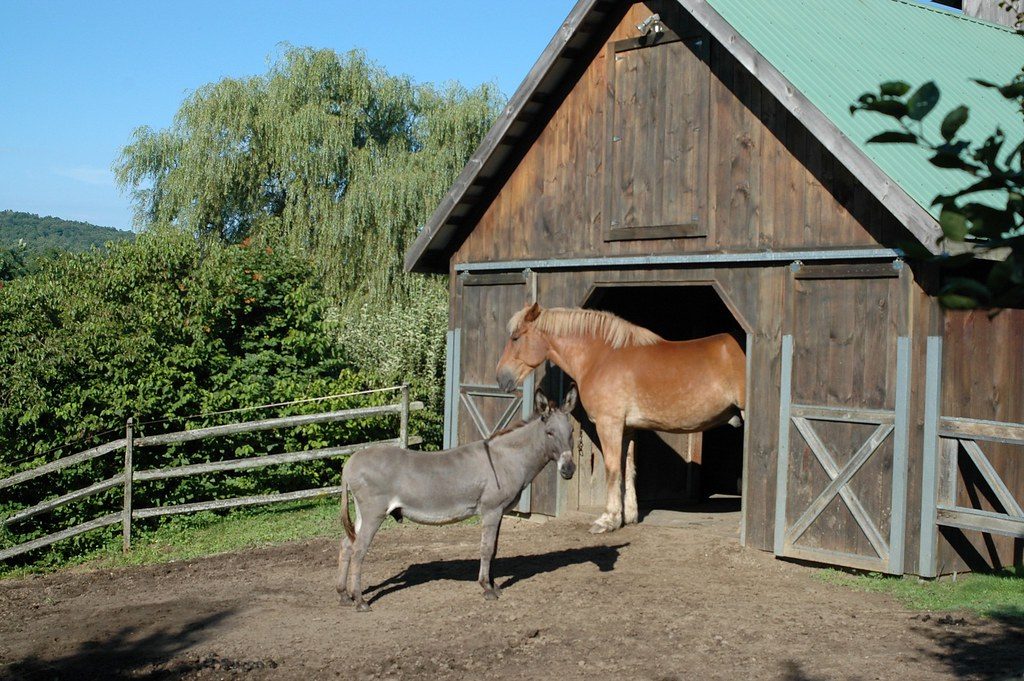
    Donkey and Horse” by axel_magard is licensed under CC BY-NC-ND 2.0

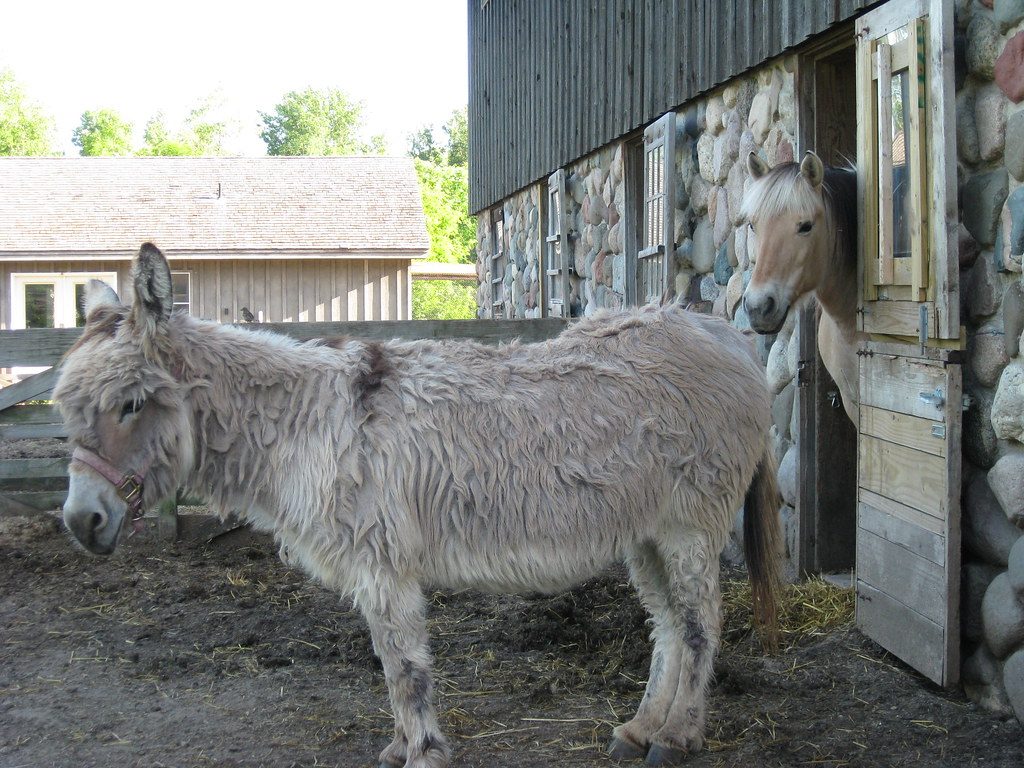
    One of the most well-known recent stories involves a donkey named Petey and a blind horse named Luna. Luna gradually lost her eyesight because of a condition often called moon blindness, also known as equine recurrent uveitis. As Luna’s vision disappeared, everyday tasks became harder. She had trouble finding her stall and navigating familiar spaces. Despite these challenges, Luna remained calm and gentle.
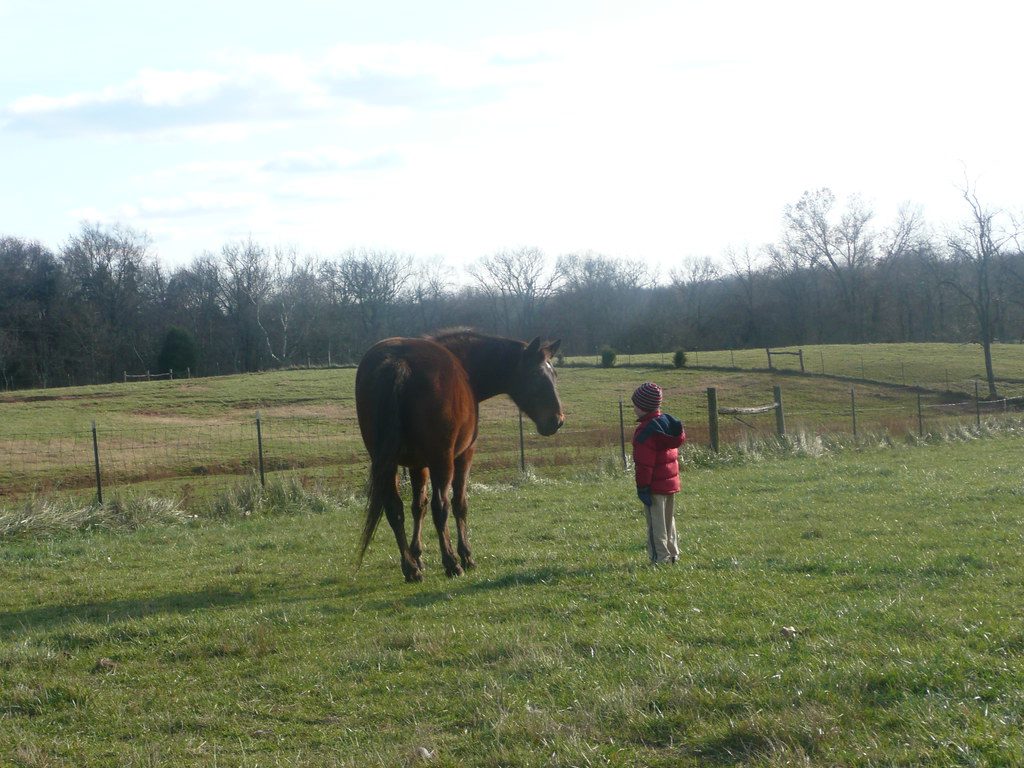
    When Petey arrived at the farm, something special happened. The donkey quickly formed a close connection with Luna and began staying near her throughout the day. According to people who care for the animals, Petey often helps Luna find her way around the property and guides her back to the barn. Their bond developed naturally and was not forced by humans.

    Why blind horses need trusted companions

    Blind horse” by angela n. is licensed under CC BY 2.0

    A horse depends heavily on its surroundings to stay safe. When a horse loses its sight, familiar places can suddenly feel confusing. Blind horses may need extra time to learn where fences, gates, water buckets, and feeding areas are located. Even so, many blind horses continue to live happy and healthy lives when they have a stable environment and supportive companions.

    Companion animals can make a huge difference. Horses communicate through sound, smell, touch, and body language. A trusted friend can help a blind horse feel secure while moving around a pasture or barn. Caregivers often report that blind horses become more confident when they have another animal nearby that they know and trust.

    What makes donkeys such caring companions

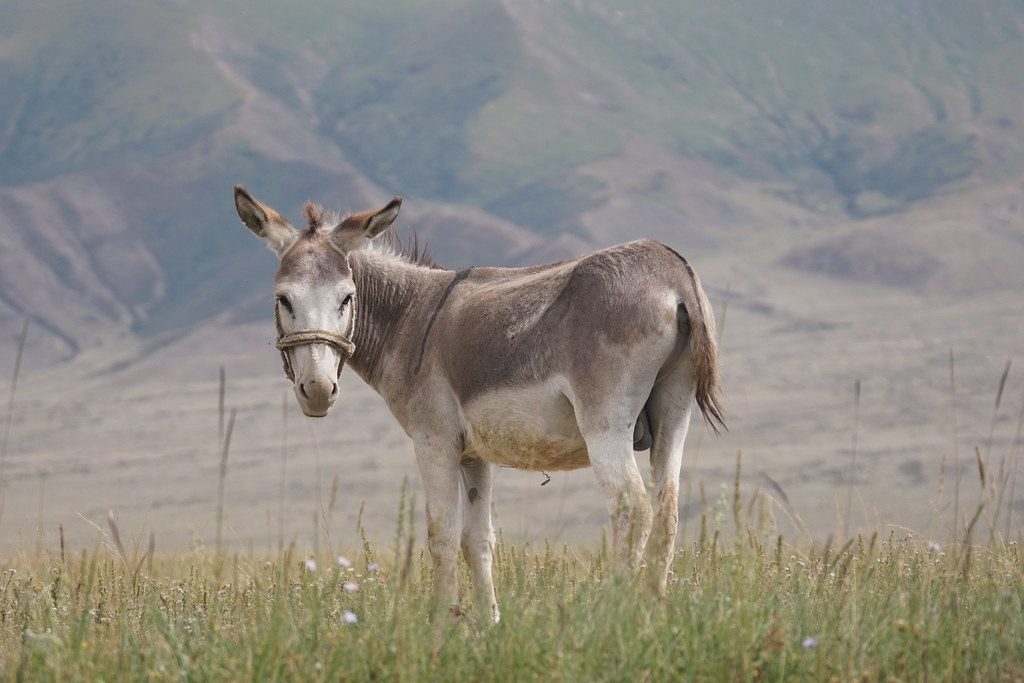
    Kyrgyz donkey stallion” by CharlesFred is licensed under CC BY-NC-SA 2.0

    Donkeys are often misunderstood. Many people think they are stubborn, but animal experts explain that donkeys are usually cautious and thoughtful. Instead of reacting immediately, they often stop and assess a situation before deciding what to do. This careful nature can make them dependable companions for other animals.

    Donkeys are also highly social creatures. They form strong attachments and can become deeply connected to other animals. Welfare experts note that donkeys often create long-lasting bonds and may experience stress when separated from a close companion. Because of this strong social behavior, some donkeys naturally become protectors, guides, or calming influences for the animals around them.

    How a donkey guides a blind horse

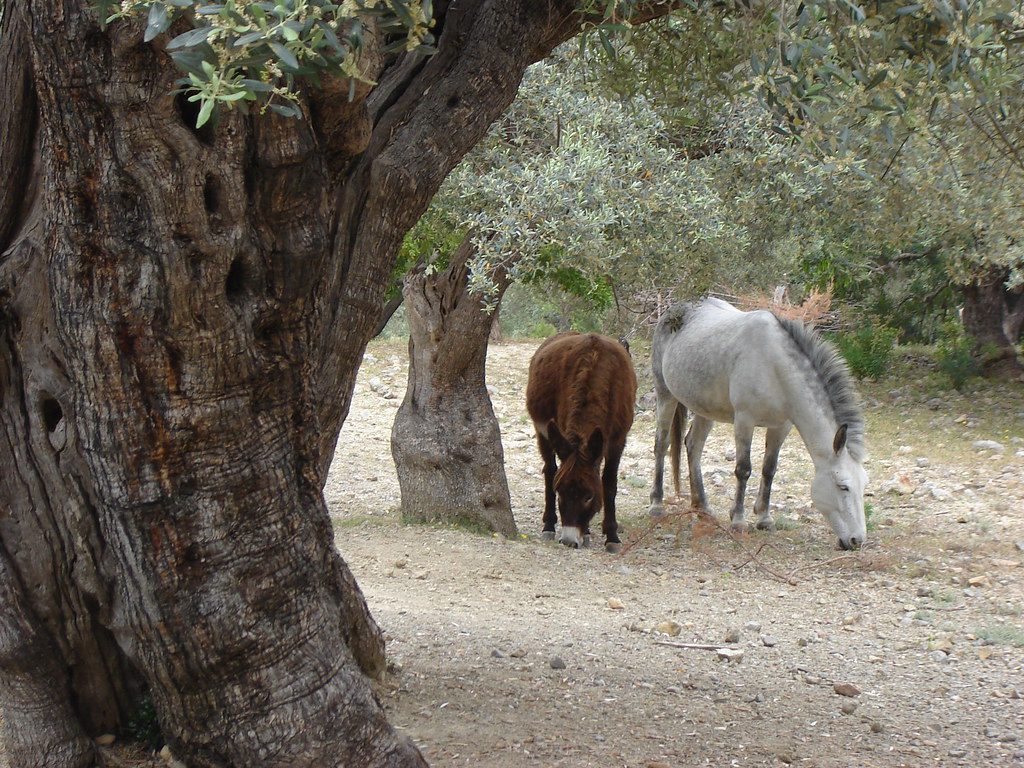
    Donkey and Horse” by Nick Busse is licensed under CC BY-NC-SA 2.0

    People who have watched Petey and Luna say the donkey uses his voice and movement to help Luna know where he is. Donkeys have loud brays that can travel long distances. A blind horse can listen for those sounds and follow them. Luna also appears to stay close to Petey’s body and footsteps while moving around the farm.

    This kind of guidance is not as unusual as many people think. Animal caretakers have reported similar situations where a donkey or another horse helps a visually impaired companion navigate daily life. The guiding animal often develops routines that the blind animal learns to trust. Over time, the pair can move together almost as if they are communicating silently.

    The science behind animal bonds

    Horses” by levantarmialma is licensed under CC BY-SA 2.0

    Scientists and animal behavior specialists have long known that social animals depend on relationships. Horses naturally live in herds and rely on group members for safety and comfort. Donkeys are social animals as well and often form close partnerships. These connections help reduce stress and create a sense of security.

    Research and welfare organizations have documented that donkeys can develop strong emotional attachments to companions. Experts from donkey welfare groups explain that bonded animals may become upset when separated and often prefer to stay within sight of each other. This helps explain why some donkeys remain close to a blind horse throughout the day. The relationship is not simply about guidance. It is also about companionship and emotional support.

    Other stories that show the same behavior

    i scared the donkeys and horses” by Breakfast for Dinner is licensed under CC BY-NC-SA 2.0

    Petey and Luna are not the only pair to capture attention. Another widely shared story involved a blind pony named Gidget and a miniature donkey named Eeyore. Caregivers observed the donkey helping the pony navigate her surroundings after vision loss. Their friendship became an example of how animals can adapt and support one another during difficult times.

    Many horse owners have shared similar experiences online. Some describe donkeys helping horses with poor eyesight, while others talk about horses guiding blind companions. These stories come from different farms and rescue centers, but they often share the same theme. Animals are capable of building strong relationships based on trust, routine, and companionship. While every situation is unique, these friendships show how adaptable and caring animals can be.

  • Denver Zoo bids farewell to beloved black rhino Rudy

    Denver Zoo bids farewell to beloved black rhino Rudy

    Losing a favorite zoo animal can be difficult for staff, visitors, and animal lovers alike. Many people were saddened to learn that Denver Zoo said goodbye to Rudy, a beloved black rhino who spent nearly a decade touching the lives of everyone around him. Rudy was known for his gentle personality, strong bond with his caretakers, and important role in rhino conservation.

    In this article, you’ll learn about Rudy’s life, why he became so special to the Denver Zoo community, the health challenges he faced, and the lasting impact he leaves behind. His story is not only about loss but also about conservation, animal care, and the deep connections that can form between animals and the people who care for them.

    Rudy became a favorite at the Denver Zoo

    Black Rhino’s Halloween Costume for Boo at the Zoo” by GollyGforce – Living My Worst Nightmare is licensed under CC BY 2.0

    Rudy, whose full name was Rudisha, arrived at Denver Zoo in 2016 after coming from Oklahoma City Zoo. He had previously been part of a breeding recommendation program before retiring. Once he arrived in Denver, he quickly became one of the zoo’s most recognizable animals. Visitors often stopped by his habitat to watch him explore, rest, and interact with his care team.

    What made Rudy stand out was his calm and friendly personality. Caregivers described him as curious, gentle, and eager for attention. Rather than focusing only on food, he often enjoyed scratches behind his ears and spending time near the people who cared for him. These simple interactions helped create a strong bond between Rudy and the zoo staff.

    Rudy lived an unusually long life

    AFRICAN BLACK RHINO” by cuatrok77 is licensed under CC BY-SA 2.0

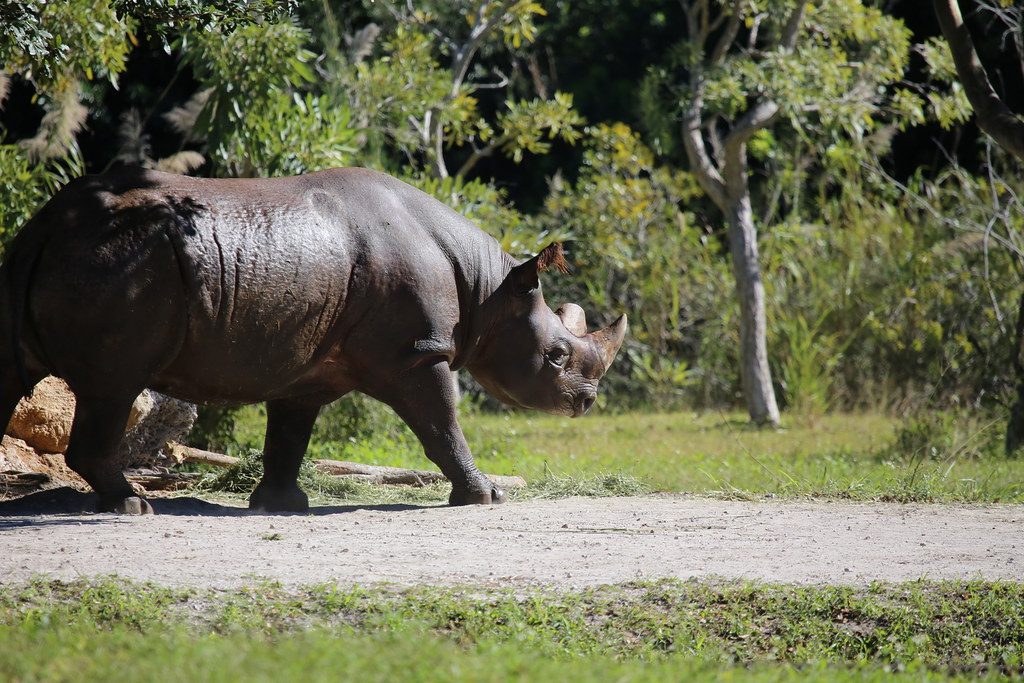
    Black rhinos are critically endangered animals native to eastern and central Africa. Their numbers have declined dramatically over the years because of habitat loss and poaching. Every black rhino living in human care contributes valuable information that helps conservationists better understand and protect the species.

    At 32 years old, Rudy was considered one of the oldest black rhinos living in human care. Reaching that age was a significant achievement. His long life allowed researchers and veterinarians to learn more about black rhino health, aging, and care. It also gave thousands of visitors an opportunity to connect with a species that many people may never see in the wild.

    Health challenges became harder to manage

    Black rhino having fun in the mud #worldrhinoday” by Derek Keats is licensed under CC BY 2.0

    As Rudy grew older, he began experiencing several age-related health problems. One of the biggest challenges was reduced mobility. Like many aging animals, moving around became more difficult over time. His care team worked closely with veterinarians to monitor his condition and help keep him comfortable.

    Rudy was also affected by Iron Overload Disorder, a condition that can impact black rhinos living in human care. The disorder causes excess iron to build up in the body over many years. This buildup can damage important organs and affect overall health. Although animals can live with the condition for a long time, it often becomes more serious as they age.

    A compassionate decision was made

    Black rhino half coated in wet mud #worldrhinoday” by Derek Keats is licensed under CC BY 2.0

    During the final month of his life, Rudy entered end-of-life care. His caretakers and veterinarians closely watched his condition and provided extra support to maintain his comfort. They adjusted treatments, monitored his quality of life, and worked hard to ensure his remaining time was as peaceful as possible.

    Unfortunately, Rudy’s health continued to decline despite these efforts. After careful evaluation, the zoo made the difficult decision to humanely euthanize him. Animal welfare experts often consider euthanasia when an animal’s quality of life can no longer be maintained. According to the zoo, Rudy passed peacefully while surrounded by the people who loved and cared for him throughout his years in Denver.

    The bond between Rudy and his caregivers

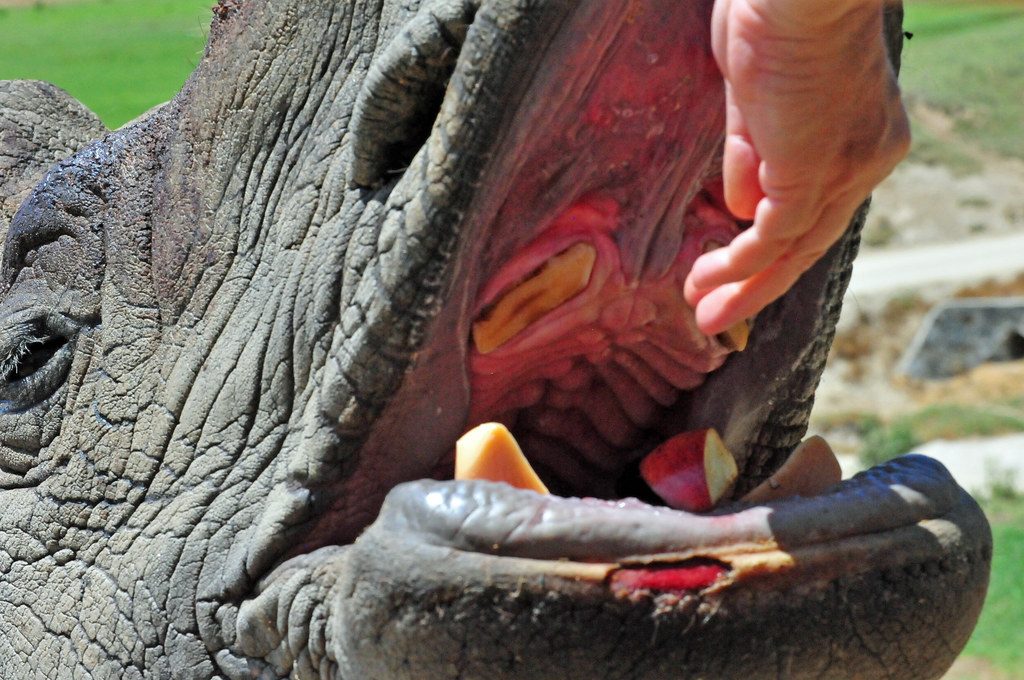
    Feeding Bhopu the Greater one-horned male Rhinoceros (Rhinoceros unicornis)” by warriorwoman531 is licensed under CC BY-ND 2.0

    The loss of Rudy deeply affected the animal care team. Many staff members shared heartfelt memories about the rhino and the special relationship they had developed with him over the years. Caregivers described him as more than an animal in their care. For many, he became a trusted companion and a daily source of joy.

    Several caretakers recalled how Rudy would approach them for attention, lean against barriers to ask for scratches, or run around the habitat during playful moments. Others remembered how his calm nature helped brighten difficult days. These stories showed that Rudy’s impact extended far beyond his exhibit and became part of the lives of the people who worked with him every day.

    Rudy helped advance rhino conservation

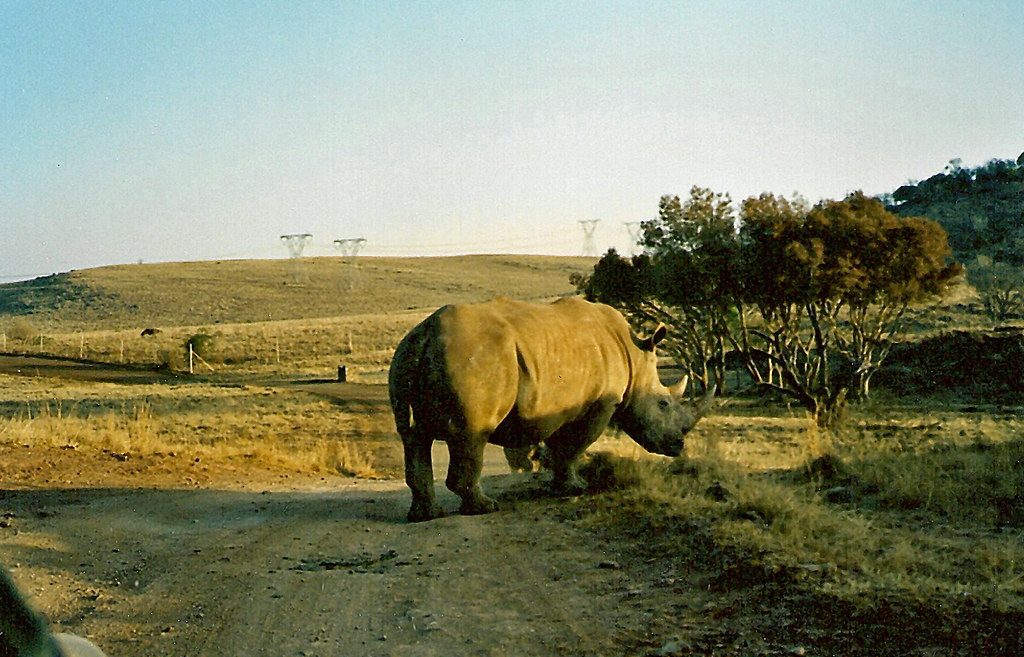
    Safari Park North of Johannesburg – Apr 1992 – Rhino Roadblock – Patience Is a Virtue” by Gareth1953 All Right Now is licensed under CC BY 2.0

    Even as he aged, Rudy continued contributing to important conservation efforts. Throughout his life, he participated in studies designed to improve veterinary care and animal welfare for black rhinos. The information gathered from these programs helps researchers better understand the species and develop improved care practices.

    His contributions are especially important because black rhinos remain critically endangered. Every piece of knowledge gained from animals like Rudy can help support conservation programs around the world. Researchers can use this information to improve health management, nutrition, and medical treatment for future generations of rhinos both in zoos and conservation facilities.

  • What to do if you find deer antlers near your yard

    What to do if you find deer antlers near your yard

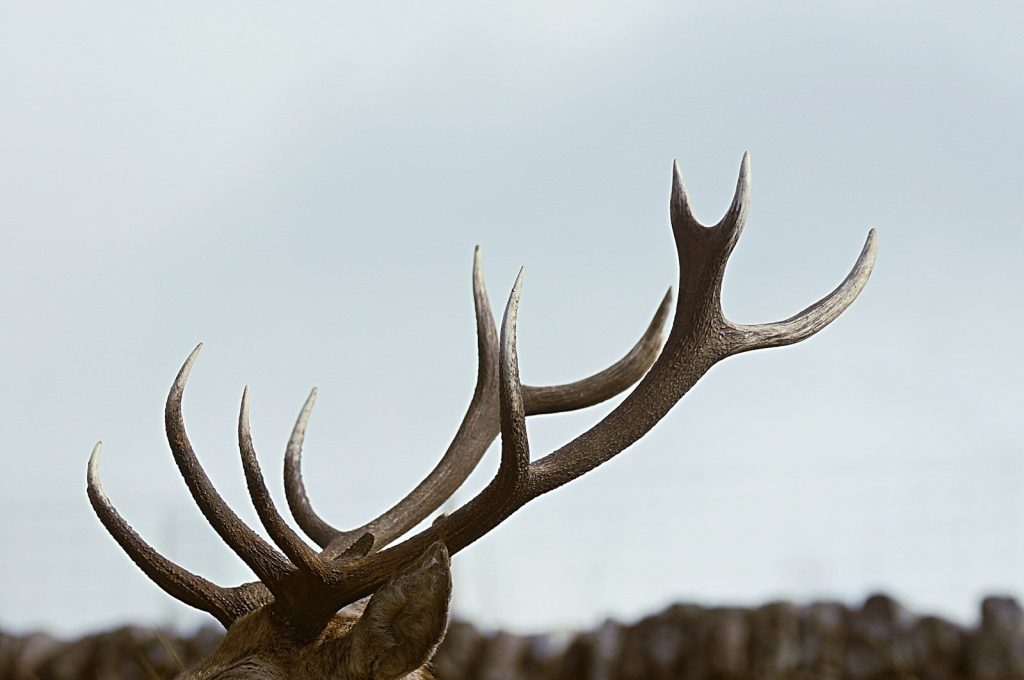
    Finding deer antlers near your yard can be surprising, especially if you were not expecting wildlife activity so close to home. You might wonder if they are safe to touch, if you should leave them alone, or if you are allowed to keep them. Deer antlers near your yard usually come from male deer that naturally shed them every year as part of their normal life cycle. In most cases, these antlers are harmless and can be handled with basic care.

    This article will explain exactly what deer antlers near your yard mean, how to safely handle them, what the law says in simple terms, and what you can do with them afterward. You will also learn how to tell if they are fresh, how to avoid risks, and how to respect local wildlife rules while making the right choice.

    Why deer antlers end up near your yard

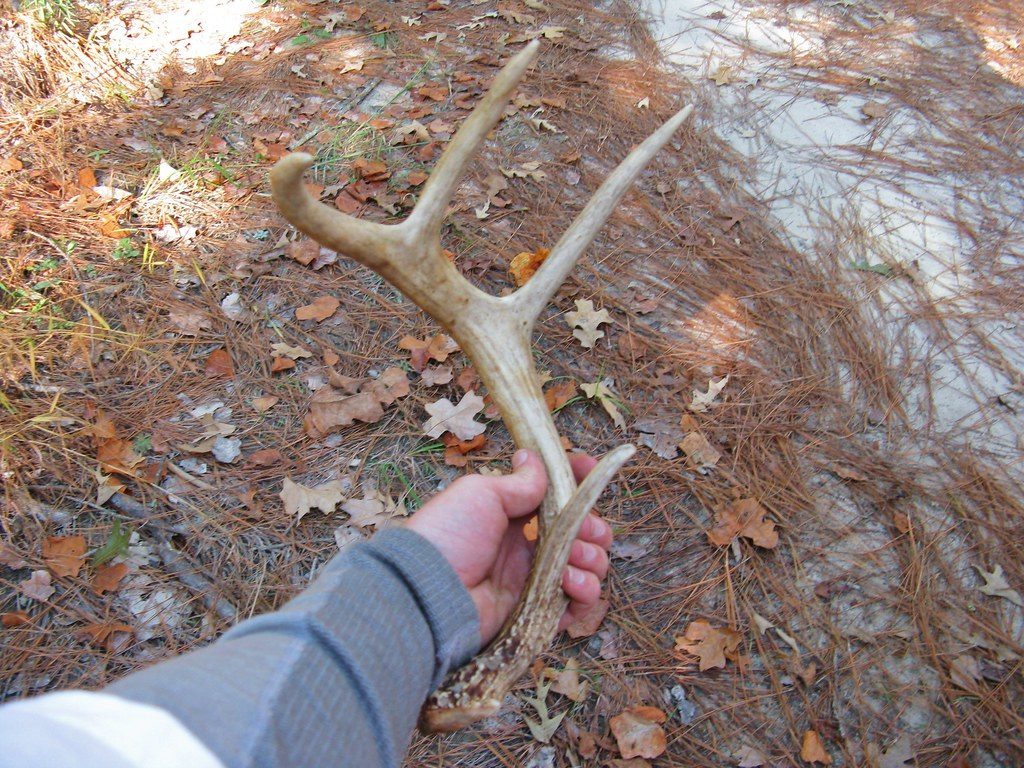
    White-tailed deer antler shed at Seedskadee National Wildlife Refuge” by USFWS Mountain Prairie is licensed under CC BY 2.0

    Deer naturally shed their antlers every year, usually between late winter and early spring. This is a normal biological process for male deer. After mating season ends, their hormone levels drop, and the antlers fall off on their own without pain. If your yard is near trees, fields, or quiet green spaces, deer may pass through it often, which is why you may find antlers there.

    Antlers often fall off in places where deer travel frequently, such as fence lines, garden edges, and wooded backyards. Deer may bump their heads on branches or jump fences, which can help loosen the antlers. If your yard has food sources like grass, shrubs, or gardens, it may attract deer more often, increasing the chance of finding antlers nearby.

    First steps when you find deer antlers

    person in black pants and black leather boots standing on gray concrete floor
    Photo by Kaylin Pacheco on Unsplash

    If you discover deer antlers near your yard, the first step is to stay calm and observe them from a short distance. Make sure there is no animal nearby and check the area carefully before touching anything. It is also important to see if the antler is attached to part of a skull. If it is attached, do not handle it and contact local wildlife authorities for advice.

    If the antler is loose and fully separated, you can usually pick it up safely. Many people choose to wear gloves when handling them because antlers may carry dirt or bacteria from the ground. After picking them up, you should wash your hands properly with soap and water. This simple step reduces any small health risks and keeps things safe and clean.

    Safety concerns and health considerations

    close-up photo of antler during daytime
    Photo by Livin4wheel on Unsplash

    Deer antlers are generally safe to touch, but they have been exposed to the outdoors for some time. This means they can carry bacteria from soil, animal droppings, or decaying plant material. While the risk of illness is low, it is still smart to handle them with care, especially if you have cuts or scratches on your hands.

    It is also important to avoid touching your face while handling antlers. After collecting them, clean them with mild soap and water if you plan to keep them. Some people also use a gentle disinfecting solution for extra safety. If children are involved, make sure they are supervised so they do not put dirty hands near their mouth or eyes.

    Legal rules you should know before keeping them

    lady justice statue with scales and sword
    Photo by Tingey Injury Law Firm on Unsplash

    In many places, it is legal to keep deer antlers if you find them on your own private property. However, rules can vary depending on your location. In some public lands, collecting antlers may be restricted or require permission. This is because wildlife agencies want to protect natural ecosystems and prevent disturbance to animals.

    Before selling, trading, or collecting antlers from outside your property, it is important to check local wildlife regulations. In some areas, even picking up antlers from public land can lead to fines. If you are unsure, the safest choice is to keep only what you find on your own land and avoid removing anything from protected areas.

    What you can do with found antlers

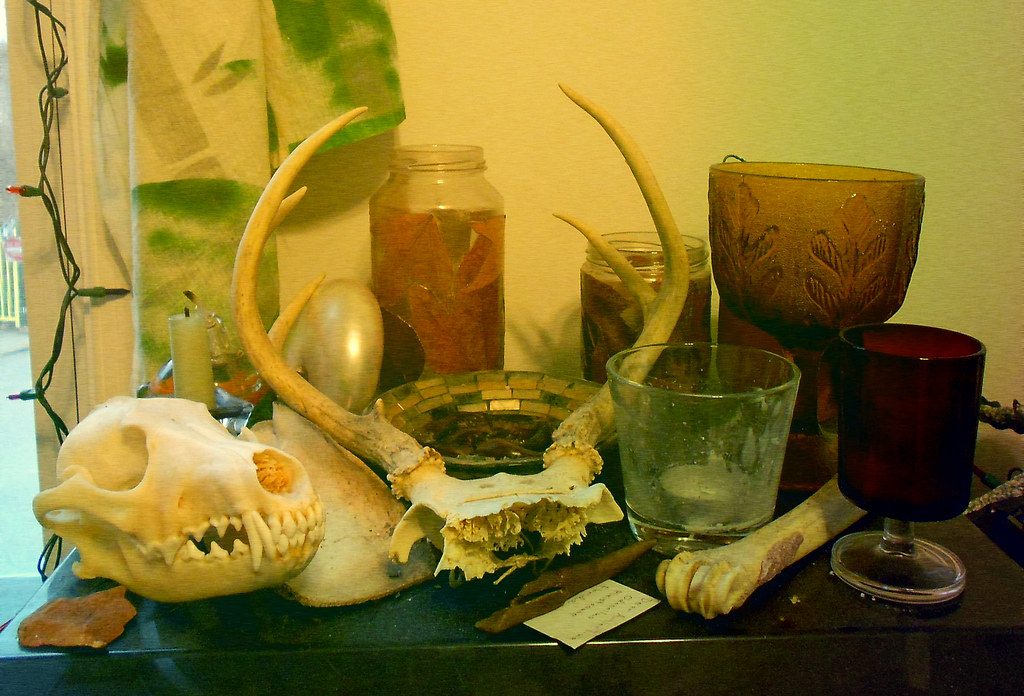
    chip of sandstone from Sedona AZ; coyote skull; deer scapula; nautilus shell with outer layer stripped; top of deer skull with antlers; fossil deer antler point; deer arm or leg bone; vintage glasses from antique shop in Hampden, Baltimore” by Linden Tea is licensed under CC BY-NC-ND 2.0

    Once you have confirmed the antlers are legal to keep, there are many simple ways to use them. Some people clean and display them as natural home decorations. Their shape and texture make them popular for rustic or nature-inspired designs. You can place them on shelves, desks, or entryway tables as a natural accent piece.

    Others use antlers for creative projects like coat hooks, wall hangers, or garden decorations. They can also be left in outdoor spaces where they slowly weather and blend into the environment. If you prefer not to keep them, you can simply leave them where they are, as they also play a role in nature by providing minerals for small animals that chew on them.

    How to know if the antlers are fresh or old

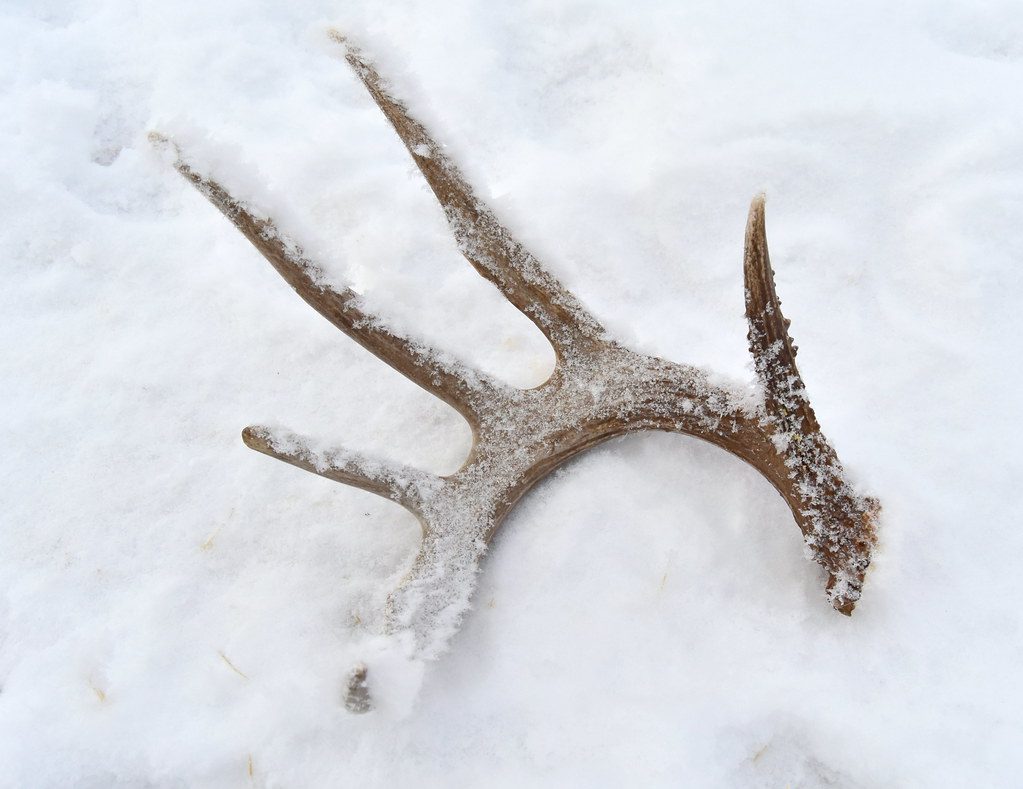
    Early Shang Deer Antler” by Gary Lee Todd, Ph.D. is licensed under CC CC0 1.0

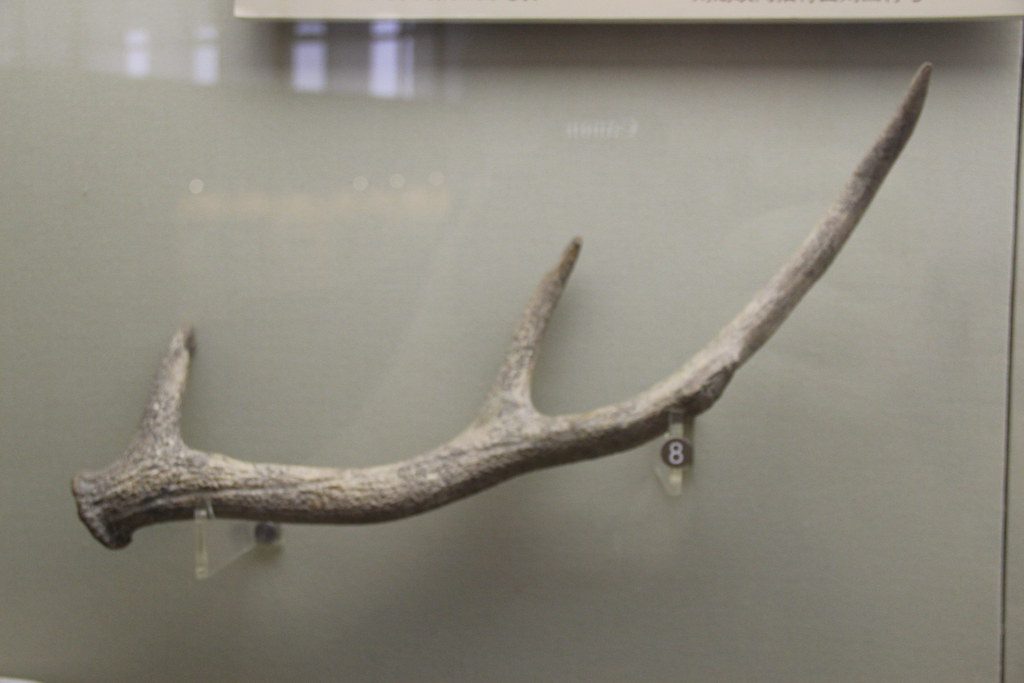
    Freshly shed antlers usually look cleaner, slightly darker, and may still have bits of rough tissue at the base. They are often heavier and feel solid. Older antlers that have been in the environment for a long time may look faded, lighter in color, or slightly weathered from sun and rain.

    You might also notice that older antlers blend more into the ground because they lose their natural color over time. However, both fresh and old antlers are still safe to handle once cleaned. The difference mainly helps you understand how recently a deer passed through your yard.

  • Coral snake venom works differently from most bites

    Coral snake venom works differently from most bites

    If you are searching for how coral snake venom works differently from most bites, you are already looking at one of the most misunderstood snake dangers in North America. Coral snakes are often small, quiet, and not aggressive, but their venom is powerful in a very unique way. Unlike many snake bites that cause immediate pain or swelling, a coral snake bite can feel mild at first, which makes it especially risky.

    The key danger is what happens inside the body over time. Coral snake venom affects the nervous system and can slowly interrupt signals that control breathing and muscle movement. This article will explain how the venom works, why symptoms can be delayed, and what makes this snake so different from others. You will also learn what to do if a bite happens and why quick medical care is always important.

    What makes coral snake venom different

    Cobra Coral / Coral Snake” by Marcio Cabral de Moura is licensed under CC BY-NC-ND 2.0

    Coral snakes belong to the same family as cobras and sea snakes, and their venom works mainly on the nervous system. This is very different from many North American pit vipers, which often cause severe pain, swelling, and tissue damage right away. Coral snake venom is usually less visible at the bite site, which can trick people into thinking the bite is not serious.

    Instead of destroying tissue or blood cells first, coral snake venom focuses on blocking communication between nerves and muscles. This means the body may still look normal on the outside while serious changes are happening inside. This hidden effect is one of the main reasons coral snake venom is considered unique and dangerous.

    How coral snake venom affects the nervous system

    Western Worm-eating coral snake (Micrurus ortoni)” by sebastiandido is licensed under CC BY-ND 2.0

    Coral snake venom is mainly made of toxins that interfere with nerve signals. Nerves in the body send messages that control movement, breathing, and basic reflexes. When the venom enters the bloodstream, it begins disrupting these messages, especially between nerves and muscles.

    At first, a person might feel only mild symptoms such as tingling or slight weakness. As the venom spreads, muscles can begin to lose strength. In severe cases, the muscles that control breathing can stop working properly. This is why coral snake bites are treated as medical emergencies even when the bite does not look serious.

    Why symptoms can be delayed and dangerous

    a man sitting on a step with his head in his hands
    Photo by Ben Hershey on Unsplash

    One of the most dangerous features of coral snake venom is that symptoms can take time to appear. In many cases, a person may feel normal for one to several hours after the bite. This delay can cause confusion and delay treatment, which increases the risk of serious harm.

    During this quiet period, the venom is still active inside the body. It continues affecting nerve signals without causing severe pain or swelling at the bite site. By the time symptoms become noticeable, such as drooping eyelids, slurred speech, or muscle weakness, the venom may already be widely spread. This delay is one of the biggest reasons coral snake bites require urgent medical attention, even if the person feels fine at first.

    What happens after a coral snake bite

    a close up of a snake on a wooden surface
    Photo by Larisa Steele on Unsplash

    After a coral snake bite, the first signs are often very mild. Some people may notice only small puncture marks or a slight sting. Unlike many other venomous bites, there may be little swelling or redness in the beginning, which can create a false sense of safety.

    As time passes, the venom can begin affecting muscles throughout the body. Weakness may start in the face or neck and then spread. If untreated, this can lead to serious breathing problems because the muscles needed for breathing become too weak to function. Without medical care, this stage can become life-threatening, which is why early observation and treatment are extremely important.

    Medical treatment and antivenom response

    a person in a hospital bed with an iv
    Photo by Olga Kononenko on Unsplash

    Coral snake bites require hospital care as soon as possible. Doctors will closely monitor breathing, heart rate, and muscle function. One of the main treatments is antivenom, which is designed to neutralize the toxins in the body before they cause more damage.

    Supportive care is also very important. This can include helping the patient breathe if muscles become too weak and watching for changes in nervous system function. Because symptoms can be delayed, patients are often observed for many hours even if they feel fine at first. Quick medical response greatly increases the chance of a full recovery.

    Why coral snakes are often misunderstood

    Coral Snake” by MyFWC Florida Fish and Wildlife is licensed under CC BY-ND 2.0

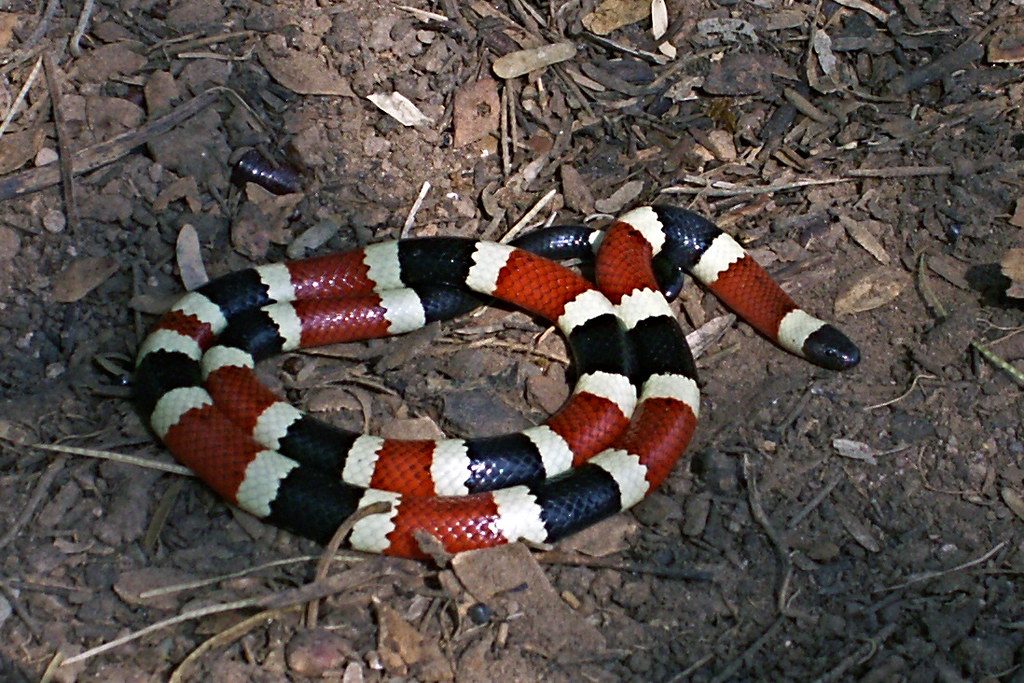
    Coral snakes are often misunderstood because they are shy, rare to encounter, and do not behave aggressively like some other venomous snakes. Many people may never even see one in the wild, which leads to a false sense of safety. Their bright red, yellow, and black coloring can also confuse people because some non-venomous snakes have similar patterns.

    Another reason for misunderstanding is that bites are uncommon, so public awareness is lower compared to more frequently encountered snakes. However, rarity does not mean harmless. The venom is still very powerful, and the delayed symptoms make it especially important to take every bite seriously. Understanding the true nature of coral snakes helps people stay cautious and respond correctly if an encounter ever happens.