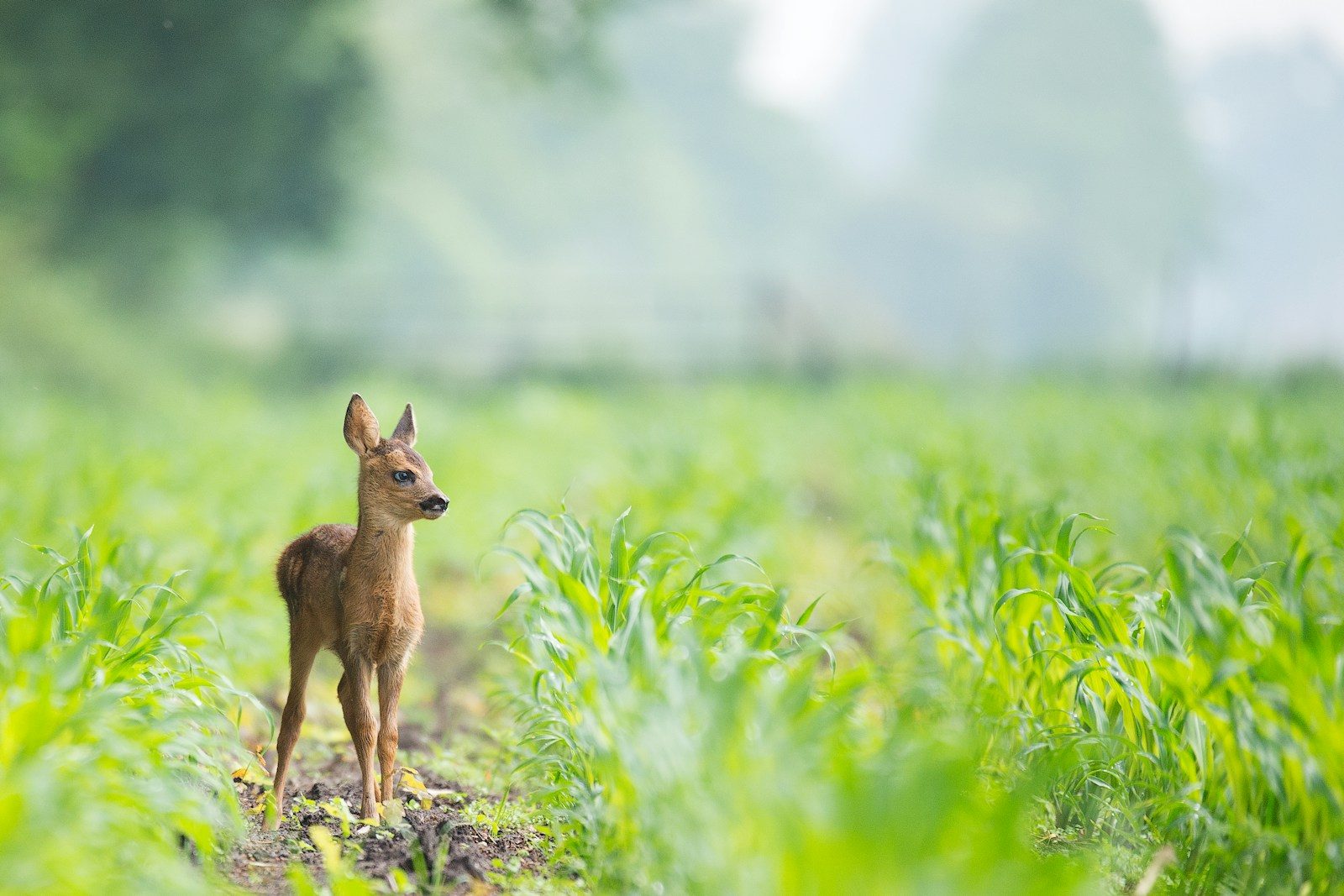
The orphaned fawn rescue at Magnolia Fawn Rescue shows how quickly a wild animal’s life can change in just a few days. In this story, a very small baby deer was found weak and dehydrated, unable to survive alone in the wild. The orphaned fawn rescue became urgent when a family discovered him just in time and rushed him to professionals who could help.
This article explains what happened to the baby deer, why he was in danger, and how rescuers saved him. You will also learn about his condition, the care he received, and what to do if you ever find a fawn alone in nature.
A critical orphaned fawn rescue at Magnolia Fawn Rescue
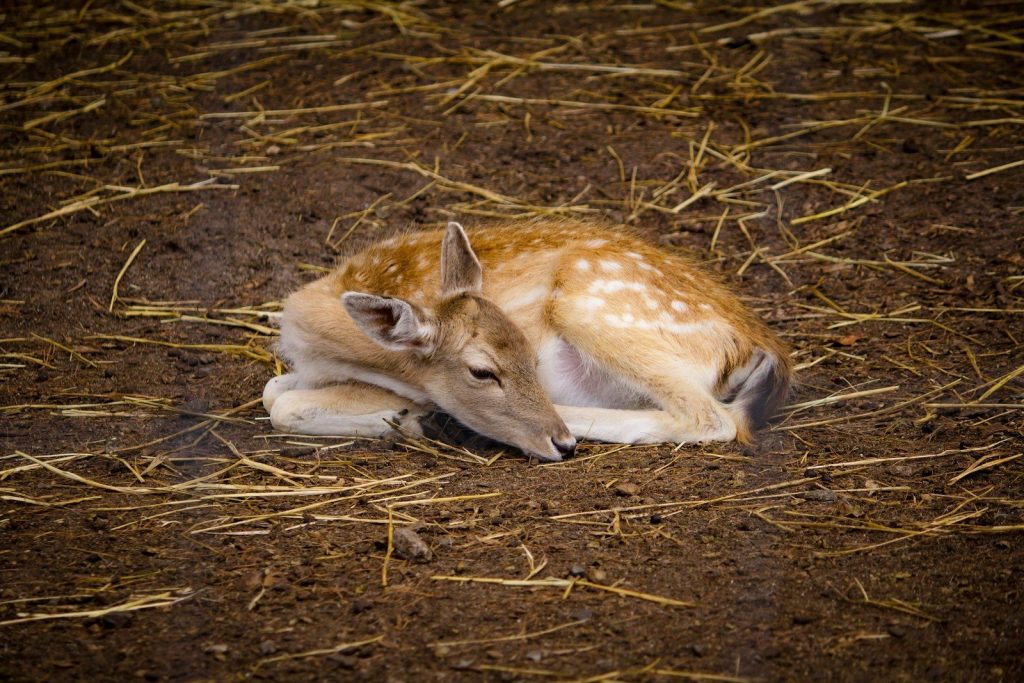
Every orphaned fawn rescue is emotional for the team at Magnolia Fawn Rescue because they see many baby deer each year. On May 21, they received a very small fawn who had been abandoned by his mother. A family found him alone and quickly brought him to the rescue center before it was too late.
The rescuers knew right away that this case was serious. The baby deer had been without proper care for too long, and his body showed signs of stress. Even though he was extremely small, weighing only 2.8 pounds, he was still alert and strong. The rescue team worked quickly to provide him with the support he needed to survive.
Why was this fawn abandoned by its mother
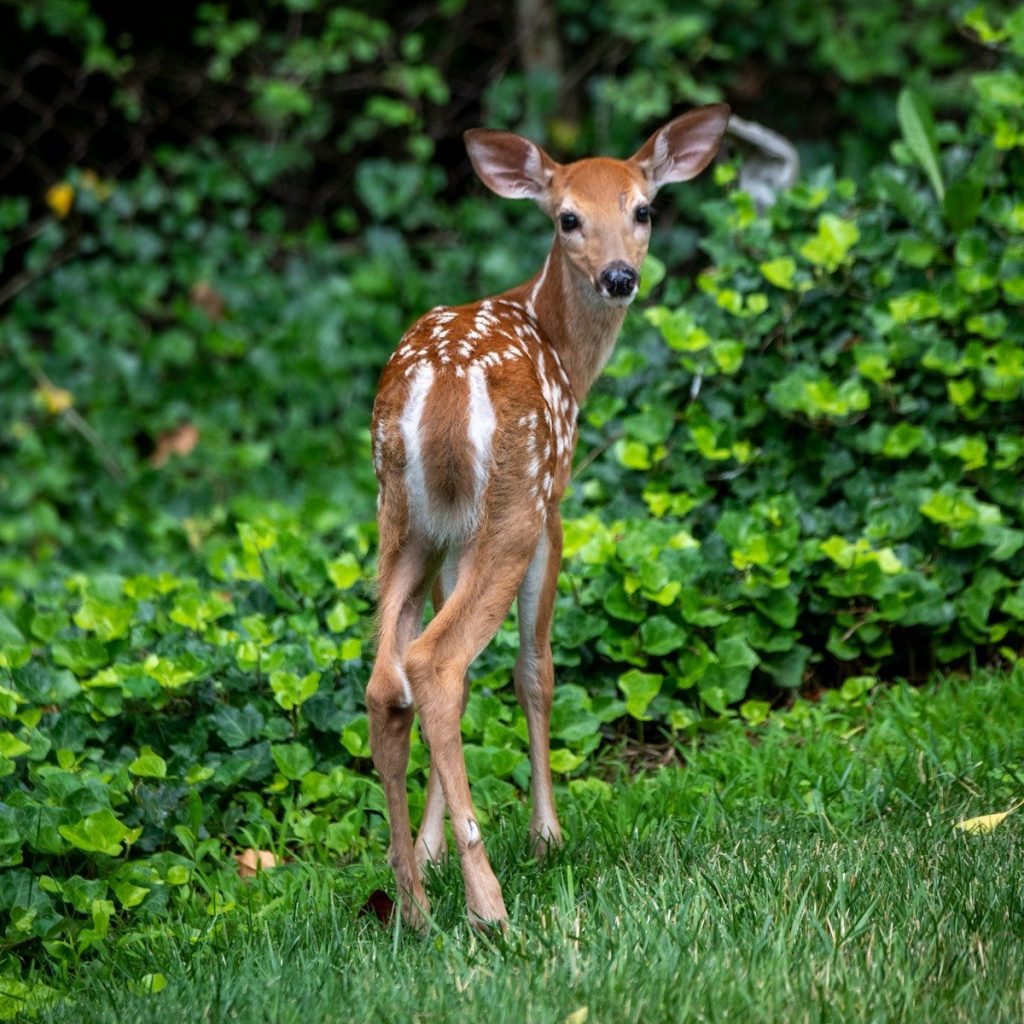
This orphaned fawn rescue had a surprising cause behind the abandonment. The baby deer had an overbite that prevented him from nursing from his mother. Because he could not feed properly, he became weaker over time and could not survive in the wild with his mother.
His condition shows how even small physical problems can become life-threatening in nature. A baby deer depends fully on its mother for milk and protection. Without that ability to eat, the fawn was left behind and forced to struggle alone until it was found by the caring family.
Warning signs of dehydration and weakness
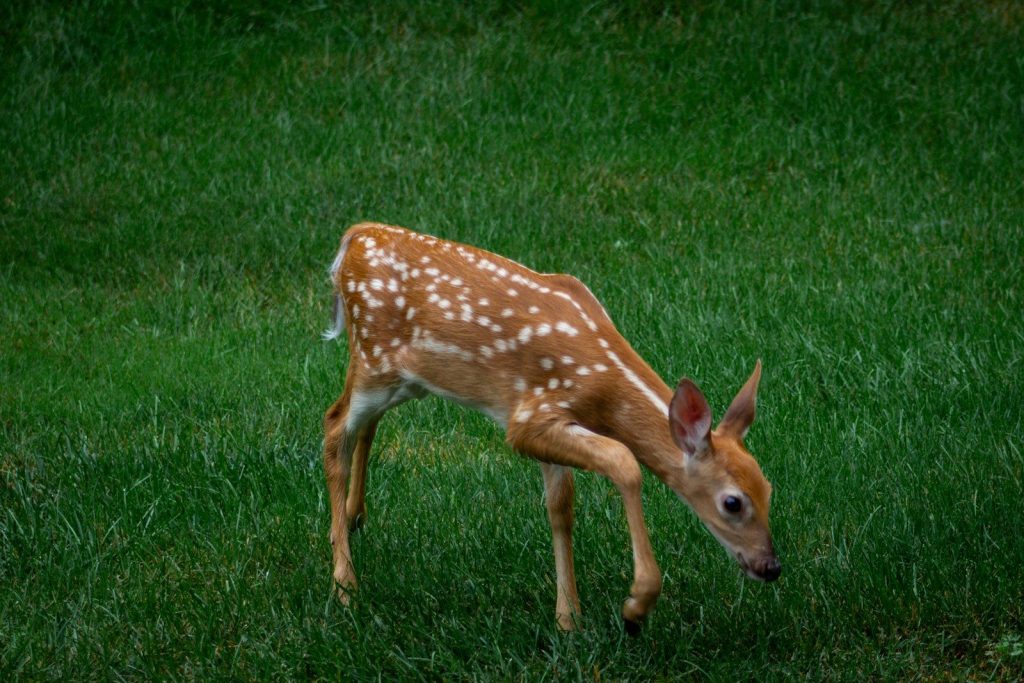
During this orphaned fawn rescue, rescuers noticed clear signs that the baby deer was in danger. His ears were curled, which can be a sign of dehydration or illness. People who saw him online also pointed out that these signs usually mean a baby animal has been without milk or water for too long.
One commenter said that three days without care is already too long for a fawn like this. When animals reach this point, their bodies begin to weaken quickly. Even though the fawn still looked alert, his condition showed that he needed urgent help to avoid serious harm or death.
Emergency care and incubator treatment
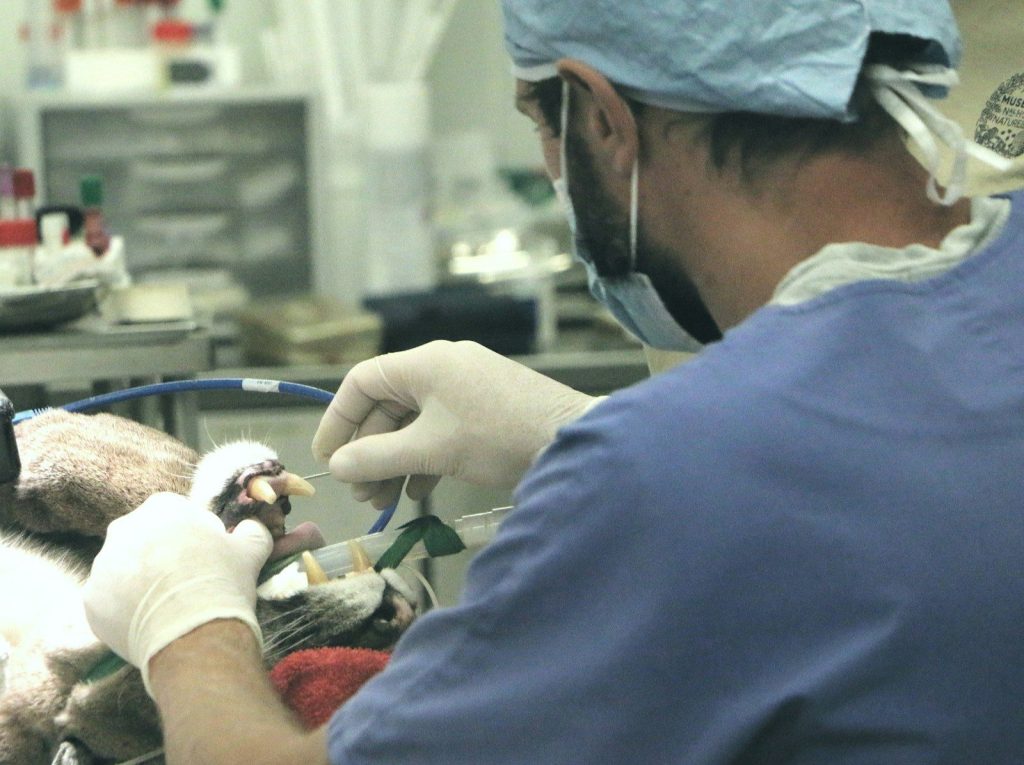
Once the orphaned fawn rescue team took him in, they placed him under close care. The baby deer was moved into an incubator where he could rest and recover in a safe environment. This type of care helps weak animals stay warm and stable while their bodies recover.
Even though he was in serious condition, the fawn stayed strong and alert during treatment. The rescuers focused on giving him the support he needed to regain strength. Over time, his condition improved, and the team became hopeful about his recovery.
Public reactions to the orphaned fawn rescue
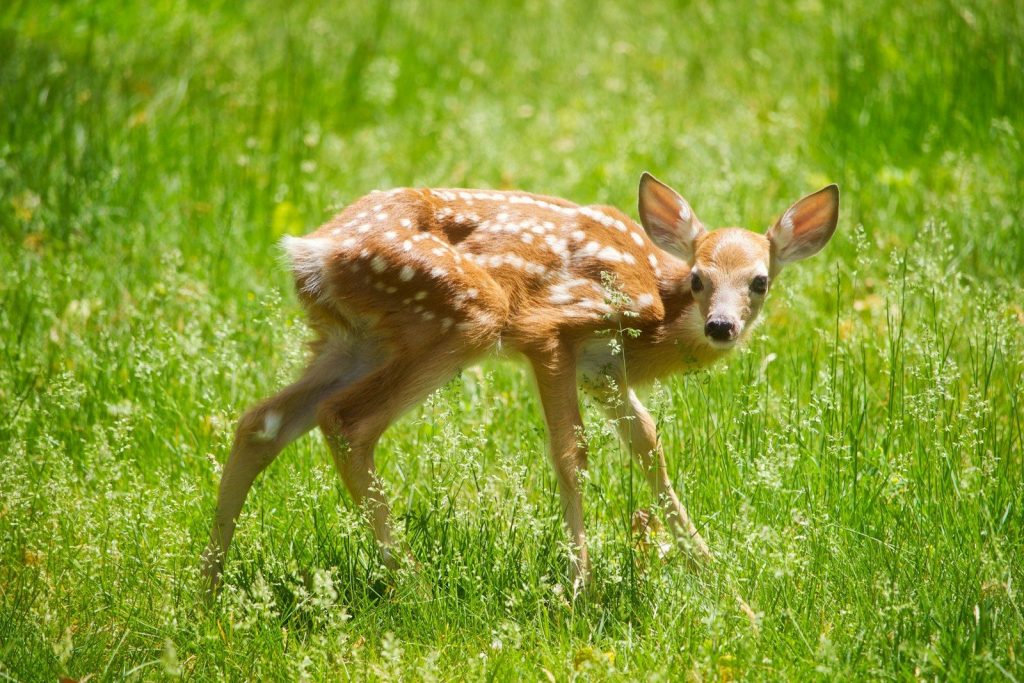
The orphaned fawn rescue quickly gained attention from people online who were touched by his story. Many viewers commented that he looked small and fragile. Some were surprised by his tiny size, while others noticed his curled ears and weak condition.
One viewer even said that his little overbite looked cute, even though it caused his health problem. While the situation was serious, many people felt relieved knowing that he was finally safe. The story showed how deeply people care about animals in need and how quickly they respond to rescue efforts.
What to do if you find a fawn alone in the wild
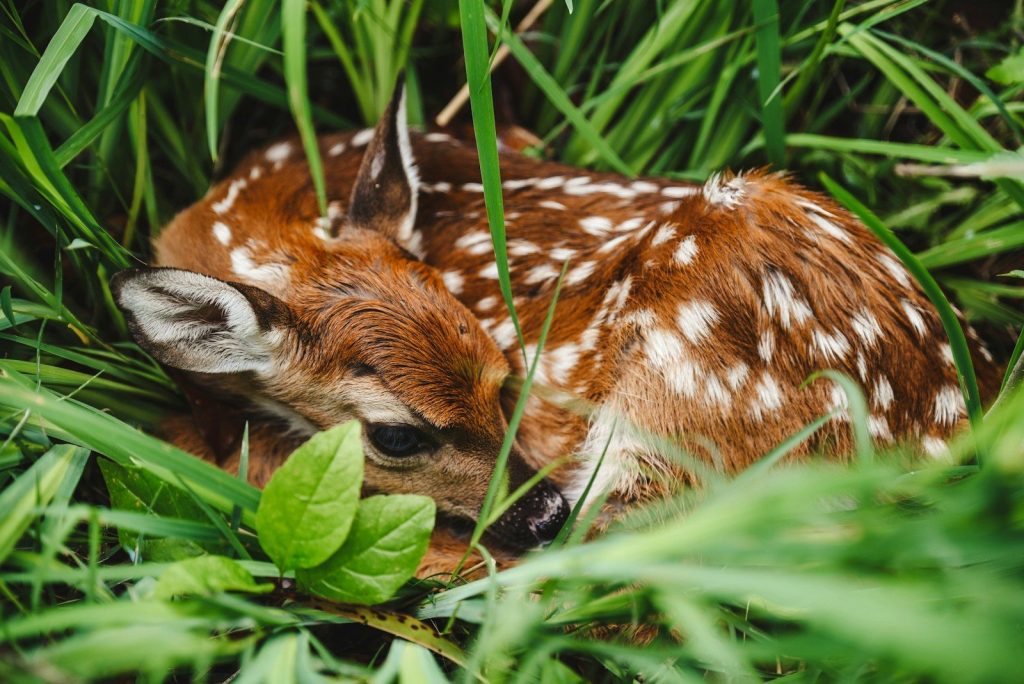
This orphaned fawn rescue also highlights an important lesson for everyone. If you find a fawn alone in nature, it is usually best not to touch or move it. Mother deer often leave their babies alone for long periods while they search for food, and they usually return later.
However, if the fawn shows clear signs of illness, like curled ears or nonstop crying, it is important to contact a wildlife rehabilitator. Small actions, like moving a baby deer off the road, can help, but feeding or handling them without proper training can do more harm than good.
Leave a Reply