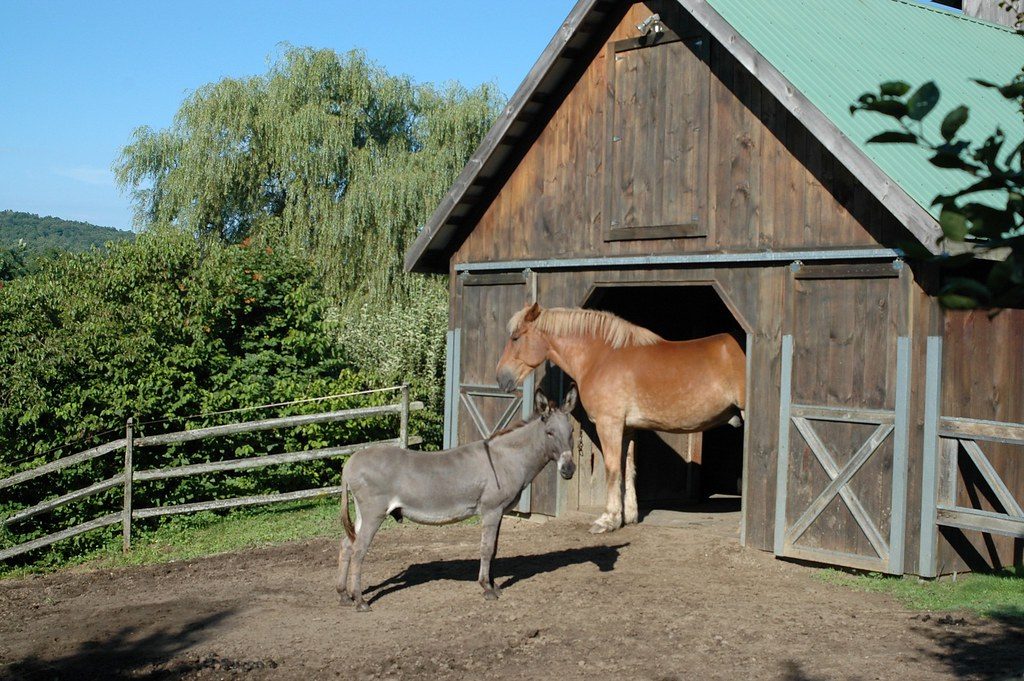
Every day, a loyal donkey helps his blind horse companion move through the world with confidence. Stories like this have touched millions of people online because they show something powerful about animal friendship. A donkey guiding a blind horse is not just a sweet moment. It is a real example of how animals can build trust, form deep bonds, and help each other through difficult challenges.
Many horse owners and animal experts have seen similar relationships over the years. Donkeys and horses can become very close companions, and in some cases, a donkey naturally takes on a protective role. This article explains how these friendships develop, why blind horses often depend on trusted companions, and what science and animal behavior tell us about these remarkable bonds.
How the friendship began
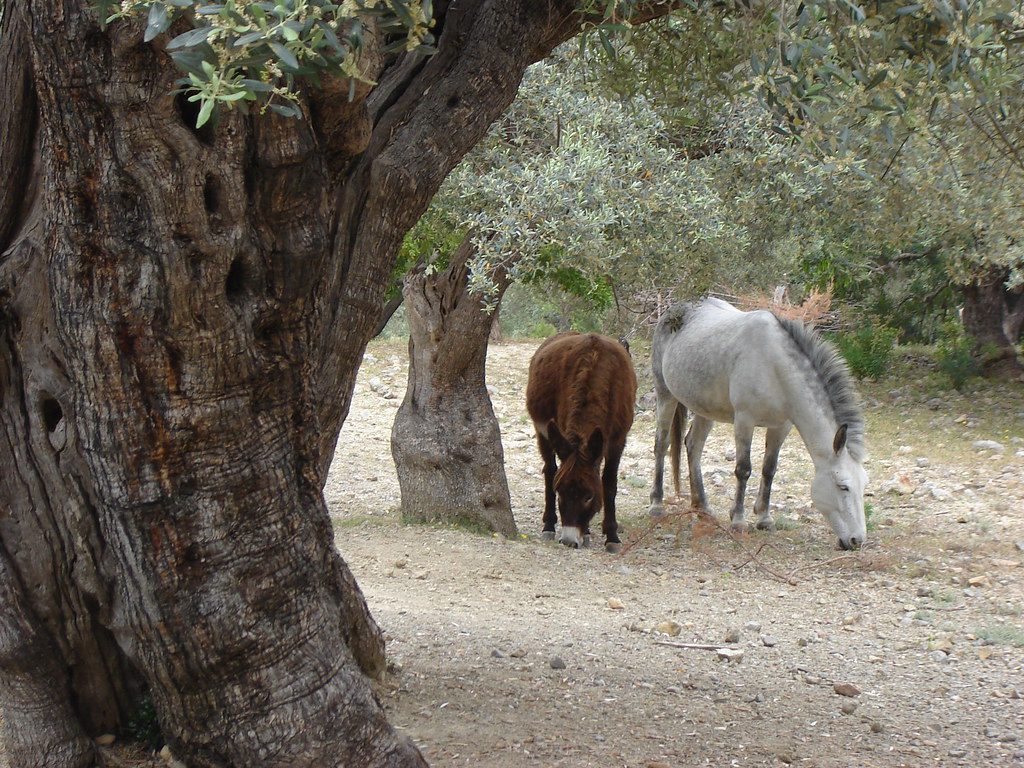
One of the most well-known recent stories involves a donkey named Petey and a blind horse named Luna. Luna gradually lost her eyesight because of a condition often called moon blindness, also known as equine recurrent uveitis. As Luna’s vision disappeared, everyday tasks became harder. She had trouble finding her stall and navigating familiar spaces. Despite these challenges, Luna remained calm and gentle.
When Petey arrived at the farm, something special happened. The donkey quickly formed a close connection with Luna and began staying near her throughout the day. According to people who care for the animals, Petey often helps Luna find her way around the property and guides her back to the barn. Their bond developed naturally and was not forced by humans.
Why blind horses need trusted companions
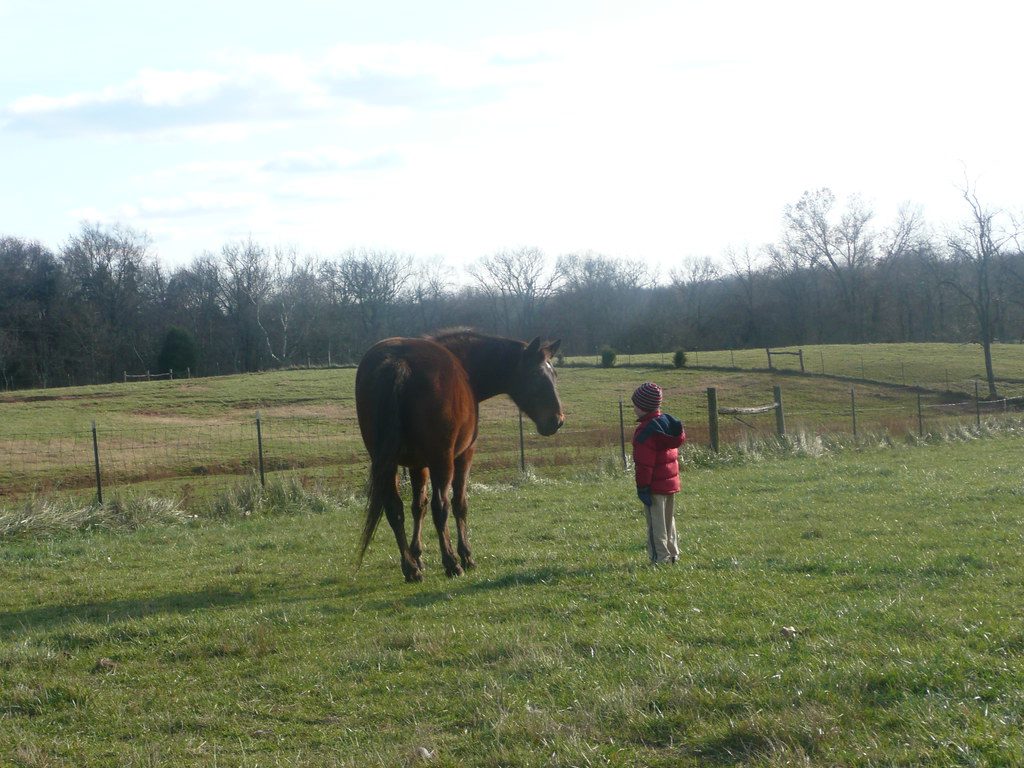
A horse depends heavily on its surroundings to stay safe. When a horse loses its sight, familiar places can suddenly feel confusing. Blind horses may need extra time to learn where fences, gates, water buckets, and feeding areas are located. Even so, many blind horses continue to live happy and healthy lives when they have a stable environment and supportive companions.
Companion animals can make a huge difference. Horses communicate through sound, smell, touch, and body language. A trusted friend can help a blind horse feel secure while moving around a pasture or barn. Caregivers often report that blind horses become more confident when they have another animal nearby that they know and trust.
What makes donkeys such caring companions
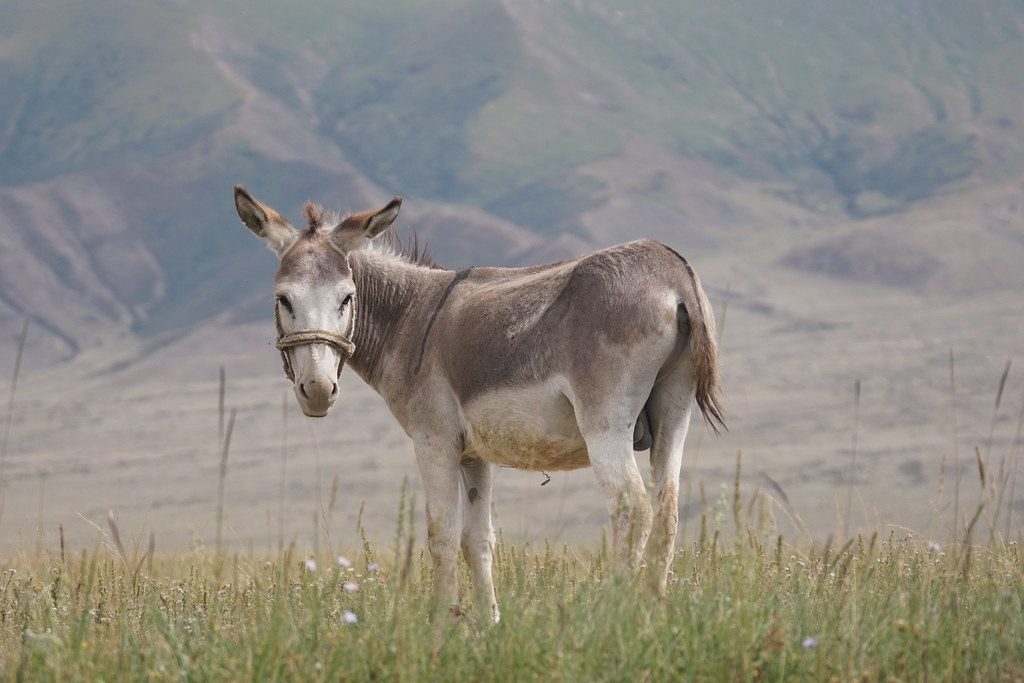
Donkeys are often misunderstood. Many people think they are stubborn, but animal experts explain that donkeys are usually cautious and thoughtful. Instead of reacting immediately, they often stop and assess a situation before deciding what to do. This careful nature can make them dependable companions for other animals.
Donkeys are also highly social creatures. They form strong attachments and can become deeply connected to other animals. Welfare experts note that donkeys often create long-lasting bonds and may experience stress when separated from a close companion. Because of this strong social behavior, some donkeys naturally become protectors, guides, or calming influences for the animals around them.
How a donkey guides a blind horse
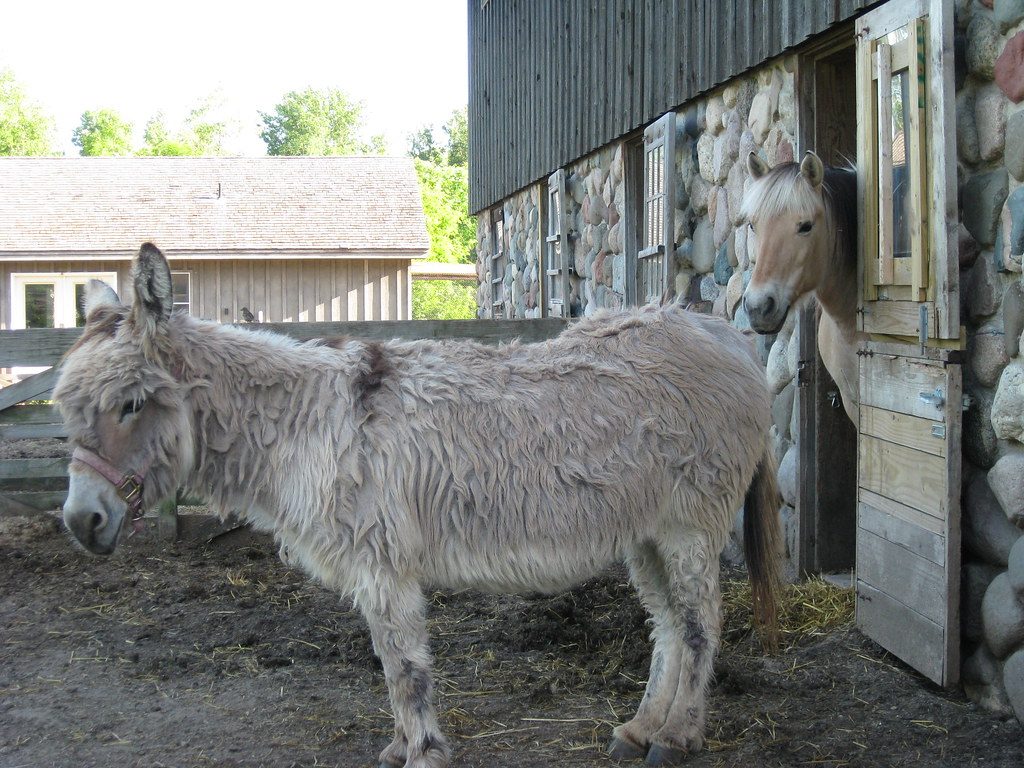
People who have watched Petey and Luna say the donkey uses his voice and movement to help Luna know where he is. Donkeys have loud brays that can travel long distances. A blind horse can listen for those sounds and follow them. Luna also appears to stay close to Petey’s body and footsteps while moving around the farm.
This kind of guidance is not as unusual as many people think. Animal caretakers have reported similar situations where a donkey or another horse helps a visually impaired companion navigate daily life. The guiding animal often develops routines that the blind animal learns to trust. Over time, the pair can move together almost as if they are communicating silently.
The science behind animal bonds
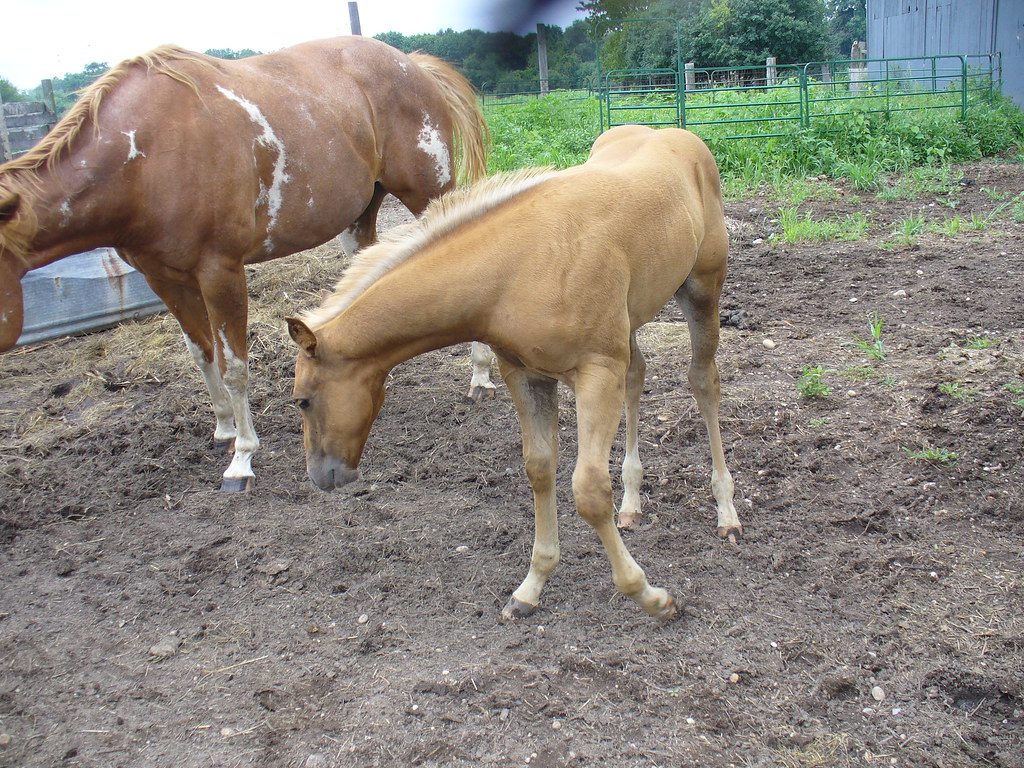
Scientists and animal behavior specialists have long known that social animals depend on relationships. Horses naturally live in herds and rely on group members for safety and comfort. Donkeys are social animals as well and often form close partnerships. These connections help reduce stress and create a sense of security.
Research and welfare organizations have documented that donkeys can develop strong emotional attachments to companions. Experts from donkey welfare groups explain that bonded animals may become upset when separated and often prefer to stay within sight of each other. This helps explain why some donkeys remain close to a blind horse throughout the day. The relationship is not simply about guidance. It is also about companionship and emotional support.
Other stories that show the same behavior
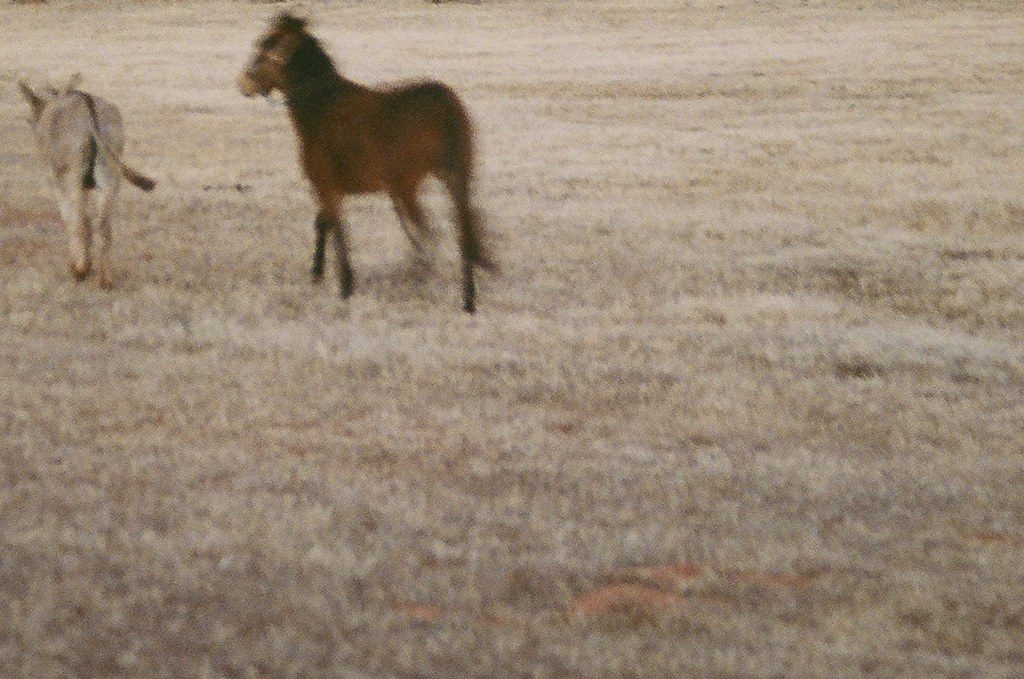
Petey and Luna are not the only pair to capture attention. Another widely shared story involved a blind pony named Gidget and a miniature donkey named Eeyore. Caregivers observed the donkey helping the pony navigate her surroundings after vision loss. Their friendship became an example of how animals can adapt and support one another during difficult times.
Many horse owners have shared similar experiences online. Some describe donkeys helping horses with poor eyesight, while others talk about horses guiding blind companions. These stories come from different farms and rescue centers, but they often share the same theme. Animals are capable of building strong relationships based on trust, routine, and companionship. While every situation is unique, these friendships show how adaptable and caring animals can be.
Leave a Reply