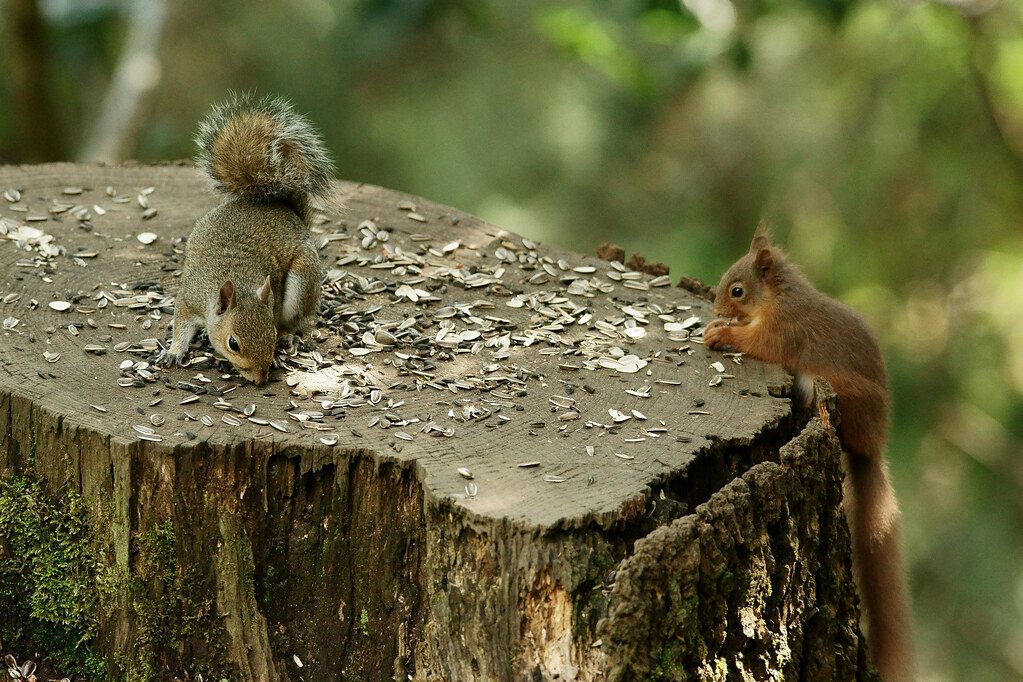
A gray squirrel entering red squirrel territory often leads to a fast and noticeable reaction in the forest. If you’ve ever wondered why a small animal chase can look so intense, the gray squirrel enters red squirrel territory reaction is mainly driven by survival instincts, food protection, and strong territorial behavior. These encounters are not random or playful most of the time. They are part of a long-standing natural competition between two species that often share the same forests but do not share resources peacefully.
In this article, you will learn why these interactions happen, how both animals behave during an encounter, and what usually causes one squirrel to back down. You will also see how food, territory, and instinct shape their behavior in simple terms that are easy to understand.
Why gray squirrels enter red squirrel territory
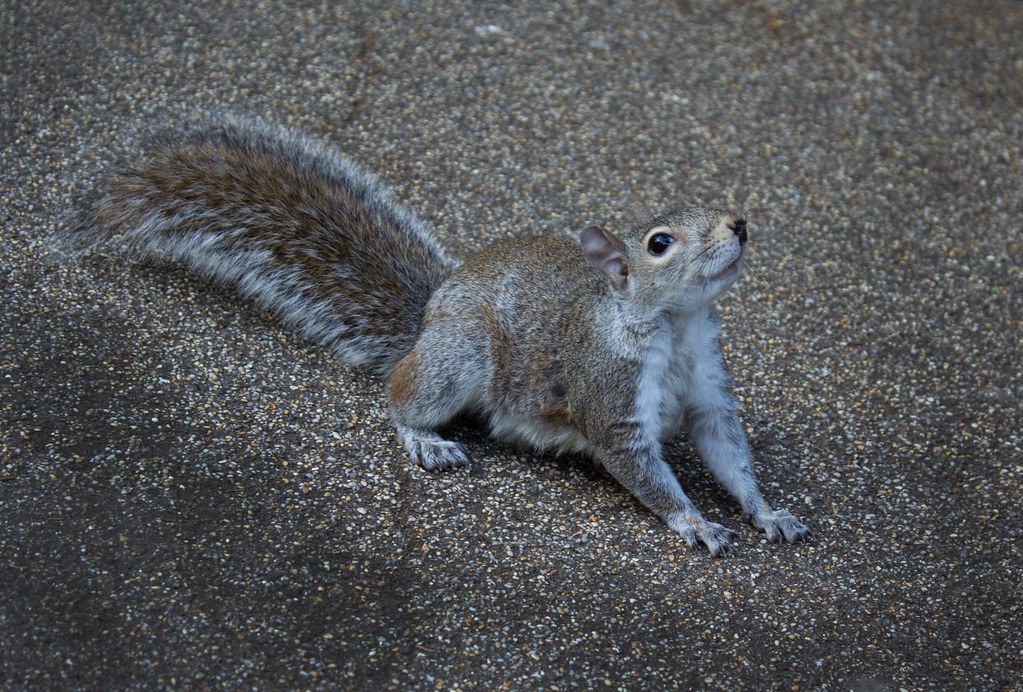
Gray squirrels often enter red squirrel territory while searching for food or new space. In many forest areas, both species depend on the same resources like nuts, seeds, and tree cover, so their habitats naturally overlap. When food becomes limited, gray squirrels may wander into areas already claimed by red squirrels.
Another reason is that gray squirrels are very adaptable. They can live in many environments, including cities, parks, and dense forests. This flexibility sometimes leads them into areas where red squirrels already have established homes and food storage sites. Even though the entry is not always intentional, it still triggers a strong response from the red squirrel.
How red squirrels react to intruders
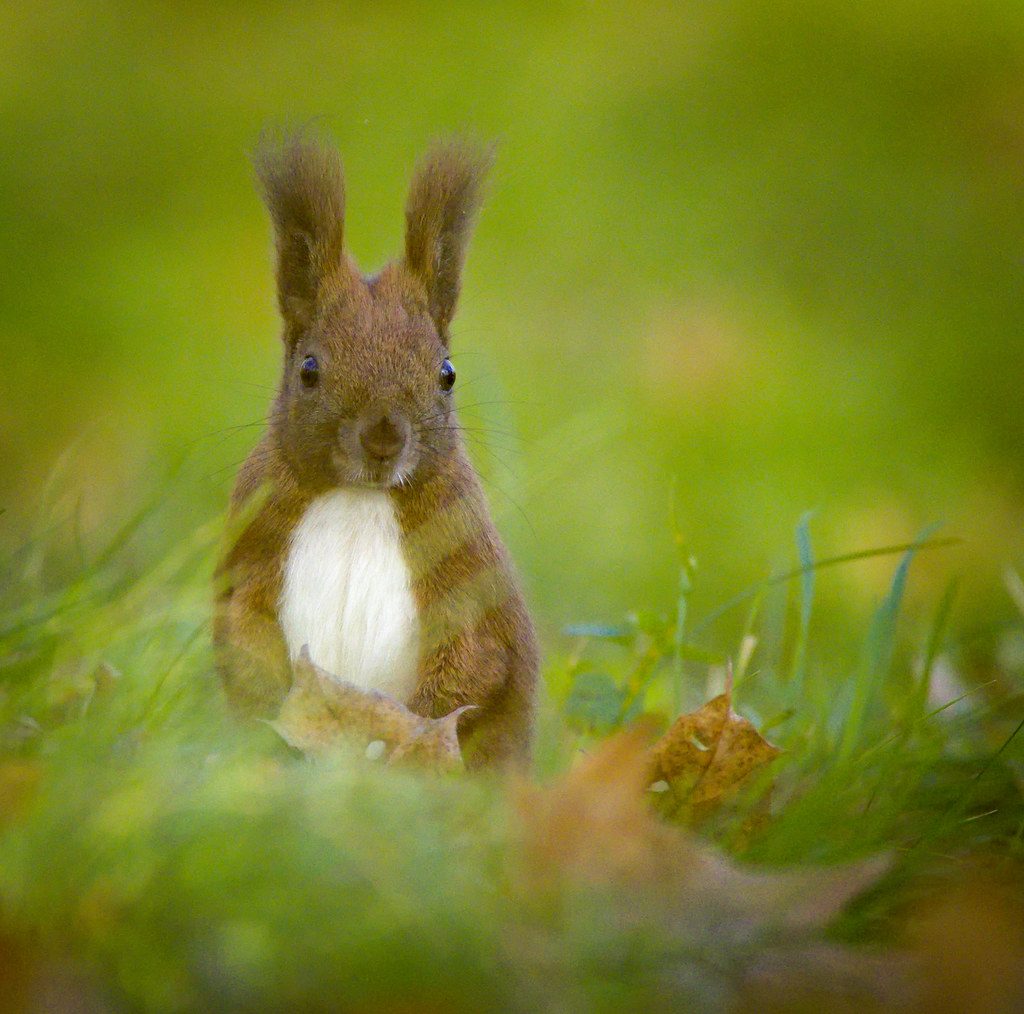
Red squirrels are highly territorial animals and react quickly when they detect an intruder. They usually respond with loud chattering sounds, tail flicking, and fast movements around their territory. These actions are warning signals meant to tell the gray squirrel to leave immediately.
If the gray squirrel stays too close, the red squirrel often begins chasing it through trees and branches. The goal is not to fight but to push the intruder out of its home range. Red squirrels depend heavily on stored food, so protecting their territory is critical for survival, especially during colder months when food is harder to find.
Why gray squirrels usually back away
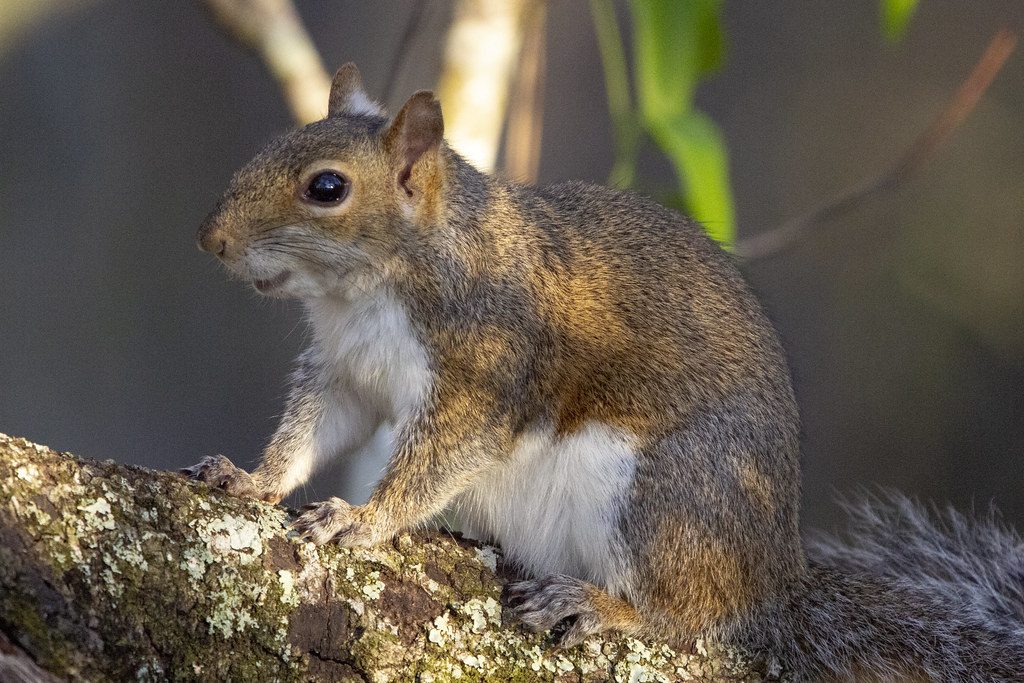
In most cases, gray squirrels do not escalate the conflict. Even though they are larger in size, they often choose to retreat when confronted by a red squirrel. This is because gray squirrels tend to avoid unnecessary risks and prefer to move to another food source instead of fighting.
Gray squirrels also have a more flexible feeding behavior. They do not rely on one specific food stash the way red squirrels do. Instead, they store food in many small locations, so losing one feeding spot does not threaten their survival as much. This makes it easier for them to leave and find another area without continuing the confrontation.
Food competition and survival pressure
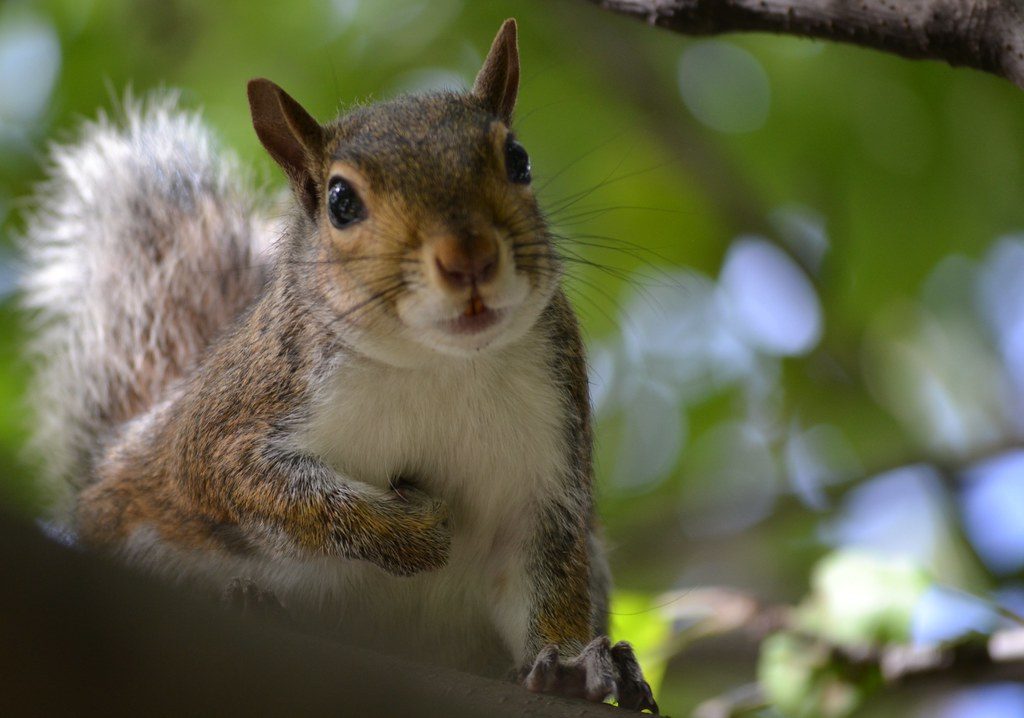
Food is one of the biggest reasons behind these encounters. Both species rely heavily on nuts like acorns and hazelnuts, as well as seeds and fungi found in forests. When these resources become limited, competition increases sharply between the two squirrels.
Red squirrels are especially protective of their food storage areas, often called middens. They depend on these hidden food supplies to survive winter. Because gray squirrels are strong foragers and can find food quickly, they can unintentionally reduce available resources, which increases tension when they enter red squirrel territory.
Territory defense and long-term impact
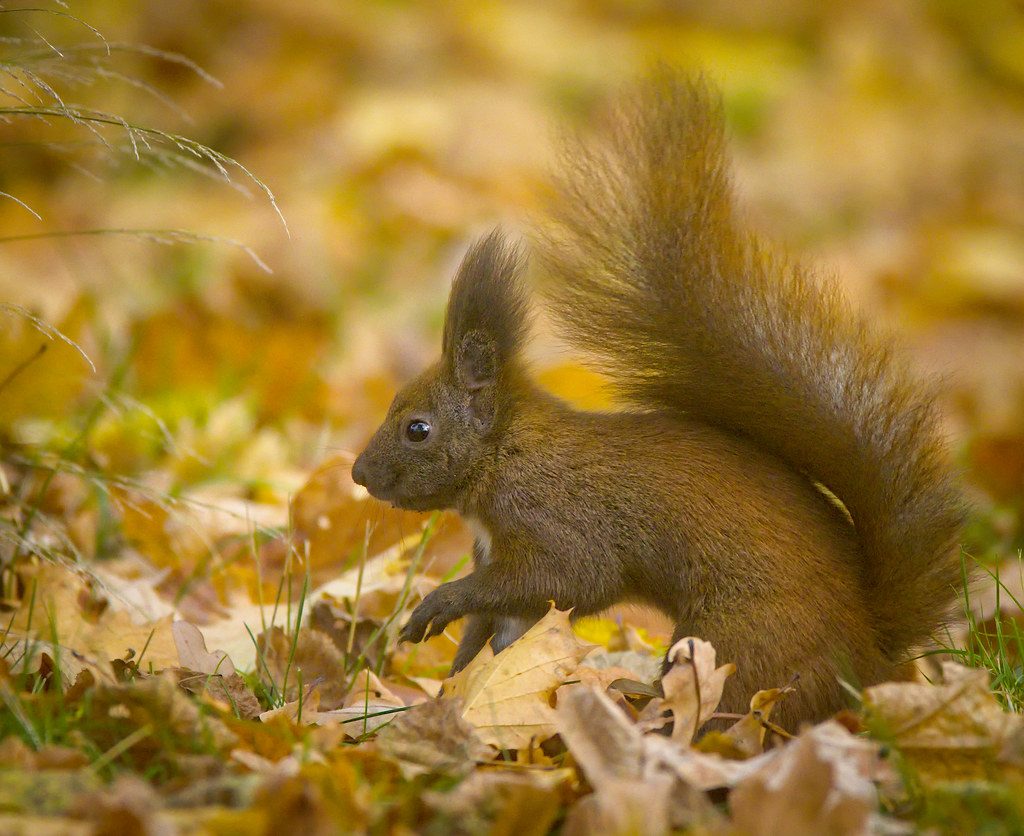
Territory defense is one of the strongest instincts in red squirrels. They mark and defend areas where they live, breed, and store food. When a gray squirrel enters, it disrupts this system, causing stress and aggressive behavior from the red squirrel.
Over time, repeated encounters can affect where red squirrels choose to live. In some regions, they move to quieter, more isolated forests where gray squirrels are less common. This shift helps reduce conflict but also limits their available habitat, which can have long-term effects on population balance.
What happens during an actual encounter
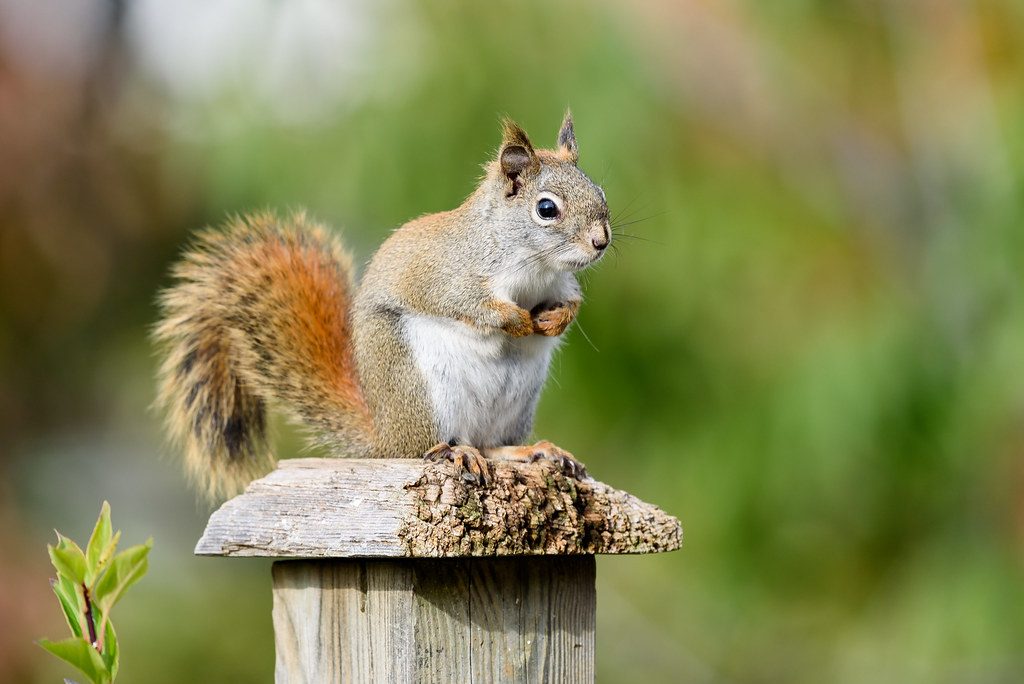
When a gray squirrel enters red squirrel territory, the encounter usually unfolds quickly. The red squirrel often spots the intruder first due to its sharp awareness and reacts with warning calls. It then begins an aggressive chase, using fast climbing and jumping through trees.
The gray squirrel typically responds by escaping rather than fighting. Most of these interactions last only a short time and end once the gray squirrel leaves the area. Serious physical fights are rare, but the tension between the two species is a clear example of how animals compete for survival in shared environments.
Leave a Reply