
Snakes can be helpful animals because they eat rodents and other pests, but most people do not want them too close to their homes. If you have seen snakes in your yard, you may have heard that certain scents can help keep them away. While no smell can guarantee a snake-free property, some strong odors may make an area less appealing to them. Snakes use their tongues and a special organ in their mouths to detect chemical scents in the air, so strong smells can sometimes interfere with how they explore their surroundings.
This article looks at six scents that may help discourage snakes from your property. It also explains what scientists and wildlife experts know about these smells, how they may work, and why scent-based methods should be combined with good yard maintenance for the best results.
Cinnamon oil
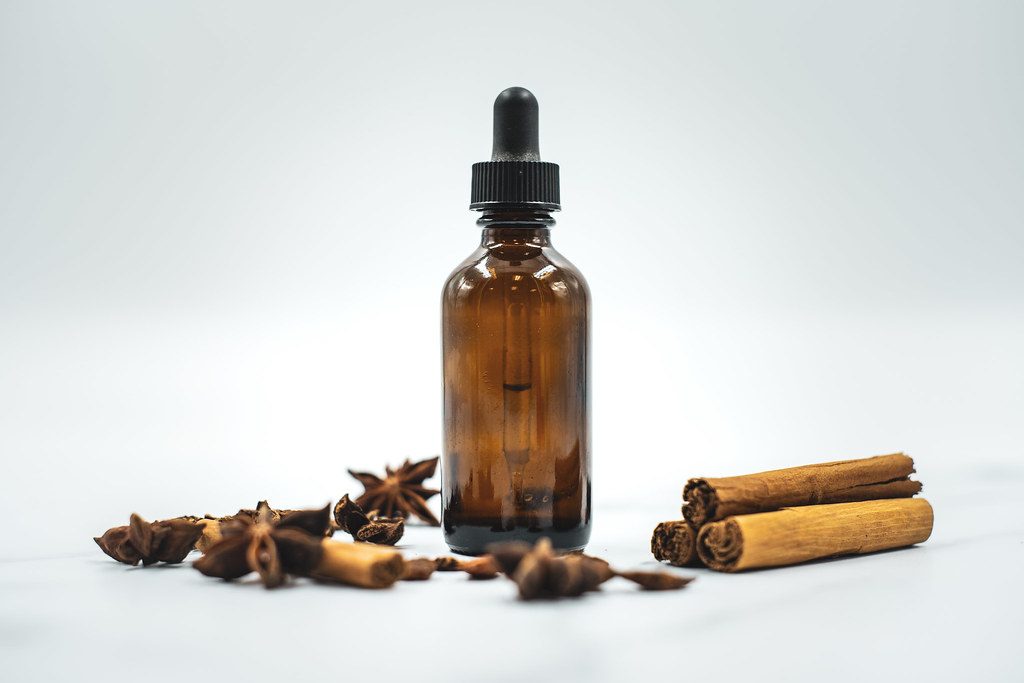
Cinnamon oil is one of the most commonly mentioned natural snake deterrents. Research on certain snake species has found that cinnamon-based compounds can act as irritants and cause snakes to move away from treated areas. The strong smell appears to overwhelm the snake’s scent-detection system, making the area uncomfortable. Because snakes depend heavily on chemical signals to find food and understand their environment, strong cinnamon odors may encourage them to avoid a location.
Many homeowners use diluted cinnamon oil around sheds, garages, patios, and other places where snakes might hide. However, rain, sunlight, and wind can weaken the scent over time, which means it must be reapplied regularly. Cinnamon oil should never be sprayed directly on wildlife. It works best as part of a larger plan that includes removing brush piles, tall grass, and rodent food sources.
Clove oil
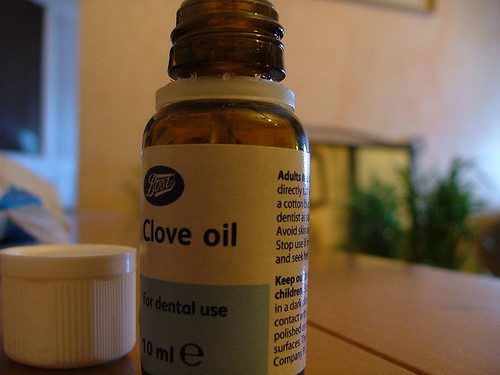
Clove oil is another scent that is often linked to snake deterrence. The main compound in clove oil is called eugenol, and studies have shown that it can act as a strong irritant for some snake species. Wildlife researchers have observed that exposure to this compound can trigger escape behavior, making snakes leave the area quickly. Because of this, clove oil is frequently included in commercial snake-repellent products.
Many people combine clove oil with cinnamon oil because the two scents are often considered more effective together than when used alone. The mixture creates a very strong odor barrier around possible snake entry points. Even so, experts caution that no essential oil works perfectly in every situation. If a yard still provides shelter, water, and food, a determined snake may return despite the smell.
Cedarwood oil

Cedarwood has a strong woody scent that some snakes seem to avoid. Researchers studying snake repellents have found that cedarwood oil can produce irritation in certain species. This may explain why cedar chips, cedar mulch, and cedar oil products are often recommended as part of natural snake-control efforts. The scent can create an environment that feels less comfortable for snakes moving through the area.
Homeowners sometimes place cedar mulch around garden beds, fence lines, or areas near buildings. Besides its scent, cedar mulch can help keep landscaping neat and reduce some hiding spots for small prey animals. While cedarwood alone will not stop every snake, it may contribute to an overall strategy that makes your property less attractive. Keeping the yard clean and reducing rodent activity remains just as important as using any scent.
Peppermint oil
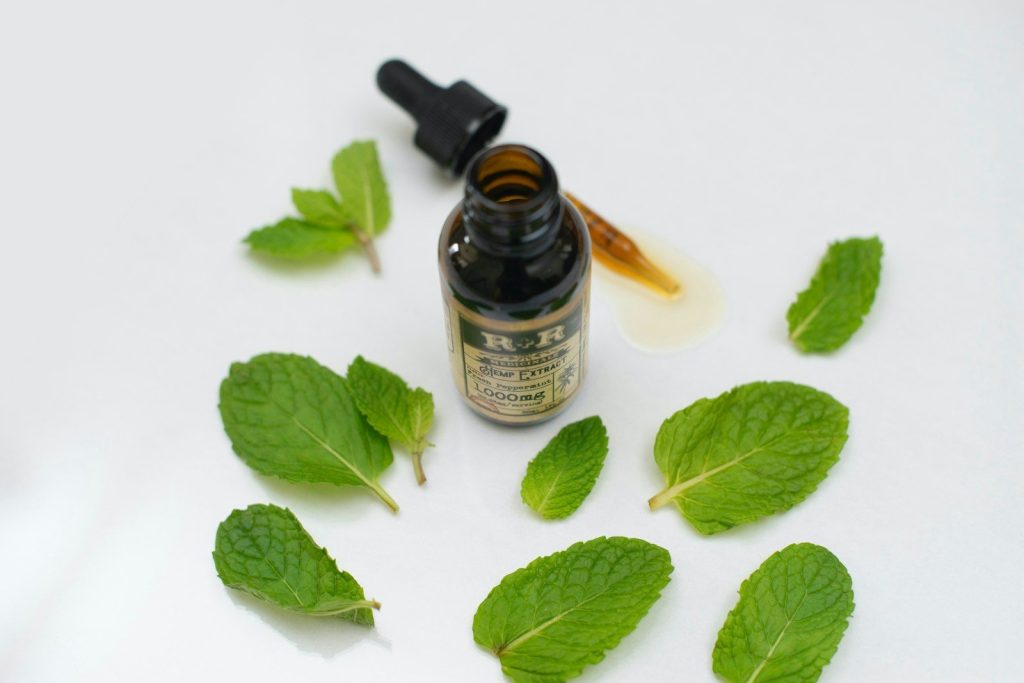
Peppermint oil is widely used as a natural pest deterrent, and some experts believe it may also discourage snakes. The strong minty odor can overwhelm the snake’s sensory system and may make it harder for the animal to investigate its surroundings. Many homeowners prefer peppermint because it smells pleasant to people while still creating a strong scent barrier.
Peppermint oil is often sprayed around doorways, crawl spaces, sheds, and other areas where snakes could enter. Some people also grow mint plants around parts of their property. However, the effectiveness of peppermint varies depending on weather conditions and the type of snake involved. The scent usually fades after a short time outdoors, so repeated applications are often necessary to maintain any possible benefit.
Garlic
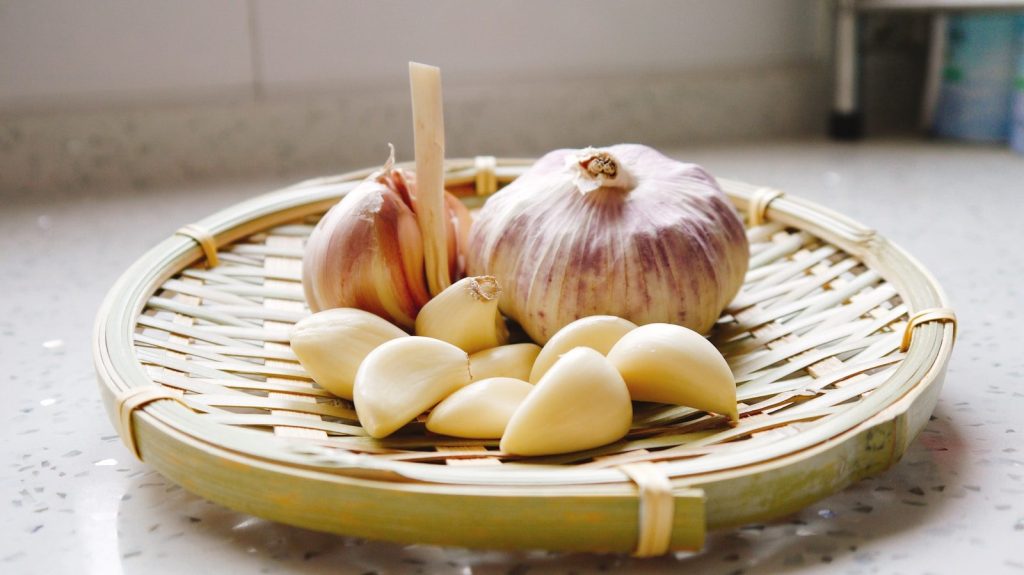
Garlic has a strong sulfur-like smell that many animals find unpleasant. It contains natural compounds that create a sharp odor, and some experts believe these compounds can help discourage snakes. Garlic-based sprays and garlic plantings are common recommendations for homeowners who want a natural approach to pest control. The smell may make certain areas less attractive to snakes that are exploring for shelter or prey.
Garlic is often combined with onions because both contain similar sulfur compounds. Some people spread garlic mixtures around the edges of their yards or near problem areas. Although garlic may contribute to snake deterrence, it should not be viewed as a complete solution. If mice, rats, frogs, or other prey animals remain abundant, snakes may still be drawn to the property despite the odor.
Leave a Reply