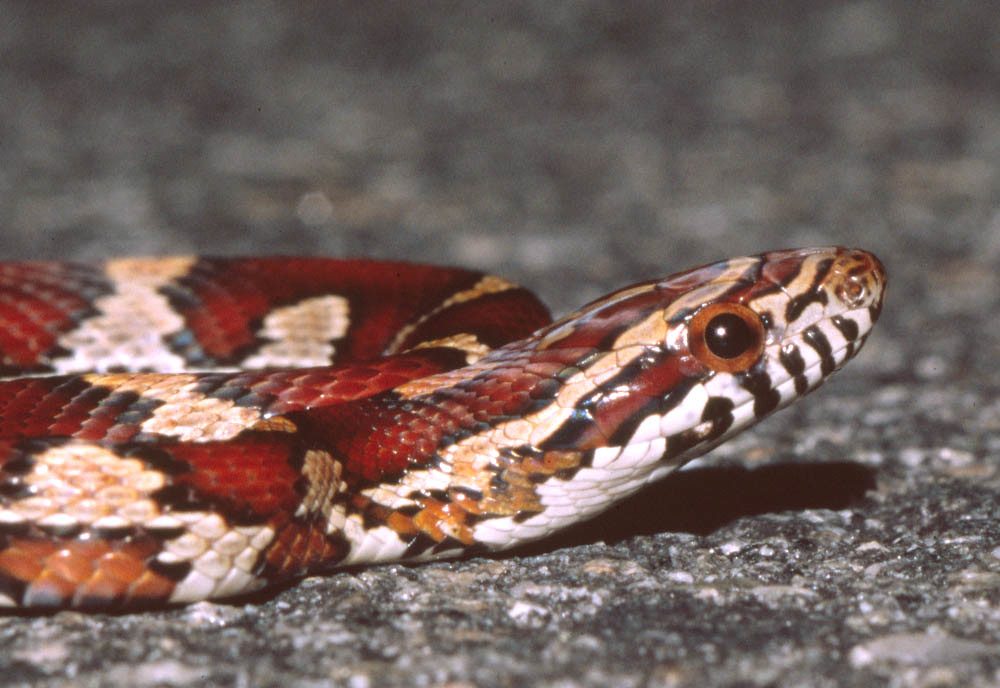
Unexpected wildlife encounters can turn an ordinary day into something memorable. That is exactly what happened when a corn snake was spotted on a Georgia golf course, and photos of the reptile quickly captured attention online. The unexpected corn snake encounter on a Georgia golf course sparked thousands of reactions because of the snake’s striking colors and unusual pose. While some people were startled, wildlife experts say the animal was not a threat.
Understanding why the snake appeared there, how corn snakes behave, and what people should do when they encounter one can help make sense of the viral moment. This article explores the facts behind the sighting and explains why corn snakes play an important role in the environment.
Why the Georgia golf course sighting went viral
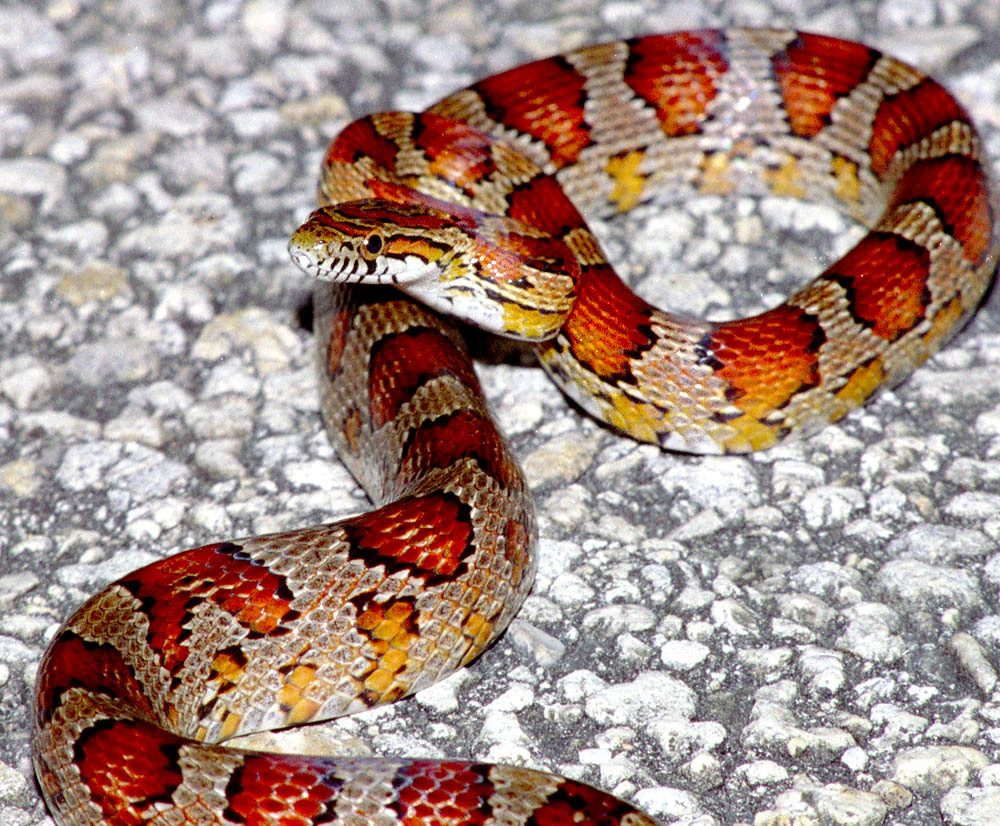
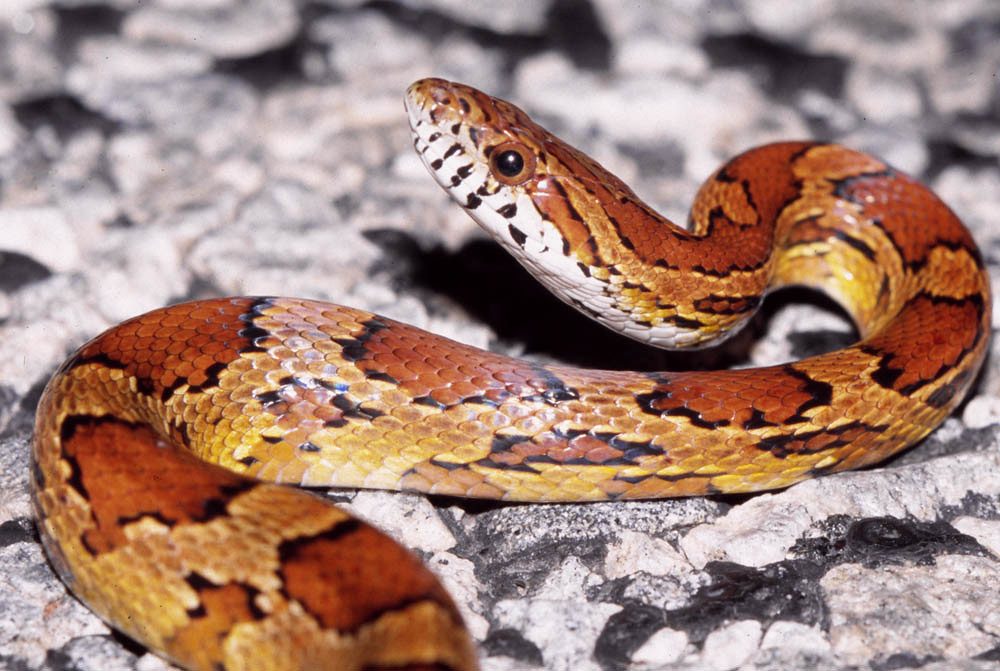
The photo that gained attention online showed a brightly colored corn snake on a golf course in Georgia. The snake’s orange, red, black, and white markings stood out against the green grass, creating an image that many people found stunning. Online users praised the reptile’s appearance, and the image quickly spread across social media platforms. Reports indicated that the post received thousands of positive reactions and comments from people amazed by the snake’s beauty.
Part of the reason the image became so popular was the snake’s posture. The animal appeared to raise part of its body while exposing its patterned underside. Many viewers initially thought the snake looked aggressive, but reptile enthusiasts explained that this posture is usually defensive. The snake was simply trying to appear larger and warn potential threats to stay away rather than preparing to attack.
What makes corn snakes unique
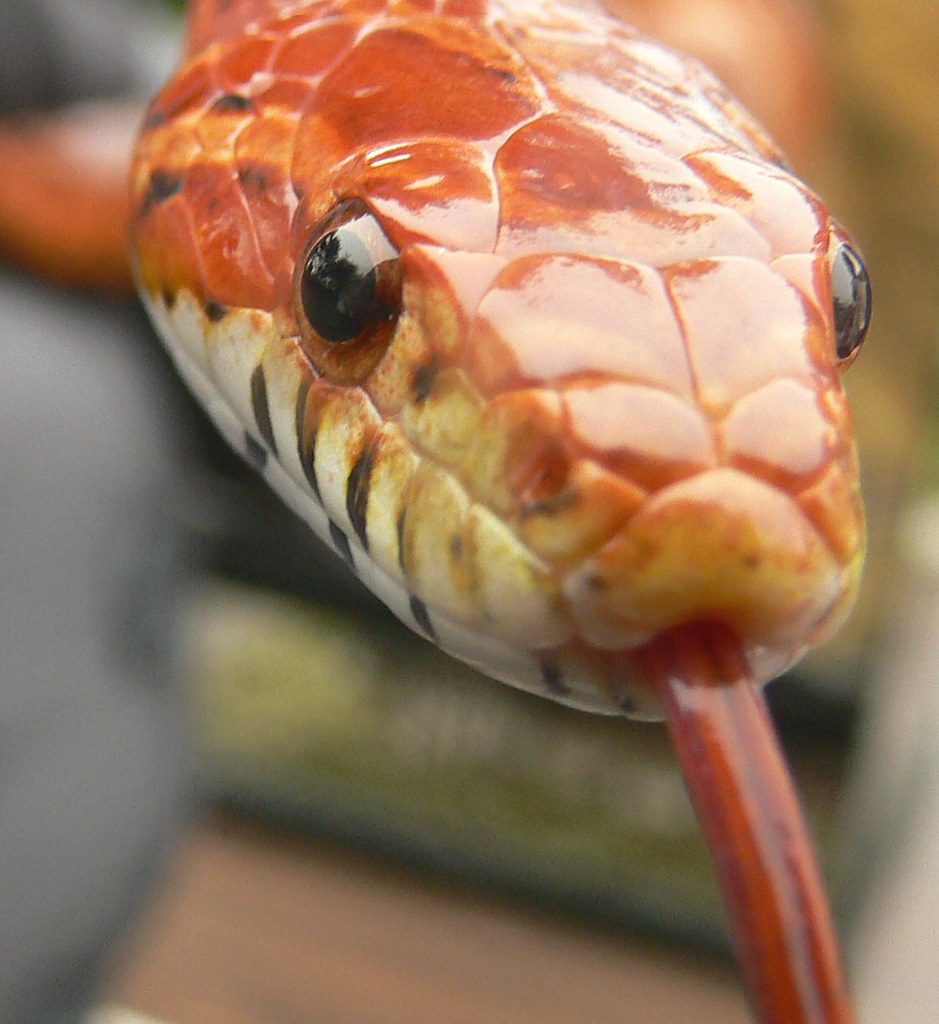
Corn snakes are nonvenomous snakes native to much of the southeastern United States. They belong to the rat snake family and are known for their colorful patterns. Their bodies often feature orange, reddish, brown, and black markings that help them blend into forests, fields, and grasslands. One of their most recognizable features is the checkerboard pattern on their belly, which many people compare to piano keys.
These snakes are generally calm and shy. They spend much of their time hunting small animals such as mice, rats, and other rodents. Because of this diet, corn snakes are often considered beneficial to people. They help control rodent populations naturally, reducing the need for traps and chemical pest control. Their role as predators makes them an important part of healthy ecosystems throughout their range.
Why are corn snakes found on golf courses?

At first glance, a golf course may seem like an unusual place for a snake. However, golf courses often provide many of the things wildlife needs to survive. Areas of taller grass, wooded edges, ponds, and natural vegetation create habitats that attract insects, birds, rodents, and other animals. Since rodents are a favorite food source for corn snakes, these environments can become attractive hunting grounds.
Golf courses can also act as green spaces within developed areas. As cities and neighborhoods expand, wildlife often adapts to landscapes altered by humans. Rather than invading human spaces, animals are frequently making use of habitats people have created. A corn snake moving through a golf course is often just following food sources and shelter opportunities, much like it would in a natural setting.
Understanding defensive snake behavior
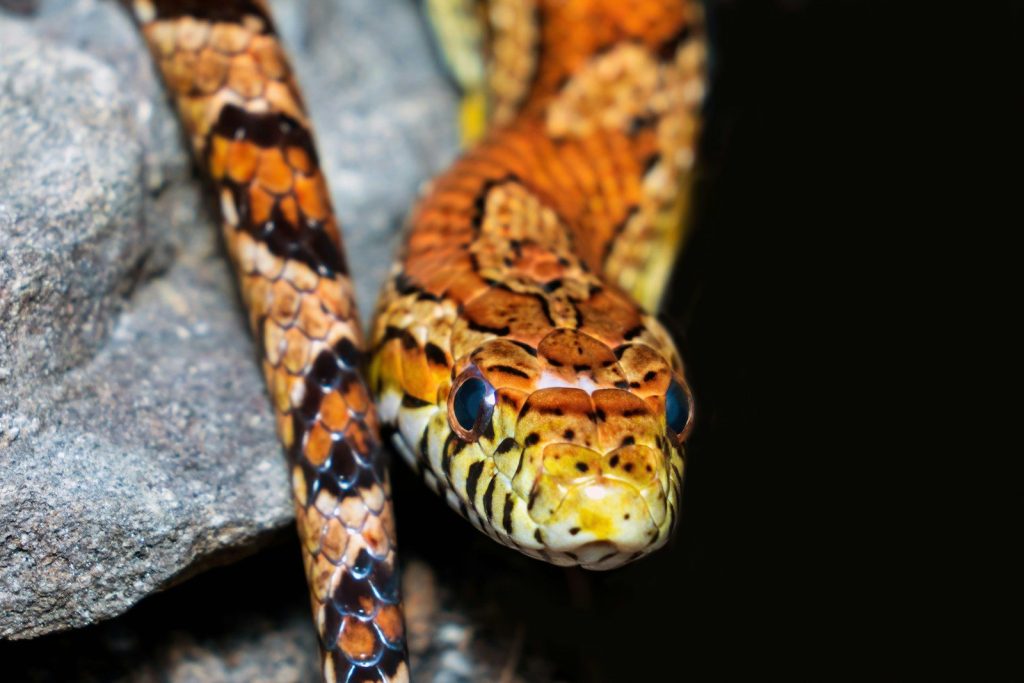
Many people fear snakes because they mistake defensive actions for aggression. When a corn snake feels threatened, it may flatten its body, raise part of itself off the ground, hiss, or display its belly. These behaviors are intended to scare away predators. The goal is usually to avoid a fight rather than start one.
This defensive display can be very effective because it makes the snake appear larger and more dangerous than it really is. In the Georgia golf course encounter, experts and experienced snake observers noted that the posture seen in the photo was consistent with a snake trying to create distance from a perceived threat. Such behavior is common among many harmless snake species across North America.
The important role corn snakes play in nature
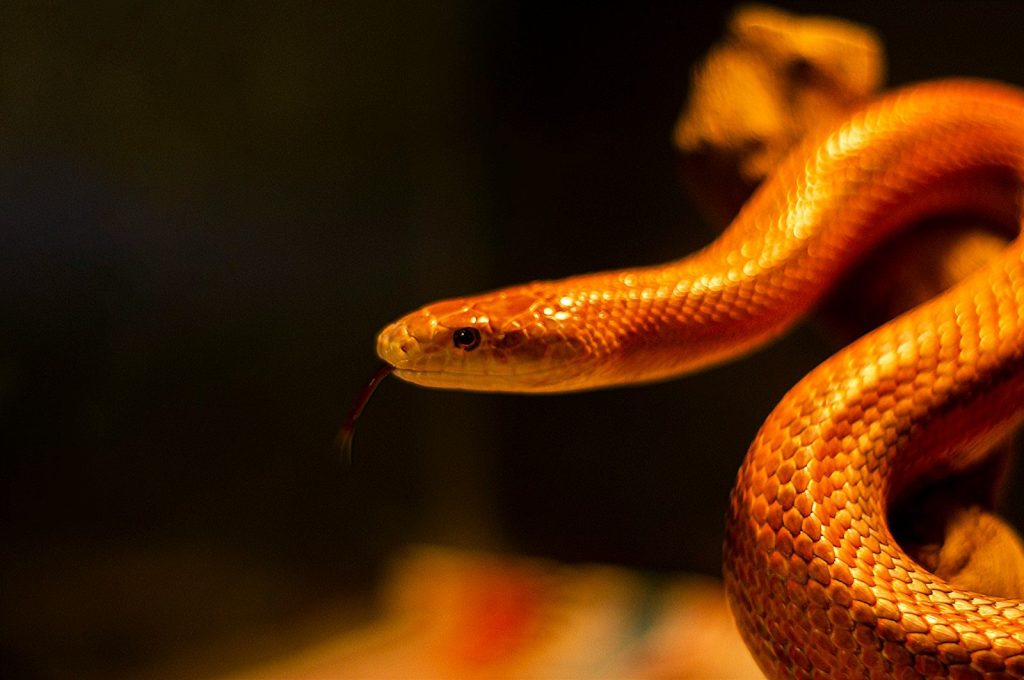
Corn snakes help maintain balance in ecosystems by controlling populations of small mammals. Rodents reproduce quickly and can damage crops, spread diseases, and create problems around homes and businesses. By feeding on these animals, corn snakes provide a natural form of pest management that benefits both people and the environment.
Their presence can also indicate a healthy ecosystem. Predators such as corn snakes depend on a stable food supply and suitable habitat. When these snakes are thriving, it often suggests that local ecosystems still support a variety of plants and animals. Protecting native wildlife, including harmless snakes, helps preserve biodiversity and supports the natural processes that keep environments functioning properly.
What to do if you encounter a corn snake
If you see a corn snake in the wild, the safest and most responsible action is to leave it alone. Observe it from a respectful distance and avoid trying to handle it. Even harmless snakes can become stressed when approached, and they may react defensively if they feel trapped or threatened. Wildlife experts generally recommend allowing snakes to move away on their own.
It is also important to remember that not every colorful snake is dangerous. Learning to identify common local species can help reduce unnecessary fear and prevent harm to wildlife. In most cases, a corn snake encountered on a trail, golf course, or near a yard is simply passing through in search of food or shelter. By giving the animal space, both people and snakes can remain safe.
Leave a Reply