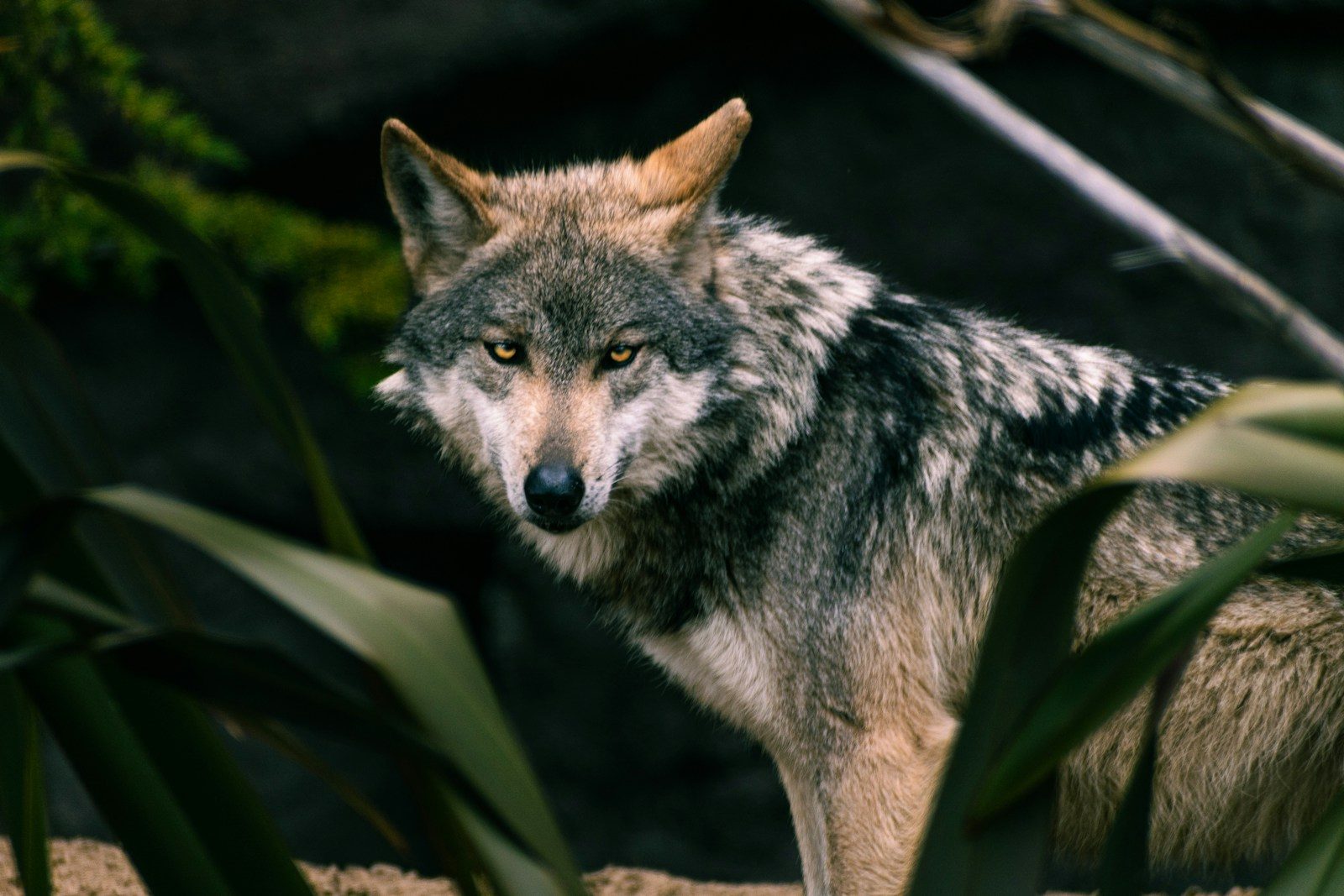
Have you ever seen a wild animal and wanted to get closer for a photo or a better look? Many people are tempted to approach wildlife because these animals seem calm, beautiful, or fascinating. However, many wild animals in the U.S. are protected by law, and touching them can be dangerous for both people and the animals themselves.
This guide explores six wild U.S. animals you can’t touch and explains why keeping your distance is so important. Some of these animals are protected because they are endangered, while others can seriously injure people if they feel threatened. By learning about these animals, you can better understand how to enjoy wildlife safely while helping protect the natural world.
Bald eagles are protected national symbols
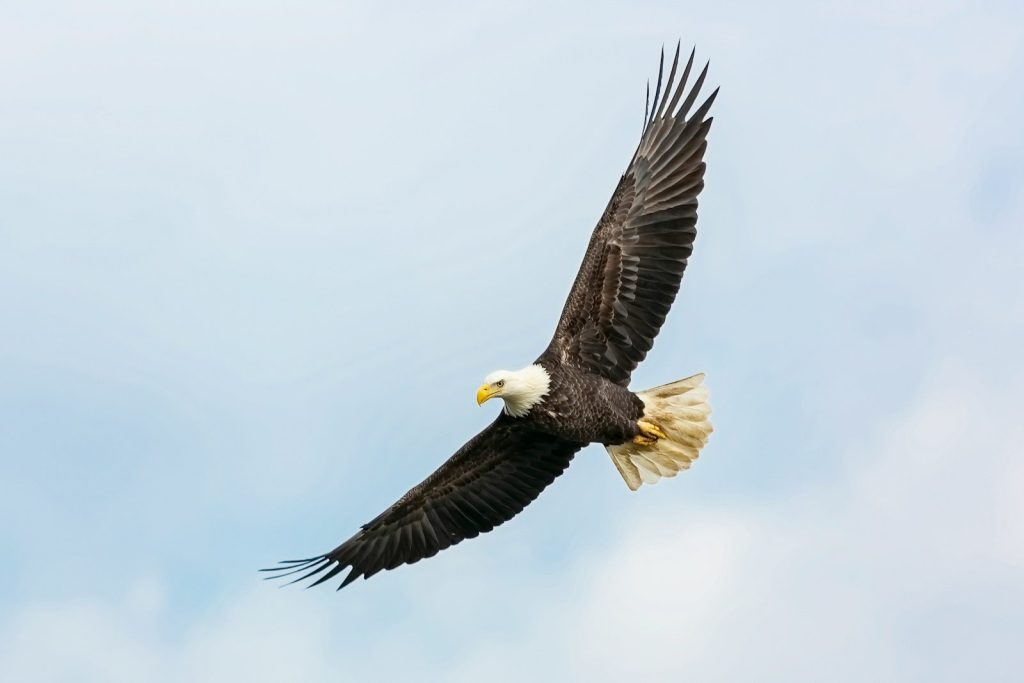
Bald eagles are among the most recognizable birds in the United States. They are protected under special laws that make it illegal to harm, disturb, handle, or harass them without permission. These protections also extend to their nests.
Because bald eagles are protected wildlife, people should always admire them from a distance. Getting too close can disrupt their natural behavior and may result in legal consequences. Watching them soar freely in their natural habitat is the safest and most respectful choice.
Sea turtles need space to survive
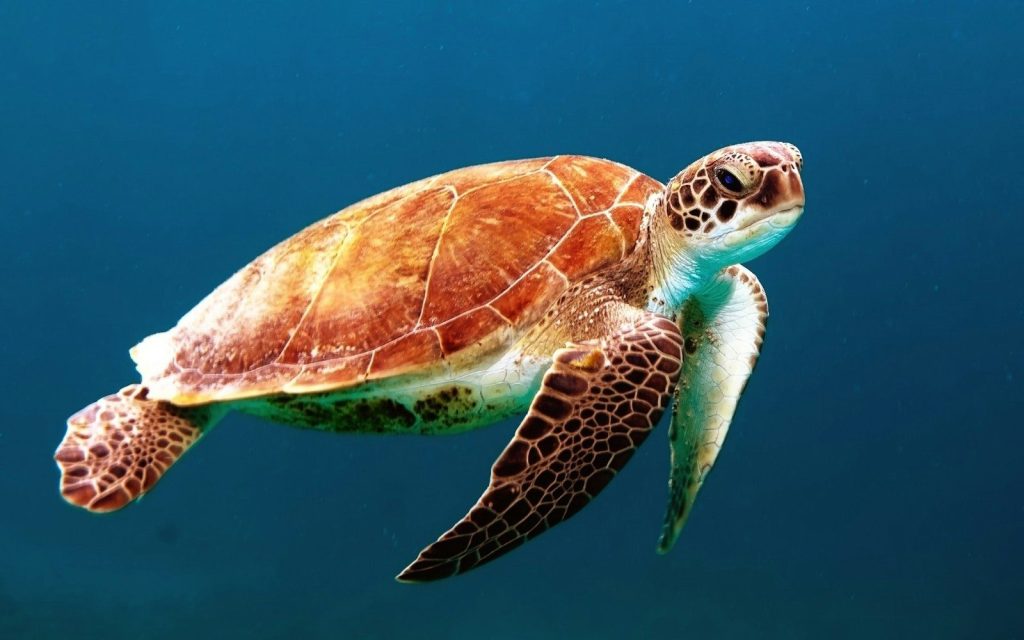
Sea turtles are protected because they are endangered. Animals such as the loggerhead and green sea turtle depend on safe nesting areas and healthy environments to survive. Touching them or interfering with their nests is illegal.
When sea turtles come ashore to lay eggs, they are especially vulnerable. Disturbing them can affect their nesting process and threaten future generations. If you see a sea turtle on a beach or while swimming, it is best to observe quietly and allow it to continue its natural activities undisturbed.
Gray wolves remain wild predators
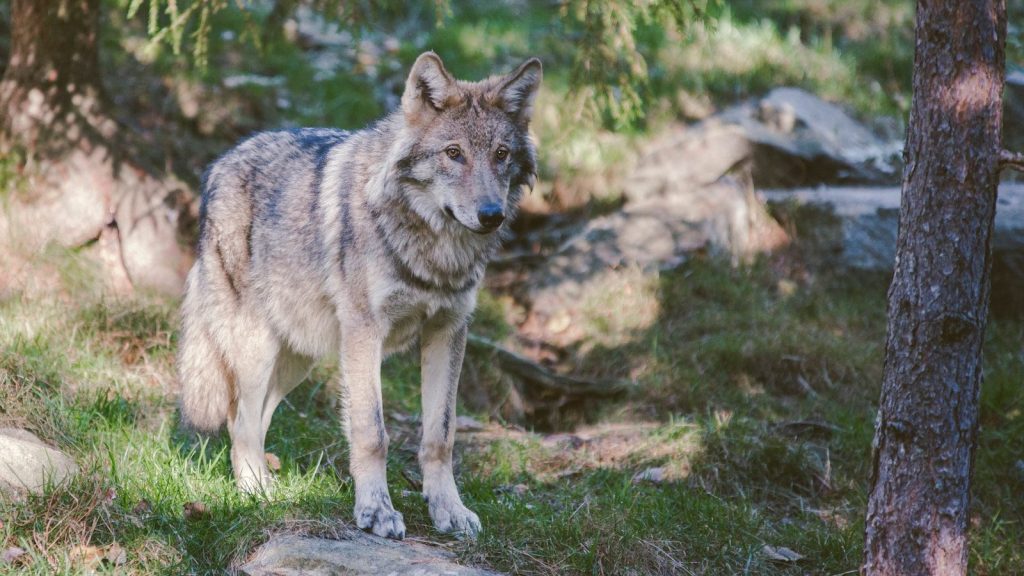
Gray wolves have made an impressive recovery in parts of the United States after facing severe population declines in the past. Even so, they remain protected in many areas and should never be approached or touched by people.
Wolves are territorial animals with unpredictable behavior. While they may appear calm from a distance, they are still wild predators. Respecting their space helps protect both humans and wolves while allowing these animals to continue playing their role in the ecosystem.
Bison are stronger than they appear
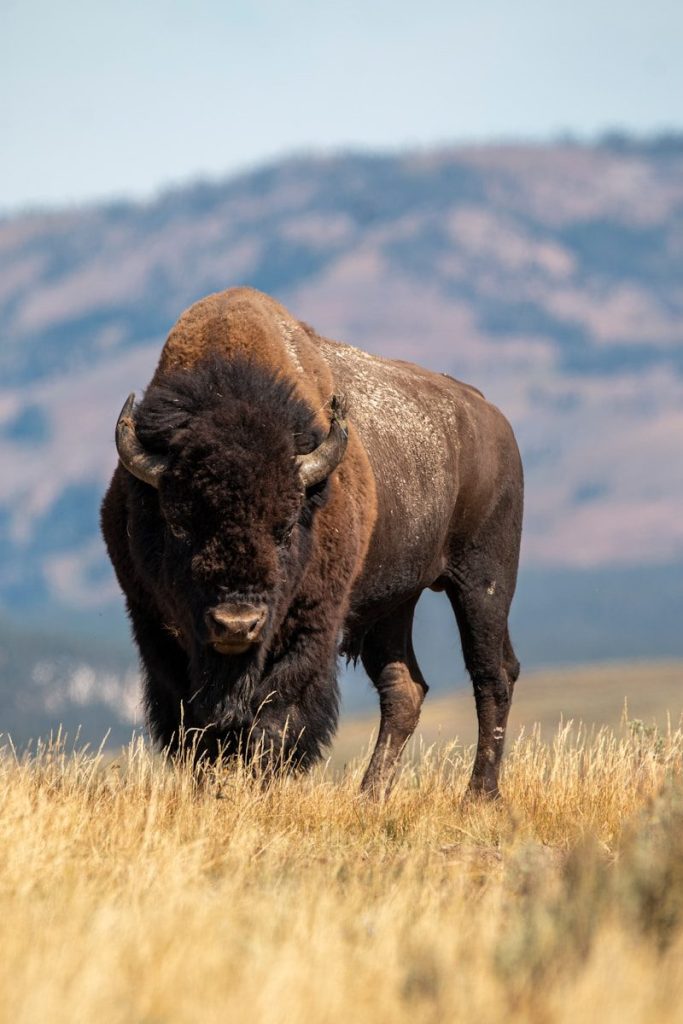
Bison are famous symbols of the American West and are commonly seen in protected areas. Although they often appear peaceful while grazing, they are powerful animals capable of causing serious injuries when disturbed.
Approaching or touching bison is dangerous and often illegal in protected areas. Their populations are still recovering in some regions, underscoring the importance of conservation efforts. Observing them from a safe distance allows visitors to enjoy these impressive animals without putting anyone at risk.
Alligators can be dangerous when disturbed
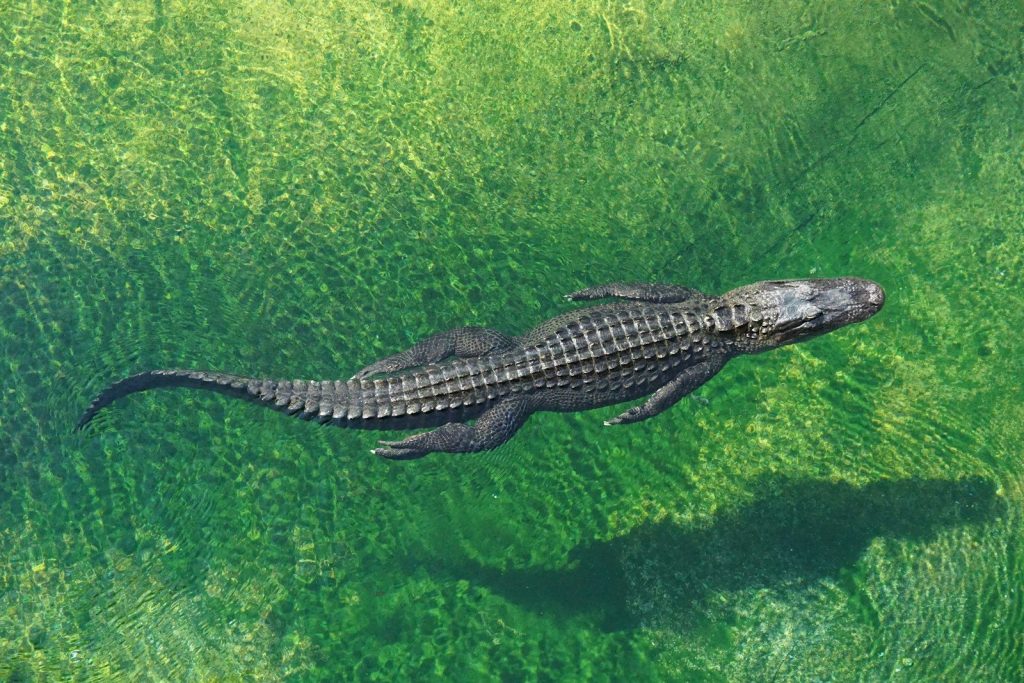
Alligators live throughout parts of the southeastern United States and are known for their large size and strong jaws. Because they are wild reptiles, approaching them can pose a danger to both humans and animals.
These animals are protected under state law, and disturbing them is prohibited. Alligators are especially active during certain times of the day, making it important for people to remain alert in areas where they live. Keeping a safe distance helps prevent accidents and protects natural behavior.
Grizzly bears demand respect and caution
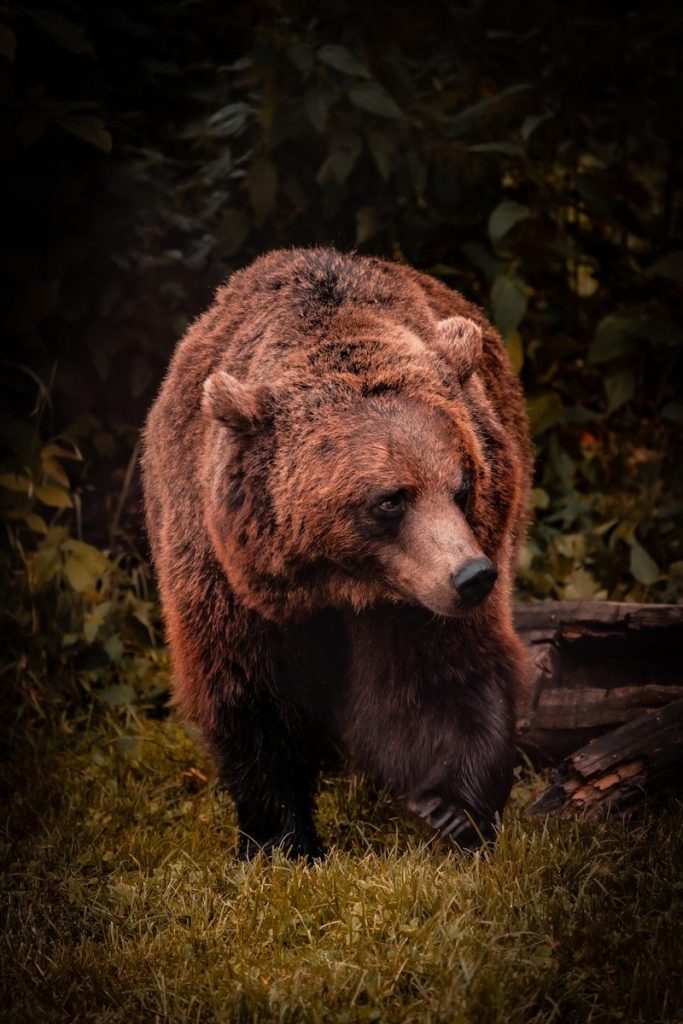
Grizzly bears are among the most powerful mammals in North America. Found mainly in the northern Rocky Mountains and Alaska, they are protected by various laws that make disturbing or touching them illegal.
These bears can react unpredictably when threatened, especially when food is involved or cubs are nearby. Encountering a grizzly bear requires caution and respect. Watching from a distance is the safest approach and helps ensure that both people and bears remain safe.
Leave a Reply