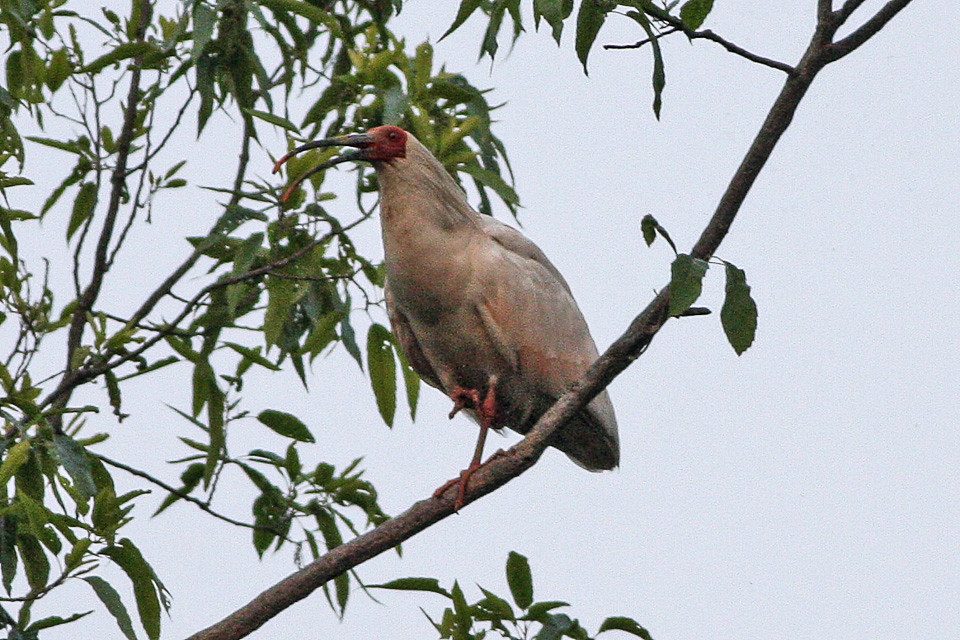
Many people think that once a bird disappears from the wild, it is gone forever. That is why the recent return of rare birds to Japan has captured attention around the world. After decades of conservation work, eight crested ibises were released into the wild in Japan’s Noto region, bringing back a species that had vanished from the country’s natural landscape.
The return of these birds is more than a wildlife story. It shows how long-term conservation, habitat protection, and international cooperation can help endangered animals recover. In this article, you will learn how the crested ibis disappeared from Japan, what was done to save it, and why its return is such an important moment for nature.
The bird that vanished from Japan
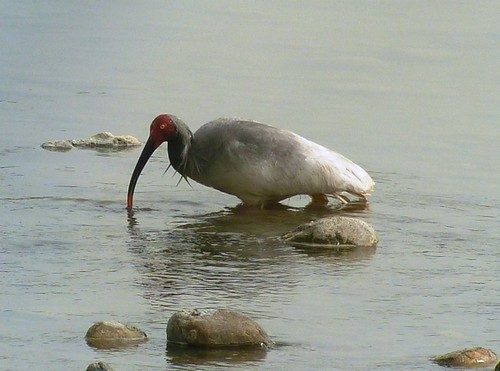
The crested ibis, known as “Toki” in Japan, is one of East Asia’s most recognizable birds. It has white feathers, bright red skin around its eyes, and a beautiful pink-orange color under its wings. For centuries, the bird lived in wetlands, rice fields, and forested areas across Japan. It became a familiar sight in many parts of the country.
However, the bird’s numbers began to fall during the late 1800s and early 1900s. Hunting, habitat destruction, pollution, and changes in farming practices made survival difficult. By the 1970s, the species had disappeared from Japan’s main island of Honshu. The last native Japanese crested ibis died in 2003, marking the end of a bird that had once been part of the nation’s natural heritage.
Why the species nearly disappeared
One of the biggest reasons for the bird’s decline was habitat loss. Wetlands were drained, forests were cleared, and farming methods changed. The insects, frogs, and small fish that crested ibises depended on became harder to find. As their food sources disappeared, the birds struggled to survive.
Overhunting also played a major role. During earlier decades, the birds were hunted for their feathers and meat. Even after hunting pressure eased, environmental damage continued to hurt the population. By the time conservation efforts became serious, there were very few birds left in Japan, making recovery extremely difficult.
The long road to recovery

Saving the crested ibis required years of work. Conservationists established breeding programs to help increase the number of birds. A major turning point came in 1999 when China provided Japan with a breeding pair of crested ibises. This partnership gave scientists a chance to rebuild the population through carefully managed breeding efforts.
The first successful captive-bred chick marked a huge milestone. Researchers spent years studying the birds, improving breeding methods, and creating conditions that would allow them to thrive. Every successful hatch was a step toward bringing the species back from the edge of disappearance. The work required patience because building a healthy population takes many generations.
The historic release in the Noto region
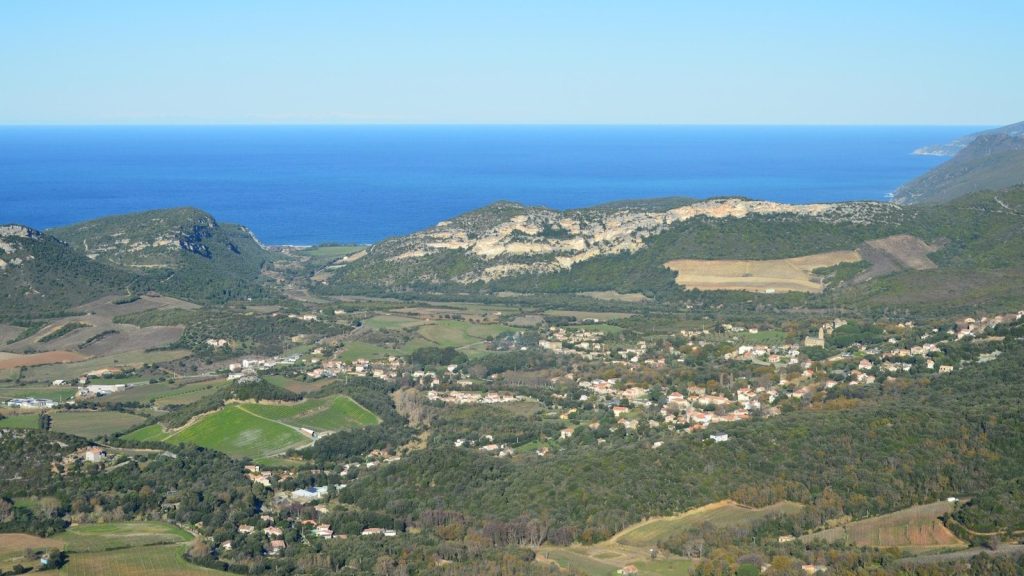
In late May 2026, eight crested ibises were released into the wild in Hakui, a city in Japan’s Noto region. The event was especially meaningful because the area was one of the last places where the birds had been seen in the wild before they disappeared from Honshu decades ago. Residents gathered to watch the birds take flight, creating an emotional moment for conservationists and local communities alike.
The birds released in Noto were raised at a conservation center on Sado Island in Niigata Prefecture. They had been carefully prepared for life in the wild through years of breeding and monitoring. Officials hope the release will help establish a new wild population outside Sado Island and expand the species’ range within Japan.
How Sado Island helped save the species
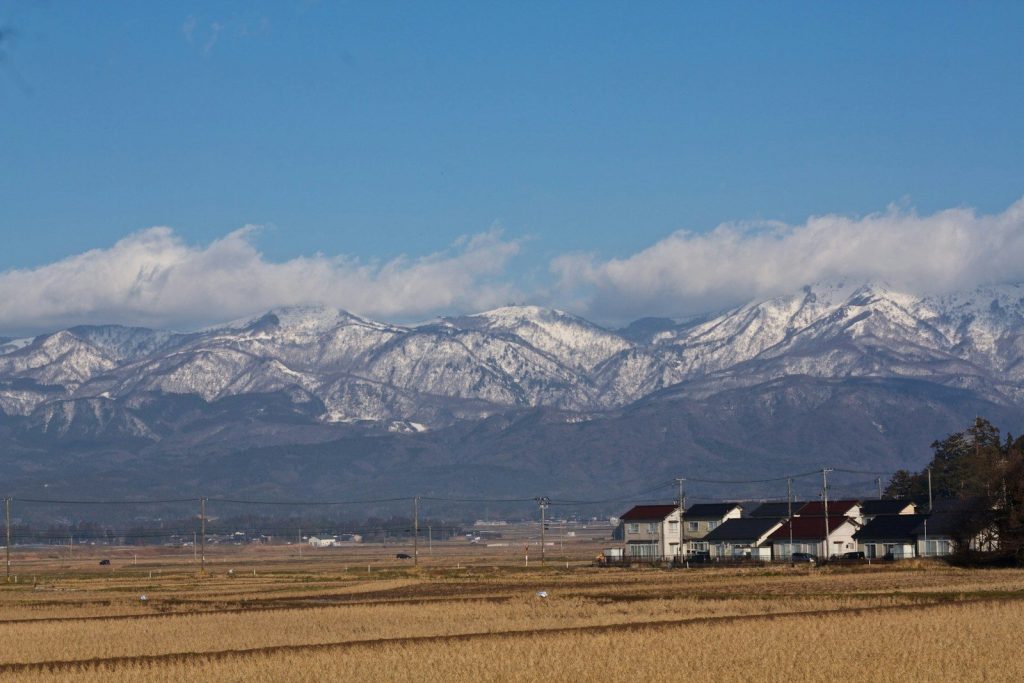
Sado Island has become the center of Japan’s crested ibis recovery program. Conservation centers there have spent decades breeding birds and preparing them for release. In 2008, the first group of captive-bred crested ibises was released into the wild on the island, marking the beginning of a new chapter for the species.
The results have been encouraging. Over the years, the wild population on Sado Island has grown significantly. Conservation programs, habitat restoration projects, and support from local farmers helped create a safe environment for the birds. Today, hundreds of crested ibises live on and around the island, showing that recovery is possible when wildlife receives long-term protection.
What the return means for conservation
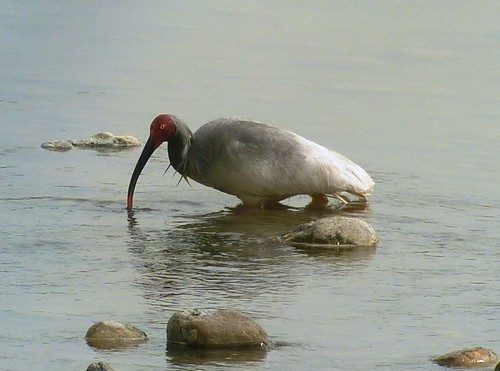
The return of the crested ibis is an important reminder that conservation can work. Many endangered species face challenges similar to those that nearly wiped out the crested ibis. Habitat destruction, pollution, and human activity continue to threaten wildlife around the world. The success of this project shows that these problems can be addressed when governments, scientists, and local communities work together.
The release also provides hope for future conservation efforts in Japan and beyond. Experts believe that healthy ecosystems benefit both wildlife and people. Protecting wetlands and natural habitats helps birds, fish, insects, and other animals while also improving environmental health for nearby communities. The return of the crested ibis is therefore not just a victory for one species but a positive sign for broader conservation efforts.
Leave a Reply