
The idea of bringing extinct animals back to life sounds exciting, almost like something from a science movie. But experts are now warning that reviving extinct beasts could lead to serious problems for nature, animals, and even humans. This process, often called de-extinction, uses advanced tools like cloning and gene editing to recreate animals such as woolly mammoths or Tasmanian tigers.
While the science is improving fast, many researchers say the risks may be bigger than the rewards. In this article, you will learn why scientists are concerned, what could go wrong, and how these experiments might affect modern ecosystems. We will also look at real scientific debates so you can understand the full picture clearly and simply.
What de-extinction really means
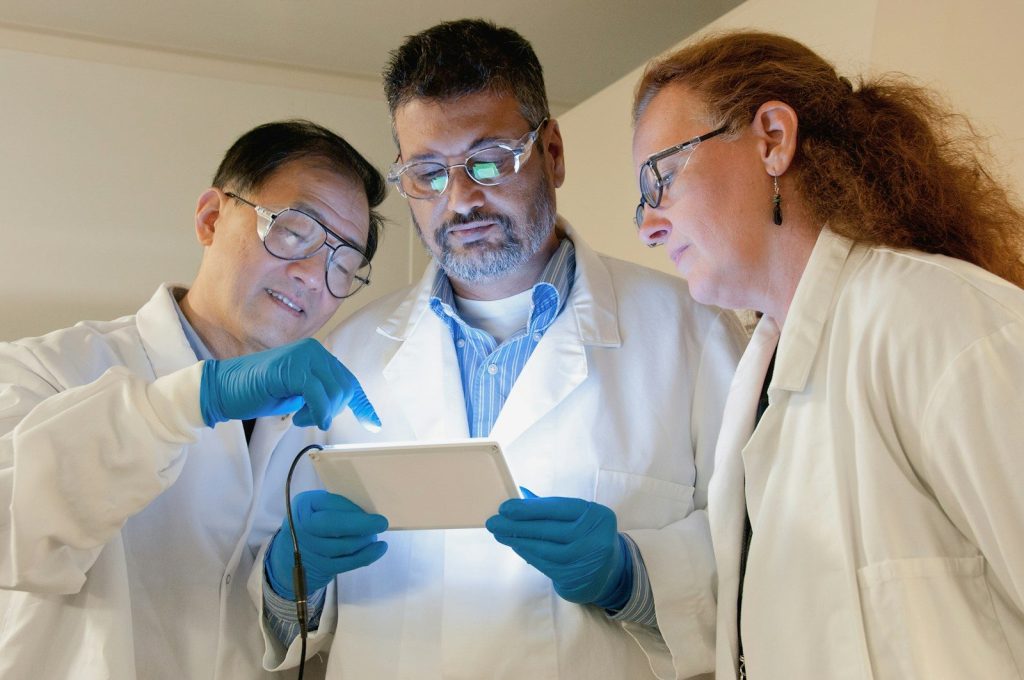
De-extinction is the process of trying to bring back species that have disappeared from Earth. Scientists use methods like cloning, DNA rebuilding, and gene editing to create animals that look or behave like extinct species. In some cases, they combine DNA from fossils with living relatives, such as using elephants to model mammoth-like traits. This field has become more advanced due to technologies like CRISPR, which can edit genes with high precision.
However, experts explain that what is created is often not a perfect copy of the original animal. Instead, it is usually a “proxy,” meaning a close version built from available genetic information. Because extinct DNA is often damaged or incomplete, scientists must fill in gaps using related species. This makes the final animal different in important ways from the original extinct species.
Why scientists are concerned about ecosystems

One major worry is how revived animals would fit into today’s ecosystems. Nature has changed a lot since many of these species went extinct. Forests, grasslands, and oceans are not the same as they were thousands of years ago. If a revived animal is released into a modern environment, it may struggle to survive or behave in unexpected ways.
Experts also warn about ecological imbalance. Every species plays a role in its environment, such as controlling plant growth or serving as prey for other animals. If a revived species becomes too successful, it could harm existing wildlife by competing for food or space. On the other hand, if it cannot adapt, it may suffer and die, raising serious ethical concerns about its welfare.
Risks of disease and genetic problems
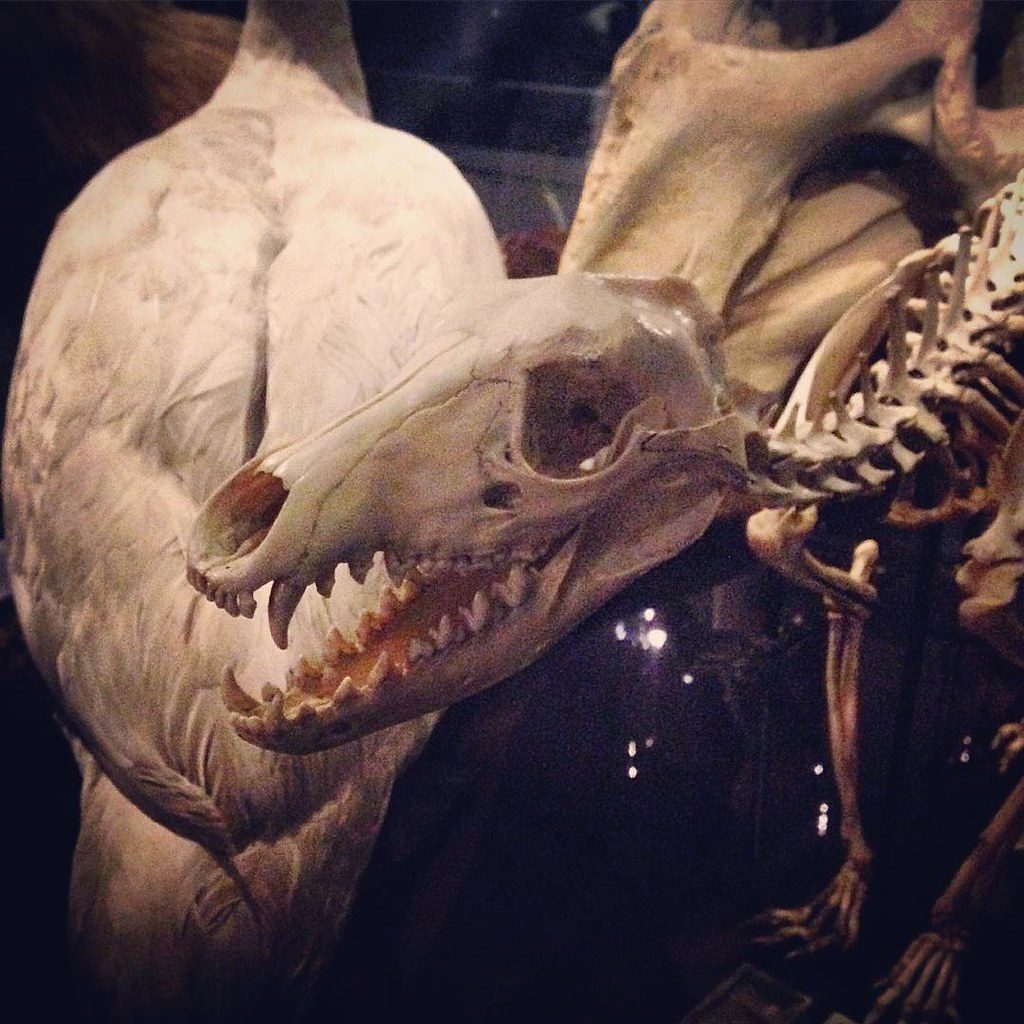
Another major concern is health and genetics. Cloning and gene editing are not perfect processes, and they often come with risks. In many experiments, cloned animals have been born with defects, weak immune systems, or short lifespans. This raises questions about whether revived extinct animals would live healthy lives.
There is also the danger of new diseases. A revived species might be exposed to modern viruses and bacteria it has never encountered before. At the same time, it could also carry unknown ancient microbes that might spread to modern animals. Scientists say this kind of biological uncertainty could create problems that are difficult to predict or control.
Human impact and moral questions
Beyond science, there are also ethical concerns. Many experts ask whether humans should bring extinct animals back at all. Some believe it could distract from protecting animals that are currently endangered. Instead of focusing on saving existing wildlife, funding and attention might shift toward creating new extinct species in laboratories.
There is also a moral question about animal welfare. If a revived animal suffers due to health problems or cannot survive in the wild, then its creation may cause unnecessary harm. Scientists argue that just because we can do something does not always mean we should. These debates are becoming more important as technology improves and de-extinction moves closer to reality.
Real-world experiments and limitations

Even though de-extinction is often discussed, real success is still very limited. Scientists have not fully brought back any extinct species in a true, complete form. Most projects are still in experimental stages, focusing on partial genetic reconstruction or closely related animals.
For example, efforts to recreate mammoth-like animals involve editing elephant DNA rather than restoring an exact mammoth. Similarly, attempts involving birds or other extinct species often result in hybrids rather than true originals. Experts say one major limitation is DNA degradation, since genetic material breaks down over time and becomes incomplete. Without full genetic information, a perfect revival is not possible with current science.
What experts say about the future

Scientists remain divided about de-extinction. Some believe it could help restore lost ecosystems or even support conservation efforts for endangered species. They argue that genetic tools developed for de-extinction could be useful in protecting animals that still exist today.
However, many researchers caution that the risks are still too high. They point out that ecosystems are complex and unpredictable, and introducing revived species could create long-term damage that cannot be easily reversed. Most experts agree that while the science is impressive, careful limits and strong regulation are needed before any large-scale attempts are made.
Leave a Reply