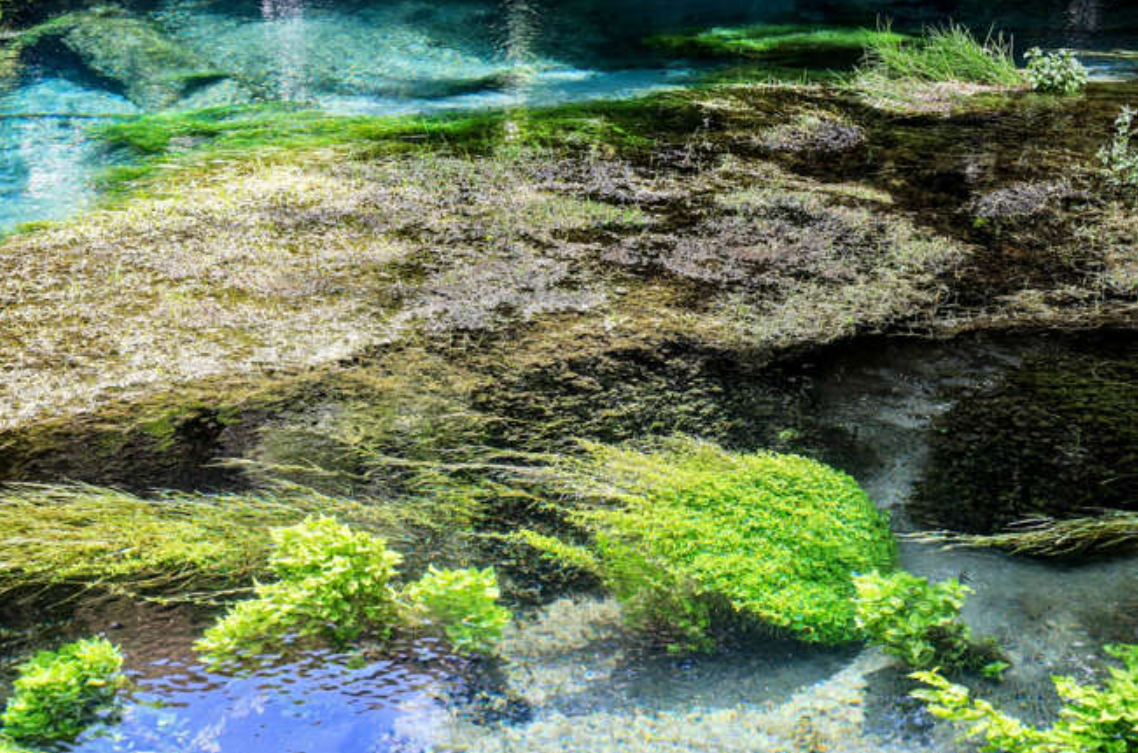
Minimalist aquascaping is one of the biggest aquarium trends in 2026, and many hobbyists are choosing it because traditional tanks can feel crowded, expensive, and hard to maintain. Instead of filling every inch with plants, rocks, and decorations, many aquarists are now creating simple underwater scenes that use open space, fewer materials, and cleaner layouts.
This style makes tanks easier to care for while still looking beautiful, which is why it is attracting both beginners and longtime aquarium fans. This guide explains why minimalist aquascaping is growing so fast, what makes it different, and how people are building these calm-looking tanks at home.
Why minimalist aquascaping became popular
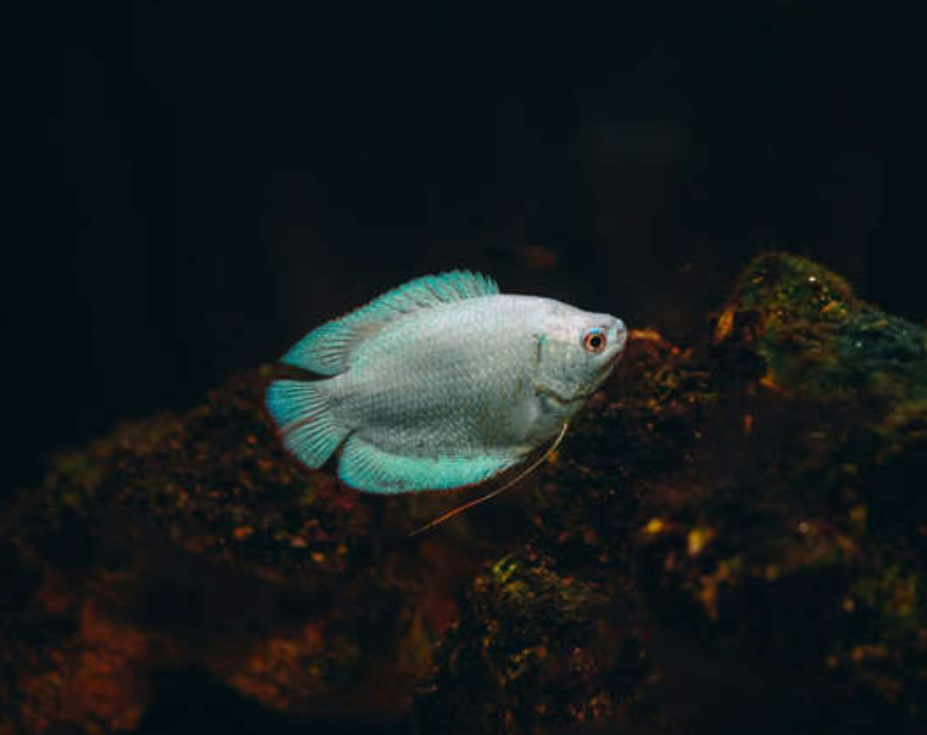
Aquarium design has changed a lot in the last few years, and many people now want tanks that look more like living art. Minimalist aquascaping follows that idea by using just a few stones, driftwood pieces, or plants to create a peaceful, natural scene. The goal is not to make the tank look empty but to make each object stand out more clearly.
This trend also matches modern home design. Many people are buying rimless glass tanks and placing them in living rooms, offices, or small apartments where a clean design fits better than a crowded setup. Industry reports in 2026 show that simple layouts with visible open sand and fewer decorations are becoming much more common than dense “jungle style” tanks.
The Japanese influence behind the style
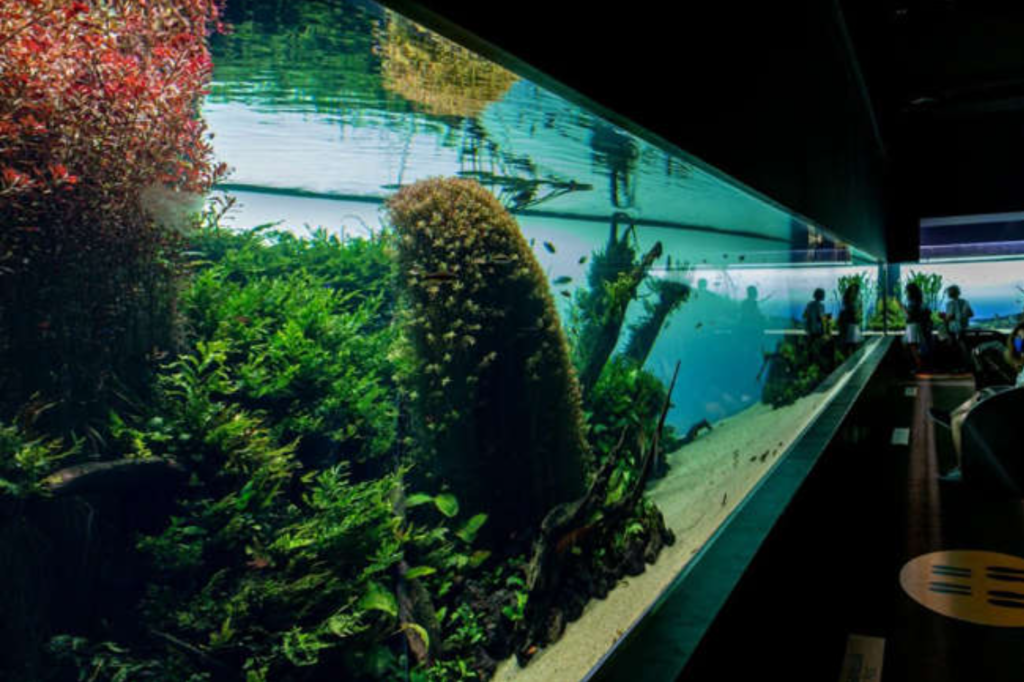
Minimalist aquascaping is strongly connected to the work of Takashi Amano, the designer who helped make aquascaping famous around the world. His nature aquarium style showed hobbyists how to copy mountains, forests, and rivers inside glass tanks. Many of today’s minimalist tanks still follow his idea of making an aquarium look like a real landscape.
One popular form is Iwagumi, which uses rocks as the main feature. A classic Iwagumi tank usually uses an odd number of stones and one low carpet plant, leaving large open areas around them. This design has become very popular in online aquarium groups because many hobbyists say it looks peaceful and easier to maintain than crowded planted tanks.
What a minimalist tank looks like
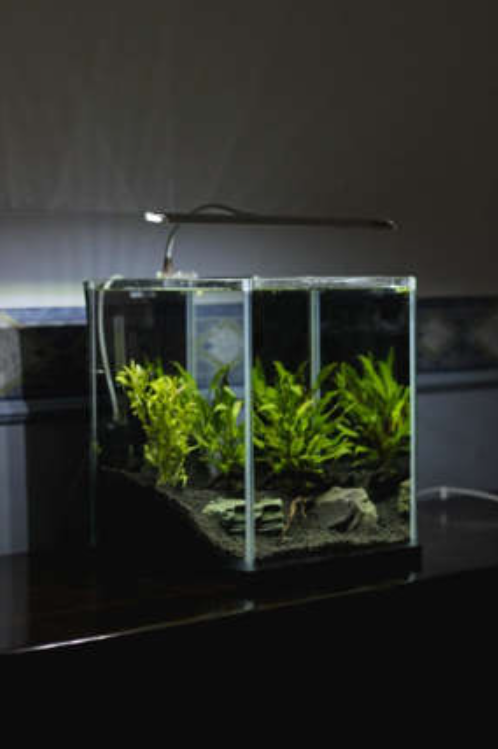
A minimalist aquascape usually has only a few main items. It may include one group of stones, one driftwood branch, and one type of plant covering the foreground. Empty space is part of the design, and that open area helps the tank look larger than it really is.
The fish selection is also simple. Many hobbyists choose one small school of nano fish or shrimp so the aquarium keeps a calm appearance. In many 2026 setups, aquarists are using small tanks under 20 gallons because minimalist layouts work especially well in compact spaces and make small rooms feel more relaxing.
Why hobbyists prefer it in 2026
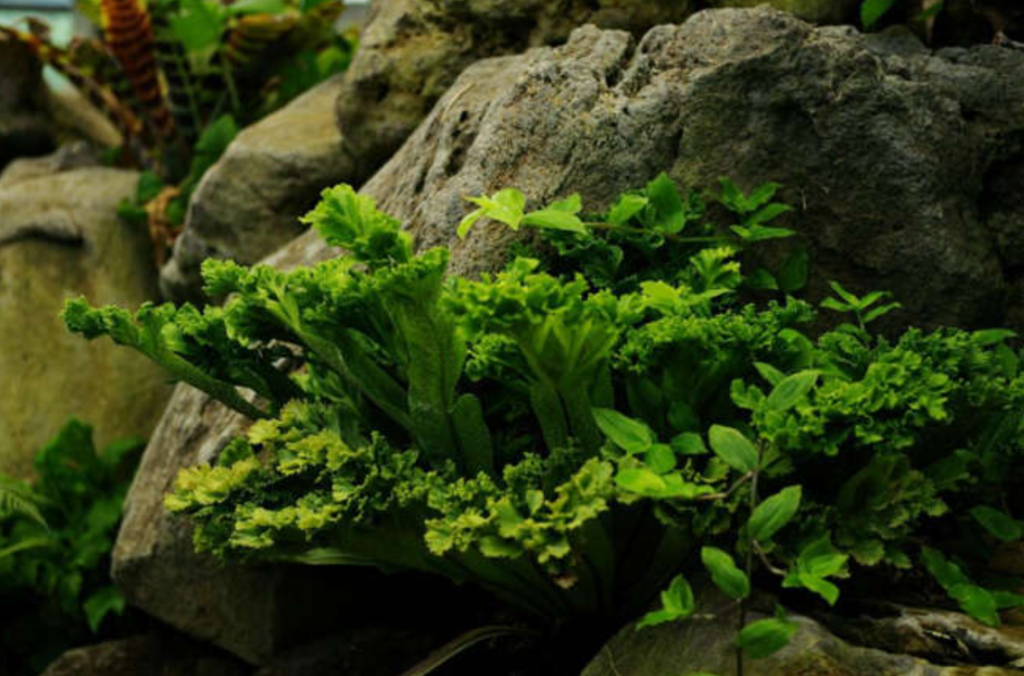
One major reason is maintenance. A minimalist tank often needs fewer plants, less fertilizer, and fewer trimming sessions. That saves time, which matters because many aquarium owners are balancing the hobby with busy work schedules and smaller living spaces.
Another reason is cost. A heavily planted tank may need advanced CO₂ systems, stronger lights, and many plant species, but minimalist setups often work with fewer materials. Hobbyists online in 2026 are talking more about downsizing tanks and simplifying their aquariums, which matches this move toward simple aquascapes.
Technology is making simple tanks easier
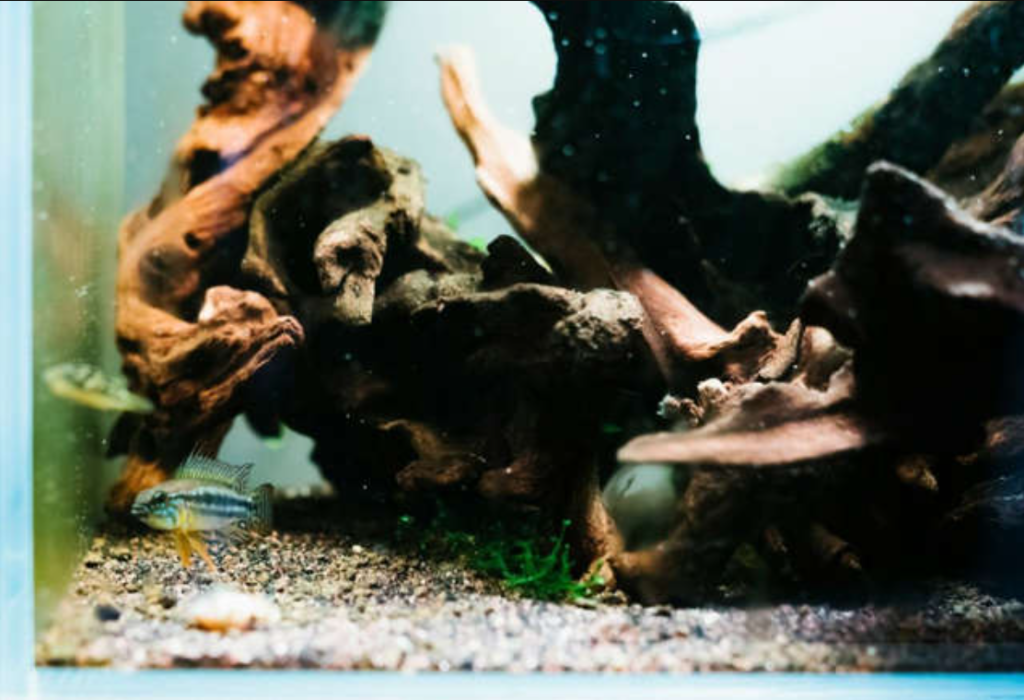
Even though minimalist aquascaping looks simple, many hobbyists use new technology to support it. LED lights are now more affordable, and many systems can adjust brightness during the day. This helps create soft shadows and highlight the open layout without making the tank look harsh.
Specialized aquarium substrates also make the hobby easier. Modern planted substrates can hold nutrients for long periods, so fewer fertilizers are needed. This means hobbyists can keep healthy plants while still maintaining the low-tech look that minimalist tanks are known for.
Why the trend may keep growing
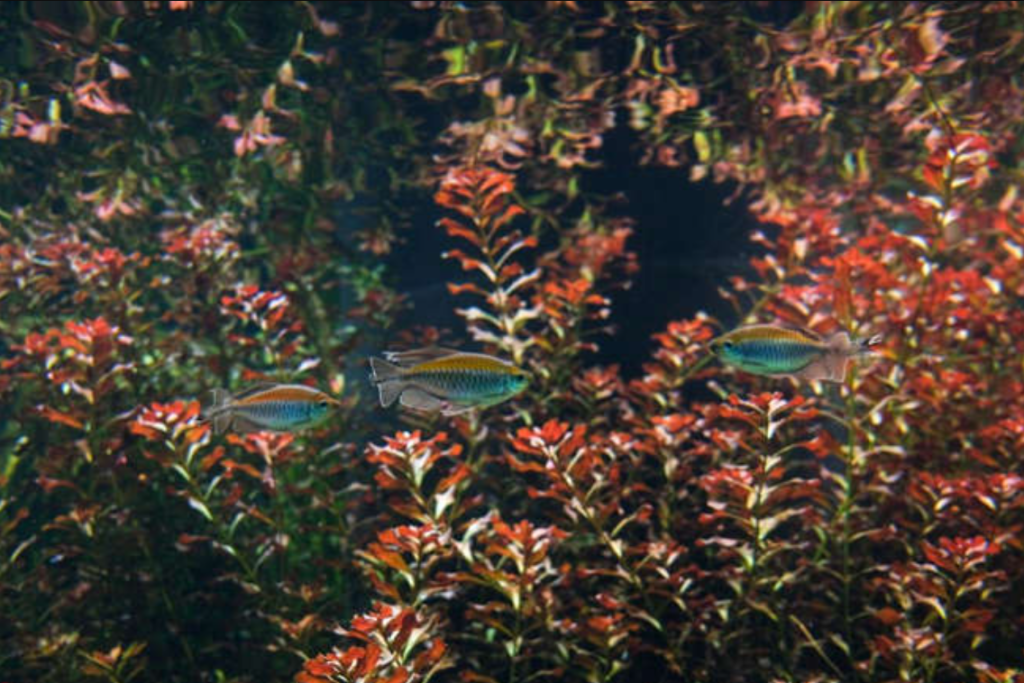
Minimalist aquascaping fits larger lifestyle trends. In 2026, many people are interested in biophilic design, which means bringing nature indoors to make homes feel calmer. A simple aquarium with clean lines and natural stones fits that goal better than bright plastic decorations or heavily packed tanks.
The style is also easy to share online. Minimalist tanks photograph well because they have strong contrast and clean lines, which makes them popular on aquarium forums and social media. As more beginners see these setups, the style continues growing because it looks possible to recreate without years of experience.


