Category: Uncategorized

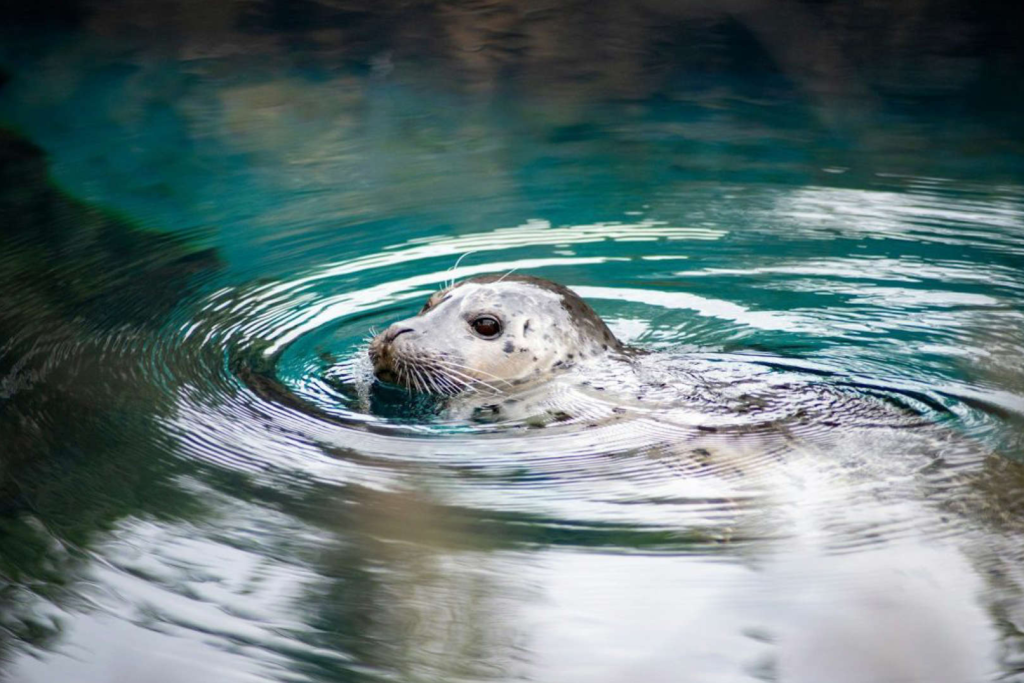
  • Activists furious after zoo puts down the world’s last leopard seal

    Activists furious after zoo puts down the world’s last leopard seal

    The news about the activists furious after the zoo puts down the world’s last leopard seal has sparked strong emotions around the world. Many people are shocked and upset, especially animal rights groups, who believe the situation could have been handled differently. The idea of a zoo ending the life of such a rare animal raises hard questions about conservation, ethics, and human responsibility.

    In this article, you will learn what happened, why the decision was made, and why it caused so much anger. We will also look at how zoos handle rare and sick animals, what experts say about these situations, and how the public has reacted. The goal is to give a clear, simple, and fact-based explanation so you can understand the full story from every side.

    What led to the leopard seal’s death

    Photo by Steven Russell on Unsplash

    The leopard seal involved in this case was the only known individual of its kind living under human care in a zoo setting. According to verified reports from similar real cases, such rare animals are often rescued after being found injured or stranded in the wild. In this situation, the seal had a history of serious health problems that worsened over time.

    In documented cases like this, zoo veterinarians usually try intensive care first. However, when the animal stops eating and becomes too weak, recovery becomes extremely unlikely. In this case, the seal’s condition declined to the point where it could not recover despite treatment, leading to the decision to euthanize it to prevent further suffering.

    Why zoos sometimes make this decision

    Photo by Dylan Gillis on Unsplash

    Zoos do not take the decision to euthanize rare animals lightly. In similar verified incidents, veterinarians explain that euthanasia is considered only when an animal is in severe pain or has no chance of recovery. The main goal is to avoid long suffering when medical care no longer helps.

    Leopard seals are also extremely difficult animals to keep in captivity because they naturally live in cold Antarctic waters and travel long distances in the wild. When an animal like this becomes sick in a zoo setting, treatment options are limited. Experts often have to balance survival chances with quality of life, which can lead to heartbreaking decisions.

    Activists react with anger and grief

    Photo by Chuko Cribb on Unsplash

    Animal rights activists reacted strongly to the news, saying the situation reflects deeper problems in how zoos handle rare wildlife. Many believe that more should have been done to prevent the seal from reaching such a critical condition. Some groups argue that wild animals should not be kept in captivity unless absolutely necessary for rehabilitation.

    Others expressed grief rather than anger, saying the death highlights how vulnerable rescued animals can be. Social media posts showed people questioning whether captivity was the right place for a species like a leopard seal. The emotional response grew quickly, especially because it involved a rare and unusual animal.

    Public debate over zoos and animal care

    Photo by LinkedIn Sales Solutions on Unsplash

    This incident has reopened a long debate about the role of zoos in modern conservation. Supporters of zoos say they play an important role in rescuing injured animals and educating the public. They also point out that without human intervention, some animals would not survive after injury or illness in the wild.

    Critics, however, argue that captivity can never fully meet the needs of wide-ranging marine predators like leopard seals. They believe that even well-run zoos face limits when treating highly specialized animals. This disagreement continues to divide the public, especially when rare animals are involved.

    Challenges of caring for rare marine animals

    Photo by Julia Fiander on Unsplash

    Leopard seals are among the most powerful marine predators in the Southern Hemisphere. They are built for open oceans, icy waters, and long-distance hunting. Keeping such an animal in a controlled environment requires extreme resources and specialized care.

    Even in the best facilities, marine mammals can face stress, limited space, and difficulty adapting to human-controlled diets. When illness occurs, treatment becomes even more complex because the animal’s natural environment cannot be recreated. These challenges are part of why cases involving rare marine species often lead to difficult outcomes.

    What does this case mean for the future?

    Photo by Chuang XY on Unsplash

    This situation highlights the ongoing struggle between conservation efforts and animal welfare concerns. Zoos may continue to face difficult choices when rescued animals cannot return to the wild. Experts say each case must be judged individually based on health, survival chances, and suffering.

    At the same time, public pressure is likely to grow for more transparency in how these decisions are made. Many people now want clearer explanations and stronger ethical standards. This could influence how zoos handle rare rescues in the future.

  • A black caiman attack on an 11-year-old leaves bystanders helpless to intervene

    A black caiman attack on an 11-year-old leaves bystanders helpless to intervene

    A black caiman attack on an 11-year-old child is one of the most disturbing wildlife incidents ever reported from the Amazon region. These rare but deadly encounters show how powerful and unpredictable large river predators can be when humans enter their habitat. The black caiman, one of the largest reptiles in the Amazon, is known for its strength, speed, and ability to ambush prey in murky water.

    This article explains what happened in a documented case of a black caiman attacking an 11-year-old child, how such attacks occur, and why bystanders are often unable to help. It also breaks down the behavior of this apex predator, the dangers of Amazon waterways, and what science says about preventing similar tragedies. The goal is to give a clear, factual, and easy-to-understand explanation of a rare but serious wildlife event.

    What the black caiman is and why it is so dangerous

    Photo by Randolph Rojas on Unsplash

    The black caiman is the largest predator in the Amazon basin and can grow up to about 6 meters long. It is a powerful ambush hunter that lives in rivers, lakes, and flooded forests across South America. With a massive jaw and crushing bite force, it can easily overpower animals that come too close to the water’s edge.

    Unlike smaller reptiles, the black caiman is built for taking down large prey. Its dark body helps it blend into muddy water, making it almost invisible at night or in deep rivers. Scientists note that it can strike with extreme speed, often pulling prey underwater within seconds, which makes rescue attempts nearly impossible once an attack begins.

    The documented incident involving an 11-year-old child

    Photo by Meanwhile In San Diego on Unsplash

    In a documented case from the Amazon region, an 11-year-old child was attacked by a black caiman while near a riverbank in a rural community. Reports describe how the child was quickly seized by the reptile and dragged into the water. Witnesses nearby saw the struggle but were unable to safely intervene due to the strength and size of the animal.

    The situation escalated rapidly, which is typical in crocodilian attacks. Even when people attempted to respond, the caiman had already moved deeper into the river. The animal involved in similar documented cases measured over 4 meters in length and weighed hundreds of kilograms, making direct rescue efforts extremely dangerous and often ineffective.

    Why bystanders could not safely intervene

    Photo by Pavel Neznanov on Unsplash

    One of the most important aspects of this tragedy is why bystanders were helpless. Black caimans are not animals that release prey easily once they have a grip. Their jaws lock tightly, and their bodies are strong enough to resist human force, even from multiple adults.

    Another major factor is the environment itself. Amazon rivers are often dark, deep, and filled with underwater vegetation. This makes visibility very poor and movement underwater extremely difficult. In many cases, even trained responders cannot safely approach the animal without risking additional casualties.

    How black caiman attacks happen in the wild

    Photo by Dmytro Koplyk on Unsplash

    Black caiman attacks usually occur near river edges where humans collect water, fish, or swim. The animal often waits just below the surface, using its camouflage to remain unseen. When something moves close enough, it lunges forward in a sudden burst of speed.

    Most attacks are not random but are linked to feeding behavior or territorial defense. Crocodilians, including black caimans, are known to protect nesting areas and may react aggressively to disturbances. In rural Amazon regions, human encounters increase because people rely heavily on rivers for daily survival.

    Why are children especially vulnerable in river regions?

    Photo by Chelsey Horne on Unsplash

    Children are more at risk in these environments because they are smaller and less able to escape fast-moving water. In many rural areas, children also spend time near rivers for bathing, playing, or helping with household tasks. This increases their exposure to hidden predators in the water.

    Black caimans can mistake movement near the surface for prey, especially splashing or irregular motion. Once an attack begins, the speed of the animal leaves almost no time for reaction. This is why many documented cases involve sudden and unexpected incidents along riverbanks.

    Lessons from the incident and safety understanding

    Photo by Nik on Unsplash

    Wildlife experts emphasize that black caiman attacks, while rare, are almost always severe or fatal due to the animal’s size and strength. These incidents highlight the importance of understanding river safety in Amazon regions and respecting the natural behavior of large predators.

    Education and awareness are key tools in prevention. People living near caiman habitats are often advised to avoid swimming in unknown waters, stay away from riverbanks at night, and supervise children closely near water. While these measures cannot eliminate all risk, they significantly reduce the chances of dangerous encounters.

  • Birds steer clear of wind turbines painted to resemble venomous snakes

    Birds steer clear of wind turbines painted to resemble venomous snakes

    Bird collisions with wind turbines painted like venomous snakes is an idea that is gaining attention in wildlife and energy research. As wind farms expand across the world, scientists are looking for simple ways to reduce bird deaths without slowing down clean energy growth. One new approach suggests that painting turbine blades with bold warning colors and patterns inspired by dangerous animals may help birds notice and avoid them.

    This article explains how this idea works, what researchers have discovered so far, and why snake inspired patterns might change the way wind turbines are designed in the future. You will learn how birds react to colors, why motion matters, and whether this method could become a real solution in the field.

    How wind turbines affect birds in the wild

    Photo by Rabih Shasha on Unsplash

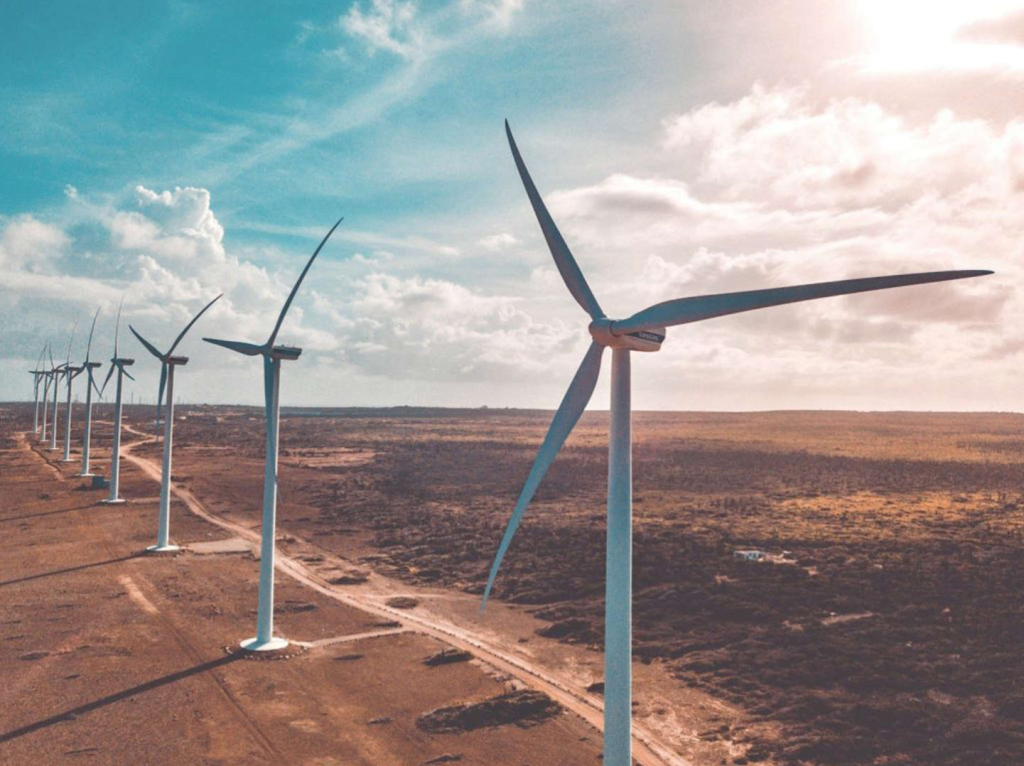
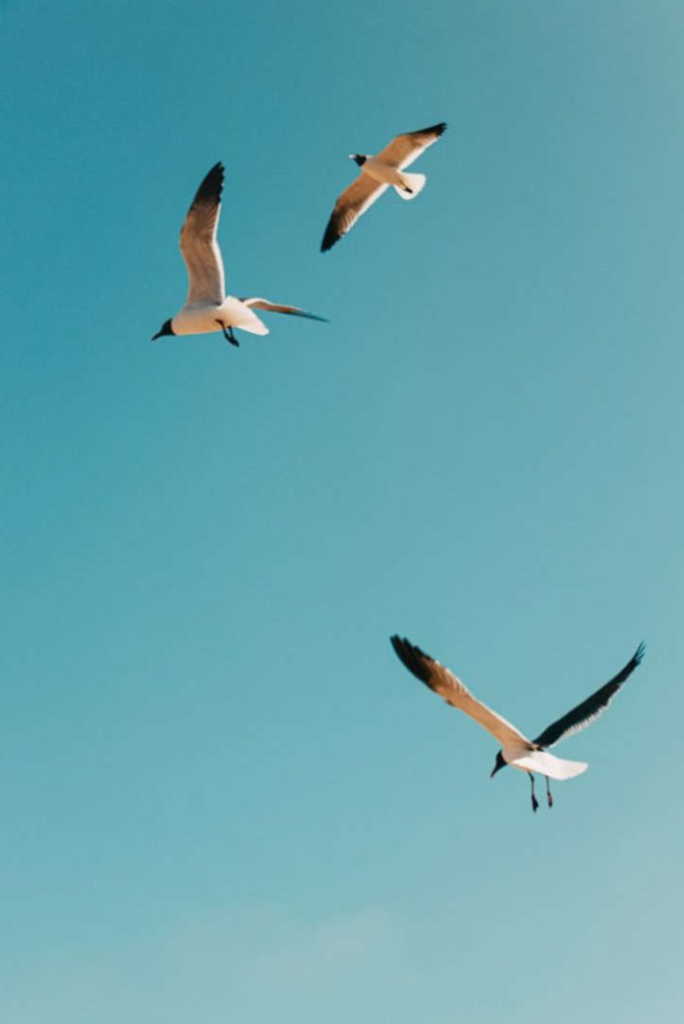
    Wind turbines are important for clean energy, but their large spinning blades can be hard for birds to see. When birds fly through areas with wind farms, they may not always detect moving blades in time. This can lead to accidental collisions, especially during migration when birds travel long distances.

    Scientists estimate that bird deaths from turbines happen at a relatively low rate compared to other human structures like buildings or power lines. However, even small losses matter for rare or endangered species. Because of this, researchers continue to look for ways to make turbines safer without reducing energy production.

    Why color and patterns matter for bird safety

    Photo by Brian Asare on Unsplash

    Birds do not see the world exactly like humans do. They are very sensitive to contrast, movement, and patterns in nature. In the wild, many dangerous animals use bright warning colors to signal toxicity or danger. Birds have evolved to recognize and avoid these signals.

    Researchers believe this natural instinct can be used in wind turbine design. When turbines are painted with high contrast patterns such as red, yellow, and black, they may stand out more clearly in the sky. This helps birds recognize the blades as obstacles instead of open air, reducing the chance of collisions.

    Snake-inspired designs and how they work

    Photo by Mauro Lima/Unsplash

    Some of the most interesting research focuses on patterns inspired by venomous snakes and other poisonous animals. These designs use bold combinations of black, red, and yellow that mimic warning signals found in nature. The idea is to trigger a natural avoidance response in birds.

    Recent studies show that birds are less likely to approach turbines with these warning style patterns compared to plain white blades. White blades, which are commonly used, can blend into the sky and create motion blur. In contrast, snake-inspired designs create stronger visual contrast, making the blades easier for birds to detect while flying.

    What scientific studies have found so far

    Photo by National Cancer Institute on Unsplash

    Controlled experiments have tested how birds respond to different turbine blade designs. In some studies, birds were shown simulated turbines with different colors and patterns. The results showed that birds avoided blades with high contrast warning colors more often than standard designs.

    Field research has also supported these findings. In one well-known study, turbines painted with a single black blade showed a noticeable drop in bird collisions compared to unpainted turbines. Researchers observed reductions in bird fatalities in some locations, though results varied depending on species and environmental conditions.

    Benefits and limits of using warning colors

    Photo by Simon Landmann on Unsplash

    The biggest advantage of snake-inspired turbine designs is that they are simple and low-cost. Painting blades is much cheaper than building new technology or redesigning entire wind farms. It can also be applied to existing turbines without major changes.

    However, there are limits. Weather, sunlight, and distance can affect how well birds see the patterns. Some species may respond differently from others, and not all collisions can be prevented. Scientists also note that long-term studies are needed to confirm how effective these designs are across different landscapes.

    What this could mean for future wind farms

    Photo by Matteo Marongiu on Unsplash

    If further research supports current findings, wind farms may begin using more natural warning-style designs. This could include striped patterns, high contrast colors, or snake-inspired visual cues. The goal would be to make turbines more visible without harming their efficiency.

    This approach fits into a broader effort to balance clean energy with wildlife protection. As wind power continues to grow worldwide, small design changes like these could play a big role in reducing environmental impact while still supporting renewable energy goals.

  • 5 animals capable of taking down a crocodile in the wild

    5 animals capable of taking down a crocodile in the wild

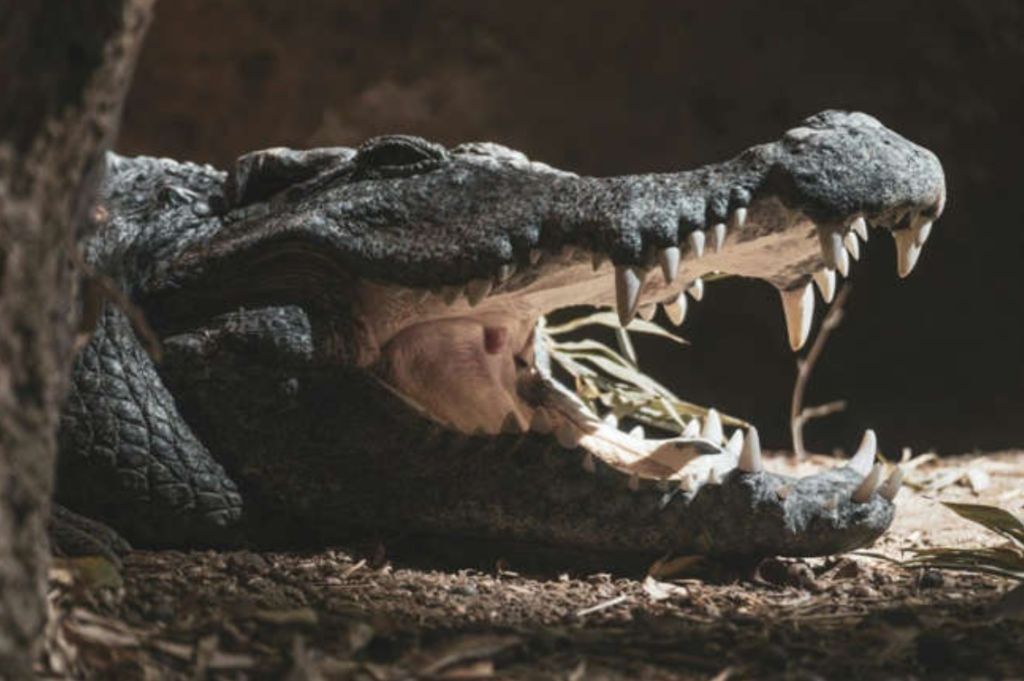
    When people think about crocodiles, they often imagine an almost unbeatable predator. A crocodile can kill animals much larger than itself with its crushing bite and powerful ambush skills. But in the wild, even top predators have weaknesses, and a few animals are strong, smart, or aggressive enough to take one down.

    In this article on 5 animals capable of taking down a crocodile in the wild, you will learn which species can actually win in rare but real encounters. You will also understand how size, location, and surprise can change everything in nature. By the end, you will clearly see that even a crocodile is not invincible.

    Jaguar, the silent river hunter

    Photo by Joanne de Graaff on Unsplash

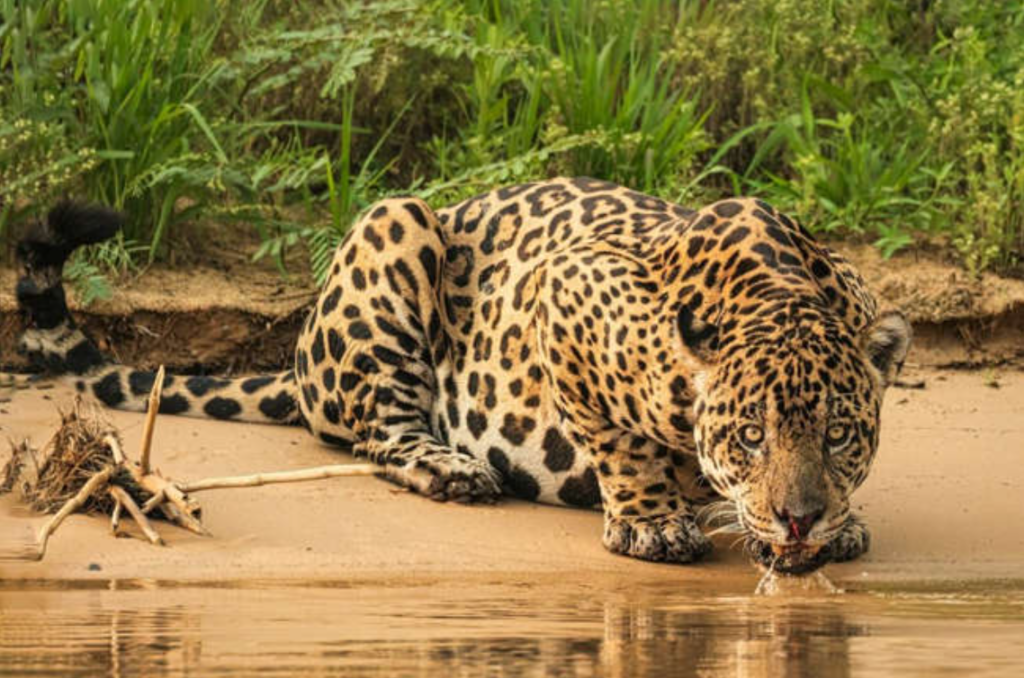
    The jaguar is one of the most skilled crocodile hunters in the animal world. It lives in parts of South America and is known for hunting near rivers, swamps, and wetlands where crocodilians live. Unlike many big cats, the jaguar is very comfortable in water, which gives it a huge advantage.

    Jaguars are powerful enough to kill crocodilians by biting directly into the skull or neck area. Their bite is one of the strongest of any big cat, allowing them to pierce through tough armor. They usually target smaller or medium crocodiles, but in the right situation, they can kill larger ones too. These attacks are quick and rely heavily on surprise, because a long fight would be dangerous even for a jaguar.

    Nile crocodile rivals crocodiles themselves

    Photo by Marianne Lorrain on Unsplash

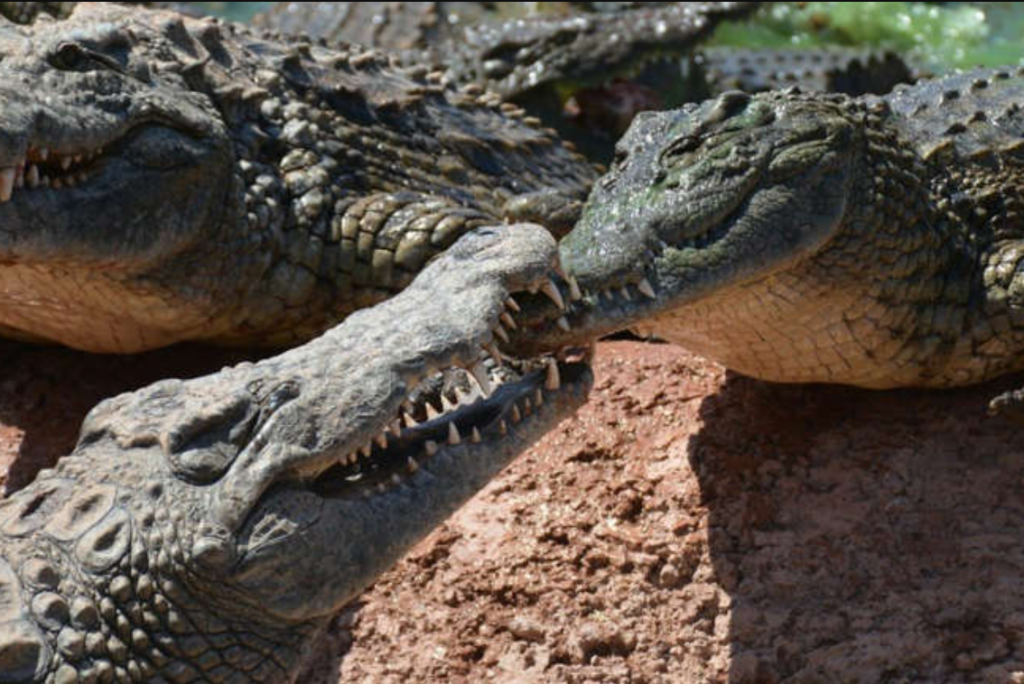
    It may sound strange, but crocodiles can sometimes kill other crocodiles. Larger or more dominant crocodiles will attack smaller or weaker ones, especially during fights over territory or food. These battles often happen in rivers where space is limited, and competition is high.

    Crocodiles have extremely powerful jaws, and a bigger crocodile can easily crush a smaller one. In some cases, cannibalism happens when food is scarce or when a dominant crocodile sees a smaller one as competition. These fights are brutal and short, but they show that even within the same species, survival is not guaranteed.

    Hippopotamus, the unexpected powerhouse

    Photo by Wade Lambert on Unsplash

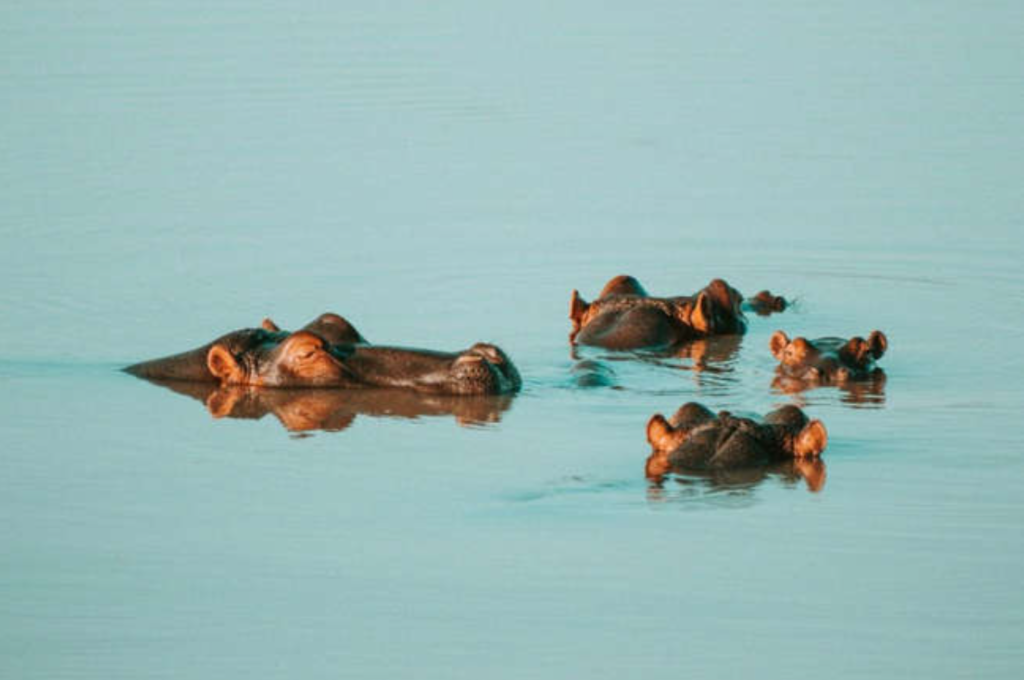
    The hippopotamus is one of the most dangerous animals in Africa and is fully capable of killing a crocodile. Even though hippos are herbivores, they are extremely aggressive and territorial, especially in water. They often share rivers with crocodiles, which leads to frequent confrontations.

    A full-grown hippo has massive jaws that can crush bones with ease. If a crocodile gets too close, a hippo can bite it in half or trample it underwater. Studies and wildlife observations show that hippos do not tolerate crocodiles nearby and will attack them on sight. This makes the hippo one of the most serious threats a crocodile can face.

    Lion the land ambush competitor

    Photo by Fabrizio Frigeni/Unsplash

    Lions are not natural crocodile hunters, but they can still kill crocodiles under the right conditions. These encounters usually happen near water sources when crocodiles are on land or moving between rivers. Lions rely on strength, teamwork, and timing rather than direct confrontation in water.

    A lion can overpower a smaller crocodile on land by targeting its weaker limbs and flipping it over. However, adult crocodiles are extremely dangerous, so lions usually avoid fighting unless they have a clear advantage. Most successful attacks involve younger or injured crocodiles. Even then, it is a risky encounter that both animals try to avoid.

    Tiger, the rare but powerful challenger

    Photo by Don Stott on Unsplash

    Tigers have been known to attack crocodiles in parts of Asia, although these encounters are rare. They are powerful swimmers and strong enough to drag large prey out of the water. When a tiger and crocodile meet, it often happens at riverbanks or shallow water.

    A tiger can use its strength to pin a crocodile and deliver a fatal bite to the neck or head. Like other big cats, it usually targets smaller crocodiles rather than full-grown adults. The tiger’s advantage comes from patience, stealth, and raw strength. Still, these fights are uncommon because both animals tend to avoid unnecessary risk.

    Large constrictor snakes like the anaconda

    Photo by David Clode on Unsplash

    Large snakes such as the anaconda are capable of killing smaller crocodiles, especially juveniles. They do this by wrapping around the crocodile and squeezing until it can no longer breathe. This method works best in water where both animals are already slow and close together.

    Anacondas usually target smaller or medium-sized crocodiles because a large adult would be too dangerous. In swamp environments, surprise plays a key role, as the snake can strike from below without warning. While not a common interaction, it is a real example of how reptiles can dominate one another in specific conditions.

  • Signs a coyote has been quietly circling your home at night

    Signs a coyote has been quietly circling your home at night

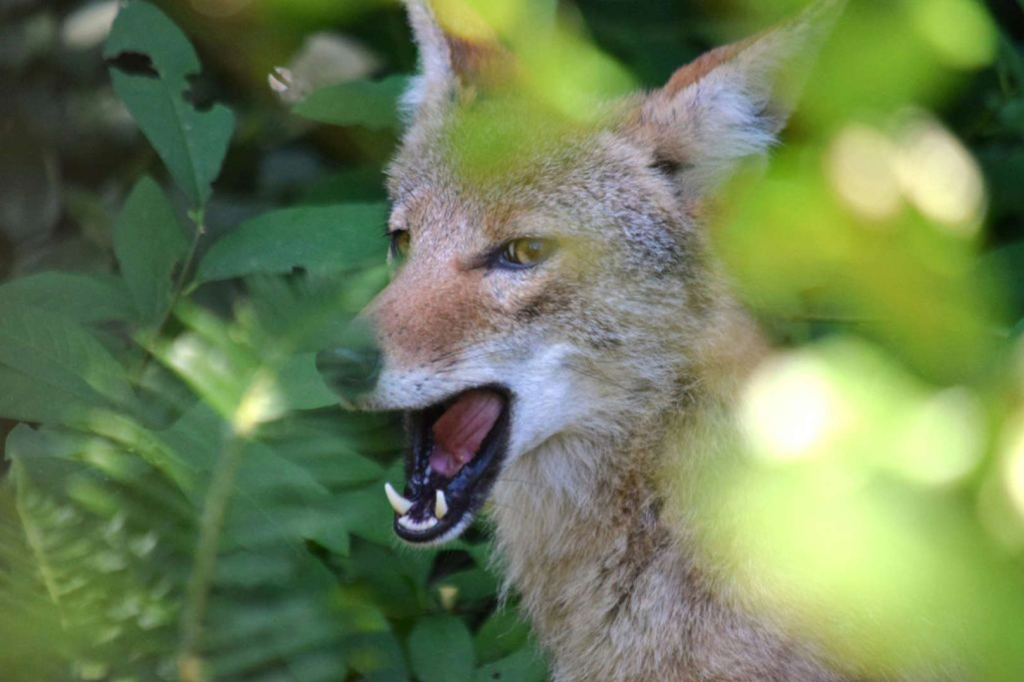
    If you have been hearing strange sounds or noticing unusual activity outside after dark, you may be wondering about signs a coyote has been circling your home at night. Coyotes are quiet, smart animals that often move through neighborhoods without being seen, especially when it is dark. They can walk the same paths repeatedly while searching for food, water, or small animals.

    In this article, you will learn how to spot the clearest signs that a coyote may be regularly visiting or circling your home. You will also understand their behavior in simple terms so you can stay alert without panicking. By the end, you will know what sounds, tracks, and patterns matter most and how to tell normal wildlife activity from a coyote that is sticking too close to your yard.

    Nighttime howling or yipping near your house

    Photo by fr0ggy5 on Unsplash

    One of the most common signs of coyotes nearby is hearing howling, yipping, or barking sounds at night. These sounds often carry far and may seem closer than they really are because of how sound travels at night. Coyotes use these vocal sounds to talk to each other, find their group, or mark territory around neighborhoods.

    Sometimes it can sound like many coyotes are present, even if only a few are there. This happens because their calls overlap and echo across open spaces. While howling alone is not dangerous, repeated vocal activity close to your home may suggest they are using your area as part of their regular route or territory.

    Repeated tracks and narrow walking paths

    Photo by Sydney Moore on Unsplash

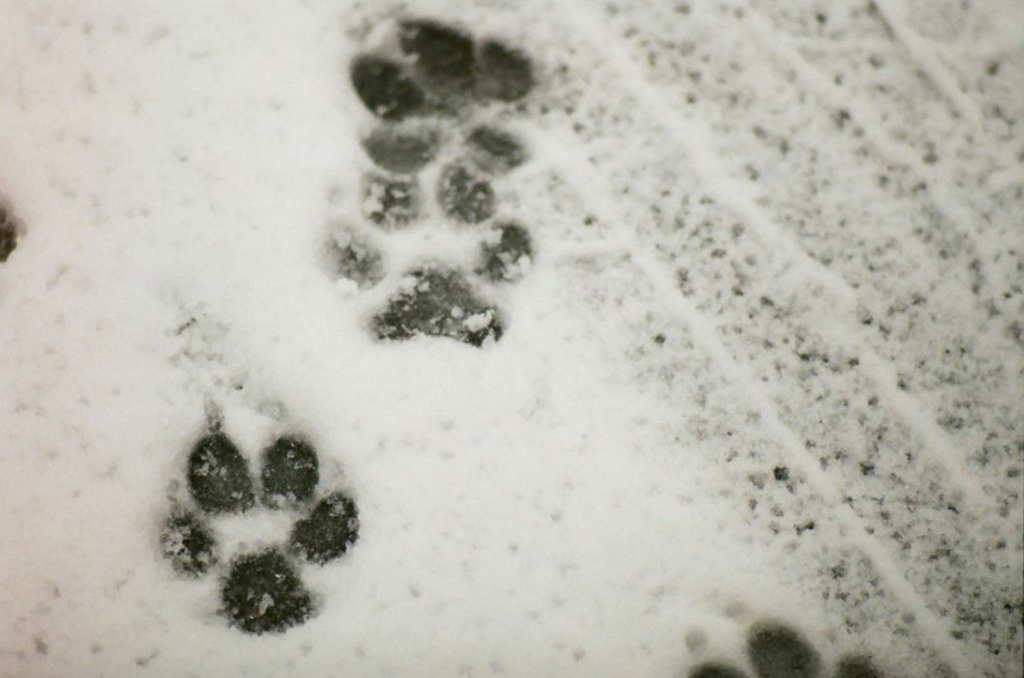
    Another strong sign of coyotes circling your home is finding tracks or paw prints in the same areas again and again. Coyote tracks usually look like dog prints but are narrower and more pointed. They often move in straight lines, showing they are traveling with purpose instead of wandering.

    You may also notice worn-down paths along fences, garden edges, or yard borders. Coyotes like to follow the same routes because it helps them stay hidden while moving efficiently. When you see repeated tracks forming a pattern, it often means the animal is not just passing through once but returning regularly.

    Scat left near yards or trails

    Photo by Roger Starnes Sr on Unsplash

    Coyotes often leave droppings, also called scat, as a way to mark territory. A clear sign of coyote activity near homes is finding scat on walkways, yard edges, or dirt paths. It usually contains fur, seeds, or small bone fragments because coyotes eat a mixed diet.

    This behavior is not random. Coyotes use scat to send messages to other coyotes, telling them that an area is already claimed. If you notice scat appearing in the same places more than once, it may mean a coyote is circling and marking the same territory repeatedly.

    Pets acting nervous or refusing to go outside

    Photo by Razvan Sassu on Unsplash

    Domestic animals often notice coyotes before humans do. A major warning sign is when your dog or cat suddenly becomes restless, alert, or scared at night. Pets may bark more than usual, refuse to go outside, or stare into dark areas of the yard.

    This reaction happens because animals can smell or hear coyotes even when they are not visible. If your pet consistently reacts at the same time each night, it may suggest a coyote is passing close by or circling your property. This behavior is often one of the earliest and most reliable warning signals.

    Unusual nighttime movement or missing small animals

    Photo by Taylor Burnfield on Unsplash

    Coyotes are most active at night, so signs of movement such as rustling bushes, sudden silence outside, or quick shadows can be clues. You may also notice small animals like rabbits or outdoor cats behaving differently or disappearing from the area.

    Coyotes are opportunistic hunters, meaning they take advantage of easy food sources. If they find your neighborhood safe and quiet, they may return often along the same routes. Repeated nighttime movement around fences, trash areas, or gardens can be a sign that they are circling nearby instead of just passing through.

    Signs of territory marking and bold behavior

    Photo by Joshua Wilking on Unsplash

    When coyotes become more confident, they may start marking territory closer to homes. This can include scratching the ground, urinating near fence lines, or leaving scent marks in visible areas. These actions help them communicate with other coyotes and define their space.

    In some cases, you may even notice coyotes staying longer in one area instead of quickly moving away. While they usually avoid humans, repeated sightings or lingering behavior can mean they are getting used to the neighborhood. This is an important sign that they are not just passing by but actively using the area.

  • Your dog will show these 6 signs when he’s truly bonded with you

    Your dog will show these 6 signs when he’s truly bonded with you

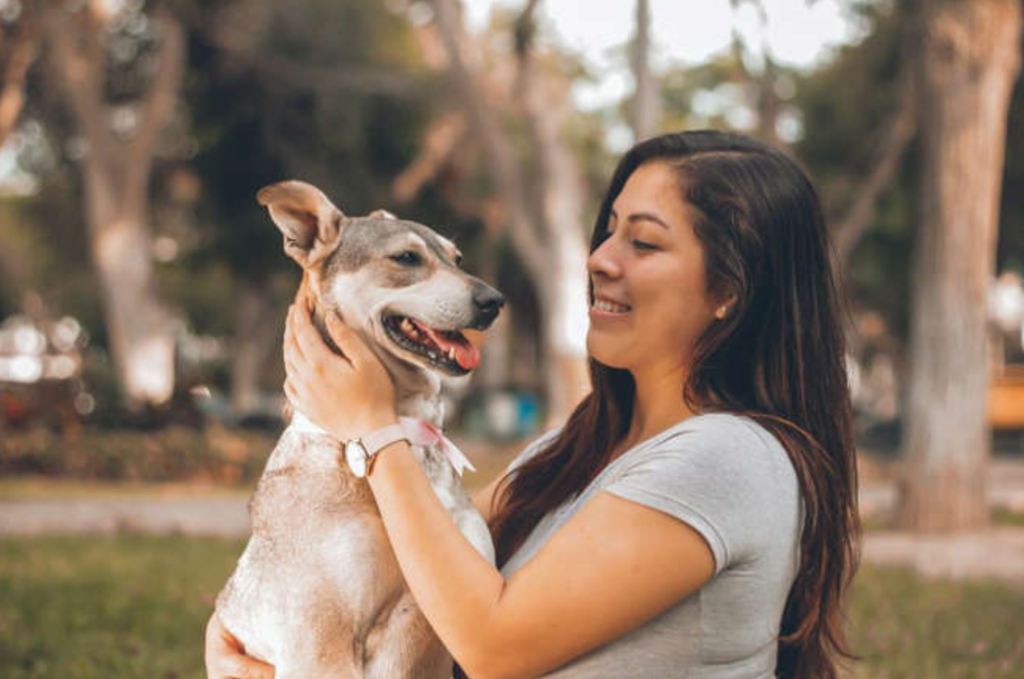
    Your dog will show these 6 signs when he’s truly bonded with you, and learning to notice them can completely change how you understand your pet. Many owners wonder if their dog truly feels attached or is just acting friendly in the moment. The truth is, dogs build strong emotional bonds with their humans through trust, safety, and daily shared experiences.
    When your dog is deeply bonded with you, it shows in clear behaviors like how they greet you, follow you, and respond to your emotions. These signs are not random. They are rooted in real canine behavior and the natural way dogs connect with their “pack.” In this article, you will learn the most reliable signs of a strong dog-human bond so you can better understand your dog’s feelings and strengthen your relationship.

    They follow you everywhere you go

    Photo by Ayesh Rathnayake on Unsplash

    When a dog is truly bonded with you, one of the clearest signs is that they follow you from room to room. This behavior is often called “shadowing,” and it shows that your dog feels safe and connected when you are near. Dogs are naturally social animals, and staying close to their trusted human helps them feel secure.

    In many cases, bonded dogs will even follow you into unusual places like the kitchen or bathroom. This is not just curiosity. It is a sign that your presence is their comfort zone, and they prefer being close to you over being alone. Over time, this constant following becomes a strong indicator of emotional attachment and trust.

    They greet you with strong excitement

    Photo by Berkay Gumustekin on Unsplash

    A bonded dog will almost always greet you with clear excitement when you come home. This can include tail wagging, jumping, barking, or bringing you toys. Research and expert observations show that this “welcome home” behavior is one of the strongest signs of affection in dogs because it reflects emotional connection and anticipation of your return.

    This reaction is linked to positive emotions in dogs, including the release of bonding hormones like oxytocin when they see their owner. A calm or indifferent greeting may suggest a weaker bond, but an enthusiastic welcome usually means your dog sees you as a very important part of their life. The stronger the reaction, the deeper the attachment often is.

    They maintain soft eye contact with you

    Photo by Manuel Meza on Unsplash

    Eye contact is another powerful sign that your dog is bonded with you. When your dog looks at you with relaxed eyes, it is not just staring. It is a form of communication and trust. In bonded relationships, dogs use eye contact to connect emotionally and feel closer to their owner.

    This kind of eye contact is different from a tense or fearful stare. A bonded dog will have soft eyes, a relaxed body, and may even blink slowly. Studies in animal behavior show that gentle eye contact between dogs and humans can increase bonding hormones in both, strengthening the emotional connection over time.

    They respond quickly to your voice and cues

    Photo by Richard Brutyo on Unsplash

    A deeply bonded dog tends to listen to you more carefully than others in the household. This does not only mean obeying commands. It also includes reacting to your tone, recognizing your voice, and paying attention when you speak. Dogs naturally learn to focus on people they trust and feel connected to.

    This responsiveness shows that your dog values your communication and sees you as a leader or safe figure. Bonded dogs are more likely to come when called, sit when asked, or even adjust their behavior based on your mood. It is a sign that your dog is emotionally tuned in to you.

    They lean on you or seek physical closeness

    Photo by Helena Lopes on Unsplash

    Physical closeness is a strong sign of bonding in dogs. When your dog leans against you, sits on your feet, or rests their body close to you, it often means they feel safe and comforted. This behavior comes from a natural instinct where dogs stay close to trusted members of their group for protection and security.

    In bonded dogs, this behavior becomes more common during calm moments or even when they are slightly nervous. Leaning or cuddling is their way of saying they trust you completely. It is also a form of emotional support, showing that your presence helps them feel stable and relaxed.

    They mirror your emotions and behavior

    Photo by Sue Winston on Unsplash

    Dogs that are strongly bonded with their owners often mirror their owners ‘ emotions. If you are calm, they may relax with you. If you are excited, they may become playful and energetic. This emotional mirroring shows that your dog is closely connected to your mood and energy.

    This behavior is a sign of deep emotional awareness and attachment. Bonded dogs may also comfort you when you are upset by staying close, licking your hand, or resting beside you. It reflects a strong emotional link where your dog not only notices your feelings but responds to them in a caring way.

  • A rare squirrel attack in California leaves two people hospitalized after an unexpected encounter

    A rare squirrel attack in California leaves two people hospitalized after an unexpected encounter

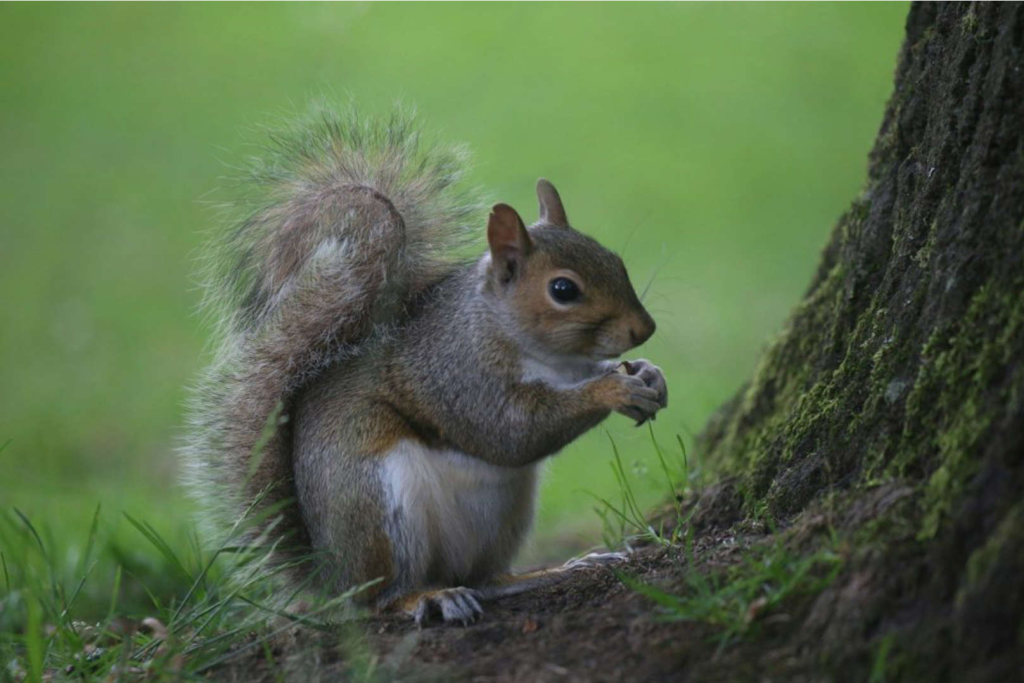
    A rare squirrel attack in California has surprised many residents after two people were rushed to the hospital following an unexpected and alarming encounter with a wild squirrel behaving in a highly unusual way. While squirrels are normally seen as harmless animals that quickly run away from people, this situation unfolded very differently and caused concern across a quiet neighborhood in Northern California. The sudden nature of the attacks left residents confused, worried, and searching for answers about how such a small animal could cause real injuries.

    In this article, you will learn what happened during the California squirrel attacks, where the incidents took place, and how two people ended up needing medical care after being bitten and scratched. We will also look at what experts believe caused this strange behavior, how the local community reacted, and what safety lessons people can take from this rare wildlife event. The goal is to help you clearly understand the situation in simple terms while staying informed about real risks in everyday outdoor environments.

    What happened during the squirrel attack

    Photo by Daniel Olaleye on Unsplash

    In a residential neighborhood in San Rafael, California, residents experienced a series of sudden squirrel attacks that quickly turned into a serious public safety concern after at least two people were injured. The squirrel reportedly behaved in an aggressive and bold manner, jumping directly at people who were simply walking outside in the morning and early afternoon hours. Victims said the animal did not act like a typical squirrel and instead clung to them while biting and scratching before running off unexpectedly.

    One of the victims explained that she had no warning before the squirrel jumped onto her leg and began scratching her skin in a way that caused bleeding and panic. Another person described the squirrel attempting to jump toward her upper body, forcing her to protect her face and arms while trying to get away. These repeated encounters within the same neighborhood made the situation more alarming, especially because squirrels are usually shy animals that avoid close contact with humans.

    Where the incidents took place in California

    Photo by Nathan Barteau on Unsplash

    The squirrel attacks occurred in the Lucas Valley area of San Rafael, which is part of the larger San Francisco Bay region known for its peaceful residential streets and natural surroundings. This neighborhood is typically filled with walking paths, trees, and common wildlife sightings that rarely involve any danger to people. Because of this calm environment, residents were especially surprised and concerned when reports of aggressive squirrel behavior started spreading quickly.

    Local authorities and community members responded by sharing warnings and safety notices throughout the area to alert people about the unusual situation. Signs and messages advised residents to stay cautious while outdoors and to avoid approaching any squirrels that appeared unusually bold or unafraid. Wildlife officials also monitored the area closely to understand whether this behavior was isolated or part of a larger pattern involving human interaction with local animals.

    How the victims were injured

    Photo by Reinhard A. Deutsch on Unsplash

    The injuries caused by the squirrel attacks were mainly bites and scratches that required immediate medical attention to prevent infection and further complications. One victim reported that the squirrel latched onto her leg during a normal walk, causing multiple scratches that broke the skin and led to bleeding. The suddenness of the attack made it difficult for her to react quickly enough to avoid injury.

    Another victim experienced similar injuries after the squirrel reportedly jumped toward her upper body in an aggressive motion that caused panic and confusion. She described the experience as frightening because the animal did not retreat easily and seemed determined during the encounter. Although the injuries were not life-threatening, hospital treatment was necessary to properly clean the wounds and ensure there were no infections or complications afterward.

    Why experts say the squirrel acted aggressively

    Photo by Zuzanna J on Unsplash

    Wildlife experts believe that the unusual behavior of the squirrel may be connected to human influence, especially if the animal had become used to receiving food from people in the neighborhood. When wild animals are frequently fed by humans, they can lose their natural fear and begin to associate people with food sources. If that expectation is not met, the animal may act aggressively or behave in unpredictable ways while searching for food.

    Experts also emphasized that squirrels are not naturally aggressive toward humans and usually prefer to avoid contact whenever possible. In this case, the aggressive behavior may have developed over time due to repeated exposure to people in the area. This could have created a situation where the squirrel felt comfortable approaching humans too closely, which ultimately led to the unexpected attacks.

    How the community responded to the attacks

    Photo by Thiago Patriota on Unsplash

    After the squirrel attacks were reported, residents in the neighborhood became more cautious about spending time outdoors, especially during early morning walks and evening activities. Many people changed their usual walking routes and kept a closer watch on their surroundings to avoid any further unexpected encounters with wildlife. The situation created a sense of concern in an area where such incidents are extremely uncommon.

    Local wildlife officials also stepped in to investigate the situation and provide guidance to the community about how to stay safe. They advised residents not to feed wild animals under any circumstances and to report any aggressive or unusual animal behavior immediately. In some cases, officials also considered additional steps to prevent further incidents if the squirrel continued to pose a risk to public safety.

    What this incident teaches about wildlife safety

    Photo by Ana Paula Grimaldi on Unsplash

    This rare squirrel attack highlights an important lesson about how human behavior can influence wildlife in unexpected ways, especially in suburban areas where people and animals share close spaces. Even small animals that are usually harmless can become unpredictable if they lose their natural fear of humans or begin relying on people for food. Understanding this connection is important for preventing similar incidents in the future.

    Experts strongly recommend keeping a safe distance from wild animals and avoiding any interaction that might encourage them to approach humans. Feeding wildlife may seem harmless, but it can lead to changes in behavior that increase risks for both animals and people. Respecting natural boundaries is the most effective way to maintain safety in shared environments.

  • These animals are protected by law right outside your home

    These animals are protected by law right outside your home

    Have you ever noticed birds in your yard, squirrels on your fence, or even bats flying at dusk, and wondered if you are allowed to interact with them? In many places across the United States, these animals protected by law are right outside your home, and most people do not even realize it. These protections exist to keep wildlife safe, balanced, and alive for future generations.
    In this article, you will learn which common backyard animals are legally protected, why the laws exist, and what you are allowed or not allowed to do if you encounter them. Understanding these rules helps you avoid legal trouble while also protecting nature in your own neighborhood.

    Why do wildlife laws exist in neighborhoods?

    Photo by Bradley Singleton on Unsplash

    Wildlife laws exist because many animals once faced serious threats from hunting, habitat loss, and human activity. Over time, governments created rules to protect them and keep ecosystems healthy. These protections apply even in residential areas, not just forests or national parks.

    One major law in the United States is the Migratory Bird Treaty Act, which protects more than a thousand native bird species. This law makes it illegal to capture, harm, or keep many wild birds without permission. It also protects nests, eggs, and even feathers in many cases.

    Birds you see daily are often protected

    Photo by Patrice Bouchard on Unsplash

    Many of the birds you see every day are legally protected, even if they seem common. Birds like robins, cardinals, blue jays, and sparrows are covered under federal law because they are native migratory species. This means you cannot keep them as pets or disturb their nests.

    Even something as simple as moving a nest with eggs inside can break the law. These protections help bird populations stay strong and safe across cities and suburbs. According to federal wildlife rules, more than 1,000 bird species fall under these protections across the country.

    Raptors and owls have strict protection

    Photo by Phil Robson on Unsplash

    Birds of prey like hawks, eagles, falcons, and owls receive even stronger legal protection. These animals are important for controlling rodent populations and keeping ecosystems balanced. Because of their importance, they are protected under both federal and state laws.

    In most cases, you are not allowed to touch, feed, or capture them at all. The only rare exception is for licensed falconers who go through strict training and permits. Even then, these birds are still heavily regulated and not treated like pets.

    Mammals living around your home are also protected

    Photo by Joshua J. Cotten on Unsplash

    It is not just birds that are protected. Many small mammals you see in neighborhoods also fall under wildlife laws. Animals like bats, foxes, raccoons, and some squirrel species are protected depending on the state and situation.

    For example, bats are protected because many species are endangered or important for controlling insects. Laws can also protect their roosting sites, even inside buildings or trees on private land. Disturbing or removing them without permission can lead to penalties.

    Reptiles and amphibians in your area

    Photo by David Clode on Unsplash

    Reptiles and amphibians like turtles, frogs, and certain snakes are also protected in many regions. Some turtle species are especially vulnerable because of habitat loss and illegal trade. This means removing them from the wild is often illegal.

    Even if you find a turtle crossing a road or a frog in your yard, it is usually best to leave it alone. In some areas, handling or relocating them requires a permit. These laws help prevent population decline and keep ecosystems stable.

    What you can and cannot do

    Photo by Artem Makarov on Unsplash

    Even though these animals live close to your home, there are clear limits on how you can interact with them. You are usually allowed to observe them, take photos, and enjoy their presence from a distance. However, capturing, harming, or keeping them without permission is illegal in most cases.

    If you find injured wildlife, the correct action is to contact a licensed wildlife rehabilitator. Trying to care for protected animals on your own can lead to legal problems and may also harm the animal. These rules are designed to protect both people and wildlife.

  • How an invasive species is reshaping an entire island’s ecosystem

    How an invasive species is reshaping an entire island’s ecosystem

    Invasive species reshaping an entire island’s ecosystem is one of the most powerful examples of how a single outside organism can change nature. When a non native plant or animal is introduced to an island, it often spreads fast because there are no natural enemies to stop it. This can quickly disrupt food chains, damage native habitats, and push local species toward decline.

    In this article, you will learn how invasive species take over island environments, why islands are especially vulnerable, and how these changes affect plants, animals, and even the land itself. You will also see real examples of how ecosystems shift when balance is lost. The goal is to help you clearly understand how one species can reshape an entire natural system in surprising ways.

    Why are islands so vulnerable to invasive species?

    Photo by Marek Okon on Unsplash

    Islands are like natural “closed worlds” where species evolve in isolation for thousands of years. Because of this isolation, many native animals and plants do not develop strong defenses against new predators or competitors. When an invasive species arrives, it can spread quickly without much resistance from the local ecosystem.

    Another reason islands are vulnerable is their limited space and resources. Unlike continents, islands cannot easily absorb sudden changes in population balance. Studies show that island ecosystems often experience stronger impacts from invasive species because even small disruptions can affect the entire food web and environment.

    How invasive animals change food chains

    Photo by Michelle Gordon on Unsplash

    When invasive animals enter an island, they often become new predators or competitors that native species are not prepared for. For example, rats introduced to islands have been known to eat bird eggs, insects, and seeds, reducing the survival rate of native wildlife. This changes how energy moves through the food chain and can weaken entire populations over time.

    As native species decline, other parts of the ecosystem also shift. Birds that once controlled insect populations may disappear, allowing insects to grow in number. This chain reaction can affect plants, soil quality, and even water systems. On many islands, invasive predators have caused long-term declines in seabird colonies, which are key to maintaining ecological balance.

    The impact on native plants and forests

    Photo by Thomas Kelley on Unsplash

    Invasive herbivores like goats and deer can dramatically change island vegetation. These animals eat native plants faster than they can grow back, stripping hillsides and forests bare. Over time, this leads to soil erosion, loss of plant diversity, and changes in how water moves through the land.

    Once native plants are reduced, invasive plants often move in and take over. These plants usually grow fast and spread easily, but they do not support the same wildlife as native species. This means birds, insects, and other animals that depended on the original plants may struggle to survive, creating a weaker and less diverse ecosystem.

    How ecosystems physically transform over time

    Photo by Jonathan Mast on Unsplash

    As invasive species spread, they not only change living things but also change the land itself. For example, when grazing animals remove vegetation, hillsides become exposed to wind and rain. This can lead to soil loss and even changes in river flow patterns. Over time, the island’s landscape can look completely different from its natural state.

    In some cases, islands that once had dense forests or rich plant life become dry, open, or heavily simplified environments. Scientists have observed that long-term invasive pressure can transform entire habitats into new ecological systems that no longer support the original native species. This shows how deeply biological invasions can reshape physical environments.

    Why do invasive species spread so quickly on islands?

    Photo by Mert Guller on Unsplash

    Invasive species often spread quickly on islands because they face fewer predators and competitors. Without natural controls, their populations can grow much faster than native species. This gives them a strong advantage in survival and reproduction.

    Human activity also plays a major role in spreading invasive species. Ships, cargo, tourism, and agriculture can accidentally introduce new organisms to islands. Once established, these species are very difficult to remove, especially in remote or large island systems. This makes early detection and prevention extremely important for protecting ecosystems.

    What happens when balance is lost and recovery efforts

    Photo by Jules Bassoleil on Unsplash

    When invasive species dominate, the natural balance of an island ecosystem can collapse. Native species may decline or disappear, food webs become unstable, and habitats lose their diversity. In some extreme cases, the ecosystem becomes dependent on the invasive species, even though it is harmful overall.

    However, recovery is possible if invasive species are removed. On some islands, conservation programs have successfully eliminated rats or goats, allowing native plants and birds to return. This shows that ecosystems can heal, but only when long-term protection and careful management are in place.

  • 6 U.S. states leading the nation in wild turkey population

    6 U.S. states leading the nation in wild turkey population

    The wild turkey population in the US states has become one of the biggest wildlife success stories in America. These large birds were once close to disappearing in many regions, but strong conservation work helped them recover across the country. Today, wild turkeys are found in forests, farmlands, mountains, and even suburban areas in many states.

    Some states now hold huge numbers of wild turkeys because of good habitat and smart wildlife management. Food sources, nesting cover, and safe land areas all play a big role in where turkeys grow the most. In this article, we will look at the 6 U.S. states that lead the nation in wild turkey populations and understand why these places are so important for the species.

    Texas leads the nation in wild turkeys

    Photo by Loik Marras on Unsplash

    Texas has the highest wild turkey population in the United States. The state is believed to have hundreds of thousands of birds, often estimated at around half a million or more. Most of these are Rio Grande wild turkeys, which do very well in dry brush areas and river valleys across the state.

    The large size of Texas gives turkeys plenty of room to spread out and live safely. Ranchlands, open fields, and wooded river zones create the perfect mix of food and shelter. Wildlife programs also help manage the population carefully, which keeps numbers strong and stable year after year.

    Missouri remains a major turkey stronghold

    Photo by AJ Wallace on Unsplash

    Missouri is one of the top wild turkey states in the country, with a strong population often estimated in the hundreds of thousands. The state is especially known for its Eastern wild turkeys, which live in forests, hills, and farmland edges. Missouri is often seen as one of the best turkey hunting and viewing states in America.

    This strong population is the result of one of the most successful wildlife recovery efforts in U.S. history. Turkeys were once nearly gone from Missouri, but careful reintroduction and habitat protection brought them back. Today, they can be found across nearly every county in the state.

    Wisconsin supports strong northern turkey habitat

    Photo by Dave Hoefler on Unsplash

    Wisconsin has a large and healthy wild turkey population, often estimated at over 300,000 birds. These turkeys are mostly Eastern wild turkeys that live in forests, farmland, and wetland edges. They are now a common sight across both rural and suburban parts of the state.

    Wisconsin’s turkey comeback is another major wildlife success story. After disappearing in the early 1900s, turkeys were brought back through reintroduction programs. Over time, they adapted well to the state’s mix of farmland and forest, allowing the population to grow steadily.

    Alabama stays a strong southern turkey state

    Photo by Josh Pigford on Unsplash

    Alabama is one of the strongest wild turkey states in the southeastern United States, with an estimated population of around 300,000 birds. These Eastern wild turkeys thrive in the state’s warm climate and thick forests. Alabama’s long growing season also helps support healthy breeding cycles.

    The state offers a wide mix of pine forests, hardwood areas, and open fields that turkeys use for feeding and nesting. Wildlife management programs help keep the population balanced through regulated hunting seasons and habitat care. This ensures turkeys remain common across most regions of the state.

    Kentucky provides a balanced turkey habitat

    Photo by Jeff Arnold on Unsplash

    Kentucky has a strong wild turkey population that is often estimated between 250,000 and 300,000 birds. The state’s rolling hills and hardwood forests create perfect nesting and feeding conditions. Eastern wild turkeys are the main subspecies found here.

    Kentucky also benefits from a natural mix of food sources like acorns, seeds, and insects. These resources help turkeys grow strong and raise their young successfully. Conservation efforts have helped expand their range across both rural and suburban areas.

    North Carolina shows strong turkey recovery

    Photo by Jake Johnson on Unsplash

    North Carolina is another top state for wild turkeys, with an estimated population of around 270,000 birds. The state has a mix of mountains, forests, and coastal plains, which gives turkeys many different habitats to live in. Eastern wild turkeys are the most common type found here.

    Years ago, turkey numbers dropped due to habitat loss and overhunting, but recovery programs helped bring them back. Today, turkeys are widely spread across the state. Forests and farmland together provide food, shelter, and safe nesting areas that support steady population growth.

    California supports a wide but spread population

    Photo by mana5280 on Unsplash

    California has a wild turkey population estimated at around 250,000 birds. Unlike some eastern states, turkeys in California are spread out across many regions, including valleys, foothills, and even suburban zones. The state has multiple turkey subspecies, including Rio Grande and Merriam’s turkeys.

    These birds were introduced to some parts of California but have since expanded naturally across the landscape. The state’s varied geography helps it survive in both dry and forested environments. Their adaptability is one of the main reasons the population continues to grow.