Category: Uncategorized

  • Common backyard birds that may cause problems for homeowners

    Common backyard birds that may cause problems for homeowners

    Common backyard birds that may cause problems for homeowners are often seen as harmless guests, but they can quickly turn into a real nuisance when they gather in large numbers or start nesting in the wrong places. If you have noticed loud noises, messy droppings, or damage around your roof, vents, or garden, you are not alone. Many homeowners across the United States face similar issues with certain bird species that adapt well to human spaces.

    In this article, you will learn which backyard birds are most likely to cause trouble, why they behave this way, and what kinds of problems they create around homes. You will also understand how these birds impact property, health, and outdoor spaces in simple terms. The goal is to help you clearly identify problem birds and understand the risks so you can better protect your home and yard.

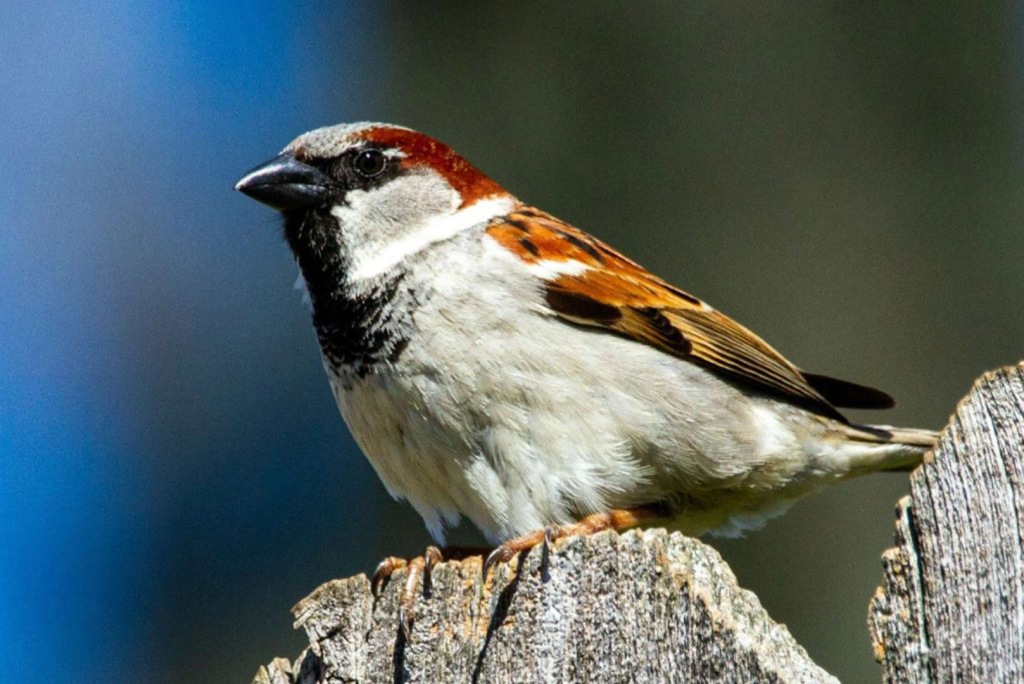
    House sparrows nesting in roofs and vents

    Photo by Joshua J. Cotten on Unsplash

    House sparrows are one of the most common backyard birds that cause problems for homeowners, especially in suburban and city areas. These small birds are known for squeezing into tiny gaps in roofs, walls, and vents to build nests. Once they settle in, they often return to the same nesting spot year after year, making the problem worse over time.

    Their nests can block vents and gutters, which may lead to water damage or poor airflow inside homes. In some cases, their nesting material can even become a fire risk when built near electrical wiring. They also create constant noise and leave droppings that can stain walls, windows, and outdoor surfaces.

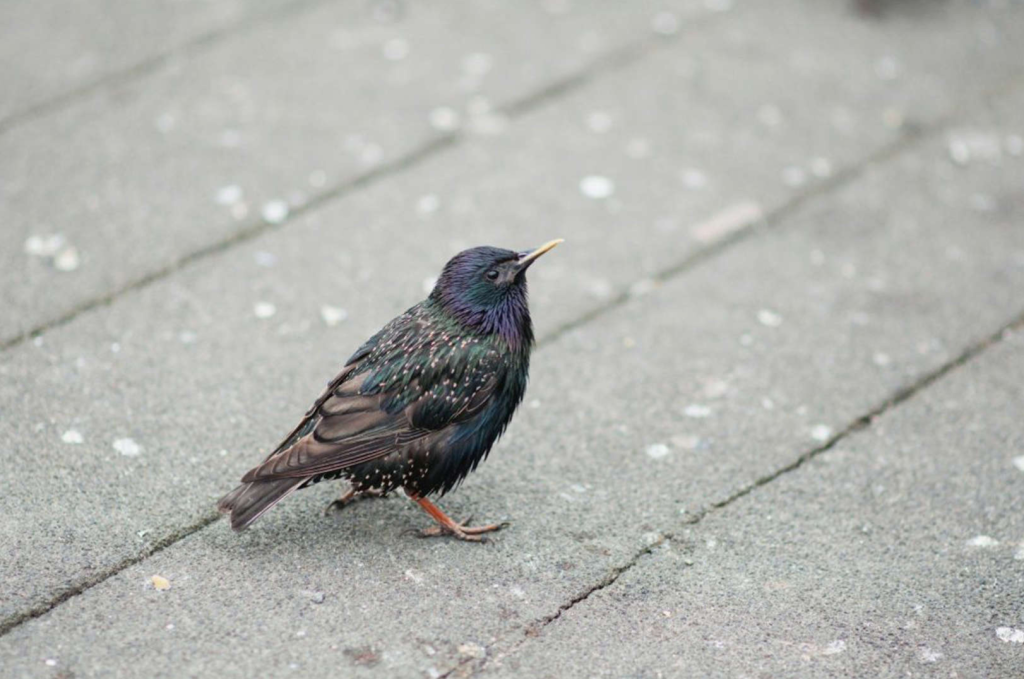
    European starlings in large, aggressive flocks

    Photo by Anshu A on Unsplash

    European starlings are highly social birds that often gather in large, noisy flocks. These flocks can quickly take over feeders, rooftops, and trees, pushing out other bird species. Because of their numbers, they can create serious cleanup problems for homeowners.

    Their droppings are not only messy but can also damage paint, metal, and outdoor furniture over time. Large roosts can create strong odors and make outdoor areas unpleasant to use. Starlings may also nest in building openings, which can lead to clogged vents and long-term property issues.

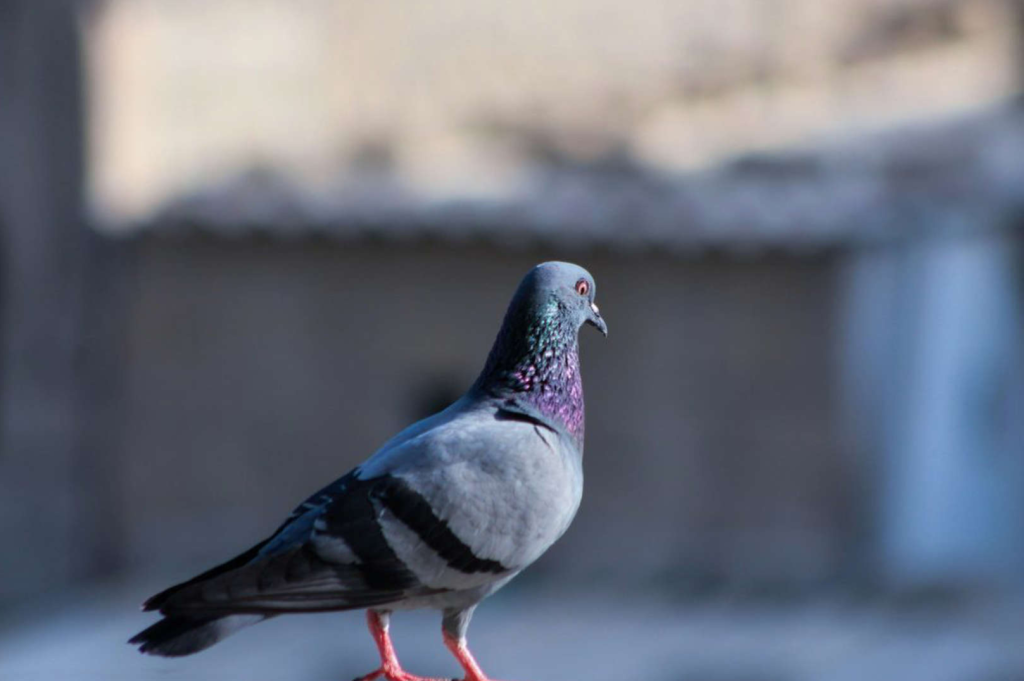
    Pigeons leaving droppings on buildings

    Photo by Dawood Javed on Unsplash

    Pigeons are another common backyard bird that can become a major issue for homeowners. They often roost on roofs, ledges, and balconies, where they leave large amounts of droppings. These droppings can build up quickly and are difficult to clean once they dry.

    Over time, pigeon waste can damage roofing materials and stain outdoor surfaces. It can also create slippery walkways, which increases the risk of accidents. In crowded urban and suburban areas, pigeons can become a constant maintenance problem for homeowners trying to keep their property clean.

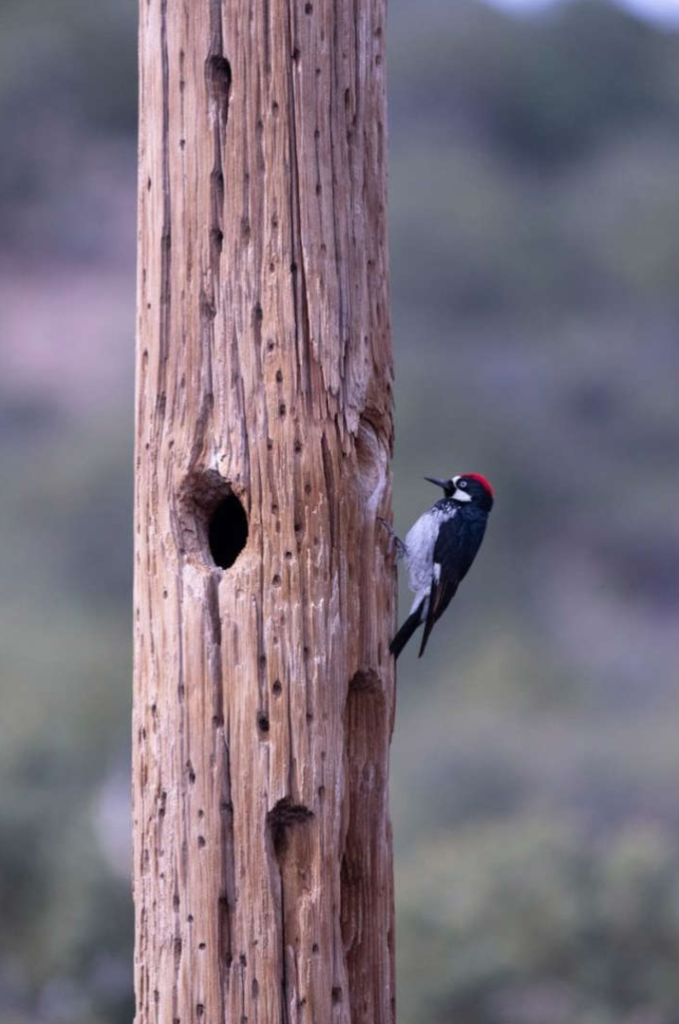
    Woodpeckers are damaging siding and wood structures

    Photo by Dulcey Lima on Unsplash

    Woodpeckers are unique because they do not usually gather in large groups, but they can still cause serious damage to homes. They peck on wood surfaces to search for insects or to create nesting holes. This behavior often targets siding, eaves, and wooden trim on houses.

    Their repeated pecking can leave visible holes and weaken the structure of wooden surfaces. The loud noise can also be very disruptive, especially early in the morning. While they are protected birds in many areas, they can still create costly repairs for homeowners when they choose a house as their target.

    Grackles and crows are taking over outdoor spaces

    Photo by Misty Ladd on Unsplash

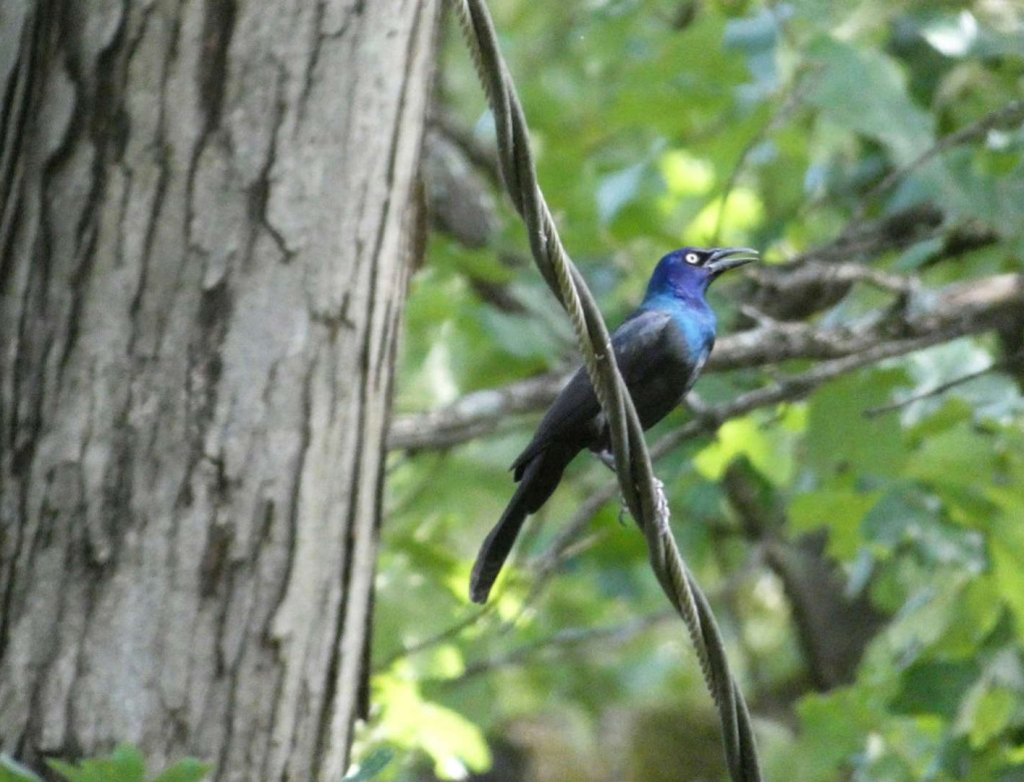
    Grackles and crows are larger backyard birds that often gather in noisy groups. They are intelligent birds that quickly learn where food sources are available, especially around trash bins, gardens, and outdoor eating areas. Once they find a reliable food spot, they tend to return regularly.

    These birds can scatter trash, steal pet food, and damage crops or garden plants. Their loud calls and large group behavior can make outdoor spaces feel chaotic and unpleasant. In some cases, they also scare away smaller songbirds from feeders and yards.

    Canada geese are damaging lawns and water areas

    Photo by Joshua Ralph on Unsplash

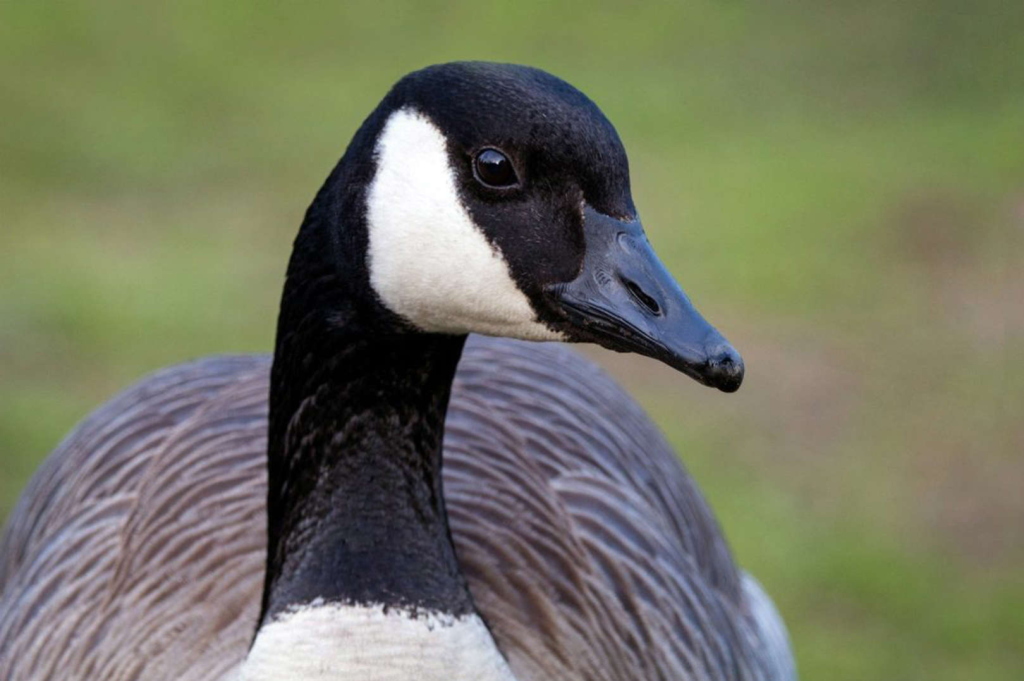
    Canada geese are large water birds that often become a serious problem in neighborhoods with ponds, parks, or golf course-style lawns. They graze heavily on grass, which can quickly lead to damaged or patchy lawns. Their constant presence can make outdoor areas messy and hard to maintain.

    Their droppings are large and frequent, creating sanitation concerns in public and private spaces. They can also become aggressive when protecting nests or young goslings. Because they travel in groups, the damage they cause is often widespread and difficult for homeowners to control.

  • A 550-pound deer fatally attacks its owner after pinning him against a fence

    A 550-pound deer fatally attacks its owner after pinning him against a fence

    A rare but deadly case of a large pet deer attack has raised serious concerns about keeping wild animals in enclosed spaces. The incident reportedly involved a roughly 550-pound deer that fatally injured its owner after pinning him against a fence on private property. While deer are often seen as calm and harmless, cases like this show how powerful and dangerous they can become, especially during stress or breeding season. This article explains what is known about deer attacks, how such incidents happen, and why they can turn deadly. It also breaks down real documented cases to help you understand the risks clearly and accurately.

    What is known about the fence attack incident

    Photo by Marcel Kipp on Unsplash

    Reports describe a situation where a large captive deer became aggressive and trapped its owner against a fence, leading to fatal injuries. The animal’s size, estimated at around 550 pounds, suggests it was likely a mature buck, which can become highly territorial and strong during rutting season. In similar documented cases, deer kept in pens or fenced areas have suddenly turned aggressive without warning.

    In one widely reported incident in the United States, a man keeping deer on his property was fatally injured when a buck attacked inside an enclosure, and authorities later confirmed the animal had been confined with other deer on private land. These cases are rare, but they show a pattern where close human contact and confinement can increase danger significantly.

    Why deer can become unexpectedly aggressive

    Photo by Sjoukje Bos on Unsplash

    Deer are generally shy animals in the wild, but their behavior changes when they are stressed, cornered, or in breeding season. Male deer, especially bucks, can become highly aggressive due to hormonal changes that increase territorial instincts and physical strength. This is when even familiar animals may act unpredictably.

    Experts have noted that deer attacks, while uncommon, are more likely when humans keep them in pens or treat them like pets. In captivity, deer lose natural escape routes, which can make them fight instead of flee when they feel threatened. This shift in behavior is one of the main reasons accidents happen in fenced environments.

    The role of fencing and confined spaces

    Photo by Calvin Ma on Unsplash

    Fencing is meant to keep animals and humans safe, but in some cases, it can make encounters more dangerous. When a deer is unable to escape, it may panic and attempt to fight through force, using its hooves and antlers. In a tight space like a pen or narrow yard, this can quickly turn into a life-threatening situation.

    There are multiple recorded cases where deer have been found impaled or trapped on fences after attempting to jump or escape enclosures, showing how dangerous barriers can become during panic situations. In attack situations, fencing can also trap a person and an animal together, increasing the chance of severe injury.

    How powerful a large deer can be

    Photo by Nick Fewings on Unsplash

    A 550-pound deer is not an average animal. Large bucks can weigh between 300 and 600 pounds, depending on species and environment, and they carry significant muscle mass in their neck and shoulders. This gives them enough strength to knock down or pin a grown adult under certain conditions.

    When a deer strikes, it typically uses its head, antlers, and front legs in rapid movements. These strikes can cause deep puncture wounds or blunt force trauma. In fatal cases, victims often suffer from internal injuries after being knocked down or pinned, especially if help is not immediate.

    Similar real-life deer attack cases

    Photo by Bob Brewer on Unsplash

    Although rare, there are several documented cases of deer attacking humans in captivity or close-contact situations. In one case in New York, a man was killed by a deer he was keeping on his property, and officials confirmed the animal had been confined in a pen with others. Another case in Australia involved a pet deer that fatally attacked its owner and seriously injured another family member inside an enclosure.

    These incidents show a consistent pattern: most fatal deer attacks happen when humans keep deer in fenced areas or interact too closely with them. Wild deer rarely attack unless provoked or cornered, but captive situations increase risk significantly.

    Why these incidents remain rare but serious

    Photo by Greg Roll on Unsplash

    Deer attacks are still considered rare compared to other animal incidents, but when they happen, they can be severe due to the animal’s size and strength. Wildlife experts explain that deer do not naturally seek out humans as prey, which is why most encounters end without harm. However, unpredictable behavior can occur when animals are stressed or handled incorrectly.

    Another important factor is human perception. Deer often appear calm and safe, which can lead people to underestimate their physical power. This misunderstanding is a major reason injuries happen when people attempt to feed, pet, or confine them without proper knowledge or safety measures.

  • Orphaned bear cubs reach a major milestone after rescue care following their mother’s euthanasia

    Orphaned bear cubs reach a major milestone after rescue care following their mother’s euthanasia

    Orphaned bear cubs reach a major milestone after rescue care following their mother’s euthanasia has drawn attention from wildlife experts and animal lovers who are following their recovery journey closely. If you have ever wondered what happens to baby bears after losing their mother in the wild, this story gives a clear and hopeful answer. It shows how trained wildlife teams step in to give these young animals a second chance at life.

    This article explains how two orphaned bear cubs are progressing after being rescued and placed under professional care. You will learn how they were found, why their mother was euthanized, and how experts are helping them survive without becoming dependent on humans. By the end, you will understand the careful steps taken to prepare them for a safe return to the wild.

    How the bear cubs were rescued

    Photo by webidrole on Pixabay

    The two bear cubs were found in Southern California after their mother was euthanized due to repeated dangerous encounters with humans. Wildlife officials confirmed the adult bear had been involved in multiple incidents, including swiping at people in residential areas. After these events, authorities made the difficult decision to remove her for public safety reasons.

    The cubs were discovered nearby and taken to a specialized facility run by trained wildlife experts. At the time of rescue, they were only about two to three months old and still completely dependent on their mother for survival. Without immediate help, they would not have survived on their own in the wild.

    Why was their mother euthanized?

    Photo by Artur Tumasjan on Unsplash

    The cubs’ mother was labeled a “public safety bear” after multiple interactions with humans in a populated neighborhood. Reports confirmed she had approached homes and made physical contact with people during separate incidents. Wildlife officials determined that relocation was not a safe option due to her repeated behavior.

    Experts explained that once a bear becomes too comfortable around humans, it often continues seeking food or shelter near people. This behavior increases the risk of more dangerous encounters in the future. Because of this, officials made the decision to euthanize her to prevent further harm while ensuring the cubs could still be rescued.

    First days at the wildlife center

    Photo by Bobby Mc Leod on Unsplash

    After being brought to the San Diego Humane Society’s Ramona Wildlife Center, the cubs required constant care and feeding. They were very small and needed formula several times a day to survive. Staff members worked around the clock to make sure they stayed warm, fed, and healthy.

    During this early stage, the biggest challenge was keeping the cubs from bonding with humans. If they became too comfortable with people, they would lose their natural fear, which is important for survival in the wild. To prevent this, caretakers used special methods that kept human contact extremely limited.

    Unique care methods used by rescuers

    Photo by Xiangkun ZHU on Unsplash

    Wildlife staff used unusual but important techniques to raise the cubs while keeping them wild. In some cases, workers wore bear masks or used coverings that changed their human scent and appearance. This helped prevent the cubs from associating humans with food or comfort.

    Feeding was also done in a way that mimicked natural behavior. Instead of constant interaction, staff focused on minimal contact and encouraged independence as the cubs grew stronger. These methods are designed to prepare the animals for life in the wild, where they must rely on instincts rather than human help.

    The major milestone in their recovery

    Photo by 🇸🇮 Janko Ferlič on Unsplash

    A major milestone was reached when the cubs were moved from indoor care to an outdoor habitat. This step marks a turning point in their rehabilitation because it allows them to experience a more natural environment. The space includes soil, plants, and natural materials similar to what they would find in the wild.

    At this stage, the cubs have begun exploring on their own and feeding more independently. They are also learning important survival skills, like foraging and climbing. Experts say this progress shows they are developing confidence, which is essential for their future release.

    What comes next for the bear cubs

    Photo by Leon Aschemann on Pexels

    The long-term goal for the cubs is to return them safely to the wild once they are fully prepared. Before that can happen, they must continue developing survival skills and maintaining a natural fear of humans. Wildlife experts will closely monitor their behavior as they grow.

    As they mature, their diet will also change from formula to natural foods like fruits, leaves, and other vegetation. They will gradually spend more time in larger outdoor areas that better simulate their natural habitat. If they continue progressing well, they may eventually be released back into protected wild areas.

  • Veterinarians highlight dog breeds linked to increased aggression toward owners

    Veterinarians highlight dog breeds linked to increased aggression toward owners

    Veterinarians highlight that dog breeds linked to increased aggression toward owners is a topic that often raises concern among pet owners, especially those who want a safe and stable home environment. Many people wonder why some dogs that are known as friendly can sometimes show sudden aggression toward the people they live with. Understanding this issue is important because it helps owners make better decisions about training, care, and responsible ownership.

    Research and veterinary behavior studies show that aggression in dogs is not caused by one single factor. It can be influenced by genetics, environment, fear, health problems, and lack of proper training. Some breeds have been found to show higher rates of human-directed aggression under certain conditions, but experts also stress that any dog can become aggressive if its needs are not met. This article will explain what veterinarians have found, which breeds are more commonly discussed, and what really influences aggressive behavior in dogs.

    What veterinarians mean by dog aggression

    Photo by Jonatan Bustos on Unsplash

    Veterinarians define aggression in dogs as behaviors like growling, snapping, biting, lunging, or stiff body posture when interacting with humans or other animals. These behaviors are not always attacks. They are often warning signals that a dog feels stressed, scared, or uncomfortable in a situation.

    Studies show that aggression toward owners is usually linked to fear, pain, or confusion rather than “bad temperament” alone. For example, dogs experiencing joint pain or illness may react aggressively when touched. Research also shows that fearfulness is one of the strongest predictors of aggressive behavior in dogs, regardless of breed or size. Many veterinary behavior experts emphasize that aggression is often a symptom of an underlying issue, not a fixed personality trait.

    Breeds often linked with higher aggression risk

    Photo by Katie Bernotsky on Unsplash

    Some veterinary and behavioral studies have found differences in aggression levels between dog breeds, especially when looking at large population surveys. In these studies, certain breeds have shown higher rates of aggressive responses toward humans, including their owners, compared to others. However, these differences are averages and do not apply to every individual dog.

    Research has reported that smaller breeds like Dachshunds and Chihuahuas sometimes show higher levels of owner-directed aggression, often linked to fear or overprotection behaviors. Some medium and large breeds, such as Jack Russell Terriers, Beagles, and certain working breeds, have also appeared in studies with increased bite or snap reports in specific contexts. At the same time, breeds like Golden Retrievers and Labrador Retrievers are often found on the lower end of aggression scales in large behavioral surveys. Experts strongly caution that breed alone does not determine behavior, and environment plays a major role in shaping outcomes.

    Why size and fear matter more than breed

    Photo by Kyle Mackie on Unsplash

    One of the most important findings in veterinary behavior research is that small dogs are often reported as more likely to show aggression toward owners. This is not because they are more dangerous, but because fear-based reactions are more common in smaller dogs that feel easily threatened. These dogs may bark, snap, or bite when they feel cornered or handled in ways they do not like.

    Fear and anxiety are major drivers of aggression in dogs of all breeds. Studies show that fearful dogs are significantly more likely to react aggressively toward people. Lack of socialization during early development can increase this fear response later in life. In many cases, what looks like aggression is actually a defensive reaction. This is why veterinarians focus heavily on behavioral history and environment rather than breed labels when assessing risk.

    The role of environment and ownership

    Photo by Marco Grosso on Unsplash

    Veterinarians consistently emphasize that the environment is one of the strongest influences on dog behavior. Dogs that are poorly trained, under-socialized, or exposed to inconsistent discipline are more likely to develop aggressive tendencies over time. Living conditions, daily exercise, and human interaction all play a major role in shaping behavior.

    Studies also show that dogs in single-dog households or those with limited social exposure may have higher chances of showing aggression toward owners. Lack of proper mental stimulation can also lead to frustration-based behaviors. In addition, owners who are inexperienced or unable to recognize early warning signs may unintentionally reinforce aggressive behavior. Research suggests that human handling and training style can influence aggression more than the breed itself in many cases.

    Medical and emotional causes behind aggression

    Photo by Paolo Estrellado on Unsplash

    Not all aggression is behavioral in origin. Veterinarians often find that pain-related conditions are a major cause of sudden aggression in dogs. Conditions like arthritis, dental disease, or internal injuries can make dogs react aggressively when touched or moved. This is especially common in older dogs.

    Emotional stress is another major factor. Dogs experiencing separation anxiety, trauma, or chronic stress may show aggression as a coping response. Veterinary studies also highlight that dogs with untreated fear disorders are more likely to bite or snap in stressful situations. Because of this, veterinarians often recommend medical checks first when a previously calm dog begins showing aggression.

    What this means for dog owners

    Photo by Xan Griffin on Unsplash

    Understanding aggression in dogs helps owners respond in safer and more responsible ways. Veterinarians stress that no dog breed is guaranteed to be aggressive or completely safe. Instead, behavior depends on a mix of genetics, upbringing, training, and health. This means owners have a strong role in shaping their dog’s behavior throughout its life.

    Early training, regular veterinary care, and proper socialization can greatly reduce the risk of aggressive behavior. Recognizing warning signs like stiff posture, growling, or avoidance can prevent escalation. Professional help from veterinarians or certified behaviorists is also recommended when aggression appears. Responsible ownership is the most important factor in preventing harm and improving dog behavior over time.

  • The largest recorded lion reached a size close to that of a grizzly bear

    The largest recorded lion reached a size close to that of a grizzly bear

    The largest lion ever recorded, close to a grizzly bear, is a topic that often sparks curiosity because it compares two of the most powerful land predators. People imagine lions as sleek hunters of Africa, while grizzly bears are massive survivors of North America’s wild forests. In rare cases, some lions have grown so large that they approach the body mass of a smaller grizzly bear.

    The largest verified lion ever recorded weighed about 375 kilograms and stretched over 3.3 meters in total length, including the tail. That is roughly in the same weight range as a medium to large grizzly bear, though still lighter than the biggest bears. In this article, you will learn what the biggest lions really measured, how they compare to grizzly bears, and what science says about these extreme sizes.

    What defines the largest lion ever recorded

    Photo by Keyur Nandaniya on Unsplash

    When scientists talk about the largest lion ever recorded, they look at two main factors: weight and length. These measurements are usually taken from captive lions or well-documented wild specimens. The most reliable record points to a male lion that weighed about 375 kilograms and measured about 3.35 meters from nose to tail.

    This lion was an extreme outlier, meaning it was much larger than the average male lion. Most adult male lions weigh between 150 and 250 kilograms in the wild, so this giant individual stood far above normal size. Its weight and length placed it near the upper range of what modern lions can physically reach under ideal conditions.

    How big grizzly bears usually get

    Photo by Alihan Caglar on Unsplash

    Grizzly bears are among the largest land carnivores in North America. Adult males typically weigh between 180 and 360 kilograms, but coastal grizzlies can grow much larger due to richer food sources like salmon. Some of the biggest recorded individuals have exceeded 450 kilograms.

    This means that the largest lion ever recorded overlaps with the size range of a mid-sized grizzly bear. However, large coastal grizzlies are still heavier and more powerful on average. Their stocky build and thick muscle mass give them a clear advantage in overall bulk compared to even the largest lions.

    Why do some lions grow unusually large?

    Photo by jean wimmerlin on Unsplash

    Not every lion has the same chance to grow into a giant. Size depends on genetics, food supply, habitat conditions, and overall health. Lions living in captivity sometimes grow larger because they have steady food, no competition, and medical care.

    Wild lions that reach extreme sizes usually come from areas with abundant prey. Older males that take control of a pride may also grow heavier over time because they do less hunting and consume more food. Even then, only a small number ever approach the size of the largest recorded individuals.

    The physical limits of lion size

    Photo by Abdelrahman Hassanein on Unsplash

    Lions have natural biological limits that prevent them from growing endlessly. Their body structure is built for speed and teamwork rather than maximum mass. If a lion becomes too heavy, it can lose agility, which is critical for hunting.

    This is why even the largest lions remain smaller than the biggest bears or tigers in many cases. Evolution shaped lions to balance strength with mobility. Their muscles, bones, and heart capacity all place a limit on how large they can realistically become.

    How lions compare to grizzly bears in strength and build

    Photo by Mark Basarab on Unsplash

    Even when a lion reaches its maximum size, its body shape is very different from that of a grizzly bear. Lions are leaners, with long legs built for running and short bursts of speed. Grizzly bears are compact, heavily muscled, and designed for raw power and endurance.

    A grizzly’s shoulders and forelimbs are especially strong, allowing it to dig, wrestle, and overpower large animals. A lion relies more on agility and coordination, often working in groups in the wild. This difference in body design explains why size comparisons alone do not tell the full story.

    Why size comparisons can be misleading

    Photo by Daniel Diesenreither on Unsplash

    Comparing the largest lion ever recorded to a grizzly bear can be tricky because both species vary widely in size. A small grizzly may match or slightly exceed a very large lion, while a massive coastal bear can outweigh any lion by a large margin.

    Another important factor is that many extreme measurements come from captive animals or historical reports. These records may not reflect typical wild conditions. That is why scientists focus more on average ranges rather than rare individual giants when studying animal size.

  • Plants that may attract snakes to your yard

    Plants that may attract snakes to your yard

    Plants that may attract snakes to your yard are a concern for many homeowners who want a safe, clean, and peaceful outdoor space. If you have noticed tall grass, thick bushes, or damp garden corners, you might wonder whether certain plants are bringing snakes closer to your home. The truth is, plants do not directly “call in” snakes, but some types of vegetation can create the perfect hiding spots and food sources that snakes look for.

    In this article, you will learn which plants and garden setups can indirectly attract snakes, why this happens, and how to reduce the risk in simple ways. You will also understand how snakes behave in residential areas so you can make smarter gardening choices. By the end, you will have clear, practical knowledge to help you design a safer yard without giving up a healthy, green garden.

    Dense ground cover plants and hidden shelter

    Photo by MabelAmber on Pixabay

    Dense ground cover plants are one of the biggest reasons snakes end up in residential yards. Plants like ivy, periwinkle, and thick spreading vines grow close to the ground and form tight mats. These mats create cool, shaded spaces that stay moist for long periods. Snakes prefer these areas because they help them hide from predators and avoid direct sunlight.

    These plants also make it easier for snakes to move without being seen. The thick layers of leaves and stems act like a natural tunnel system on the ground. Small animals like insects, frogs, and rodents also live in these spaces. Since snakes follow food sources, these ground covers can indirectly increase snake activity in your yard.

    Tall ornamental grasses and thick clumps

    Photo by hrohmann on Pixabay

    Tall ornamental grasses such as fountain grass and pampas grass can attract snakes by creating dense vertical cover. These grasses grow in thick clumps that are hard to see through. The base of the plant stays cool and shaded, which gives snakes a safe place to rest during hot weather.

    These grassy areas also attract mice and small rodents that hide in the same cover. Snakes often enter gardens where their prey is easy to find. Once inside these grass clumps, snakes can move undetected and stay protected for long periods. This makes tall grasses one of the most common landscaping features linked to snake presence in suburban areas.

    Bamboo and thick shrub clusters

    Photo by Sushuti on Pixabay

    Bamboo and thick shrub clusters can create strong hiding environments for snakes. Bamboo grows in tight groups that block sunlight and trap moisture. This creates a cool and humid space that snakes naturally prefer. The fallen leaves at the base also add extra cover for movement and shelter.

    Thick shrubs like juniper or overgrown hedges can have the same effect. When these plants are not trimmed regularly, they form dense layers close to the ground. These layers become perfect hiding spots for snakes looking for shade and protection. Over time, these areas may also attract birds and rodents, which increases the chances of snakes visiting.

    Fruit-bearing plants and rodent attraction

    Photo by wal_172619 on Pixabay

    Fruit-bearing plants like berry bushes, fig trees, and citrus trees do not attract snakes directly, but they attract rodents. When fruits fall to the ground and begin to rot, they become easy food for mice, rats, and other small animals. These rodents are a major food source for many snake species.

    Once rodents move into these feeding areas, snakes often follow. Dense fruit bushes also give rodents safe places to build nests. Because of this, yards with unmanaged fruit drop and thick undergrowth can become hunting grounds for snakes. Keeping fallen fruit cleaned up is an important step in reducing this risk.

    Moisture-loving plants and damp environments

    Photo by Hans on Pixabay

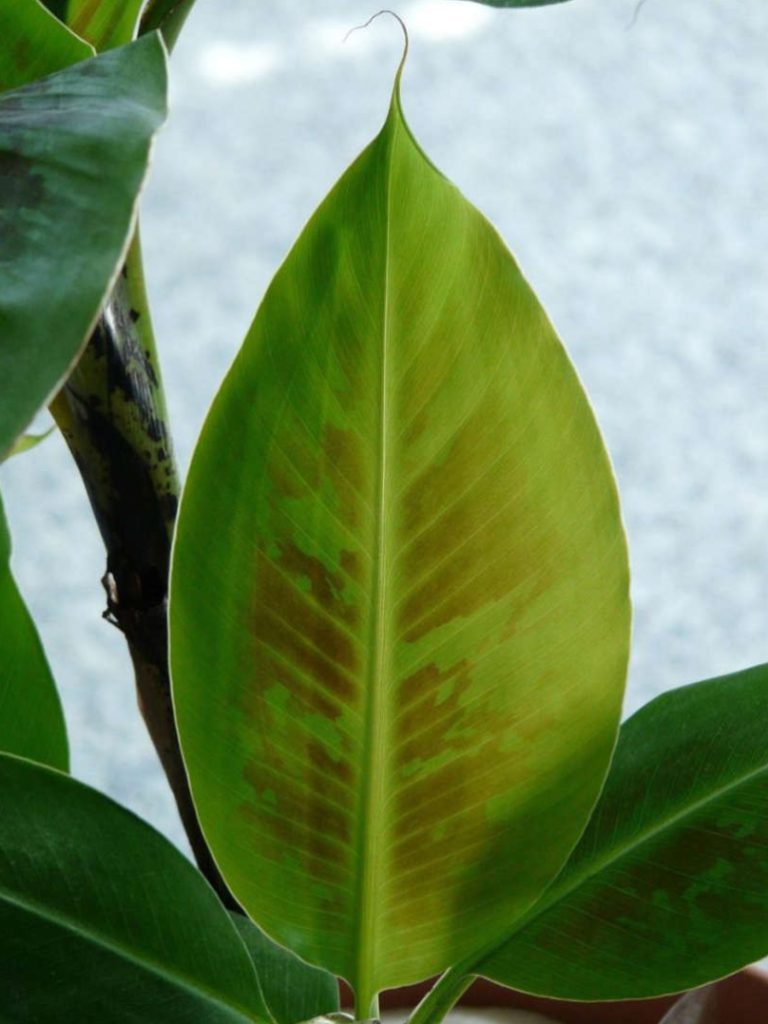
    Moisture-loving plants such as banana plants, elephant ears, and large tropical foliage create damp, shaded environments. These plants hold water in the soil and block sunlight from drying the ground quickly. Snakes are drawn to these cool and moist spaces, especially during hot seasons.

    These areas also attract frogs, insects, and other small wildlife that prefer wet conditions. Snakes often follow these animals for food. When combined with thick leaves and low visibility, moisture-rich gardens can become ideal hiding and hunting zones for snakes. Proper drainage and spacing between plants can help reduce this issue.

  • The largest known venomous snake discovered exceeded the size of a king cobra

    The largest known venomous snake discovered exceeded the size of a king cobra

    The phrase largest venomous snake discovered exceeded king cobra size has sparked a lot of curiosity, but it also leads to confusion because it mixes facts about real snakes with rumors and misunderstandings. Many people assume the king cobra is the biggest venomous snake ever found, but science shows that size comparisons depend on whether we look at length, weight, or fossils from ancient times. The king cobra is still the longest venomous snake alive today, reaching up to about 18 feet in rare cases.

    However, no confirmed modern venomous snake has been officially verified as larger in length than the largest recorded king cobra. This article explains what is true, what is misunderstood, and what scientists really know about giant venomous snakes.

    King cobra size and why it is often misunderstood

    Photo by beatebasenau on Pixabay

    The king cobra is widely known as the longest venomous snake in the world, and this is supported by multiple scientific records. Most adult king cobras measure between 10 and 13 feet long, but some rare individuals can grow much longer. The largest confirmed king cobra recorded reached about 18 feet, which is extremely large for any venomous snake alive today.

    Even though it is called “king,” this snake is not the heaviest or thickest snake in the world. It looks very long and lean compared to heavier snakes like anacondas and pythons. This difference often confuses people into thinking other venomous snakes must be bigger, but that is not supported by verified records. In terms of venomous snakes living today, the king cobra still holds the top spot for length.

    Claims about larger venomous snakes in recent discoveries

    Photo by Mike_68 on Pixabay

    Sometimes online stories suggest that a newly discovered venomous snake is bigger than a king cobra. These claims usually come from unverified reports, misidentified fossils, or exaggerated social media posts. In reality, no modern living venomous snake has been scientifically confirmed to exceed the largest known king cobra in length.

    There are venomous snakes like vipers and rattlesnakes that are much heavier in body mass, but they are far shorter in length. Some fossil discoveries have suggested ancient venomous snakes may have been very large, but these are not living species. For example, scientists occasionally discuss prehistoric vipers that might have been massive, but these are based on limited fossil evidence and cannot be compared directly to modern living snakes. This is why careful scientific review is important before accepting size claims.

    How scientists measure snake size accurately

    Photo by National Cancer Institute on Unsplash

    Measuring snake size is not as simple as it sounds because snakes stretch, shrink, and behave differently depending on conditions. Scientists usually measure length from head to tail using straightened specimens under controlled conditions. This helps avoid mistakes caused by flexible bodies that can appear longer or shorter in the wild.

    Weight is also an important measurement, but it does not always match length. A thick-bodied snake may weigh more but still be shorter than a long, thin snake like the king cobra. Because of these differences, scientists always record both length and weight when studying snake size. This is why the king cobra is known for length records, while other snakes dominate in weight.

    Venomous snakes that are often confused with size records

    Photo by Joshua J. Cotten on Unsplash

    Several venomous snakes are often mistakenly thought to be larger than king cobras. The black mamba, for example, is very fast and dangerous, but it is usually shorter than a king cobra. Other vipers and cobras may look intimidating, but they do not match the king cobra’s confirmed length records.

    Some people also confuse large non-venomous snakes like anacondas or reticulated pythons with venomous ones. These snakes are far heavier and longer in extreme cases, but they do not produce venom. This misunderstanding often leads to false claims about “largest venomous snake” discoveries. When properly verified, the king cobra remains unmatched in its category among living snakes.

    Ancient giant snakes and fossil confusion

    Photo by DavidClode on Pixabay

    Fossil evidence shows that prehistoric snakes were much larger than anything alive today. Some ancient species like Titanoboa reached lengths far greater than modern snakes, but they were not venomous in the way modern cobras are classified. These ancient giants lived millions of years ago and belong to completely different evolutionary environments.

    Scientists sometimes debate newly discovered fossil snakes that might have been large venomous species, but these findings are still under study. Even if some ancient venomous snakes were larger, they do not change the fact that no living venomous snake has surpassed the king cobra in confirmed records. This distinction between fossil species and living animals is very important in understanding size claims.

  • Warning signs that a copperhead may be closer than expected

    Warning signs that a copperhead may be closer than expected

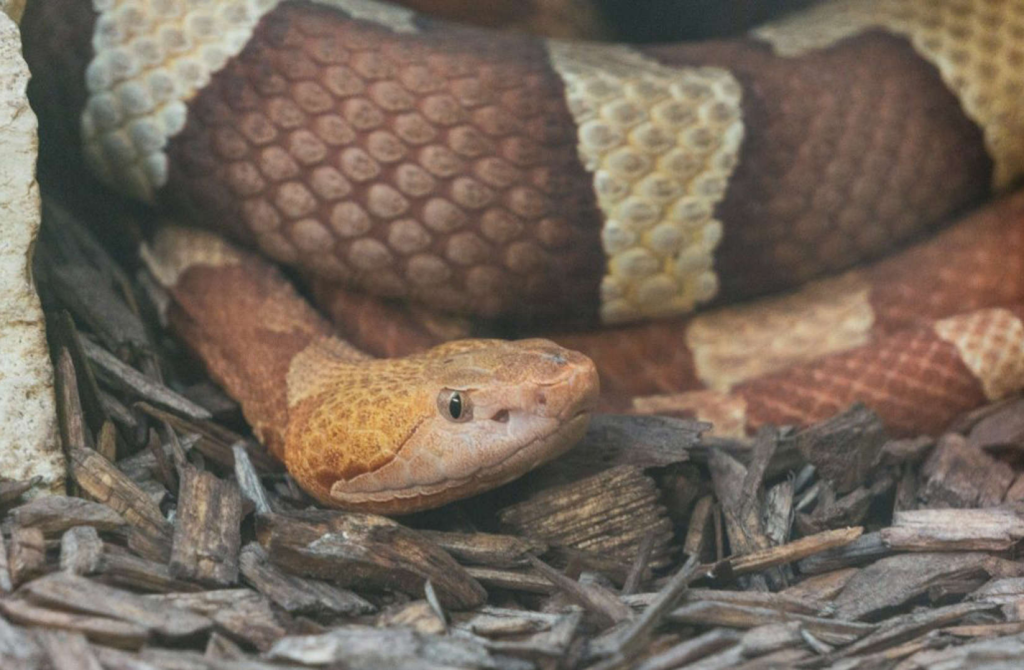
    A copperhead snake is one of the most commonly encountered venomous snakes in the eastern United States, and many people never realize one is nearby until they are already too close. Knowing the warning signs that a copperhead may be closer than expected can help you avoid accidental encounters in your yard, garden, or while hiking. These snakes are masters of camouflage and often stay perfectly still, blending into leaves, dirt, and rocks.

    In this article, you will learn how to recognize the key signs that a copperhead might be nearby, where they like to hide, and what behaviors give them away before you ever see them clearly. The goal is to help you stay aware, stay safe, and understand how to avoid dangerous close encounters in everyday outdoor spaces.

    Their camouflage blends perfectly with fallen leaves

    Photo by Thomas Gabernig on Unsplash

    Copperheads are famous for their natural camouflage, which makes them extremely hard to see in normal outdoor conditions. Their bodies have a mix of light brown, tan, and darker hourglass-shaped patterns that look almost identical to dry leaves on the ground. This allows them to stay hidden in plain sight without moving at all.

    One of the biggest warning signs is actually the lack of movement in an area where something feels “off.” If you are walking through leaf litter and notice an unusual shape that does not match sticks or shadows, that could be a copperhead staying perfectly still. They often rely on this freeze behavior to avoid detection, which means your eyes may pass over them without noticing anything at first.

    Sudden silence in birds and small animals nearby

    Photo by Oldiefan on Pixabay

    One of the most overlooked warning signs is a sudden change in animal behavior around you. Birds, squirrels, and small animals often react quickly when a predator like a copperhead is nearby. You may notice that birds suddenly stop chirping or small animals disappear from an area that was active just moments before.

    This silence happens because copperheads are ambush predators that sit quietly and wait for prey like mice, frogs, or insects. Their presence can cause smaller animals to avoid the area completely. If you are in a normally active outdoor space and everything suddenly feels still, it is worth paying attention to your surroundings more carefully.

    Rustling leaves or slow movement in leaf piles

    Photo by 165106 on Pixabay

    Copperheads often move very slowly and quietly through leaf piles, mulch, or thick ground cover. Because their bodies are heavy and muscular, their movement can cause a soft rustling sound that is easy to miss if you are not listening carefully. This is especially true in wooded areas or gardens with thick debris on the ground.

    Another warning sign is a slight shifting of leaves that seems unnatural, almost like something is gently sliding underneath. Unlike fast animals that scatter debris loudly, copperheads move in a controlled and slow way. If you hear soft movement but cannot see the source, it is best to stop and carefully look before stepping closer.

    Tail vibration that mimics a warning rattle

    Photo by sandid on Pixabay

    Copperheads do not have rattles like rattlesnakes, but they can still produce a similar warning behavior. When they feel threatened, they may rapidly vibrate their tail against dry leaves or ground cover. This creates a buzzing or rattling sound that can confuse people into thinking a different type of snake is present.

    This behavior is a defensive warning, not an attack. It usually means the snake feels too close to a person or animal and is trying to avoid conflict. If you hear a strange buzzing sound coming from the ground while hiking or gardening, it is important to stop moving immediately and carefully check the area from a safe distance.

    Presence of rodent activity or feeding zones

    Photo by Jay Prajapati on Unsplash

    Copperheads are ambush predators that prefer areas with a steady food supply, especially rodents. If you notice signs like burrow holes, droppings, or frequent rodent movement in one area, that can be a strong indicator that a copperhead may also be nearby. They often stay close to places where food is easy to find.

    These snakes are not random wanderers. They tend to stay in areas where hunting is successful, such as woodpiles, stone walls, and overgrown gardens. If your yard or hiking path shows strong signs of rodent activity, it increases the chance that a copperhead could be using the same space to hunt quietly.

    Hiding in shaded, cool, and undisturbed areas

    Photo by Arnaud Padallé on Unsplash

    Copperheads prefer environments where they can stay hidden and regulate their body temperature. They are often found under logs, rocks, thick shrubs, or piles of debris where sunlight does not reach directly. These places give them protection and also make it easier for them to surprise prey.

    Indoors, they may occasionally enter garages, storage rooms, or basements if those spaces are dark and undisturbed. Outdoors, they are especially common in areas with leaf litter or fallen branches. If you are approaching a shaded spot that has not been disturbed in a while, it is important to look carefully before placing your hands or feet anywhere.

  • The US states with the highest coyote populations

    The US states with the highest coyote populations

    Coyotes live in almost every part of the United States, and their numbers have grown because they can survive in deserts, forests, farms, suburbs, and even large cities. Wildlife agencies do not do one single national count, so exact numbers are estimates built from state reports, harvest data, sightings, and habitat studies.

    If you want to know where coyotes are most common, the answer usually comes down to land size, food, and how easily they adapt to people. The states below are widely recognized as having some of the largest coyote populations, with Texas leading by a large margin.

    Texas has the largest coyote population

    Photo by Loik Marras on Unsplash

    Texas has the highest estimated coyote population in the country, with some estimates placing it at more than 850,000 animals. Its huge size gives coyotes room to spread across deserts, grasslands, ranches, and wooded areas.

    Coyotes do especially well in Texas because prey is everywhere, from rabbits and rodents to deer fawns and leftover food near towns. Even active hunting has not removed them, because coyotes often respond to pressure by reproducing quickly and moving into open territory.

    California supports a massive coyote range

    Photo by Iris Papillon on Unsplash

    California is often ranked second, with estimates ranging from 250,000 to 750,000 coyotes, because the state includes many very different habitats. They live in deserts, mountains, coastal hills, and city edges, making them one of the most visible wild predators in the state.

    California is unusual because coyotes are not only in remote places but also in major urban areas. They are regularly seen in neighborhoods around Los Angeles and San Diego, showing how easily they adapt to life near people.

    Arizona and New Mexico remain strongholds

    Photo by Christoph von Gellhorn on Unsplash

    Arizona has one of the highest coyote totals in the Southwest, with estimates near 200,000. The dry climate and open land match the coyote’s original historical range, so the species has long been common there.

    New Mexico also supports a large population because of its mix of desert scrub, grasslands, and mountain foothills. Coyotes in these states often face fewer barriers than in dense eastern forests, allowing them to spread widely across open terrain.

    Kansas and the Great Plains remain core habitat

    Photo by Samuel Myles on Unsplash

    Kansas remains one of the strongest coyote states because the species originally expanded from the central plains. Large farm fields, prairie grass, and steady prey populations create ideal conditions for survival.

    The Great Plains also provide many edge habitats, where open fields meet brush and woodland. Coyotes hunt best in these transition zones, which is why they continue to thrive in Kansas and nearby states despite farming and human growth.

    Colorado and Nevada have large western populations

    Photo by Melanie Magdalena on Unsplash

    Colorado has a strong coyote population that spreads from the eastern plains to mountain valleys. Even areas with harsher winters still support large numbers because coyotes can change their diet and territory quickly.

    Nevada also ranks high because wide desert basins and low human density give coyotes room to roam. They often survive in places where larger predators are scarce, helping them dominate many local food chains.

    Why coyotes keep spreading across America

    Photo by Dylan Ferreira on Unsplash

    Coyotes once lived mostly in the western and central parts of North America, but they now occupy nearly every U.S. state except Hawaii. Their spread happened over the last century as forests were cleared, towns expanded, and larger predators declined.

    They survive because they eat almost anything, from mice and fruit to trash and pet food left outside. That flexibility means even states without the highest totals can still have stable coyote populations in suburbs, parks, and farmland.

  • A baby elephant loses its trunk as experts raise concerns about its survival

    A baby elephant loses its trunk as experts raise concerns about its survival

    A baby elephant losing its trunk is one of the most serious injuries an elephant can face. The trunk is not just a nose. It helps the animal breathe, drink, eat, smell danger, and stay close to its family, so losing it creates major survival problems from the start.

    This article explains what happens when a young elephant loses its trunk, why wildlife experts are deeply worried, and how some calves have survived with human care or herd support. It also looks at the real causes behind these injuries, including poacher snares and predator attacks, and why the outcome is often uncertain for a calf in the wild.

    Why the trunk matters so much

    Photo by Amar Hussain on Unsplash

    An elephant’s trunk is one of the most important body parts in the animal kingdom. It works like a hand, a straw, and a communication tool all at once, and it contains around 40,000 muscles that help with many daily tasks.

    Young elephants depend on their trunks to learn how to pick up grass, pull leaves, spray water, and touch their mothers. Without it, a calf loses the main tool it needs to feed itself and interact with the herd, especially as it grows older.

    How baby elephants lose their trunks

    Photo by Amar Hussain on Unsplash

    In many cases, calves lose all or part of the trunk after getting caught in wire snares. These traps are often set for smaller animals, but elephants can accidentally step into them or wrap the wire around the trunk while exploring.

    Predator attacks can also cause this injury. Crocodiles may grab a young elephant when it drinks near rivers, and hyenas have been reported attacking calves that become trapped or separated from the herd.

    Why survival is so uncertain

    Photo by Howen on Unsplash

    Experts say a calf with no trunk faces a very hard future in the wild. It may still nurse from its mother for a time, but older calves need to collect solid food and water on their own, and that becomes much harder without the organ.

    The trunk also helps with cooling the body and detecting danger. A calf that cannot use it may struggle during drought, fail to keep up with the herd, or become weak from poor nutrition, even if the wound heals.

    Some elephants do adapt

    Photo by NIR HIMI on Unsplash

    There are documented cases of elephants surviving with severe trunk injuries. Some learn to kneel at water sources and drink directly with the mouth, while others rely on eating plants at head level because they cannot pull grass from the ground.

    A few orphaned calves have survived in sanctuaries after being rescued. One recent case involved a young elephant named Long’uro, who lost most of his trunk as a calf and adapted with constant human care at a sanctuary in Kenya.

    Why herd support can make a difference

    Photo by redcharlie on Unsplash

    Elephants are highly social and live in close family groups. Adult females often help raise calves, and researchers have observed herd members staying close to injured young elephants to protect them and guide them.

    Some experts believe family support may help a calf survive longer than expected. Adults may help by slowing the group’s pace, standing guard, or making it easier for the injured calf to access food and water.

    What this means for conservation

    Photo by Maurits Bausenhart on Unsplash

    When a baby elephant loses its trunk, the injury often points to a larger problem in the habitat. Snares, shrinking forests, and more contact with farms are increasing the number of severe injuries seen in elephants across parts of Africa and Asia.

    Conservation workers say each injured calf is a warning sign. It shows how human activity can harm wildlife even when elephants are not the intended target, and it highlights why stronger habitat protection matters.

    The future depends on where the calf is found

    Photo by Glen Carrie on Unsplash

    A calf that remains in the wild without rescue faces the hardest odds. Wildlife specialists have said that reaching adulthood without a trunk is unlikely, especially without extra help from the herd or nearby people who can monitor it.

    If the calf is found by trained rescuers, the outcome may improve. Sanctuaries can provide food, medical care, and close support, but even then, many calves with severe trunk injuries still face long recoveries and uncertain futures.