If you are heading out on a hike, it is normal to wonder about the most aggressive snakes you might encounter on an ordinary hike. The idea of suddenly stepping near a dangerous snake can feel stressful, especially in wooded trails, rocky paths, or near water. While most snakes are not truly aggressive toward people, some species are more defensive and more likely to strike when they feel threatened.
In this article, you will learn about several snake species that hikers most often describe as aggressive or defensive in behavior. You will also understand where they live, how they act, and why they react the way they do. The goal is simple: help you stay calm, recognize risk, and make safer choices so your hike stays enjoyable and worry-free.
Cottonmouth snakes often stand their ground

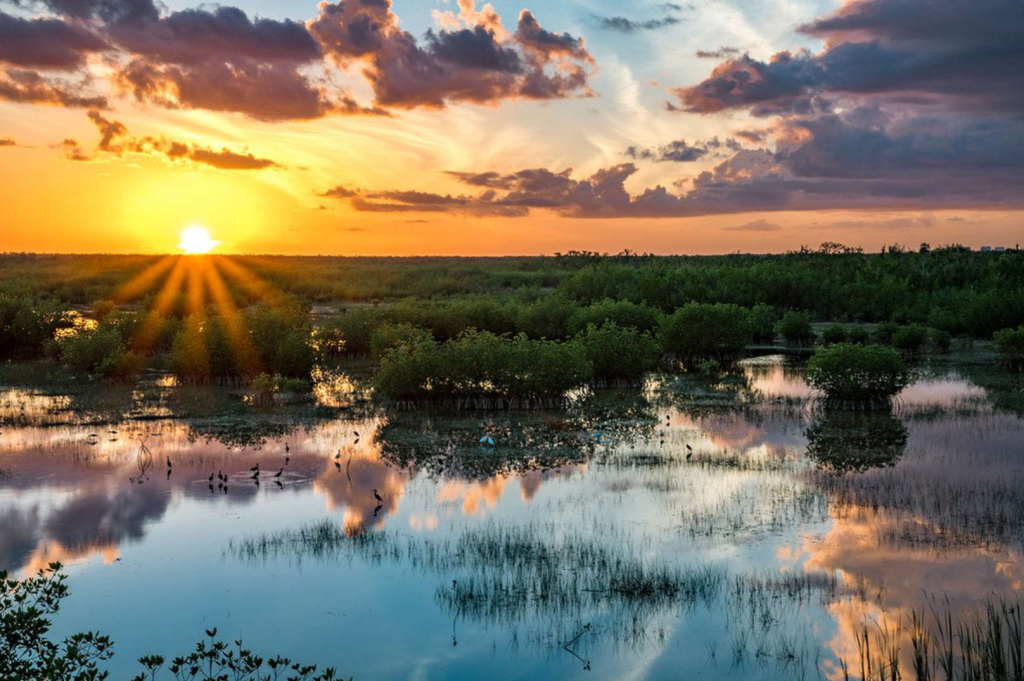
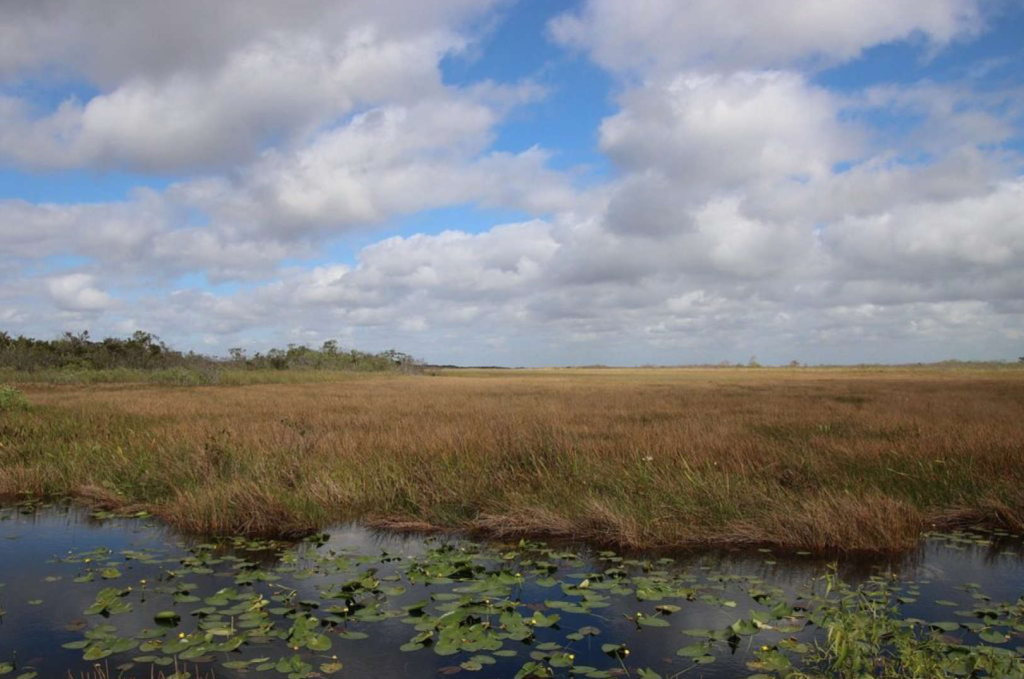
Cottonmouth snakes, also called water moccasins, are commonly found in wet areas like swamps, marshes, slow rivers, and lake edges in the southeastern United States. Hikers who explore near water are more likely to come across them, especially in warm and humid regions where these snakes thrive.
They are known for their defensive behavior. When they feel threatened, they may open their mouth wide to show a white interior, which is how they got the name “cottonmouth.” Instead of quickly fleeing like many snakes, they may stay in place and act boldly to warn a potential threat. Even though this can look aggressive, it is mainly a defense strategy to avoid being stepped on or disturbed.
Rattlesnakes are alert and quick to warn

Rattlesnakes are some of the most recognizable venomous snakes hikers may encounter in dry grasslands, deserts, rocky hills, and mountain trails across North America. Their rattle at the end of the tail is a built-in warning system that alerts animals and people when they get too close.
When disturbed, rattlesnakes often shake their rattle to warn hikers to stay away. If the warning is ignored or they are surprised at close range, they may strike quickly. However, most rattlesnakes prefer to avoid confrontation and will not attack unless they feel directly threatened or cornered.
Copperheads rely on camouflage and surprise defense

Copperheads are common in the eastern and central United States, especially in forests, leaf-covered trails, and rocky areas. Their copper-colored bodies blend extremely well with dead leaves, making them hard to see during a hike.
Unlike snakes that warn loudly, copperheads often stay still when humans approach. This increases the chance of accidental contact. If stepped on or startled, they may bite in defense, but they are not naturally aggressive and usually try to remain unnoticed.
Timber rattlesnakes are powerful, but avoid people

Timber rattlesnakes live in wooded and rocky regions, especially in parts of the eastern United States. They are larger than many other rattlesnakes and can produce a loud, noticeable rattle when disturbed.
Even though they are strong and capable of delivering a serious bite, timber rattlesnakes are generally calm and prefer to avoid humans. Most encounters happen when hikers accidentally get too close without noticing them on forest floors or along rocky paths.
Eastern diamondback rattlesnakes are large and defensive

The eastern diamondback rattlesnake is the largest rattlesnake species in North America and is found in the southeastern United States. Its size and strength make it one of the more intimidating snakes hikers might encounter in its natural habitat.
When threatened, it usually gives a loud rattling warning and may hold its ground instead of fleeing. However, like other rattlesnakes, it is not actively seeking out humans and prefers open sandy or pine forest environments where it can stay hidden.
Coral snakes are shy but still highly venomous

Coral snakes live in parts of the southern United States and are usually found hidden under logs, leaves, or soil. They are shy and rarely seen by hikers because they spend most of their time underground or in concealed areas.
They do not behave aggressively and rarely bite unless handled or stepped on. Despite their calm nature, they are highly venomous, so it is important to recognize their bright red, yellow, and black banding and avoid any contact.