
Bald eagles are one of America’s most protected birds, so when several suddenly disappeared or turned up dead, it raised serious questions. In multiple cases across the United States and beyond, wildlife officers had to step in after eagles vanished without warning. Some were found later. Others were never recovered.
These eagle disappearances matter because they often point to larger problems, like illegal poisoning, shootings, or habitat threats. Investigators have learned that when a protected bird disappears, the reason is often not natural. This article explains the most verified cases, what officials found, and why these missing eagles became major wildlife investigations.
How the missing eagle cases first came to light
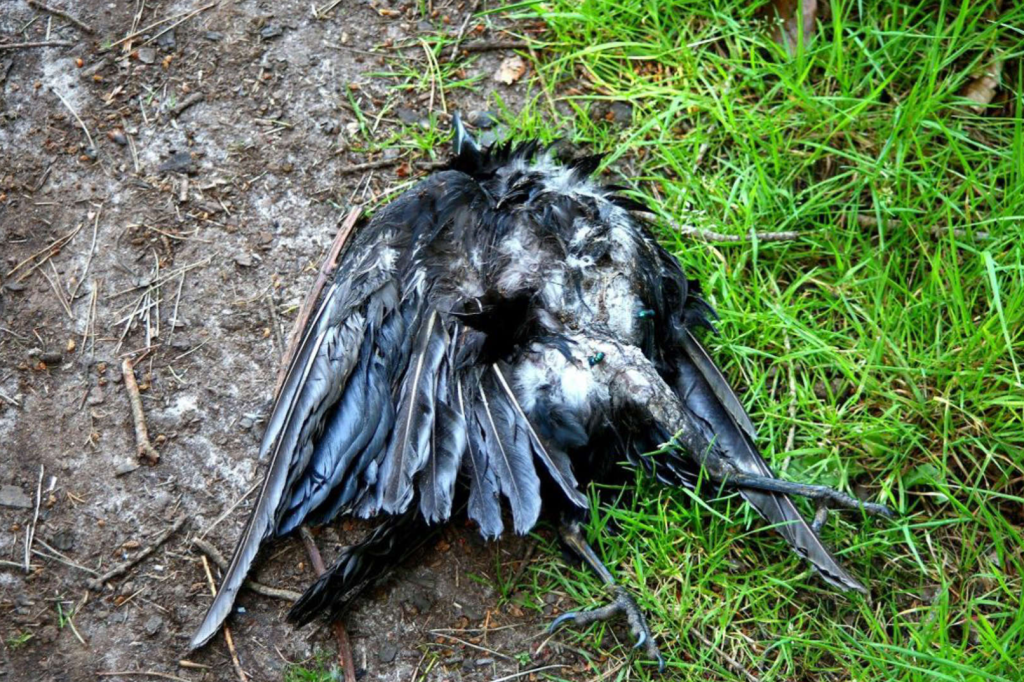
One of the most well-known cases happened in Maryland in 2016. A person walking through farmland found several bald eagle bodies scattered in a field. Wildlife officers searched the area and discovered 13 dead eagles. At first, nobody knew what had happened. The birds showed no obvious signs of attack, and the mystery quickly became national news.
Federal wildlife teams joined local officers because bald eagles are protected by federal law. The scale of the event was shocking. Maryland officials said it was one of the largest eagle death cases the state had seen in decades. That made it clear the incident was not normal and needed a full investigation.
Authorities discovered many were not natural deaths

Lab testing later showed the Maryland eagles had not died from disease or natural causes. Experts found they had ingested carbofuran, a highly toxic pesticide that had already been banned in the United States. This meant the birds had likely eaten poisoned bait or a poisoned animal carcass.
Because carbofuran was banned, investigators treated the deaths as a possible criminal case. The poison can kill birds quickly, especially scavengers like eagles that feed on dead animals. Officials never announced a person charged in that case, but they confirmed the deaths were caused by human-related poisoning.
New cases showed eagles were still disappearing years later
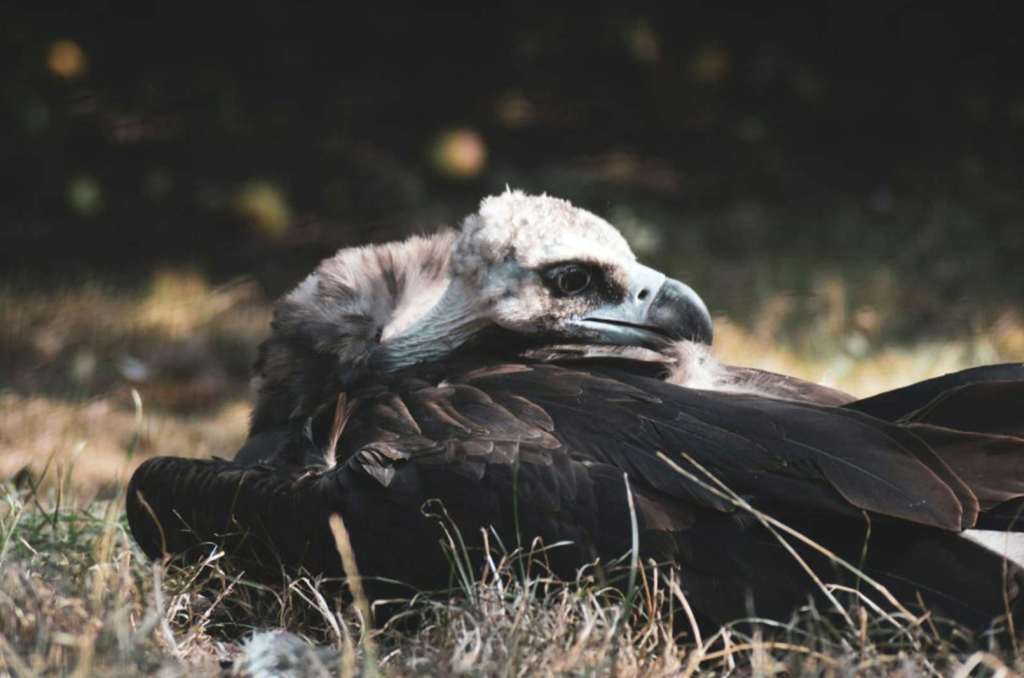
The problem did not end there. In spring 2026, Michigan officials announced that five bald eagles were found dead in the same area of the Upper Peninsula. Investigators said these deaths were not caused by weather, predators, or vehicle crashes. That meant something unusual had happened again.
The Michigan Department of Natural Resources asked the public for help and opened an official investigation. Federal agencies also became involved because harming bald eagles can bring federal charges. At the time of the public notice, authorities had not released the exact cause but said the deaths appeared suspicious.
Some eagles simply vanished before anyone found them

Not every case involved dead birds. In Tennessee in 2026, three bald eagles escaped from a sanctuary after a storm damaged their enclosure. The birds were from a rescue facility and were considered non-releasable because of past injuries. Once the enclosure tore open, they flew away and disappeared before staff could recover them.
Authorities and wildlife groups searched the surrounding area, but the birds remained missing for weeks. Because some had injuries that affected flying, officials worried they might not survive long in the wild. This showed that even protected birds can disappear quickly when unexpected events happen.
Why are eagles often targets despite legal protection?

Bald eagles were removed from the endangered species list in 2007 after major recovery efforts, but they are still protected under the Bald and Golden Eagle Protection Act. That law makes it illegal to kill, poison, trap, or even possess an eagle without permission.
Even with these laws, eagles are sometimes harmed because they feed on carcasses left by hunters, poisoned animals, or fish carrying toxins. In some cases, people illegally shoot them. Wildlife officers say eagles can become accidental victims, but some investigations point to deliberate actions.
Investigators rely heavily on public tips
In many eagle cases, wildlife agencies depend on people to report what they see. The Maryland case led to reward offers after investigators struggled to find enough evidence. Officials said the public was essential because large rural areas are hard to monitor.
The same happened in Michigan. Authorities publicly asked anyone with information to contact the state poaching hotline. Even a small clue, like a suspicious vehicle or unusual bait left in a field, can help officers understand how these birds disappeared or died.
Leave a Reply