
Florida’s python problem keeps getting bigger, and a recent discovery shows why. Hunters in the Florida Everglades found and removed 431 Burmese python eggs, stopping hundreds of invasive snakes from hatching in one of America’s most fragile wetlands. Burmese pythons are not native to Florida, but they have spread through the Everglades and are now one of the area’s most serious wildlife threats.
The removal of 431 eggs matters because each egg could have become another large predator in a place already struggling with invasive species. Wildlife managers say stopping nests before hatching is one of the most effective ways to slow python growth. Understanding why this happened helps explain how Florida is trying to protect its native animals and wetlands.
Why 431 eggs are a major discovery

Finding 431 eggs in one operation is a huge number because Burmese python nests can contain dozens of eggs from one female. Removing that many eggs means hunters likely stopped several future generations from entering the ecosystem. Female Burmese pythons can lay between about 30 and 100 eggs in a single breeding season.
That means one nest can quickly lead to many more snakes if left alone. In a place like the Everglades, where pythons already breed in the wild, a single successful nest can add to a growing population that is hard to track. Experts say finding nests is often harder than catching adult snakes because nests stay hidden in thick brush.
How Burmese pythons took over the Everglades
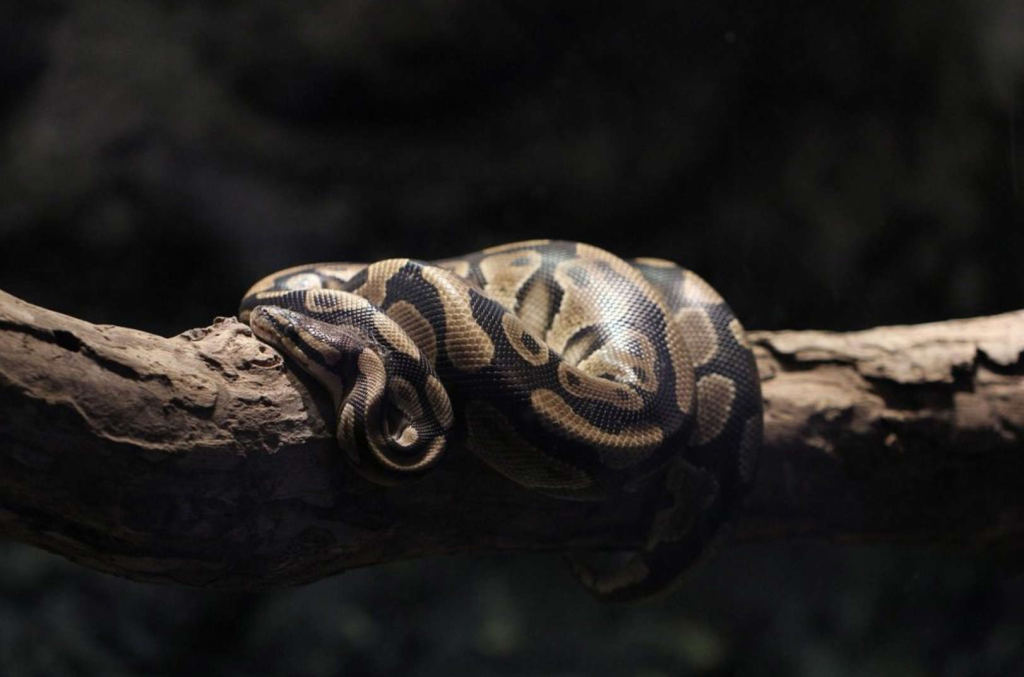
Burmese python did not naturally live in Florida. Wildlife officials say many entered the state through the exotic pet trade, and some were released into the wild after owners could no longer care for them. Over time, they adapted to the warm and wet conditions of South Florida.
Once the snakes started breeding, their numbers grew fast. The Everglades offered food, shelter, and few natural predators for a giant constrictor. That gave the species a strong advantage and allowed it to spread across much of South Florida’s wetland system.
Why the Everglades are at risk

Everglades is one of the most important wetland systems in the United States. It supports birds, reptiles, mammals, fish, and many threatened species. When a large predator like the Burmese python enters that system, it changes the natural balance.
Studies have shown major drops in some mammal populations where pythons became common. Animals like marsh rabbits, raccoons, and opossums have declined in some areas. That also hurts native predators that rely on those animals for food.
How hunters found the nest

Python hunters usually search at night because the snakes move more when temperatures cool down. Many licensed removal agents drive slowly along levees and canals, using flashlights to spot movement. Others track females during breeding season because a nesting female may lead them to eggs.
Once a female is found, teams carefully inspect the area for eggs. Burmese pythons often coil around their eggs to protect them until hatching. That makes nest removals dangerous because adult females can be large and aggressive when defending their clutch.
Florida’s growing python removal program

Florida created organized removal programs to control pythons in the Everglades. The state works through the Florida Fish and Wildlife Conservation Commission and the South Florida Water Management District. Contractors are paid to search for and remove pythons from designated public lands.
Hunters can also receive extra payment for finding active nests. State officials say that is because removing eggs may prevent far more snakes than removing one adult alone. Programs like the Florida Python Challenge also bring public attention to the issue each year.
What happens next for the Everglades
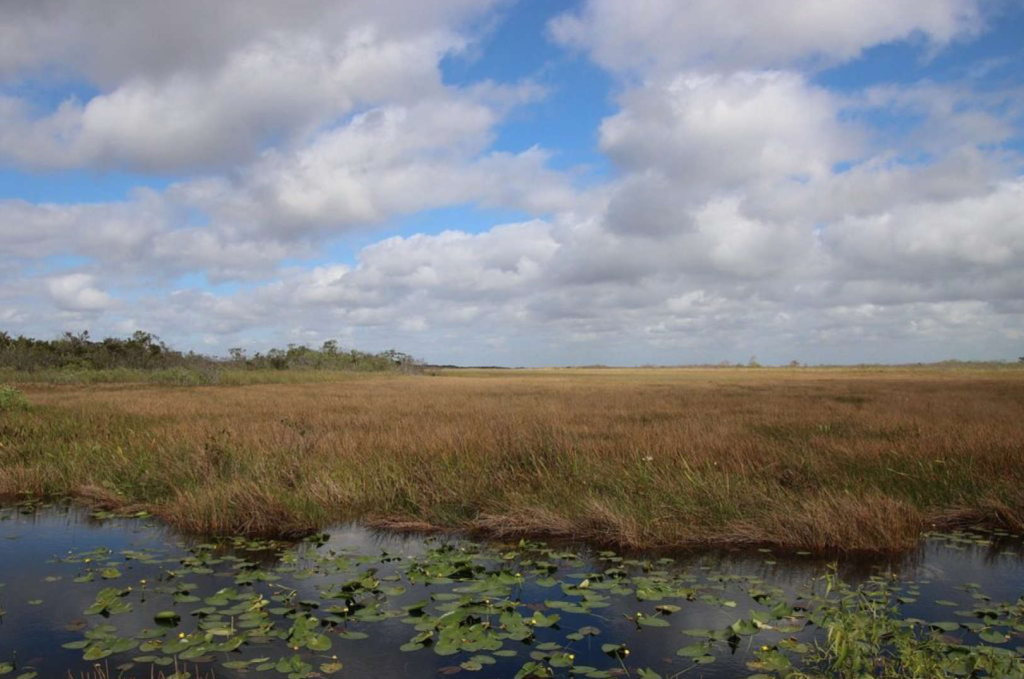
Removing 431 eggs is a major short-term success, but experts say the python problem will continue for years. These snakes are hard to detect because they blend into marsh grass, tree islands, and swamp edges. Many are never seen, even in places where they are common.
Wildlife agencies believe ongoing removal is the only way to slow the invasion. Every adult python and every nest removed reduces future breeding. While it may not fully erase the species from South Florida, it helps protect native wildlife from further losses.
What the 431 egg removal shows
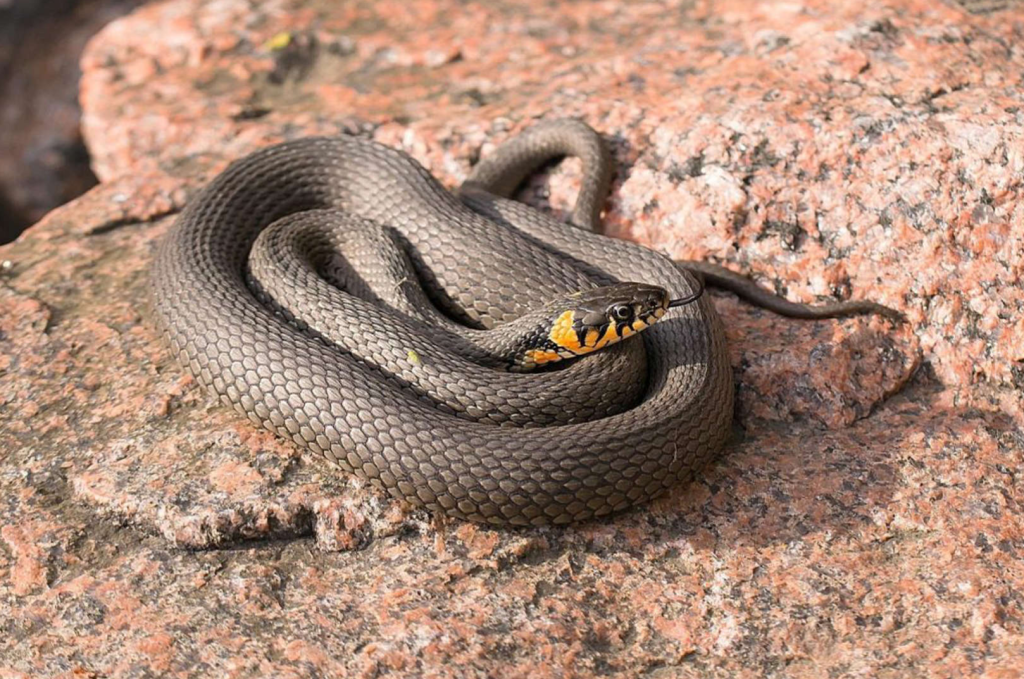
The discovery of 431 python eggs shows how deeply invasive pythons are established in South Florida. A single nest can hold dozens of eggs, and several nests together can quickly create a population surge. Removing eggs is one of the fastest ways to stop that growth.
It also shows how difficult the fight has become. Hunters are not just removing snakes anymore; they are racing to stop the next generation before it hatches. For the Everglades, every nest found means fewer invasive predators entering an already stressed ecosystem.
Leave a Reply