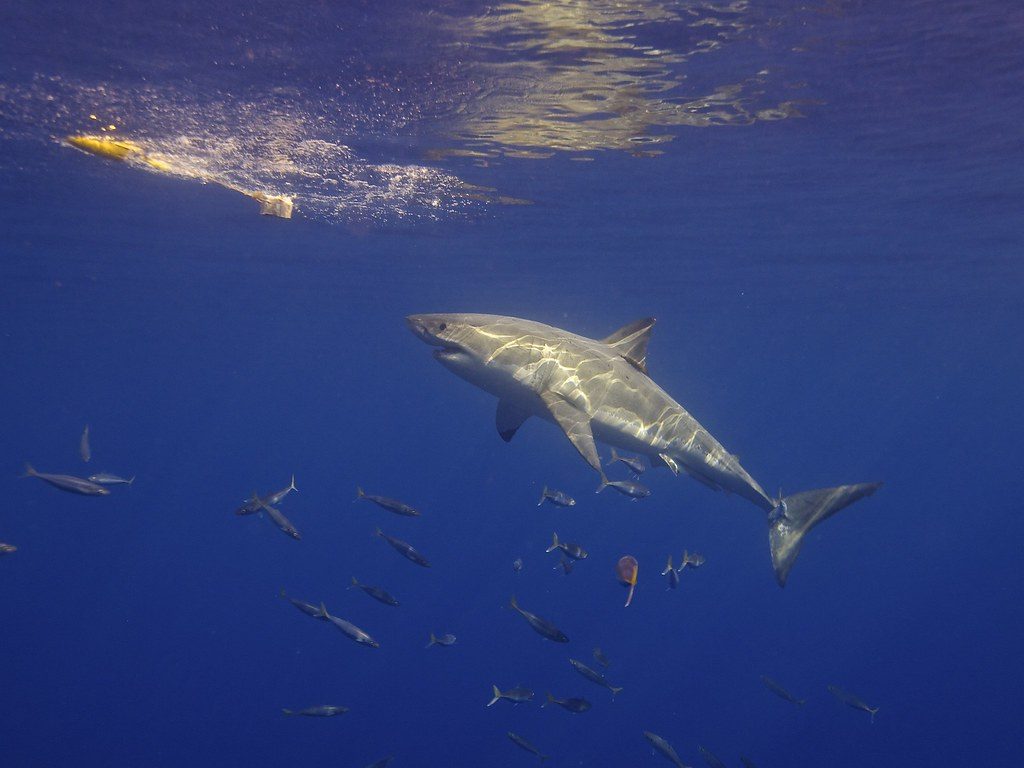
The ocean is warming faster than many scientists expected, and great white sharks are feeling the change. Global warming is changing where these famous predators live, what they eat, and how they interact with other animals. While great white sharks are known for being powerful hunters, they are not immune to changes in their environment.
Rising ocean temperatures are shrinking some of their favorite habitats and pushing them into new waters. Scientists are now tracking these changes closely to understand what they mean for sharks, marine ecosystems, and even people. This article explains how global warming is affecting great white sharks, why these changes are happening, and what the future may hold for one of the ocean’s most important predators.
Great white sharks depend on the right temperatures
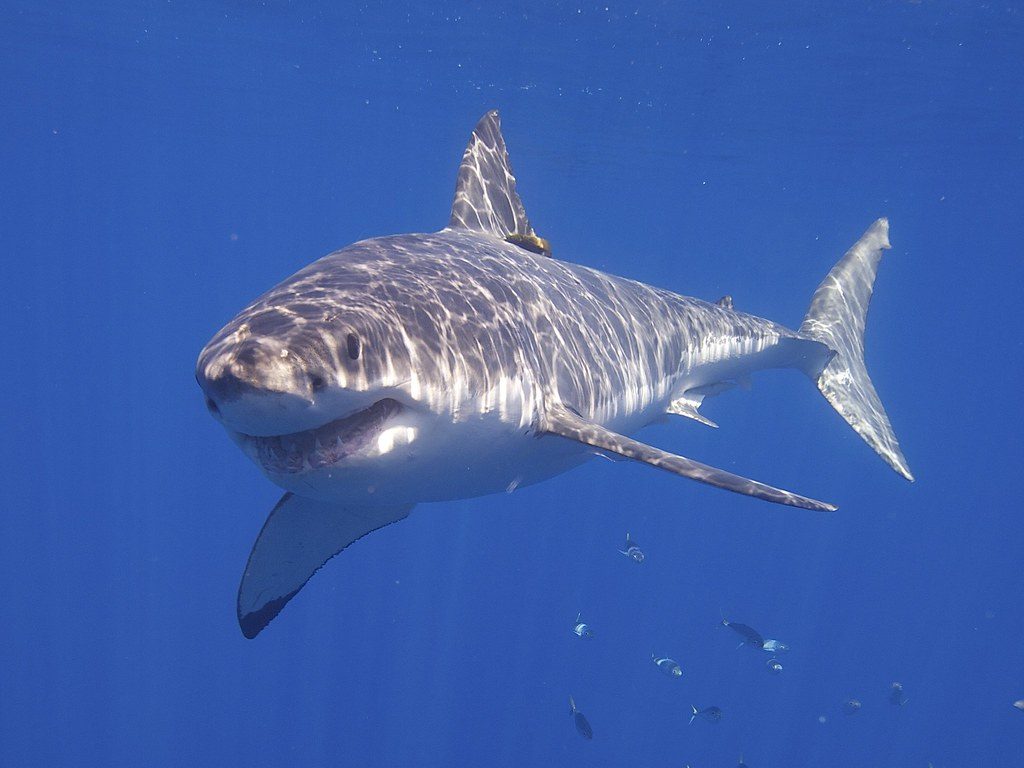
Great white sharks live in many oceans around the world, but they do not swim just anywhere. They prefer waters within certain temperature ranges that help them hunt efficiently and conserve energy. Young sharks are especially sensitive to temperature because they spend much of their early lives in shallow coastal waters. As global warming raises ocean temperatures, these preferred habitats are changing. Areas that were once ideal are becoming too warm, while cooler areas farther north or south are becoming more suitable.
Scientists have already observed major shifts in where young great white sharks live. Along the California coast, juvenile sharks moved their northern range by about 373 miles, or 600 kilometers, between 2014 and 2020. Researchers believe this happened because warming waters reduced the amount of suitable habitat available to the sharks. Even a small change in ocean temperature can have a large impact because predators and prey often rely on very specific environmental conditions.
Ocean warming is pushing sharks into new regions

One of the clearest effects of climate change is that great white sharks are appearing in places where they were once rare. Scientists call this a range shift, which means animals move into new areas as environmental conditions change. Young great white sharks have increasingly been spotted farther north along the Pacific coast of North America. Similar patterns are expected in other parts of the world as ocean temperatures continue to rise.
This movement does not mean sharks are invading new places on purpose. Instead, they are following temperatures that suit their bodies and searching for food. Researchers studying sharks in Australia have predicted that suitable habitats may continue shifting toward cooler regions over the coming decades. Models suggest some coastal areas could lose much of their favorable habitat by the end of the century, while regions farther from the equator may become more attractive to sharks. These changes could reshape marine ecosystems in ways scientists are only beginning to understand.
Changes in prey are making survival harder
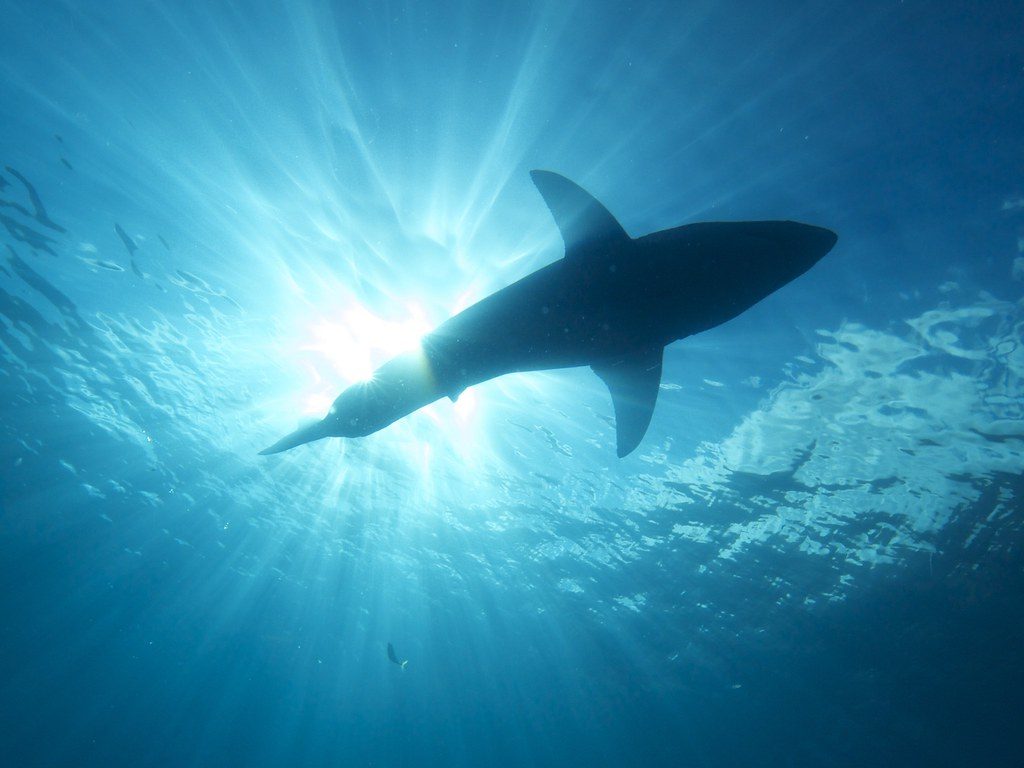
Great white sharks are apex predators, but even top predators depend on healthy food webs. Global warming is changing where fish, seals, and other prey species live. As ocean temperatures rise, many smaller fish move toward cooler waters or deeper areas. This forces great white sharks to travel farther and spend more energy searching for food.
Scientists say warming oceans are already affecting prey availability for sharks and rays around the world. In some areas, prey and predators are being squeezed into smaller habitats because the amount of suitable cool water is shrinking. This crowding can increase competition and disrupt natural predator-prey relationships. When sharks must spend more energy hunting while finding less food, it becomes harder for them to grow, reproduce, and survive. Young sharks may be especially vulnerable because they need reliable food sources during their early years.
Great white sharks are reaching their physical limits
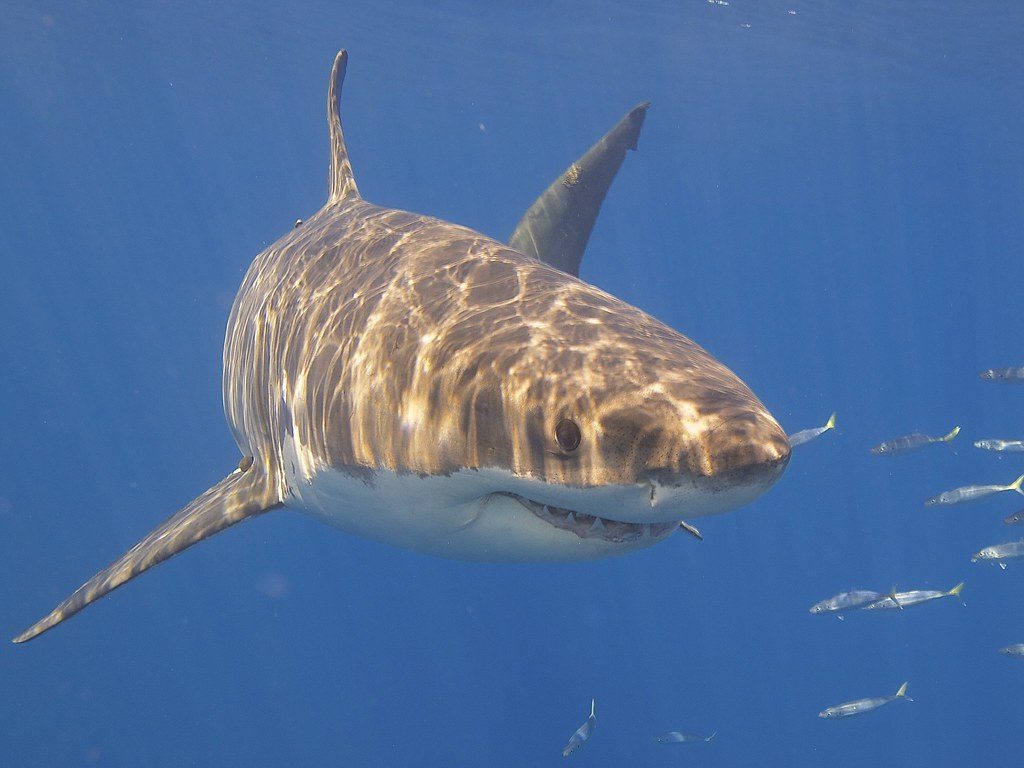
Great white sharks are unusual among fish because they can keep parts of their bodies warmer than the surrounding water. This ability helps them swim faster and hunt effectively in cooler oceans. However, it also means they use much more energy than cold-blooded fish. As ocean temperatures rise, their bodies face new challenges that may push them close to their natural limits.
Recent research found that warm-bodied marine predators, including great white sharks, use nearly four times more energy than cold-blooded species. In warmer oceans, sharks may have to slow down, change how blood flows through their bodies, or dive deeper into cooler waters. These adjustments can make hunting more difficult, especially when food is already becoming scarcer. Scientists warn that warming oceans may force these animals into cooler regions with fewer resources, creating an increasingly difficult balance between staying cool and finding enough food to survive.
Ecosystems are changing as sharks move
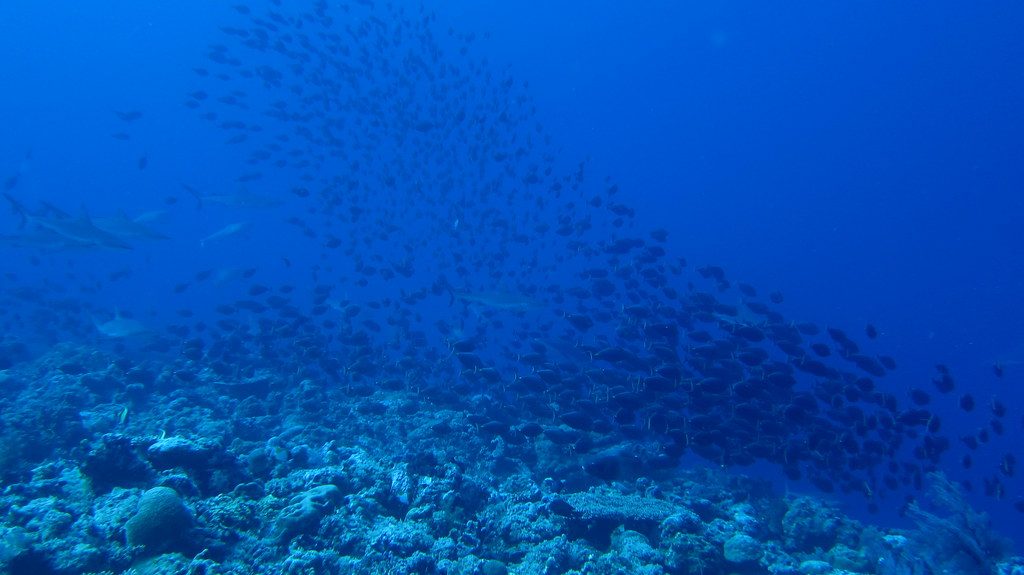
Great white sharks play a major role in keeping marine ecosystems balanced. As apex predators, they influence the behavior and population sizes of many other animals. When sharks move into new areas, the effects can spread throughout the food web and change ecosystems in unexpected ways.
Researchers studying California waters found that warming oceans have compressed sharks and their prey into smaller regions. This may contribute to declines in some fish populations because prey species have fewer places to hide. In areas where juvenile sharks are appearing more often, scientists are also studying how their presence affects animals such as sea otters and other marine mammals. These ecosystem changes are complex, and many questions remain unanswered. Still, experts agree that climate-driven shifts in shark populations could have important consequences for coastal ecosystems around the world.
The future of great white sharks depends on climate action

Climate change is not the only threat facing great white sharks. Overfishing, accidental capture in fishing gear, habitat loss, and pollution have already placed pressure on shark populations worldwide. Climate change adds another challenge by altering the oceans faster than many species can adapt. Scientists are now using satellite tags, ocean temperature maps, and computer models to predict where sharks may move in the future and how their habitats will change.
There is still hope for great white sharks if warming can be slowed and marine ecosystems are protected. Creating healthy marine protected areas, reducing harmful fishing practices, and cutting greenhouse gas emissions can all help sharks adapt to changing conditions. Scientists stress that protecting sharks is not just about saving one species. Healthy shark populations help maintain balanced oceans, and balanced oceans are important for countless other species, including humans. The choices made today will shape whether future generations see thriving great white sharks or a species struggling to keep up with a rapidly changing world.
Leave a Reply