
The largest largemouth bass catches across every U.S. state are a major point of pride for anglers and fishing fans. These records show how big these fish can grow in different parts of the country and why some lakes are known for trophy bass. In this guide, you will learn how state records compare, why certain regions produce giant fish, and what factors help bass reach record-breaking sizes.
You will also see how climate, food supply, and fishing practices shape these impressive catches. By the end, you will have a clear picture of where the biggest largemouth bass in America come from and why some states stand out more than others.
Southern giants in bass fishing

The southern United States is home to the most famous largemouth bass records in the country. Warm weather and long growing seasons give bass more time to feed and grow throughout the year. States like Georgia, Florida, Texas, and Alabama consistently produce fish that reach extreme sizes compared to the rest of the nation.
One of the most legendary records comes from Georgia, where a largemouth bass weighing 22 pounds, 4 ounces was caught in 1932 by George Perry. This fish is still considered one of the largest verified largemouth bass ever recorded in history. Florida also produces giant bass, with its state record sitting at about 17 pounds, 4 ounces, caught in the 1980s. Texas stands out as well, with an 18-pound, 18-ounce bass caught at Lake Fork, showing how southern waters remain top-tier for trophy fishing.
Western trophy waters and big catches

Western states produce impressive largemouth bass, but their records are usually slightly smaller than those in the South. This is mainly because many western areas have cooler winters and shorter warm seasons, which limit how long bass can grow each year. Even so, certain lakes in California, Arizona, and Nevada are famous for producing trophy-sized fish.
California holds one of the most impressive western records with a largemouth bass weighing about 21 pounds, 12 ounces, caught at Castaic Lake. This fish is one of the largest ever recorded in the United States and shows how strong California’s reservoir systems can be for bass growth. Arizona also produces notable catches, with its state record sitting around 16 pounds, 7 ounces, from Canyon Lake. These examples show that while the West may not always match the South, it still produces world-class bass under the right conditions.
Northern and eastern state records
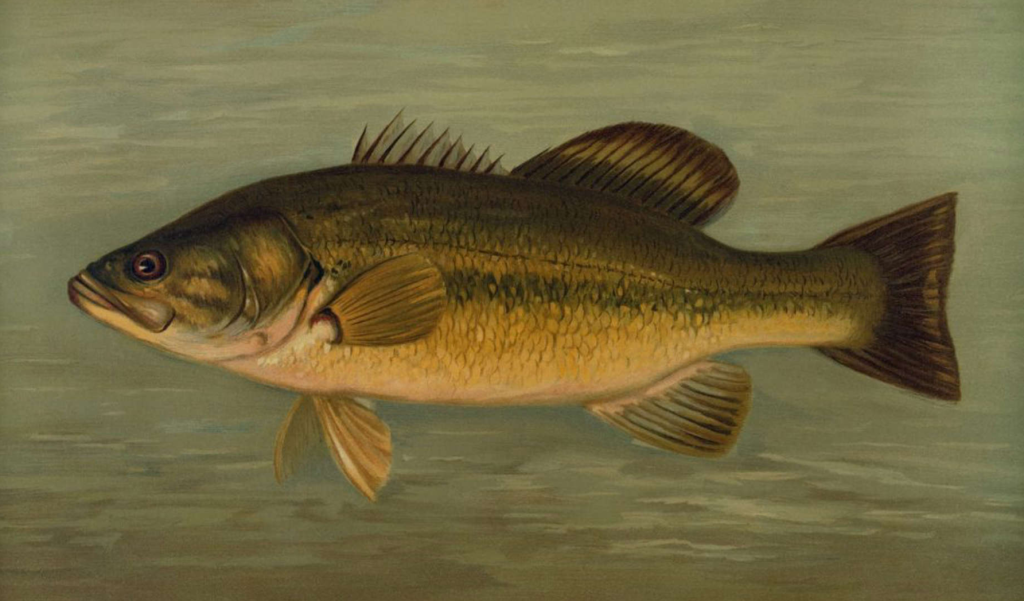
Northern and eastern states generally have smaller largemouth bass records due to colder temperatures and shorter growing seasons. In these regions, bass do not have as many months of active feeding, which naturally limits their maximum size. However, anglers in these areas still catch impressive trophy fish that are highly respected locally.
In states like Michigan, Wisconsin, and New York, state records usually range between 8 and 12 pounds. These fish are considered very large for colder climates and often come from deep or protected lakes. New England states such as Massachusetts and Vermont typically have records closer to 9 to 11 pounds, showing consistent patterns across colder regions. Even though these numbers are smaller than southern records, they are still a major achievement for anglers in those areas.
What makes largemouth bass grow so big
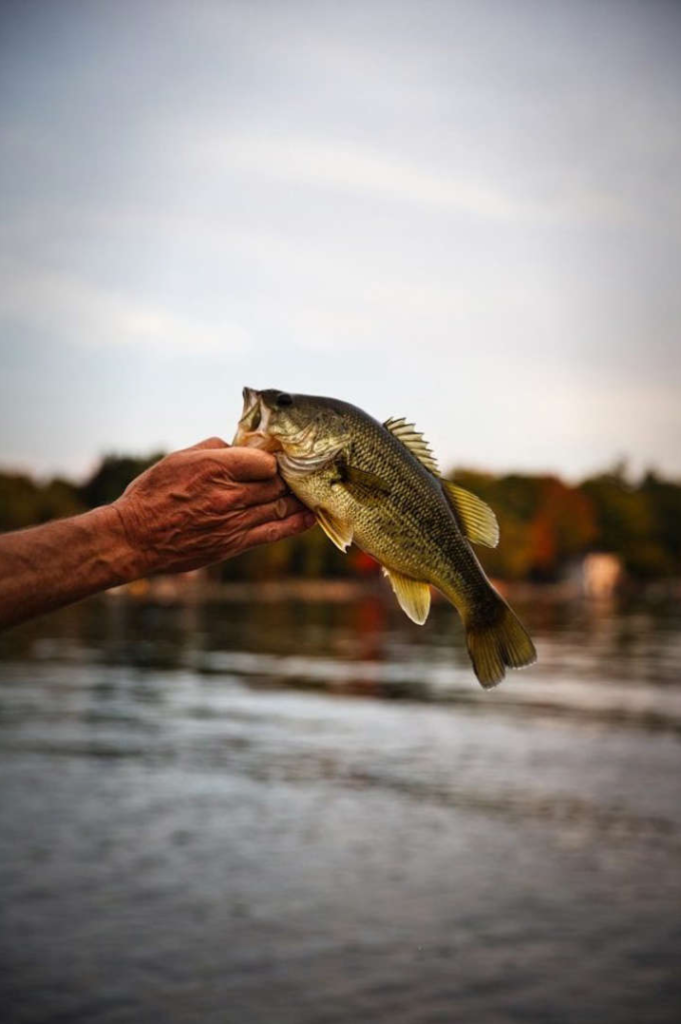
Several natural factors decide how large a largemouth bass can grow in a specific state. Water temperature is one of the most important because warmer water allows bass to stay active longer throughout the year. When fish have more active months, they feed more often and grow faster over time.
Food supply also plays a major role in record-sized bass. Lakes filled with baitfish like bluegill and shad give bass a steady source of high-energy food. Genetics can also influence size, since some bass populations naturally grow larger than others. In addition, fishing pressure affects growth because catch-and-release practices can allow more fish to reach older and heavier stages.
Modern fishing and record trends
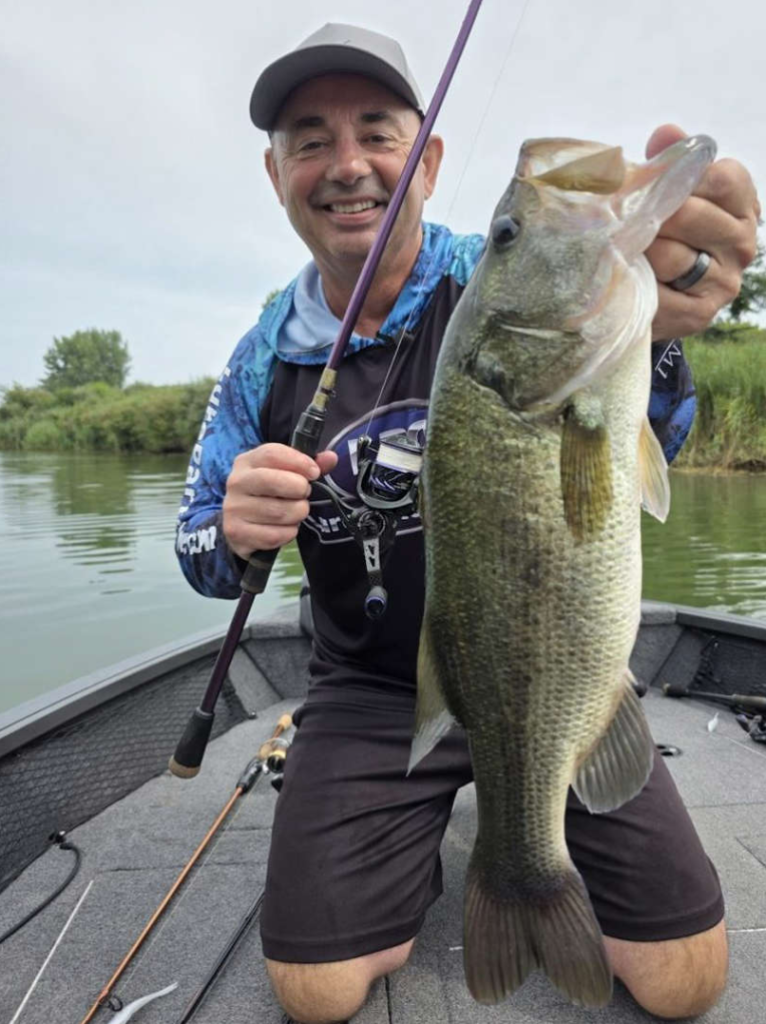
Modern fishing has changed how anglers find and catch largemouth bass. Tools like sonar and fish finders make it easier to locate deep or hidden fish in large lakes. This technology has increased the chances of catching bigger bass, especially in well-managed fisheries.
At the same time, conservation programs have helped protect trophy fish in many states. Texas, for example, runs programs that study and breed large bass to improve genetics in public lakes. Florida also supports strong fisheries management that helps maintain healthy bass populations. These efforts mean that even though state records are often decades old, modern anglers are still catching fish that come close to breaking them.
Standout state records across America
Across the country, a few largemouth bass records stand out as truly historic catches. Georgia’s 22-pound, 4-ounce bass remains one of the most famous fishing records in American history. California’s 21-pound, 12-ounce bass is another legendary catch that shows the strength of its fisheries.
Texas also remains a top contender with its nearly 19-pound record fish from Lake Fork. Florida continues to be known for the steady production of trophy bass, even if its official record is slightly lower. Together, these standout states show how regional conditions shape the biggest catches in the country.
Leave a Reply