Blog

  • How smart aquarium technology is changing fishkeeping

    How smart aquarium technology is changing fishkeeping

    Smart aquarium technology is changing fishkeeping in a big way. Many fish owners used to check water, feed fish, and turn lights on by hand every day, but smart tools now help do many of these jobs automatically. Research and industry guides show that modern systems can track water conditions in real time, send alerts to a phone, and automate basic care, which helps many hobbyists avoid common mistakes.

    For people who are new to fishkeeping, that means less guessing. For experienced hobbyists, it means better control and more stable tanks, especially when keeping sensitive fish, shrimp, or reef species. This article explains how smart aquarium systems work, what they really do, and why they are changing the hobby in homes across the United States.

    Smart tools are making daily fish care easier

    Photo by Delbert Pagayona/Unsplash

    A fish tank needs steady care every day. Fish need food at the right time, clean water, proper heat, and stable light. When any of those things change too much, fish can become stressed, sick, or die.

    Smart aquarium technology uses connected devices to help with those tasks. Common examples include automatic feeders, Wi-Fi lights, smart heaters, and app-based controllers. Many systems let owners check their tank from a phone, even when they are not home.

    Sensors are helping people catch problems early

    Photo by Krys Amon/Unsplash

    One of the biggest changes in fishkeeping is the use of sensors. These sensors watch important water conditions that affect fish health. They can measure temperature, pH, dissolved solids, and water clarity depending on the system.

    In older setups, owners had to test water by hand using strips or liquid kits. Those still work well, but they only show one moment in time. A sensor can check conditions all day and send updates much faster.

    App control is changing how people manage tanks

    Photo by NordWood Themes/Unsplash

    Many smart aquariums now connect to apps. These apps show tank readings, feeding schedules, and lighting controls in one place. That makes fishkeeping feel more like managing a smart home.

    A person can open an app and see if the tank is warm enough, if the light is on, or if the feeder ran. Some systems also keep records, so users can see changes over days or weeks. That helps people understand what affects fish health over time.

    Automation is reducing common beginner mistakes

    Photo by kazuend/Unsplash

    Many new fish owners lose fish because of simple errors. They may forget to feed, change too much water at once, or leave lights on too long. Smart systems help lower those mistakes by handling repeated tasks.

    Automatic feeding is one of the most useful upgrades. It gives the same amount of food at the same time every day. That keeps fish on a regular routine and reduces waste in the tank.

    Smart aquariums are becoming more affordable

    Photo by Trần Quang Phú/Unsplash

    A few years ago, smart aquarium systems were expensive and mostly used by reef hobbyists. Today, many entry-level devices cost much less. That means regular freshwater tank owners can try smart features without buying full control systems.

    Simple smart plugs can automate lights. Basic automatic feeders are widely available. Small Bluetooth thermometers and Wi-Fi sensors are also easier to find than before.

    Smart systems are changing the future of fishkeeping

    Photo by Hobi industri/Unsplash

    The biggest change is not one device. It is the idea that fish tanks can now collect data and respond automatically. That is changing how people care for fish at home.

    Smart systems help make care steadier. Fish often do better when their environment stays stable. Stable feeding, stable heat, and stable lighting reduce stress and support better health.
  • Minimalist aquascaping is taking over the aquarium hobby in 2026

    Minimalist aquascaping is taking over the aquarium hobby in 2026

    Minimalist aquascaping is one of the biggest aquarium trends in 2026, and many hobbyists are choosing it because traditional tanks can feel crowded, expensive, and hard to maintain. Instead of filling every inch with plants, rocks, and decorations, many aquarists are now creating simple underwater scenes that use open space, fewer materials, and cleaner layouts.

    This style makes tanks easier to care for while still looking beautiful, which is why it is attracting both beginners and longtime aquarium fans. This guide explains why minimalist aquascaping is growing so fast, what makes it different, and how people are building these calm-looking tanks at home.

    Why minimalist aquascaping became popular

    Photo by Denis Bayer/Unsplash

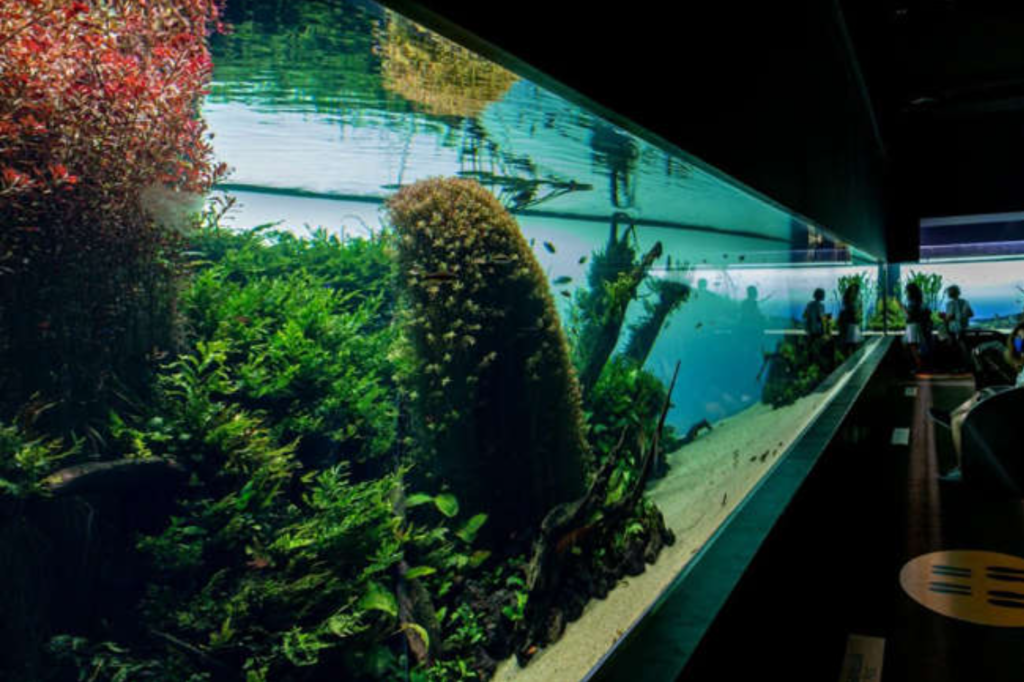
    Aquarium design has changed a lot in the last few years, and many people now want tanks that look more like living art. Minimalist aquascaping follows that idea by using just a few stones, driftwood pieces, or plants to create a peaceful, natural scene. The goal is not to make the tank look empty but to make each object stand out more clearly.

    This trend also matches modern home design. Many people are buying rimless glass tanks and placing them in living rooms, offices, or small apartments where a clean design fits better than a crowded setup. Industry reports in 2026 show that simple layouts with visible open sand and fewer decorations are becoming much more common than dense “jungle style” tanks.

    The Japanese influence behind the style

    Photo by Simon Infanger/Unsplash

    Minimalist aquascaping is strongly connected to the work of Takashi Amano, the designer who helped make aquascaping famous around the world. His nature aquarium style showed hobbyists how to copy mountains, forests, and rivers inside glass tanks. Many of today’s minimalist tanks still follow his idea of making an aquarium look like a real landscape.

    One popular form is Iwagumi, which uses rocks as the main feature. A classic Iwagumi tank usually uses an odd number of stones and one low carpet plant, leaving large open areas around them. This design has become very popular in online aquarium groups because many hobbyists say it looks peaceful and easier to maintain than crowded planted tanks.

    What a minimalist tank looks like

    Photo by karl muscat/Unsplash

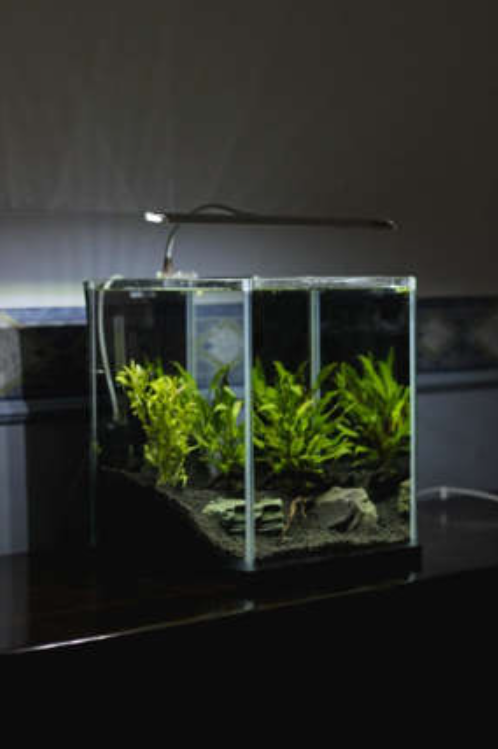
    A minimalist aquascape usually has only a few main items. It may include one group of stones, one driftwood branch, and one type of plant covering the foreground. Empty space is part of the design, and that open area helps the tank look larger than it really is.

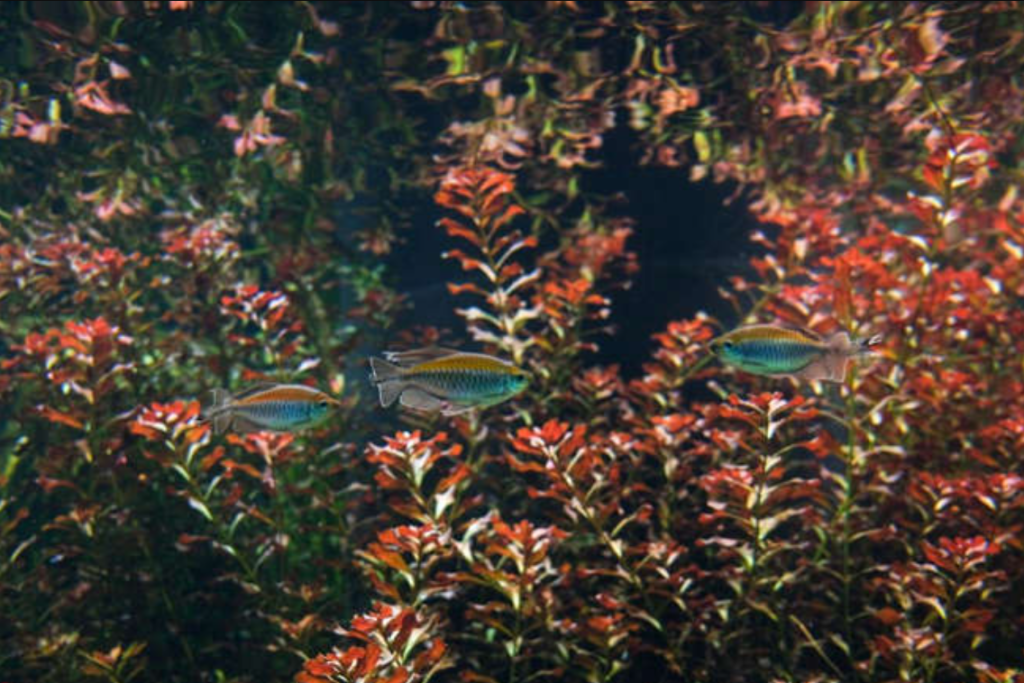
    The fish selection is also simple. Many hobbyists choose one small school of nano fish or shrimp so the aquarium keeps a calm appearance. In many 2026 setups, aquarists are using small tanks under 20 gallons because minimalist layouts work especially well in compact spaces and make small rooms feel more relaxing.

    Why hobbyists prefer it in 2026

    Photo by Naoki Suzuki/Unsplash

    One major reason is maintenance. A minimalist tank often needs fewer plants, less fertilizer, and fewer trimming sessions. That saves time, which matters because many aquarium owners are balancing the hobby with busy work schedules and smaller living spaces.

    Another reason is cost. A heavily planted tank may need advanced CO₂ systems, stronger lights, and many plant species, but minimalist setups often work with fewer materials. Hobbyists online in 2026 are talking more about downsizing tanks and simplifying their aquariums, which matches this move toward simple aquascapes.

    Technology is making simple tanks easier

    Photo by Nelson Wang/Unsplash

    Even though minimalist aquascaping looks simple, many hobbyists use new technology to support it. LED lights are now more affordable, and many systems can adjust brightness during the day. This helps create soft shadows and highlight the open layout without making the tank look harsh.

    Specialized aquarium substrates also make the hobby easier. Modern planted substrates can hold nutrients for long periods, so fewer fertilizers are needed. This means hobbyists can keep healthy plants while still maintaining the low-tech look that minimalist tanks are known for.

    Why the trend may keep growing

    Photo by Hrant Khachatryan/Unsplash

    Minimalist aquascaping fits larger lifestyle trends. In 2026, many people are interested in biophilic design, which means bringing nature indoors to make homes feel calmer. A simple aquarium with clean lines and natural stones fits that goal better than bright plastic decorations or heavily packed tanks.

    The style is also easy to share online. Minimalist tanks photograph well because they have strong contrast and clean lines, which makes them popular on aquarium forums and social media. As more beginners see these setups, the style continues growing because it looks possible to recreate without years of experience.

  • Hidden wildlife destinations travelers are exploring instead of national parks

    Hidden wildlife destinations travelers are exploring instead of national parks

    National parks are famous, but many travelers are now looking for quieter places where wildlife still feels wild. Crowds, traffic, and packed trails have pushed many nature lovers to search for hidden wildlife destinations instead of national parks.

    These places are often protected lands like wildlife refuges, island reserves, wetlands, and marine sanctuaries. They may not have the big name of Yellowstone National Park or Yosemite National Park, but they can offer better animal sightings and fewer people.

    Many travelers now want places where they can watch birds, bears, marine life, or rare animals without standing in lines. This guide looks at six places around the world where that shift is happening.

    Crystal River mixes water and wildlife

    Photo by Casey Lovegrove/Unsplash

    Crystal River has become a hidden wildlife trip for travelers who want marine encounters. It is the only place in the United States where people can legally swim with wild manatees under controlled rules.

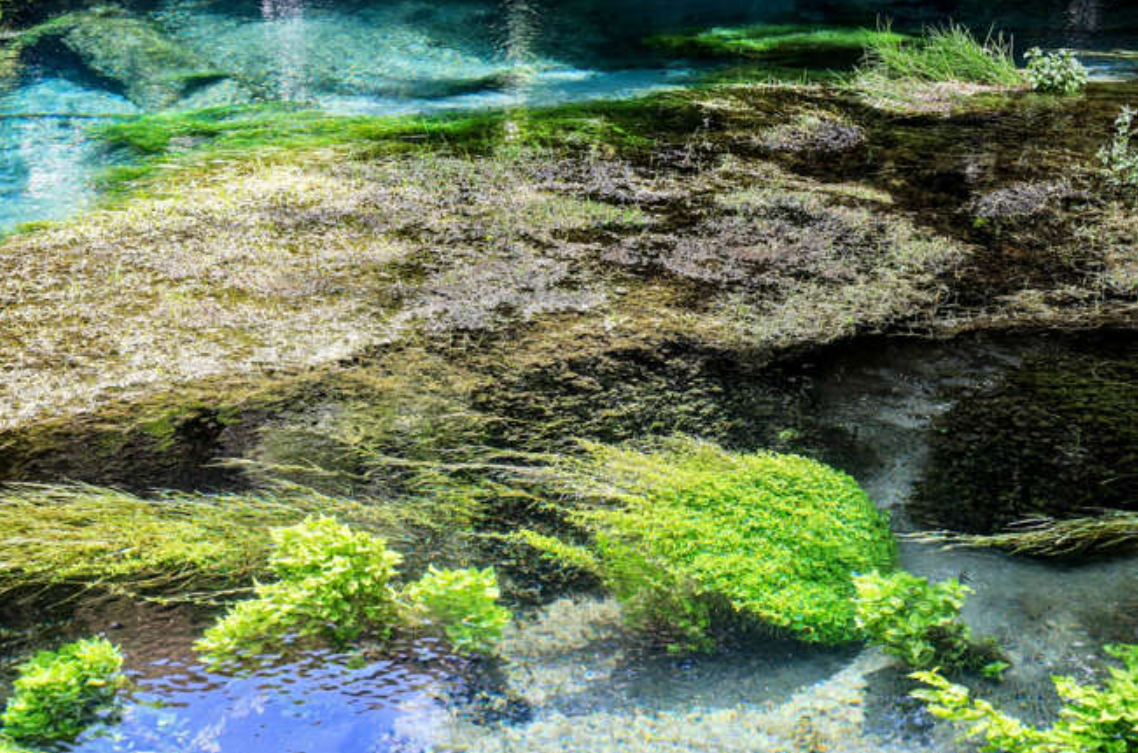
    That makes it unusual. Travelers can also explore spring-fed waterways where fish, birds, and river species are active year-round.

    Blackwater gives a quieter East Coast safari

    Photo by Nick Fewings/Unsplash

    Blackwater National Wildlife Refuge is one of the strongest examples. It protects over 30,000 acres of tidal marsh, forest, and wetlands, and it is known for bald eagles, fox squirrels, and huge bird migrations.

    Travelers visit by car, bike, kayak, and on foot. The wildlife drive there is especially popular because many birds and mammals can be seen close to the road, often without the crowds found at famous parks.

    Patuxent draws bird lovers and researchers

    Photo by Rachel C/Unsplash

    Patuxent Research Refuge is less famous but important. It was created in 1936 and remains the only U.S. wildlife refuge founded specifically for wildlife research.

    That makes it special for visitors who want to learn as they explore. Wetlands, forests, and observation areas bring migratory birds, deer, and native reptiles throughout the year.

    Islands are becoming secret wildlife escapes

    Photo by Rowan Heuvel/Unsplash

    Many hidden wildlife destinations are islands. They are harder to reach, which often protects animals from heavy tourism and keeps habitats healthier.

    Travelers say these islands feel more like a discovery. The journey may take a boat or small plane, but the reward is fewer crowds and more wildlife encounters.

    Culebra offers wildlife beyond beaches

    Photo by Andreea Munteanu/Unsplash

    Culebra is often known for its beaches, but much of the island is protected by the Culebra National Wildlife Refuge. That protected land shelters seabirds, turtles, and coral-rich coastal ecosystems.

    Travelers come for snorkeling but stay because of the wildlife. Sea turtles and nesting birds make the island more than a beach stop.

    Lambay surprises travelers with wild wallabies

    Photo by Pablo García Saldaña/Unsplash

    Lambay Island has become one of Europe’s oddest hidden wildlife spots. It is home to a population of wild wallabies, along with puffins, seals, and deer.

    The wallabies were introduced decades ago and still live on the island today. That unusual mix of species has made Lambay popular with travelers looking for something different from traditional wildlife trips.

  • Young people are identifying as animals in a viral social media trend

    Young people are identifying as animals in a viral social media trend

    Social media changes fast, and some trends can feel confusing. One of the newest viral topics is young people identifying as animals, especially on apps like TikTok, where videos of teens wearing animal masks and moving like dogs, cats, or foxes have spread widely. The trend is often linked to people called therians, and many viewers are asking if it is a joke, a hobby, or something deeper.

    The truth is more complex than many viral posts make it seem. Most experts say this is not a sudden worldwide movement, but a small online subculture that became highly visible because of social media algorithms. Understanding it helps explain how young people use the internet to explore identity, community, and self-expression.

    What the therian trend really means

    Photo by Aleksi Partanen/Unsplash

    The word therian comes from therianthropy, a term that has existed for many years in online communities. A therian is usually someone who says they feel a strong mental, emotional, or spiritual connection to a certain animal. It does not mean they believe their body has changed into an animal.

    Many young people in these groups wear masks, tails, or ears and copy animal movements. Some practice quadrobics, which means running or jumping on all fours like an animal. For some, this is identity. For others, it is role-play, creativity, or simply joining a trend they saw online.

    Why did it become viral in 2026

    Photo by Ralph Olazo/Unsplash

    The recent viral wave grew after news reports showed groups of teenagers meeting in parks in Buenos Aires. Videos showed teens wearing realistic dog or fox masks, climbing trees, and moving like animal packs. Those clips spread quickly across social media and pushed the trend into global news feeds.

    Hashtags helped it spread even faster. News reports said #therian had passed more than 2 million posts, making many people think the trend was new. In reality, the community existed long before, but social platforms suddenly pushed it to mainstream audiences.

    Why are many teens drawn to it?

    Photo by Maxim Tolchinskiy/Unsplash

    Teen years are often a time when people try different identities. They may change style, hobbies, friend groups, or online communities as they learn who they are. Experts say therian communities can become another space where young people explore belonging.

    For some, animals represent traits they admire. A wolf may mean freedom. A cat may mean independence. A fox may mean cleverness. Taking on an animal identity can feel like a way to express emotions they struggle to explain in everyday life.

    Social media plays a huge role

    Photo by Brett Jordan/Unsplash

    Platforms reward unusual videos. When one clip gets millions of views, more users copy it to get attention. That is one reason the therian trend spread so quickly. The more people watched, the more the platforms showed similar content.

    Online groups also make niche communities easier to find. A teenager who feels different can search a hashtag and instantly find thousands of others with the same interest. Reddit users pointed out that these communities existed for years but became easier to notice when algorithms began boosting them.

    It is not the same as furry culture

    Photo by Fukuro 0wl/Unsplash

    Many people confuse therians with furries, but they are different groups. Furries usually enjoy animal characters as art, costumes, or fandom. It is often about creativity and community events.

    Therians usually describe the experience as personal identity or inner connection. Some may wear masks, but the purpose is different. That distinction is important because social media often mixes the two, which creates misinformation.

    What experts say about safety and mental health

    Photo by Akshay Chauhan/Unsplash

    Psychologists who spoke to major news outlets said most cases are not automatically a mental health crisis. Many teens understand they are human and use the animal identity as self-expression. That makes it closer to identity exploration than delusion in many cases.

    Experts say concern may rise if someone stops connecting with daily life, avoids school, or cannot separate imagination from reality. In most reported cases, young participants were aware of the difference and described the activity as community and comfort.

  • Why wildlife safaris are becoming the top outdoor travel trend of 2026

    Why wildlife safaris are becoming the top outdoor travel trend of 2026

    Wildlife safaris are becoming one of the fastest-growing outdoor travel choices in 2026. More travelers are moving away from crowded city trips and looking for nature experiences that feel real, quiet, and meaningful. Recent travel reports show strong growth in safari and ecotourism, especially as more people choose trips that support conservation and local communities.

    A safari today is not just about spotting lions or elephants. It has become a way to see protected wild places, learn how animals live, and spend time outdoors without busy tourist crowds. This article explains why wildlife safaris are becoming such a major travel trend, how the industry is changing, and why many travelers are choosing safaris over traditional vacations.

    Travelers want nature over crowded cities

    Photo by Hu Chen/Unsplash

    Many people now want trips that feel calmer and less crowded. After years of overtourism in famous cities and beach destinations, travelers are searching for places where they can slow down and spend more time outdoors. Wildlife safaris fit that need because they take people into remote parks, reserves, and conservation areas.

    Safari travel also gives something that many city vacations cannot. Instead of standing in long lines or packed attractions, people can watch animals in open landscapes and spend hours away from screens. For many families, that kind of quiet experience has become more valuable than traditional sightseeing.

    Wildlife experiences feel more personal now

    Photo by Randy Fath/Unsplash

    Modern travelers are choosing experiences instead of simple vacations. That means they want trips where they can remember special moments instead of just taking photos of famous landmarks. A safari often creates those moments because every animal sighting feels different and unpredictable.

    A family might watch elephants at a water hole one morning and see a leopard resting in a tree the next. Because nature changes every day, no two safaris are exactly the same. That makes the trip feel unique, which is a big reason more travelers are choosing it in 2026.

    Safaris connect travel with conservation

    Photo by Harshil Gudka/Unsplash

    One major reason safaris are growing is that many travelers want trips that support wildlife protection. In many countries, safari fees help pay for park operations, ranger jobs, anti-poaching work, and habitat protection. Travelers know their money can directly help preserve animals and land.

    This matters to younger travelers, especially. Surveys show younger travelers are more likely to book activities that protect ecosystems or teach them about wildlife. That means safaris now match a larger travel trend where people want their vacations to have a positive impact.

    Safari tourism is growing as a global industry

    Photo by Jakub Żerdzicki/Unsplash

    The numbers show safari tourism is rising quickly. Industry estimates put the safari tourism market at about $37.75 billion in 2025, with strong projected growth through 2033. That growth is tied to travelers choosing nature-based trips and immersive experiences instead of standard package vacations.

    This growth is also expanding safari options. Travelers can now choose classic jeep safaris, walking safaris, birding tours, private conservancy stays, and river-based wildlife viewing. The wider range makes safaris more accessible to first-time travelers, not just luxury travelers.

    New safari styles are attracting younger travelers

    Photo by Jasmin Ne/Unsplash

    Safari travel has changed a lot from the old image of expensive luxury camps. Many operators now offer shorter trips, eco-lodges, and smaller tours designed for solo travelers, couples, and younger groups. That has made safaris much easier for average travelers to book.

    New safari styles are also becoming popular. Night safaris, wildlife photography trips, and conservation-focused tours are giving travelers new reasons to visit. Night safaris, in particular, are growing because they let people see animals that are rarely active during the day.

    Social media is helping safari demand grow

    Photo by Camila Seves Espasandin/Unsplash

    Social media plays a major role in safari popularity. Videos of lion sightings, elephants crossing roads, and giraffes near lodges spread quickly online. These clips often show the kind of real outdoor moments travelers now want to experience for themselves.

    Travelers also trust personal travel videos more than traditional advertising. A short clip from a safari vehicle can inspire someone more than a brochure. That online visibility has helped safaris become a top dream trip for many younger travelers.

  • The oldest snake fossils and discoveries ever recorded in history

    The oldest snake fossils and discoveries ever recorded in history

    The oldest snake fossils and discoveries give scientists a rare look at how snakes first formed millions of years ago. If you have ever wondered where snakes came from or how they lost their legs, these ancient fossils hold important clues. They show that snakes did not appear suddenly but changed slowly over a very long time.

    In this article, you will learn about the earliest snake fossils ever found and what they reveal about evolution. These discoveries include strange early reptiles with tiny legs, sea-dwelling snakes, and land-based ancestors. By the end, you will understand how snakes slowly became the animals we know today.

    Early snake-like fossils from the Jurassic period

    Photo by David Clode/Unsplash

    Some of the oldest snake-related fossils come from the Jurassic period, over 160 million years ago. One important example is Eophis underwoodi, found in the United Kingdom. It is known from small jaw bones that show both snake-like and lizard-like traits, making it hard to classify with full certainty.

    Another fossil called Parviraptor also shows a mix of features. These animals were not full snakes yet, but they show early steps in snake evolution. Their bones suggest that the snake body plan started forming slowly over millions of years instead of appearing all at once.

    First true snake ancestors from the Cretaceous seas

    Photo by MARIOLA GROBELSKA/Unsplash

    The Cretaceous period, around 112 to 94 million years ago, gives us the first clear snake fossils. One of the most famous is Pachyrhachis, a sea living snake that still has small hind legs. These legs were not used for walking but may have helped with balance in water.

    Another important fossil is Haasiophis, which also lived in marine environments. Like Pachyrhachis, it had tiny but real back legs. These fossils prove that early snakes did not lose their limbs all at once but kept small versions for a long time.

    Land living snakes and the discovery of Najash

    Photo by Ben Kupke/Unsplash

    One of the most important snake fossils ever found is Najash rionegrina, discovered in Argentina. This snake lived about 90 million years ago and is unique because it lived on land instead of in the ocean. It had strong hind legs that were attached to a pelvis, showing it was still partly built like a lizard.

    Unlike sea snakes, Najash used its body on land and likely moved through dry environments. Its legs were not weak or useless but helped it move and stabilize itself. This proves that early snakes were not only water animals but also active land hunters.

    Dinilysia and the rise of burrowing snakes

    Photo by Jason Leung/Unsplash

    Another important fossil is Dinilysia patagonica, which lived about 85 million years ago. This snake did not have visible legs, but still had strong features in its skull that show it was an early form of modern snakes. It likely lived in underground burrows or soft soil.

    Its skull was thick and powerful, which helped it push through dirt or tight spaces. This suggests that early snakes may have spent a lot of time underground for protection or hunting. This behavior may have helped shape their long, flexible bodies.

    How snake skulls reveal ancient feeding habits

    Photo by Mauro Lima/Unsplash

    Snake skull fossils are very important because they show how early snakes ate. Even the oldest snake fossils show flexible jaw structures that allowed them to open their mouths wider than most reptiles. This helped them eat prey larger than their heads.

    Early snakes also had curved teeth that pointed backward. These teeth helped them grip prey tightly so it could not escape. This feeding style is still used by modern snakes today.

    What snake fossils tell us about evolution

    Photo by Thomas Vogel/Unsplash

    All snake fossils together show that snake evolution was slow and complex. Snakes did not appear fully formed but went through many stages over tens of millions of years. Some had legs, some lived in water, and others lived underground.

    Fossils like Eophis, Pachyrhachis, Najash, and Dinilysia each show a different stage of this transformation. Together, they help scientists build a timeline of how snakes evolved from lizard-like ancestors into modern reptiles.

  • Rabid beaver attack sparks wildlife safety concerns in New Jersey

    Rabid beaver attack sparks wildlife safety concerns in New Jersey

    A rabid beaver attack in New Jersey has put a spotlight on a danger many families do not think about when they visit lakes, parks, and wooded areas. People often expect wild animals to stay away, but a sick animal can act in sudden and unusual ways. That is what happened when an aggressive beaver attacked several people, including a child, at a park in northern New Jersey.

    The incident quickly spread online because it was captured on video, but the larger story is about public safety. Health officials confirmed the animal tested positive for rabies, a serious virus that can spread through bites and scratches. Understanding what happened helps families stay safer around wildlife, especially near water where beavers live.

    What happened at the New Jersey lake

    Photo by Lukáš Vaňátko/Unsplash

    The attack happened at Lake Henry in the town of Mahwah. Police said an 8-year-old boy was fishing with family near the shoreline when the beaver suddenly came out of the water and ran straight at him. The child tried to get away but fell before the animal bit his upper thigh.

    Authorities later said the same beaver had contact with several other people that day. Animal control officers collected the beaver after reports that it was acting strangely, and testing confirmed rabies. People who had contact with the animal were told to seek medical treatment right away.

    Why the attack surprised experts and residents

    Photo by Tim Umphreys/Unsplash

    Beavers are usually shy and avoid people. They may defend territory if someone gets very close to a lodge, but experts say charging at several people in broad daylight is unusual. That kind of behavior is one reason officials suspected disease before lab results came back.

    Local residents said the story was alarming because beavers are common in parks and waterways across the state. Many people see them as quiet animals that build dams and swim away when humans appear. A direct attack changed how many viewed wildlife safety around local recreation areas.

    Why does rabies make wildlife more dangerous

    Photo by National Institute of Allergy and Infectious Diseases/Unsplash

    Rabies is a virus that attacks the brain and nervous system. It spreads through saliva, usually when an infected animal bites another animal or person. Once symptoms start in humans, rabies is almost always fatal, which is why treatment must begin quickly after exposure.

    Animals with rabies may lose fear of humans. They can become aggressive, confused, and active during unusual times of day. That is why an animal that suddenly approaches people, especially repeatedly, should be treated as a serious warning sign.

    How officials responded after the attack

    Photo by engin akyurt/Unsplash

    The local health department issued a warning asking anyone who touched the beaver to call officials immediately. Doctors evaluate bites and scratches because even small wounds may need rabies post-exposure treatment. Public health workers moved quickly because delays can be dangerous.

    Officials also reminded residents not to touch wild animals, even ones that seem calm or injured. Children are especially at risk because they may move closer out of curiosity. In many cases, people do not realize an animal is sick until it behaves aggressively.

    How common rabid wildlife is in New Jersey

    Photo by Joey Pedras/Unsplash

    Rabies is not new in New Jersey, but beaver cases are uncommon. The virus is more often found in raccoons, bats, foxes, and skunks. When a less common animal like a beaver tests positive, it often gets public attention because the event is unusual.

    Wildlife experts say rare does not mean impossible. Any warm-blooded animal can carry rabies, which means people should be careful around all wild animals, not just the ones usually linked to the virus. The safest rule is simple: if a wild animal acts strangely, stay away and report it.

    How families can stay safe outdoors

    Photo by Shashank Verma/Unsplash

    Parks and lakes remain safe for most visitors, but people should keep a distance from animals and their homes. Beaver lodges, dams, and shoreline dens should never be approached. Dogs should also stay leashed because pets may provoke wildlife and increase the risk.

    If a person is bitten, they should wash the wound with soap and water right away and get medical care immediately. Waiting to see if symptoms appear is dangerous. Fast treatment after a bite can stop rabies before it causes illness.

    What this event says about changing wildlife encounters

    Photo by Sanket Gupta/Unsplash

    More people are spending time outdoors at parks, trails, and small lakes. As towns grow closer to natural habitats, encounters with animals become more common. Most are harmless, but disease can make even familiar wildlife unpredictable.

    The New Jersey beaver case is a reminder that wild animals are not pets and should never be approached. Even an animal that looks small or calm can become dangerous if sick. Respecting distance is often the simplest way to avoid injury and disease.